
Winter doesn’t just change your wardrobe — it changes your skin. Cold air outside, dry heated air inside, and hot showers all work together to strip the lipids that keep water locked in your skin, and within a few weeks you’re dealing with tightness, flaking, and that maddening middle-of-the-night itch.
The good news is that most of the fix is free or nearly free, and none of it requires a cabinet full of fancy products. These are the changes that actually made a difference for me and my family, in the order I’d tackle them.
Turn the shower heat down (and keep it short)

Hot water is the single biggest reason winter skin goes from “a little dry” to “I can’t stop scratching.” Heat dissolves the oils in your skin barrier faster than anything else in your routine, and a long shower multiplies the damage. Dial the handle toward lukewarm — comfortable, not steaming — and aim to be in and out in five to ten minutes.
You also don’t need to soap your whole body. Skin that isn’t visibly dirty or sweaty — shins, forearms, back — does fine with a rinse and a soft cloth.
Save the cleanser for underarms, groin, hands, and feet. I keep a small shelf in the shower for just cleanser and a bottle of oil so the rest of the routine happens while my skin is still damp.
Is a bath better than a shower for dry skin?
Only if it’s a lukewarm one and you don’t stay in too long. A 10–15 minute soak can be soothing (especially with oatmeal, below), but a long hot bath is worse than a short shower for barrier damage.
Seal damp skin within three minutes of getting out

The most common mistake I see people make is drying off completely, getting dressed, and moisturizing twenty minutes later. By then the water on your skin has already evaporated — and it pulls more moisture out with it.
Instead, pat (don’t rub) until you’re just damp, then apply your moisturizer immediately. Trapping that water against your skin is what makes the difference between “soft all day” and “tight by lunchtime.”
For dry, itchy winter skin, you want something occlusive, not just something that feels nice. In order of weight, these are the layers I reach for:
- ✦A thin oil — sweet almond, jojoba, or plain squalane — for normal-to-dry skin or daytime use
- ✦A cream in a jar or tube — CeraVe Moisturizing Cream, Vanicream Moisturizing Cream, or Eucerin Original Healing Cream
- ✦A balm or ointment — Aquaphor Healing Ointment, plain shea butter, or even petroleum jelly for cracked shins and knuckles
If your skin stings when you apply anything, that’s barrier damage talking. Use the blandest option (Vanicream or plain petrolatum), skip fragrance entirely, and give it a few days before adding anything else.
Run a humidifier and turn the thermostat down a notch
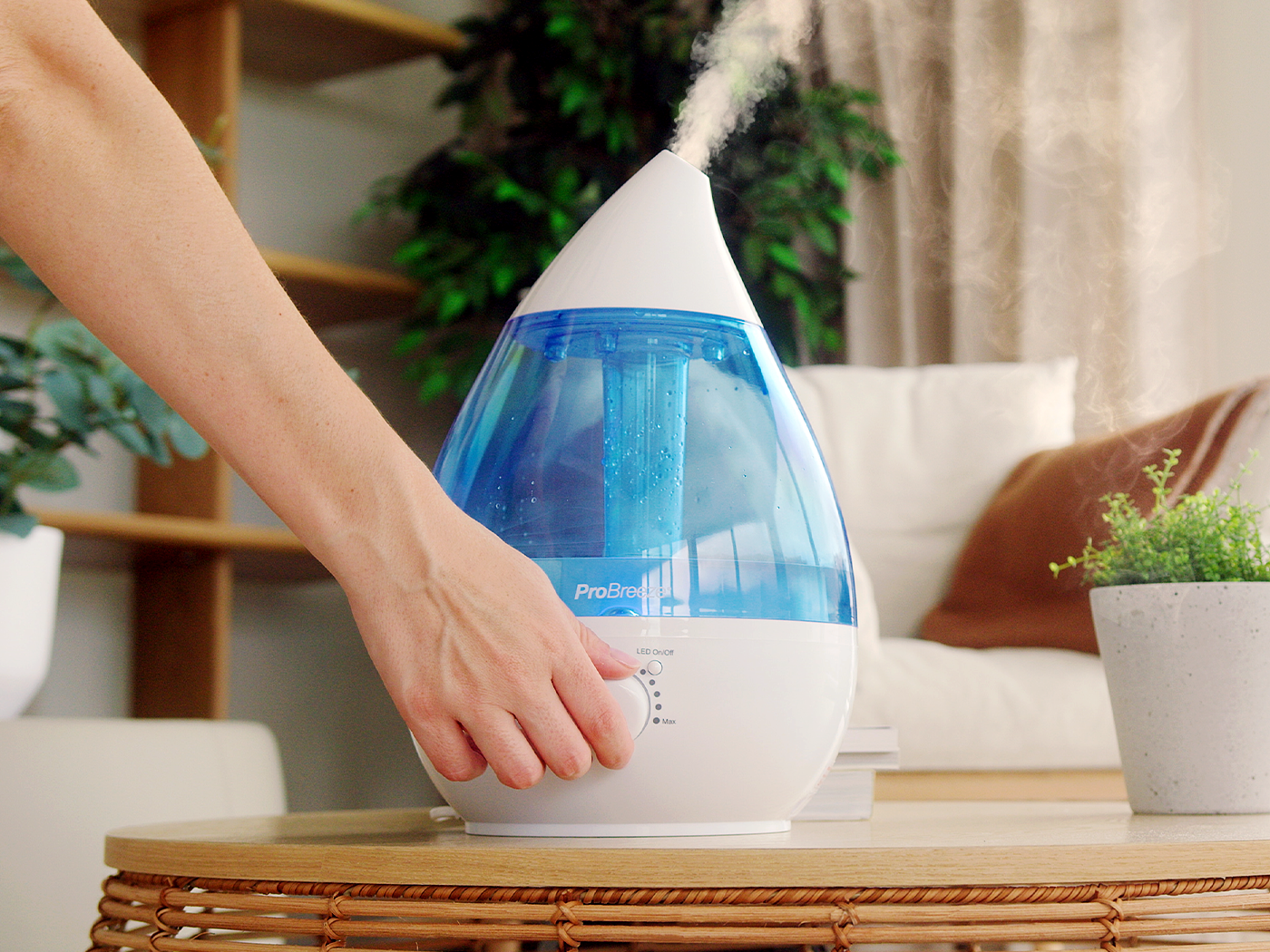
Your heating system is basically a desert generator. Central heat drops indoor humidity into the 15–25% range, and your skin pays for it even if you never leave the house.
A humidifier in the bedroom — where you spend seven or eight hours a night — does more for winter itch than almost any cream. Aim for 40–50% humidity; a cheap hygrometer tells you where you stand.
Turn the heat down to 68°F/20°C if you can stand it, because hotter rooms are drier rooms.
The type you pick matters more than the price:
- ✦Evaporative (Honeywell HEV685W) — self-regulating, no white dust, wick filter needs replacing
- ✦Ultrasonic (Levoit Classic 300S) — quiet and cheap to run, but needs distilled water or it dusts minerals everywhere
- ✦Warm mist — kills bacteria and feels cozy, but hot steam is a burn risk around kids and pets
Whatever you buy, clean it weekly. A moldy humidifier is worse for you than dry air.
Take a colloidal oatmeal bath when the itch gets loud
Oatmeal is one of the few natural remedies with real clinical backing — colloidal oatmeal binds water to the skin and calms inflammation, which is why dermatologists keep recommending it. Buy the ready-made packets (Aveeno Soothing Bath Treatment) or make your own: blitz plain rolled oats in a blender or food processor until they turn into a fine, flour-like powder that dissolves in water and leaves the bath looking milky. If it sinks to the bottom in a gritty layer, keep grinding.
Use lukewarm water, soak for 10–15 minutes, and pat dry — then moisturize while damp. Two or three times a week is plenty; overdoing baths backfires.
Switch to a soap-free cleanser
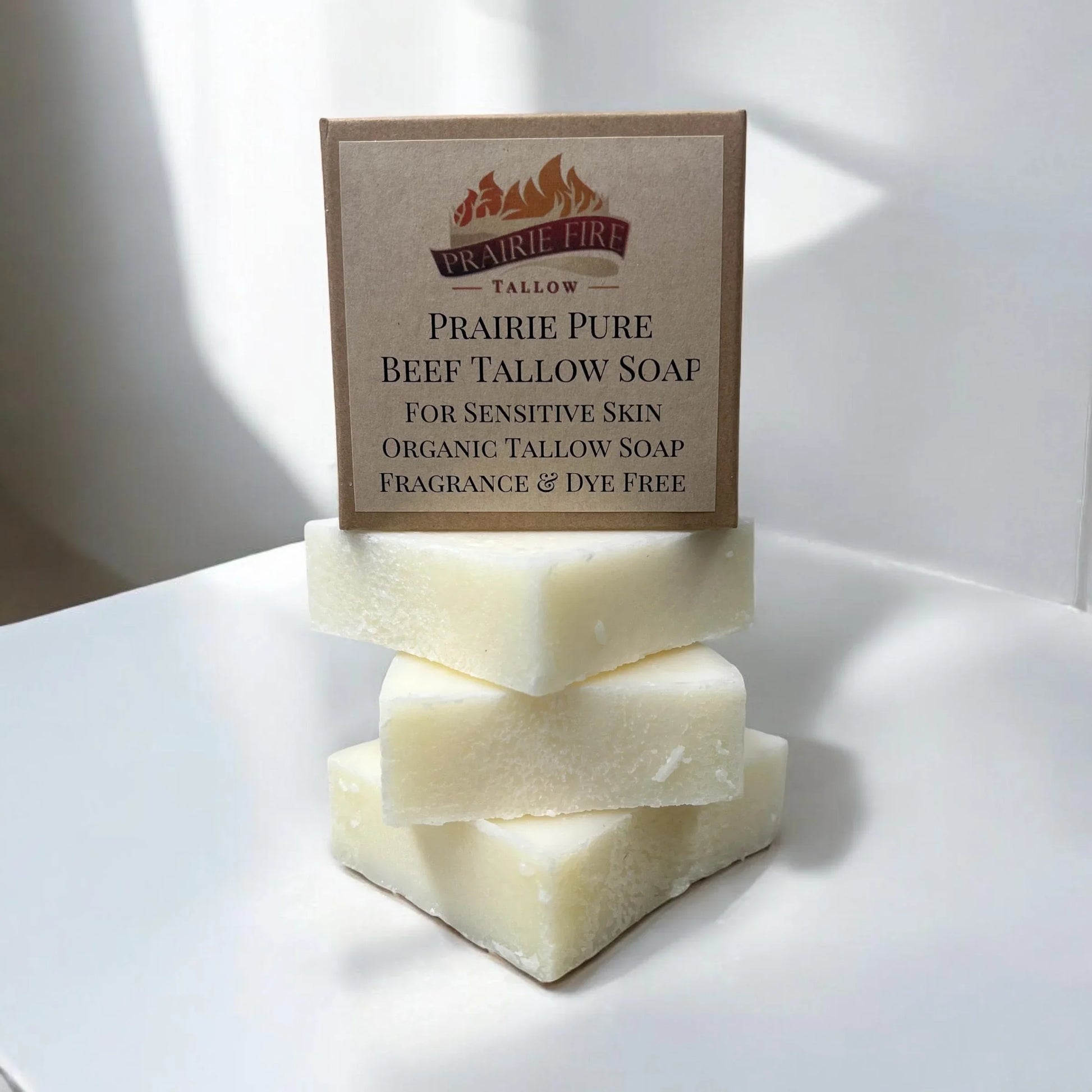
Most shower gels and “moisturizing” body washes still contain sodium lauryl sulfate or sodium laureth sulfate, which foam beautifully and strip your barrier just as beautifully. Look for a syndet (synthetic detergent) bar or a non-foaming wash instead — Dove Sensitive Skin Beauty Bar, Cetaphil Gentle Cleansing Bar, Vanicream Cleansing Bar, or CeraVe Hydrating Cleanser all work. None of them will give you the bubbles you’re used to, and that’s the point.
When you’re scanning a label in the store, skip anything listing these near the top:
- ✦Sodium lauryl sulfate (SLS) or sodium laureth sulfate (SLES)
- ✦“Fragrance,” “parfum,” or essential oils
- ✦Alcohol denat. or isopropyl alcohol
- ✦Strong antibacterial agents like triclosan
Also skip the loofah and the rough exfoliating gloves until spring. If you must exfoliate flaky patches, a soft washcloth once a week is the ceiling.
Keep wool off bare skin and dress in breathable layers

That cozy sweater can be the reason your torso and arms itch. Wool fibers scratch the skin physically, and tight synthetic fabrics trap sweat against it — both trigger itch.
Wear a soft cotton, bamboo, or silk base layer against your skin and let the wool or fleece sit on top. Loose beats tight for the same reason.
Wash anything new before you wear it, too. New clothes carry dye and finishing chemicals that irritate already-compromised skin, and a plain fragrance-free detergent gets rid of most of it.
Protect your hands before they crack
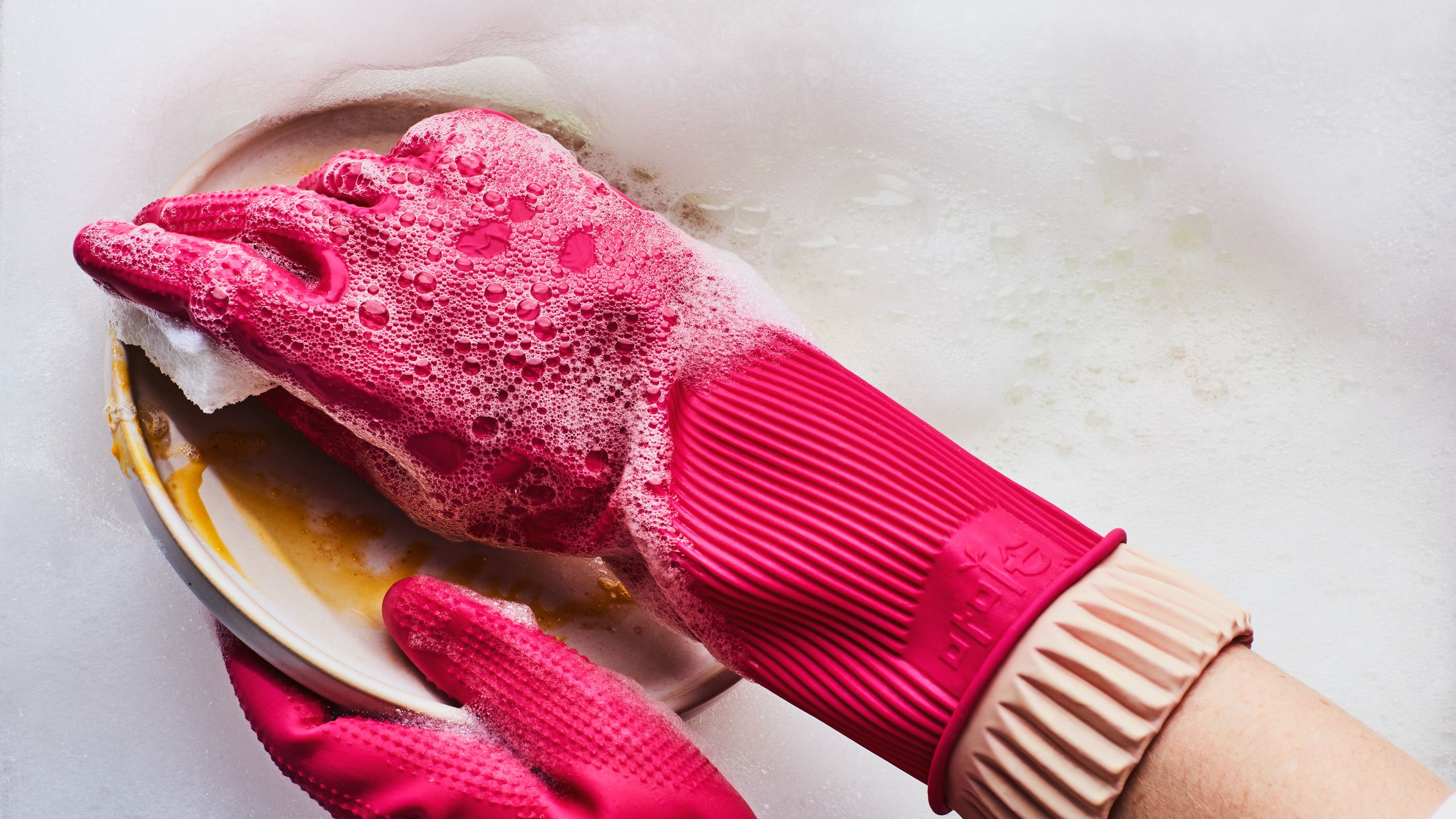
Hands take the worst of winter: cold dry air, hot soapy water, hand sanitizer, radiators. Keep a fragrance-free hand cream next to every sink — Neutrogena Norwegian Formula Hand Cream Fragrance-Free is cheap and thick enough to matter — and put dish gloves on before you wash anything. Rubber gloves sound fussy until the first time your knuckles split open.
For hands that are already rough, slather on a balm at night and sleep in thin cotton gloves. You’ll wake up with skin that looks like it belongs to someone else. O’Keeffe’s Working Hands in the jar is the one I keep on the kitchen windowsill.
Make a batch of whipped shea body butter
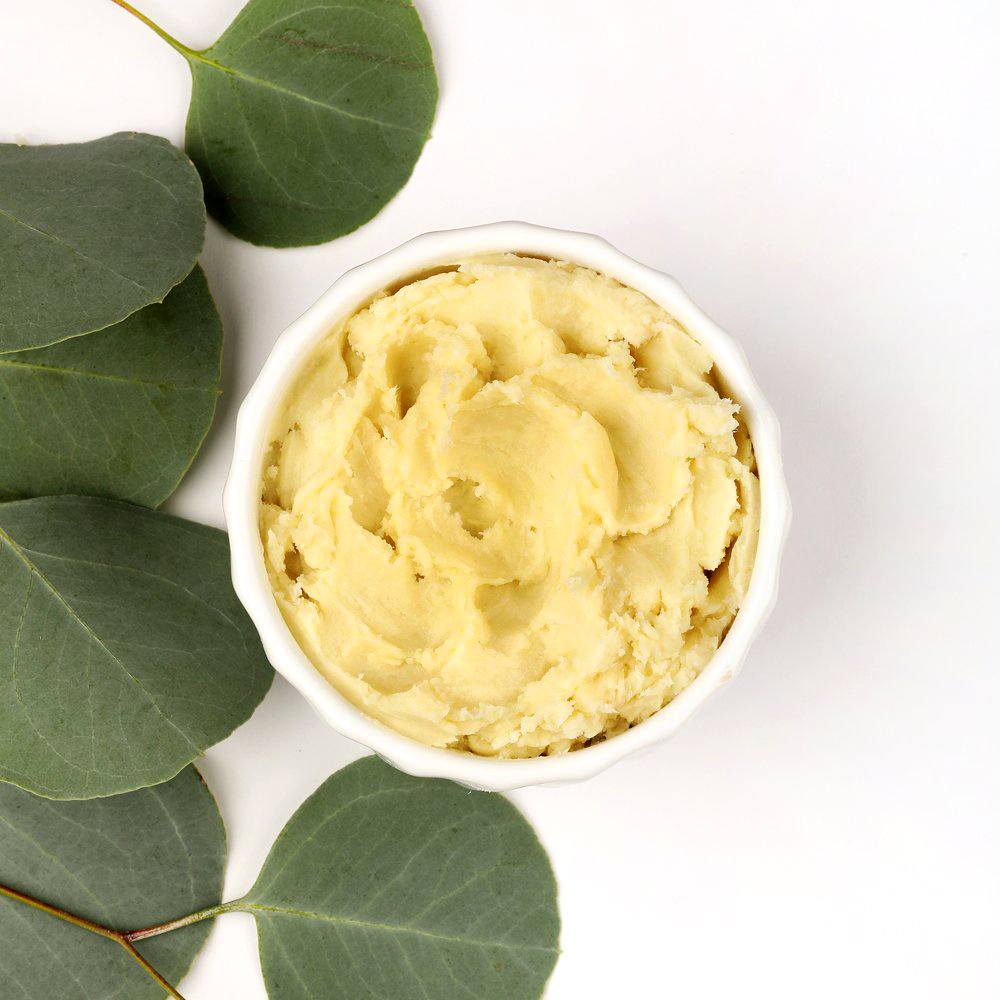
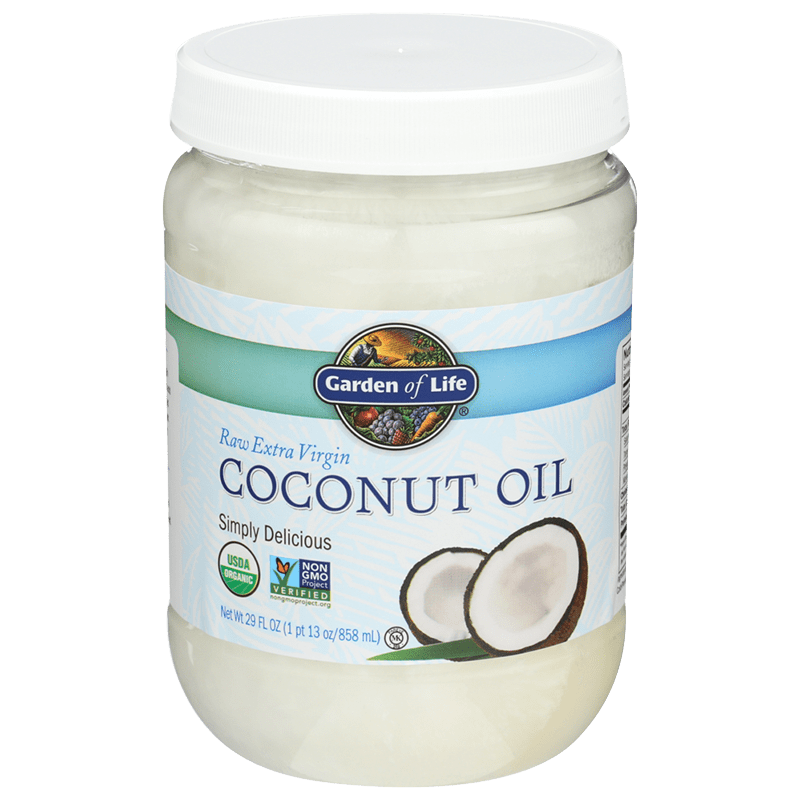
When drugstore creams stop cutting it, this is the recipe I come back to. Melt ½ cup raw shea butter and ¼ cup coconut oil together in a heatproof bowl set over a pan of gently simmering water.
Take it off the heat, stir in ¼ cup sweet almond or jojoba oil, and let the whole thing cool until it’s opaque and starting to set — an hour in the fridge speeds this up. Then whip it with a hand mixer for 5–7 minutes until it’s the texture of frosting, and scrape it into a clean jar.
A little goes a long way, so use far less than you think. Keep it away from heat and light and use it within about three months, since there’s no preservative in it.
Skip it on your face if you’re acne-prone, and patch test on your inner arm first — shea allergies are uncommon but real. If you want a scent, one or two drops of lavender essential oil in the whole batch is plenty; never apply essential oils neat to itchy or broken skin.
Eat and drink with your skin barrier in mind

Your skin barrier is built from fatty acids, and if your diet is short on them, no amount of cream fully compensates. Aim for fatty fish a couple of times a week — salmon, sardines, mackerel — or a daily spoonful of ground flaxseed or a handful of walnuts if you don’t eat fish. Vitamin E from almonds, sunflower seeds, and olive oil helps too.
On water: the old “eight glasses a day for your skin” line is oversold. Drinking extra water doesn’t hydrate skin directly, but being genuinely dehydrated does make things worse, so drink to thirst and watch the alcohol and caffeine, both of which are diuretics and tend to spike in winter.
Keep fragrance out of your laundry
If you’re itchy everywhere but nothing on your skin has changed, look at your washing machine. Fragrance and fabric softener leave a residue on towels, sheets, and pajamas that sits against your skin for hours, and winter skin reacts to it far more than summer skin does.
Switch to a fragrance-free detergent — All Free Clear, Tide Free & Gentle, or Seventh Generation Free & Clear — and ditch liquid softener and dryer sheets entirely. Wool dryer balls do the softening job without the coating.
An extra rinse cycle helps too, especially on towels and bedding. Wash any new dark clothing separately the first time; dye residue is another sneaky itch trigger.
Calm an itch flare without scratching

When the itch hits at 2 a.m., scratching feels essential and does real damage — it inflames the skin further and can break it open to infection. Press a cold pack or a damp washcloth against the spot for ten minutes instead; cold numbs the nerve endings that drive the itch. Fragrance-free aloe vera gel (straight from a leaf or a plain bottled version) soothes smaller patches, and keeping your nails short and filed bluntly limits the damage when you do scratch in your sleep.
Reach for a 1% hydrocortisone cream only for stubborn itchy patches, and only for a week at a time — longer use thins the skin. If a patch is weeping, crusting, keeping you awake most nights, or spreading, that’s your cue to see a dermatologist rather than keep experimenting.
FAQ
Why does my skin get so itchy in winter?
Cold air holds less moisture, indoor heating dries it out further, and hot showers strip the oils that hold water in your skin. Together they weaken your skin barrier, and dry, cracked barrier tissue sends itch signals to your nerves. It’s environmental, not a sign that something is wrong with you.
Is coconut oil good for dry, itchy skin?
It helps some people as an occlusive layer over damp skin, and it’s decent on legs, arms, and hands. It’s fairly comedogenic, though, so skip it on your face and chest if you’re prone to breakouts, and patch test first. If it stings or leaves you itchyier, switch to squalane or shea butter instead.
How long does it take to fix dry winter skin?
Most people notice real improvement within a week of shorter lukewarm showers plus moisturizing on damp skin twice a day. Deeper cracking and eczema-like patches can take three to four weeks to fully settle.
When should I see a doctor about winter itch?
If the itching keeps you up at night, if skin is bleeding, crusting, or showing signs of infection, or if nothing you try helps after a couple of weeks. Those are signs of eczema or another condition that needs prescription treatment, not just better moisturizer.
Winter skin isn’t something you have to put up with until April — most of the battle is turning the shower temperature down, sealing in moisture while your skin is still damp, and adding some humidity back to your home. Pick two or three of these to start with this week, and give your skin a few days to catch up before you judge the results. Save this list for the first cold snap next year, because your skin will thank you for having the plan ready.
Leave a Reply