
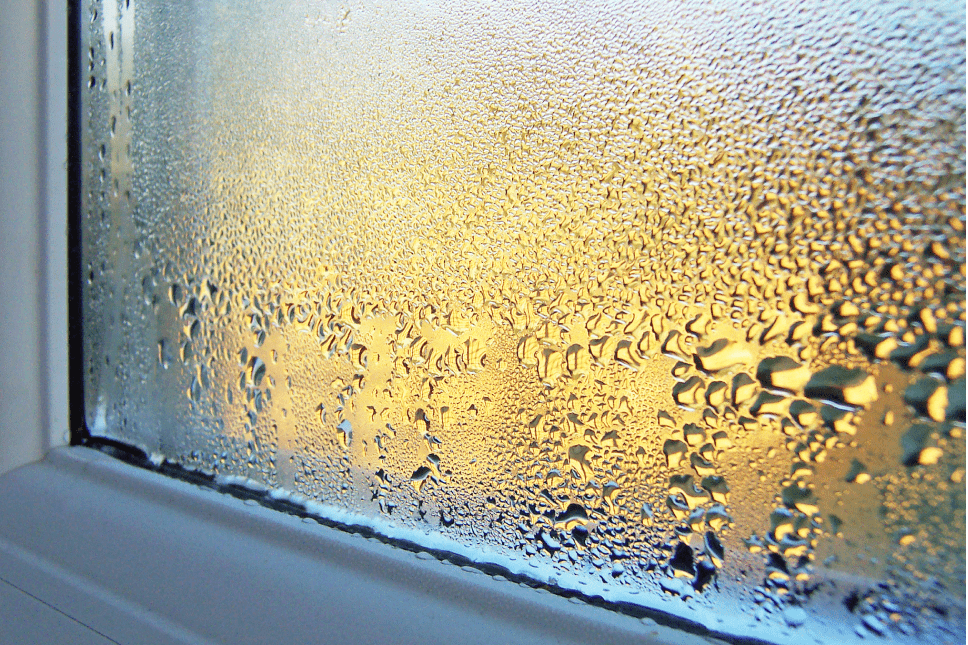
You wake up on a January morning, shuffle to the kitchen, and find your windows streaming with water. The glass is soaked, there’s a puddle on the sill, and if you’ve got older windows, you might even see a little mold creeping into the corners. Window condensation in winter is one of those problems that seems minor until it isn’t — and if you ignore it long enough, you’re looking at rotting frames, peeling paint, and potential mold issues behind your walls.
The good news: you can fix this. Most of the solutions are simple, inexpensive, and things you can start today. I’ve dealt with condensation in every home I’ve lived in — from a drafty 1940s bungalow to a tight new-build — and these are the strategies that actually work.
1. Run a Dehumidifier
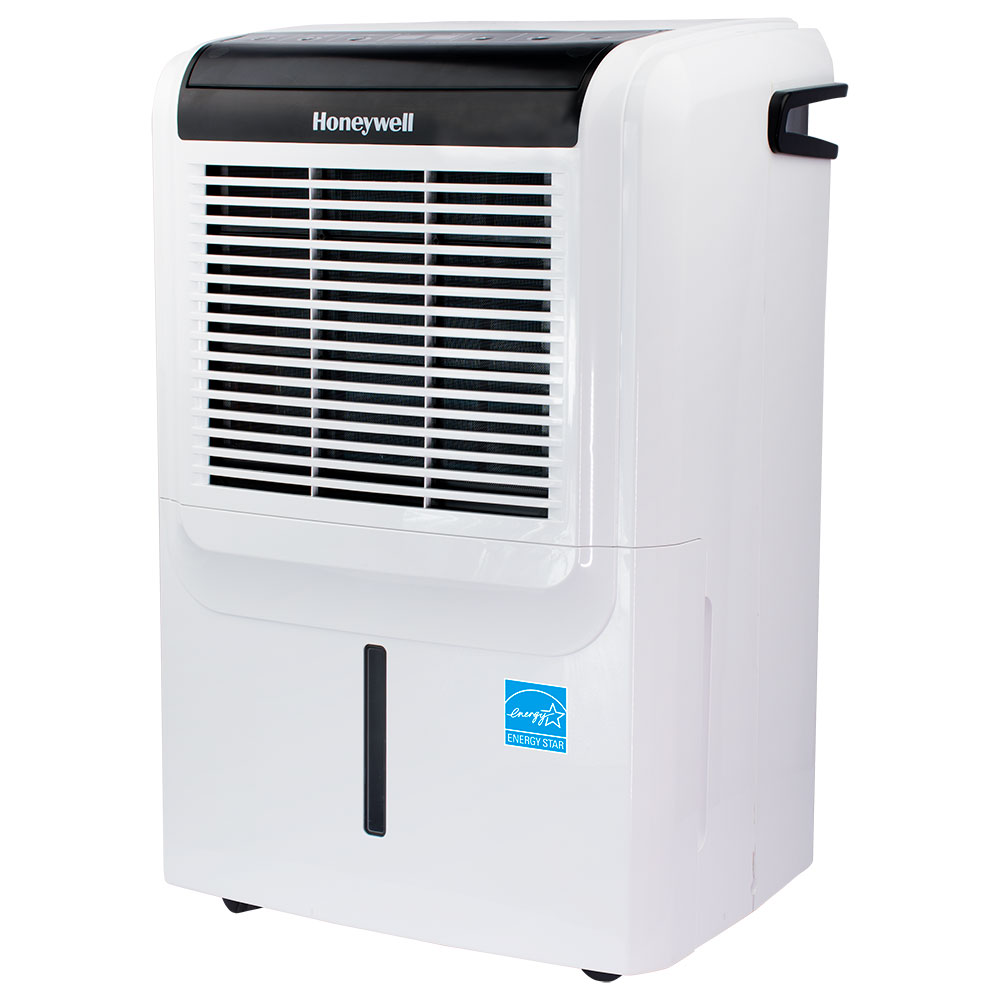
This is the single most effective thing you can do, especially if your home tends to feel damp. A dehumidifier pulls moisture out of the air before it has a chance to condense on cold glass. You don’t need to run it in every room — focus on the rooms where condensation is worst, usually bedrooms and kitchens.
A 30- to 50-pint portable unit like the Frigidaire FFAD5033W1 or hOmeLabs 50-Pint Dehumidifier will handle a large room or open-plan area. Set it to maintain around 40–50% relative humidity, which is the sweet spot — low enough to prevent condensation, high enough that your skin and wood furniture won’t dry out. Empty the tank regularly (or hook up the continuous drain hose if you’re running it near a floor drain), and keep the door to the room closed while it runs so it can work efficiently.
One thing to watch: if your home is very tight and well-insulated, you may need to run a dehumidifier in more than one room, or even consider a whole-house unit that integrates with your HVAC system. But for most people, a single portable unit in the worst room makes a dramatic difference within 24 hours.
2. Open Windows for Brief Ventilation

This sounds counterintuitive in winter — why would you let cold air in? But here’s the thing: that cold outdoor air is dry air.
Cracking a window for even 10–15 minutes exchanges the stale, moisture-laden indoor air for much drier air from outside. You’re not trying to cool the house down; you’re flushing out the humidity.
Do this first thing in the morning when condensation is at its worst. Open a window on each side of the house if you can (cross-ventilation moves air faster), and leave them open while you get ready for the day.
The room temperature will dip a few degrees, but your heating will recover it quickly once you close up. The moisture, however, will be gone — and that’s what matters.
If your windows have trickle vents (those small adjustable slots along the frame), use them. They allow a slow, continuous exchange of air without the full blast of an open window, which is helpful on especially cold or windy days.
3. Turn On Your Exhaust Fans
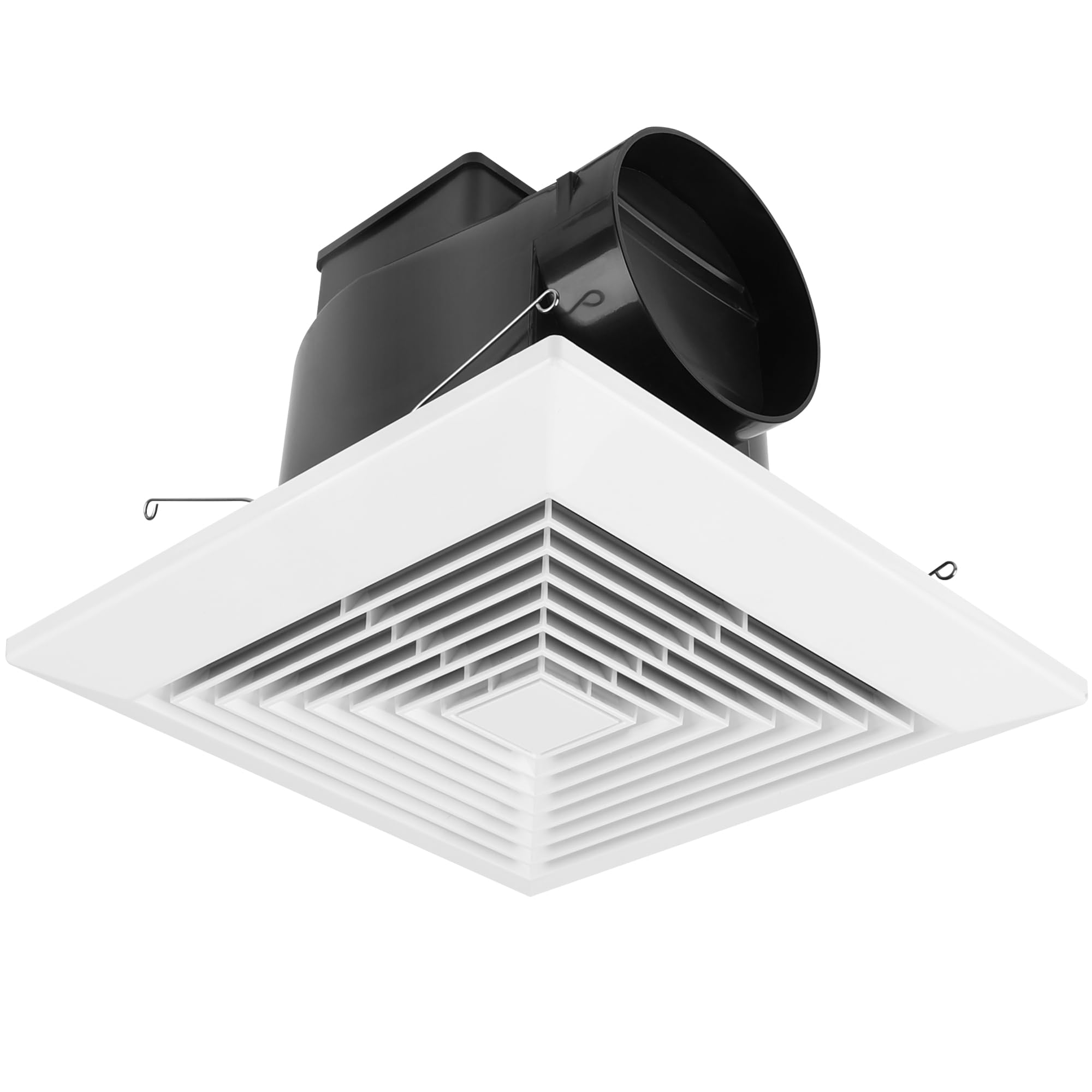
Your bathroom and kitchen exhaust fans exist specifically to remove moisture. Use them.
Every time you shower, run the bathroom fan for at least 20–30 minutes after you finish — not just while you’re in there. Same goes for the kitchen: run the range hood fan whenever you’re boiling water, making soup, or using the oven.
Cooking and bathing generate far more moisture than most people realize, and if that moisture has nowhere to go, it ends up on your windows.
If your exhaust fans are weak, noisy, or ancient, it might be time to upgrade. The Panasonic WhisperCeiling line is a favorite — quiet, powerful, and available in different CFM ratings depending on your room size.
A fan rated at 80–110 CFM handles a standard bathroom just fine. Make sure the fan actually vents to the outside (check your attic or roof for the duct), because some older homes vent bathroom fans into the attic, which just moves the moisture problem upstairs.
Can I just open the bathroom door instead of using the fan?
You can, but you’re only redistributing the moisture into the rest of the house instead of removing it. The fan pushes it outside. If you don’t have an exhaust fan, opening a window during and after your shower is the next best option.
4. Apply Window Insulation Film
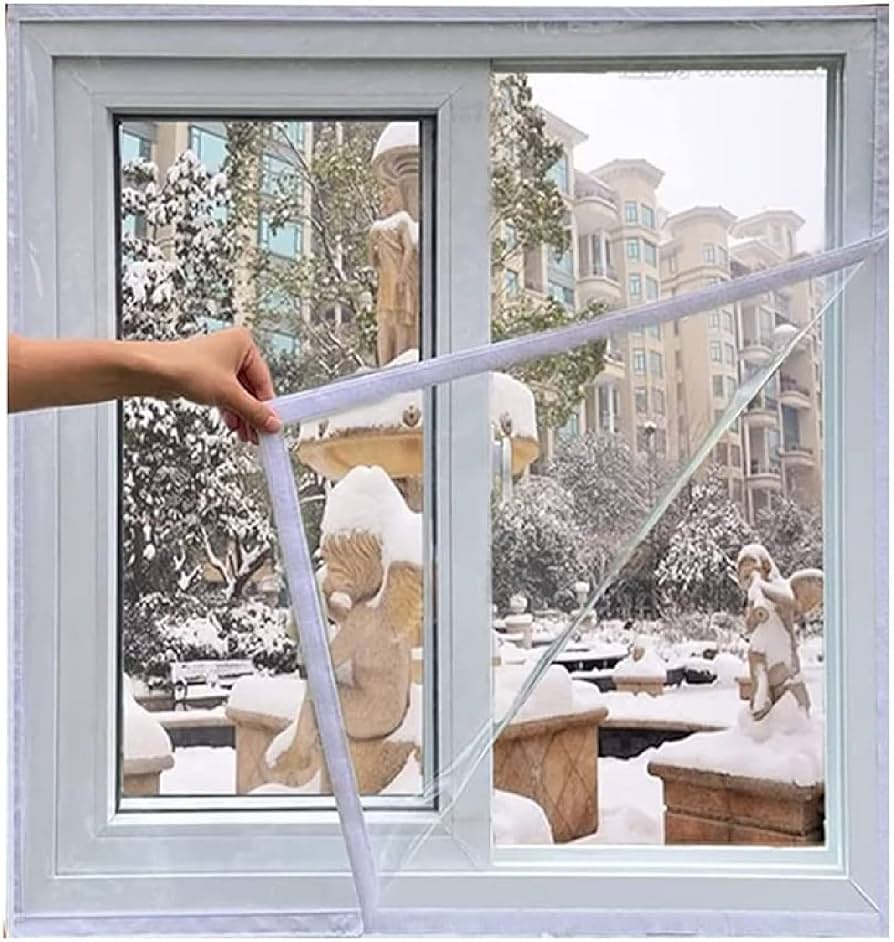
Window insulation film is one of those cheap, slightly ugly solutions that works surprisingly well. It’s a thin clear plastic sheet that you apply to the interior of your window frame with double-sided tape, then shrink tight with a hair dryer. The trapped air between the film and the glass acts as an extra insulating layer, keeping the interior surface of your window warmer — and warm glass doesn’t condense moisture as readily.
You can pick up a kit like the 3M Indoor Window Insulator Kit at any hardware store for under $15, and each kit covers several standard-sized windows. The process takes about 10 minutes per window: clean the frame, apply the tape, press on the film, trim the edges, and hit it with a hair dryer until it’s taut and nearly invisible. It won’t look as seamless as new glass, but from a few feet away, most people won’t notice it.
The downside is that you can’t open the window while the film is on, so it’s best for windows you don’t need to access during winter. Remove it in spring — the tape peels off cleanly from most surfaces.
5. Upgrade to Double- or Triple-Pane Windows
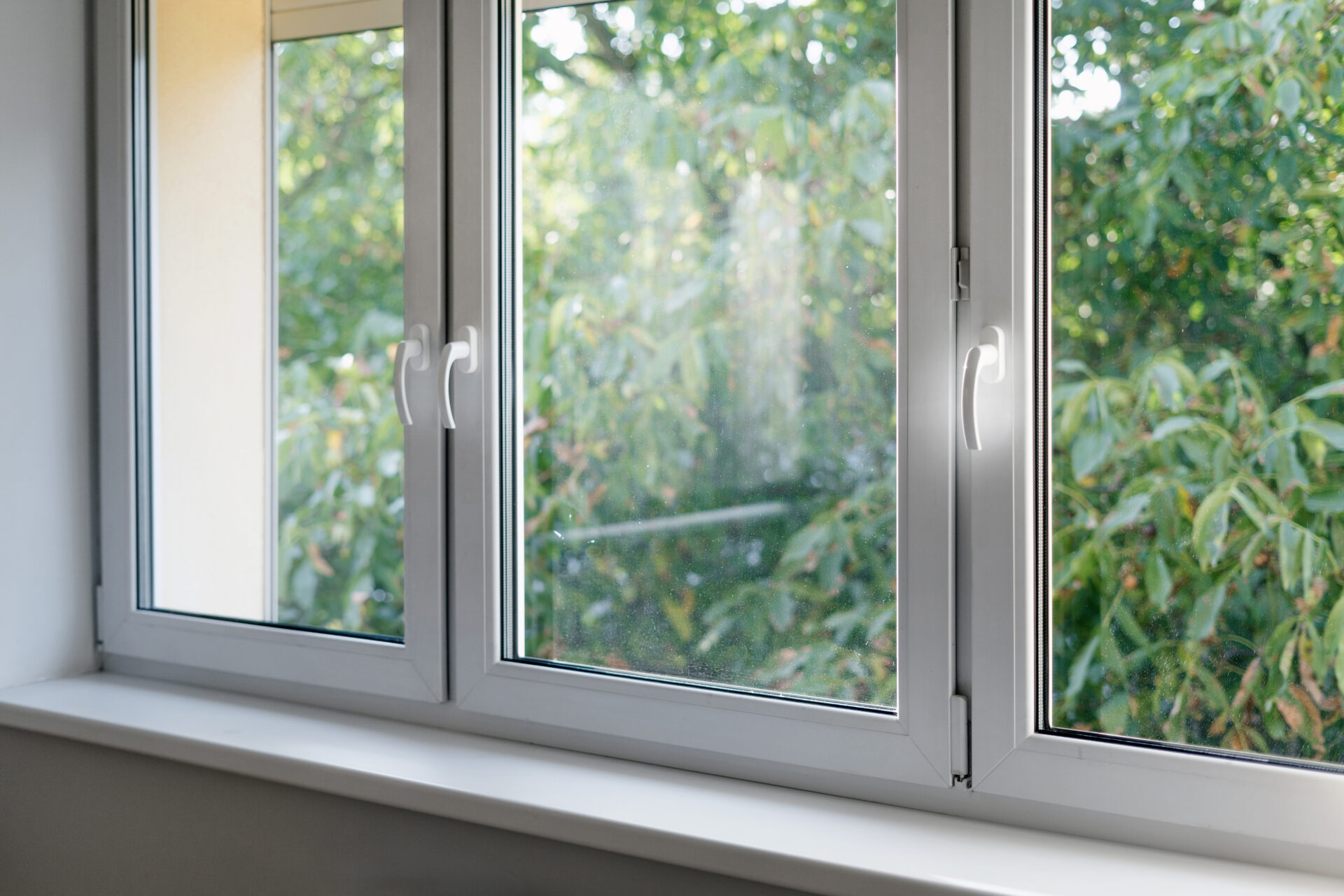
If you’re living with single-pane windows, no amount of dehumidifying will fully solve your condensation problem. Single glass is essentially a cold wall — it will always be close to outdoor temperature, and warm indoor air will always condense on it.
Double-pane (insulated glass) units have a sealed air or gas-filled gap between two panes that keeps the interior glass surface significantly warmer. Triple-pane adds another layer.
This is the most expensive solution on the list — expect to pay $300–$1,000+ per window installed, depending on size, frame material, and brand. But it’s also the most permanent fix, and it comes with energy savings that offset some of the cost over time. If your windows are 20+ years old, drafty, or showing failed seals (fogging between the panes), replacement is worth seriously considering.
If full replacement isn’t in the budget, storm windows — either exterior or interior — are a more affordable alternative. Interior storm windows like Indow inserts press into your existing window frame and create a similar insulating air gap for a fraction of the price.
6. Set Out Moisture Absorbers
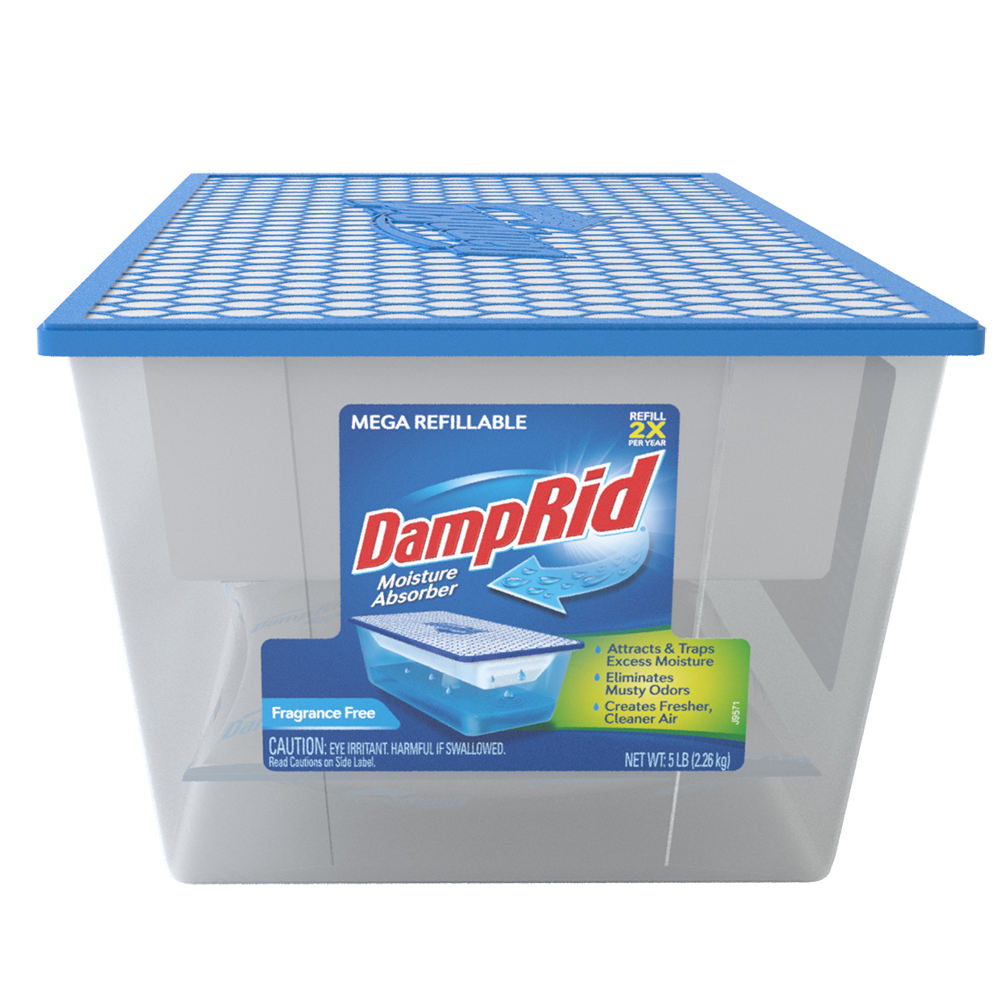
For small problem areas — a closet, a single window, a basement corner — passive moisture absorbers can help. Products like DampRid, Eva-Dry renewable dehumidifiers, or calcium chloride crystals absorb moisture from the surrounding air without electricity. You set them out and forget about them until the crystals dissolve or the container fills with water.
These work best in enclosed or semi-enclosed spaces where humidity is noticeably high. A DampRid tub on a deep windowsill or in a damp bedroom corner can pull enough moisture to reduce condensation on nearby glass. They’re not powerful enough to dehumidify an entire room the way a plug-in unit can, but as a supplement — especially in places where you can’t easily run a dehumidifier — they’re genuinely useful.
Refill costs add up if you’re running several at once, so keep expectations realistic. Think of moisture absorbers as a supporting player, not the whole solution.
7. Keep Curtains and Blinds Open During the Day
Heavy curtains and closed blinds trap cold air between the fabric and the glass, making the window surface even colder — and cold glass is where condensation forms. By keeping your window coverings open during the day, you allow warm room air to circulate against the glass, raising its surface temperature and reducing the chance of condensation.
This is especially important on south- and west-facing windows that get direct sunlight. The solar gain warms the glass naturally and can make a real difference. At night, when temperatures drop and you need privacy, close your curtains — but consider switching to lighter fabrics or adding a sheer layer that still allows some air movement near the glass.
If you love your heavy drapes, you don’t have to give them up. Just make it a habit to throw them open every morning and close them once the sun goes down. That simple routine alone can noticeably reduce morning condensation.
8. Move Houseplants Away from Windows

Houseplants are wonderful, but they’re also little humidity machines. Through transpiration, they release moisture into the air — and if you’ve got a cluster of pothos, ferns, or monsteras sitting right on a windowsill, they’re contributing to condensation on that exact glass.
You don’t have to get rid of your plants. Just move them a few feet away from the window — onto a shelf, a plant stand, or a table further into the room.
This gives the moisture they release time to mix with the rest of the room’s air instead of concentrating against the cold glass. If you’ve got a large collection of tropical plants in one room, running a small dehumidifier nearby will help offset the extra humidity they produce.
During the darkest part of winter, some plants may need the light from the window to stay healthy. If that’s the case, try rotating them — a few days on the sill, then a few days further back — so they get light without sitting in a permanent condensation zone.
9. Stop Drying Laundry Indoors
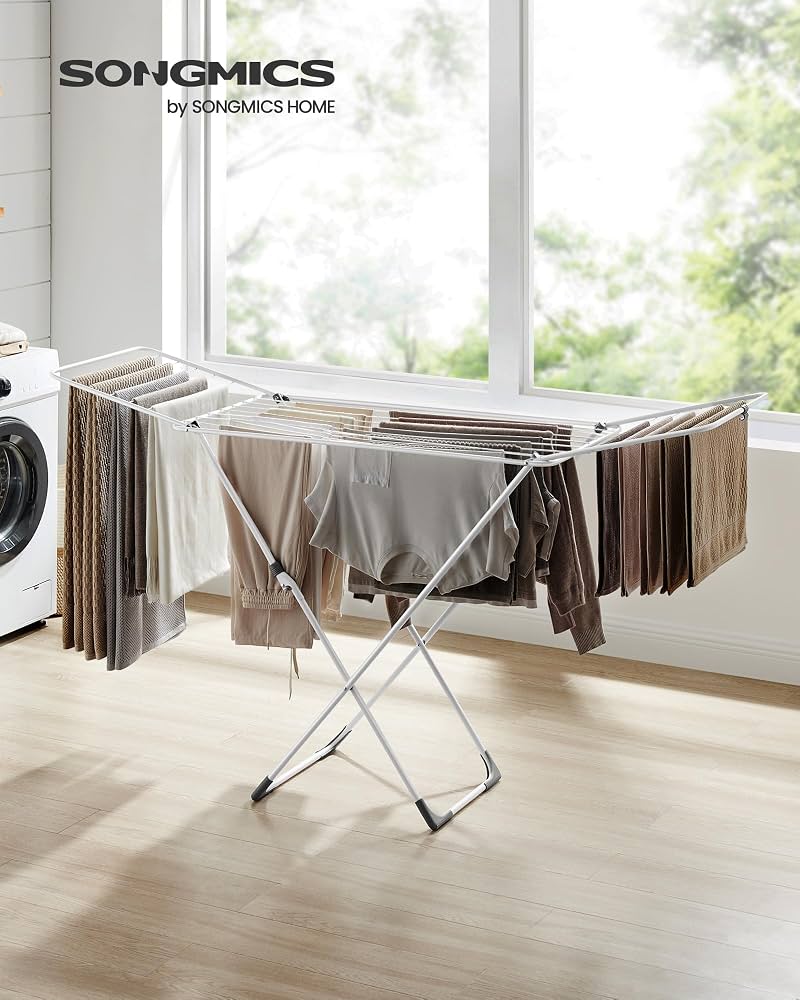
This is a big one that people underestimate. A single load of laundry hanging on an indoor rack can release several pints of water into your home’s air over the course of a day. That moisture goes somewhere — and in winter, a lot of it ends up on your windows.
The obvious fix is to use a tumble dryer, but not everyone has one, and energy costs are real. If you must dry laundry indoors, do it in a room where you can close the door and open a window, or run a dehumidifier in that room while the clothes dry. A small, enclosed laundry room with an exhaust fan and the door shut is far better than draping damp clothes over radiators in your living room.
If outdoor drying isn’t feasible because of rain, snow, or freezing temps, a heat-pump dryer is the most condensation-friendly option. Heat-pump dryers recirculate air internally and don’t vent moisture into the room at all, making them ideal for apartments and tight homes. Brands like Bosch and Samsung make reliable compact models that fit in small spaces.
10. Wipe Down Windows Each Morning

This doesn’t solve the root cause, but it prevents the damage that standing water does over time. When condensation sits on your window frames and sills, it soaks into the wood, causes paint to peel, encourages mold growth, and can even damage drywall and plaster around the window. Wiping down the glass and sill every morning with a microfiber cloth or a small squeegee removes that water before it can do harm.
Keep a dedicated cloth or squeegee near your worst windows so you can do this quickly as part of your morning routine. It takes less than a minute per window.
Wring the cloth out in the sink and you’re done. If you’re seeing a lot of water pooling overnight, place a towel on the sill to absorb drips — it’s not elegant, but it protects the wood until you’ve tackled the humidity problem with some of the other methods above.
Think of this as the damage-control step. Use it while you work on the bigger fixes. It keeps your windows and frames in good shape while you get the humidity under control.
FAQ
Why does condensation form on windows in winter?
Warm, moisture-laden indoor air meets the cold surface of your window glass and cools rapidly. Cool air holds less moisture than warm air, so the excess water vapor condenses into liquid droplets on the glass. The colder it is outside and the more humid it is inside, the worse the condensation will be.
Is window condensation a sign of mold risk?
Yes, if it’s persistent. Condensation on the glass itself is relatively harmless.
The problem is when that water runs down onto wooden frames, sills, or surrounding walls — sustained moisture in those areas creates ideal conditions for mold and mildew. Address it before it spreads.
Do I need new windows to fix condensation?
Not necessarily. If your windows are double-pane and in good condition, the condensation is almost certainly a humidity problem, not a window problem.
Focus on reducing indoor moisture first. You may only need new windows if they’re single-pane, have failed seals, or are visibly damaged.
Will a dehumidifier eliminate window condensation completely?
In most cases, a properly sized dehumidifier brought to 40–50% relative humidity will eliminate or dramatically reduce condensation. In very cold climates with single-pane windows, some condensation may persist even at lower humidity levels — which is when window upgrades become the real solution.
Condensation isn’t something you have to just live with. Start with the easy wins — run your exhaust fans, open the windows for a few minutes each morning, and move that fiddle-leaf fig away from the glass.
If the problem persists, bring in a dehumidifier and start looking at your windows more critically. Most of these fixes cost very little, and the ones that cost more — window replacement, a heat-pump dryer — pay you back in comfort and energy savings over time.
Pick one or two to start with this week, and you’ll notice a difference within days.
Leave a Reply