
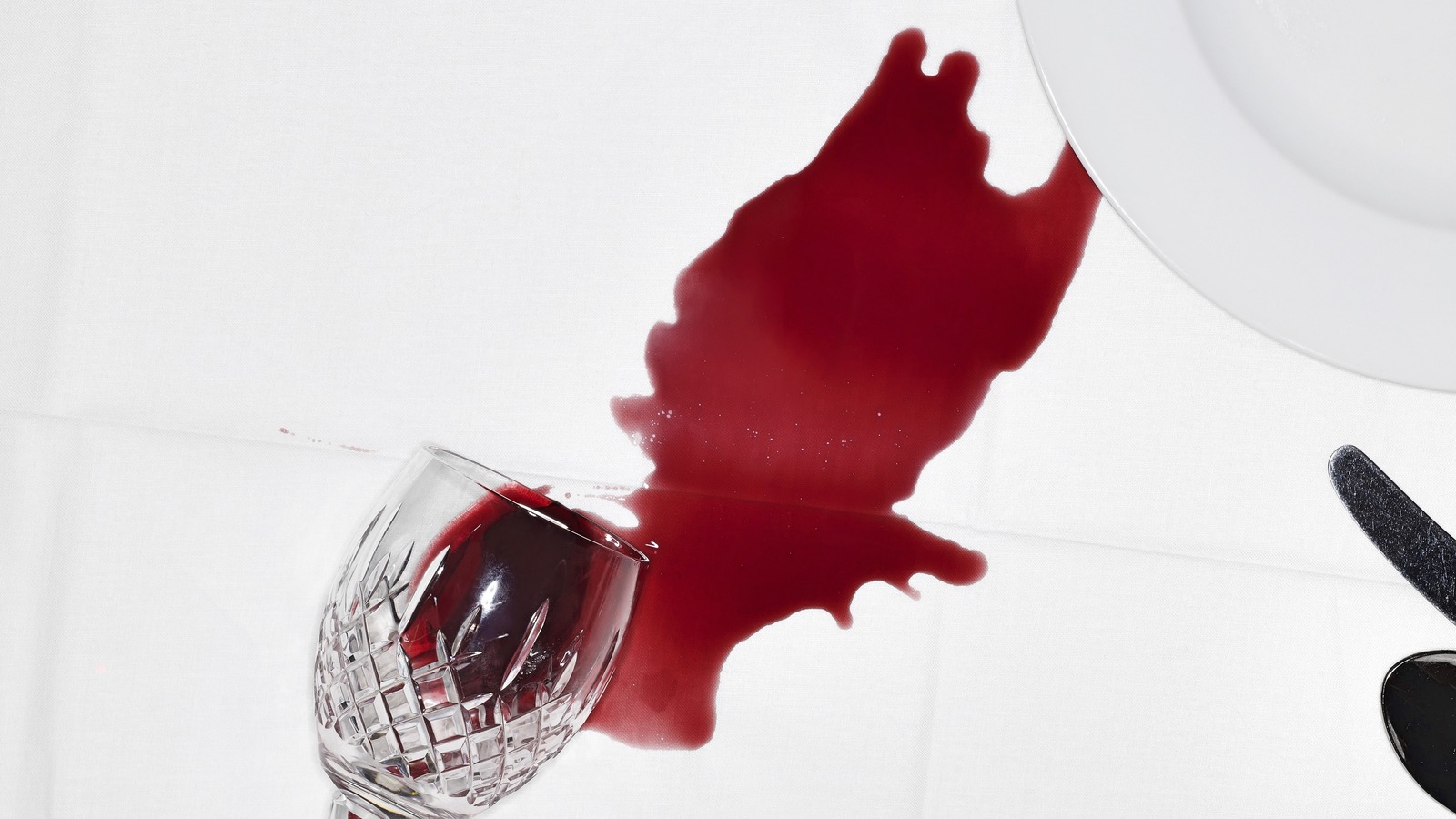
Red wine on a tablecloth is one of those stains that looks catastrophic and is actually one of the most fixable — but only if you move fast and resist the urge to scrub. Tannin-based pigment bonds to cotton and linen fibers within minutes, and heat sets it permanently, so your two enemies are time and the dryer.
The ideas below run from the grab-it-now kitchen fixes you can do mid-dinner to the slow soaks that rescue a cloth you washed and forgot about. Read through them once so you know which one you’d reach for; the next time a glass tips, you’ll be moving before anyone else at the table has finished gasping.
Blot the Spill Right Away
Before any product comes out, do this: grab a clean white cloth or a stack of paper towels and press straight down on the stain. Blotting lifts wine out of the weave; rubbing grinds pigment deeper into the fibers and frays the surface so the spot looks fuzzy even after it’s clean. Work from the outside edge of the stain inward so you don’t drag the wine into fresh fabric, and swap to a clean section of towel as soon as the one you’re using goes pink.
This is also the moment to check what you’re blotting with. A colored rag can bleed its own dye into a damp white tablecloth, and a printed paper towel can leave a pattern behind. Plain white is not fussiness here — it’s insurance.
Cover the Stain With Salt
Salt is the oldest trick in the book because it genuinely works: a thick layer of table salt or coarse kosher salt pulls the moisture — and the pigment riding along with it — up out of the fibers as it absorbs. Pile it on at least a quarter-inch deep while the stain is still wet, and don’t be shy. A light dusting does almost nothing.
Let it sit for five minutes to an hour. You’ll see the salt turn pink from underneath — that’s the wine coming up.
Shake the whole cloth into the trash, reapply fresh salt, and repeat until the salt stops changing color. Then launder normally.
The only real failure mode here is letting the salt crust dry and then grinding it around, so shake it off before it hardens.
Flush It With Boiling Water
This is the method that saved my linen tablecloth after a Thanksgiving toast gone wrong. Stretch the stained section over a heatproof bowl set in the sink and secure it with a rubber band so the fabric is drum-tight.
Then pour boiling water from about eight to twelve inches above, right onto the spot. The force and heat drive the pigment out through the back of the weave instead of pushing it further in.
You can watch the stain fade as you pour.
Sturdy cotton and linen only — this will shrink wool, can melt or warp polyester, and is brutal on silk. Skip it on blends you’re unsure about, and never try it on a stain that also contains butter, gravy, or candle wax, because you’ll set the grease and be chasing two problems instead of one.
Dish Soap and Hydrogen Peroxide
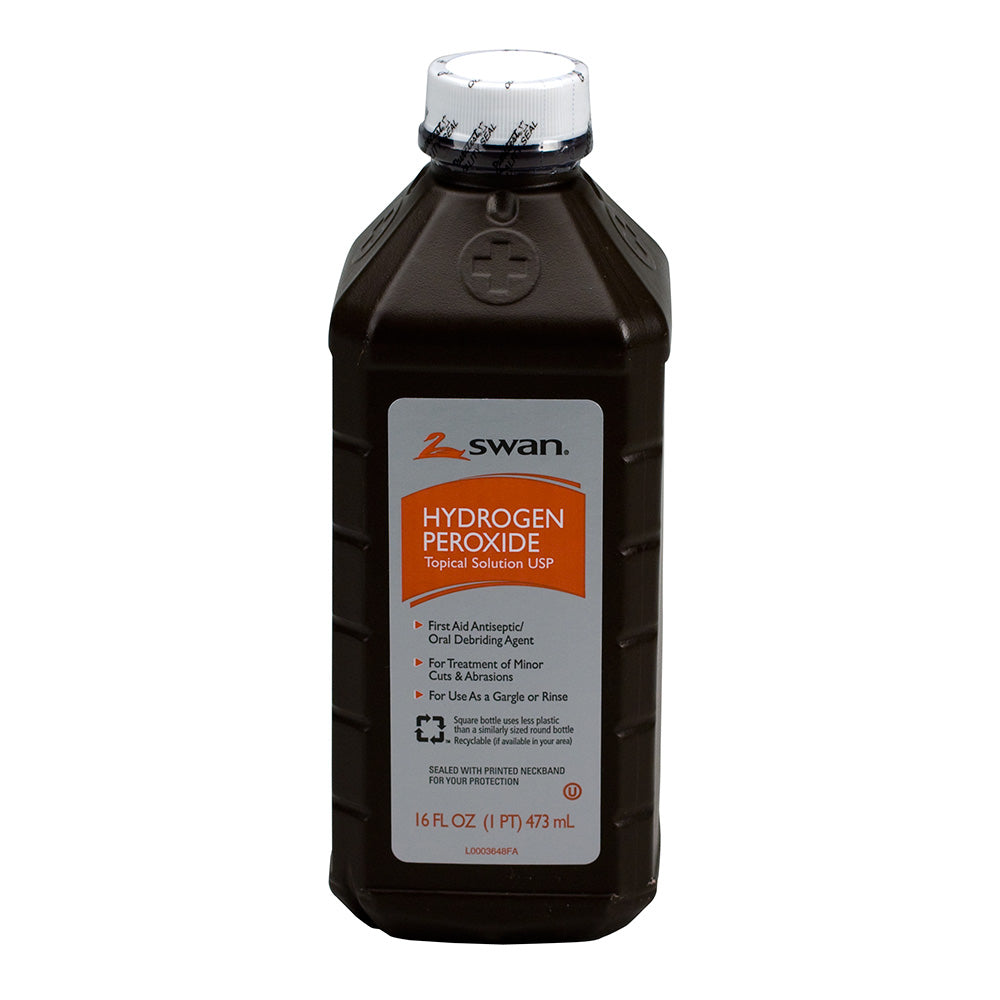
This is the workhorse combination and the one I’ve used most often, because the ingredients are already under most kitchen sinks. Dish soap lifts the wine’s remaining color compounds and any food grease, while hydrogen peroxide oxidizes the pigment itself.
Mix one part liquid dish soap — original blue Dawn is the standard for a reason — with two parts 3% hydrogen peroxide from the drugstore, pour it on until the stain is soaked through, and give it fifteen to thirty minutes. Older spots can take up to an hour.
Then blot with a damp cloth and launder in the warmest water your fabric allows. One important caution: peroxide is a mild bleach, so it can lighten deep-colored tablecloths. Test it on a hem or seam first, and whatever you do, don’t combine it with chlorine bleach.
White Vinegar and Baking Soda
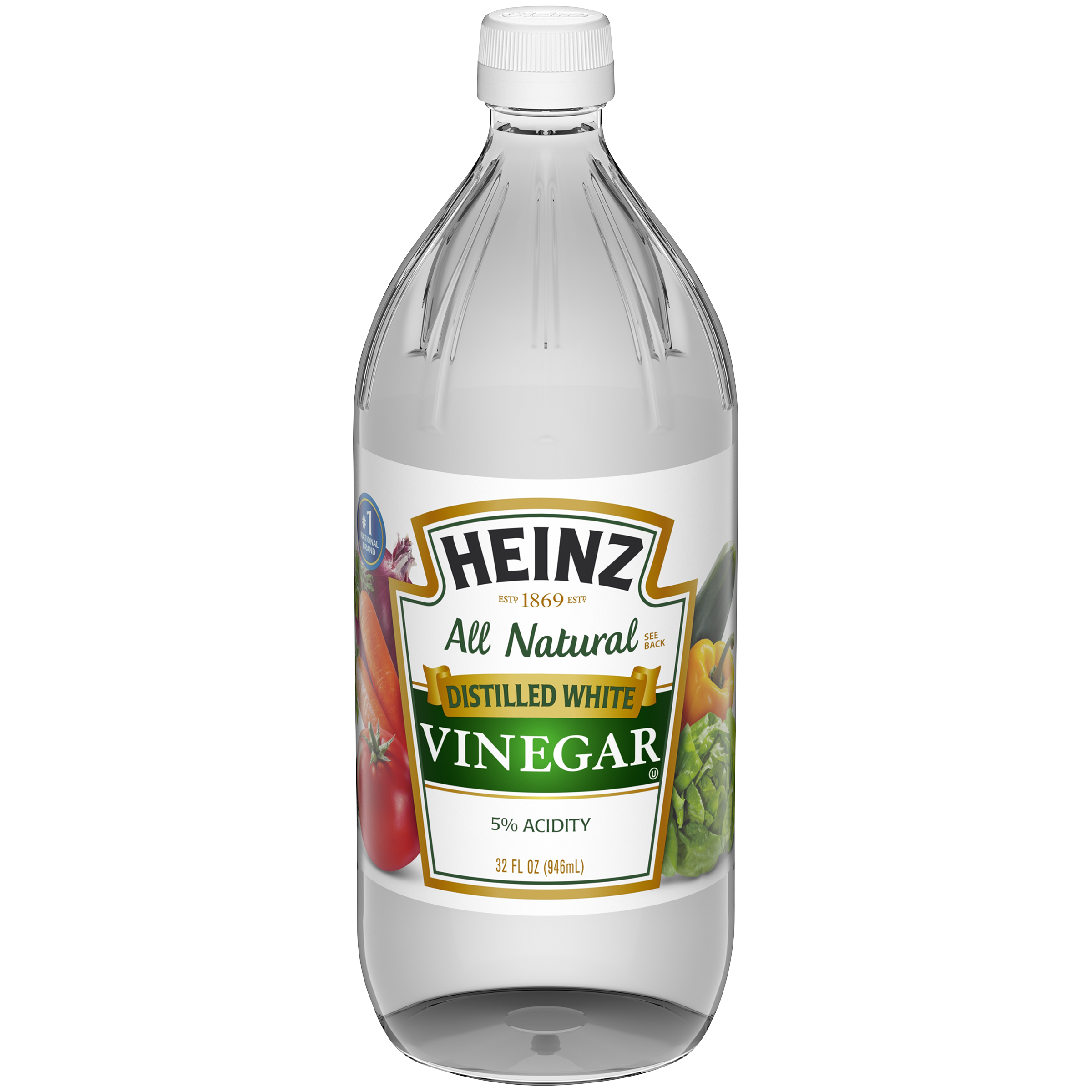
Vinegar’s acidity neutralizes the wine pigment chemically rather than just washing it away, and the baking soda that follows lifts it the rest of the way while it fizzes. Sponge the stain with plain white distilled vinegar first — let it sit for a minute or two — then spoon baking soda directly onto the wet spot. It’ll foam and pile up; that’s fine.
Let the whole patch dry completely, which takes an hour or two. It’ll crust over, and you brush or shake the dried powder off before laundering. Two things people get wrong: don’t premix the vinegar and baking soda into a slurry (you neutralize both before they touch the fabric), and don’t vacuum baking soda off a damp tablecloth or you’ll be cleaning the vacuum.
Club Soda
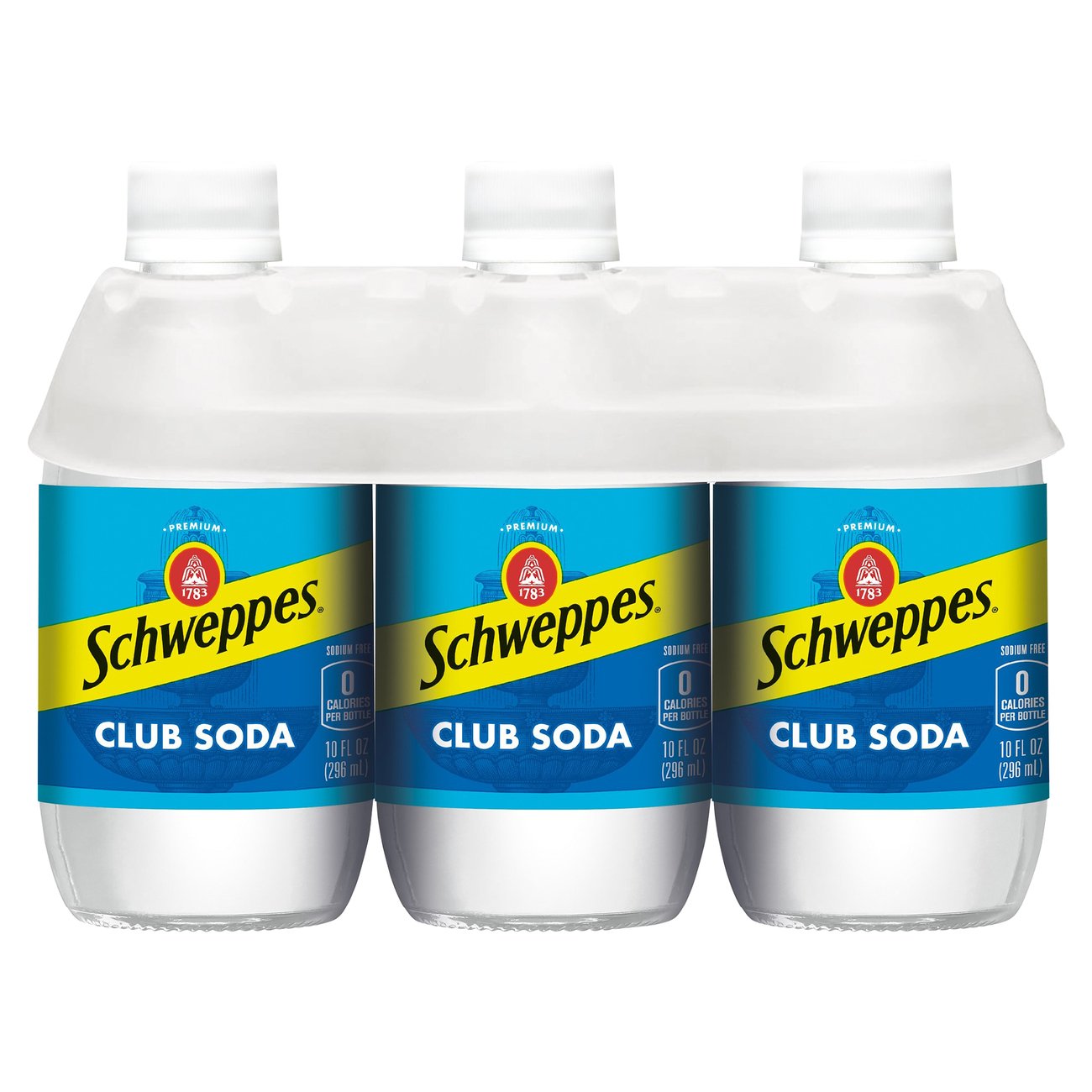
The restaurant server’s first move, and worth doing if there’s a bottle on the table. The carbonation and the small amount of sodium bicarbonate in club soda loosen pigment and lift it toward the surface while the spill is still fresh. Pour it generously over the stain so it floods through the fabric, then blot from underneath with a napkin so the wine is transferring out rather than being pushed back in.
Be realistic about it: club soda is a stopgap, not a cure. In my experience it takes the worst of the color out within the first minute or two, and does very little after that. Use it to hold the stain at bay through dessert, then treat the cloth properly with salt or peroxide once the guests are gone.
Soak It in Oxygen Bleach
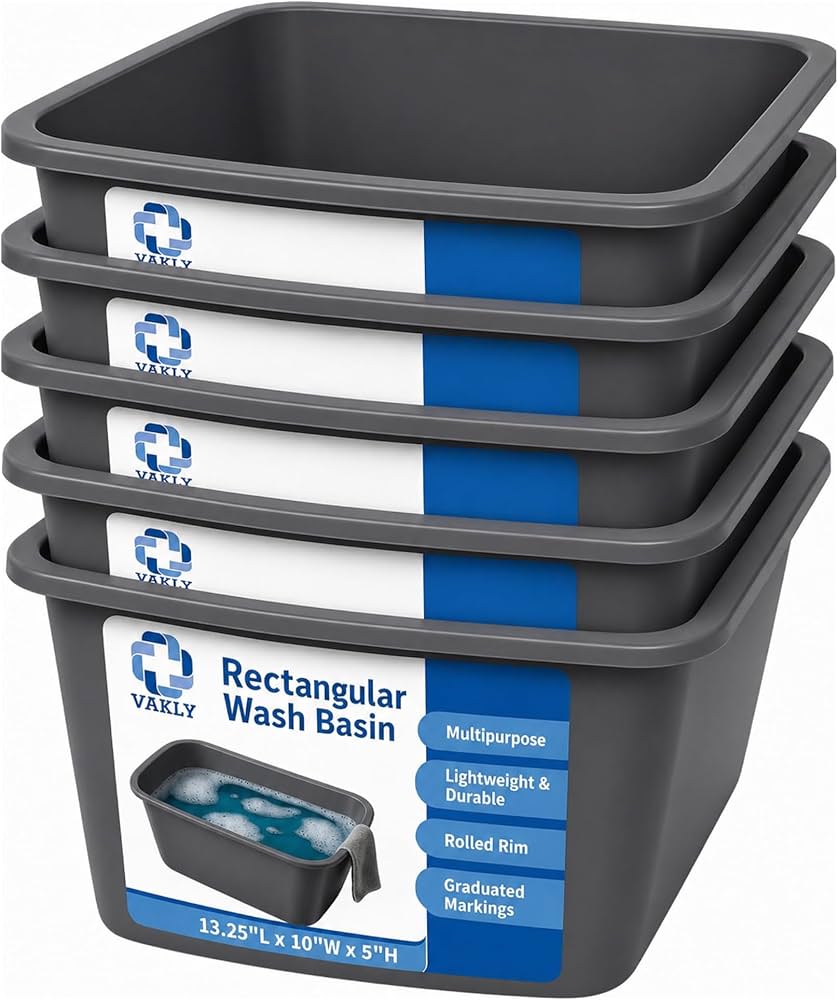
When a stain has survived one wash cycle or covers a wide area, soaking beats spot-treating. Oxygen bleach — sodium percarbonate, sold as OxiClean Versatile Stain Remover — releases hydrogen peroxide in water and works slowly enough to keep eating at pigment for hours. Dissolve one scoop per gallon of cool-to-warm water in a basin or the bathtub and submerge the entire tablecloth, not just the stain, so you don’t end up with one obviously brighter patch.
Give it anywhere from one hour to overnight, then launder as usual. It’s safe on whites and most colorfast cottons and polyesters, but keep it off silk, wool, and anything tagged “do not bleach.” And reach for oxygen bleach only — chlorine bleach on red wine often turns the stain a stubborn rusty brown and can eat holes in older linen.
Reach for a Wine Stain Remover Spray
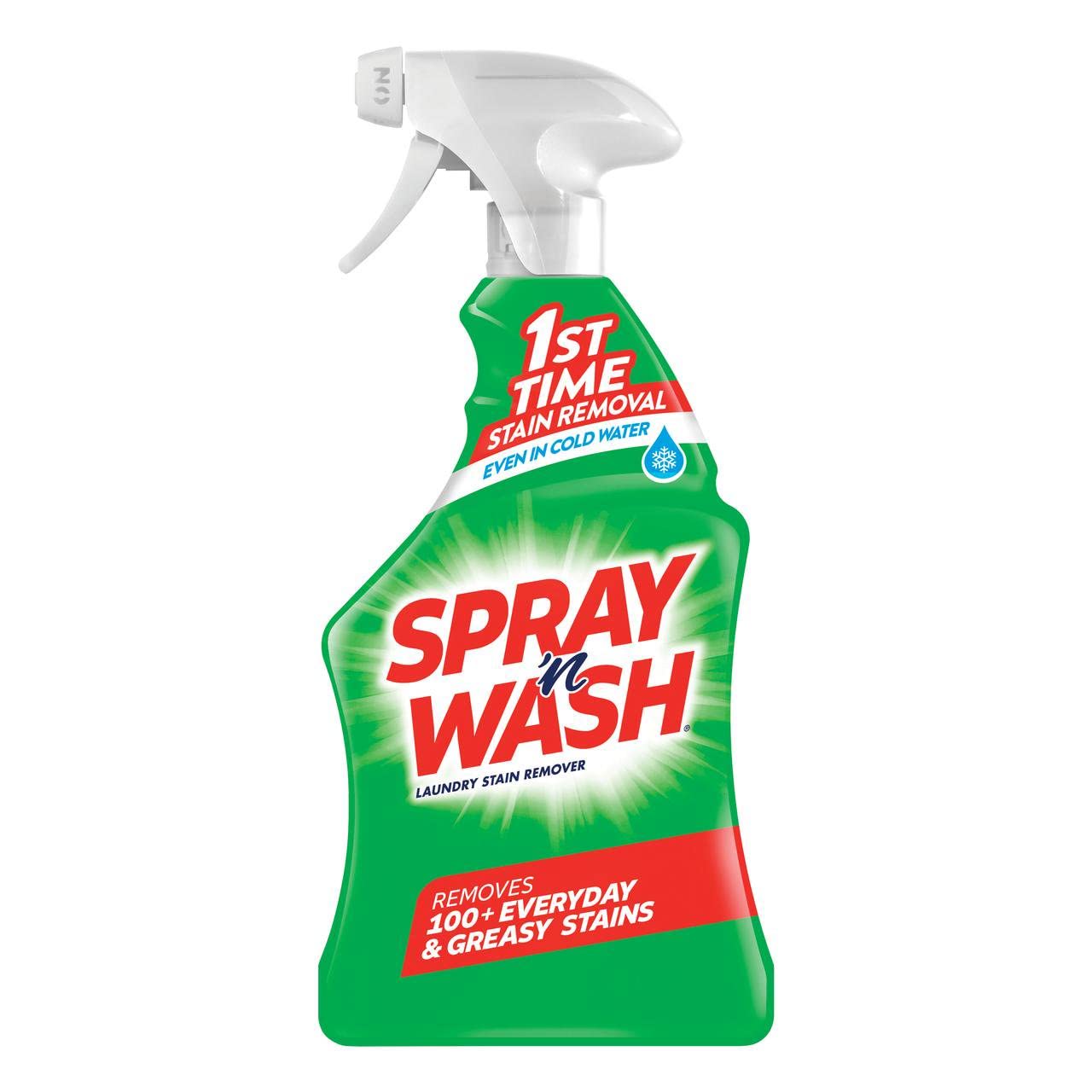
Sometimes you want the thing that’s engineered for exactly this, especially if the tablecloth is an heirloom you’d rather not experiment on. These are worth keeping under the sideboard along with extra napkins:
- ✦Wine Away — the classic, surprisingly gentle on color and one of the best on fresh red wine specifically
- ✦Shout Advanced Gel — clings to vertical or folded fabric so it doesn’t run off before it works
- ✦Zout or Shout Triple-Acting — enzyme-based, better on wine that’s mixed with food grease
- ✦Tide to Go pen — for blotting out a fresh ring at a dinner party without anyone noticing
- ✦Emergency Stain Rescue — a good all-rounder if you’d rather buy one bottle for every stain in the house
Spray or dab it on, give it the dwell time on the label — usually five to fifteen minutes — and blot before laundering. The main thing to watch is price per use; a bottle of Wine Away costs more than the peroxide under your sink but lasts through many spills.
Glycerin Soak for Old, Set-In Stains
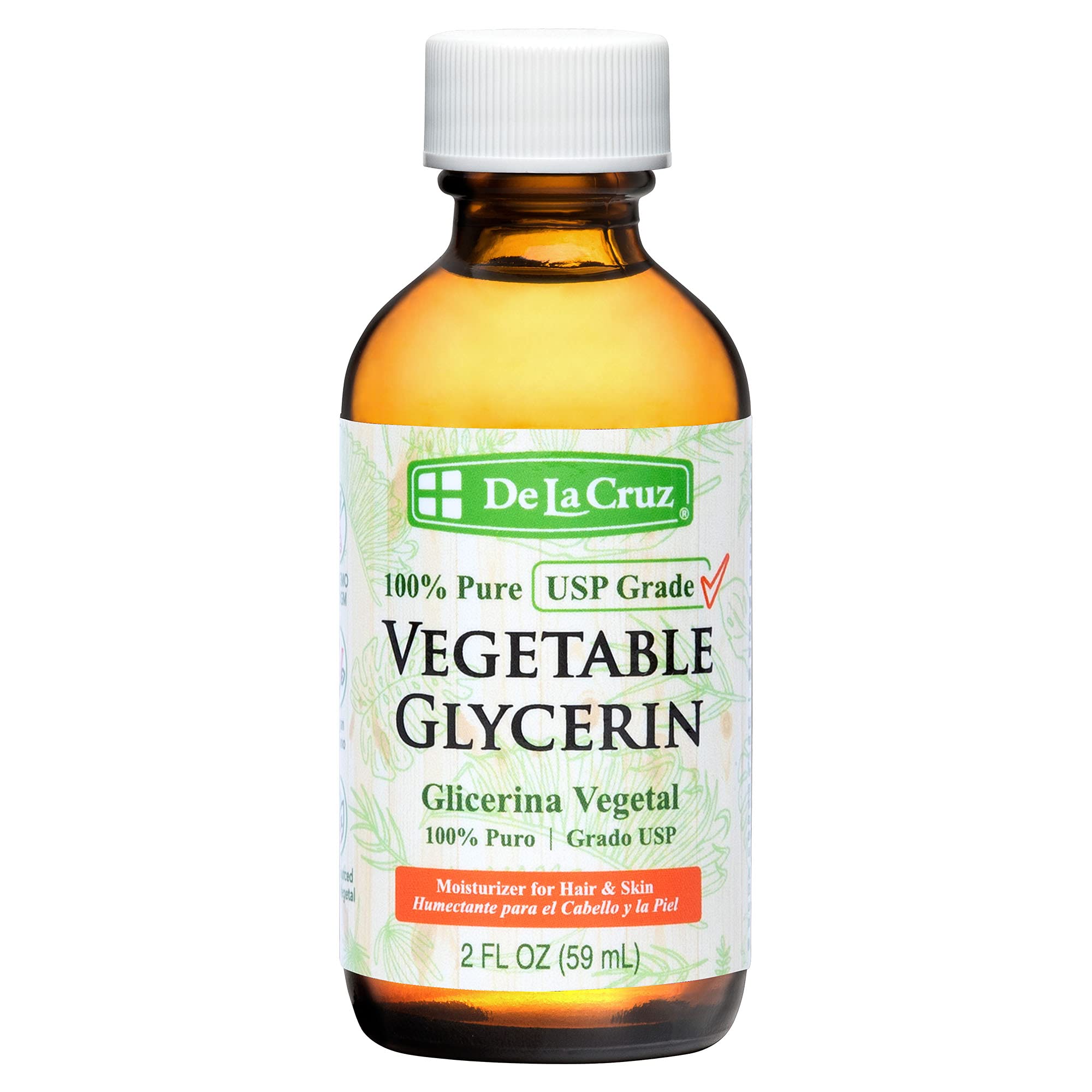
Found a dried pink blotch on a tablecloth you already washed and folded? Vegetable glycerin is what to reach for first.
It’s a humectant, so it re-hydrates dried tannin pigment and lifts it back out of the fiber, which no amount of scrubbing will do once the stain has set. Dab it on generously until the whole spot is glossy and wet, cover it with plastic wrap so it can’t evaporate, and leave it several hours or overnight.
Then rinse and launder, and repeat if there’s still a shadow. Glycerin is safe on nearly every fabric including silk, which makes it the safest first move on a vintage or delicate cloth. If it doesn’t fully clear, follow up with an oxygen bleach soak on sturdy fabrics or hand it to a dry cleaner and tell them exactly what the stain is.
Frequently Asked Questions
Does pouring white wine on a red wine stain actually work?
Mostly no. White wine dilutes the red and can buy you a few minutes until you get to real supplies, but it doesn’t chemically break down the pigment — it just spreads the problem over a larger area. Club soda or salt are both better uses of what’s already on the table.
What if the tablecloth already went through the dryer?
Heat sets tannin stains, so start with a glycerin soak to rehydrate the pigment, then move to an oxygen bleach soak overnight. You may need two or three rounds, and the stain may never go fully — but I’ve rescued more “ruined” cloths this way than I expected.
Can I use hydrogen peroxide on a colored tablecloth?
Test it first on an inside hem. 3% peroxide is mild and usually fine on saturated, colorfast cottons, but it can lighten dark navy, burgundy, or deep green fabrics, and it’s unpredictable on silk. When in doubt, vinegar or glycerin is the gentler route.
How do I get red wine out of a delicate or vintage tablecloth?
Skip boiling water, chlorine bleach, and aggressive scrubbing entirely. Blot, apply glycerin and let it sit overnight, and if that doesn’t clear it, take it to a dry cleaner and name the stain — “red wine, dried, roughly three weeks” gives them what they need to choose the right solvent.
Red wine on linen is one of those small disasters that feels much worse than it is. Blot it while it’s wet, salt it if you can’t get to the sink, and never — never — put the cloth anywhere near a dryer until you’ve checked the stain in daylight. Do that, and the worst case is a tablecloth that spends the night in a basin and comes out looking like nothing ever happened.
Leave a Reply