
Sticky tape residue has a way of showing up exactly where you don’t want it — under the strip of masking tape you used to hang birthday banners, along the edge of every Command strip you ever trusted, in the spot where the kids’ artwork lived for three school years. The good news is that almost all of it comes off a painted wall with something you already own, and none of it needs to end in spackle and touch-up paint.
The trick is matching the method to the residue’s age and to your wall’s finish, and softening the adhesive before you start rubbing. Work through these in order of gentleness and you’ll rarely need to reach for the heavy stuff.
Quick guide to picking a method
| Method | Best for | Biggest caution |
|---|---|---|
| Rubbing alcohol | Fresh and thin residue, glossy paint | Can dull flat paint if scrubbed |
| White vinegar | Light residue, kitchen and bath walls | Needs a long soak on old gunk |
| Soapy water | Greasy or very fresh residue | Too weak alone once hardened |
| Cooking oil / mayo | Thick, hardened blobs | Can stain wallpaper and flat paint |
| Hair dryer | Large areas, duct tape, packing tape | Too much heat bubbles paint |
| Goo Gone / Goof Off | Stubborn old residue, trim and tile | Solvents can cloud some finishes |
| Melamine sponge | Small leftover haze | Microscopically abrasive — dulls paint |
| Baking soda paste | Isolated sticky spots | Grit scratches satin and flat paint |
| Dryer sheet | Flat and matte painted walls | Leaves a film you must wipe off |
| Plastic scraper | Lifted edges and thick buildup | Metal blades gouge textured walls |
Rubbing Alcohol
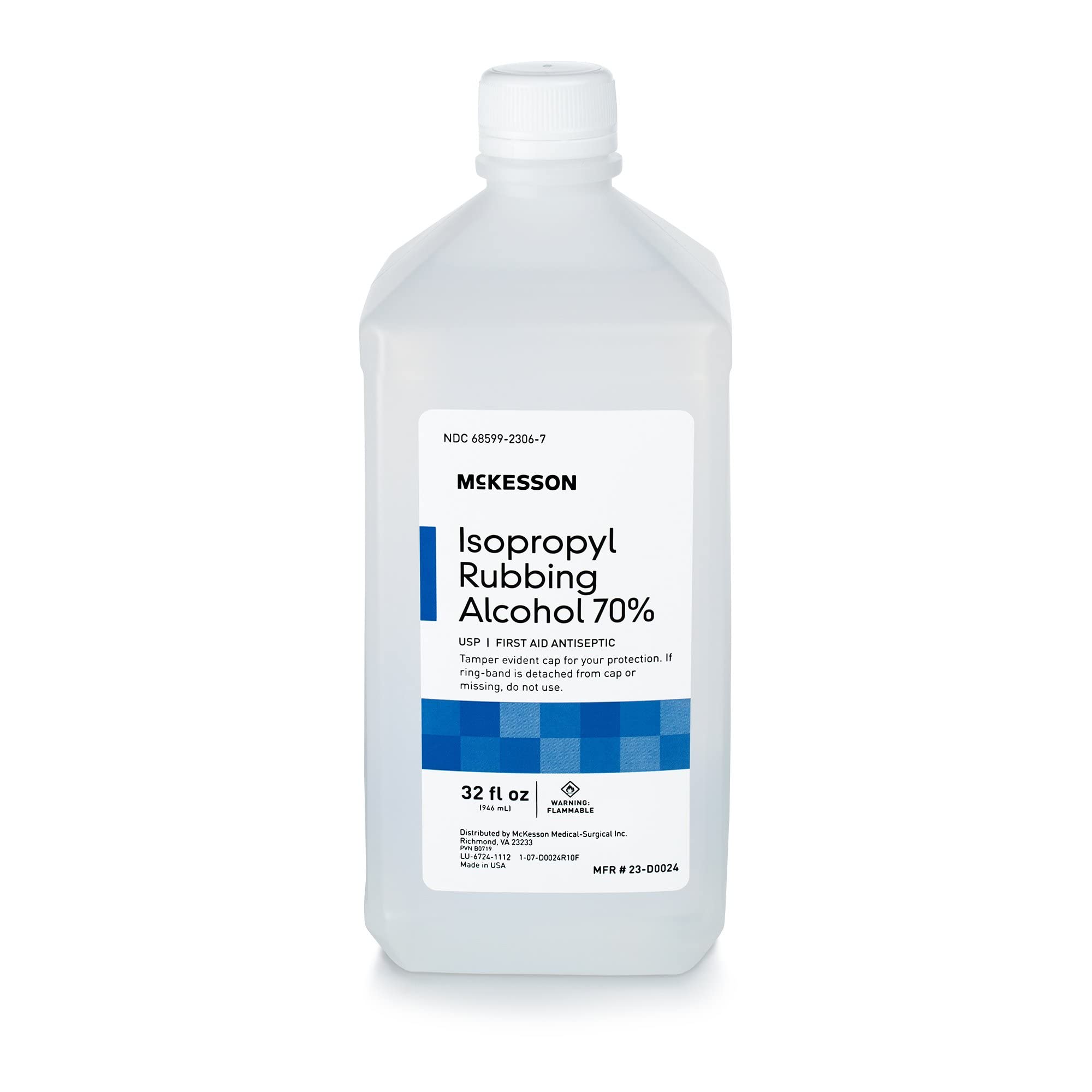
If you only keep one thing on hand for tape residue, make it a bottle of isopropyl alcohol. It dissolves most acrylic adhesives quickly, evaporates before it can soak into drywall, and won’t leave an oily film behind the way oil-based treatments do. I’ve used it on everything from painter’s tape lines to the gummy square where a wall-mounted remote holder lived, and it’s the closest thing to a universal fix.
Dampen a microfiber cloth or cotton ball, press it onto the residue, and hold it there for a minute or two rather than scrubbing right away. The residue turns slippery and rolls off on the cloth.
Use 91% alcohol if you have it — it evaporates faster and puts less water on the wall than 70%. Test first inside a closet or behind a door, and go gently on flat and matte paint, which alcohol can haze if you scrub hard.
White Vinegar
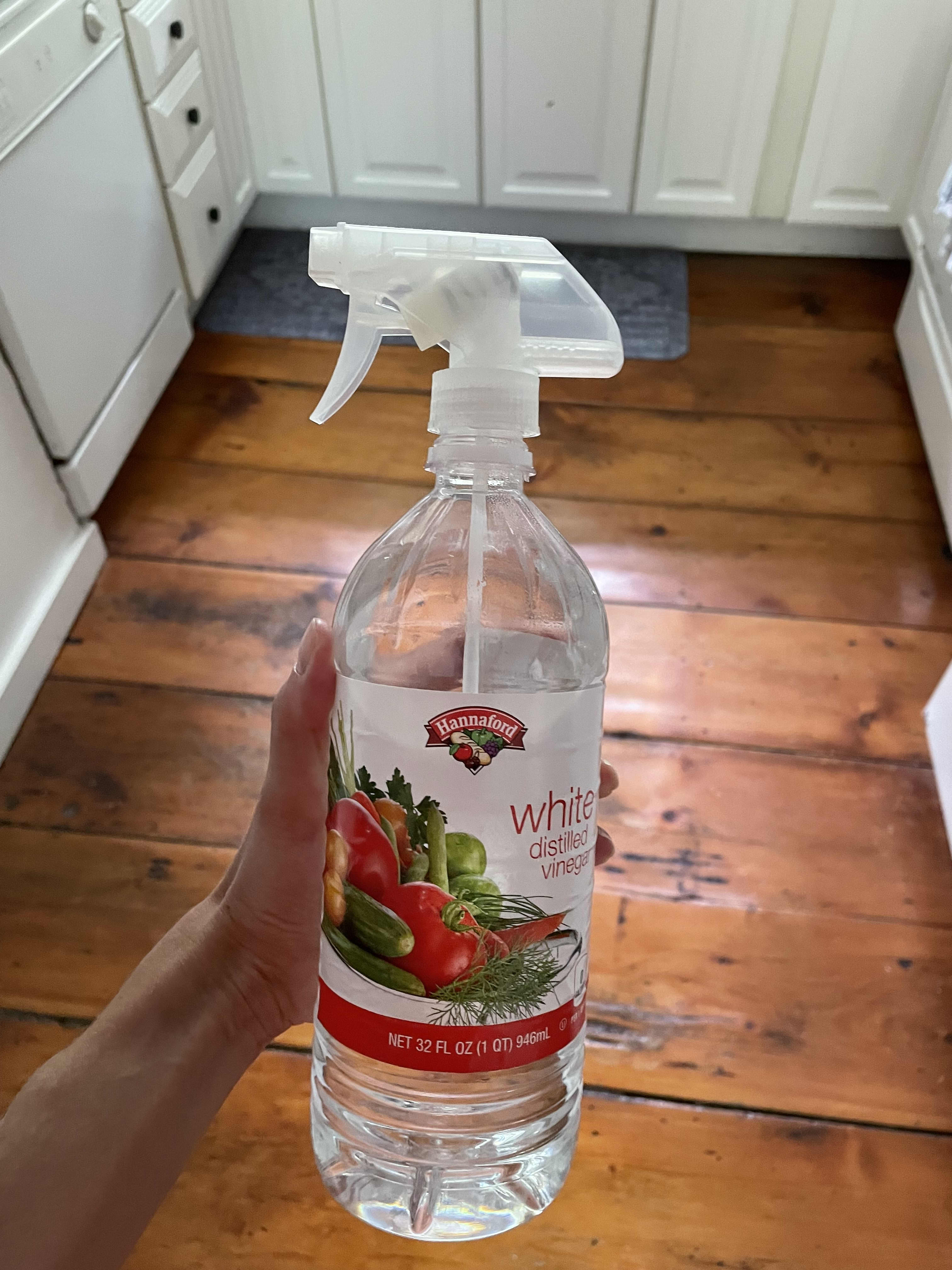
White vinegar is the milder cousin of rubbing alcohol, and it’s the one I reach for when the wall is flat or chalky-feeling and I don’t want to risk dulling it. Its acetic acid breaks down the adhesive bond without the solvent punch, which makes it slower but much friendlier to paint. It’s also cheap enough that you can soak generously.
Warm the vinegar a little, soak a paper towel or cloth in it, and lay it flat over the residue for five to ten minutes. Keep it damp — spray it again if it starts drying out.
Then wipe in one direction and the residue should come with it. Expect to repeat two or three times on older buildup.
Rinse the area with a damp cloth afterward so you don’t leave the vinegar smell behind.
Warm Soapy Water
Before you reach for anything stronger, try the dish soap method — it’s the safest thing you can put on any painted wall and it handles a surprising amount of residue, especially anything that’s still soft or greasy. Tape residue is often partly oil-based (the adhesive carries plasticizers), and a good degreasing soap like Dawn cuts right through it.
Dissolve a few drops of dish soap in a bowl of warm water, soak a microfiber cloth, and press it onto the sticky patch for a good five minutes. Then wipe — no scrubbing in circles, just firm, slow strokes.
This is also the right final step after any oil-based method below, because it removes the slick that would otherwise attract dust. If the residue feels gritty and dry under your cloth instead of slippery, graduate to the next idea.
Cooking Oil, Mayonnaise, or Peanut Butter
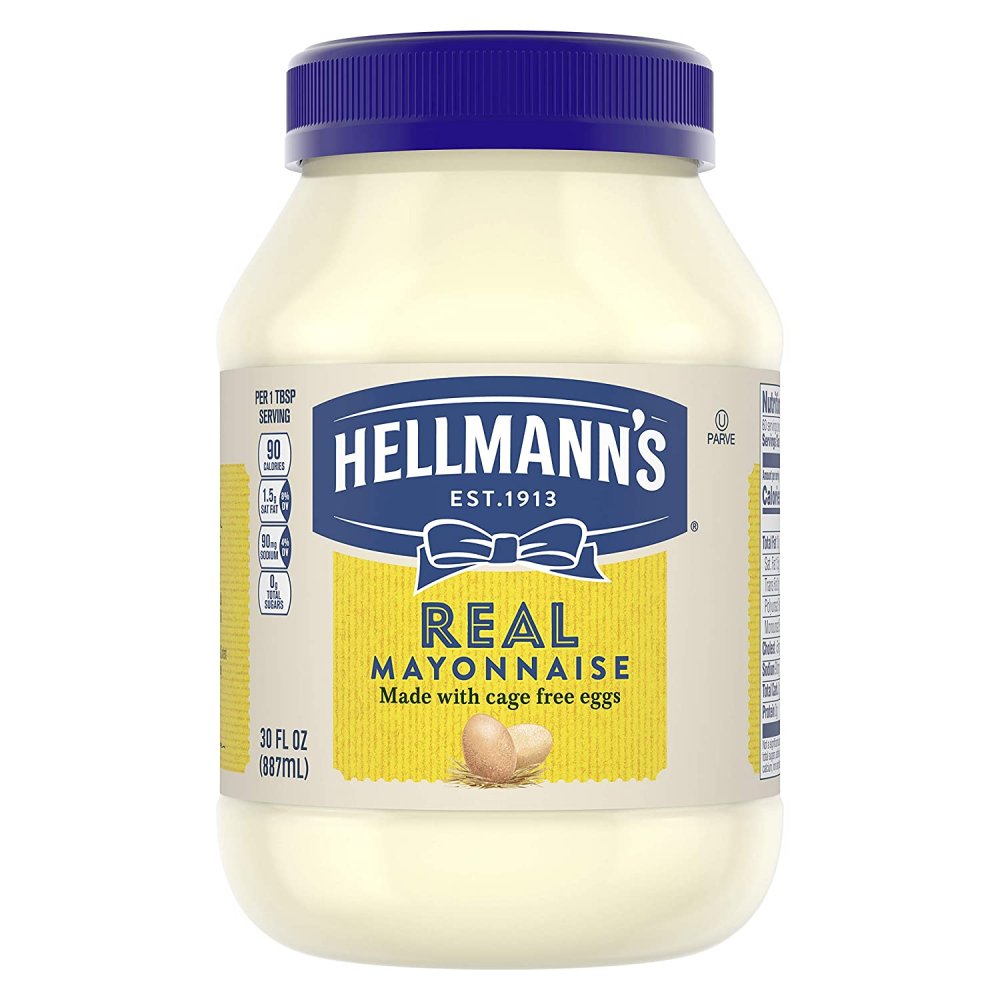
It sounds counterintuitive to smear food on a wall, but oil dissolves adhesive far better than water ever will — the fat penetrates the residue, swells it, and lifts the bond away from the paint. This is the method I use on the hard, shiny, cracked-on residue left by old duct tape and packing tape, the kind that flakes at the edges but won’t budge in the middle.
Smear a thin layer over the residue and leave it alone for fifteen to twenty minutes so it can work. Then wipe with a cloth and follow immediately with warm soapy water to cut the grease. The best carriers, in my experience:
- ✦Mayonnaise — thick enough to cling to vertical walls without running
- ✦Creamy peanut butter — same stickiness, slightly more abrasive from the solids
- ✦Vegetable or olive oil on a cotton ball — cleanest to use, but drips
- ✦Orange oil or d-limonene — strongest of the group, great on hardened gunk
The one real caveat: oil can stain wallpaper, unsealed plaster, and very flat paint. Test in a hidden spot first, and never use this on a textured wall where the oil will sit in the recesses.
Hair Dryer Heat
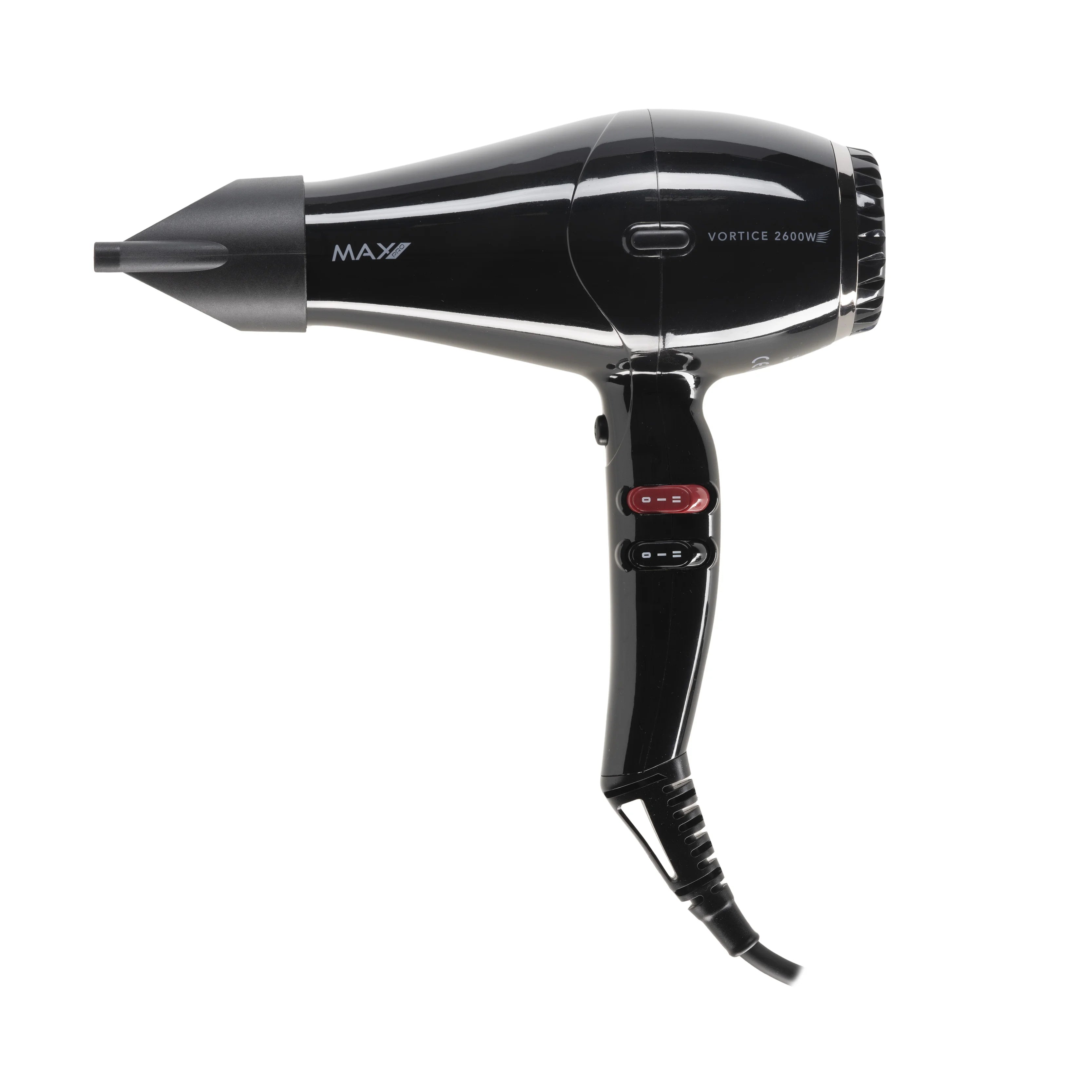
Heat is the fastest route when you’ve got a big patch of residue or a long strip of leftover tape, because it softens the adhesive across the whole area at once instead of one dab at a time. It’s also the least chemical option, which matters on freshly painted walls that are still curing.
Set a hair dryer on medium, hold it six inches from the wall, and move it constantly for thirty to sixty seconds. The residue will turn glossy and tacky when it’s ready — that’s your cue to wipe it with a cloth or lift it with a plastic scraper while it’s still warm. Two warnings from experience: don’t hold the dryer in one spot, because concentrated heat can bubble or soften the paint itself, and don’t bother on latex paint that’s less than a month old.
Goo Gone, Goof Off, and Other Adhesive Removers
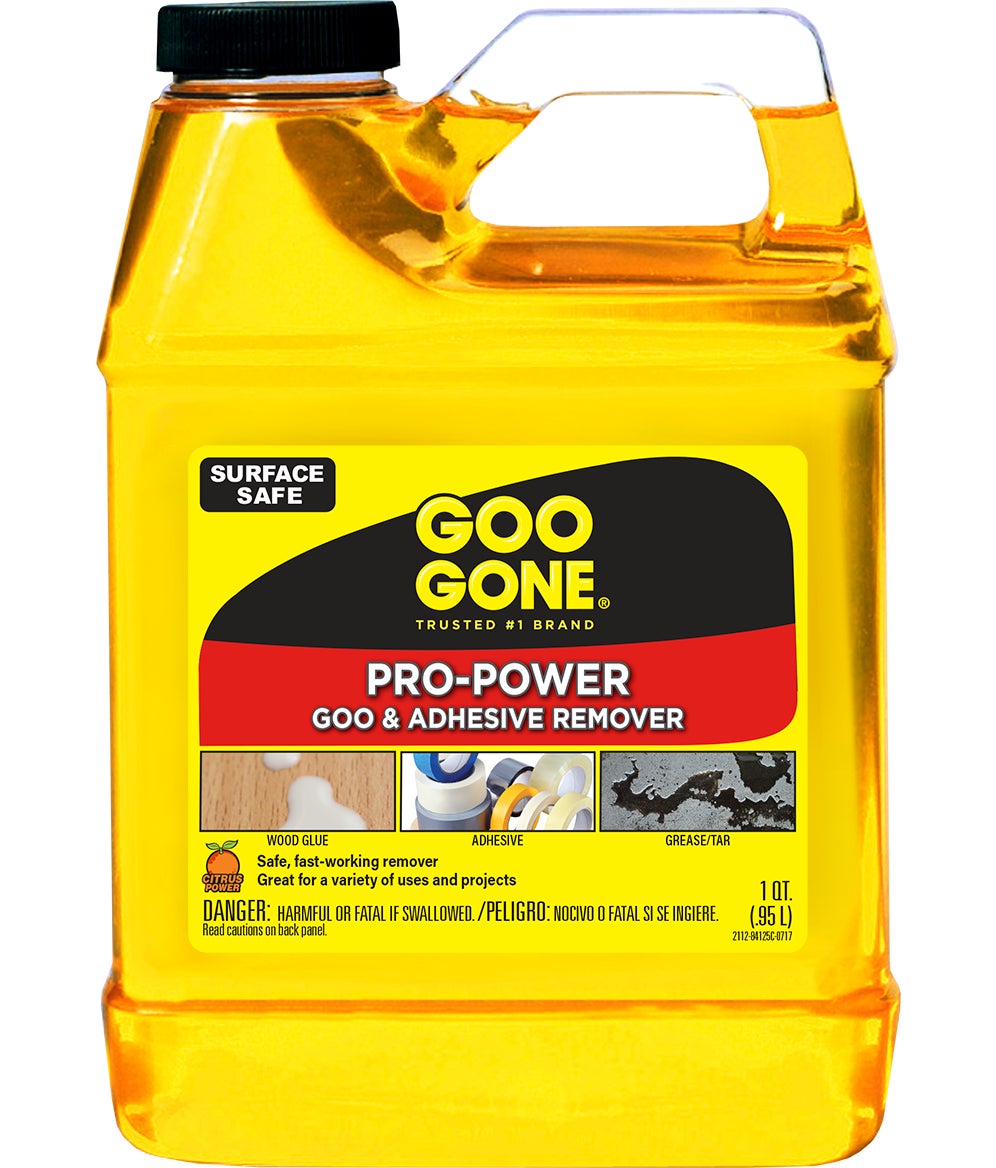
When the household remedies have done their best and you’re still looking at a stubborn smear, a purpose-built adhesive remover earns its shelf space. These are formulated to dissolve the adhesive rather than just soften it, and they cut your working time dramatically. Just know that they’re stronger than anything else on this list, so test first and work in a ventilated room.
- ✦Goo Gone Original — citrus-oil based, my default on painted walls; wipe off with soapy water afterward
- ✦WD-40 — surprisingly effective and easy to control, sprays on in a thin layer; smells strong
- ✦Goof Off — the heavy hitter for dried, caked-on residue; can dull or cloud some paints and finishes
- ✦De-Solv-It or 3M Adhesive Remover — good for large jobs, sprays on and wipes clean
- ✦Un-Du — lifts adhesive with almost no scrubbing, but it’s pricey for a wall-sized problem
Whatever you choose, apply it to the cloth rather than the wall, keep it off any plastic trim or outlet covers, and finish with soapy water so no slippery residue is left behind.
Melamine Sponge (Magic Eraser)
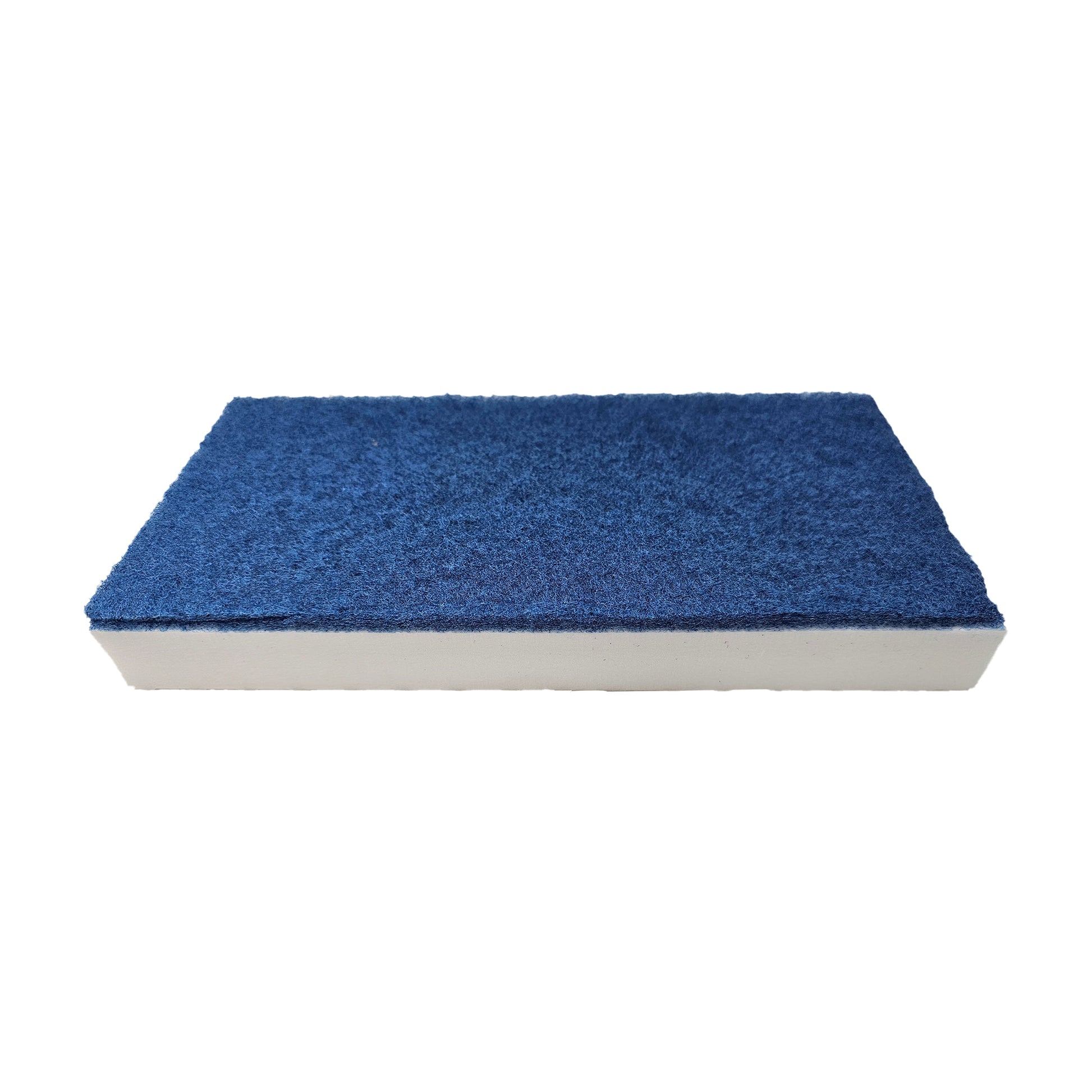
A melamine sponge is the tool I reserve for the last bit of haze after a residue patch is basically gone — the ghost outline you can still see at an angle. Dampened and used with light pressure, it lifts that faint film beautifully where nothing else quite touches it.
Here’s the honest part: melamine is a micro-abrasive, essentially very fine sandpaper. Scrub hard and it will slowly sand away the sheen on flat, matte, and satin paint and leave a dull, slightly lighter patch that you’ll notice in raking light. Keep it to semi-gloss, trim, tile, and door frames, or use tiny strokes on the residue only and stop the second it’s gone.
Can you use a Magic Eraser on flat paint?
You can, but it’s the fastest way to dull it. If flat paint is all you’ve got, use a damp melamine sponge with the lightest possible touch and stop as soon as the shine disappears, or reach for the dryer sheet method instead.
Baking Soda Paste
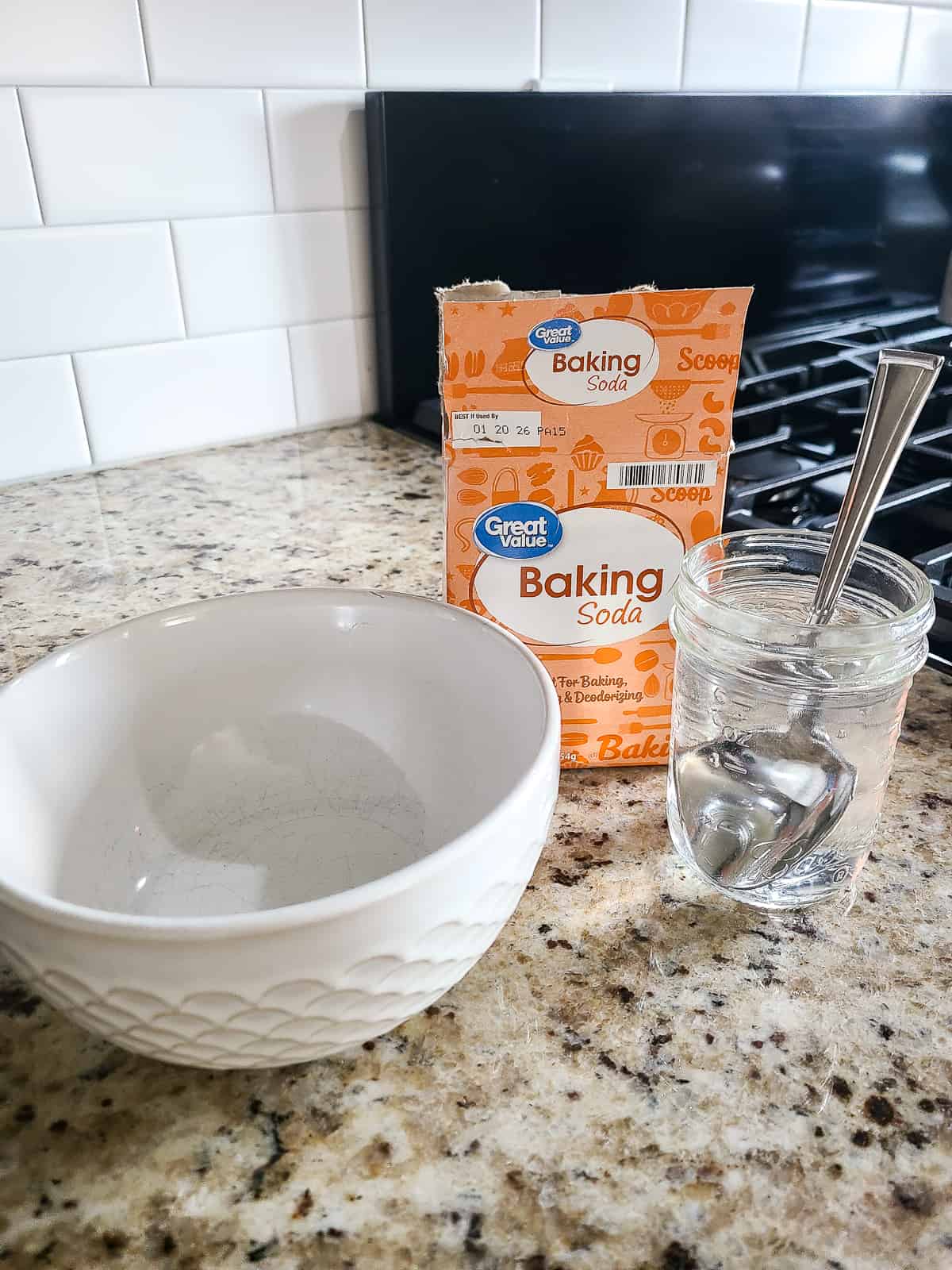
Baking soda is the gentlest abrasive in your kitchen, and mixed into a paste it gives you a little scrubbing power without any solvents. It’s my pick for small, isolated spots — a thumb-sized sticky patch behind a switch plate or where a hook used to live — rather than a whole run of tape along the wall.
Mix three parts baking soda to one part water until it’s the consistency of toothpaste, dab it on, and let it sit for a couple of minutes. Then work it with your fingertip or a soft cloth in one direction and rinse with a damp cloth. Don’t press hard: the grit can scratch satin finishes, and it leaves a dusty residue that will show if you skip the rinse.
Dryer Sheet
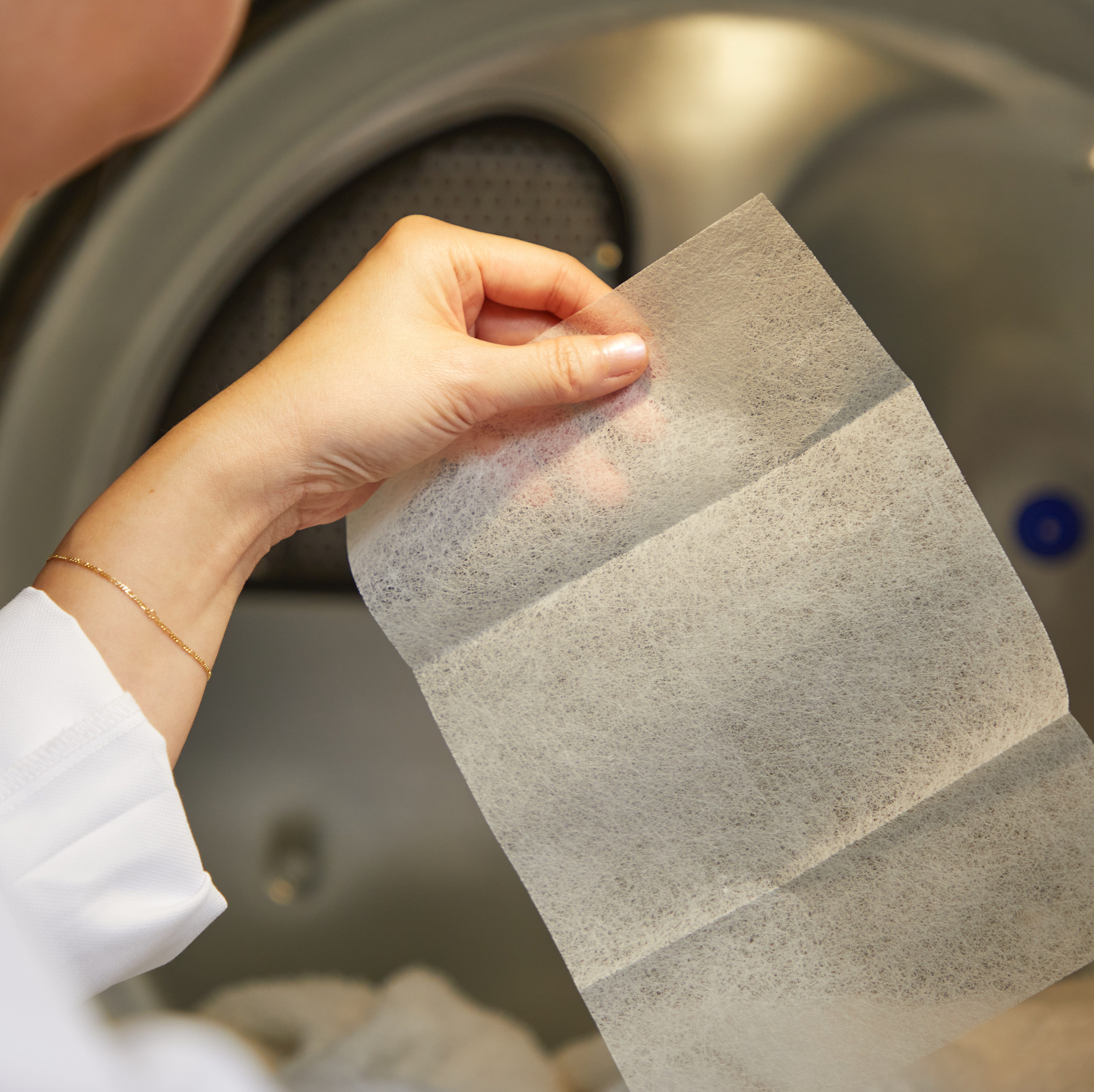
This is the one that surprised me most. A dampened dryer sheet — used or new, both work — slides over tape residue and lifts it with almost no pressure, and it’s remarkably safe on flat and matte paint because it carries no grit and no solvent. The softening agents in the sheet seem to break the adhesive’s grip without touching the paint underneath.
Dampen the sheet with warm water, fold it into a small pad, and rub the residue with slow, light strokes. It’ll go tacky and ball up on the sheet.
When you’re done, wipe the area with a clean damp cloth — dryer sheets leave a faint waxy film that looks fine at first and then collects dust. This method is also gentle enough for wallpaper borders and painted trim.
Plastic Scraper and Rubbing
Sometimes the residue is thick enough that a chemical alone won’t carry it away — you need a little mechanical help. The key is scraping with something softer than the paint: a plastic putty knife, an old credit card, or a guitar pick. Always soften first with a hair dryer or one of the methods above, then push the scraper at a shallow angle so you’re lifting rather than gouging.
For a small fresh patch, don’t even reach for a tool — roll it off with your thumb, working from one edge, and the adhesive will ball up and release. On glass, tile, or metal trim you can use a single-edge razor blade held almost flat against the surface, but keep blades far away from textured drywall and orange-peel finishes, where they’ll catch and dig. If the scraper starts dragging instead of lifting, stop and reapply heat or alcohol — forcing it is what takes paint off with the tape.
FAQ
How do you remove sticky tape residue from painted walls without damaging the paint?
Start with the gentlest option: a damp dryer sheet or warm soapy water, letting it soak for a few minutes before wiping. If that doesn’t work, move to white vinegar and then rubbing alcohol, testing in a hidden spot each time and wiping with a cloth instead of scrubbing. Reserve abrasives like Magic Erasers and baking soda for glossy paint and trim.
Does WD-40 remove tape residue from walls?
Yes, WD-40 loosens most adhesive residue effectively and is easy to apply in a thin, controlled layer. Spray it onto a cloth rather than the wall, let it sit for a minute, wipe the residue away, and then wash the area with soapy water to remove the oily film it leaves behind.
Will Goo Gone take off wall paint?
On healthy, fully cured latex paint, Goo Gone Original is usually safe if you test first and don’t let it sit for long. Stronger solvents like Goof Off can dull or soften flat and satin finishes, so apply them to the cloth, work quickly, and wash the area down with soapy water as soon as the residue is gone.
How do you get tape residue off a textured wall?
Texture traps adhesive in its recesses, so avoid scrapers and anything oily that will settle into the grooves. Dab on rubbing alcohol with a microfiber cloth, let it break down the residue, and blot rather than scrub so you don’t fuzz the raised texture.
Sticky tape residue is one of those jobs that looks permanent and isn’t. Give whichever method you choose a few minutes of dwell time before you put any elbow grease into it, work from gentle to strong, and always finish with a wipe of soapy water — that last step is what leaves the wall looking like the tape was never there at all.
Leave a Reply