
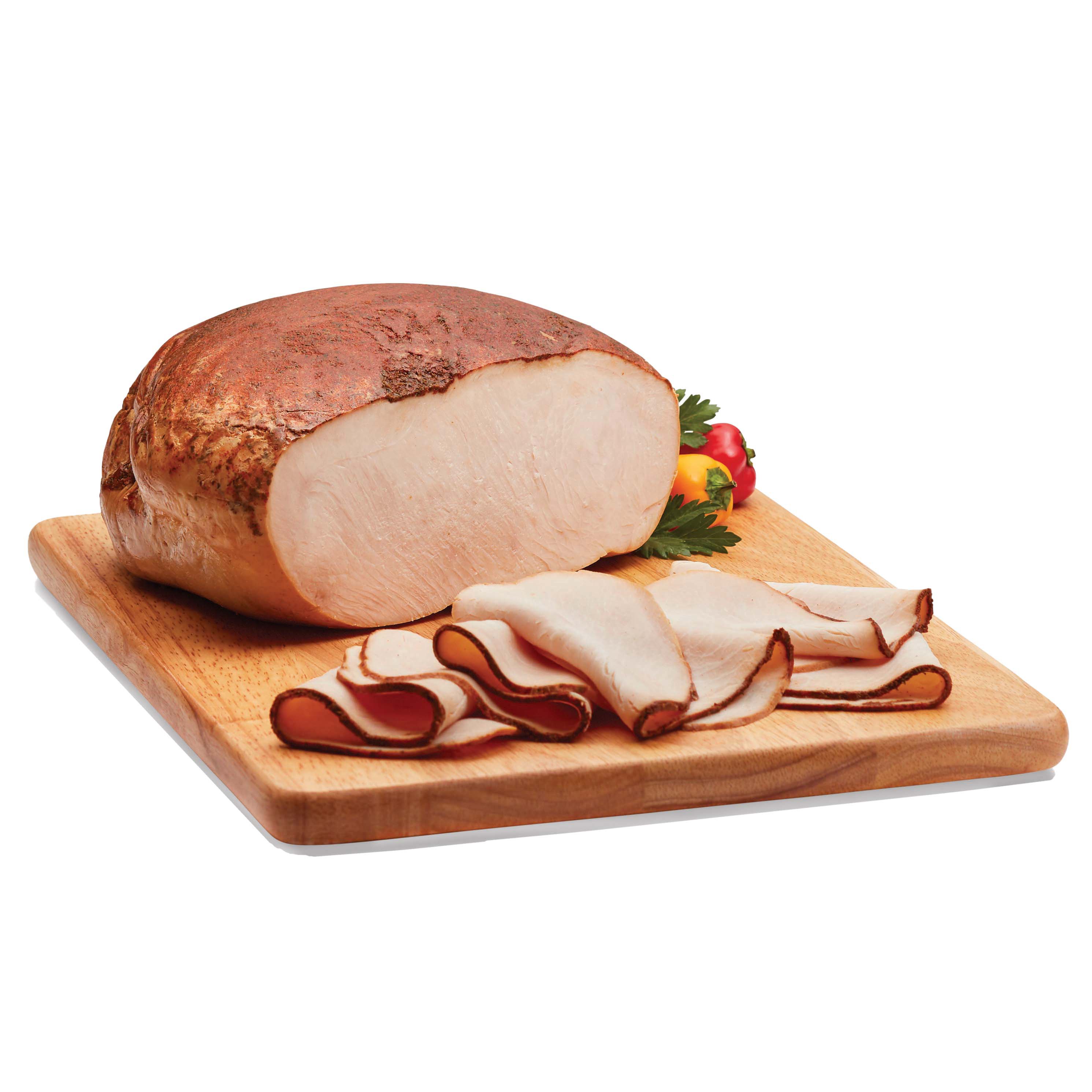
Cold turkey is the leftover everyone quietly dreads. You spend all that time roasting a beautiful bird, and then the second round of meat comes out of the oven dry, stringy, and tasting vaguely like cardboard.
The problem is almost never the turkey — it’s that cooked meat has already squeezed out most of its free moisture, and any reheating method that pushes the internal temperature past about 165°F wrings out what’s left. So the whole game is gentle heat, added moisture, and a short ride to temperature.
Here are eight ways to reheat leftover turkey that actually work, from a five-minute microwave job to a set-it-and-forget-it water bath.
| Method | Hands-on time | Best for | The moisture move |
|---|---|---|---|
| Low oven | 5 min | Slices, whole breast, a crowd | Broth under foil |
| Microwave | 2 min | One or two servings | Damp paper towel |
| Skillet | 10 min | Slices you want to sauce | Broth + butter finish |
| Sous vide | 2 min | Big batches held for hours | Sealed bag, no loss |
| Steamer | 5 min | Shredded and chopped meat | Steam, no added fat |
| Slow cooker | 5 min | All-day holding in gravy | Submerged in liquid |
| Air fryer | 3 min | Skin-on pieces | Short blast, high heat |
| Instant Pot | 5 min | A whole breast, fast | Trivet over broth |
The Low-and-Slow Oven Method
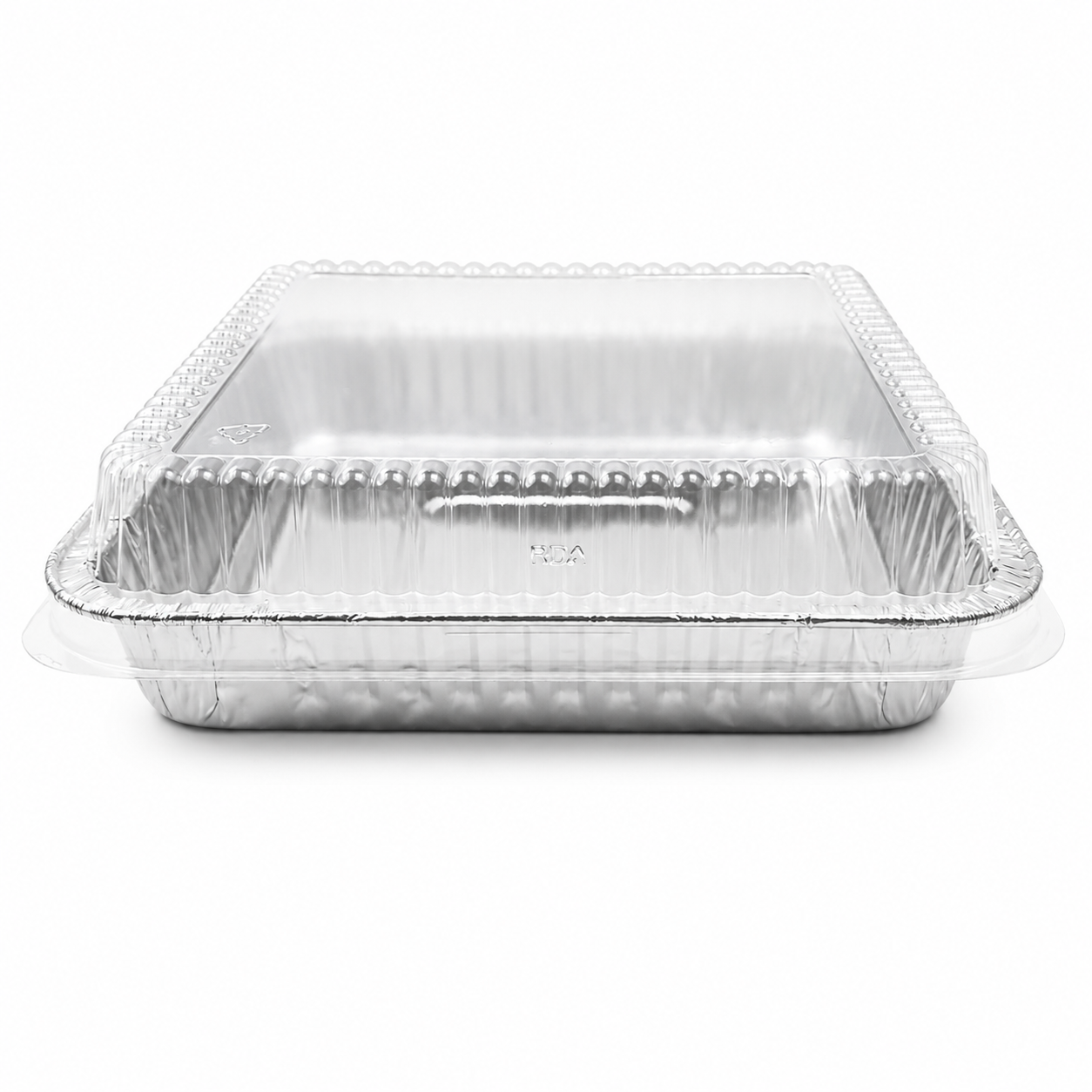
This is the method I use when the turkey has to go on a platter and look like something. Lay your slices or pieces in a single layer in a glass baking dish or a small roasting pan — I use a 9×13 Pyrex — and pour in just enough low-sodium chicken or turkey broth to barely film the bottom, usually ¼ to ½ cup. Dot the top with a little butter if you’re feeling generous, cover the dish tightly with aluminum foil so the steam stays trapped, and warm it at 325°F until the meat hits 165°F inside.
The reason this works is that the foil turns the dish into a tiny steam chamber instead of a dry oven. Resist the urge to crank the heat to 400°F to save time; you’ll just push the outer layer past well-done before the center warms through. Pull the foil for the last three or four minutes if you want the edges to catch a little color.
How long does it take to reheat turkey in the oven?
For sliced meat in a covered dish at 325°F, plan on 15 to 20 minutes. A whole bone-in breast takes closer to 35 to 45 minutes, and it’s worth temping it with an instant-read thermometer like a ThermoPop rather than guessing — carryover heat will take it a few degrees past where you pull it.
The Microwave, Done Properly
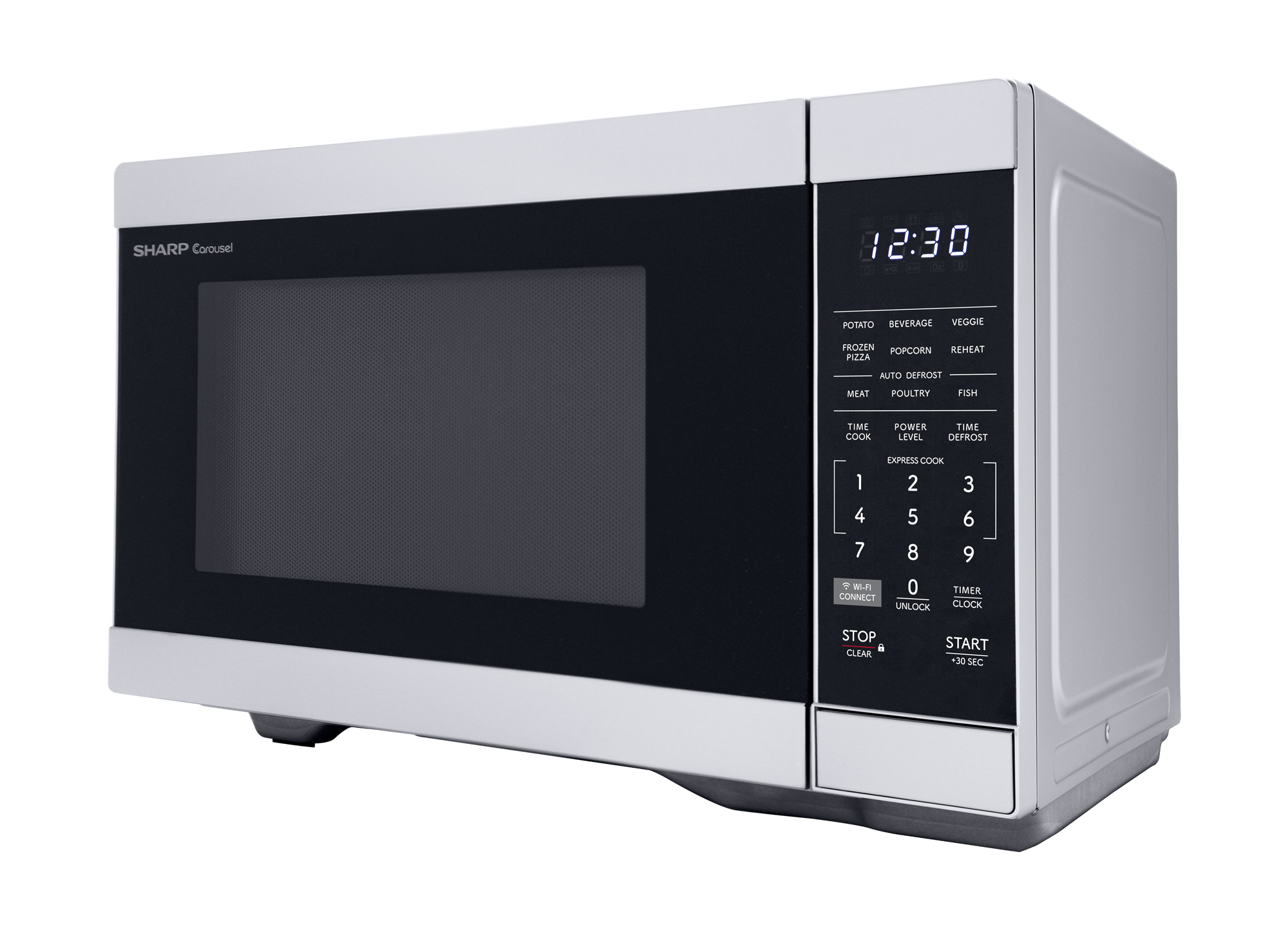
Yes, the microwave. It gets a bad reputation because most people nuke turkey on high for four minutes and then wonder what went wrong.
Microwave energy heats water molecules fast and unevenly, so without extra moisture and a gentler power setting, the thin edges of the meat turn to jerky before the middle is warm. But for one sandwich’s worth of turkey at lunch, nothing else is close on speed.
Arrange the slices in a single layer on a microwave-safe plate, splash on a tablespoon of broth or pan drippings, and lay a damp — not soaked — paper towel over the top. Then go low and slow:
- ✦600–800W microwave: 50% power, 60 to 90 seconds, then check
- ✦1000W+ microwave: 50% power, 45 to 60 seconds, then check
- ✦Add 20-second bursts at 50% power until it reads 165°F
The resting minute matters as much as the heating does. Let the plate sit after each burst so the heat evens out instead of you chasing hot spots with more power.
Slices in a Skillet with Broth and Butter
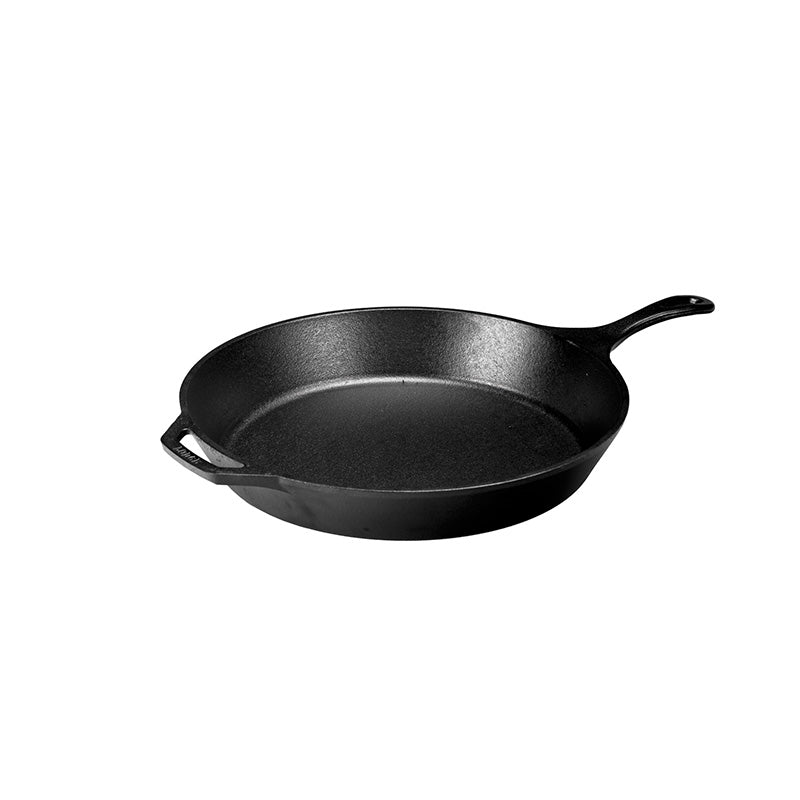
This is my favorite move for dark meat and for anything that’s going into a sandwich or over mashed potatoes. A cast iron skillet over medium-low heat gives you control the microwave can’t, and because you’re adding liquid, you get a little pan sauce for free. Warm the skillet, add ¼ cup of broth or leftover gravy thinned with a splash of water, lay the slices in one layer, and cover with a lid or a sheet of foil.
Give it two to three minutes, flip once, then turn off the heat and stir in a knob of butter — maybe a teaspoon per serving — while the pan cools down. That cold butter finish is the same trick restaurants use; it makes the sauce cling to the meat instead of pooling beside it.
Keep the heat at medium-low the whole time. A screaming pan is how you get that gray, dry rind around the edge of each slice.
A Sous Vide Water Bath
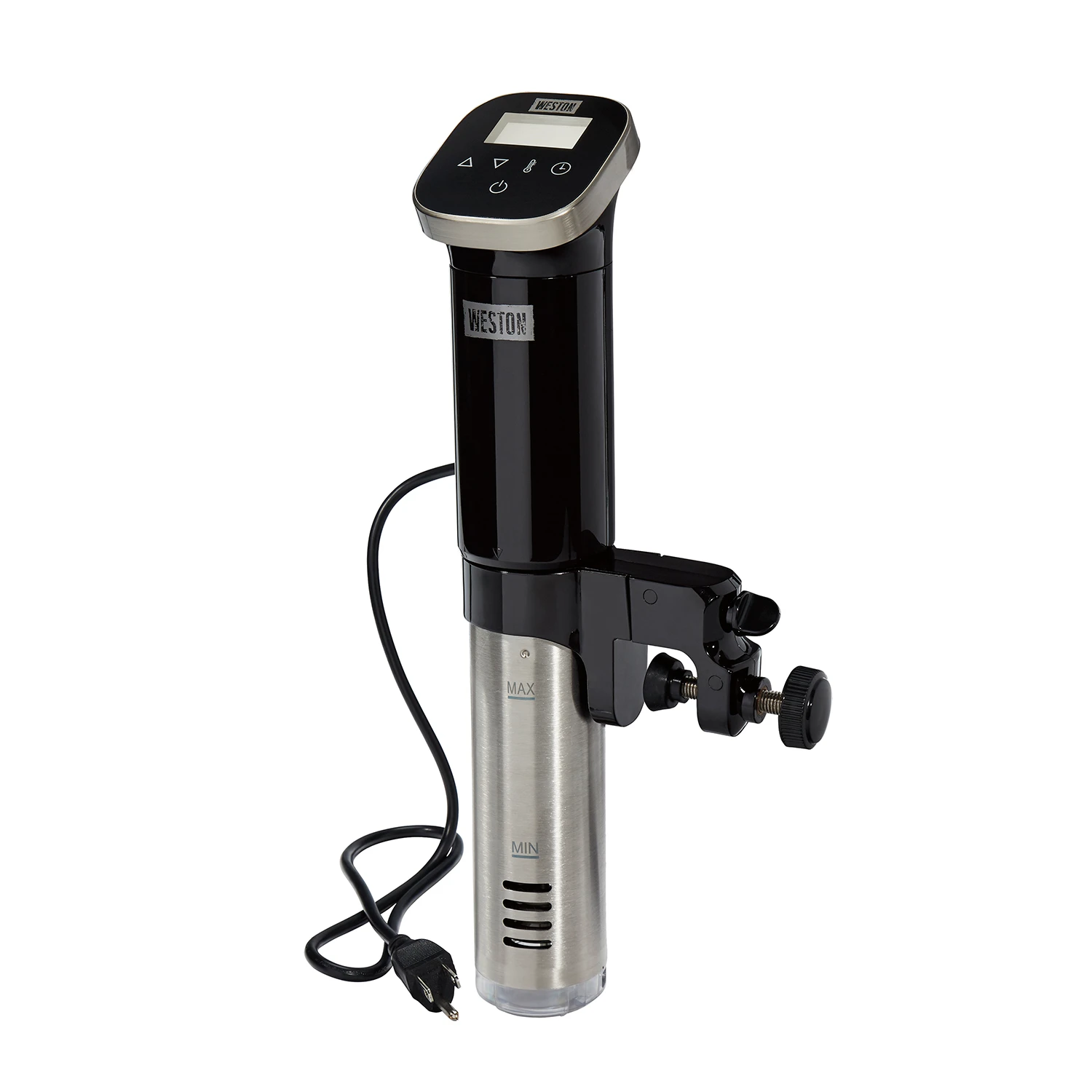
If you own an immersion circulator, this is the single most foolproof way to reheat turkey, because the water holds the exact temperature and the sealed bag means no moisture can escape at all. Drop your turkey into a zipper or vacuum bag, press the air out, and set the bath to a temperature you’d be happy to eat at — the meat will never get hotter than the water.
- ✦140°F for 1 to 2 hours: silky, very moist, great for sliced breast
- ✦150°F for 45 minutes to 1 hour: a firmer, more traditional texture
- ✦165°F for 30 to 45 minutes: food-safe standard if you’re serving anyone elderly, pregnant, or immunocompromised
The one thing to watch is bag float — press as much air out as you can, or use a clip to keep the bag below the surface. And it won’t crisp skin, so plan a quick broiler pass afterward if that matters to you.
The Steamer Basket
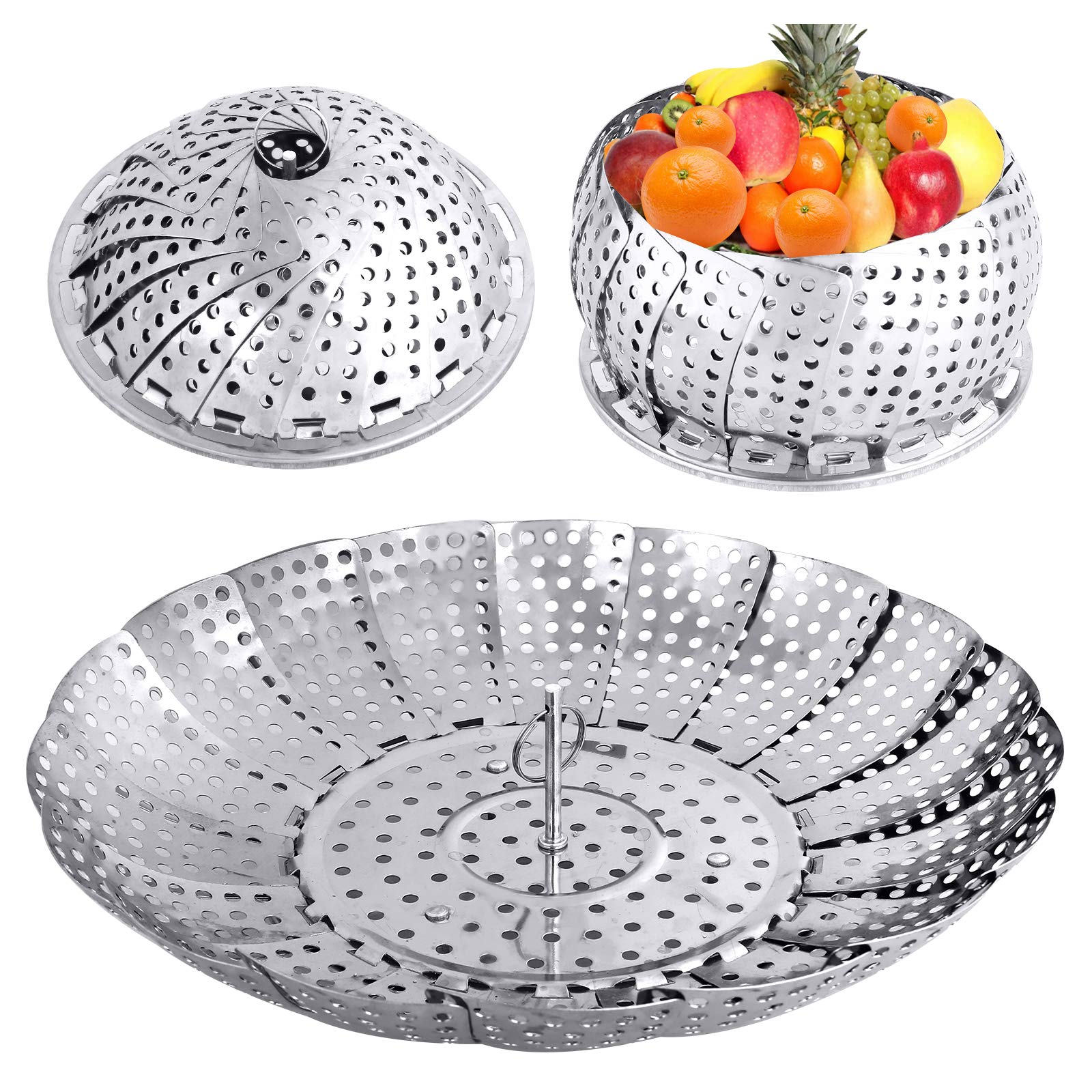
Steam is the quiet hero of leftover turkey, especially for shredded or chopped meat that’s headed into enchiladas, pot pie, or a casserole. Because the meat never touches water and never sits in a hot dry pan, it warms through without leaching anything or toughening up. Set a steamer basket — a cheap stainless insert works fine — over an inch of simmering water, add the turkey in a loose layer, cover, and go for three to five minutes.
Check it early and often; over-steamed turkey goes mushy rather than dry, which is its own kind of disappointing. Also, don’t let the water boil hard underneath. A gentle simmer gives you steady steam and less risk of the bottom layer getting waterlogged.
Held Warm in a Slow Cooker
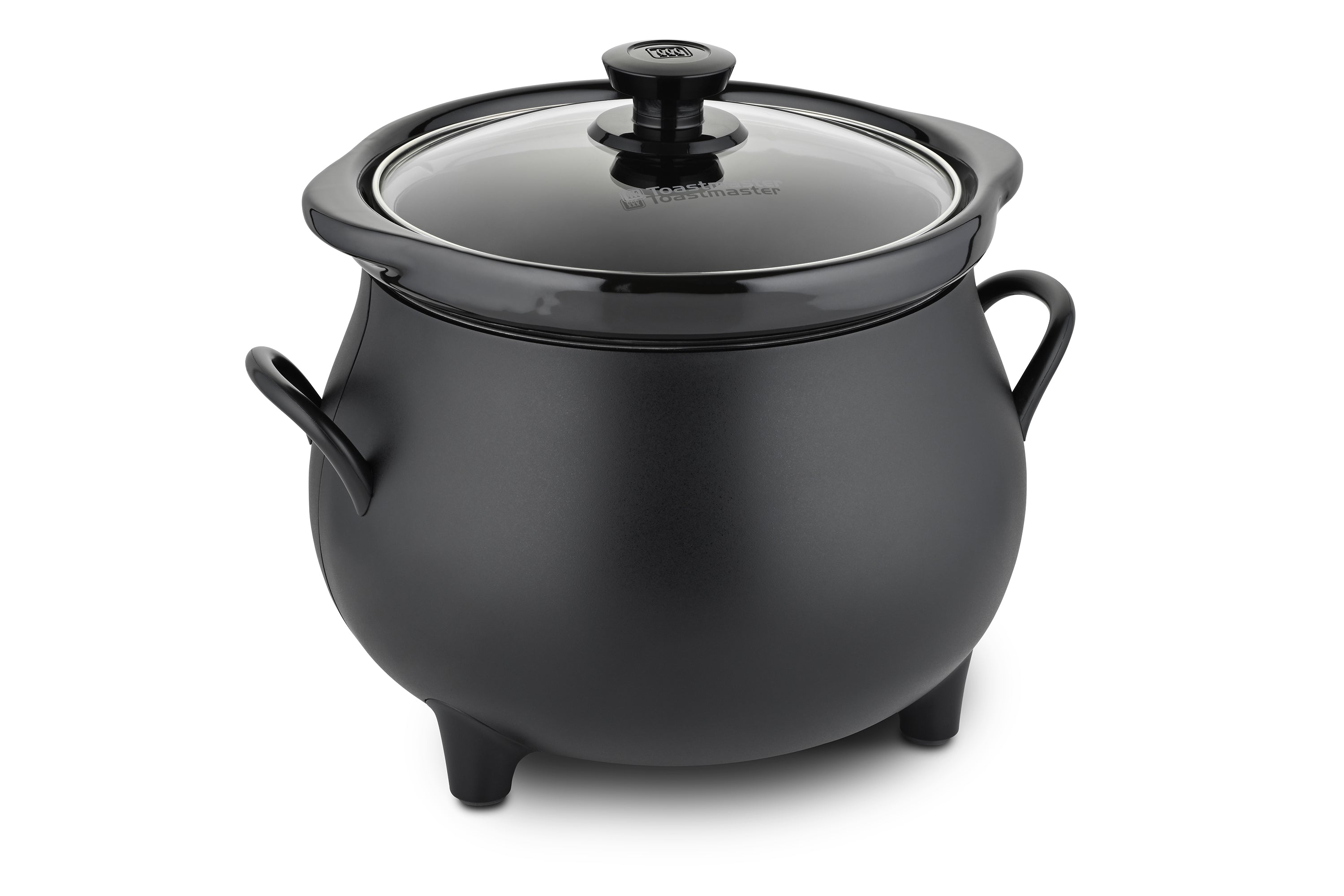
This is the answer for Thanksgiving day two, when people are grazing all afternoon and you don’t want to keep reheating the same platter. Put the turkey in the slow cooker, add enough broth or gravy to come about a third of the way up the meat — not enough to boil it, just enough to keep the environment humid — and set it to Low. It’ll be warm in about an hour and will happily hold for two to three more.
Keep the lid on. Every lift releases a cloud of steam you then have to rebuild.
And if you’re holding it longer than three hours, add a couple tablespoons of butter or a slick of gravy on top so the exposed surfaces don’t sit dry against the air. High heat is the mistake here — it’s a holding vessel, not a cooking one.
A Quick Air Fryer Blast
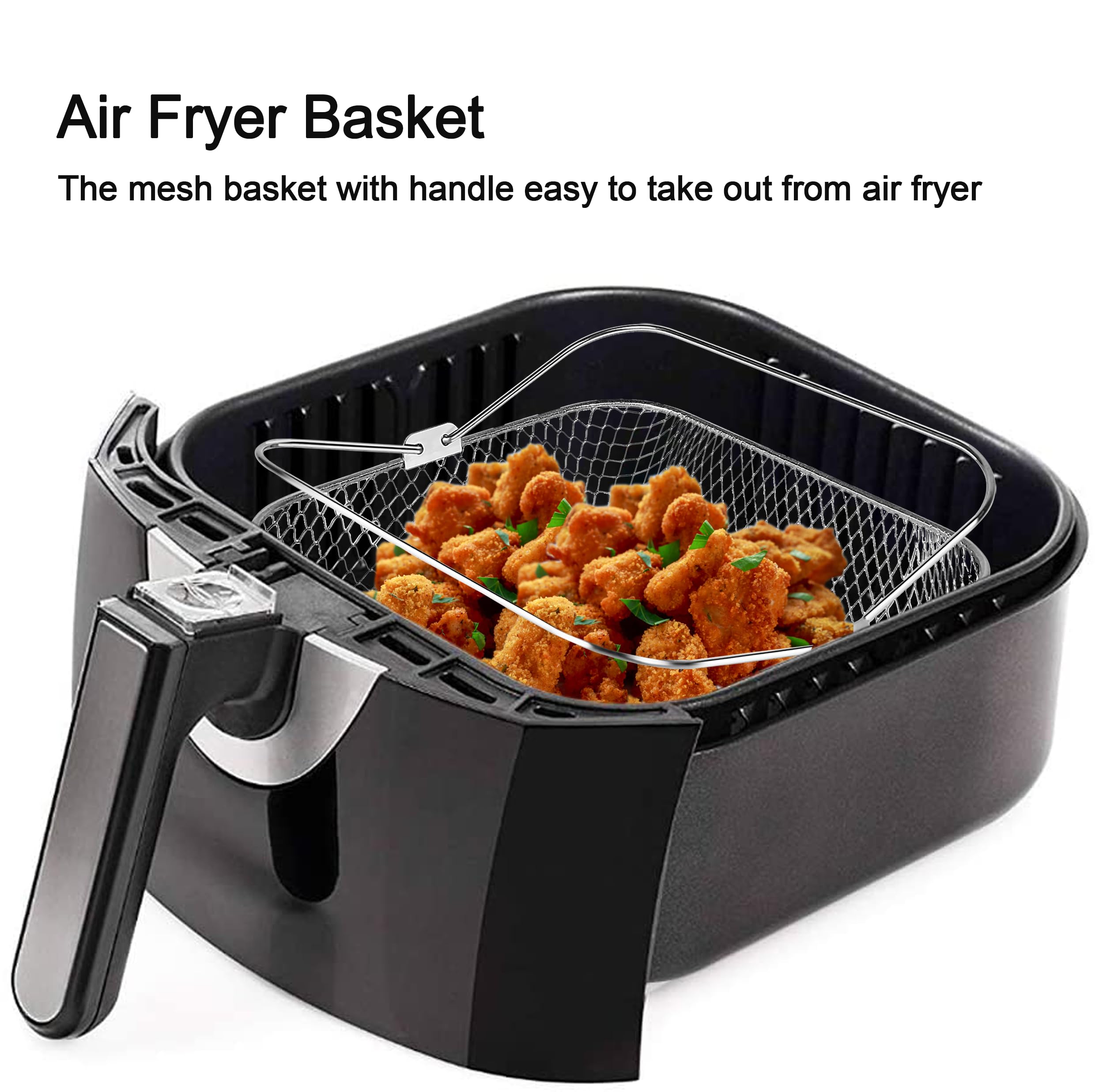
The air fryer is the one method where you’re actually trading a little moisture for crispness, and it’s worth it for skin-on thighs, wings, and drumsticks. It’s a convection oven in a small box, so the hot air moving past the meat dries the surface fast — which is exactly what makes skin shatter. The trick is to keep the interior from cooking long enough to dry out.
Preheat to 350°F, lay the pieces in a single layer with space between them, and give them four to six minutes — no longer. A light brush of melted butter or drippings on the skin helps browning and buys you a little insurance. Skip the air fryer for sliced breast meat entirely; there’s no skin to save and the exposed cut faces will dry out faster than any other method on this list.
A Pressure Cooker Steam
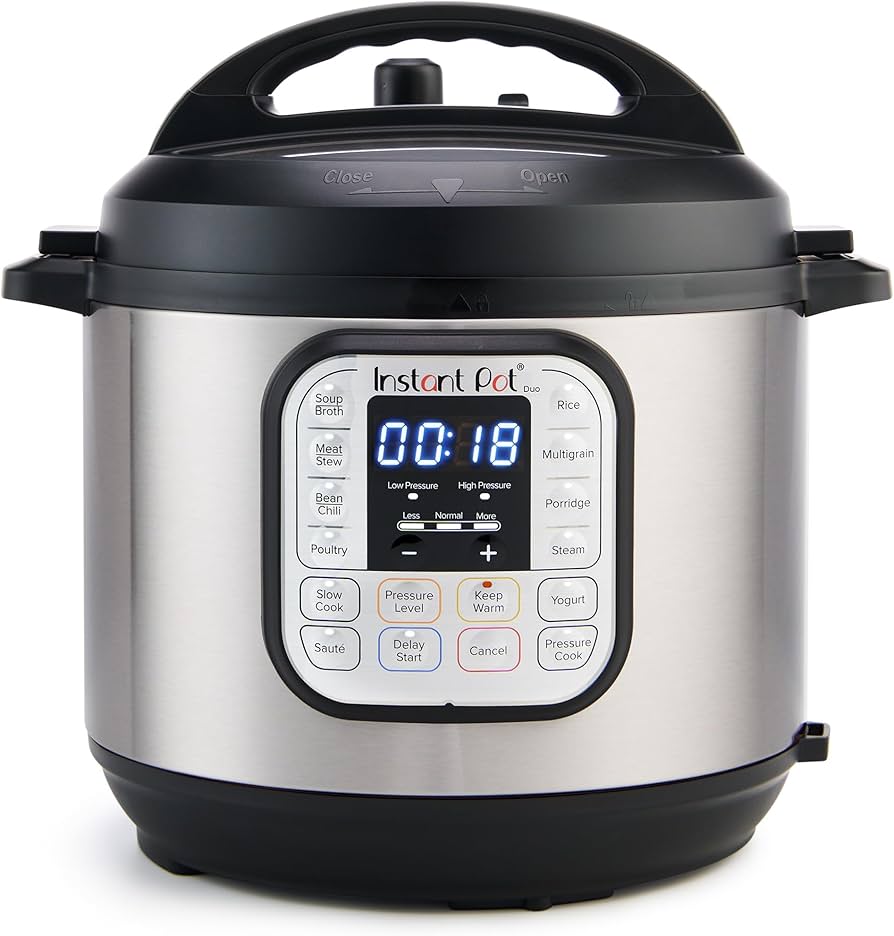
An Instant Pot or other electric pressure cooker does a surprisingly good job with a whole turkey breast or a pile of thick chunks, and it does it fast. Pour a cup of broth into the inner pot, set the trivet in, and pile the turkey on top so it’s sitting above the liquid rather than swimming in it. Seal it, set it to Low Pressure for a couple of minutes, and let the pressure release naturally for about ten minutes.
That natural release is doing real work — a quick release yanks the moisture out of anything inside the pot, which is exactly what you’re trying to avoid. The turkey will be steaming-hot and very tender, maybe too tender if you go past two or three minutes under pressure, so start short and adjust.
FAQ
How do you reheat leftover turkey without drying it out?
Add moisture and keep the heat gentle. Cover the turkey, add a splash of broth, gravy, or butter, and reheat only until it reaches 165°F internally. The oven at 325°F under foil, a skillet with broth, or a sous vide bath all do this well.
Can you reheat turkey in the microwave without ruining it?
Yes, if you use 50% power and cover the meat with a damp paper towel plus a spoonful of broth. Short bursts with a rest in between beat one long high-power blast every time.
How many times can you reheat leftover turkey?
Technically you can reheat it more than once, but each round costs you moisture and quality. Reheat only the portion you’re eating right now, and keep the rest cold in the fridge.
How long is leftover turkey good in the fridge?
Cooked turkey keeps for three to four days in the refrigerator at 40°F or below. If you won’t get to it in that window, freeze it in airtight containers or freezer bags and use it within two to three months for the best texture.
Whatever method you pick, the habit that matters most is paying attention to temperature instead of time. Pull the turkey the moment it’s hot through, give it a minute to rest, and finish with something wet — gravy, butter, a spoonful of broth — right at the end. Do that and leftover turkey stops being the thing people quietly leave on the plate.
Leave a Reply