
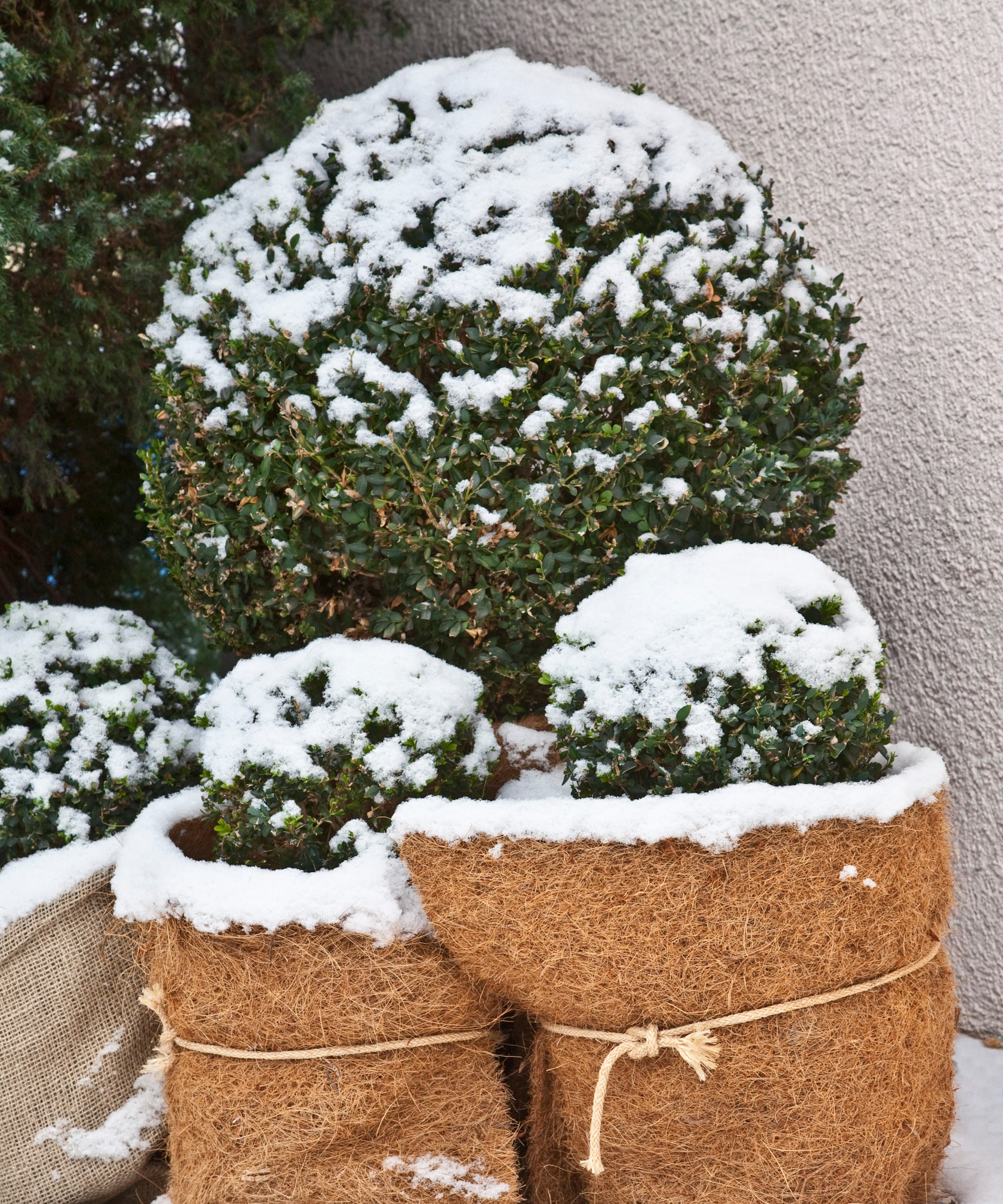
Protecting outdoor potted plants from frost requires attention to how containers lose heat faster than ground soil. Different plants tolerate varying temperatures, so matching the method to the plant and local forecast prevents damage without unnecessary work. Focus on the root zone and foliage, since both suffer when temperatures drop below freezing for several hours.
Grouping Potted Plants Together
Placing several containers close together creates a microclimate where the plants share warmth radiating from the soil and each other. This simple arrangement reduces the surface area exposed to cold air and wind, which helps keep soil temperatures several degrees higher overnight. The effect works best with pots of similar size so they fit tightly without crowding roots or blocking light during the day.
Position the cluster against a south-facing wall whenever possible to capture additional radiant heat. Check the arrangement after strong winds, since pots can shift and lose the protective grouping. Larger plants on the outer edge shield smaller ones inside the cluster from direct frost.
Watering thoroughly the day before a freeze helps the soil hold heat longer than dry soil.
Mulching the Soil in Containers
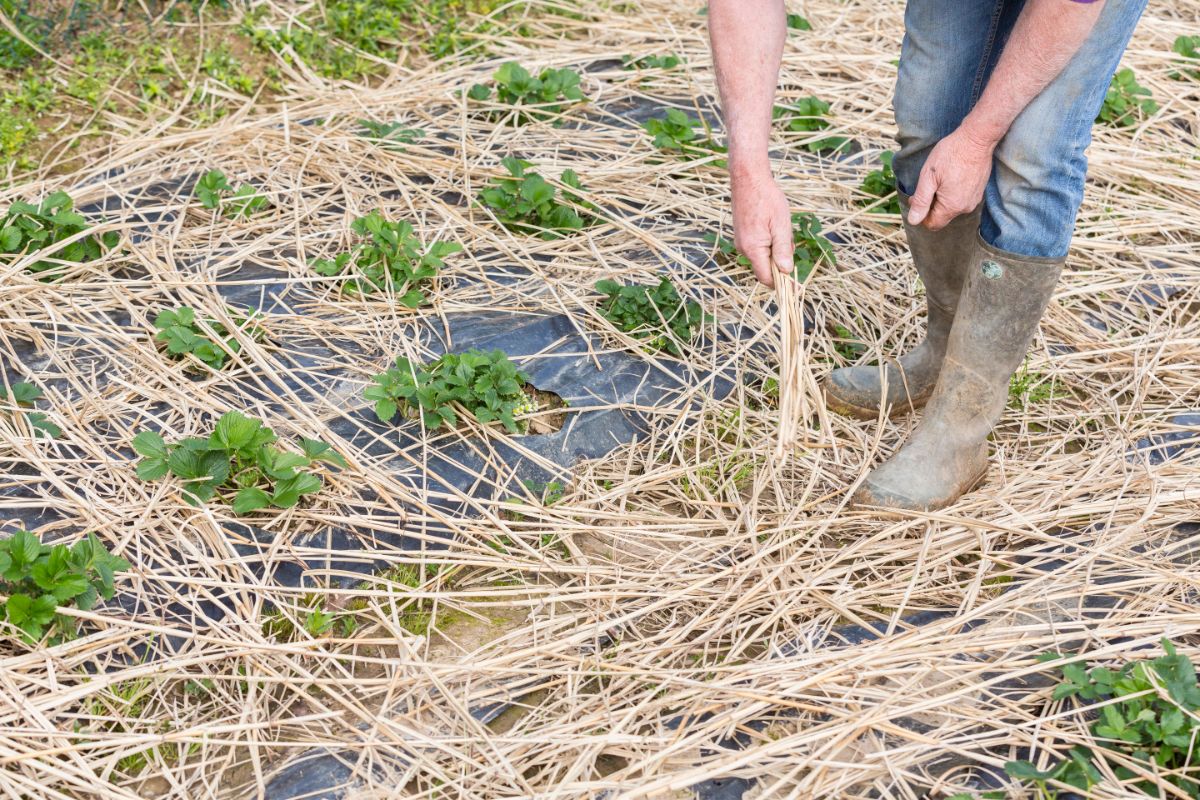
A thick layer of mulch on top of the soil slows heat loss from the root zone and prevents rapid temperature swings that crack pots or damage roots. Organic materials such as shredded bark or straw trap air pockets that act as insulation while still allowing excess moisture to escape. Apply the mulch after the soil has cooled but before the first hard frost arrives.
What type of mulch works best for pots?
Organic mulches like pine needles or leaf mold break down slowly and add nutrients over time, while inorganic options such as gravel provide longer-lasting coverage without attracting rodents. Test a small area first if using fresh wood chips, because some varieties can temporarily tie up nitrogen as they decompose.
Replenish the mulch layer midway through winter if wind or heavy rain displaces it. Avoid piling mulch directly against plant stems to prevent rot.
Insulating Plant Pots with Wraps
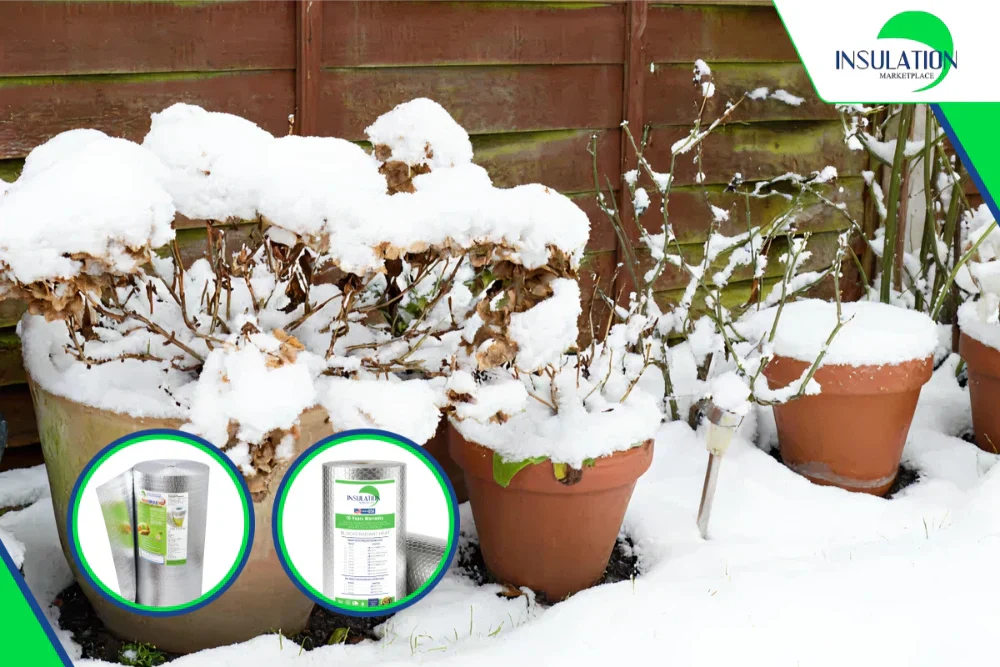
Wrapping the outside of containers adds a barrier that slows heat transfer through the pot walls. Bubble wrap, horticultural fleece, and burlap each offer different levels of protection depending on how cold the forecast becomes. Secure the material with twine or tape so it stays in place during gusty weather.
| Material | Protection Level | Best For | Reusability |
|---|---|---|---|
| Bubble wrap | High | Tender perennials | Multiple seasons |
| Burlap | Medium | Hardy shrubs | 2-3 seasons |
| Fleece | Medium-High | Flowering plants | One season |
How thick should the wrap be?
Double layers of bubble wrap provide extra insulation for plants rated only to zone 7 or higher. Single layers suffice for hardier specimens when combined with mulch. Remove wraps on mild days to prevent overheating when sun returns.
Covering Plants with Frost Cloths
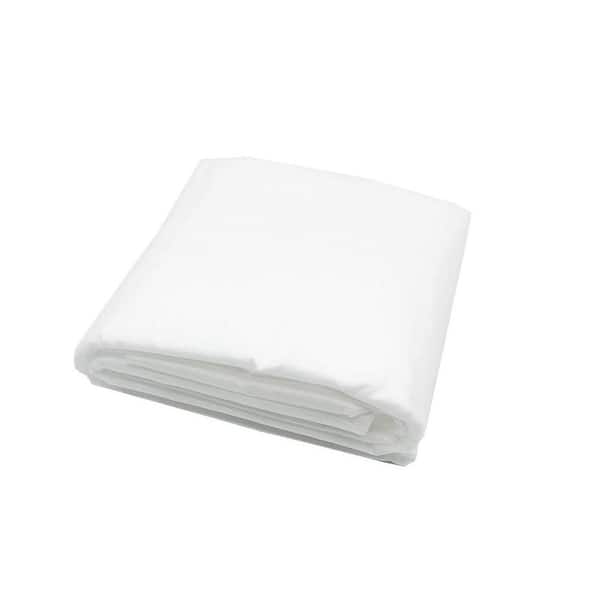
Lightweight fabric covers trap a layer of warm air around the foliage while allowing light and some air exchange. Drape the cloth over a frame or stakes so it does not rest directly on leaves, which can cause damage if frost forms on the fabric itself. Secure the edges with bricks or clips to keep wind from lifting the cover.
When should covers be removed?
Take covers off once daytime temperatures rise above freezing so plants can resume normal transpiration. Leaving covers on too long during sunny spells can lead to excess moisture and fungal issues. Fold and store covers in a dry spot for reuse the following night if another frost is predicted.
Relocating Pots to Sheltered Spots
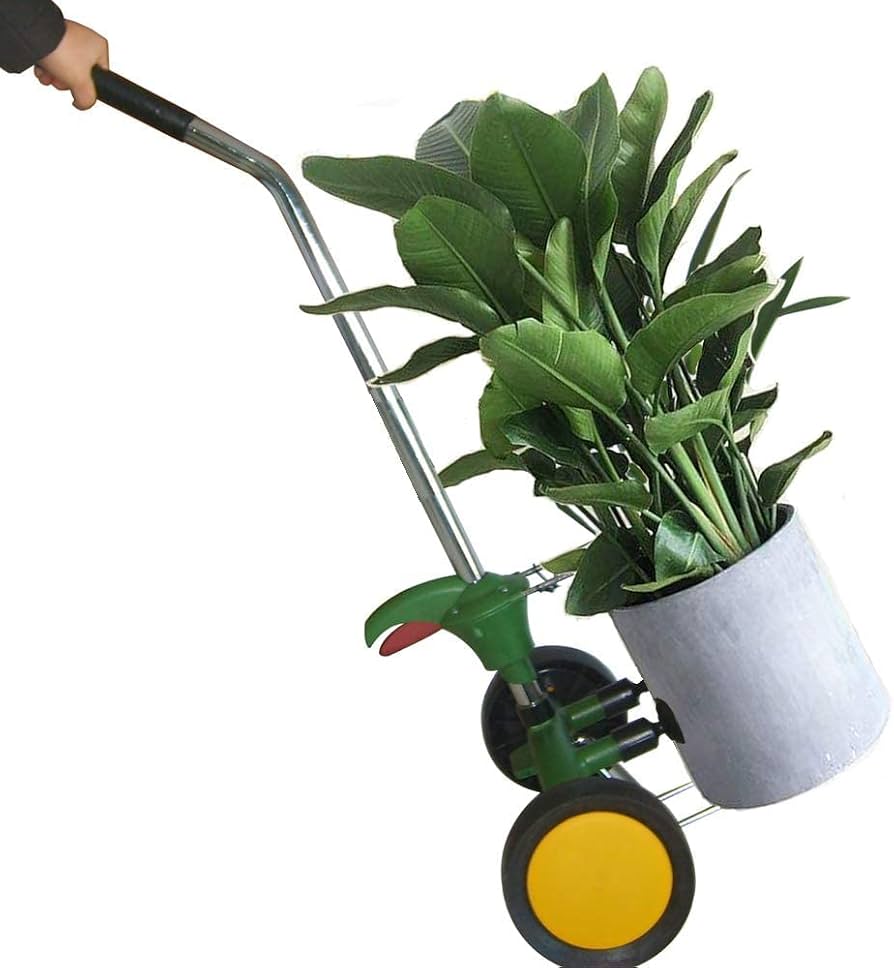
Moving containers to a garage, covered porch, or against the house reduces exposure to wind and radiational cooling. Even an unheated structure stays several degrees warmer than open ground during overnight freezes. Choose spots that still receive indirect light so plants do not etiolate while sheltered.
- South or west side of the house for afternoon warmth
- Under evergreen trees for natural overhead protection
- Inside cold frames or low tunnels when space allows
Check soil moisture weekly in these locations, because reduced airflow can slow drying.
Adding Temporary Windbreaks
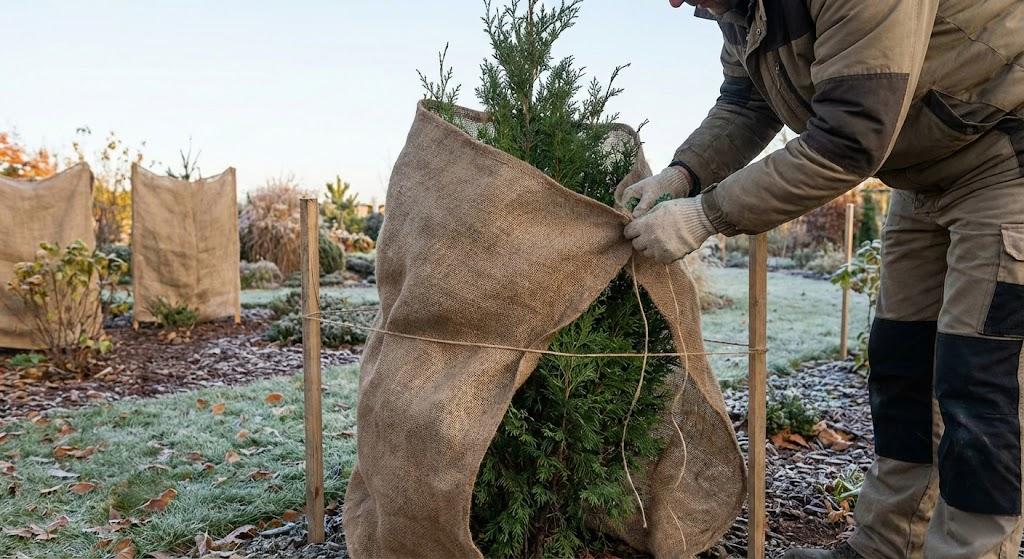
A simple screen of burlap stretched between stakes blocks cold winds that strip heat from both foliage and soil. Position the barrier on the prevailing wind side, leaving the opposite side open for air circulation. The screen also reduces evaporation, keeping soil moisture more consistent through freeze-thaw cycles.
Replace or reinforce the windbreak if heavy snow loads it down. Combine this method with grouping for stronger results on exposed decks or balconies.
FAQ
How long can potted plants survive under frost covers?
Most covers protect plants for one or two nights when temperatures stay above 20°F, but prolonged cold requires additional insulation such as mulch or moving the pots. Check the forecast daily and reinforce protection if a longer freeze is expected. Remove covers during the day to avoid trapped moisture.
Can I use plastic sheeting instead of fabric covers?
Plastic traps moisture against leaves and can cause more damage than protection when temperatures rise. Fabric allows some air movement while still holding warmth. If plastic is the only option, keep it from touching foliage by using stakes or hoops.
Do all potted plants need the same level of protection?
No, plants vary widely in cold tolerance, so check each plant’s hardiness rating before deciding on methods. Tropicals and many annuals require indoor relocation, while hardy perennials may only need mulch and grouping. Over-protecting hardy plants can sometimes cause more harm than good by encouraging early growth.
What happens if frost damages the roots anyway?
Damaged roots show up as wilting or blackened stems once temperatures rise. Cut back affected growth and move the plant to a sheltered spot to recover. Some plants rebound from light root damage if the crown remains intact.
Consistent attention to weather forecasts and a few well-chosen protections keep most container plants healthy through winter without major losses.
Leave a Reply