
A burst pipe from freezing temperatures is one of the most expensive and stressful winter disasters a homeowner can face — water damage from a single split pipe can run into the thousands, and it almost always strikes at the worst possible moment. The good news is that prevention is straightforward and mostly inexpensive. These methods will protect your plumbing through even the nastiest cold snaps, and most of them you can knock out in a single weekend.
Insulate Exposed Pipes with Foam Covers
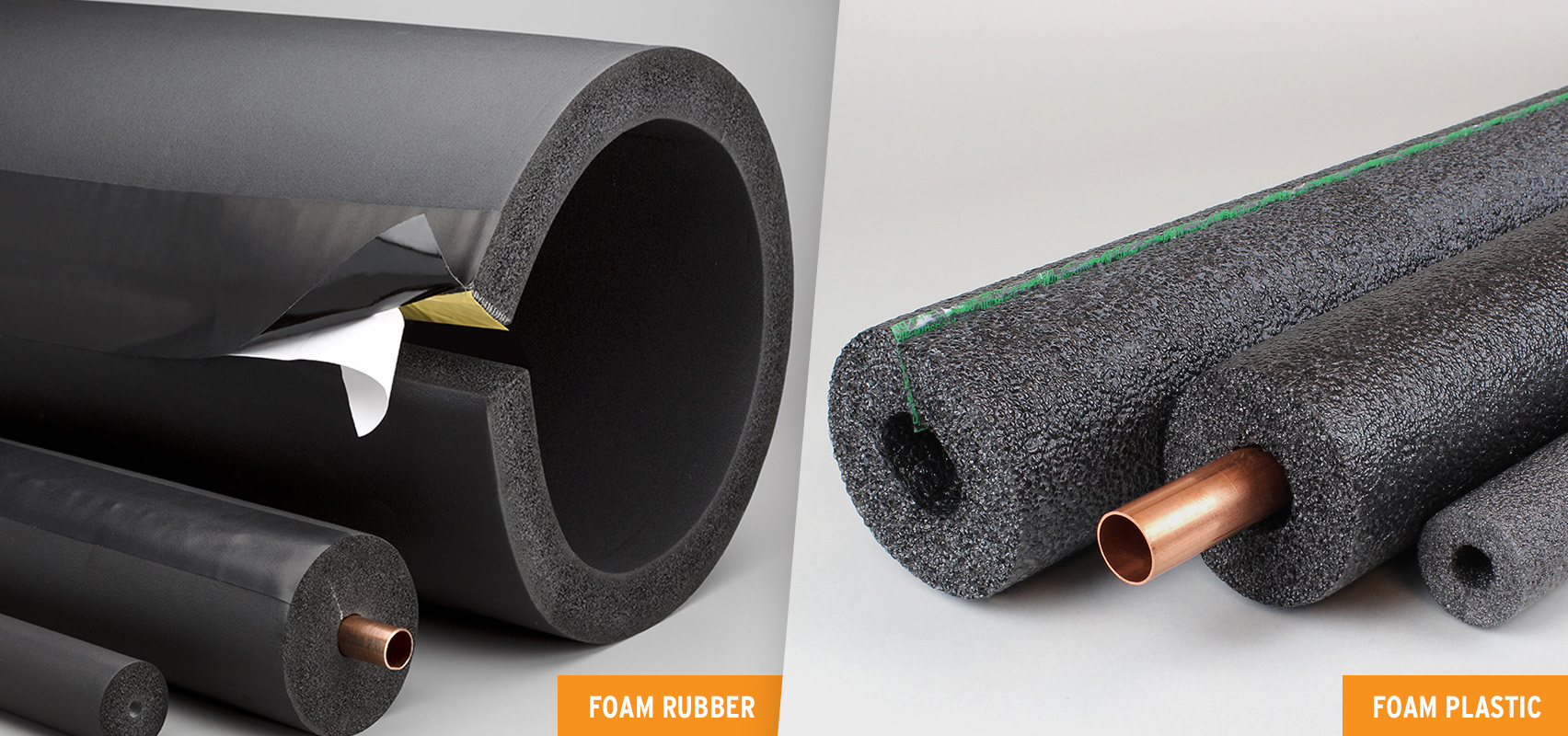
This is the single most effective step you can take, and it’s the one I always recommend doing first. Any pipe running through an unheated space — crawl spaces, basements, garages, attics, or along exterior walls — loses heat fast when temperatures drop.
Foam pipe insulation is a split tube of closed-cell foam that snaps right over your pipes with no tools needed. You can grab it at any hardware store for about $1–$2 per six-foot section.
Match the insulation to your pipe diameter (half-inch, three-quarter-inch, and one-inch are the most common residential sizes). For corners and elbows, buy the corresponding elbow fittings or cut the foam at a 45-degree angle with a utility knife.
Seal every seam with foil tape — gaps between sections are where cold air sneaks in and defeats the purpose. I did my entire basement in about an hour for under $25.
Seal Air Leaks Around Pipe Entry Points
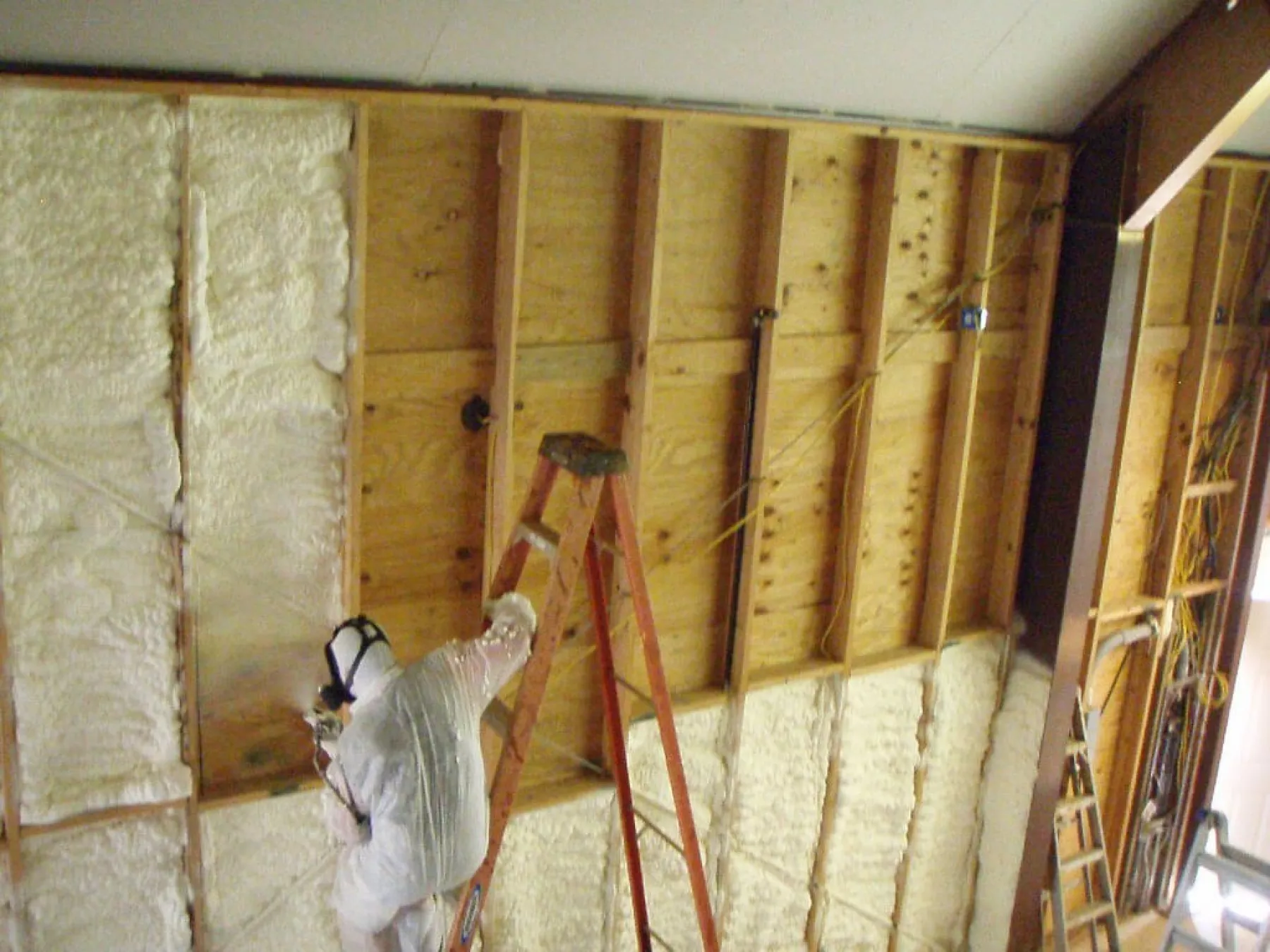
Where pipes enter your home through exterior walls, floors, or the foundation, there’s almost always a gap around the pipe that lets freezing outdoor air pour straight in. You’d be amazed how much cold air a seemingly small hole can funnel toward your plumbing. Sealing these gaps with expanding spray foam or silicone caulk makes a real, noticeable difference.
Use expanding spray foam (Great Stuff is the go-to brand) for gaps larger than a quarter-inch — it expands to fill irregular spaces around pipes beautifully. For smaller cracks, a bead of silicone caulk does the job.
Pay special attention to where water supply lines enter through the rim joist, foundation wall, or exterior siding. While you’re at it, check for other drafts in the area — weatherstripping a basement window or sealing around a dryer vent helps keep the whole space warmer.
Let Faucets Drip During Extreme Cold
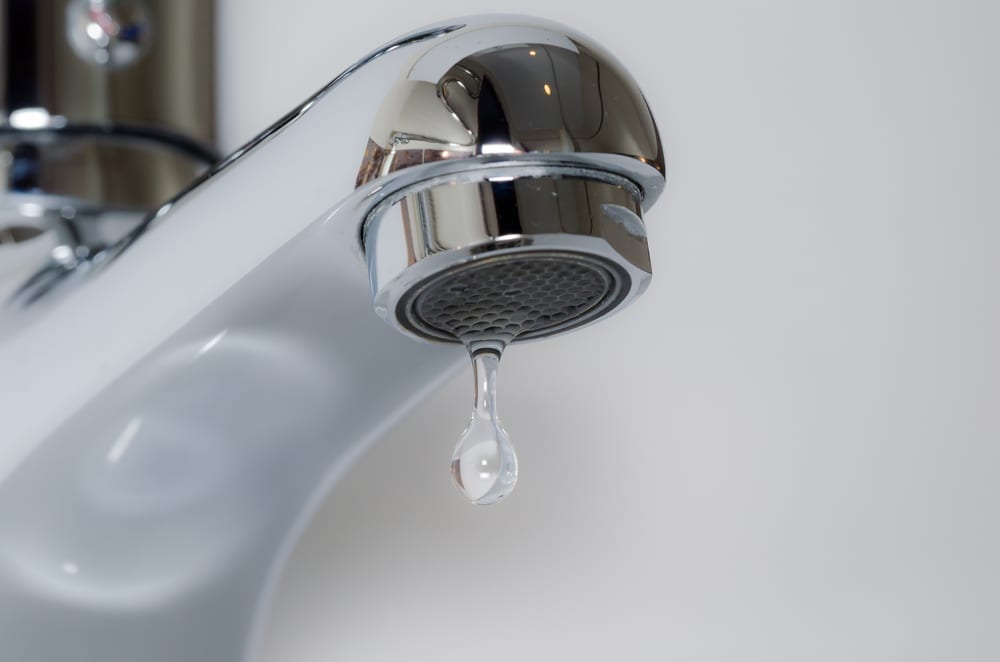
When temperatures are forecast to drop into the single digits or below, letting your faucets drip is a simple, time-tested safeguard. A small, steady drip keeps water moving through the pipes, which makes it much harder for ice to form and build pressure. This won’t stop the water inside from getting cold, but it relieves the hydraulic pressure that actually causes pipes to burst.
Focus on faucets served by the most vulnerable pipes — usually anything on an exterior wall or connected to plumbing in a crawl space or unheated garage. Both hot and cold handles should be open slightly.
A pencil-lead-thin stream is plenty. It costs almost nothing in water, and it’s a smart move any night the forecast calls for temperatures below about 20°F.
Keep Your Thermostat at a Consistent Temperature
Plenty of people make the mistake of dropping their thermostat way down at night to save on heating costs. During a cold snap, this can let the temperature inside your walls — where the pipes actually live — fall well below what the thermostat reads in the middle of the room. Pipes in exterior walls can freeze even when the air at the thermostat shows 60°F.
During winter cold spells, keep your thermostat set to the same temperature day and night — no lower than 55°F, and ideally 65°F or higher. Yes, your heating bill ticks up slightly, but it’s a fraction of what a burst pipe and water damage restoration costs. If you use a programmable or smart thermostat, override your usual schedule during severe cold rather than letting the temperature drop automatically.
Open Cabinet Doors Under Sinks
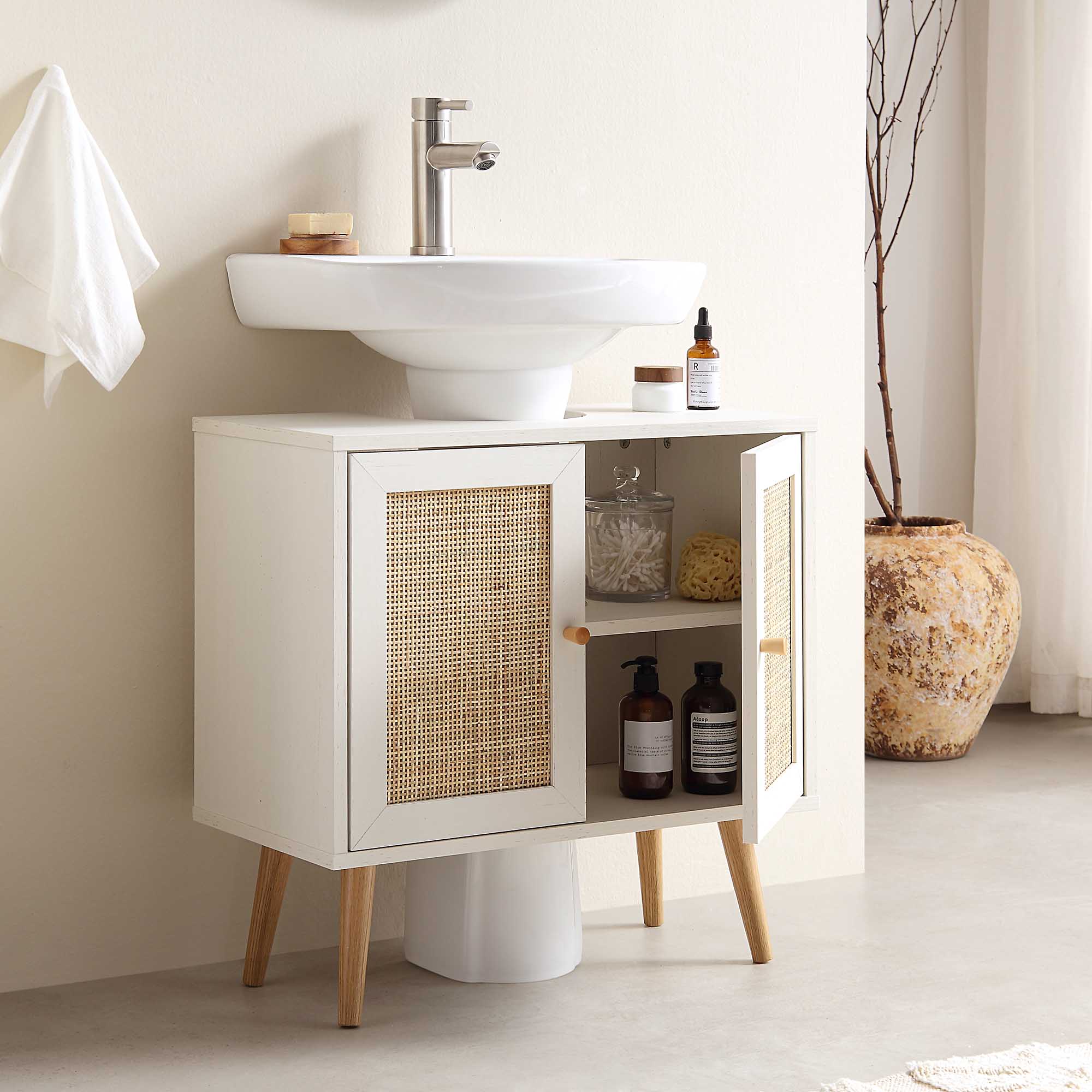
Kitchen and bathroom sinks on exterior walls are some of the most common freeze points in a house. The pipes run inside or behind that exterior wall, and the cabinet doors create a closed box that traps cold air right around the plumbing. Simply opening those cabinet doors lets warmer room air circulate around the pipes and can make the difference between freezing and not.
This one matters most on nights when temperatures drop well below freezing. If you have young children or pets, move any cleaning supplies out of the lower cabinets first.
In my own house, I open the kitchen sink cabinets every night once the forecast dips below 25°F and close them again in the morning. Takes five seconds and genuinely helps.
Apply Heat Cable to Vulnerable Pipes
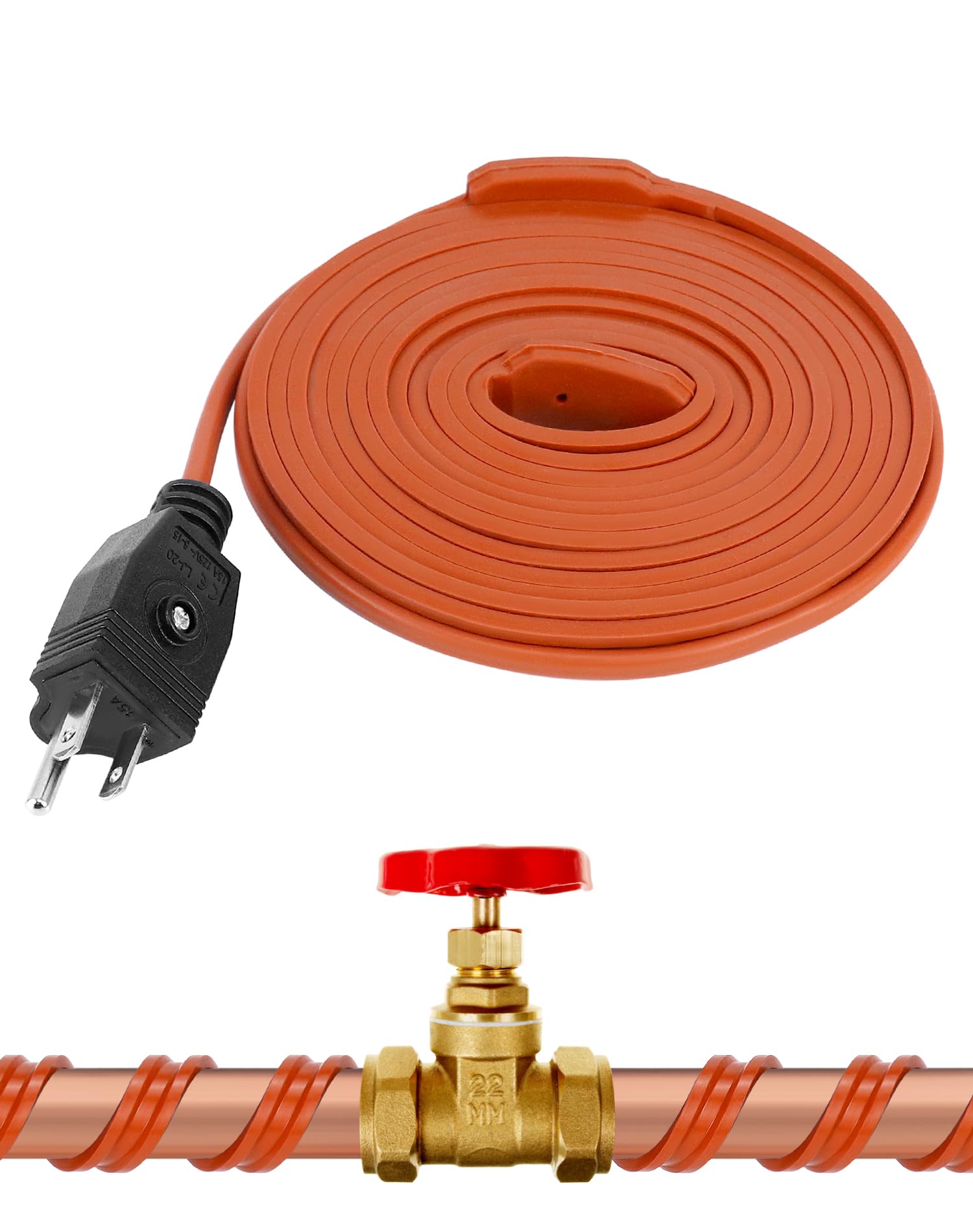
For pipes that are chronically hard to protect — long runs through a crawl space, plumbing in an uninsulated garage, or a line that backs up to an unheated wall — heat cable is the heavy-duty answer. This is a flat, flexible electrical cable you run alongside or wrap around the pipe. It has a built-in thermostat that kicks on when the pipe temperature nears freezing and shuts off once it warms back up.
There are two main types to choose from:
- ✦Self-regulating heat cable (Frost King and EasyHeat are common brands) adjusts its heat output based on the surrounding temperature, so it won’t overheat. This is the better choice for most homeowners.
- ✦Constant-wattage heat cable puts out a fixed amount of heat regardless of temperature. Cheaper upfront, but requires more careful installation to avoid overheating.
Run the cable along the pipe following the manufacturer’s directions — some call for it straight along the bottom, others spiral it around. Secure with cable ties or aluminum tape (never plastic electrical tape, which can melt).
Plug it into a GFCI-protected outlet. A 24-foot self-regulating kit runs about $30–$50 and covers several vulnerable pipe runs.
Disconnect Outdoor Hoses and Drain Exterior Faucets
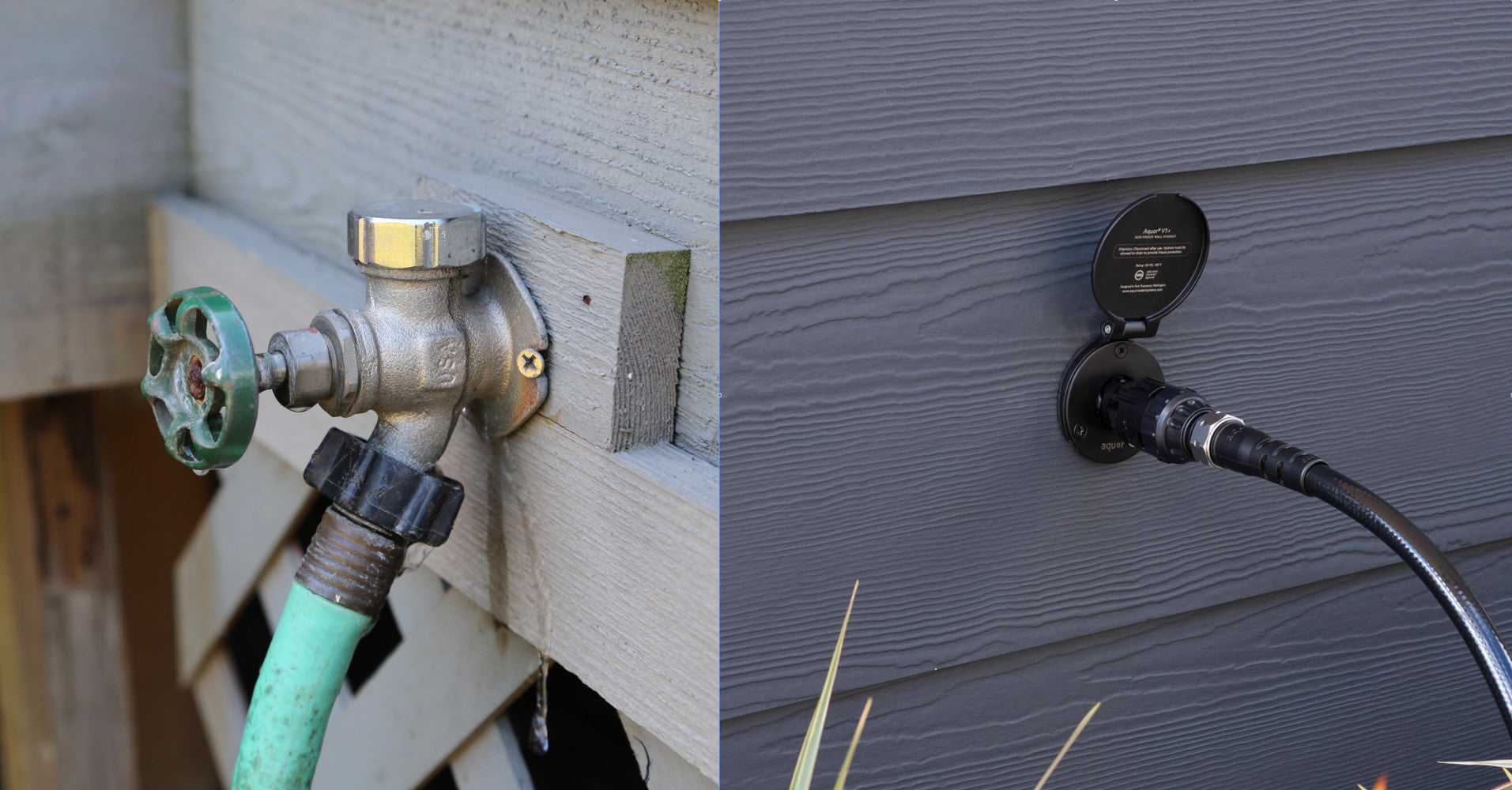
Leaving a garden hose attached to an outdoor spigot over winter is one of the most common causes of a burst pipe — and one of the easiest to prevent. When a hose stays connected, water can’t fully drain from the faucet’s pipe. That trapped water freezes, expands, and can split the pipe inside your wall where you won’t spot the damage until spring.
Before the first hard freeze, disconnect every garden hose, drain them completely, and coil them in a garage or shed. Then go to each outdoor faucet (also called a hose bib or spigot) and shut off its interior supply valve if you have one.
Open the outdoor faucet to let any remaining water drain, then close it back up. If you don’t have interior shutoffs for your exterior faucets, consider asking a plumber to install frost-free sillcock faucets — they’re engineered so the actual shutoff point sits inside the heated part of the wall, well away from the cold.
Add Insulation to Unheated Spaces
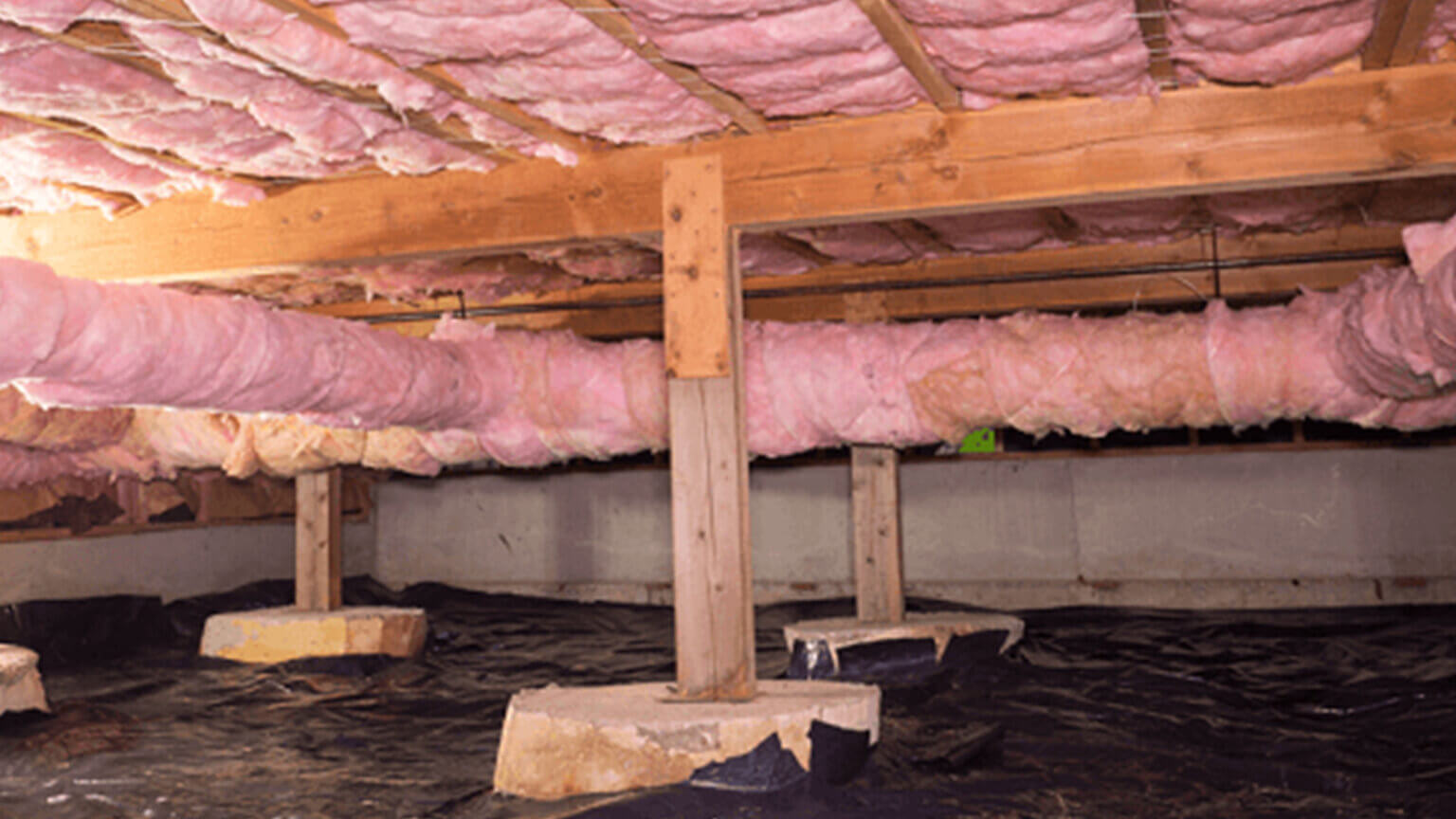
If your pipes run through a crawl space, unfinished basement, attic, or attached garage, the temperature in that space directly determines whether your pipes freeze. Adding insulation keeps those areas warmer and gives your plumbing a much bigger buffer against the cold.
The best approach depends on your setup. A vented crawl space should have the floor above insulated with fiberglass batts or rigid foam board — seal every gap carefully.
An encapsulated crawl space (sealed with a vapor barrier on the ground and walls) naturally stays warmer and is easier to protect pipes in. In an attic, make sure there’s at least 10–12 inches of insulation on the floor, and verify that any pipes are routed below the insulation line or individually wrapped.
In an attached garage, insulating the walls and ceiling makes the space noticeably warmer even without adding a heat source. I added rigid foam panels to my garage walls two winters ago and the difference was immediate.
Drain Your Plumbing Before Extended Absences
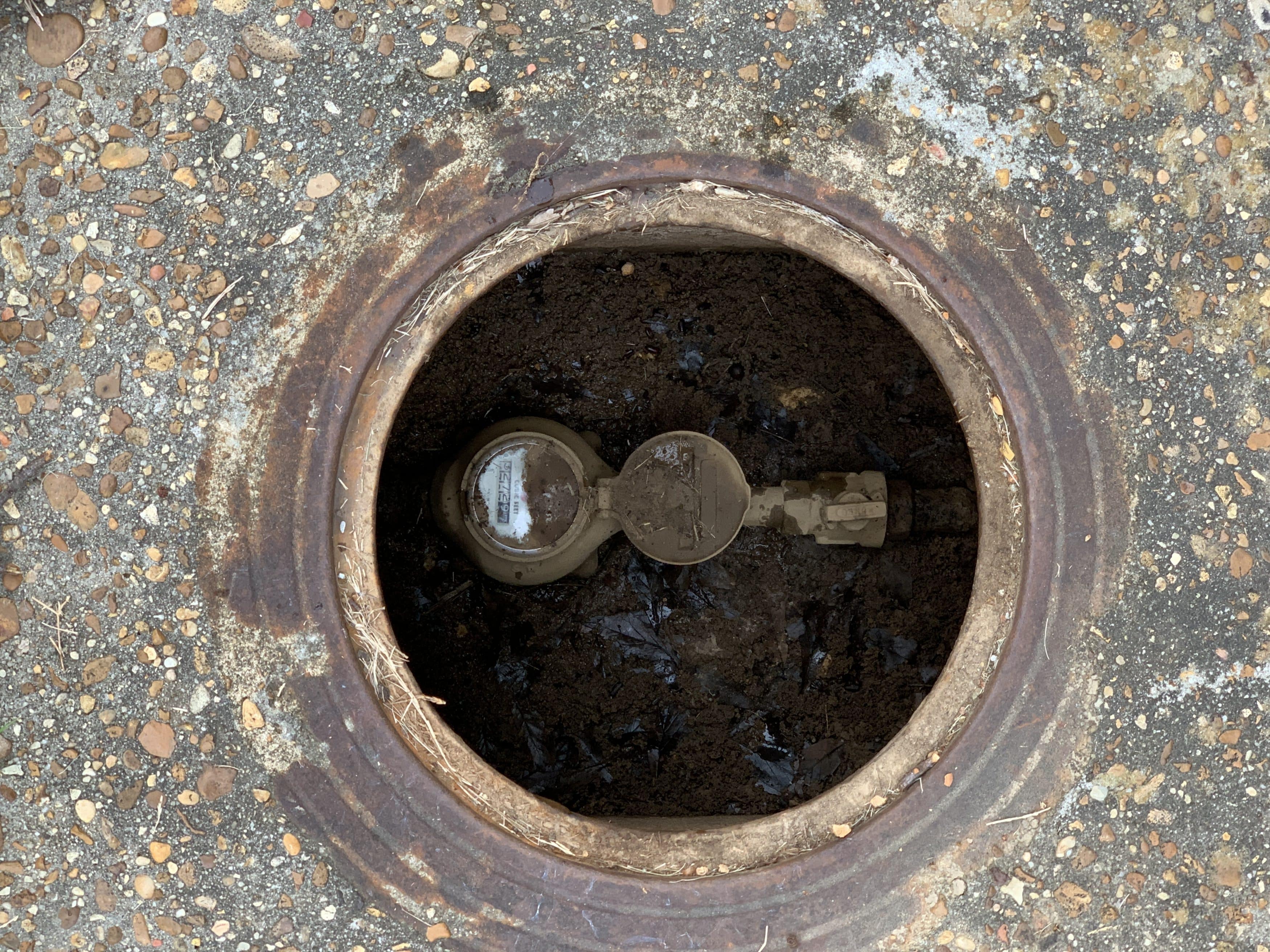
If you’re leaving home for more than a few days during winter — a vacation, a work trip, or snowbird season — draining your plumbing is the safest way to prevent coming home to a flooded house. No thermostat setting or drip strategy is as reliable as simply removing the water from the pipes entirely.
Start by shutting off the main water supply valve. Then open every faucet (hot and cold) on every fixture, beginning at the highest floor and working down.
Flush each toilet and hold the handle down to empty the tank. Open the lowest drain valve in the house — usually in the basement or near the water heater — to clear remaining water from the lines.
Leave all faucets in the open position while you’re away.
If you have a water heater, turn it off or switch it to vacation mode. Some homeowners also pour a cup of RV antifreeze into each toilet bowl and every drain trap to keep the remaining water from freezing — it’s inexpensive insurance and takes about ten minutes.
Use a Space Heater to Warm At-Risk Areas
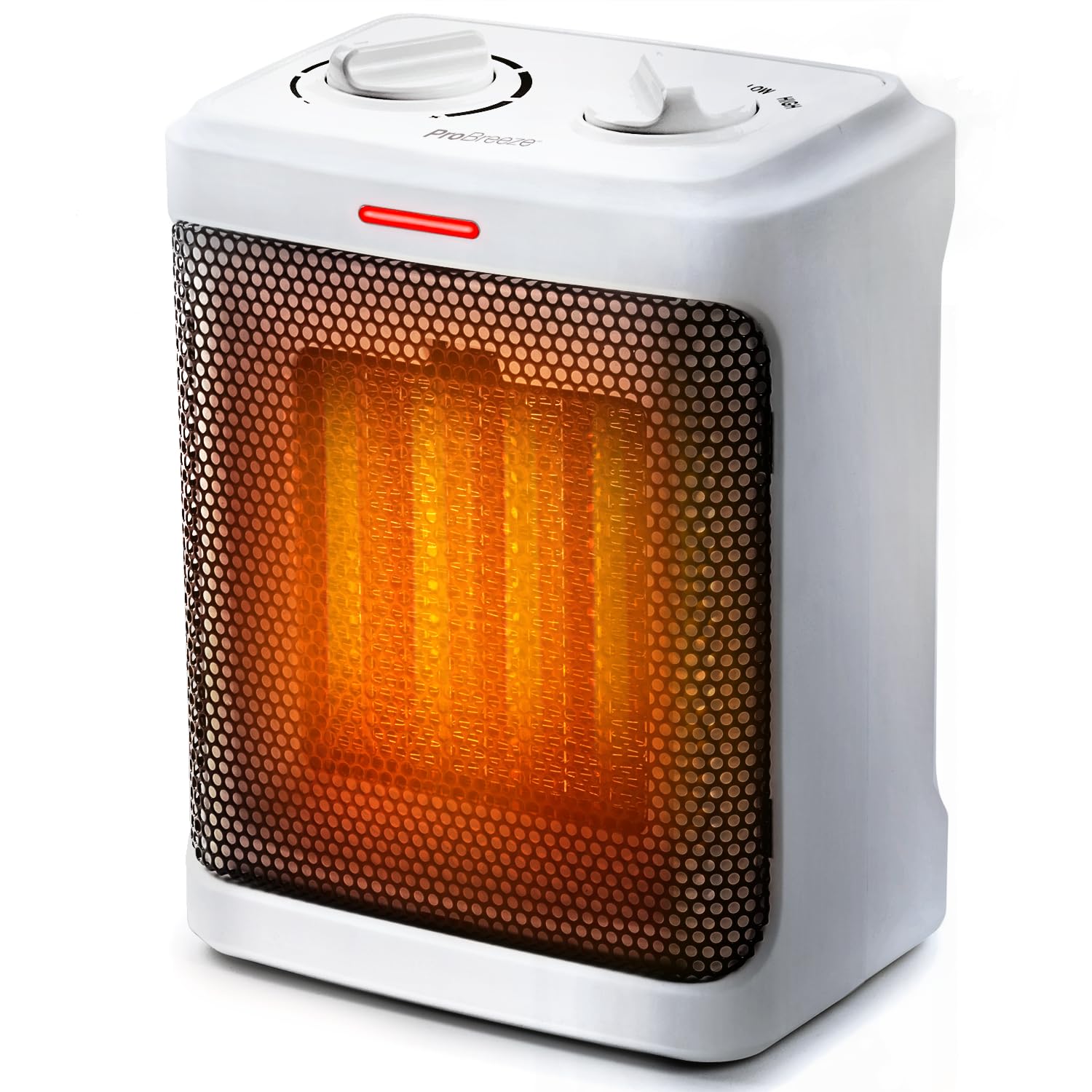
Sometimes you’ve got one or two stubborn spots that stay dangerously cold no matter what — a pipe in an uninsulated section of the basement, plumbing in a utility closet, or a water line running through a knee wall. When insulation alone isn’t cutting it, a small electric space heater can keep that area above freezing during a cold snap.
Place the heater on the floor near the vulnerable pipes, never touching them or anything combustible, and make sure it has a tip-over shutoff and an adjustable thermostat. An oil-filled radiator-style heater is a solid choice — it runs quietly, has no exposed heating element, and cycles on and off to maintain a steady temperature.
This is a temporary, emergency strategy rather than a permanent fix, and you should never leave a space heater running unattended for long stretches. Use it to get through a severe cold snap while you plan a more permanent solution like additional insulation or heat cable.
Frequently Asked Questions
At what temperature do pipes freeze?
Pipes are at real risk when outside temperatures drop to 20°F or below, though uninsulated pipes in unheated spaces can start freezing right at 32°F. The critical factor isn’t the outdoor temperature alone — it’s how cold it gets inside the wall cavity or unheated space where the pipes actually sit.
How do you know if your pipes are already frozen?
The most obvious sign is reduced water flow or no water at all from a faucet. You might also spot frost on exposed pipes, hear unusual gurgling or clanking sounds in the walls, or notice a bulging section of pipe. If you suspect a freeze, apply gentle heat — a hair dryer, heating pad, or warm towels — and keep the faucet open so melting ice has somewhere to escape.
Will pipes thaw on their own?
Technically they will, but by then the damage may already be done. The real danger isn’t the ice itself; it’s the pressure that builds between the ice blockage and the closed faucet.
That pressure is what actually bursts the pipe, often at a point far from the frozen section. If you know a pipe is frozen, actively thaw it while the faucet is open rather than waiting it out.
Should I call a plumber to winterize my pipes?
If you’re comfortable with basic home maintenance, most of these steps are completely DIY-friendly — insulating pipes, sealing gaps, and disconnecting hoses are all weekend projects. But if you need interior shutoff valves installed on exterior faucets, heat cable professionally run, or your entire home’s plumbing drained before an extended absence, a licensed plumber is worth the call. Expect to pay $100–$300 for basic winterization services depending on your home’s size and complexity.
Frozen pipes are one of those problems where a few hours of prevention saves thousands in repairs. Walk through your house this weekend with this list, pay close attention to pipes on exterior walls and in unheated spaces, and tackle the easy wins first — insulation, hose disconnection, and sealing air leaks. You’ll rest a lot easier when the next cold snap rolls through.
Leave a Reply