
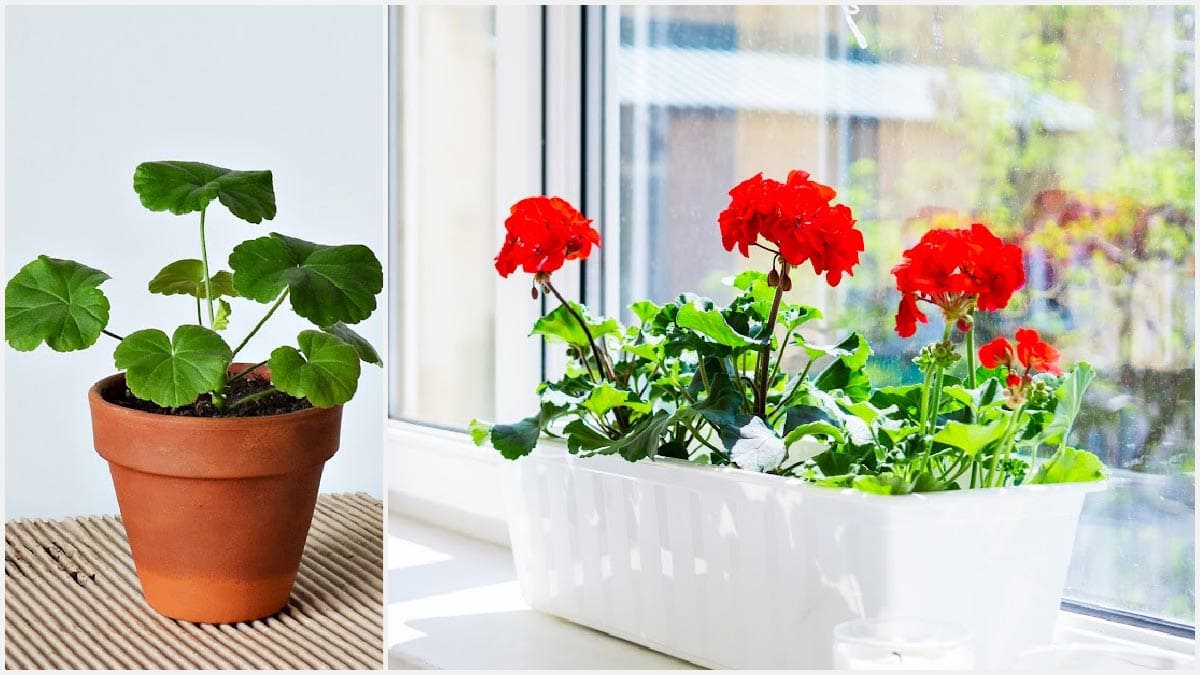
Overwintering geraniums indoors gives you a reliable way to keep favorite plants alive through cold months without buying new ones each spring. The process centers on matching their needs for light, temperature, and moisture while they rest in a dormant or semi-dormant state. Success depends on timing the move inside before frost hits and then maintaining steady conditions until outdoor temperatures rise again.
Preparing Geraniums Before Bringing Them Inside

Healthy plants transition more smoothly when you inspect and clean them first. Remove any yellow or damaged leaves, check roots for rot, and trim away dead stems so energy stays focused on the main plant. This step also lets you spot hidden pests before they enter your home.
Container size matters during the indoor period. Shift plants into slightly smaller pots if roots have filled the original containers, because excess soil holds too much moisture in low-light conditions. A well-draining mix with added perlite prevents soggy roots that lead to fungal issues later.
Plants that have been hardened off gradually for two weeks show fewer signs of shock once moved indoors.
Finding the Ideal Indoor Spot for Your Plants
South- or west-facing windows deliver the brightest light most homes can provide during short winter days. Place pots directly on the sill or on a table pushed against the glass so foliage receives at least four hours of direct sun. Avoid spots near heating vents or drafty doors where temperature swings stress the plants.
If natural light falls short, supplement with a simple grow light on a timer set for twelve hours daily. Position the light twelve inches above the foliage and adjust height as stems grow. Consistent bright conditions keep foliage from stretching and turning pale.
How much light do overwintered geraniums need?
Geraniums require four to six hours of bright light each day to stay compact and healthy. Lower light levels cause leggy growth and fewer flowers when you move them back outside. Rotate pots weekly so all sides receive equal exposure.
Adjusting Watering Routines for Winter Months
Indoor geraniums need far less water than they did outdoors because growth slows dramatically. Check soil moisture by inserting a finger two inches deep; water only when that top layer feels dry. Overwatering remains the leading cause of winter loss, so err on the side of dryness.
Humidity stays low in heated homes, yet geraniums tolerate it well. Occasional misting helps only if your air is extremely dry from wood stoves or forced-air heat. Skip saucers of water under pots, because standing moisture invites root rot.
- Use room-temperature water to avoid shocking roots.
- Water in the morning so excess evaporates before night.
- Empty drip trays within thirty minutes after watering.
Pruning Techniques to Keep Plants Compact
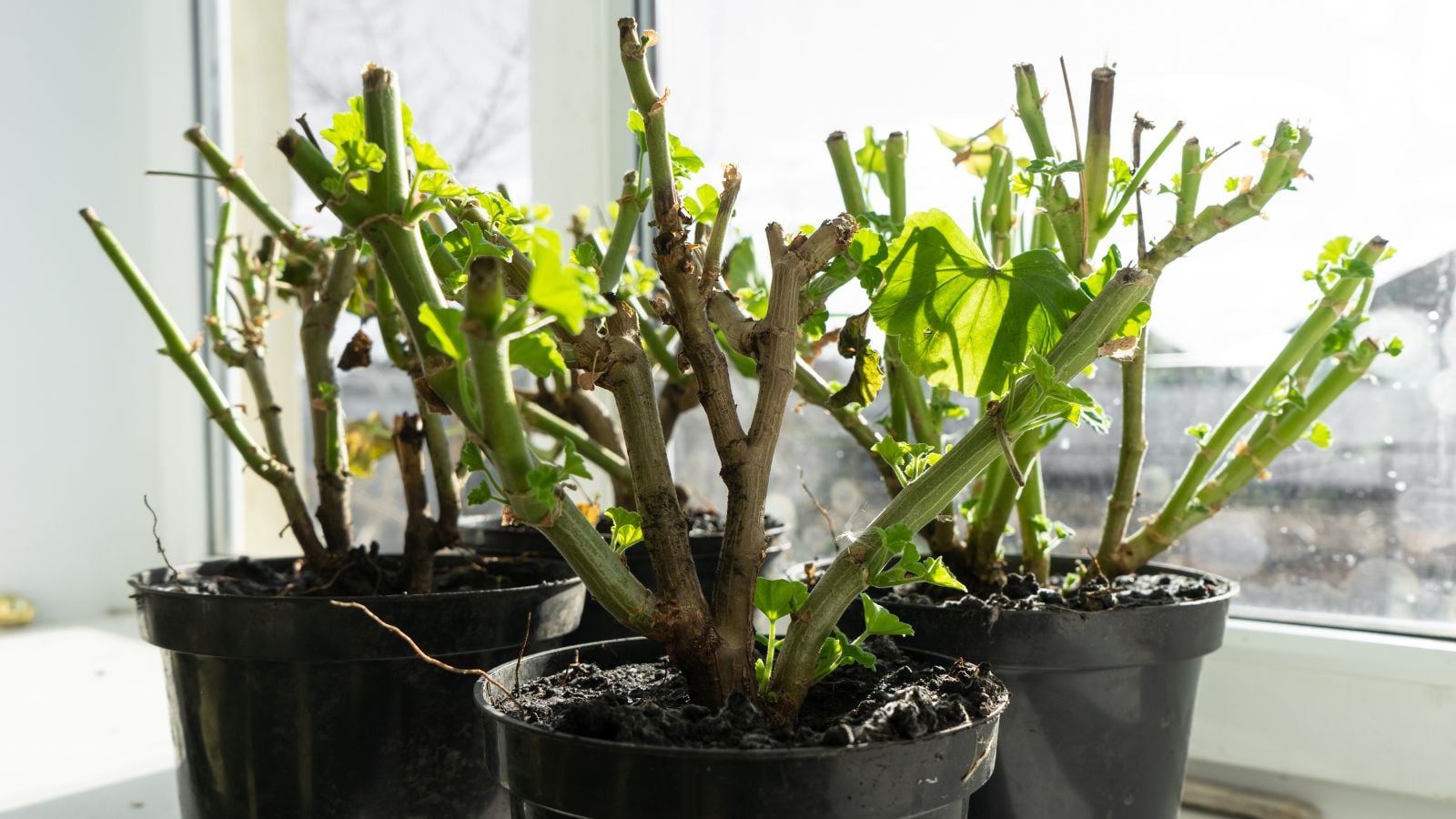
Light pruning in late fall removes long, weak stems and encourages bushier growth later. Cut each stem back by one-third, making cuts just above a leaf node. Save the trimmings for propagation if you want extra plants.
A second light trim in mid-winter prevents plants from becoming spindly under indoor light. Remove any flowers that form, because blooming drains stored energy the plant needs for survival. Keep shears clean between cuts to limit disease spread.
How often should I prune geraniums indoors?
A single fall pruning plus one mid-winter touch-up keeps most plants in good shape. Heavy cutting during the darkest months can weaken them, so limit each session to removing one-third of the foliage at most. Always prune on a dry day when leaves feel crisp rather than damp.
Monitoring for Common Indoor Pests
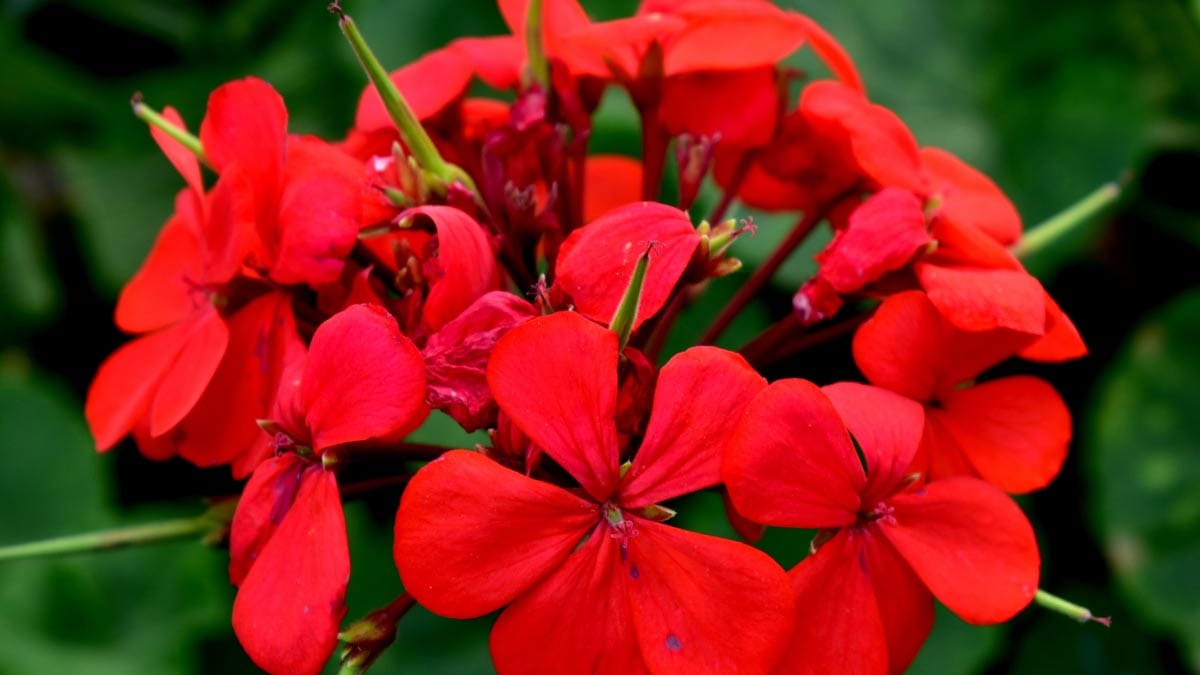
Whiteflies and spider mites move indoors on plants or through open windows. Check leaf undersides weekly with a magnifying glass and wipe away any early clusters with a damp cloth. Isolate new plants for two weeks before placing them near established geraniums.
Sticky traps hung near the pots catch flying adults before populations grow. Neem oil sprays applied every ten days provide control without harming the plants when used according to label directions. Good air circulation from a small fan reduces the humid microclimates pests prefer.
Transitioning Plants Back Outside in Spring
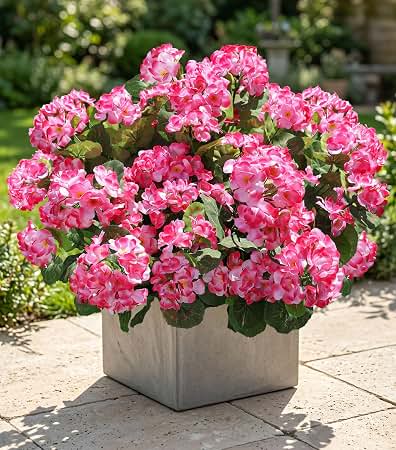
Wait until nighttime temperatures stay above 50 degrees before moving plants out. Begin with a few hours of shade each day for a week, then gradually increase sun exposure. This hardening-off period prevents leaf scorch from sudden bright light.
Fertilize lightly once new growth appears after the move. Mix a balanced liquid fertilizer at half strength and apply every two weeks through early summer. Watch for renewed flowering within four to six weeks as the plants reestablish outdoor rhythms.
Geraniums kept at a steady 55–65 degrees through winter often produce stronger blooms the following season than plants stored in warmer rooms.
FAQ
How long can geraniums stay indoors before they decline?
Most healthy geraniums remain vigorous indoors for five to seven months when light and watering stay consistent. After that point, new growth slows and older leaves may yellow even under good care. Moving them back outside as soon as weather allows restores their natural cycle.
Can I overwinter geraniums in a garage or basement?
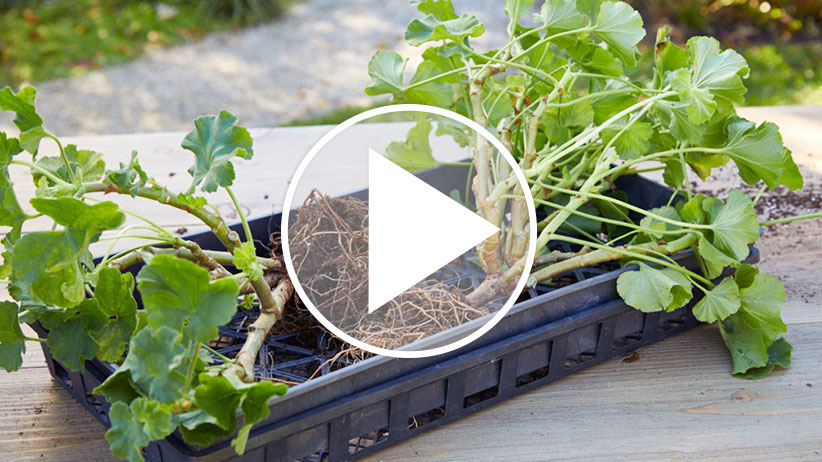
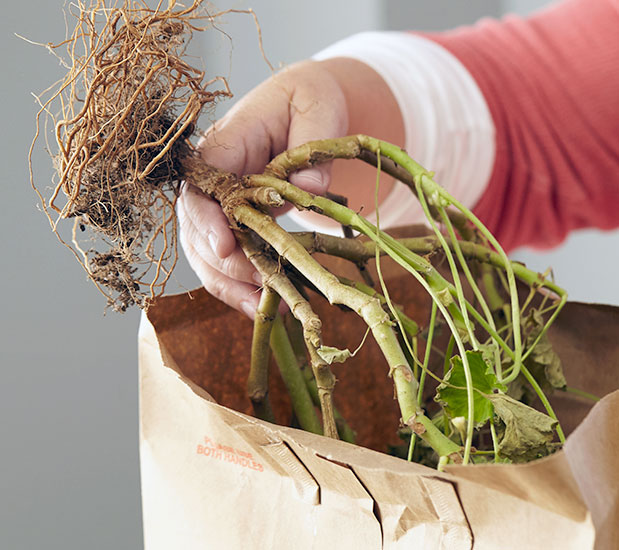
Unheated spaces work only if temperatures stay between 40 and 50 degrees and some light reaches the plants. Complete darkness forces full dormancy, which requires different care such as bare-root storage. Bright windows or supplemental lights remain necessary in any indoor location.
Do I need to fertilize geraniums during the winter months?
Skip fertilizer from November through February because the plants use very little energy. Resume feeding at half strength once daylight lengthens and new leaves appear. Excess nutrients in low light lead to weak, leggy stems.
Should I repot geraniums right after bringing them inside?
Repotting adds stress during the transition, so wait until early spring unless roots are clearly crowded or soil smells sour. If you must move them to fresh soil in fall, choose a container only one size smaller and keep watering minimal afterward.
One final round of inspection before frost arrives gives your geraniums the strongest start for a successful indoor season.
Leave a Reply