
Keeping whites white is less about some miracle whitening product and more about stopping yellowing before it starts. Yellowing is almost always one of four things: oily residue from your own skin and hair, leftover detergent or fabric softener baked into the fibers, too much heat in the dryer, or bad storage conditions.
Once you know which one you’re fighting, the fix is genuinely easy — and most of it costs nothing. Here’s what actually works in a real laundry room.
Wash Whites in Their Own Load
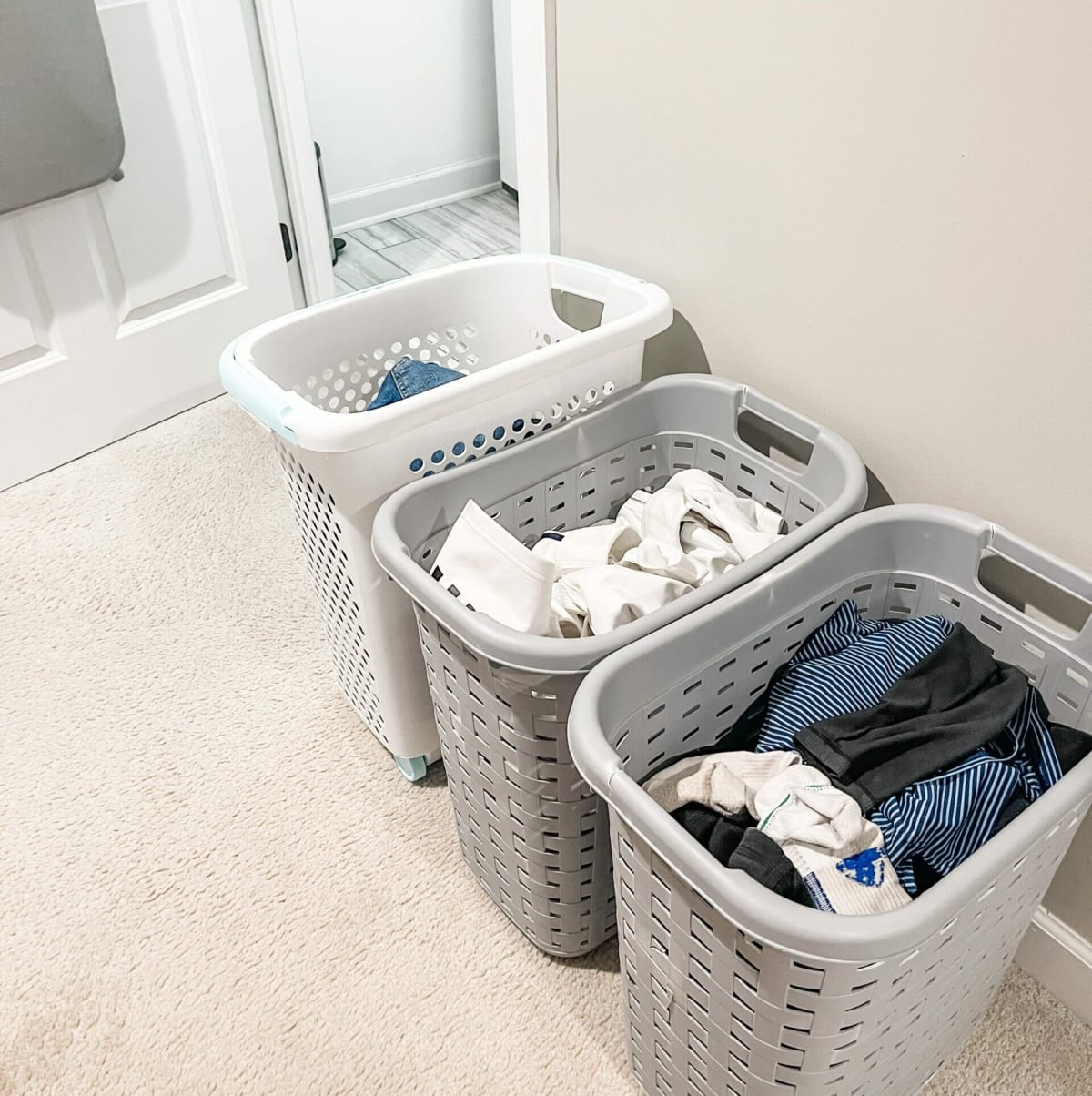
This is the rule everyone knows and everyone breaks at least once a week when the basket looks lonely. But whites washed alongside darks pick up loose dye in the wash water — it doesn’t always show up as a color, it shows up as dingy, slightly yellow-gray fabric after five or six washes. Denim, reds, and anything brand new are the worst offenders, so give those first washes their own load too.
Do one dedicated white load per week and your whites will stay bright on their own without any whitening additives at all. If you’re short on a full load, wash a small batch of whites on a shorter cycle rather than padding it out with a navy hoodie to save water — you’ll spend more time and money fixing the dinginess later.
Measure Your Detergent Carefully
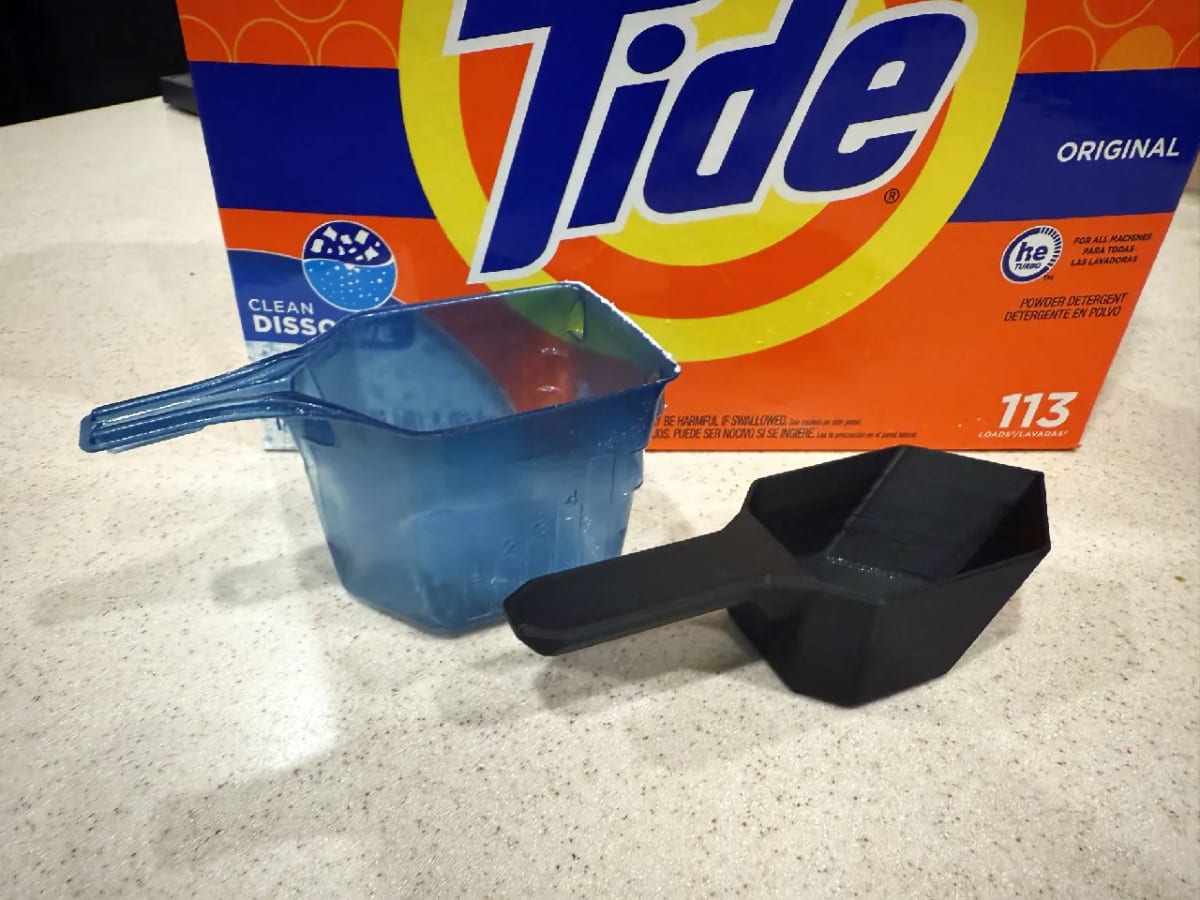
More soap does not mean cleaner clothes. Excess detergent leaves a film on cotton fibers, and when that film meets dryer heat, it browns. That’s the source of a lot of “my whites turned yellow in the dryer” complaints, and it’s completely preventable with a measuring cap.
For a standard HE machine, two tablespoons of liquid detergent is almost always enough — the big line inside the cap is usually more than you need. Match the dose to the load size and how dirty it really is, and if your whites come out feeling stiff or you still see suds during the rinse, cut the amount back by half and run one hot wash with no detergent to clear the buildup out of the drum and the fabric. Powder detergent deserves the same caution: it dissolves poorly in cold water and leaves visible residue, so if you prefer powder, wash whites warm.
Skip Fabric Softener and Dryer Sheets
Fabric softener and dryer sheets work by coating fibers in a thin waxy layer. On towels that’s a mild annoyance; on white clothes it’s a yellowing machine.
That coating grabs body oil, dust, and detergent residue and holds it against the fabric, and the dryer’s heat turns it amber over time. Once you’ve built up a coating, whites look yellowed even right out of the wash.
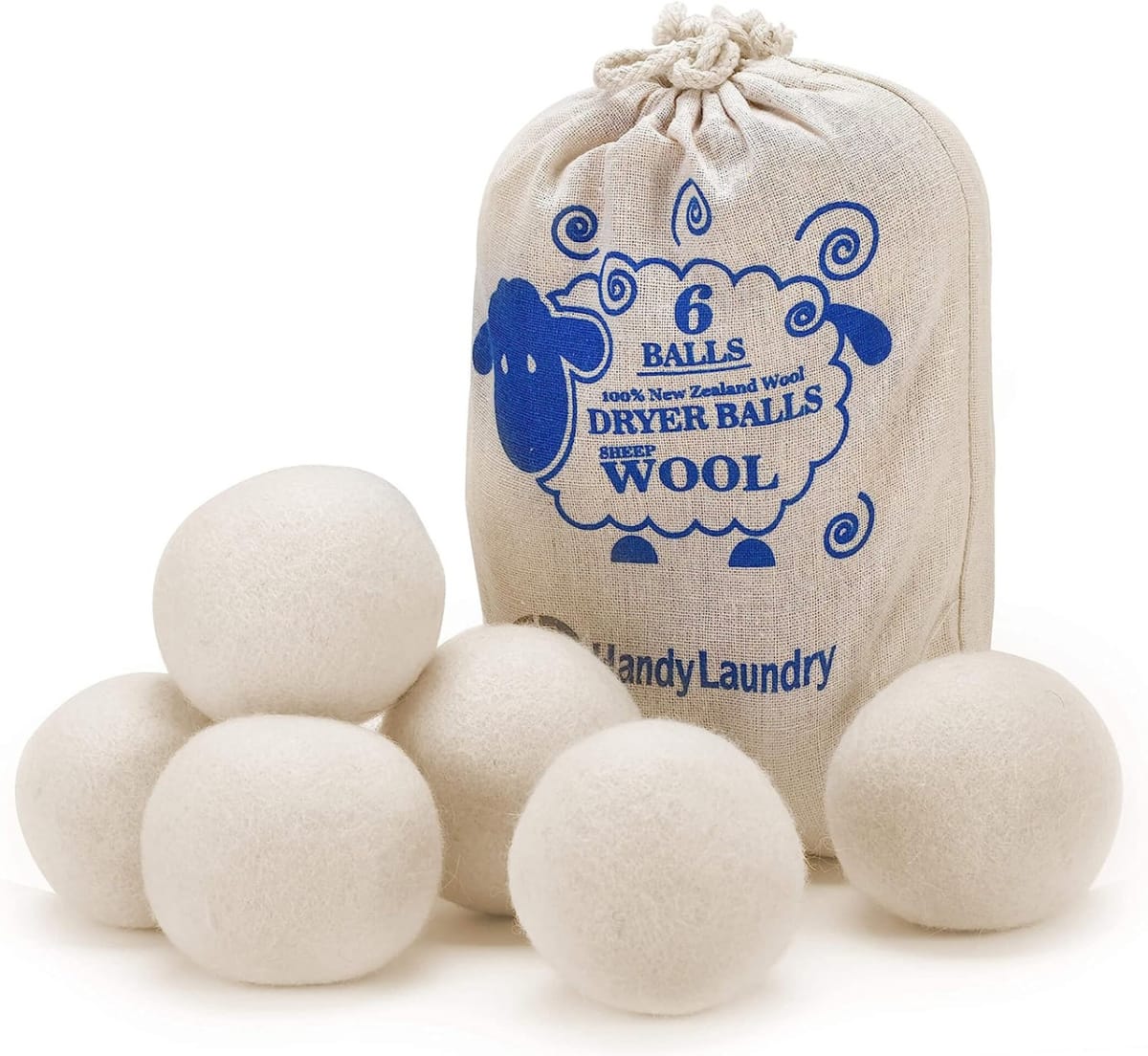
Drop the liquid softener from the dispenser and stop tossing dryer sheets in entirely. Three or four wool dryer balls — the plain felted kind, like Smart Sheep — will soften clothes, cut static, and shorten drying time without leaving anything behind. If you really miss the soft feel, add white vinegar to the rinse instead (more on that below), but honestly, most people stop missing softener within a couple of loads.
Pre-Treat Sweat and Body Oils
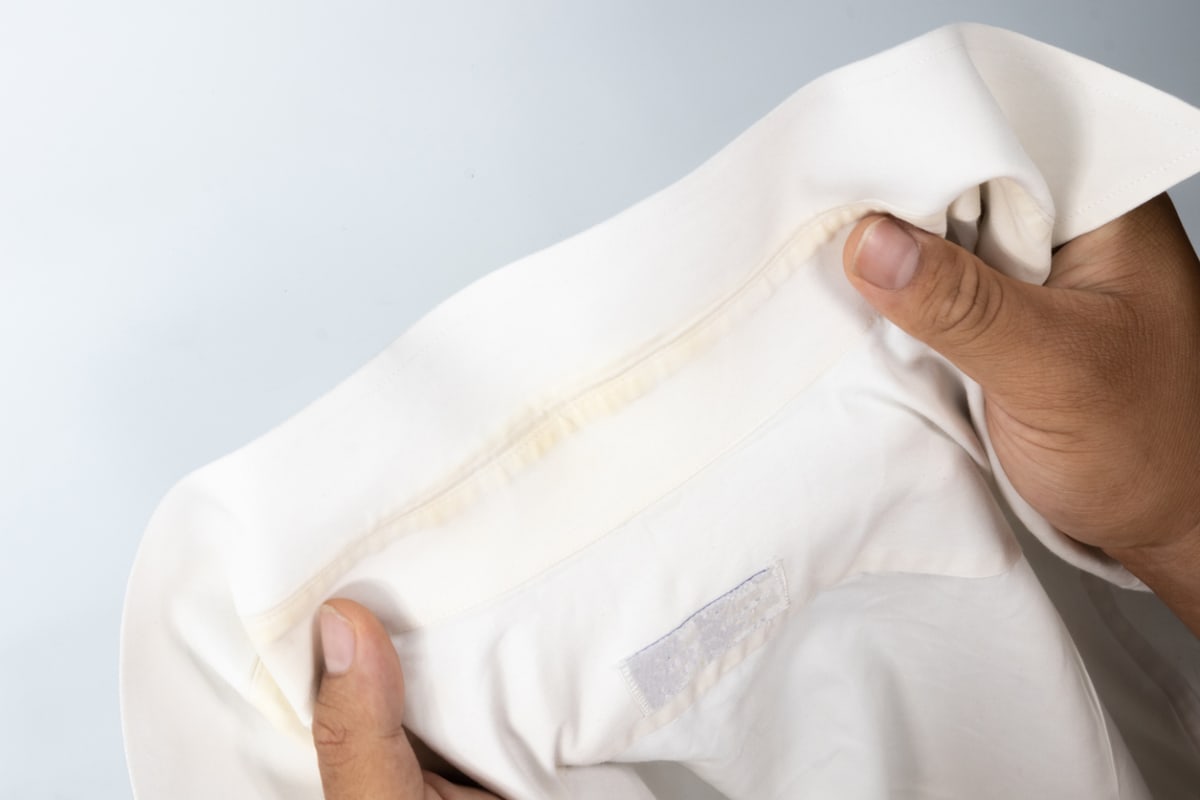
Yellowing that shows up at collars, underarms, and along the back neckline is body oil and protein soil, not fabric failure. It’s invisible when it goes in the wash and then oxidizes in the dryer or in the closet, and by the time you see it, it’s heat-set. The fix is to catch it before the wash.
- ✦An enzyme pre-treat spray like Zout or Puracy Natural Stain Remover, worked into the fabric and left for 15 minutes.
- ✦A paste of blue Dawn dish soap and baking soda, rubbed in with a soft toothbrush and left 30 minutes.
- ✦A short soak in cool water with 1 tablespoon of clear ammonia per gallon — safe on cotton and polyester, but never on silk or wool.
Do this on anything you’ve worn against bare skin, and especially on anything you’ve worked out in. Cool water matters here: hot water cooks protein stains like sweat into the fiber, which is exactly what you’re trying to avoid.
Choose Oxygen Bleach Over Chlorine Bleach
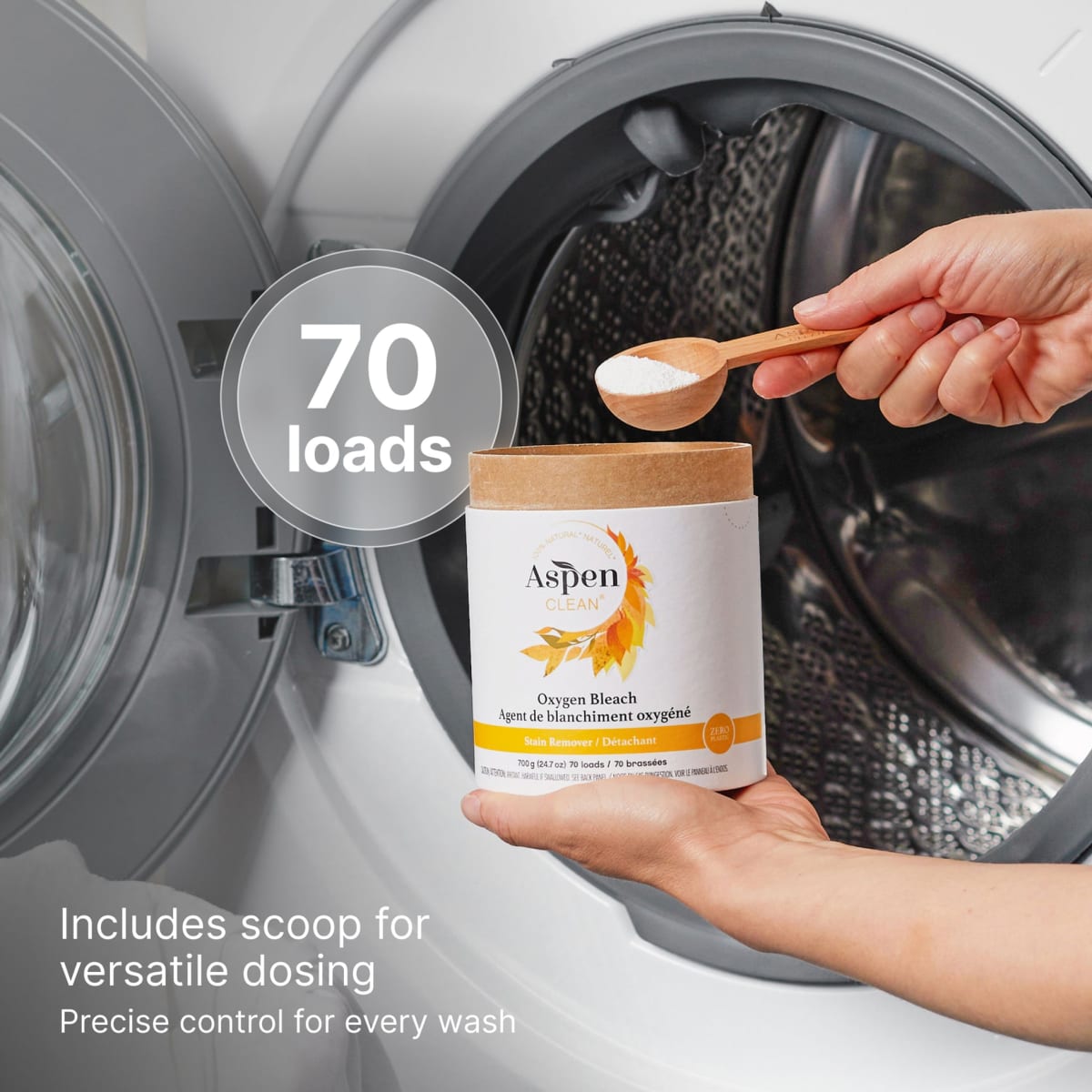
Chlorine bleach is the reflex answer to yellowing, and on a lot of modern whites it’s the cause. Sodium hypochlorite damages spandex and nylon, and when it reacts with leftover body soil or detergent residue it can create yellow staining that wasn’t there before. Anything with stretch — t-shirt collars, waistbands, athletic wear — will yellow, thin, and lose elasticity faster with regular chlorine use.
Oxygen bleach (sodium percarbonate, the active ingredient in OxiClean Versatile Stain Remover) is the safer workhorse for a routine whitening soak. Dissolve a scoop in the warmest water your garment’s care label allows, submerge the whites, and soak for one to six hours — overnight is fine for sturdy cotton. It’s safe on cotton, linen, and most polyester blends, but keep it off wool and silk.
Add Bluing to the Rinse
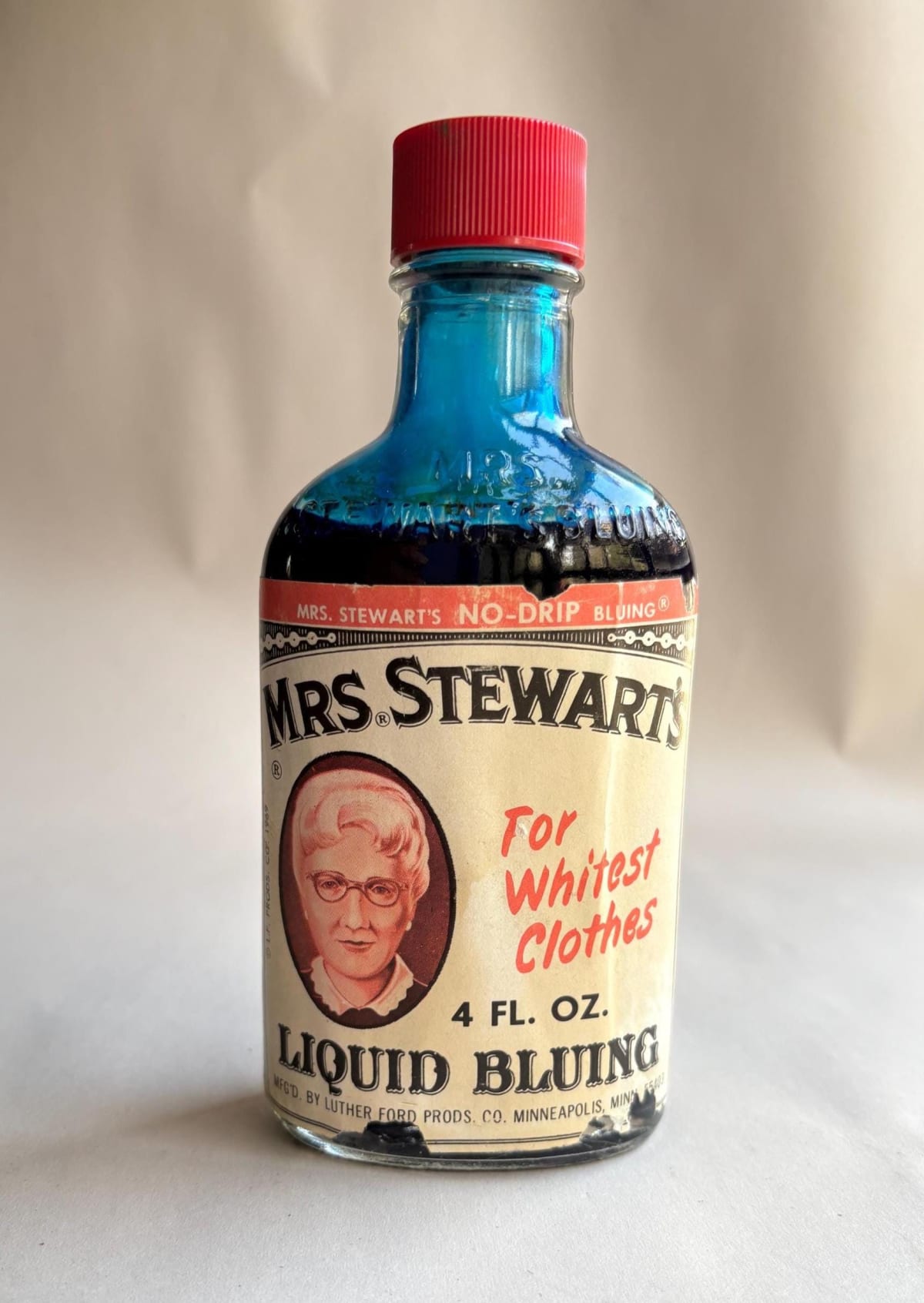
Bluing is the oldest laundry trick there is and it still works beautifully. Mrs. Stewart’s Bluing adds an almost undetectable trace of blue pigment that counteracts the eye’s perception of yellow — the same principle as blue shampoo for blonde hair. It doesn’t remove a stain; it makes whites read as brilliantly white again.
The trick is dilution. Never pour bluing straight onto clothes or straight into the machine — you’ll get permanent blue streaks.
Mix 1/8 teaspoon into a quart of cool water first, stir, then add that to the rinse cycle or to a full tub of water before the clothes go in. It’s cheap, it lasts forever, and it’s the one thing that makes an older but otherwise clean white shirt look crisp again.
Rinse with White Vinegar
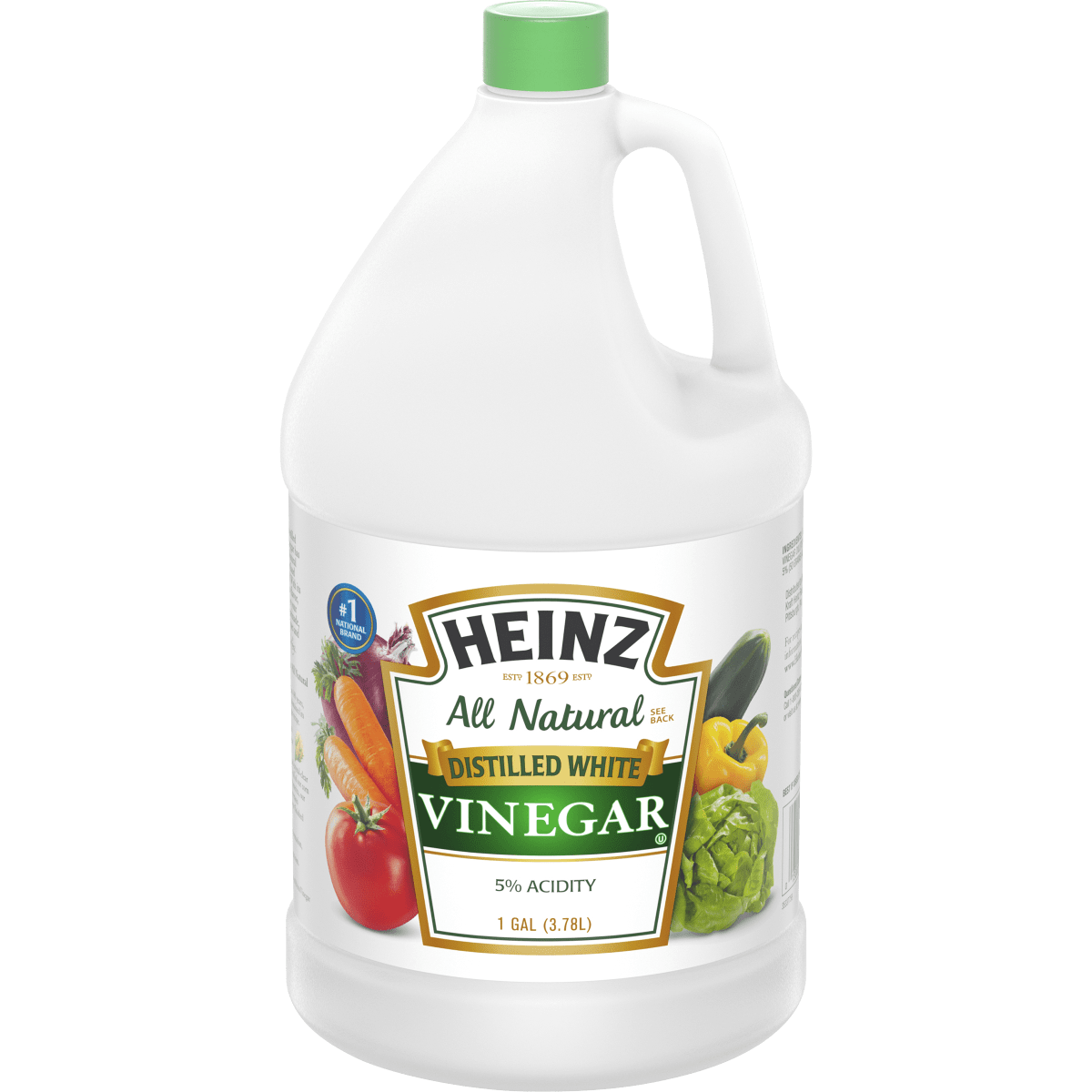
Half a cup of plain white vinegar — the Heinz cleaning strength or whatever’s cheapest at your grocery store — in the fabric softener dispenser or the final rinse does two useful jobs. It dissolves alkaline detergent residue that plain water leaves behind, and it helps with hard-water minerals like iron, which can tint whites yellow or rusty over time.
It’s cheap and it leaves no smell behind once the cycle finishes. The one hard rule: never combine vinegar with chlorine bleach in the same load, since that produces chlorine gas. Vinegar is also fine around oxygen bleach, but I prefer to use them in different loads so I’m not mixing chemistry experiments in the drum.
Turn the Dryer Down
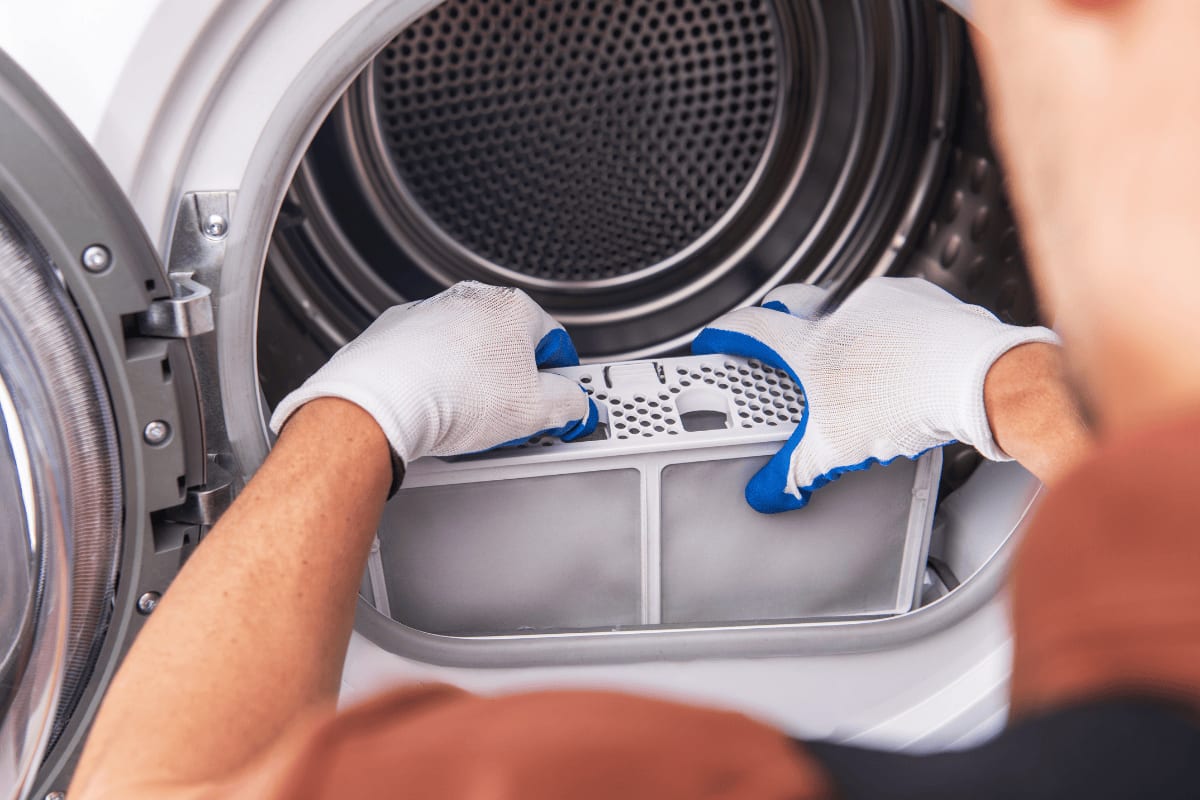
Heat is where yellowing gets locked in. High dryer settings bake body oil, detergent film, and softener residue into fibers permanently, and they can scorch cotton and yellow synthetics outright. If you’ve been drying everything on high for 45 minutes out of habit, that alone could be most of your problem.
Dry whites on low or medium and pull them out while they’re still very slightly damp — they’ll finish drying on the hanger or the rack. Line drying in direct sun is a genuine whitener for cotton and linen; just keep spandex blends and anything with elastic out of full sun, since UV breaks those fibers down and yellows them. And ironing deserves the same caution: a too-hot iron on polyester will leave yellow press marks that no wash will remove.
Don’t Let Whites Sit in the Washer
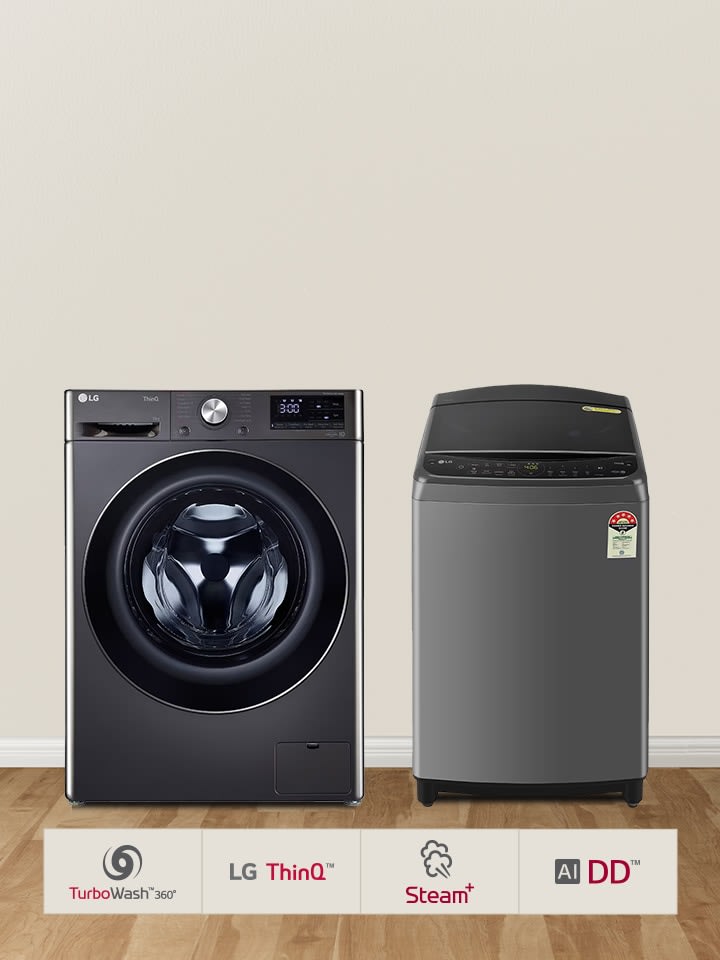
A load left overnight in a closed washer is the fastest way to turn clean whites dingy. Mildew sets in within hours in that warm, damp, closed environment, and it leaves behind a gray-yellow cast and a musty smell that takes two or three washes to lift.
Set a timer and move whites to the dryer within an hour of the cycle ending. If you do forget, don’t just dry them — rewash with a scoop of OxiClean and run an extra rinse. Front-loaders make this worse because the sealed door traps moisture, so prop the door open between loads to keep the gasket dry.
Store Whites Cool, Dark, and Breathable
A lot of yellowing happens in the closet or the attic, not the washer. Heat, humidity, plastic bins, cardboard boxes, and off-gassing from uncoated wood or wire shelving all yellow white fabric over months of storage. If your white shirts go into a box in the garage in August, they’ll come out cream-colored in spring no matter how clean they were.
Store whites folded or hung in a cool, dark, dry closet away from direct light and heat sources. Skip the plastic dry-cleaning bags — they trap moisture — and skip cardboard boxes, which are acidic.
- ✦Acid-free tissue paper, loosely folded into the folds of the garment, if you’re boxing anything long-term.
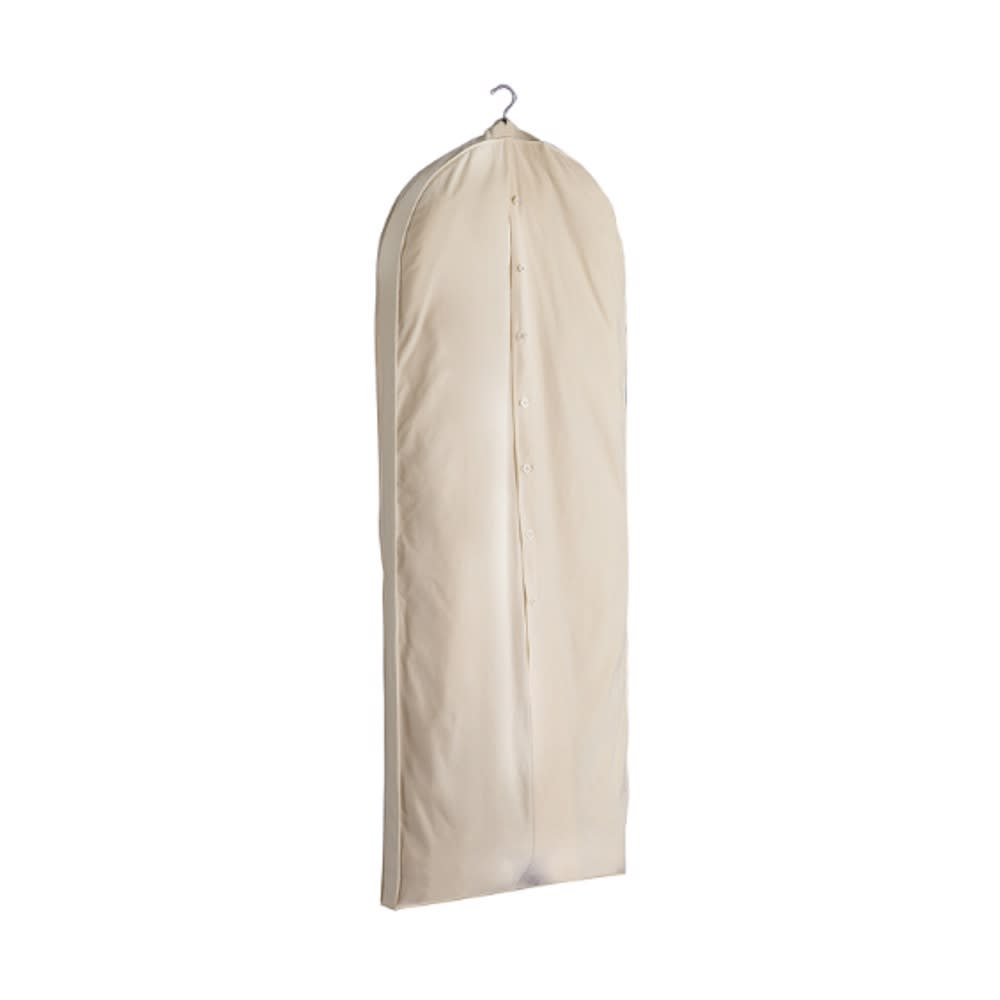
- ✦A breathable cotton garment bag for suits and dresses you hang.
- ✦Cedar blocks or a lavender sachet nearby for moth protection — never mothballs, which leave an odor that’s nearly impossible to wash out.
Rescue Whites That Have Already Turned Yellow
If it’s already happened, don’t toss the shirt. Most yellowing is surface residue and oxidation, and it responds well to a long soak. Skip the dryer entirely until the stain is gone — heat is what makes it permanent.
- ✦An overnight soak in hot water with a full scoop of OxiClean, then a normal wash with no softener.
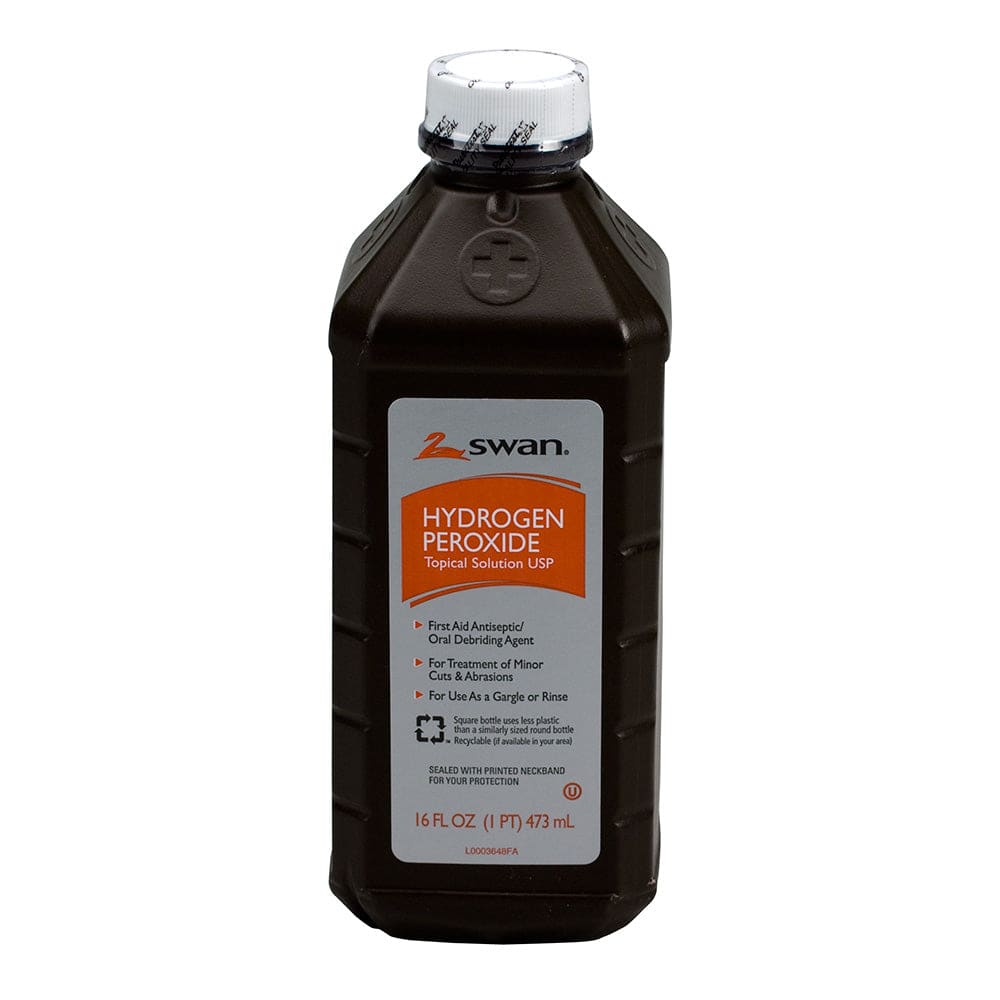
- ✦A two-hour soak in warm water with 1 cup of 3% hydrogen peroxide per gallon — good for organic and sweat-based yellowing.
- ✦A hot water soak with one Cascade Platinum dishwasher tablet, which brings enzymes and oxygen bleach in one shot.
- ✦A final bluing treatment in the rinse for dullness that isn’t really staining at all.
Repeat the soak once before you give up — yellowing that built up over months often needs two passes. And once you’ve rescued something, switch to the prevention habits above so you’re not doing this every few months.
FAQ
Why do my white clothes turn yellow in the closet?
Usually it’s heat, humidity, or plastic and cardboard storage rather than anything that happened in the wash. Oily residue left in the fabric oxidizes slowly in a warm closet or an attic box, so store whites cool, dark, and in breathable cotton rather than sealed plastic.
Can bleach make white clothes yellow?
Yes. Chlorine bleach can yellow and weaken spandex, nylon, and elastic, and it reacts with leftover body soil to create new yellow stains. Use oxygen bleach instead for routine whitening, and save chlorine bleach for sturdy, stain-resistant cotton like plain white towels.
How do you get yellow out of white clothes that are already stained?
Soak them rather than washing harder: overnight in hot water with OxiClean, or a couple of hours in warm water with 1 cup of 3% hydrogen peroxide per gallon. Then wash as normal, skip the fabric softener, and air dry to confirm the yellowing is gone before any heat touches the fabric.
Does vinegar keep white clothes from turning yellow?
It helps. A half cup of white vinegar in the rinse dissolves detergent and softener residue and softens hard-water minerals, both of which yellow whites over time. It won’t lift an existing stain on its own, but it’s one of the cheapest preventative steps you can take.
Whites aren’t high-maintenance — they just don’t forgive residue and heat. Get the detergent dose right, drop the softener, treat body oil before it goes in the wash, and keep things out of the dryer until they’re really clean. Do those four things consistently and your white shirts will stay the kind of white you bought them.
Leave a Reply