
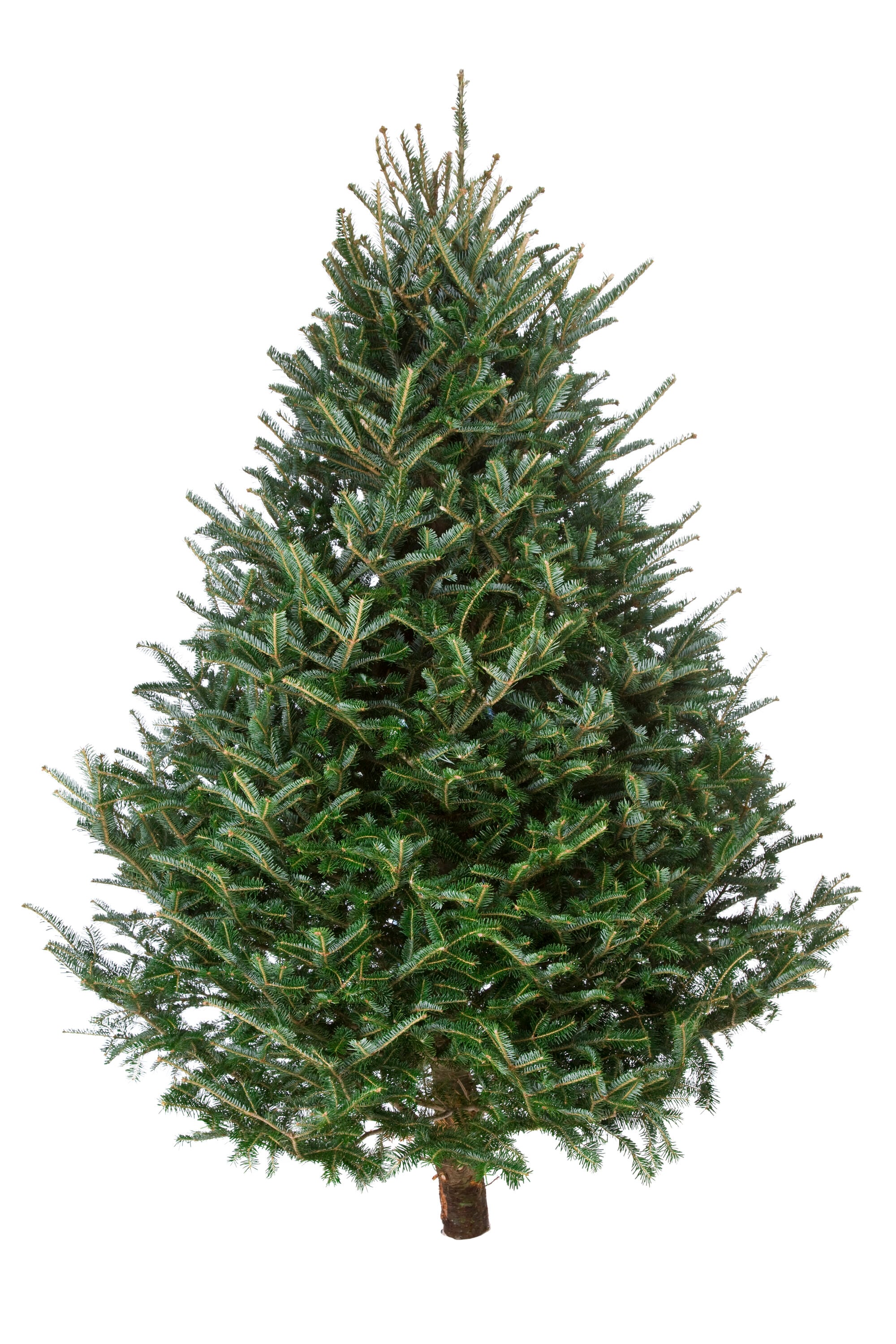
A real tree that’s still dropping needles in the first week of January is a solvable problem — and the fix is almost entirely about water. Trees don’t die from the ornaments or the lights; they die because a cut trunk sealed itself shut, or the stand ran dry overnight, or someone parked the thing next to a fireplace and wondered why it crisped up.
I’ve kept Fraser firs standing and fragrant past New Year’s for years now by doing the boring things consistently. Here’s what actually moves the needle (so to speak).
Choose the Freshest Tree on the Lot

Everything downstream depends on this, so it’s worth being a little rude at the tree lot. Grab a branch and run your fingers along it — a fresh Fraser or balsam fir will snap between your fingernails like a fresh green bean, not bend limply.
Then lift the tree a few inches and thump the trunk on the pavement: you should lose almost no needles. Look at the cut end, too — pale, resinous wood means it was recently harvested; a dark, dry, checked ring means it’s been sitting since Thanksgiving.
Ask when the shipment came in, and pick from the freshest batch even if it means a slightly smaller tree. Fraser fir holds needles longest and smells wonderful; balsam is softer and more fragrant but drops a little faster; Colorado blue spruce looks gorgeous and will punish you with needle drop and sharp branches. And if you’re buying early — say, the first weekend of December — plan to baby it for three extra weeks.
Get the Trunk Into Water Within a Few Hours
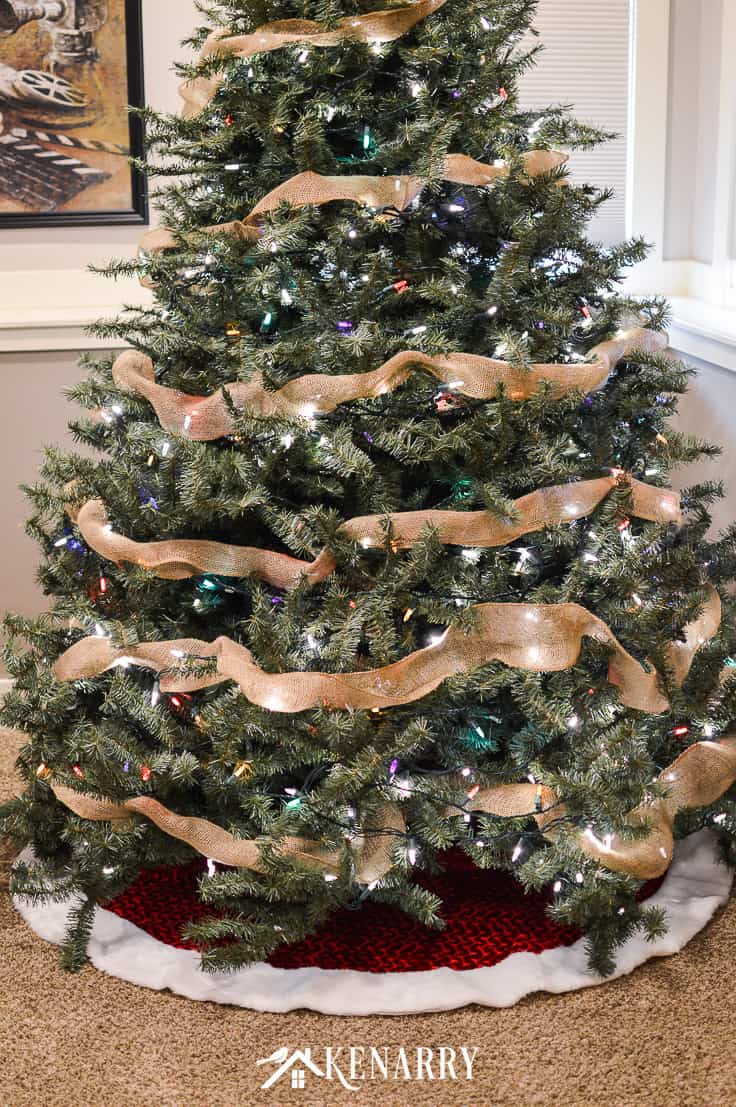
Once a tree is cut, it starts forming a resin seal over the wound, and once that hardens, the trunk essentially quits drinking. Outdoors in the cold it happens slowly; in a warm car or a heated garage it happens fast. The window most tree farms quote is about six to eight hours from cutting to water, and I’ve found the difference is visible by Christmas Day.
If you’re not setting the tree up that same day, take it straight to a cool garage or a shady porch, saw off another half inch of trunk, and stand it in a bucket of water. Leaving a tree leaning against the house with no water for a week is the single most common reason people end up with a brown, shed-y mess — and no amount of preservative fixes it afterward.
Make a Fresh Cut — and Leave the Trunk Alone Otherwise
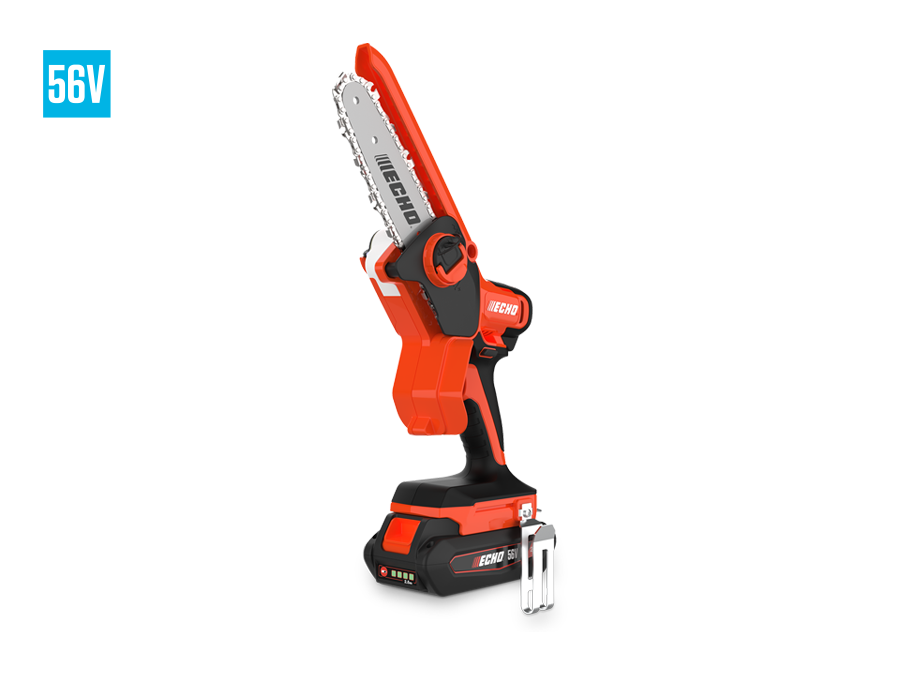
Saw a half-inch slice off the bottom of the trunk right before it goes in the stand. Not a knife, not an axe — a pruning saw or a bow saw gives you a flat, clean, level cut that sits properly in the reservoir. Cut it flat, not at a wedge or an angle; an angled cut leaves part of the drinking surface above the waterline.
This is also the moment to resist “helping” the tree fit the stand by whittling the trunk down into a pencil. The bark and the pale inch of wood right under it (the sapwood) are the parts that pull water up.
Shave that away and the tree can be sitting in a full stand and still dying of thirst. If your stand won’t take the trunk, get a bigger stand.
Pick a Stand That Holds Enough Water
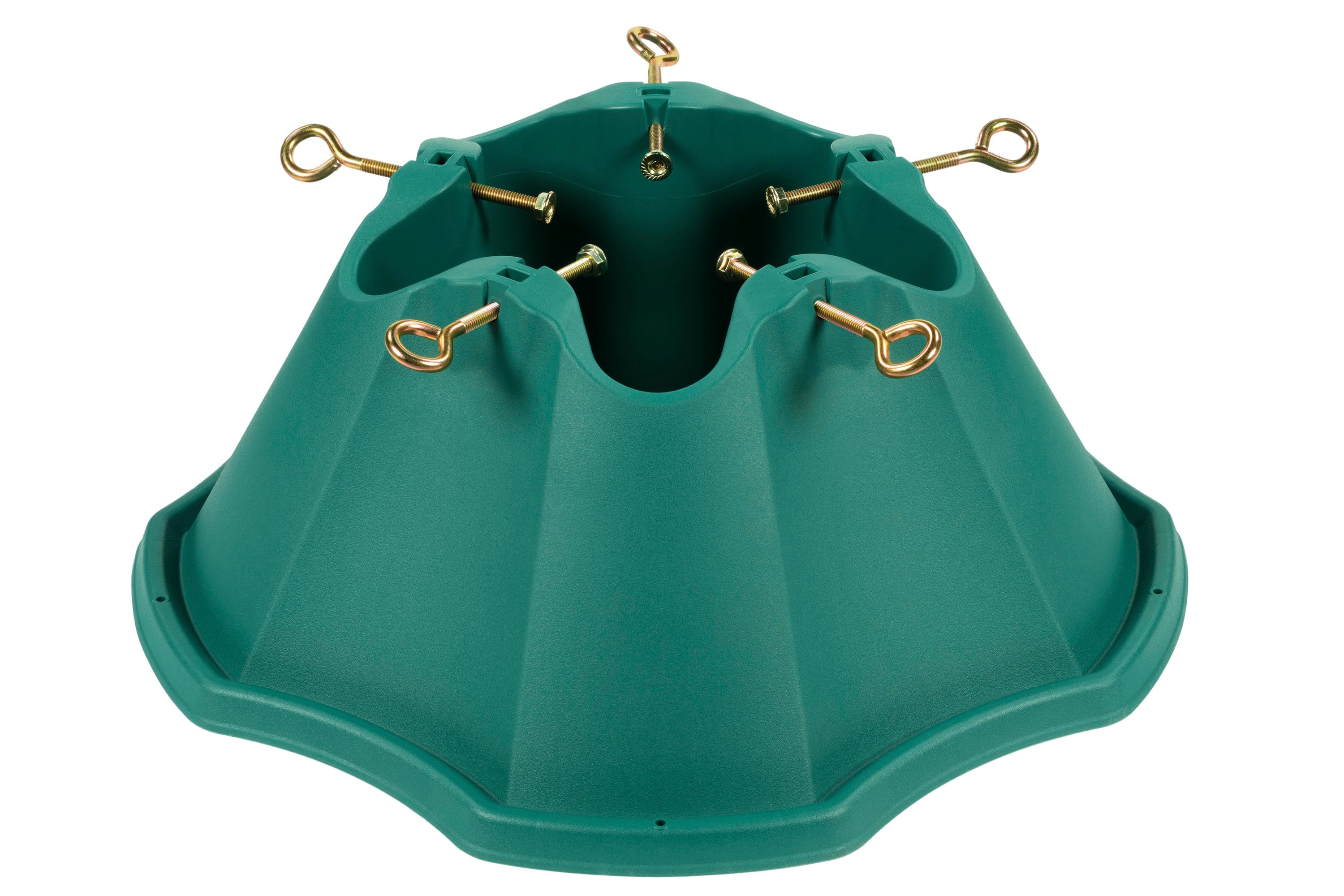
The rule of thumb tree growers use is one quart of water per inch of trunk diameter, measured at the base. So a five-inch trunk needs a stand that holds about a gallon and a half — and in the first week a thirsty Fraser fir can drink a full gallon a day. Most of the cheap plastic stands sold in grocery stores hold a few cups and simply cannot keep up.
Look at the reservoir capacity printed on the box before you buy. A Krinner-style stand with the foot pump clamps large trunks without tools and holds plenty of water; a Cinco Express is the standard heavy-duty option and comes in sizes that go up to nine-inch trunks. Whatever you use, make sure the stand is level and stable before the water goes in — you do not want to be re-leveling a decorated tree on December 22.
How much water does a Christmas tree need per day?
A freshly cut tree can drink a gallon or more in the first week and then tapers off to a quart or two. That early heavy-drinking phase is exactly when most people stop checking the stand, which is how trees die in the week between Christmas and New Year’s.
Use Hot Water for the First Fill
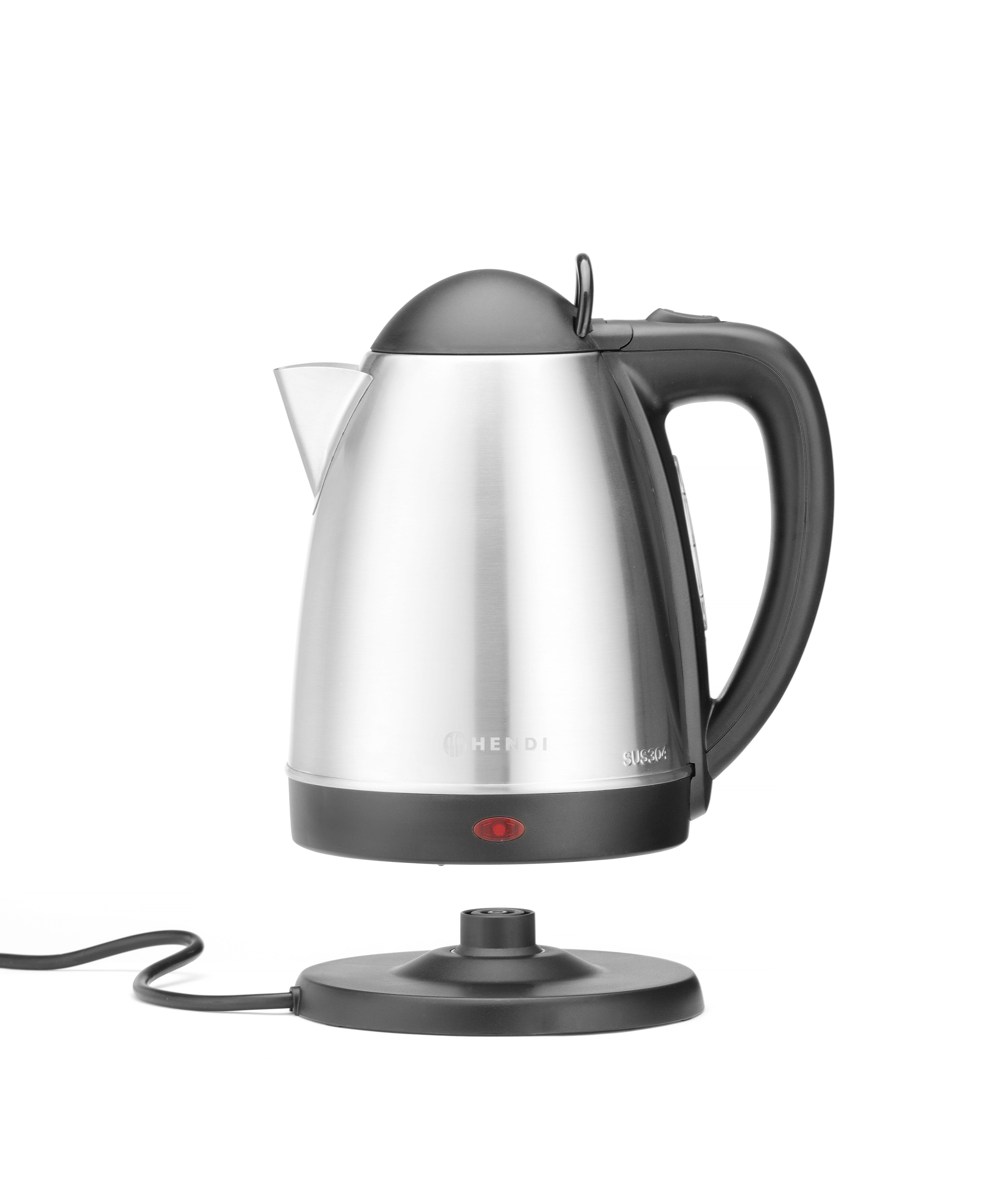
This one sounds like an old wives’ tale, but it works, and the reason is straightforward: hot water loosens and dissolves the sap at the cut surface and gets the trunk drinking instead of sitting there dormant. Fill the stand with hot tap water (not boiling) for the first fill, then top it up with regular water afterward.
You’ll get a burst of extra pine fragrance the first hour, which is a nice side effect. After the first fill it doesn’t matter whether the water is warm or cold — from then on, only the volume matters.
Add a Preservative to the Water

The honest answer is that plain water keeps a tree alive almost as well as anything sold for the job — the trunk is not really “eating,” it’s pulling water up. What additives actually do is keep algae and bacteria from turning the reservoir into a swamp, which stops the trunk from drinking. If you like a little insurance, pick one of these:
- ✦A capful of plain household bleach per gallon — about ¼ teaspoon per quart — to keep slime from forming in the stand.
- ✦A commercial mix like Miracle-Gro for Christmas Trees or Prolong, which pairs a disinfectant with a small amount of sugar.
- ✦One crushed aspirin per gallon, the old folk remedy — cheap and harmless, though the evidence it helps is thin.
- ✦Nothing at all, as long as you dump and refill the water if it turns cloudy or ropy.
Skip the syrup-and-sugar-only recipes floating around. Sugar without a disinfectant feeds bacteria, and bacterial buildup in warm water is exactly what stops uptake.
Keep the Reservoir Topped Up Every Day
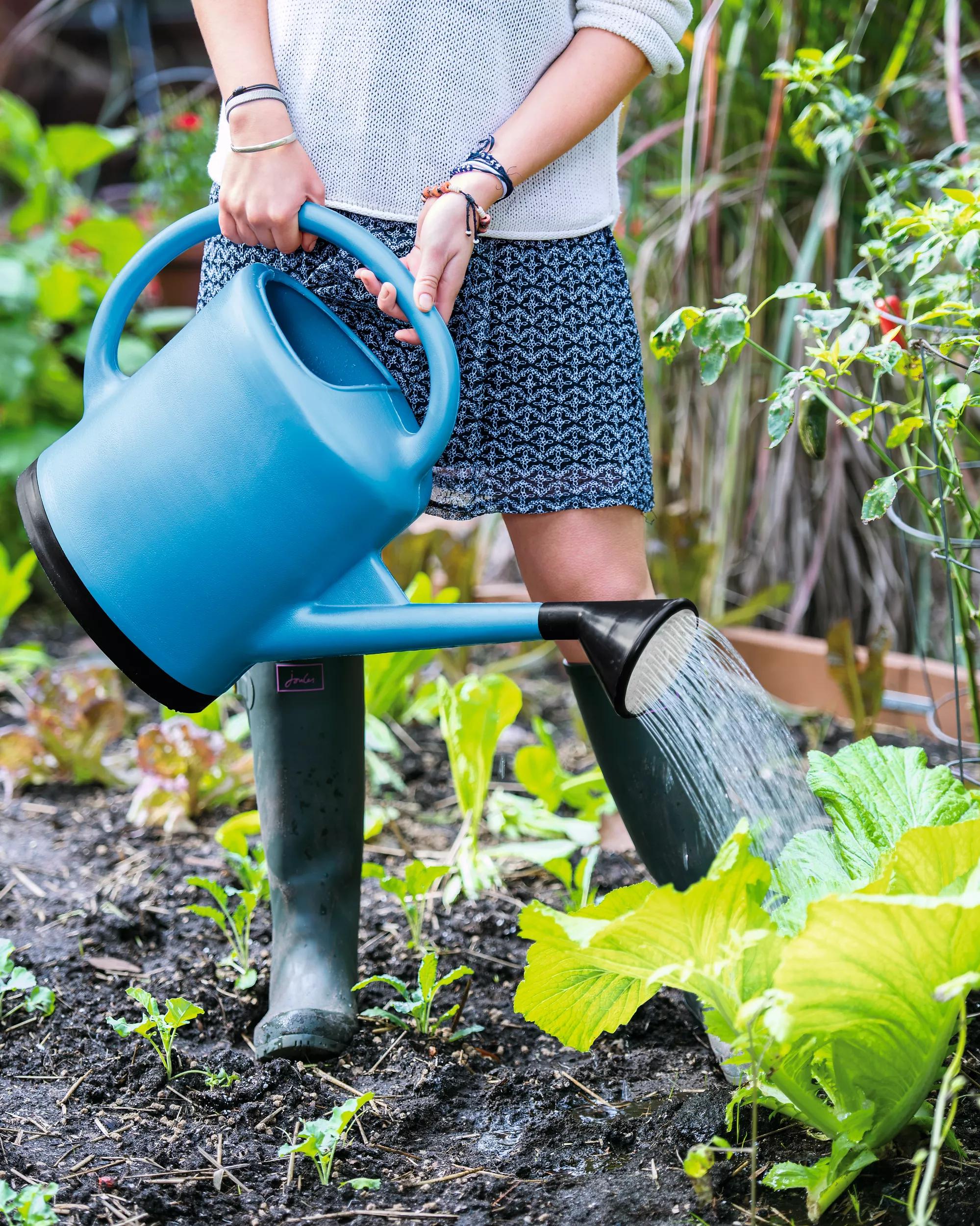
This is the least glamorous tip and the one that makes the biggest difference. Check the water level every single day for the first two weeks, and never let the bottom of the trunk break the surface. Top up rather than dump and refill, unless the water looks or smells off.
A couple of practical things: the base of a Christmas tree skirt hides the water level, so either tuck the skirt under the tree and keep it lifted while you fill, or use a funnel to top up through it. And warn anyone else in the house.
I once handed off watering duties to my husband and lost four days of history — he assumed I’d been doing it. Neither of us had.
That tree looked it.
Keep the Tree Away from Heat and Sun

Heat is a tree’s enemy twice over: it drives needle drop, and it makes the tree transpire faster so it burns through water quicker. Keep the tree at least three feet from a fireplace, a space heater, a heating vent, a radiator, or a south-facing window that bakes all afternoon. If you have a wood-burning fireplace you actually use, that corner is the worst spot in the house for a real tree.
Cooler is simply better. If you can nudge the thermostat down a couple of degrees at night and keep the room around 65°F, your tree will thank you. This is also why a tree that sits in an unheated garage waiting its turn for a day or two looks so much better than one that went straight into the living room.
Switch to LED Lights — and Turn Them Off
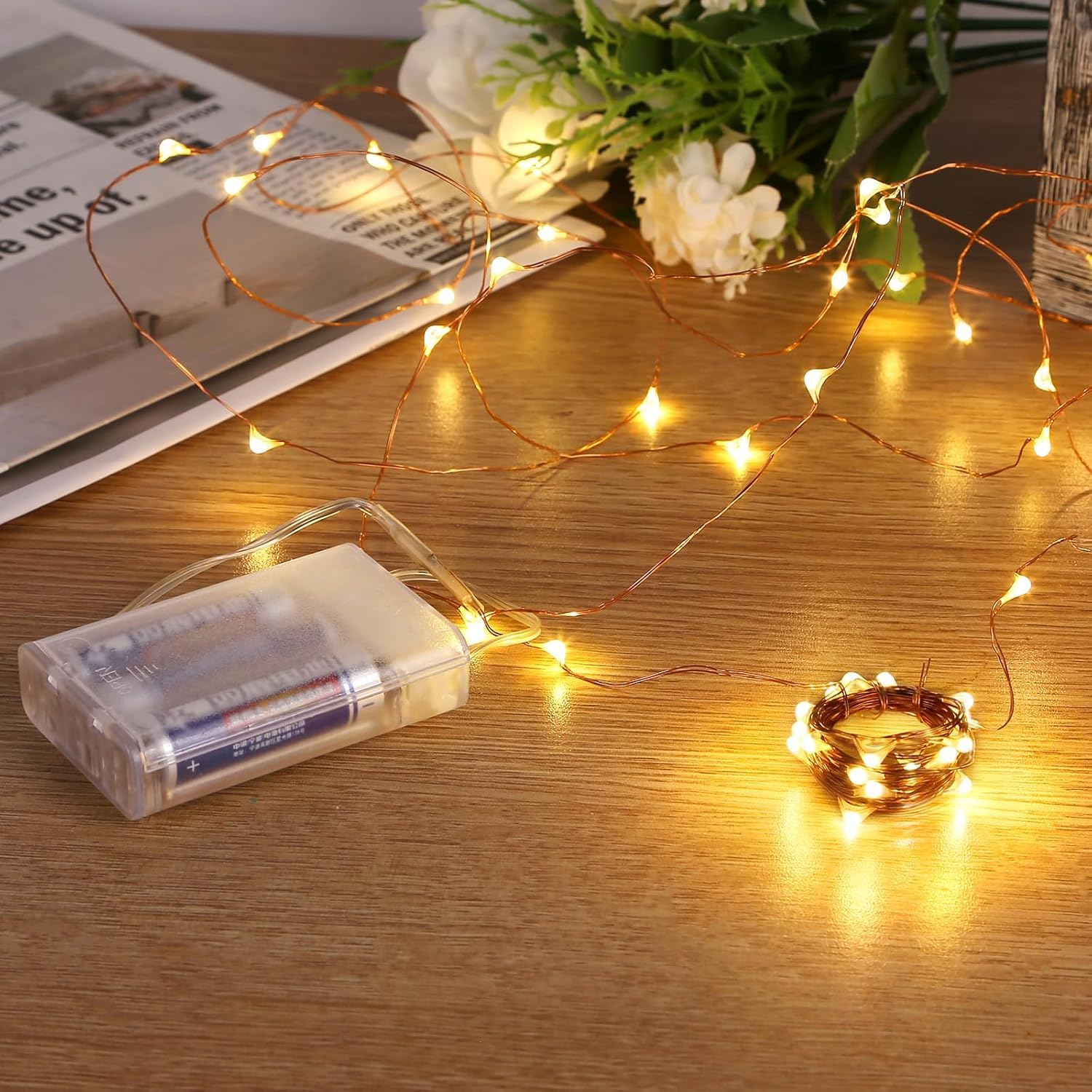
Old-school incandescent mini lights run hot enough to warm the branches they touch, and that dry, toasty microclimate is a needle-drop factory. LED strings — from brands like Philips or GE StayBright — run essentially cool, use a fraction of the electricity, and are safer anyway. Keep the string size modest; a huge load of lights on a fresh tree is not helping.
Then build the habit of switching them off at bedtime and when you leave the house. Lights off for ten hours a day noticeably slows drying over a three-week stretch, and it’s one less thing to think about if you plug the whole thing into a smart plug and let it go dark at midnight.
Mist the Branches and Run a Humidifier
Cut trees do absorb some moisture through their needles, so a light misting with a spray bottle a couple of times a week helps — especially in a house with forced-air heat, where the indoor humidity often drops below 20% in December. Mist in the morning so any surface moisture has the day to settle, and drop a towel under the tree to protect the floor and keep the stand from sitting in puddles.
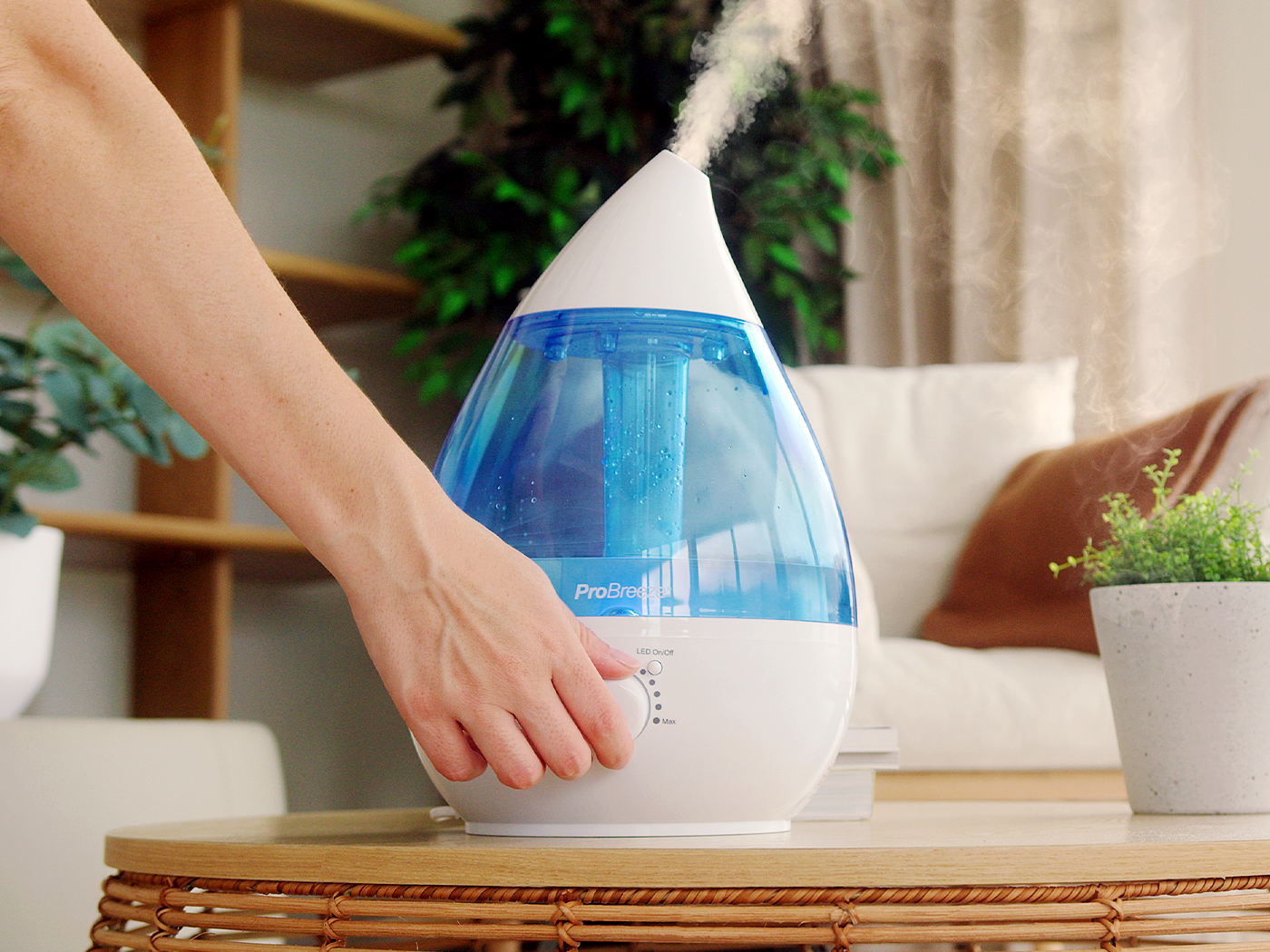
If your home is genuinely dry, a small cool-mist humidifier running in the same room does more for the tree than any additive. Aim for somewhere in the 30–50% humidity range; your skin and your houseplants will benefit at the same time.
Recut the Trunk If It’s Already Dried Out
Missed a few days and the stand ran dry? Don’t give up on it.
A trunk that has been out of water will have sealed over, so take the tree down if it’s practical (or lean it carefully out of the stand), saw another half inch off the bottom with a bow saw, and get it back into hot water within the hour. Trees that have gone dry for a day or two will often recover and drink again within hours.
If the needles are already browning and crispy across large sections, that’s a dead end — at that point you’re managing a fire hazard rather than a tree, and the kinder move is to take it out. Keep a bag of fallen-needle vacuuming nearby and place the tree on an old sheet or a tree skirt with a waterproof backing; it makes the post-Christmas cleanup far less of a chore.
Frequently Asked Questions
How long will a real Christmas tree last indoors?
A fresh-cut Fraser fir that gets water from day one will usually hold up four to five weeks indoors, which comfortably covers a tree bought in early December. If it goes dry even once early on, expect noticeably worse needle retention from that point forward.
Should I put anything in the water?
You don’t have to. Plain water is nearly as effective as any preservative; additives mainly stop bacteria and algae from clogging the uptake. A capful of bleach per gallon or a commercial tree preservative is cheap insurance if it makes you feel better.
Why is my Christmas tree dropping needles so fast?
Almost always one of three things: it was cut long before you bought it, the stand has run dry at some point, or it’s sitting next to a heat source. Check the trunk cut and the reservoir first, then look at where the tree is standing relative to vents, fireplaces, and windows.
Can you keep a Christmas tree alive after it’s been cut?
A cut tree can’t regrow roots, so it’s never going to live on — but you can absolutely keep it green, fragrant, and needle-covered for the whole holiday season. Think of it as keeping the tree drinking rather than keeping it alive indefinitely.
Do these things and you’ll be vacuuming a handful of needles in January instead of a truckload. Start with the cut and the water, protect the tree from heat, and check that reservoir like it’s a houseplant — which, for the next month, it basically is.
Leave a Reply