
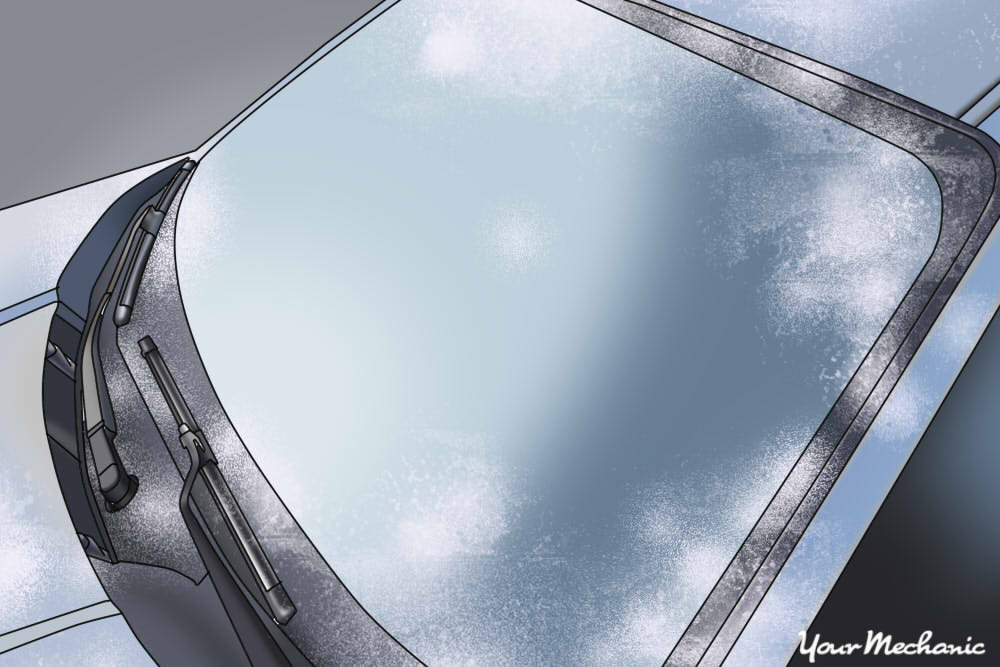
Frost on your windshield is just moisture in the air settling onto glass that has dropped below freezing overnight — and once it’s there, scraping it off costs you ten minutes and half your patience on a Tuesday morning. The good news is that nearly every trick that actually holds up is cheap, and most of them happen the night before, in about two minutes. Below is everything I’ve tried in a real driveway, in the order I’d do it on a cold night.
| Method | What it costs | Works best when |
|---|---|---|
| Park facing east | Free | The forecast is clear and sunny |
| Windshield frost cover | $15–$40 | Hard frost most nights |
| Blanket, towel, or cardboard | Free | You already own the material |
| Rubbing alcohol spray | About $3 | You want to spray and forget |
| White vinegar spray | About $2 | Light frost, quick wipe in the morning |
| Cut potato | About $1 | You have no other supplies in the house |
| Mirror covers | Free | Mirrors and door locks ice up too |
| Lifted wiper blades | Free | Every freeze — just make it a habit |
| Spotlessly clean glass | $5–$10 | Frost that bonds stubbornly |
| Slow thaw and proper scraper | $5–$20 | It’s already frozen solid |
Park Facing the Morning Sun
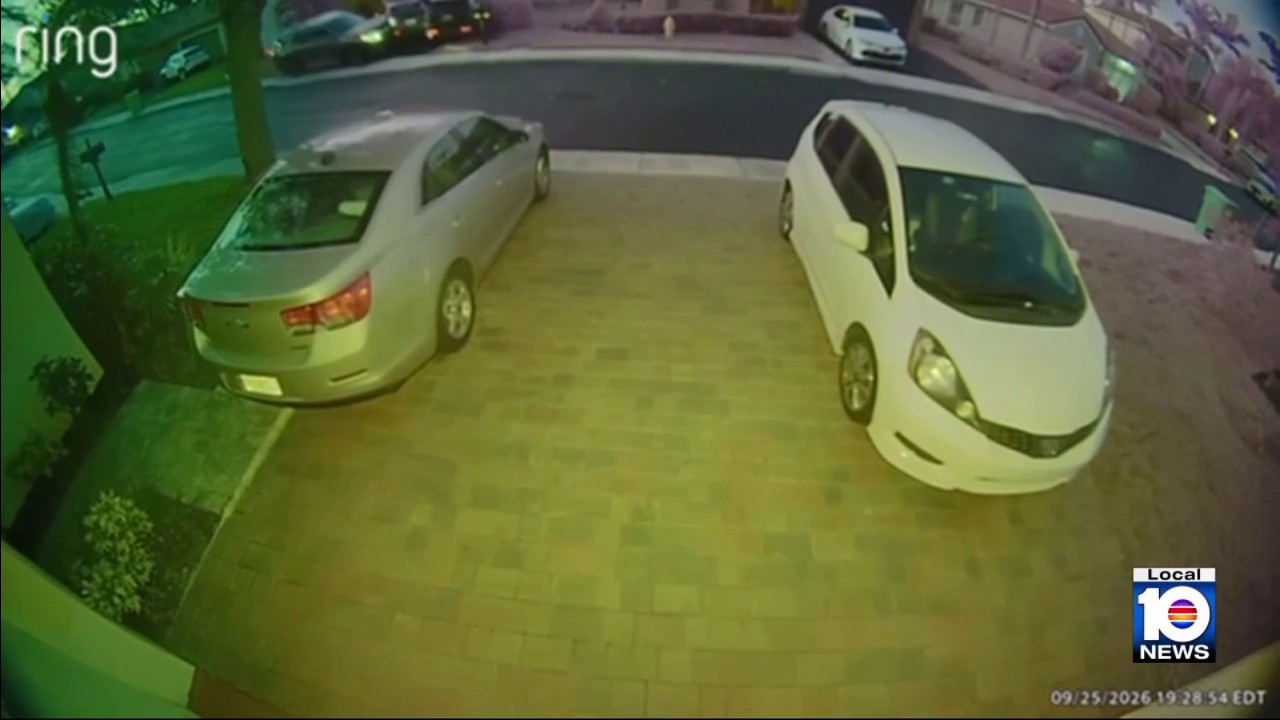
Frost needs a still, cold surface and a clear sky to form — and a clear sky also means the sunrise will hit first thing. If you point the windshield east (or south-east) before bed, the sun starts working on the ice the moment it clears the rooftops, and on many mornings you’ll come out to a windscreen that’s already half clear instead of one you have to chip at. It costs nothing and takes about fifteen seconds of parking effort.
If you have any overhead cover at all — a carport, a lean-to, even a spot beside a hedge — that helps even more, because frost forms fastest on glass that can radiate its heat straight up to an empty sky. Just skip the spot under a big tree on a wet night: dripping branches and sap make a worse mess than the frost they prevent.
Fit a Windshield Frost Cover
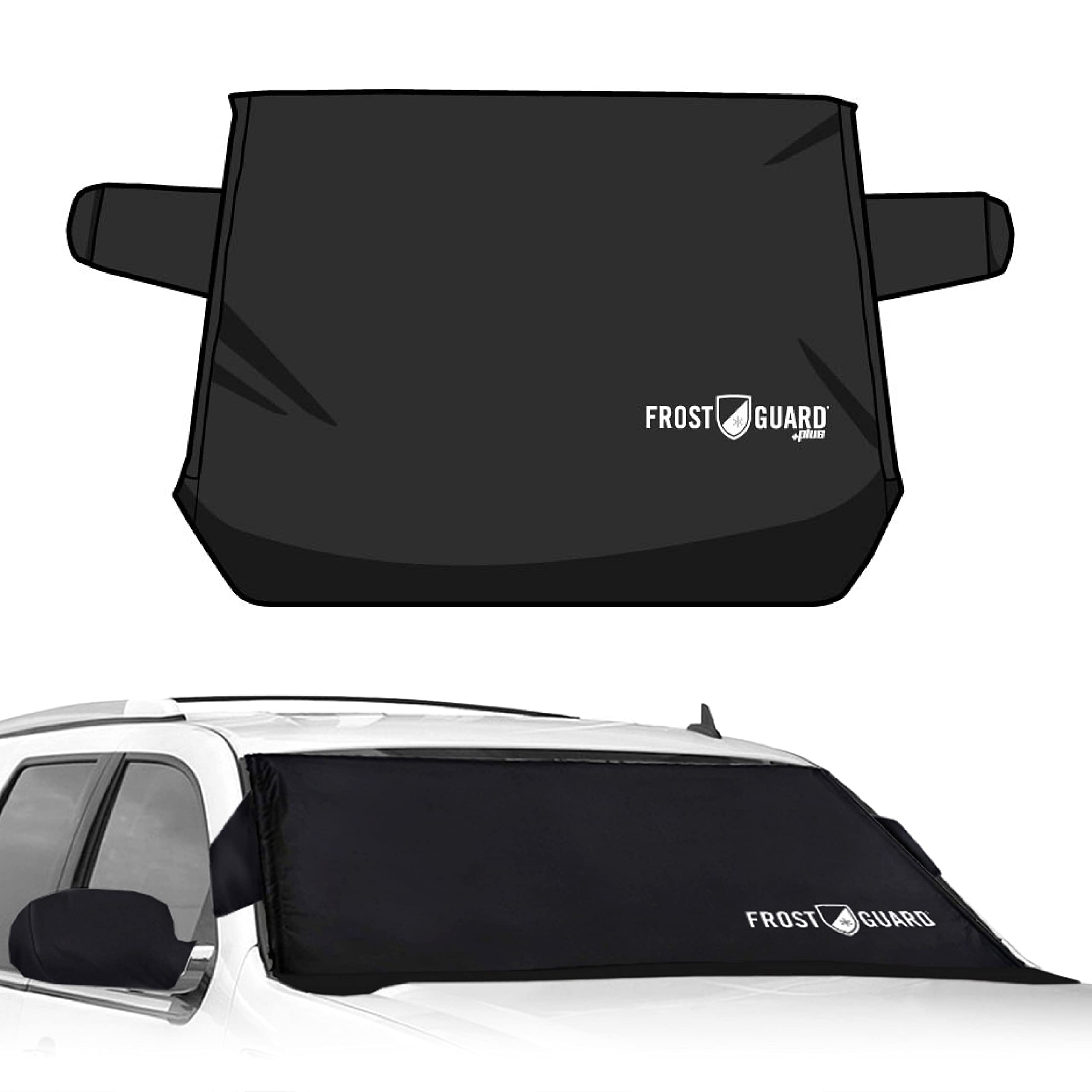
A dedicated cover is the closest thing to a total fix, and it’s what I reach for when the forecast says a hard freeze is coming. A FrostGuard or a generic windshield snow cover sits over the outside of the glass, usually tucked into the front doors and looped over the side mirrors so it can’t blow off. You pull it off in the morning, fold it up, and the glass underneath is clear — no scraping at all.
- ✦Magnetic covers that grab onto the steel body around the windshield (great on trucks and older cars, but keep them off aluminum panels)
- ✦Tuck-in covers held by closing the front doors on the edges (fits almost anything, and needs no magnets)
- ✦Half covers that only shield the windshield (quick to fit; add a matching mirror cover if your mirrors ice up)
- ✦Full front-end covers that also protect the wipers and hood (best for deep cold and snow, slower to put on)
Two things I learned the hard way: always brush loose snow and grit off the glass first, or dragging the cover across it will scratch the finish, and never fold one away wet and crumpled. Dry it over a chair in the garage or it’ll freeze into a stiff, unusable board by morning.
Cover the Glass With an Old Blanket or Cardboard
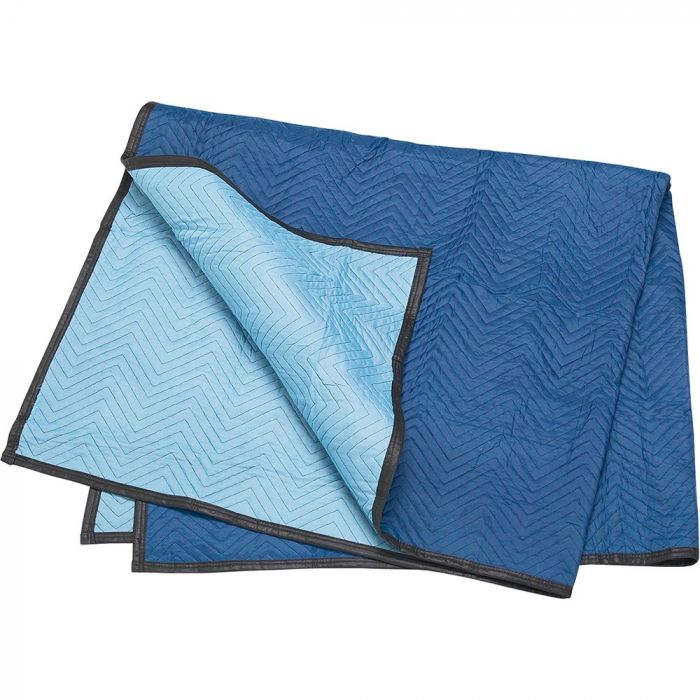
If you don’t want to buy anything, a barrier works just as well — it’s the same principle as the cover above, just improvised. Lay it flat over the windshield the night before and close the front doors on the edges to hold it in place. What matters is that the material is dry and heavy enough to lie flat.
- ✦An old moving blanket (my favourite — it’s heavy, fuzzy, and grips the glass)
- ✦A thick beach towel or a worn bath towel
- ✦A sheet of cardboard or a flattened box
- ✦A piece of old carpet or a cheap fleece throw
Use a dry material every time. A damp towel doesn’t just fail to help — it can freeze onto the glass and take a sheet of frost with it when you yank it off. Same reason I don’t bother with newspaper: it goes soggy and sticks.
Spray Rubbing Alcohol and Water the Night Before
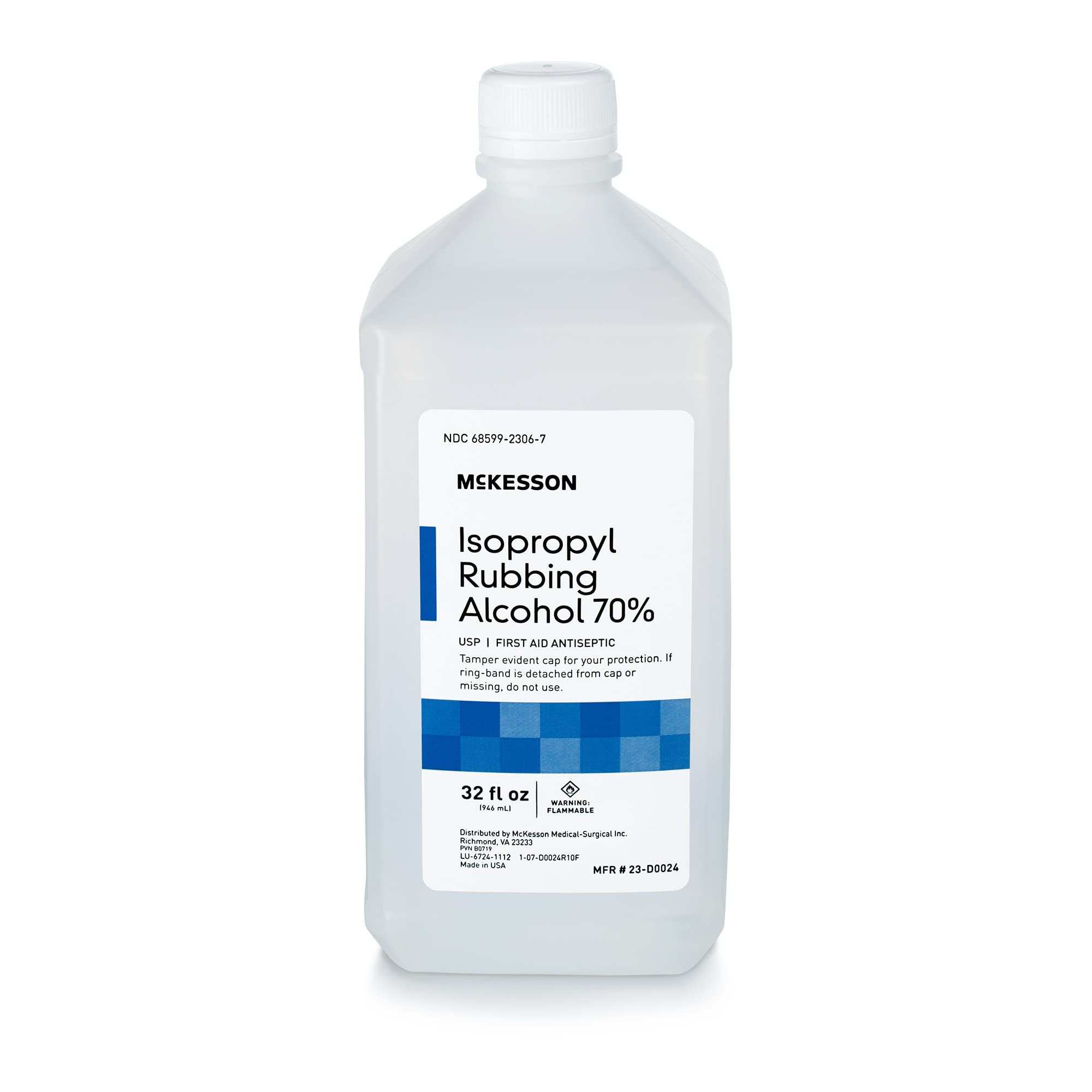
Rubbing alcohol has a much lower freezing point than water, and a light mist of it over the glass keeps the frost from ever properly bonding. In the morning it either hasn’t formed at all or it brushes away with almost no pressure. This is the spray I actually keep in the porch, and a $3 bottle of pharmacy isopropyl lasts a whole winter.
- ✦2 parts water to 1 part 70% isopropyl alcohol for ordinary hard frost
- ✦1 part water to 1 part 91% isopropyl alcohol when it’s dropping well below freezing
- ✦A tiny drop of dish soap per bottle if you want the mist to spread instead of beading
Spray a thin, even mist on the outside of clean glass and walk away. Keep it off the paint, the wiper rubber, and the trim — alcohol strips wax and dries rubber out over time — and don’t overdo it, because a heavy soak just runs off onto the driveway. It also doubles as a morning de-icer: mist it on and watch the ice release in seconds.
Spray White Vinegar and Water on the Glass
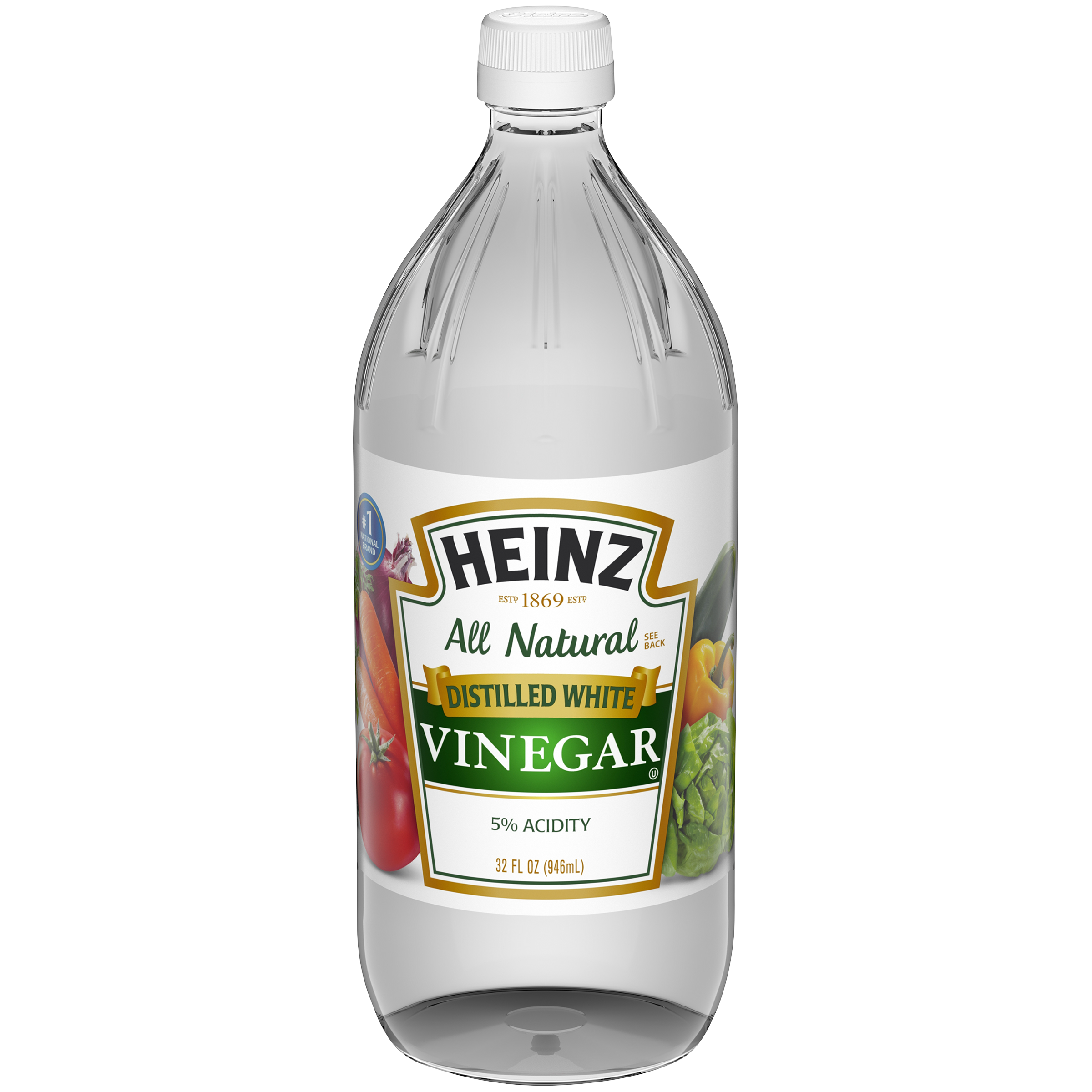
Vinegar is the pantry version of the same idea, and it does work — just more gently. A light spray the night before leaves a faintly acidic film that keeps frost thinner and far less stuck on, so what’s left wipes off with a cloth instead of a scraper. Mix roughly three parts water to one part white vinegar in a clean spray bottle and mist the outside of the glass.
Be honest with yourself about the limits: this handles light, powdery frost well and gives up on a real ice storm. Vinegar is also acidic, so keep it on the glass rather than spraying it over your wipers and paintwork, and don’t build up layers of it — a light mist is all you need. If the morning smells faintly of a fish and chip shop, you used too much.
Rub a Cut Potato Over the Windshield
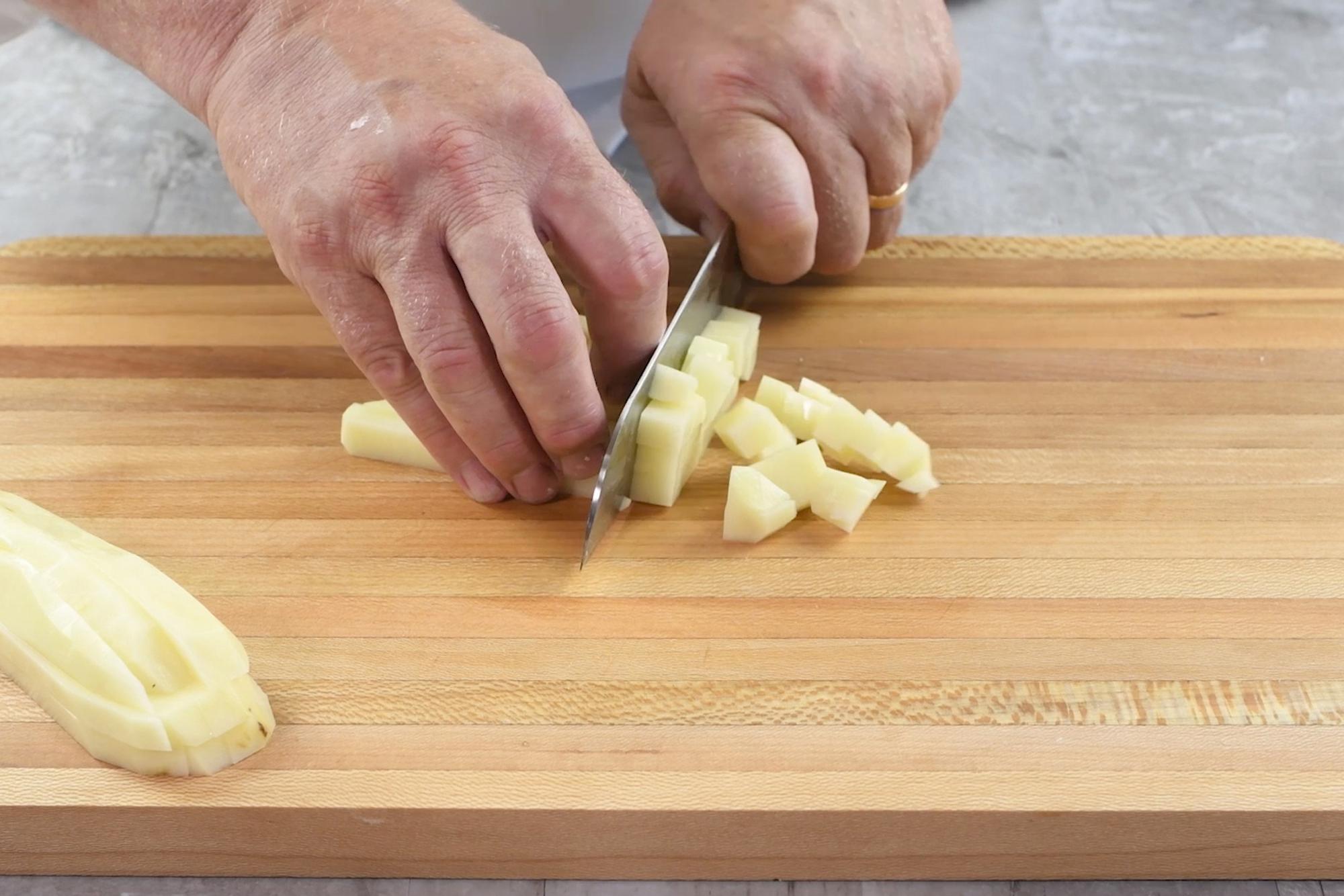
This is the old trick that sounds like nonsense and does something real. Slice a raw potato in half and rub the cut side all over the outside of the glass until it has a thin, slightly slick film on it. The starch and sugar leave a barrier that keeps the frost from gripping, so you get a light dusting you can clear with a wiper rather than a sheet you have to scrape.
Do it on glass you’ve already cleaned, and only use enough to leave a sheen — a thick coating just dries into a smear that hazes your view in the morning. Fair warning: it leaves a slightly sticky residue that picks up road film over a few days, so treat it as the occasional emergency trick rather than a nightly routine.
Cover Your Side Mirrors
The windshield gets all the attention, but iced-up mirrors and frozen door handles are what really slow you down — you can’t legally pull away with solid mirrors, and frozen locks are their own misery. Covering them takes ten seconds and saves a lot of hot-breath-and-fingers frustration.
- ✦Plastic grocery bags slipped over each mirror and secured with a rubber band
- ✦Old socks pulled over the mirror housing (surprisingly effective and they won’t blow away)
- ✦A cheap pair of shower caps with elasticated edges
- ✦Small purpose-made mirror covers, if you already carry a windshield cover
Take everything off before you drive — a stray plastic bag on the road is litter, and one over a mirror is a hazard. And if your locks freeze regularly, a shot of graphite lock lubricant or a light wipe of silicone on the door seals before winter starts does more than any cover.
Lift Your Wiper Blades Off the Glass
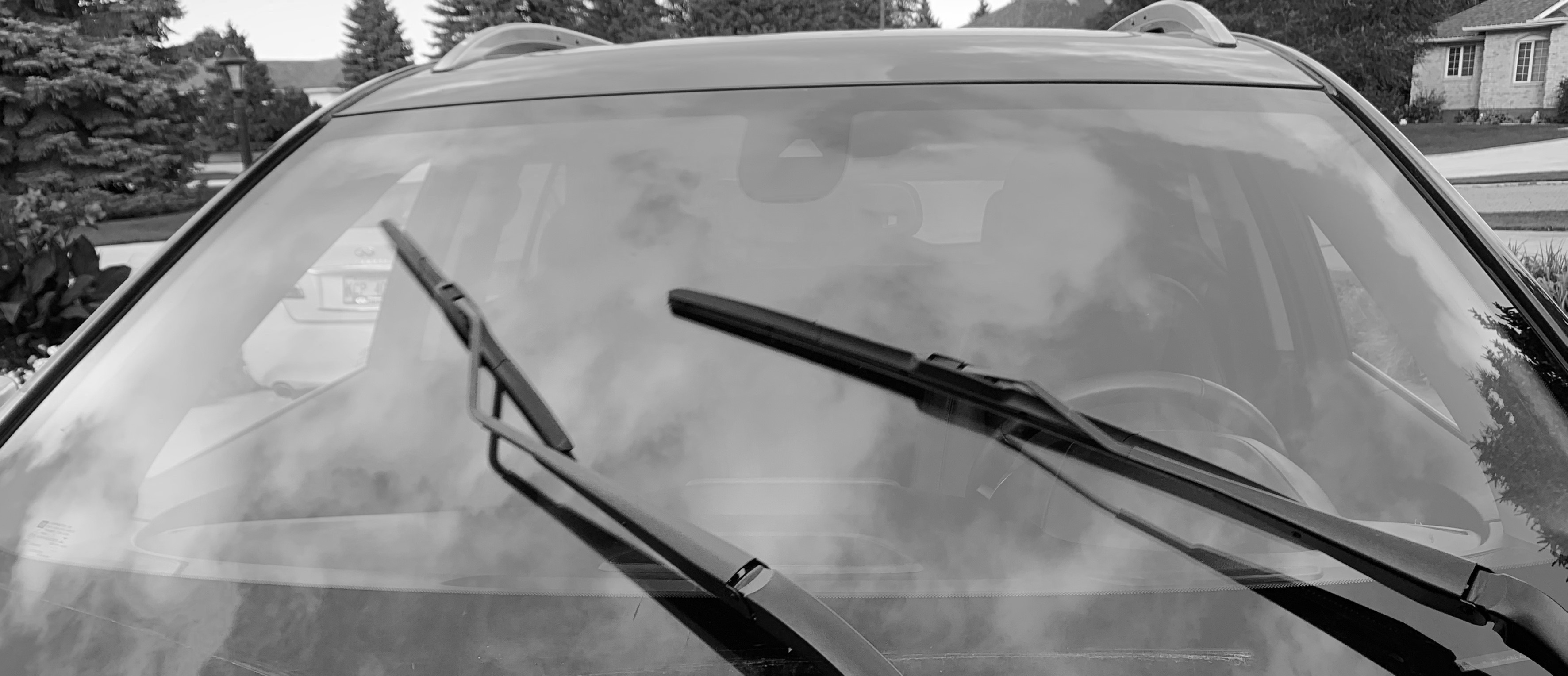
Freezing wiper blades stuck to the glass cause a surprising amount of damage: torn rubber, stretched arms, and — if you switch the wipers on without noticing — a burned-out wiper motor. Flicking the arms up the night before costs nothing and means the blades stay supple and ready to clear what’s left.
Do it gently and don’t let the arm snap back against the glass — that can crack a windshield, especially one with an old chip in it. If you park outside all winter, it’s worth swapping to winter wiper blades anyway: the rubber stays flexible in the cold and the frame sheds ice instead of clogging up. If your car’s wiper arms won’t lift because of a hood, just pull the blades away from the glass by hand as far as they’ll go.
Keep the Glass Squeaky Clean
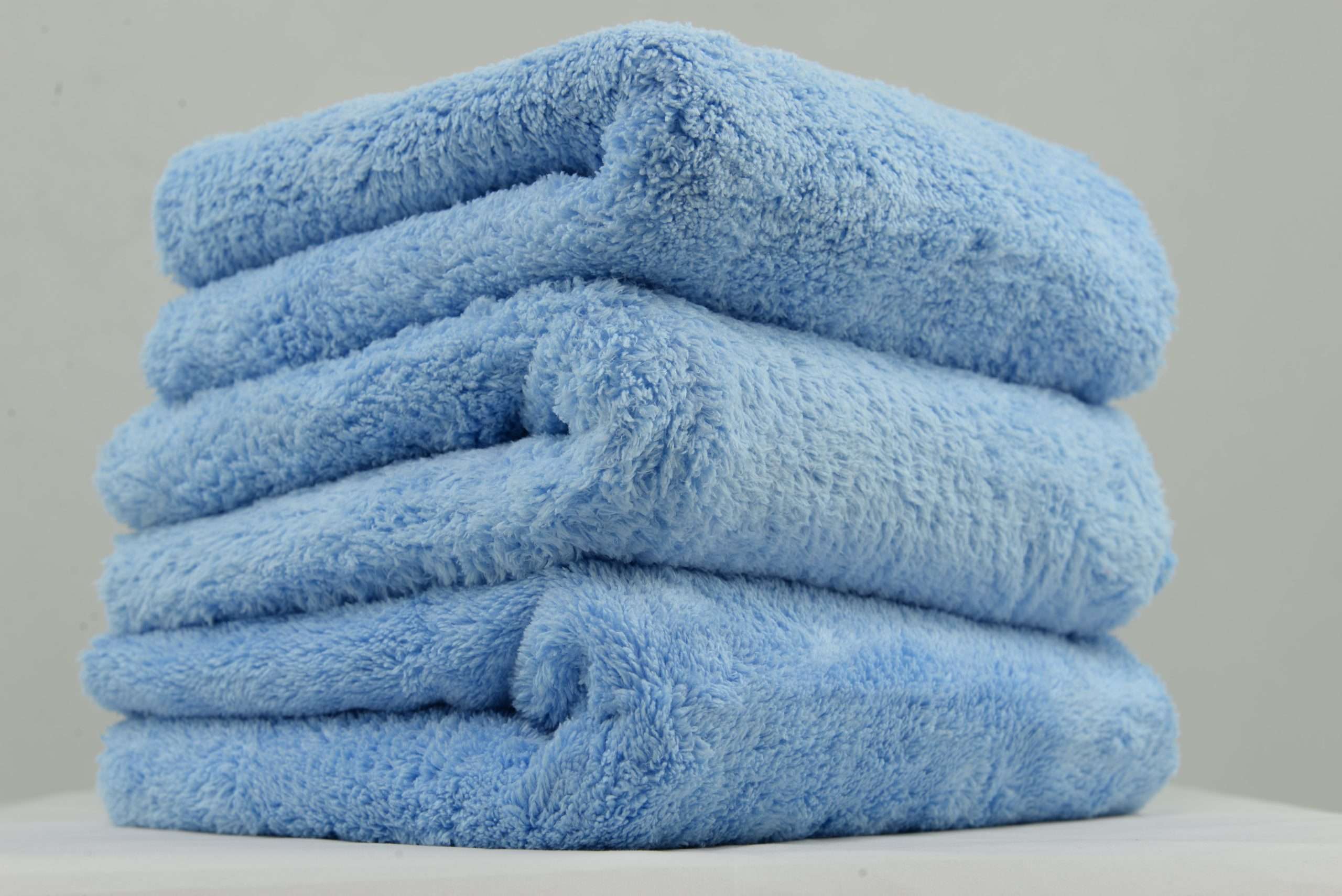
Frost bonds to dirt, bug film, and old wax far more stubbornly than it does to smooth, clean glass — and clean glass is easier to clear by a mile. Give the windshield a proper wash outside and in with a dedicated glass cleaner like Invisible Glass and a fresh microfiber towel, and get the greasy interior haze off too, since that’s what fogs up and refreezes on the inside.
Two extras earn their keep here. First, replace worn wiper blades — a nicked edge leaves streaks that freeze into lines. Second, a hydrophobic glass treatment such as Rain-X, applied to a spotless windshield, makes frost and slush release far more easily; just apply it properly and buff it dry, because a hazy application will chatter your wipers and smear at night.
Thaw It Slowly in the Morning
Sometimes it’s simply too late for prevention, and the only question is how to get moving without hurting the car. Start the engine, turn the heater to warm with the fan aimed at the windshield, and switch the air to fresh rather than recirculating — pulling in dry outside air clears the interior fog that keeps re-freezing on the glass. Give it five to ten minutes and the ice around the edges starts to release on its own.
What you never do is pour hot water on it. Glass expands fast at the point of contact while the rest of the pane stays frozen, and a windshield with even a tiny stone chip can crack instantly — it’s one of the most expensive “hacks” going.
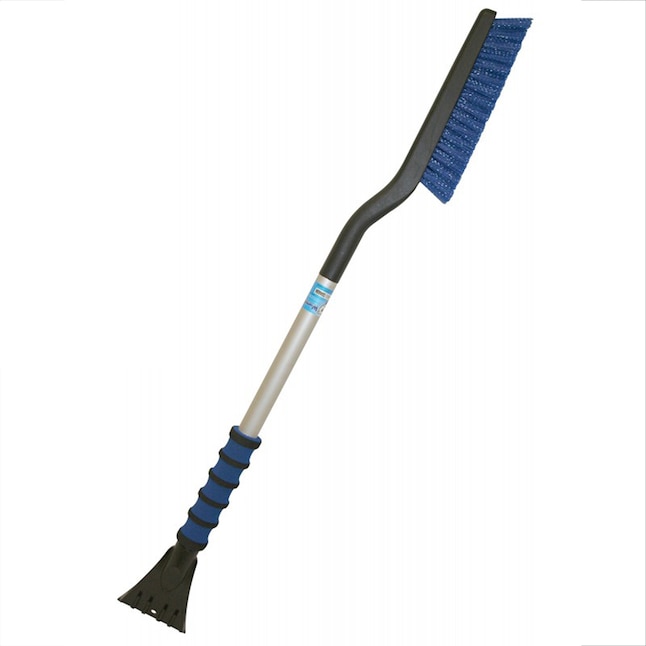
Even warm water is risky below about −10°C. Use a proper ice scraper with a soft brush edge, work from the top down, and let the defroster do the heavy lifting.
A remote starter makes all of this effortless if you’re already replacing your keys or fob this winter.
FAQ
[snow covered car]
Does spraying vinegar on your windshield keep it from freezing?
It helps, but it won’t stop a hard freeze outright. A 3:1 water-to-white-vinegar mist laid on clean glass the night before keeps the frost thinner and far less stuck, so it wipes away instead of needing to be chipped.
Is it safe to leave a blanket or towel on my windshield overnight?
Yes, as long as it’s dry and heavy enough to lie flat. A damp towel can freeze onto the glass and be worse than nothing, and always brush grit off first so you don’t drag it across the surface and scratch it.
Will pouring hot water on a frozen windshield crack it?
Very possibly, yes. The sudden temperature difference can shatter or crack the glass in seconds, especially if there’s an existing chip. Use your heater and a proper ice scraper instead, and give the defroster a few minutes to do the work.
Why does my car frost up even when it’s not below zero?
Air holds less moisture as it cools, so when the glass surface drops below freezing overnight, that moisture turns straight to frost even if the air temperature reads a degree or two above zero. Clear, still nights are the worst, because there’s no cloud to hold the heat in.
Pick one or two of these and make them part of your evening routine — parking the right way and lifting your wipers takes under a minute, and adding a cover or a spray on the nights when a freeze is forecast covers everything else. Come morning, you’ll be scraping a lot less and leaving on time.
Leave a Reply