
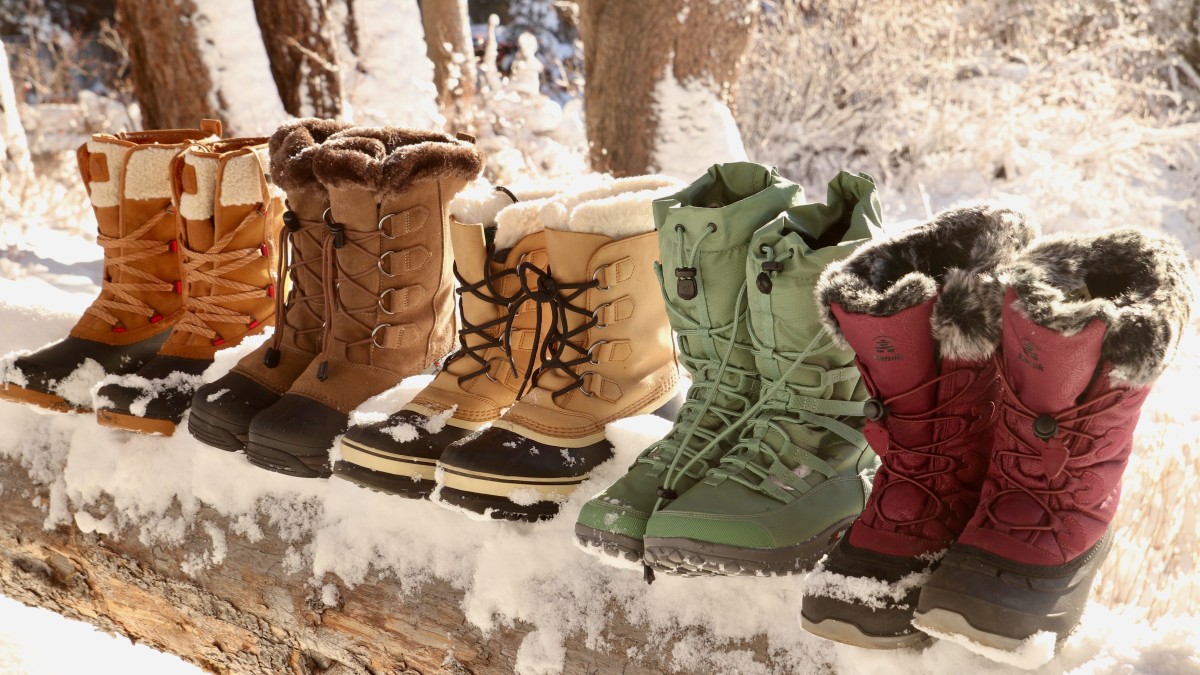
Nothing wrecks a good pair of winter boots faster than the smell that builds up after a few weeks of slush, salt, and sweaty commutes. The good news is that odor is almost always a moisture-and-bacteria problem, not a “your boots are ruined” problem, which means it responds to very ordinary fixes. Below are the ten things I actually do to keep my Sorels and Blundstones smelling like nothing at all — a few daily habits up front, then the treatments that rescue a pair that’s already gone bad.
Dry Your Boots Completely After Every Wear
Wet lining is the whole problem. Snow gets in around the cuff, sweat soaks the insole, and if that moisture sits overnight the bacteria have a perfect warm place to multiply — which is what you’re actually smelling. Every other fix on this list works better if you simply start by getting the boots bone dry each night.
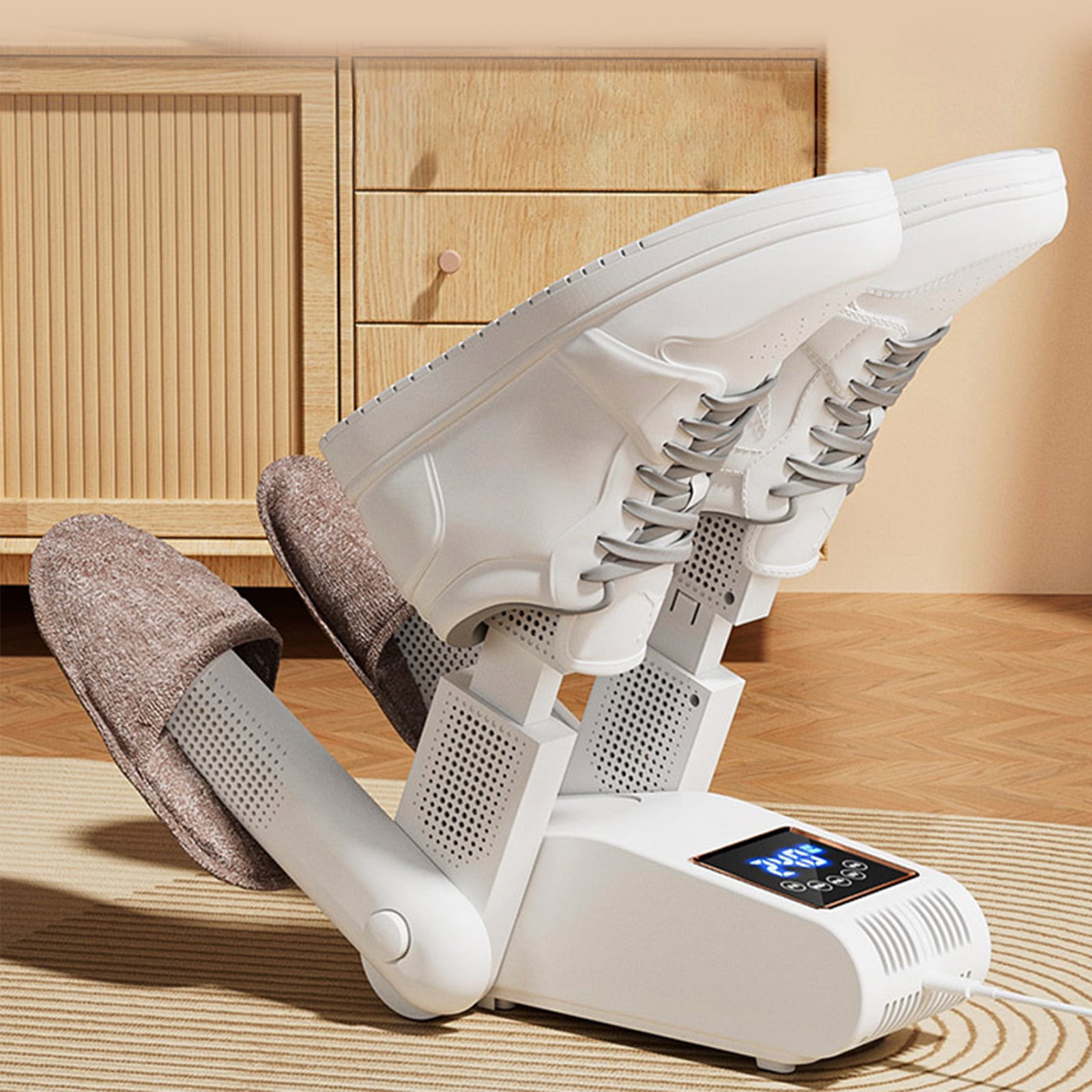
The cheapest version is to pull out the insoles, open the boots wide, and set them near (not on) a radiator or heat vent for a few hours. If you’re in and out of wet boots daily like I am, an electric boot dryer is worth the $30–$50: the Peet Original or a DryGuy Force Dry plugs in overnight and pushes warm air up through the shaft without getting hot enough to crack leather or melt glue seams. Never blast boots with a hair dryer or set them right on a heating pad — high direct heat shrinks leather and warps the sole plate.
How long should boots dry before wearing them again?
Long enough that the lining feels room-temperature and dry to the touch all the way down into the toe box — usually overnight with a dryer, or a full day of air-drying in a warm room. Damp inside means the smell comes right back.
Switch to Merino Wool or Moisture-Wicking Socks
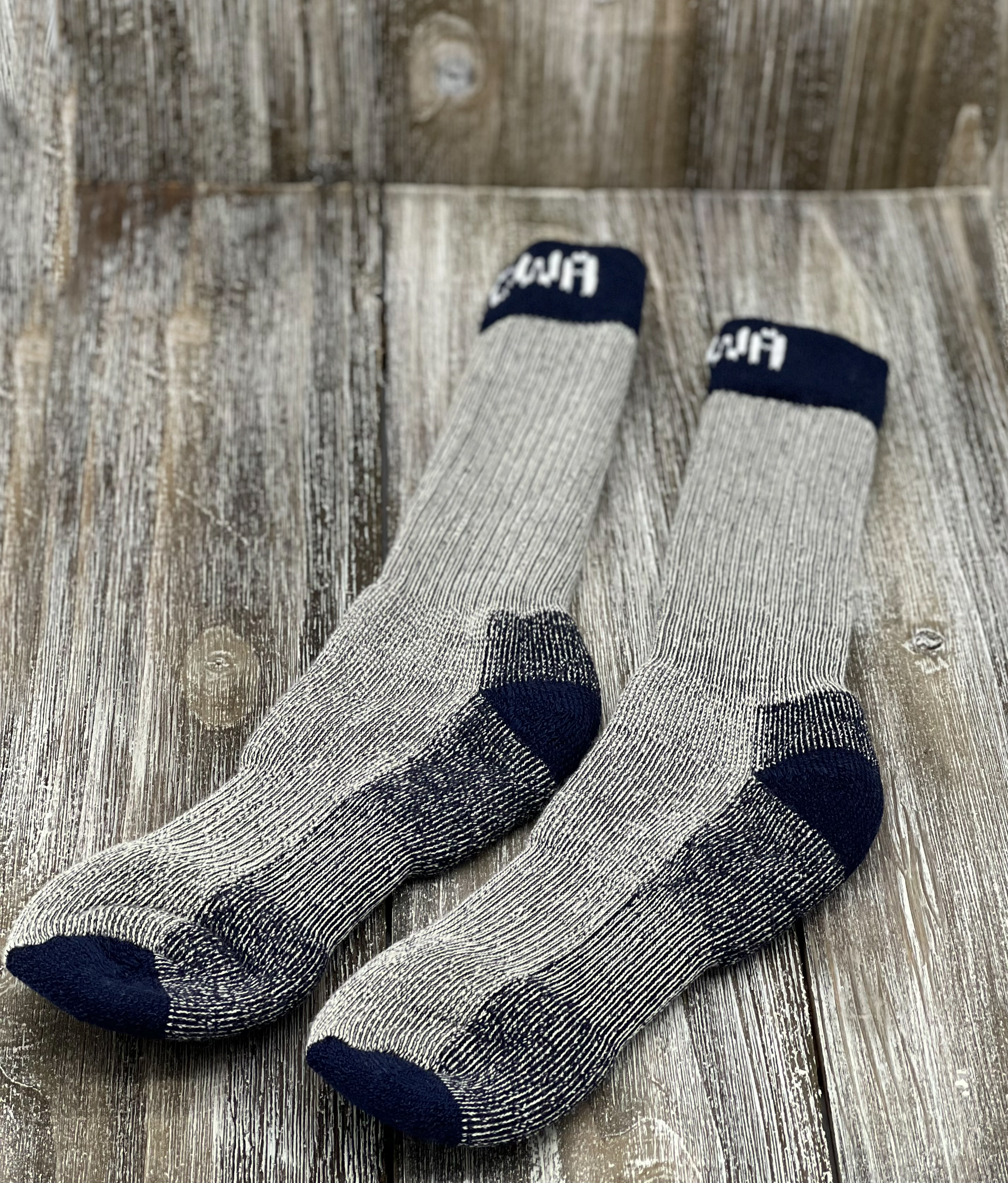
Cotton socks are the sneaky villain here. Cotton holds moisture against your skin all day and transfers it straight into your boot lining. Merino wool moves that sweat away and dries fast, and it’s naturally more resistant to odor-causing bacteria, so your feet and your boots both come out better.
Look at Darn Tough or Smartwool mid-weight hiking socks — they’re cushioned enough for winter boots and last for years. Synthetic athletic socks with moisture-wicking fabric (Nike Dri-Fit, Under Armour) work in a pinch.
What you want to avoid is a thin cotton dress sock under a lined boot, and definitely don’t wear the same pair two days running. If your feet run hot, pack a spare pair and change at lunchtime on slushy days; that one habit alone has saved me.
Rotate Between Two Pairs of Boots
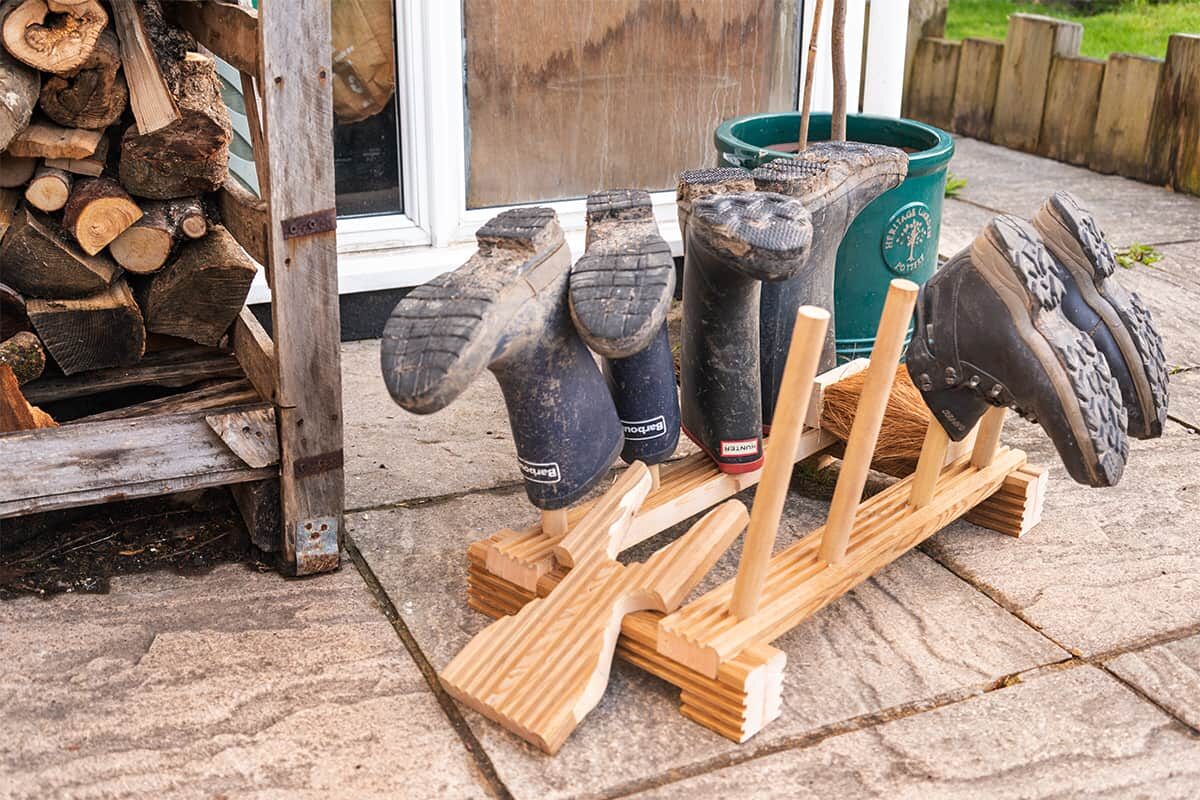
A boot worn every single day never gets a chance to fully dry out, so the smell compounds week over week. Two pairs, alternated, give each one a full 48 hours to air out and rebound — and the foam in the insole stops packing down as fast, so the boots last longer too.
It doesn’t have to be two identical pairs. I rotate between one heavy snow boot and one lighter ankle boot and just match them to the weather. Keep them on an open rack rather than in a closed rubber bin or the bottom of a closet; airflow is doing most of the work on the off-day.
Sprinkle Baking Soda Inside Overnight
Baking soda neutralizes odor instead of masking it, and it’s cheap enough that you can do this every week all winter. Fill the boot, let it sit overnight, then shake it out thoroughly in the morning. Arm & Hammer is all you need — buy the big orange box and keep a spoon in it just for this.
Two practical warnings from experience: powder the boots only when they’re completely dry, or you’ll end up with a pasty residue caked into the lining. And shake harder than you think you need to; leftover baking soda in the toe will dust your socks white. If you hate the mess, pre-fill a few old cotton socks with baking soda and tie them off to make drop-in sachets.
Slip Cedar Shoe Trees In While They’re Warm
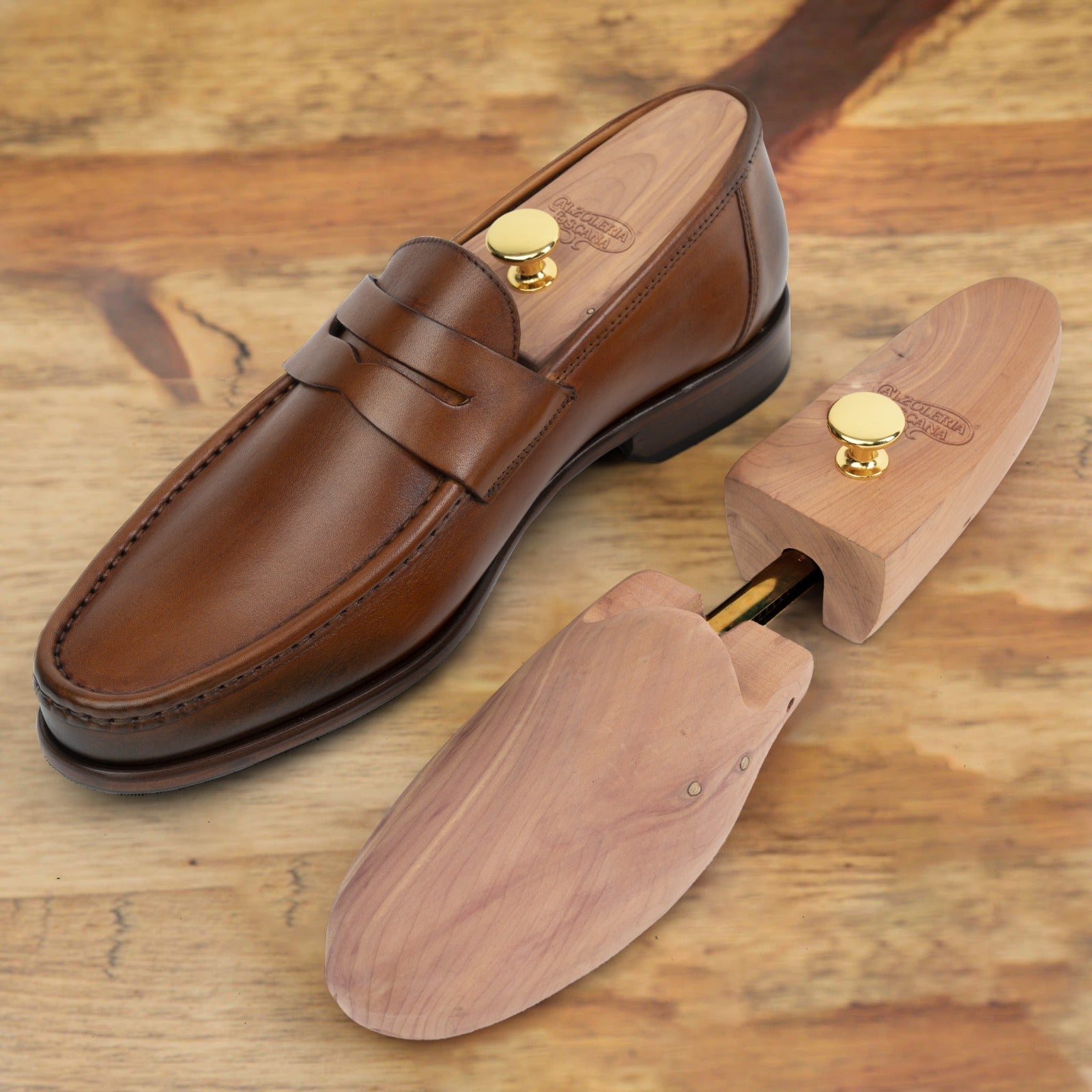
Cedar is naturally antimicrobial and it wicks moisture out of the lining as it dries, which is exactly the two-pronged attack you want. Putting the trees in right after you take the boots off — while they’re still warm and damp — pulls out several times more moisture than dropping them in cold the next morning.
Solid cedar shoe trees with a spring-loaded toe (Cedar Elements, Woodlore) are the nice version. If your boots are tall or oddly shaped, plain cedar blocks or a couple of cedar balls tucked to the toe do nearly as much good for a few dollars.
One thing cedar won’t do: it can’t fix a lining that’s already deeply saturated with sweat and grime. That needs the cleaning steps below.
Freeze the Boots Overnight
Bacteria hate cold, and a night in a deep freeze knocks the population back enough to kill a smell that airing out won’t touch. Seal the boots in a plastic bag first — this keeps freezer moisture off the leather and keeps your food away from your boots — and leave them 8 to 12 hours. I’ve done this with felt-lined Sorels and with shearling boots and both came through fine.
Take them out and let them come to room temperature before you open the bag, otherwise condensation forms on the cold lining and you’ve added new moisture to the problem. This is a reset, not a cure: it buys you weeks, not a season, so pair it with the drying and sock habits.
Wipe the Lining With Rubbing Alcohol
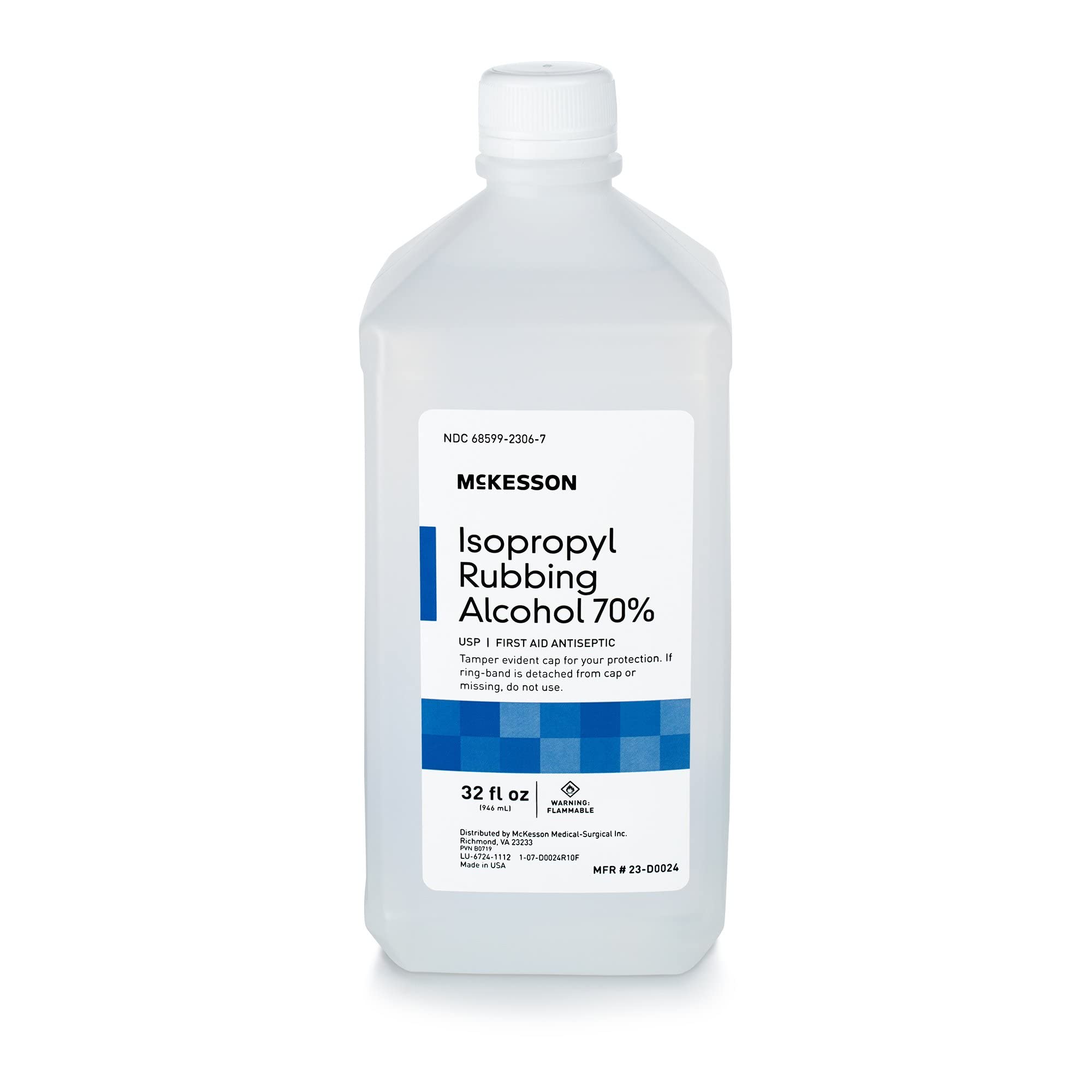
Isopropyl alcohol (70% is plenty) kills the bacteria on contact and evaporates fast, so it’s the fastest way to treat a lining that’s already funky. Dampen a cloth, wipe down the inside thoroughly — especially the footbed and the seam where the sole meets the upper — then let the boot air dry completely with the tongue pulled forward.
A 50/50 white vinegar and water spray works on the same principle and is gentler on shearling and wool linings; spritz, don’t soak. What to watch out for: alcohol can dry out and lighten some leathers and dyes, so keep it strictly on the inside and test a hidden spot first. Skip anything with bleach, which will eat the lining adhesive.
Can I spray disinfectant inside my boots?
Yes — a light mist of Lysol Disinfectant Spray or a dedicated shoe spray like Dr. Scholl’s Odor-X is fine between wearings. Just spray the lining, let it dry fully, and don’t drench it; wetting the lining resets the whole moisture problem.
Wash or Swap Out the Insoles
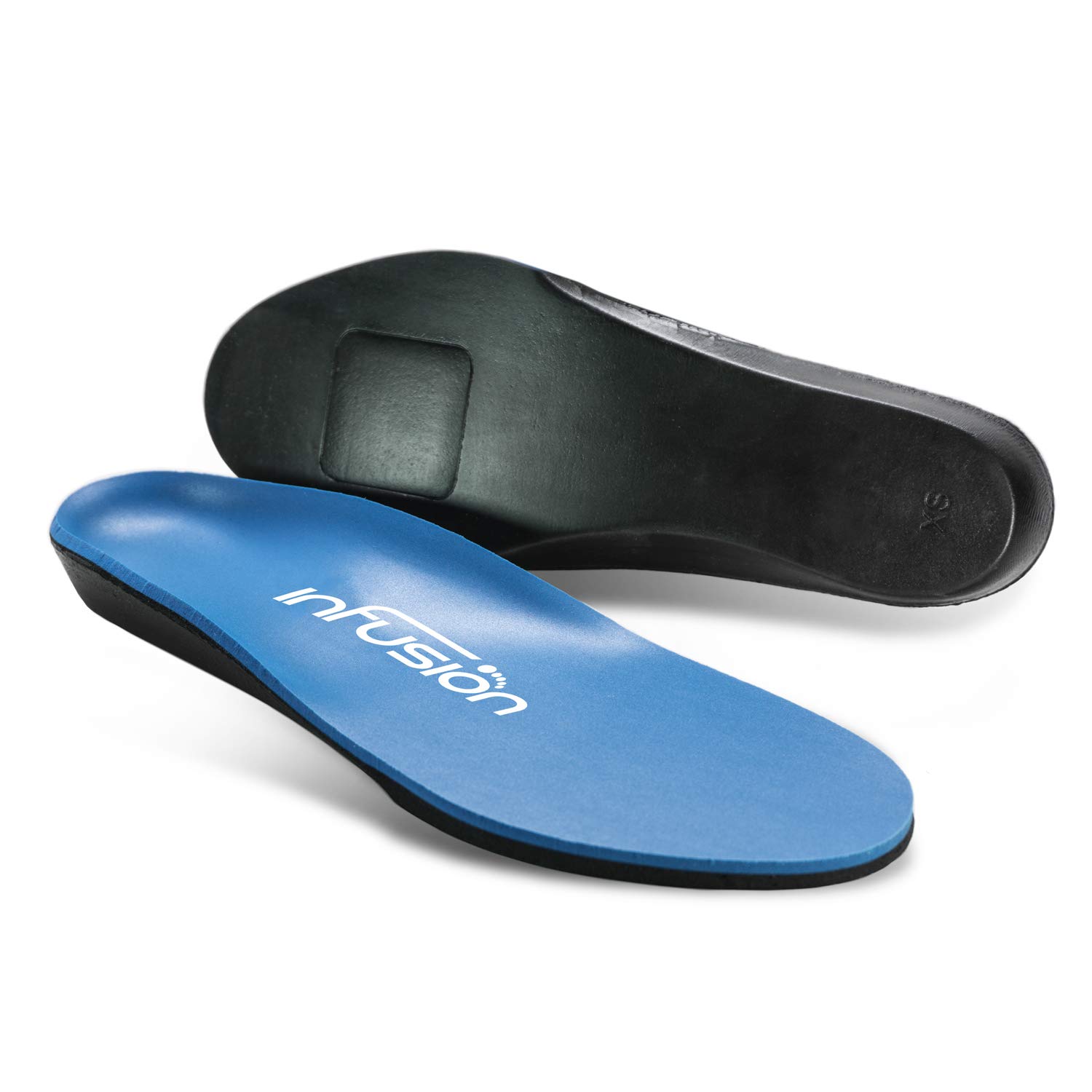
The insole takes the brunt of every sweaty day, and once it’s compressed and saturated it holds odor no amount of surface spraying will release. If yours are removable, pull them out weekly in winter and wash them in warm soapy water with a splash of OxiClean, then air dry flat. Never machine-dry them — the foam warps.
If they still smell after washing, they’re done. Replace them with odor-control insoles: Sof Sole Fresh, Dr. Scholl’s Odor-X, or a plain wool felt insole if you want natural fibers. It’s a $10–$15 fix that makes an old pair of boots feel new, and it’s the single most effective thing I’ve found for boots that already smell.
Drop in Dry Tea Bags

Tea leaves absorb moisture and the tannins in black tea are mildly antibacterial, so a couple of dry tea bags per boot quietly do both jobs while the boots sit. Use cheap plain black tea bags — Lipton or store brand — and leave them in overnight or even all week. Just make sure they’re bone dry when they go in.
The catch is that they only work on mild to moderate odor and only on a dry boot. Damp tea bags are useless and can stain light linings, so if a boot is wet, dry it first and use fresh bags. Green tea works too but smells faintly floral, which some people love and some people don’t want in a boot.
Stash Activated Charcoal Bags in Them
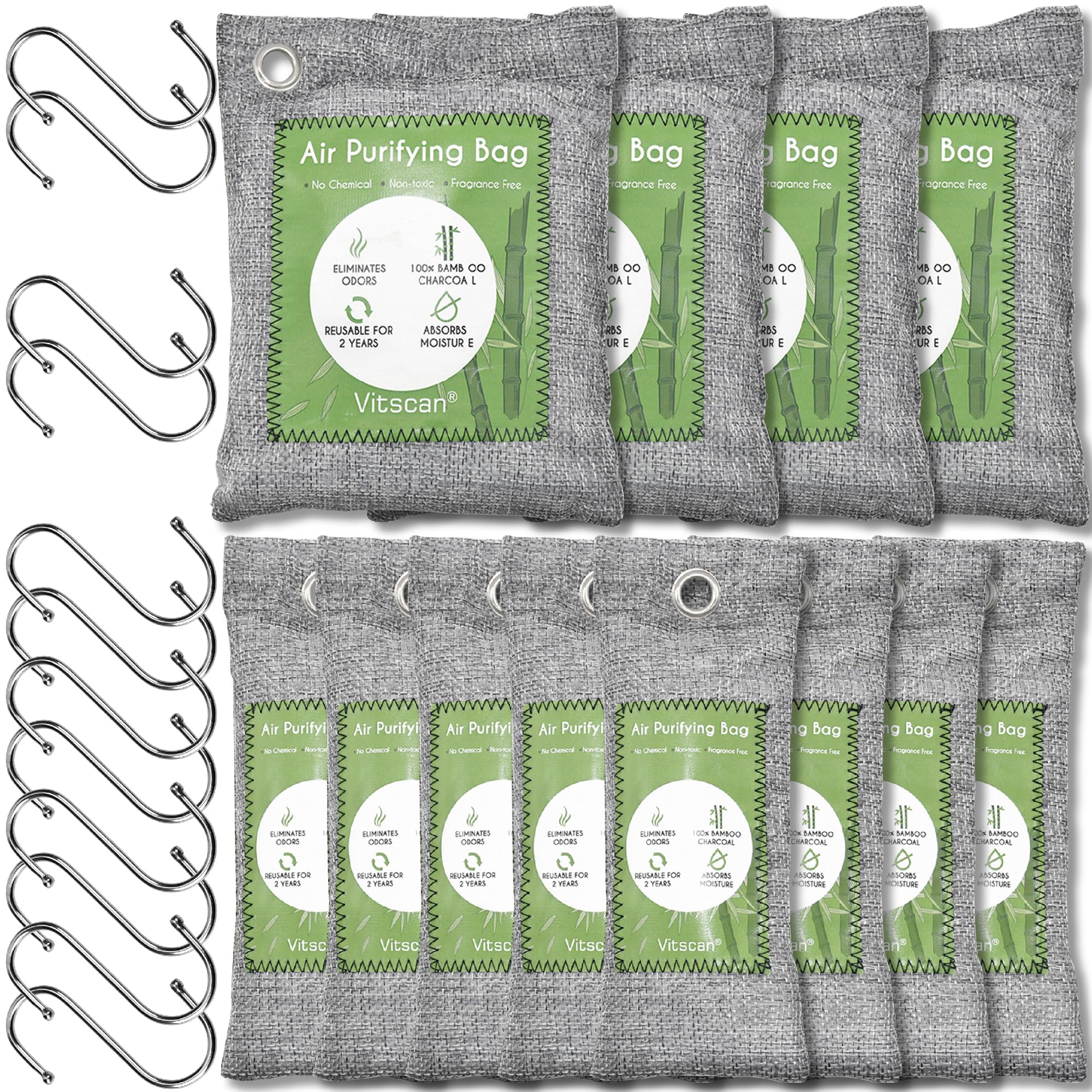
Activated charcoal adsorbs odor molecules rather than covering them up, which makes it the quietest, most low-effort option for ongoing maintenance. Small resealable bags of charcoal (Moso Natural makes them in exactly the right size) drop into the toe and stay there for weeks.
Set them in the sun for an hour every month or so to recharge the charcoal, and replace the bags about every two years. Like tea bags, charcoal is best for prevention and mild smells — it won’t rescue a boot that’s already sour on its own. Pair it with one of the cleaning steps above and then keep it in as insurance.
FAQ
How do I get rid of the smell in my winter boots fast?
Fastest combination: pull and wash the insoles, wipe the lining with rubbing alcohol, and let the boots dry completely overnight with a boot dryer or near a heat vent. Then toss in baking soda or charcoal for the next wear. That handles both the bacteria and the moisture in one pass.
Is it okay to put baking soda in boots every day?
Yes, it’s safe for leather, fabric, and lining — just shake the boots out thoroughly and only powder them when they’re dry. Daily use is fine in heavy winter rotation; once or twice a week is enough if you’re also drying them properly.
Can you put winter boots in the washing machine?
Usually not. The agitation and heat break down waterproof membranes, adhesives, and shearling, and the boot can come out misshapen. Hand-wash the insoles and spot-clean the lining instead, unless the manufacturer explicitly says machine washable.
How often should you replace boot insoles?
Once a season if you wear the boots most days, or whenever they stop bouncing back or still smell after a wash. They’re cheap enough that treating them as a consumable is the smart move.
Winter boots take a beating, and smell is just what happens when wet, warmth, and time meet inside a lined shaft. Dry them every night, keep the socks synthetic or wool, and reach for one of the absorbers or cleaners above when something slips — and you’ll get through the whole season without ever being the person taking their boots off at a party.
Leave a Reply