
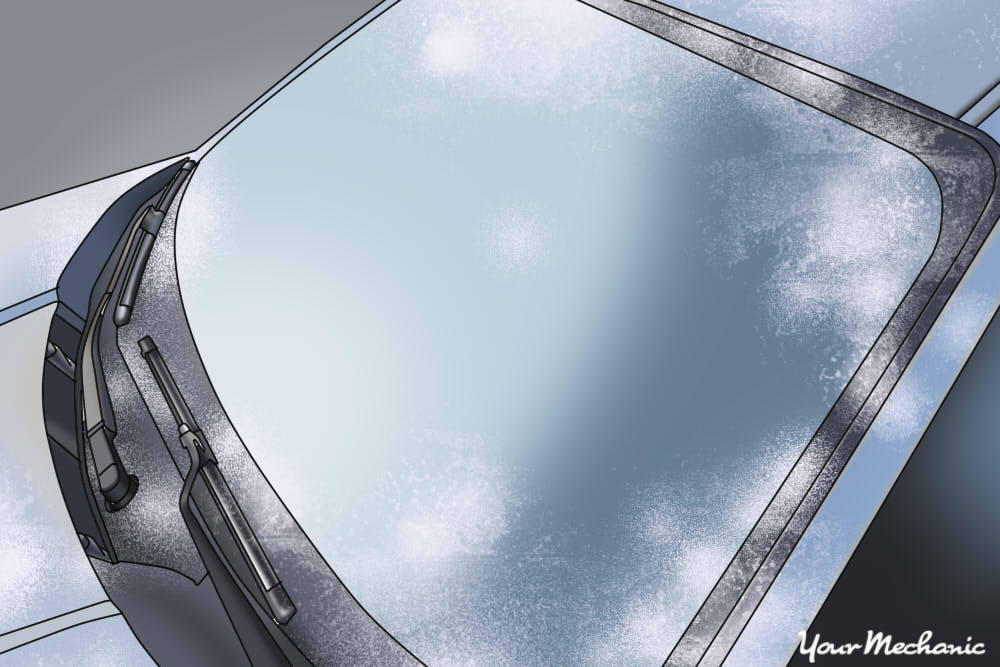
Frost on your windshield is one of those small winter frustrations that can derail your whole morning. You’re already running late, your coffee’s getting cold, and now you’re standing in the driveway chipping away at a sheet of ice with a plastic scraper that’s barely doing the job.
There’s a better way. These eight methods will clear your windshield fast — no scraper required — and a couple of them will keep the frost from forming in the first place.
1. Spray a DIY Rubbing Alcohol De-Icer
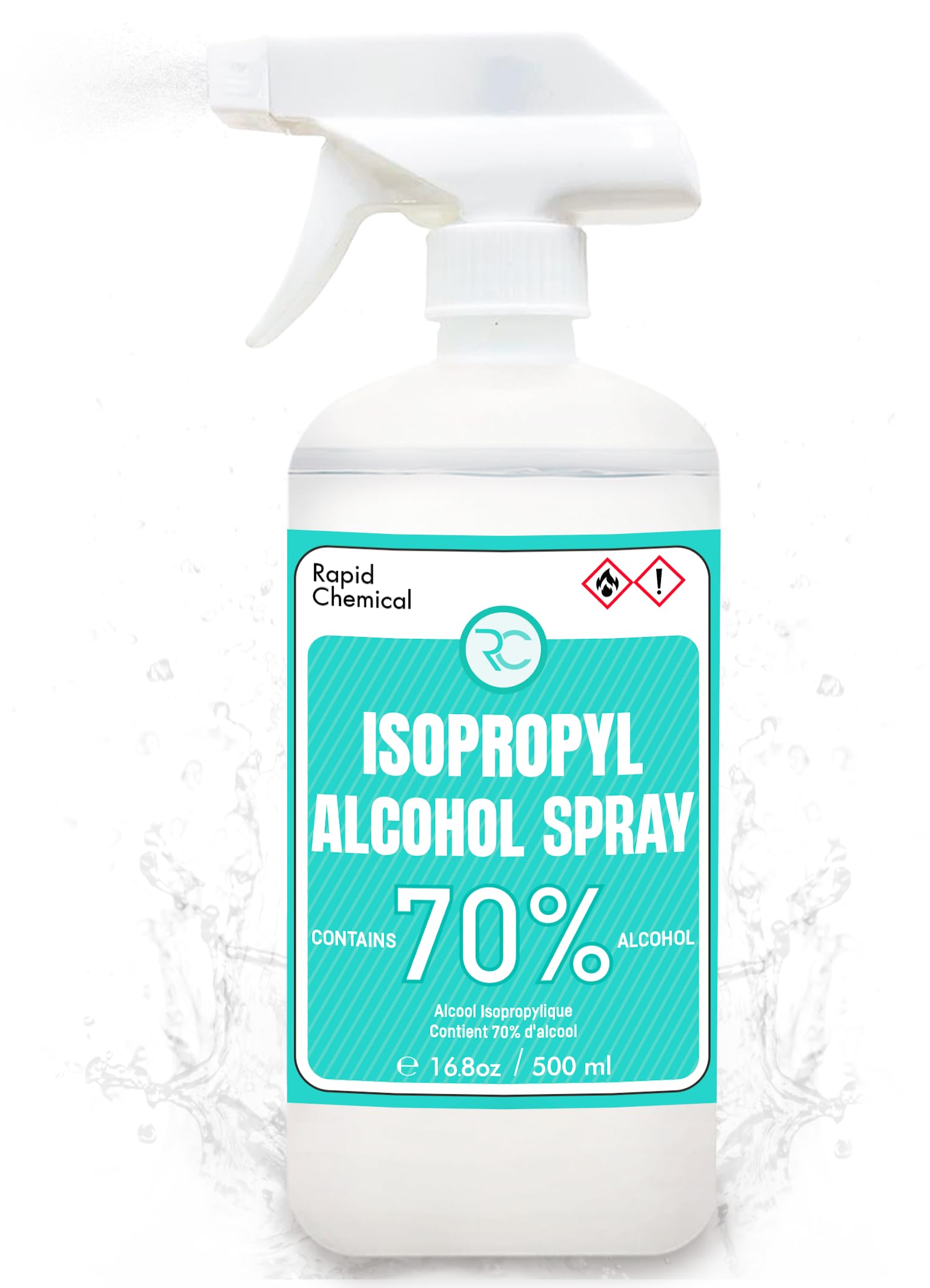
This is the cheapest and most reliable trick I’ve come across. Rubbing alcohol has a freezing point of about -128°F, so when you mix it with water and spray it on frost, the ice melts almost instantly.
Mix two parts 70% isopropyl alcohol (the kind from any pharmacy) with one part water in a clean spray bottle. A standard 16-ounce bottle of rubbing alcohol costs a dollar or two, and it’ll make enough solution to last you all winter.
Spray it generously across the windshield, starting at the edges and working inward. Give it 30 seconds to a minute, then turn on your wipers — the frost will slide right off.
One heads-up: don’t spray it on a hot windshield or right after your defroster has been running for a while, since the rapid temperature change isn’t ideal for the glass. Cold glass with cold solution is fine.
Keep the bottle inside your house rather than in the car, or it’ll be just as cold as the windshield when you need it.
2. Use a Commercial De-Icer Spray
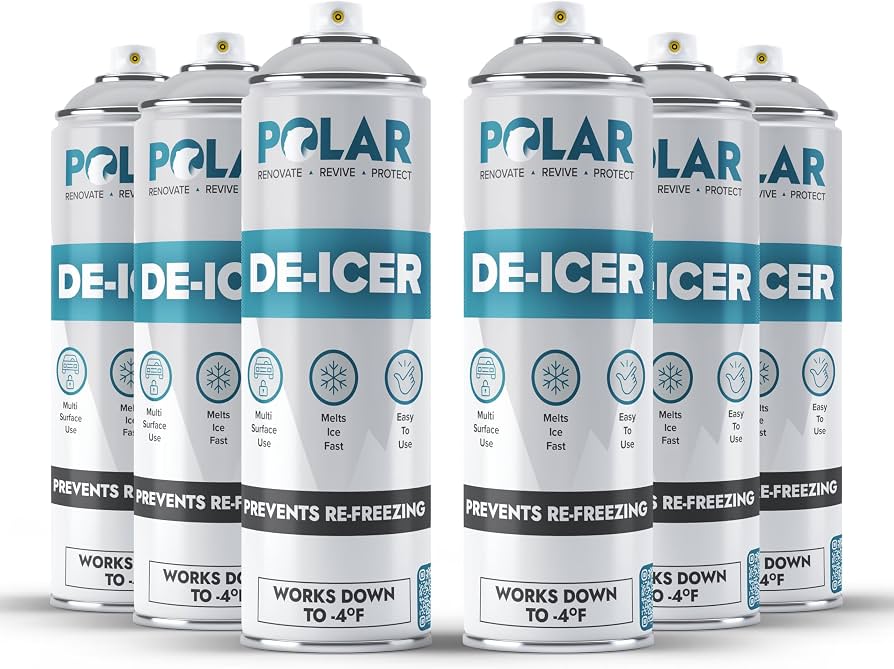
If you’d rather grab something ready-made, there are solid de-icer sprays on the shelf at any auto parts store. These work on the same principle as the DIY version — they contain alcohol or glycol compounds that lower the freezing point of the ice on contact — but they’re formulated to be a bit more concentrated and often include additives that help prevent refreezing. A few worth picking up:
- ✦Prestone Windshield De-Icer — the most common one you’ll find, works fast on moderate frost
- ✦CRC Ice-Off — slightly stronger formula, good for thicker ice buildup
- ✦Blaster Ice Blaster — comes in a bigger can, a solid value if you deal with frost daily
- ✦Rain-X De-Icer — leaves a slight water-repellent film, so your windshield stays clearer longer
Hold the can about six to eight inches from the glass and spray evenly. Most of these work within 30 seconds. The main downside is cost — if you’re buying a can every few weeks through a long winter, it adds up, which is why I usually make the DIY version and keep a commercial can as a backup in the glovebox.
3. Pour Lukewarm Water Carefully
When you need your windshield clear in under a minute and you don’t have any spray on hand, lukewarm water will do the job. Fill a large pitcher or bucket with water that feels comfortably warm to the touch — not hot, not steaming, just noticeably warmer than the frost itself.
Pour it slowly and steadily across the glass, starting at the top and letting it run down. The ice loosens and melts on contact.
The key word is lukewarm. This method gets a bad reputation because people grab boiling water from the kettle, and that’s how you end up with a cracked windshield.
The thermal shock from water that’s too hot against frozen glass can cause it to fracture, especially if there’s already a small chip. Your water should feel like a warm bath, nothing more.
Also, have your car running with the defroster on while you pour, because if the glass is still freezing cold underneath, new frost can start forming within minutes.
Is lukewarm water safe for all windshields?
Most modern laminated windshields handle lukewarm water fine. The risk goes up if you have an existing crack or chip — even moderate temperature changes can spread damage. If your windshield already has a flaw, skip this method and use a spray instead.
4. Try the Warm Water Bag Trick
This one went viral a few years ago, and I’ll admit I was skeptical until I tried it myself on a particularly brutal January morning. Fill a large zip-top bag (a gallon freezer bag works best) with warm — again, not hot — water.
Seal it tight and hold it by the top edge, then glide it slowly across the windshield surface. The warmth from the bag melts the frost on contact without you ever having to pour liquid directly on the glass.
It’s surprisingly effective for thicker ice, where a spray might need multiple passes. The bag conforms to the curve of the windshield and lets you apply steady, even pressure.
One bag of warm water cleared my entire windshield in about two minutes. Just make sure the bag is sealed well — I once used a cheap sandwich bag and ended up with water running down the inside of my dashboard.
Use a freezer bag, double-check the seal, and you’re set.
5. Run Your Defroster the Right Way
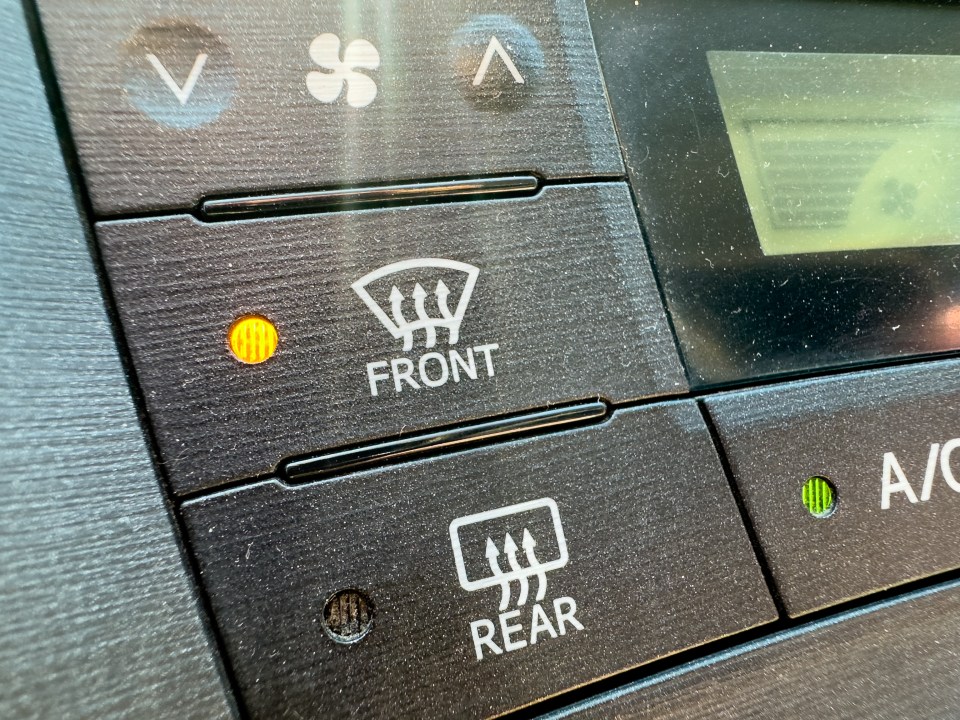
You already know to hit the defrost button, but most people don’t use it in a way that actually clears the glass quickly. There’s a right way to do this that cuts your wait time significantly.
Start the car, crank the heat to full, and make sure the airflow is directed to the windshield vents (the defrost icon on your climate control). Then do the following:
- ✦Turn on the A/C. It sounds counterintuitive, but the air conditioner removes moisture from the air, which dries out the glass faster and prevents fogging once the frost melts.
- ✦Crack two windows about an inch. This lets the cold, moist air escape the cabin so the heater can work more efficiently.
- ✦Turn off recirculation. You want fresh outside air coming in, not the same humid cabin air cycling through.
- ✦If your car has a heated windshield, turn that on too. Some newer vehicles have a wire grid embedded in the glass — it’s the fastest defrost method that exists, and most people don’t even know they have it. Check your owner’s manual.
If you have remote start, use it. Even starting the car five minutes before you head out makes a huge difference. The defroster alone won’t clear a thick sheet of ice in seconds, but paired with one of the spray methods above, it makes the process nearly effortless.
6. Rub on Hand Sanitizer
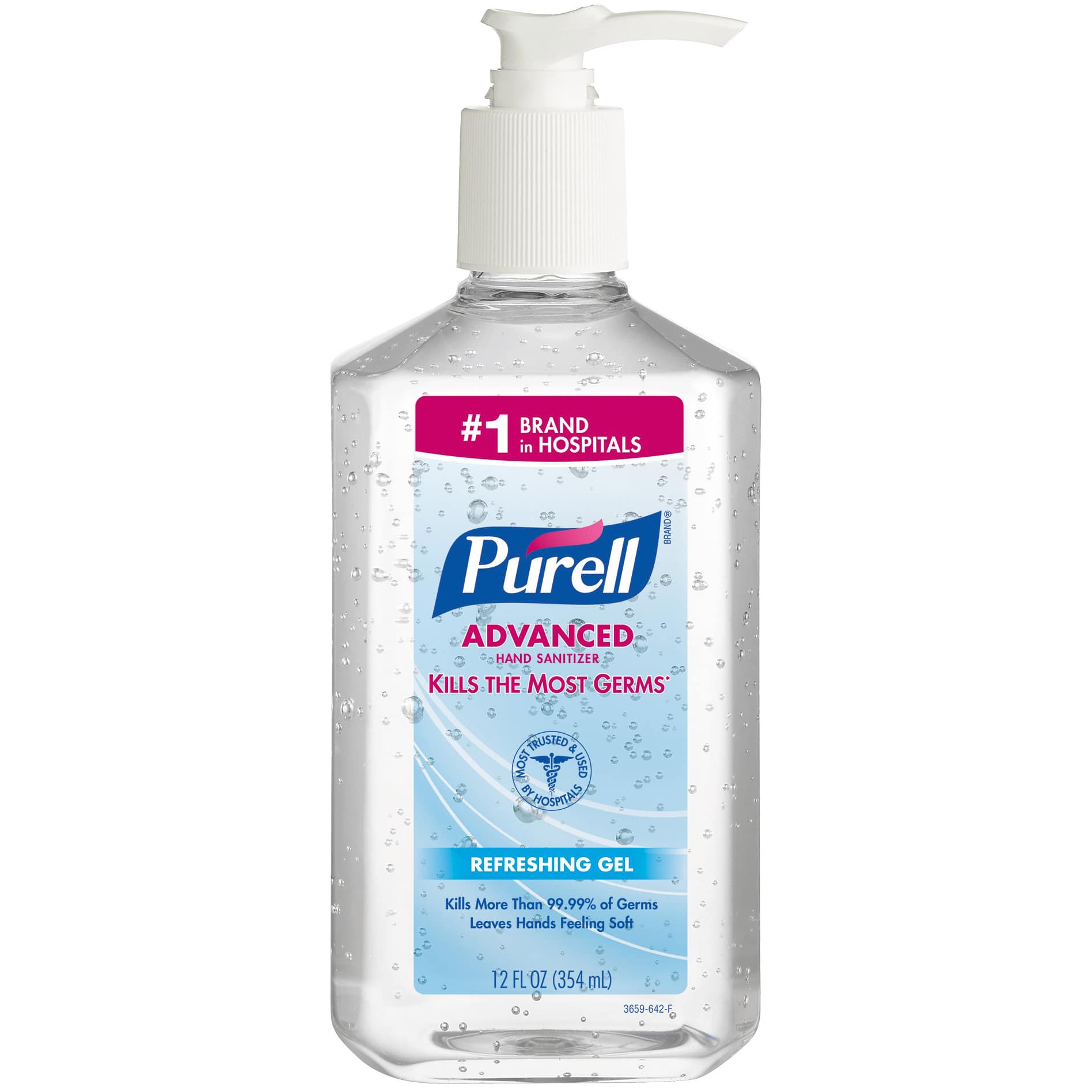
This one’s more of a light-frost fix than a heavy-ice solution, but it works in a pinch when you don’t have anything else around. Most hand sanitizers are 60-70% alcohol, which means they lower the freezing point of any moisture on the glass the same way the DIY spray does.
Squeeze a generous amount onto a microfiber cloth or even a paper towel and wipe it across the windshield. The frost dissolves within seconds.
I keep a travel-size bottle in my center console for exactly this reason. It’s not going to cut through a quarter-inch of solid ice — for that, you need a spray or the warm water method — but on those mornings where there’s just a thin glaze of frost and you need to get moving, it’s the fastest option that requires zero prep. One note: gel-based sanitizers can leave a slight film on the glass, so give your wipers a quick pass with washer fluid afterward to clear any residue.
7. Invest in a Windshield Frost Cover
The fastest way to deal with frost is to never have it form in the first place. A windshield frost cover is a simple insulated panel — usually a combination of aluminum-coated fabric and soft fleece — that straps or magnets across your windshield overnight.
In the morning, you peel it off, and your glass is completely clean. No sprays, no waiting, no water.
I’ve used the FrostGuard windshield cover for three winters now and it’s held up well. There are also magnetic versions from OxGord and Econo that work fine, though the cheaper ones tend to blow off in strong wind.
Look for one with side mirror covers built in — those mirrors frost over too, and they’re harder to deal with on the fly. The only real downside is remembering to put it on every night, but once it becomes a habit, it saves you ten minutes every cold morning.
8. Park Smarter Overnight

Where you park makes a bigger difference than most people realize. A garage is the obvious answer, and even an unheated garage can keep your windshield 10-15 degrees warmer than it would be outside, which is often the difference between a frosted windshield and a clear one. If you don’t have a garage, a carport still helps — it blocks radiational heat loss to the open sky, which is the main reason frost forms.
No covered parking at all? Face your windshield east.
The morning sun will start warming the glass as soon as it rises, which gives your defroster a head start. It won’t prevent heavy frost on the coldest nights, but it’ll reduce light frost and thin ice considerably.
You can also try parking with the windshield facing away from prevailing wind — wind strips heat from the glass faster, so a sheltered side of the building or behind a fence makes a noticeable difference over the course of a night.
FAQ
Can hot water crack my windshield?
Yes. Pouring hot or boiling water on a frozen windshield creates rapid thermal expansion in the glass, which can cause cracks or even shatter it. Always use lukewarm water — warm to the touch, not steaming — and never pour water directly from the kettle.
How long does it take for a car defroster to clear frost?
A typical car defroster takes anywhere from 5 to 15 minutes to clear moderate frost, depending on how cold it is outside and how much ice has built up. Using the A/C trick and cracking the windows can shave several minutes off that time. For heavy ice, combine the defroster with a de-icer spray for the fastest results.
Does vinegar prevent frost on windshields?
A mixture of three parts white vinegar to one part water sprayed on the windshield the night before can help prevent frost from bonding to the glass. It doesn’t stop frost from forming entirely, but it makes the layer thinner and easier to wipe off. The effect fades after a few hours, so it’s best applied close to when you expect the frost.
Can I use a credit card to scrape ice?
In an emergency, a stiff plastic card can push light frost off a windshield, but it won’t cut through solid ice and you’ll end up with a bent card and sore knuckles. It’s fine as a last resort for a thin frost layer, but any of the methods above will get the job done faster and with less effort.
Defrosting your windshield doesn’t have to mean standing in the cold scraping away while your fingers go numb. Whether you go the DIY spray route, invest in a cover, or just learn to use your defroster smarter, any of these methods will get you on the road faster this winter. Keep a spray bottle ready and a cover in the trunk, and you’ll never dread the morning frost again.
Leave a Reply