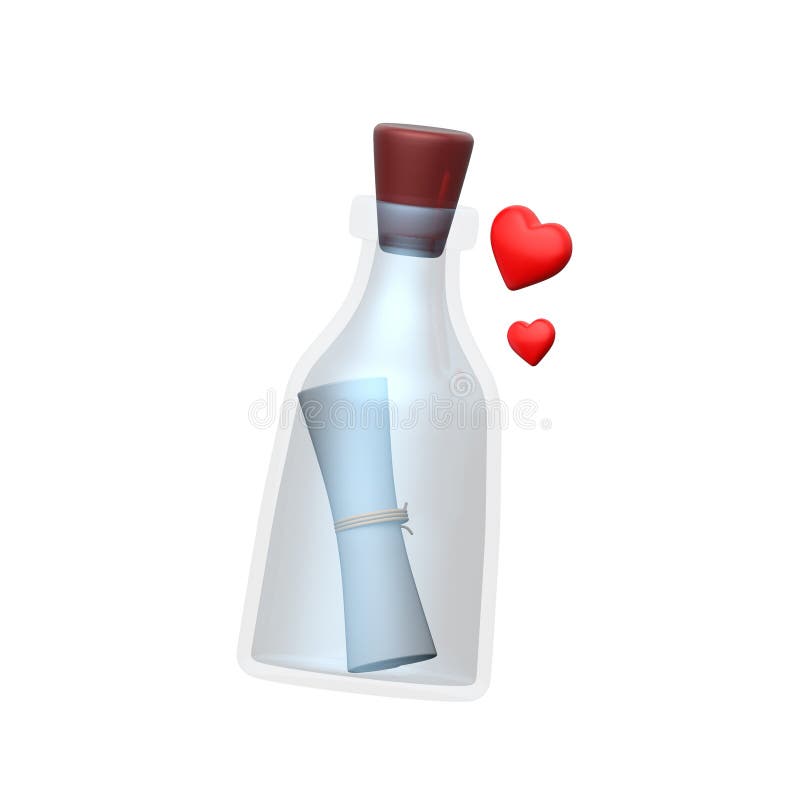
Creating a Valentine message in a bottle is a timeless, romantic gesture that transforms a simple note into a cherished keepsake.
This DIY project combines the charm of old-world correspondence with modern upcycling techniques, allowing you to deliver a personalized sentiment that feels far more intentional than a standard store-bought card.
By choosing the right vessel, aging your paper, and adding thoughtful decorative elements, you can create a high-impact gift that lasts a lifetime.
The Essential Materials for Your Message in a Bottle
Before you begin, gathering the right supplies is crucial for achieving a professional, found at sea aesthetic.
While you can use items found around the house, a few specialty craft supplies will elevate the final look.
Basic vs. Premium Supply List
| Item | Basic Option | Premium/Pro Option |
|---|---|---|
| Bottle | Cleaned pasta sauce jar | Tapered glass vial with cork stopper |
| Paper | White printer paper | Handmade deckle-edge paper or vellum |
| Writing Tool | Ballpoint pen | Calligraphy fountain pen or gold leaf pen |
| Sealing | Scotch tape | Traditional red sealing wax and metal stamp |
| Fillers | Sand from the backyard | Preserved moss, dried rosebuds, or sea glass |
| Tie | Sewing thread | Jute twine or silk chiffon ribbon |
Step-by-Step Tutorial: Crafting the Perfect Valentine Bottle
Step 1: Preparing the Vessel
The bottle is the frame for your message.
If you are upcycling a glass jar, remove the labels by soaking them in warm, soapy water.
For stubborn adhesive, a mixture of baking soda and coconut oil works wonders.
Once clean, ensure the bottle is completely dry inside; any moisture will cause your message to mold over time.
Step 2: Aging Your Paper
To give your Valentine a vintage feel, you can age your paper using tea or coffee.
- ❤ Brew a strong cup of black tea or coffee.
- ❤ Lay your paper on a baking sheet.
- ❤ Lightly brush the liquid onto the paper or submerge it briefly.
- ❤ For an authentic look, sprinkle a few grains of instant coffee on the wet paper to create age spots.
- ❤ Let it air dry or pop it in an oven at 200°F (95°C) for 5 minutes.
Step 3: Writing the Message
Since the paper will be rolled tightly, keep your message concise.
Use waterproof ink if possible, especially if you plan to add liquid elements or oils to the bottle.
Focus on a specific memory, a list of things you love about them, or a classic romantic poem.
Step 4: The Roll and Seal
Roll the paper tightly starting from the bottom.
To keep it from unrolling inside the bottle, tie it with a piece of twine or ribbon.
For a truly high-end finish, drip a small amount of sealing wax over the knot and press a heart-shaped stamp into it.
10 Creative Variations for Your Valentine Message in a Bottle
1. The Classic Vintage Nautical
This style focuses on the shipwrecked look.
Use heavy tea-stained paper, charred edges (carefully use a lighter to singe the perimeter), and a thick cork.
Add a small amount of fine white sand and a few tiny seashells to the bottom of the bottle before inserting the scroll.
Wrap the neck of the bottle in thick jute twine to complete the maritime theme.
2. The Enchanted Rose Garden
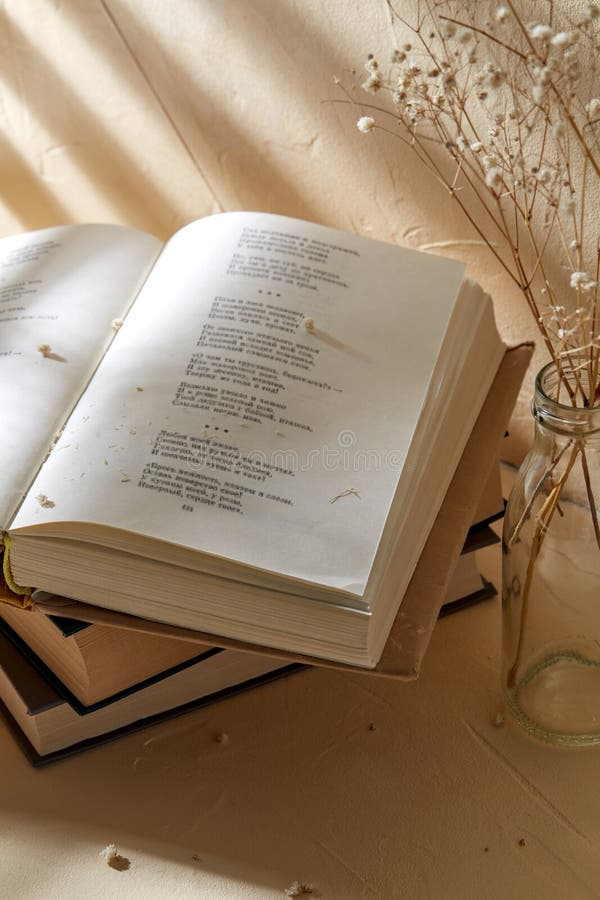
Inspired by fairy tales, this variation uses dried botanicals.
Instead of sand, fill the bottom third of the bottle with dried red rose petals and a sprig of preserved baby’s breath.
Use a soft pink or cream ribbon to tie your message.
This version is perfect for those who love a romantic, cottagecore aesthetic.
3. The Modern Minimalist
For a clean, contemporary look, use a tall, thin laboratory-style test tube with a cork.
Use crisp white vellum paper and write your message in sleek black ink.
Instead of twine, use a metallic silver or gold wire to secure the scroll.
Leave the bottle empty of fillers to keep the focus entirely on the handwritten word.
4. The Message in a Sparkle (Glitter Bomb)
If your Valentine loves all things bright and bold, fill the bottle with a mix of chunky heart-shaped sequins and fine iridescent glitter.
When they pull the message out, a little magic dust comes with it.
Use a bright red or neon pink ribbon for the message to match the festive energy.
5. The Victorian Steampunk
Give your gift an industrial edge by incorporating metal elements.
Wrap the exterior of the bottle in copper wire and attach small clock gears or skeleton keys using a hot glue gun.
Use brown parchment paper and dark sepia ink for the message.
This is a great masculine take on the traditional Valentine.
6. The Photo Memory Capsule
Instead of just a written note, include a small, rolled-up Polaroid or a printed photo on thin paper.
You can wrap the message around the photo so that when they unroll it, they see a favorite memory first.
Add a few small pebbles or sea glass to the bottom to weight the bottle so it sits upright on a shelf.
7. The Underwater Love Letter
Use a blue-tinted glass bottle to simulate the ocean.
Fill the bottle with a small amount of glycerin and water (or baby oil) to create a liquid movement effect.
*Note: If using liquid, you must laminate your message or seal it inside a smaller waterproof plastic sleeve before putting it in the bottle.*
Add blue glass beads to represent bubbles.
8. The Reasons Why Jar
Instead of one long letter, write 14 small mini-messages (one for each day leading up to Valentine’s Day) on tiny strips of paper.
Roll them all up and fill the bottle.
Your partner can pull one out each day.
This turns the gift into an interactive experience that lasts two weeks.
9. The Celestial Galaxy Bottle
Paint the inside of the bottle with a light wash of purple and dark blue acrylic paint, or use cotton balls soaked in dyed water and glitter to create a nebula effect.
Use a “Starry Night” theme for your message, perhaps mentioning how your love is written in the stars.
Use a silver metallic pen for the text.
10. The Miniature Keychain Message
Use a tiny 1-inch glass vial.
Write a very short message (like “I Love You” or “Always”) on a sliver of paper.
Screw a small eye-pin into the cork and attach it to a keychain ring.
This allows your Valentine to carry your message with them wherever they go, making it a functional and sentimental accessory.
Tips for High-Authority Crafting
Achieving the Perfect Scroll
To get that tight, professional scroll, wrap your paper around a thin pencil or a knitting needle first.
Slide it off the needle while holding it tight, then immediately secure it with your string.
This prevents the paper from telescoping or looking messy inside the glass.
How to Get the Message Out
There is nothing more frustrating than a message stuck at the bottom of a bottle.
To avoid this, always leave a tail on your twine or ribbon.
Let the string hang out of the top of the bottle slightly before you put the cork in.
Or ensure the scroll is wide enough that it doesn’t tip over and slide to the bottom where fingers can’t reach it.
Personalizing the Exterior
Don’t forget the outside of the bottle!
You can use an etching cream to permanently frost a heart or initials onto the glass.
Alternatively, a simple “To: [Name]” tag tied around the neck with a piece of lace adds a beautiful finishing touch.
FAQ: Frequently Asked Questions
Q: What is the best paper to use for a message in a bottle?
A: Handmade paper or cotton-based paper (like 24lb resume paper) works best. It is durable, takes ink well without smudging, and has a beautiful texture when rolled. Avoid heavy cardstock, as it is difficult to roll tightly and may crack.
Q: How do I make sure the ink doesn’t fade?
A: Use archival-quality pens or “Pigma Micron” liners. These are fade-resistant and waterproof. Avoid using cheap washable markers, as the humidity inside a sealed bottle can cause the ink to bleed over time.
Q: Can I mail a message in a bottle?
A: Yes! You can actually mail a plastic or sturdy glass bottle through the USPS as non-machinable mail. However, for a Valentine’s gift, it is safer to place the decorated bottle inside a padded box with plenty of bubble wrap to prevent breakage during transit.
Q: How do I get the labels off a recycled bottle easily?
A: Soak the bottle in hot water with a scoop of OxiClean or dish soap. For the sticky residue left behind, rub it with a paste of equal parts baking soda and olive oil. Let it sit for 10 minutes, then scrub it away with a sponge.
Conclusion
Creating a Valentine message in a bottle is more than just a craft; it is a storytelling medium.
Whether you choose the rugged look of a shipwrecked scroll or the delicate beauty of a flower-filled vial, the effort you put into the details—the paper texture, the fillers, and the handwritten words—will be deeply felt by your recipient.
This year, skip the digital messages and give your loved one something they can hold in their hands and keep on their mantle for years to come.
Happy crafting!
Leave a Reply