
Vinegar handles a wide range of cleaning jobs around the house because its mild acid breaks down mineral buildup, grease, and odors without leaving chemical residues. You mix it with water in different strengths depending on the task, and it works on surfaces from glass to fabric to appliances. Stock a bottle of distilled white vinegar and you cover most routine cleaning needs with one inexpensive item.
Window and Mirror Vinegar Sprays
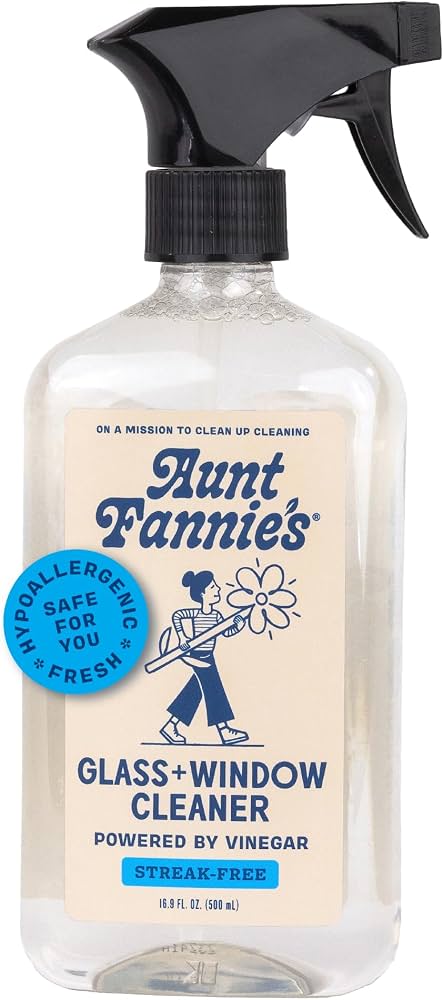
Mix equal parts vinegar and water in a spray bottle to create a streak-free cleaner that removes fingerprints and dust from windows. The acidity dissolves the thin film left by commercial sprays, so glass stays clearer longer. Apply the solution, wipe with a microfiber cloth, and finish with a dry newspaper for extra shine without lint.
This method works on both interior and exterior panes when temperatures stay above freezing. You avoid the ammonia smell of many glass cleaners while still getting the same results on hard water spots. Test first on a small corner if your windows have special coatings.
Laundry Vinegar Rinses
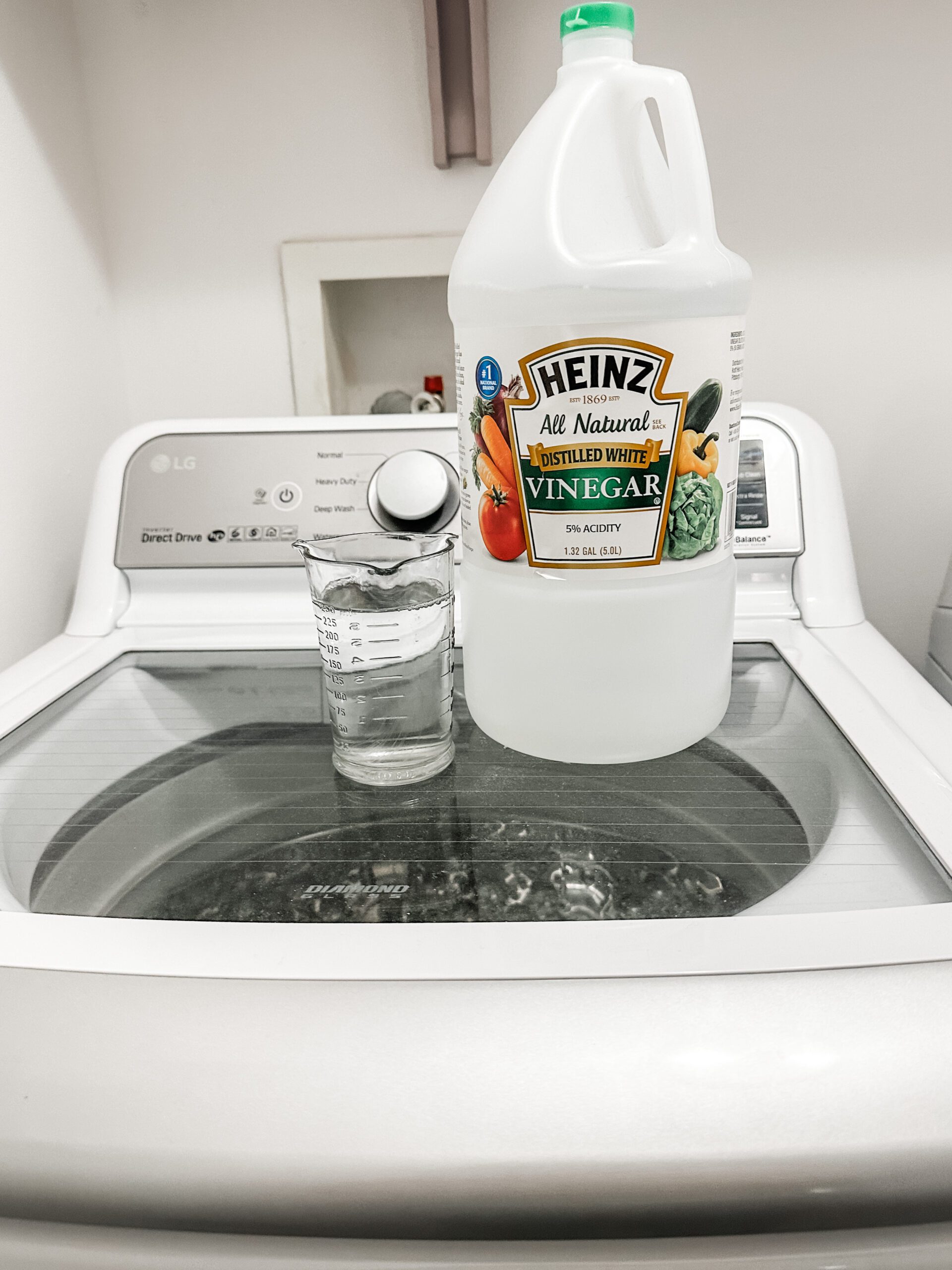
Add one cup of vinegar to the rinse cycle to soften fabrics and lift detergent residue from towels and clothes. The vinegar neutralizes alkaline buildup so items feel fluffier and absorb water better after drying. It also reduces static cling in synthetic blends without fabric softener sheets.
Run a full load as usual and pour the vinegar into the fabric softener compartment. Your darks stay brighter because the solution prevents color fading from repeated detergent exposure. Skip this step only on delicate silks or wool that require specialized care.
Coffee Maker Descaling Vinegar
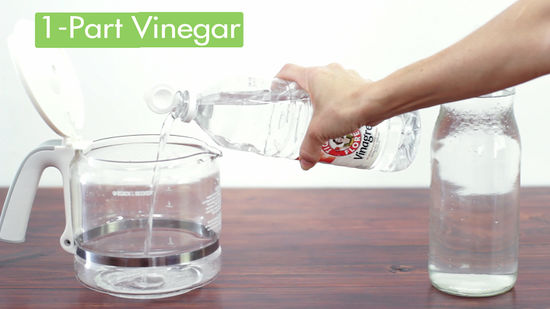
Fill the water reservoir with equal parts vinegar and water, then run a full brew cycle to remove limescale from heating elements. The acid dissolves the white crust that slows brewing and affects taste. Follow with two plain water cycles to rinse away any remaining vinegar scent.
Repeat this process every three months if you use hard tap water. Your machine maintains steady temperature and produces stronger coffee once the mineral layer disappears. Empty the carafe immediately after each cycle to prevent re-deposition.
Microwave Interior Vinegar Steam
Place a bowl with one cup of water and two tablespoons of vinegar inside the microwave and heat on high for three minutes. The steam loosens dried food splatters so you wipe them away with minimal scrubbing. Open the door carefully to avoid hot steam.
Wipe the walls and turntable with a damp cloth right after the cycle ends. The vinegar also neutralizes lingering food odors that cling to the interior. Avoid this method on stainless steel interiors that show water spots easily.
Hard Water Stain Vinegar Soaks
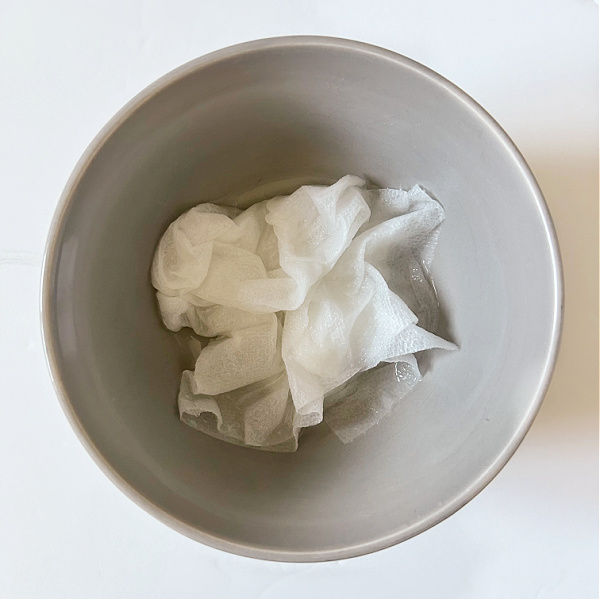
Soak a cloth or paper towel in undiluted vinegar and lay it over faucets or showerheads for thirty minutes. The acid breaks down calcium deposits that create cloudy rings around fixtures. Scrub gently with a soft brush afterward to lift the loosened scale.
For shower doors, spray the vinegar solution and let it sit overnight before rinsing. Your fixtures regain their original shine without abrasive powders that scratch chrome. Repeat monthly in areas with very hard water to prevent buildup.
Floor Cleaning Vinegar Solutions
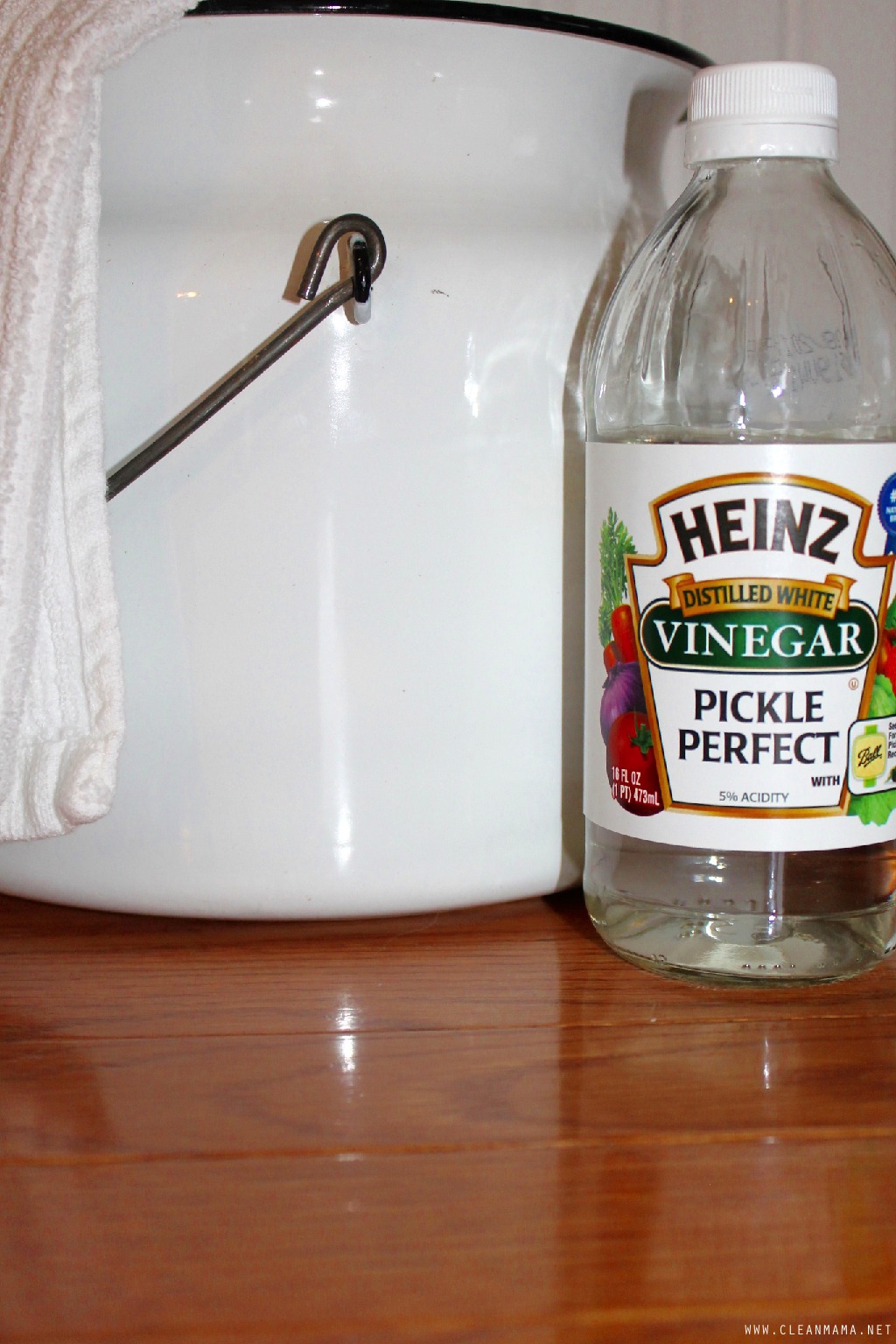
Combine one cup of vinegar with one gallon of warm water for a no-rinse floor cleaner that works on sealed hardwood and tile. The mild acidity cuts through dirt without leaving a sticky film that attracts more dust. Mop in the direction of the wood grain on floors.
Vinegar dilution works better than commercial floor soaps on high-traffic areas because it evaporates cleanly. Test the solution on an inconspicuous spot first if your floor finish is unknown. Skip vinegar on unsealed stone or waxed surfaces that can dull.
| Surface Type | Vinegar Ratio | Notes |
|---|---|---|
| Sealed hardwood | 1 cup per gallon | No rinse needed |
| Ceramic tile | 1 cup per gallon | Add a drop of dish soap for grease |
| Laminate | ½ cup per gallon | Wipe dry immediately |
Kitchen Counter Vinegar Wipes
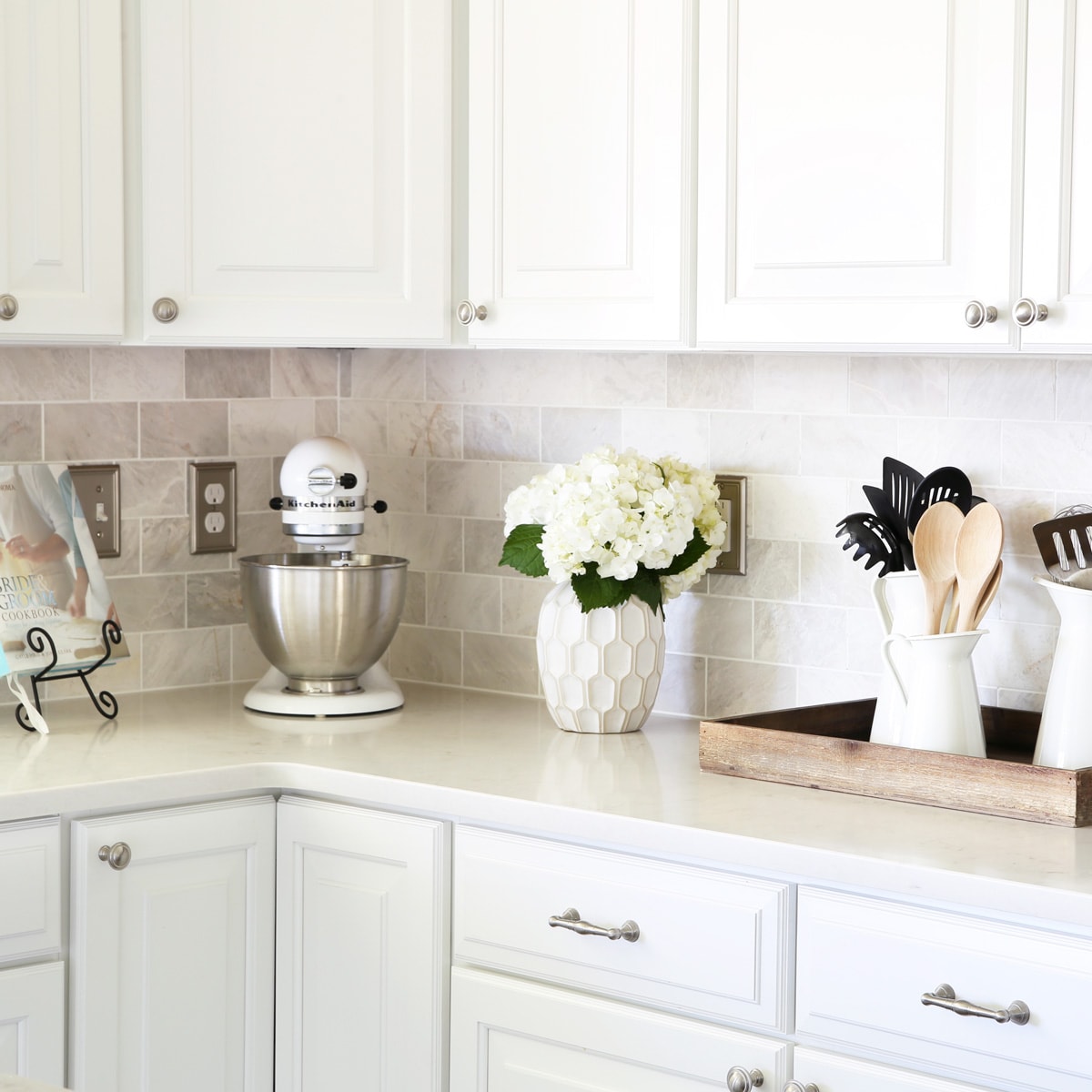
Spray a 1:1 vinegar-water mix on laminate or sealed granite counters to cut grease from cooking. The solution disinfects without the strong scent of bleach-based products. Wipe dry with a clean towel to prevent water marks on darker surfaces.
This approach handles daily spills and fingerprints while staying safe around food prep areas. You avoid residue that can transfer to cutting boards or utensils. Reapply as needed throughout the day for high-use kitchens.
Drain Vinegar Baking Soda Mixes
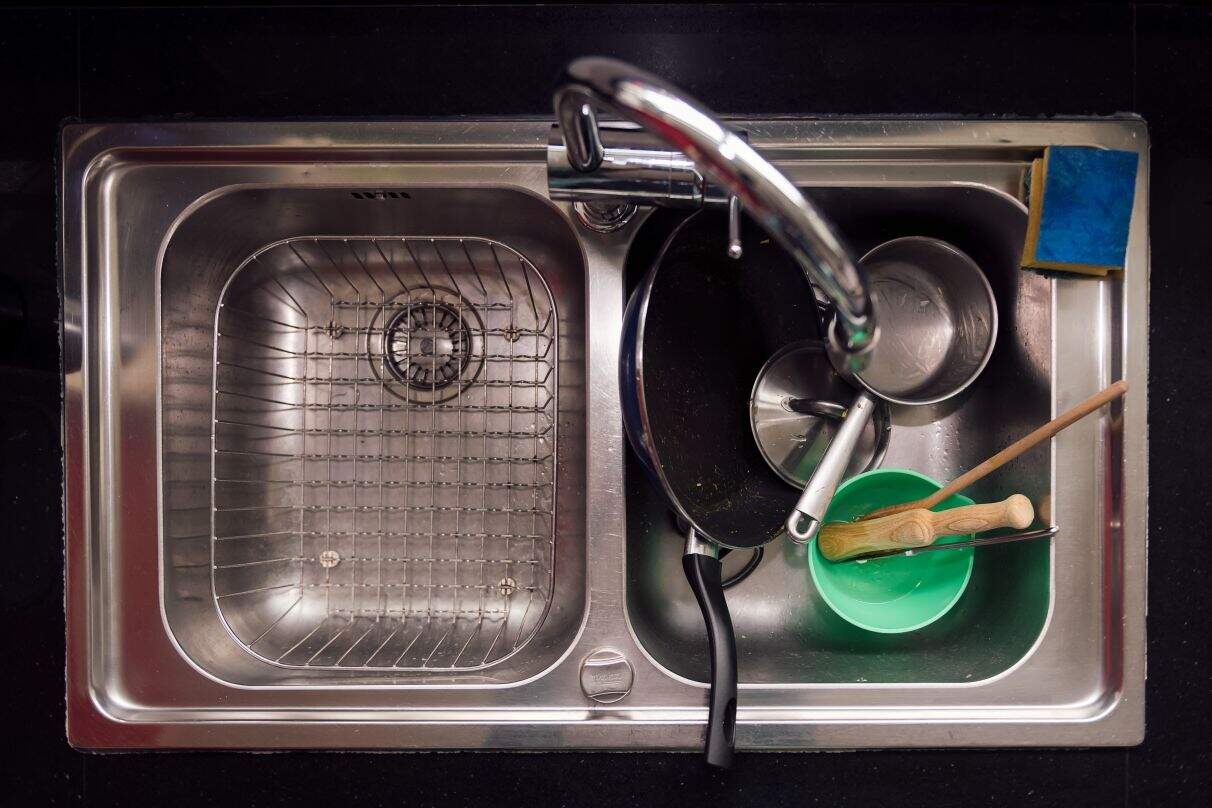
Pour half a cup of baking soda down the drain followed by one cup of vinegar to create a foaming reaction that loosens clogs. Let the mixture sit for fifteen minutes, then flush with hot water. The combination breaks down soap scum and food particles without harsh chemicals.
Use this monthly as maintenance to keep slow drains flowing freely. Your pipes stay clearer because the fizzing action reaches bends where brushes cannot. Avoid this on garbage disposals with certain metal parts that react to acid.
Toilet Bowl Vinegar Soaks
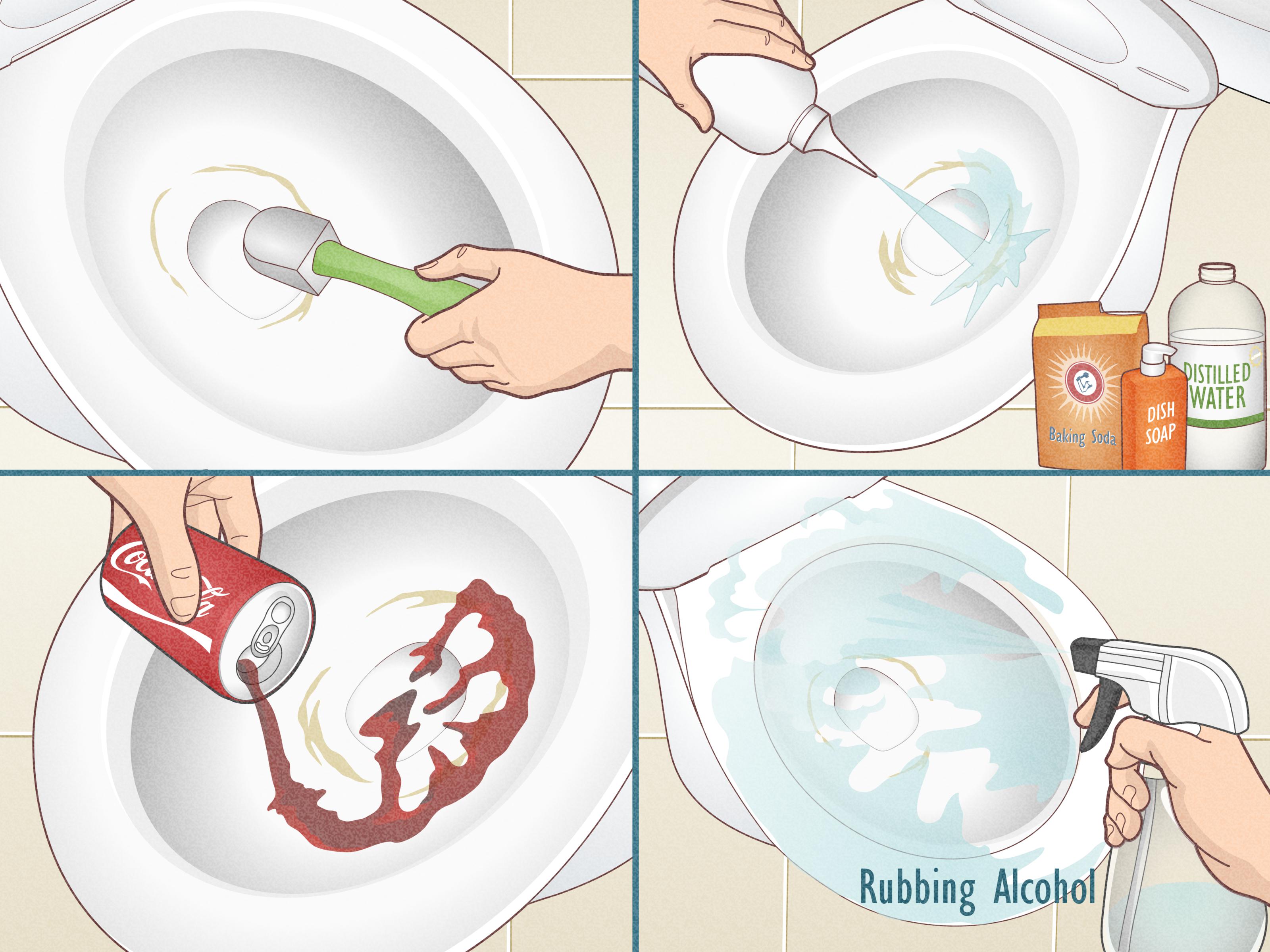
Pour one cup of undiluted vinegar into the bowl and let it sit for an hour before scrubbing. The acid loosens mineral rings and hard water stains along the water line. Brush thoroughly and flush to reveal cleaner porcelain.
Add a second cup around the rim for extra coverage on older toilets. Your bowl stays fresher between deep cleans because vinegar reduces bacterial growth. Repeat weekly in homes with hard water.
Cutting Board Vinegar Sanitizing
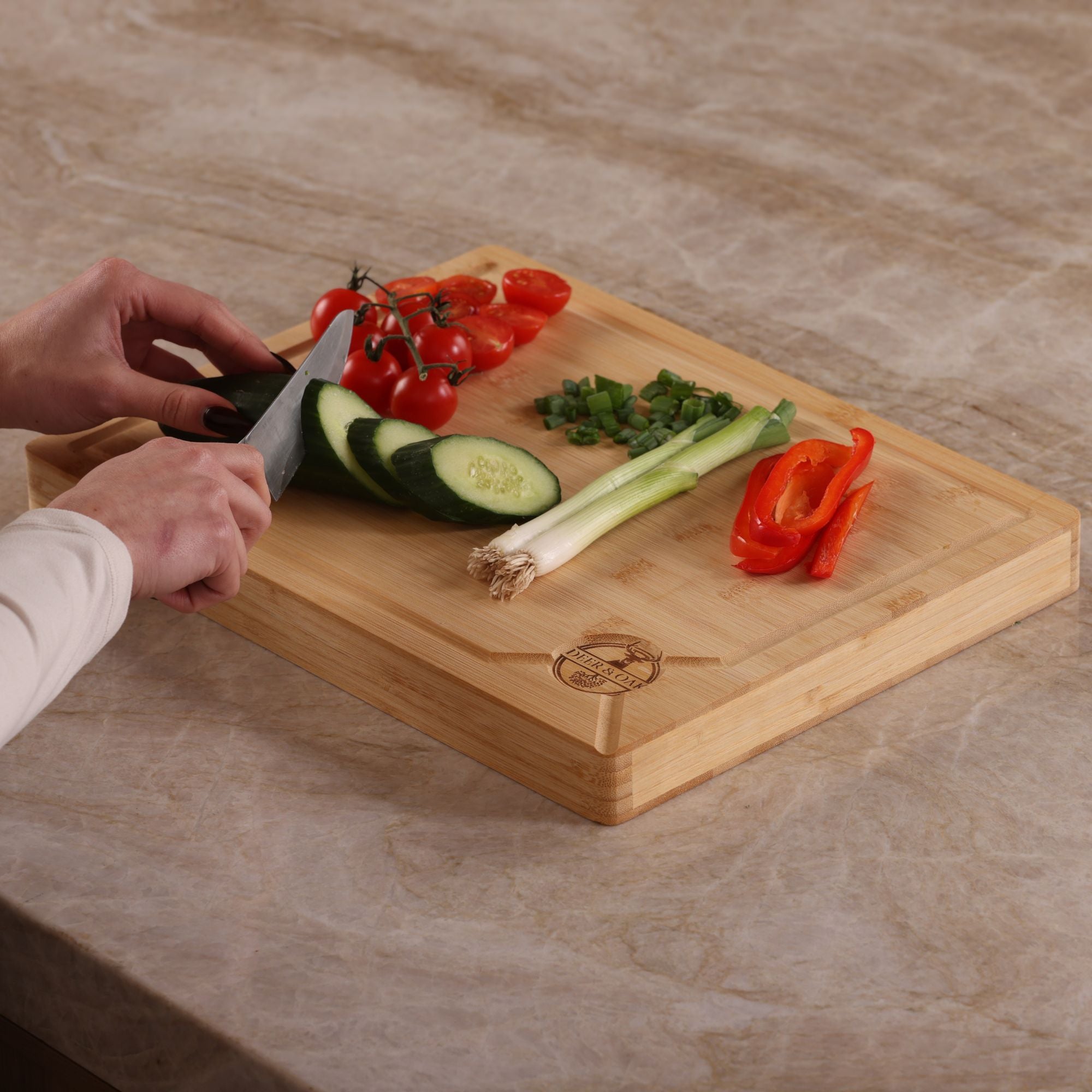
Wipe wooden or plastic boards with undiluted vinegar after each use to kill surface bacteria. The acidity creates an environment where common foodborne microbes cannot thrive. Let the board air-dry upright to prevent warping.
This step follows washing with hot soapy water and replaces chemical sanitizers for everyday prep. Your boards last longer because vinegar does not leave a film that can affect food flavors. Apply more often on boards used for raw meat or fish.
Shower Curtain Vinegar Refresh
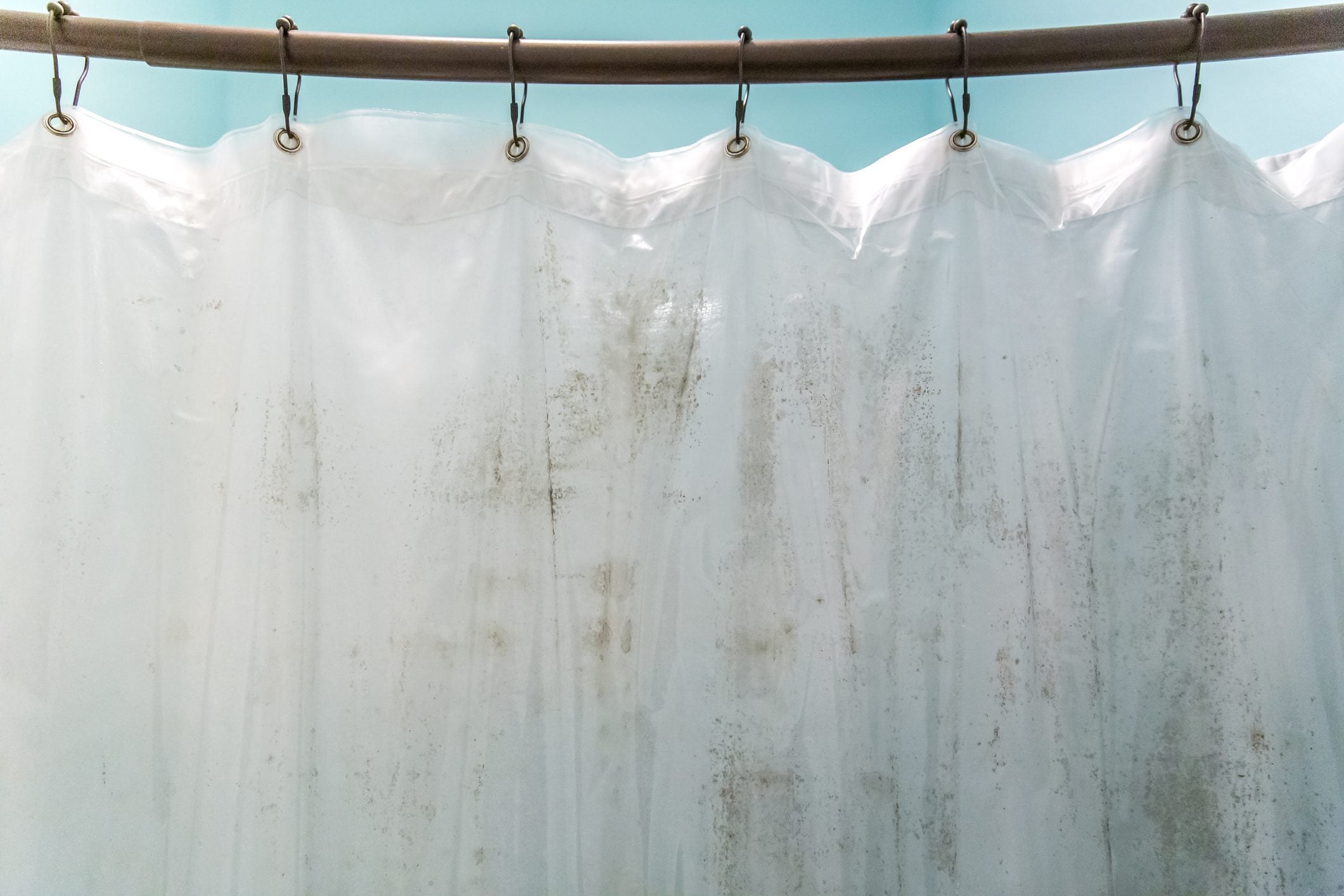
Spray a vinegar-water solution on mildew spots along the bottom of plastic curtains and let it sit for ten minutes. The acid kills mold spores and removes the pink film that forms in humid bathrooms. Wipe or rinse clean and hang to dry fully.
Run the curtain through a washing machine with a cup of vinegar every few months for a deeper clean. Your bathroom stays fresher because the treatment prevents regrowth for weeks. Replace curtains only when plastic becomes permanently stiff.
Furniture Polish Vinegar Blends
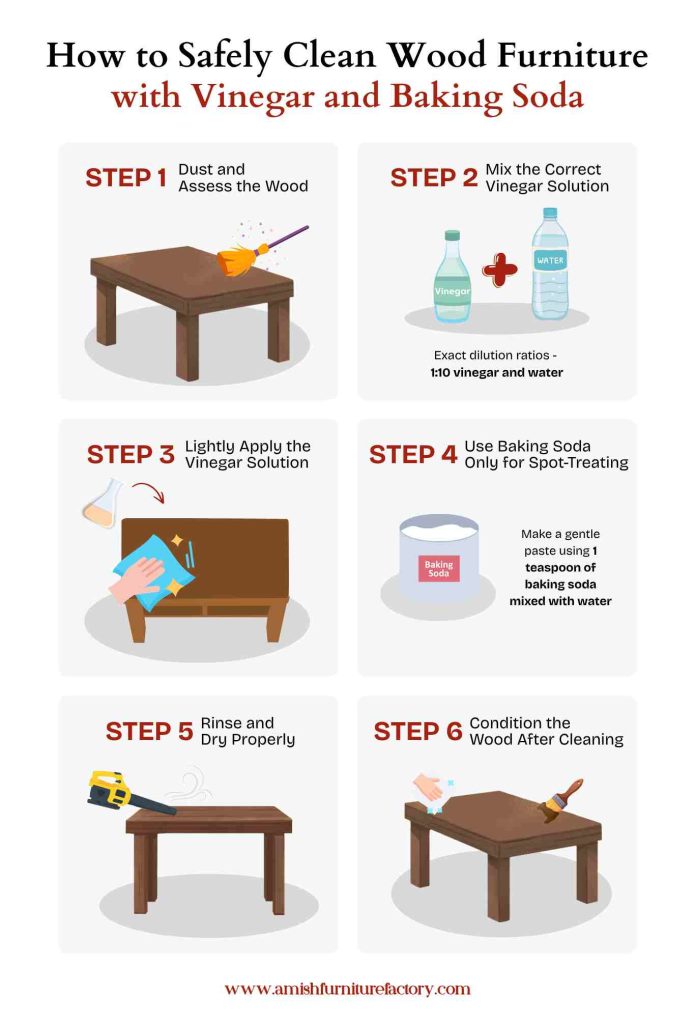
Mix one part vinegar with two parts olive oil to create a polish that cleans and conditions wood surfaces. Apply sparingly with a soft cloth and buff immediately to avoid streaks. The vinegar lifts fingerprints while the oil restores a subtle sheen.
Use this blend on finished tables and cabinets once a month. Your wood retains moisture without the heavy buildup from commercial polishes. Test first on an inconspicuous edge to confirm compatibility with your finish type.
FAQ
How often should I clean my coffee maker with vinegar?
Run the descaling process every three months or when you notice slower brewing or off tastes. This schedule prevents scale from affecting heating elements and keeps coffee flavor consistent over time.
Can vinegar damage my washing machine?
No, the one-cup rinse cycle amount stays safe for both top-load and front-load models when used regularly. It actually helps remove detergent residue that can cause odors inside the drum.
Does vinegar work on all hard water stains?
It removes most calcium and lime deposits on glass, chrome, and ceramic, but very old buildup may need overnight soaking or a second application. Always rinse thoroughly afterward to prevent any etching on delicate surfaces.
Why does my floor look dull after using vinegar?
The ratio may have been too strong or the floor finish could be sensitive to acid. Switch to a half-cup dilution and dry the surface immediately to restore the original appearance.
Vinegar keeps its place as a reliable staple because it handles multiple tasks without specialty products or strong fumes. You gain consistent results across surfaces once you match the dilution to each job.
Leave a Reply