

Gourd centerpieces bring natural texture and seasonal color straight to your table without needing elaborate setups. They work across casual weeknight dinners and dressed-up holiday gatherings because the shapes and finishes adapt easily to whatever linens, dishes, or lighting you already own.
Mini Gourd Clusters on Wooden Trays
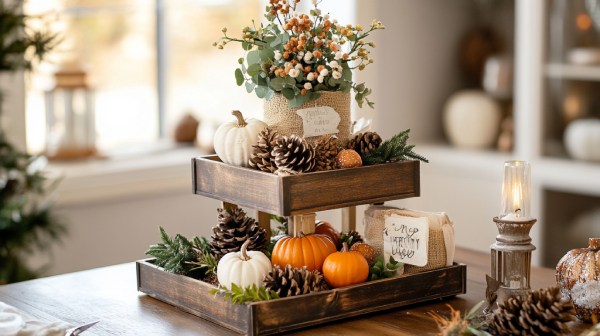
Mini gourds grouped in odd numbers create instant height variation that draws the eye without blocking conversation across the table. Place them on a low tray so the arrangement stays compact yet feels abundant. Choose trays in reclaimed wood or matte black metal to ground the bright orange and green tones.
The key is mixing sizes within the same color family so the cluster reads as intentional rather than scattered. Add a single sprig of dried eucalyptus or rosemary tucked between two larger gourds for subtle fragrance that lasts through the evening. This approach keeps the centerpiece low enough for seated guests to see over it comfortably.
Tall Gourd Vases Filled with Dried Stems
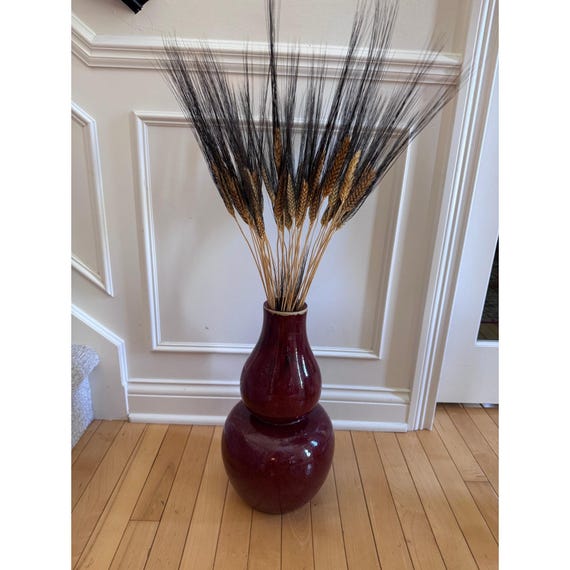
Hollowed taller gourds stand upright as vessels once the tops are cut cleanly and interiors are dried thoroughly. Insert a narrow glass tube or small florist vial to hold water if you want to add fresh stems later. The natural curve of the gourd neck gives dried wheat or millet an organic lean that feels relaxed rather than rigid.
Rotate the gourd so its best side faces the room before filling. Pair two or three of these taller pieces at different heights along the center of a long table runner. The vertical lines contrast nicely with low bowls of candles or salt cellars placed nearby.
Painted Monochrome Gourd Groups
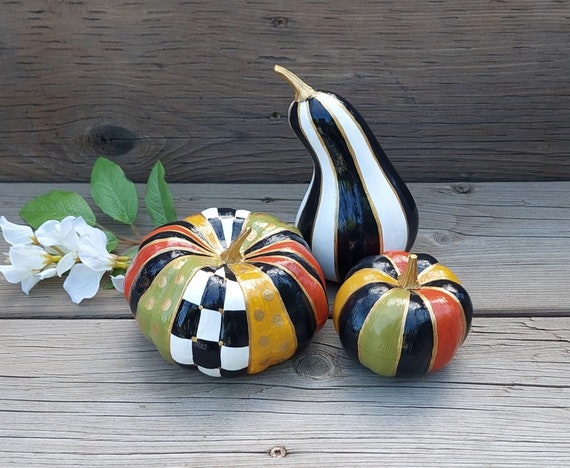
A single paint color applied to an entire collection of gourds unifies shapes that would otherwise compete visually. Brush on two thin coats of matte white or soft gray, letting each layer dry fully between applications. The finish softens the natural ridges and makes the gourds reflect candlelight softly.
Groupings of five or seven painted gourds in graduated sizes create stronger impact than scattered pairs. Set them directly on a linen runner so the color reads as a single block from across the room. This treatment also hides minor blemishes on thrift-store or garden gourds.
Gourd Candle Holders with Drip Trays
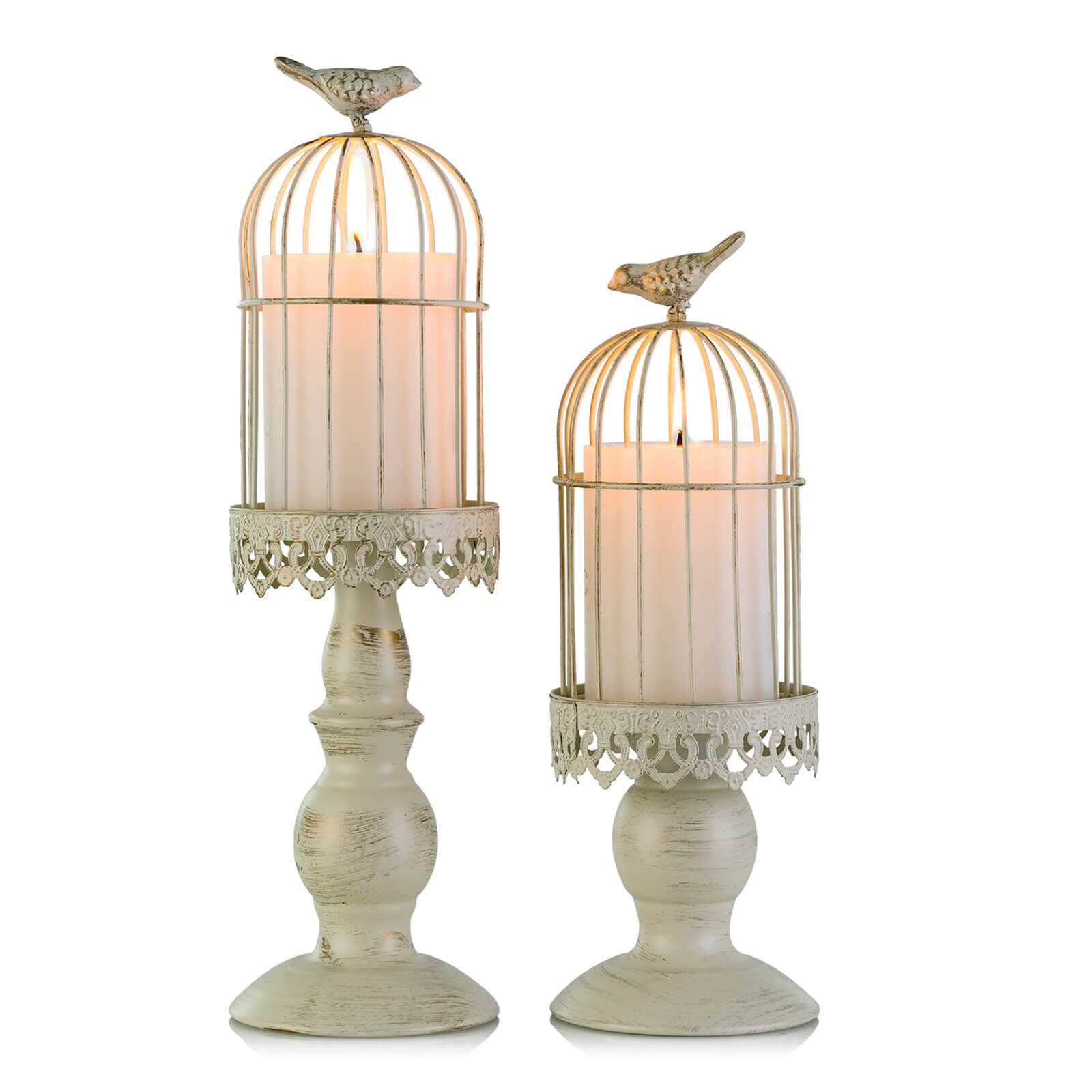
Drill or carve shallow wells into the tops of medium gourds to cradle pillar candles securely. Place a small metal coaster or shallow dish beneath each gourd to catch wax and protect table surfaces. The organic base adds warmth that glass or ceramic holders lack.
Choose unscented candles in cream or deep rust so the gourd remains the focal point. Space three holders at even intervals down a rectangular table. Check stability by gently rocking each gourd before lighting.
Stacked Gourd Sculptures
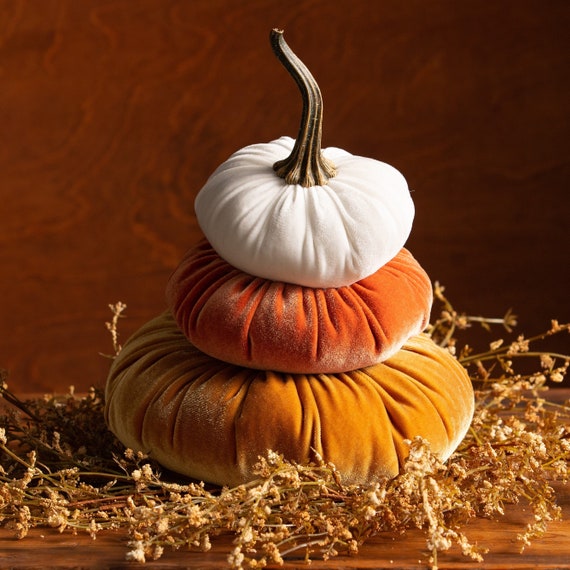
Balance two or three gourds vertically by selecting flatter bases for the bottom piece and narrower tops for the upper layers. Secure with a dab of museum wax if the table will see movement from serving dishes. The stacked form adds height without taking up much surface area.
Vary the orientation so some gourds sit on their sides for unexpected angles. This style suits narrow console tables or the center of a round table where guests can view all sides. Remove the top gourd easily when you need to shorten the arrangement for a different occasion.
Natural Gourd and Leaf Mats
Flatten a large gourd slice or use a wooden charger as the base, then layer overlapping dried leaves around a central gourd. The mat keeps smaller elements contained and creates a finished edge against the tablecloth. Magnolia or oak leaves hold their shape longest.
Tuck a few whole walnuts or chestnuts into the leaf layer for added texture. Refresh the leaves every few days if the arrangement sits in direct sun. This low profile works especially well beneath hanging light fixtures.
Gourd Lanterns with Battery Lights
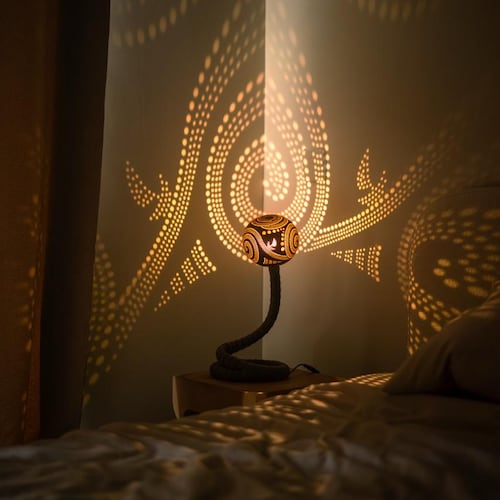
Cut a small opening in the side of a large gourd and insert a string of battery-operated fairy lights. The warm glow filters through the gourd walls and highlights any natural imperfections. Position the opening toward the back so the light source stays hidden.
Use cool-white or warm-white LEDs depending on your existing table lighting. One lantern per table quadrant provides enough ambient light for an intimate dinner. Store the lights separately when the season ends to extend their life.
Color-Blocked Painted Gourds
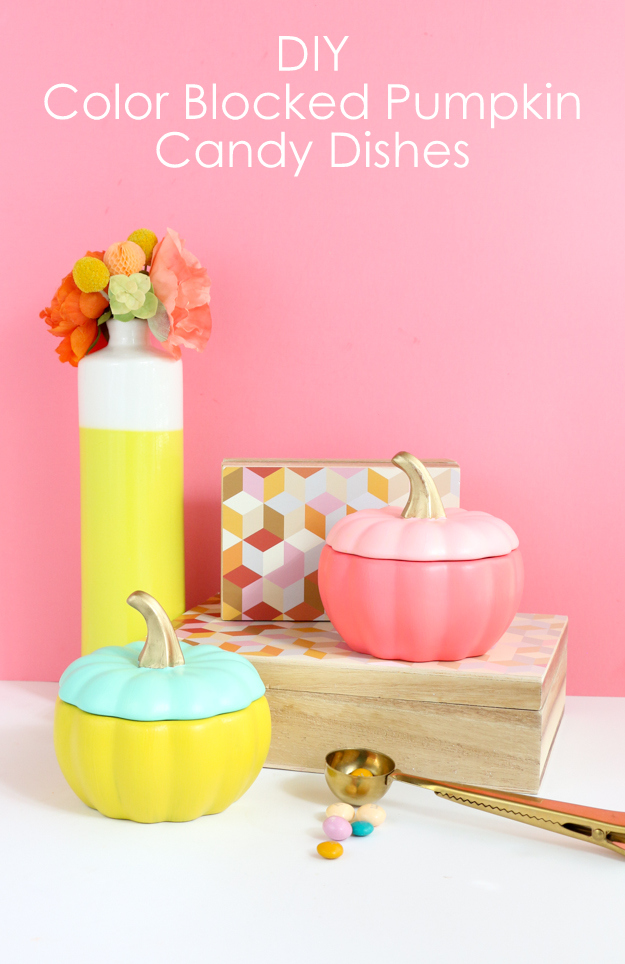
Divide each gourd into two or three sections with painter’s tape before applying contrasting matte paints. Remove the tape while the paint is still slightly tacky for clean lines. The geometric blocks give a modern edge to the organic form.
Limit your palette to two or three colors that already appear in your dinnerware. Place the blocks so the color changes face different directions around the table. This treatment photographs especially well against neutral backdrops.
Gourd and Berry Accents in Low Bowls
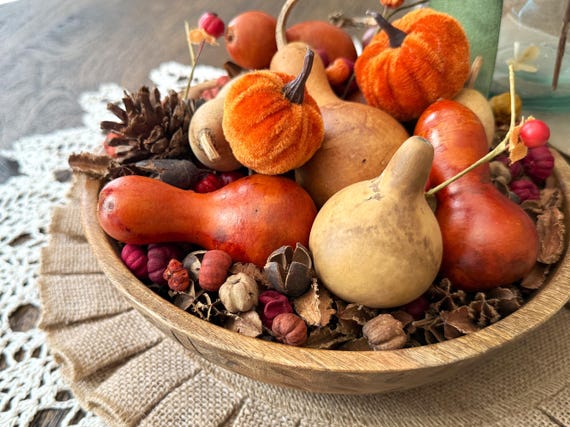
Nestle small gourds among clusters of faux or dried berries inside a shallow ceramic bowl. The berries fill gaps and add a pop of red or deep purple that complements the gourd skins. Choose a bowl with a matte finish so the arrangement feels grounded.
Rotate the bowl occasionally so berries on the shaded side do not fade unevenly. This style adapts quickly when you swap berry colors for different holidays. Keep the overall height under six inches to maintain sightlines.
Tiered Gourd Displays on Cake Stands
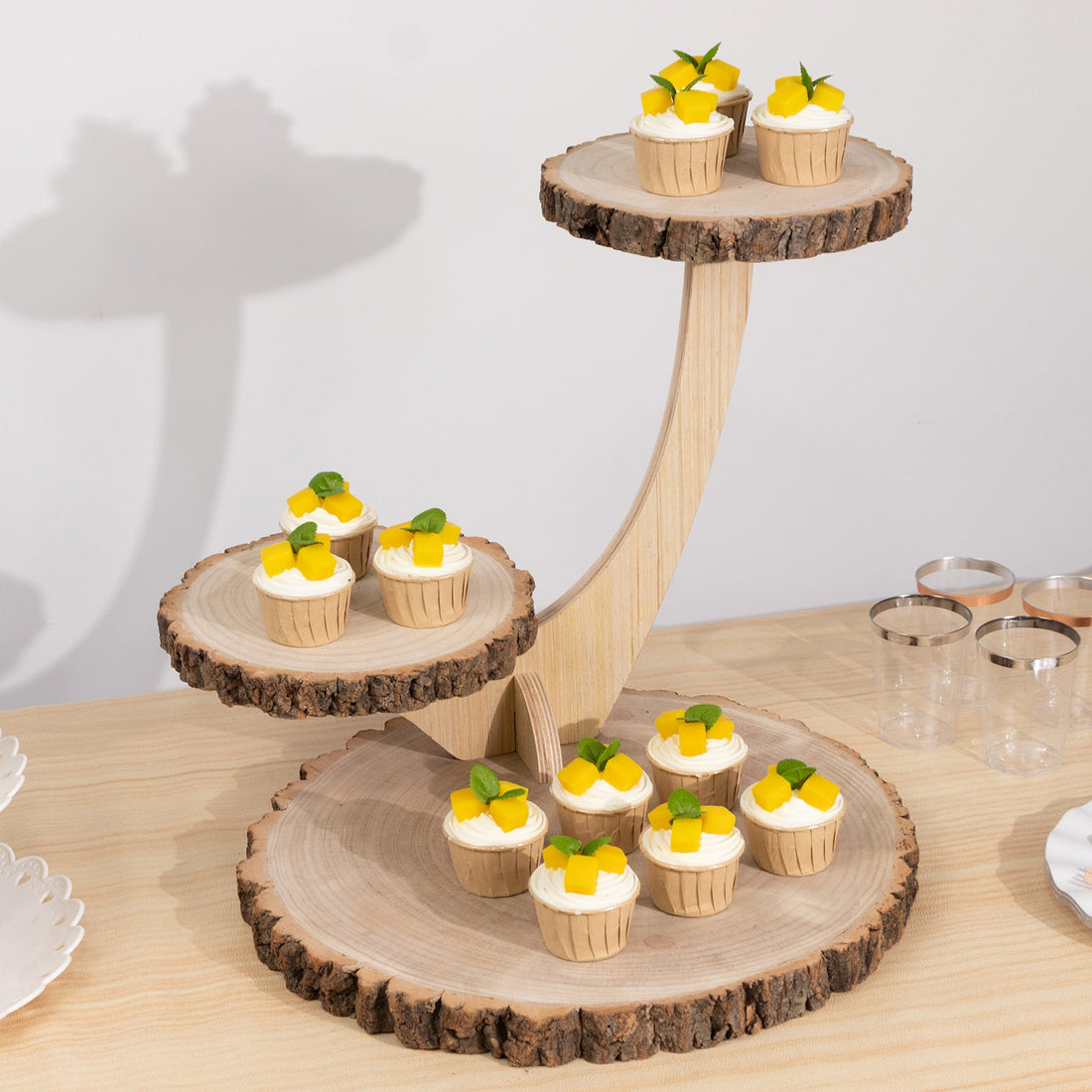
Set a small cake stand or riser in the center and arrange gourds at two levels. The elevation creates depth on an otherwise flat table. Use the lower tier for larger gourds and the upper tier for smaller, more detailed pieces.
Choose stands in wood or aged metal rather than shiny finishes. This layout works on both round and rectangular tables because the vertical movement draws the eye inward. Remove the top tier for buffet-style service.
Gourd with Moss and Twig Details
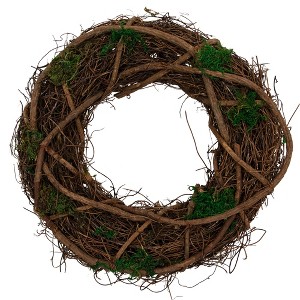
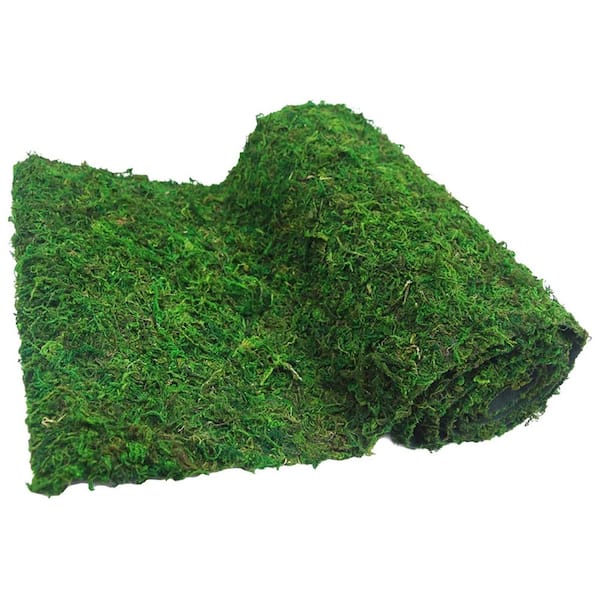
Glue sheets of preserved moss around the base of a gourd and insert short twigs or lichen-covered branches into the moss. The combination mimics a forest floor vignette in miniature. Work in small sections so the moss stays flat against the curve.
Moss adds moisture retention that helps gourds last longer in dry indoor heat. Position this arrangement away from heating vents. The texture reads beautifully in black-and-white photos if you document the table later.
Comparison of Gourd Finishes
| Finish | Durability | Light Reflection | Best Table Style |
|---|---|---|---|
| Matte paint | High | Soft | Modern or neutral |
| Natural skin | Medium | Warm | Rustic or harvest |
| Metallic rub | High | Bright | Glam or evening |
| Whitewash | Medium | Gentle | Coastal or farmhouse |
Dyed Gourd Collections
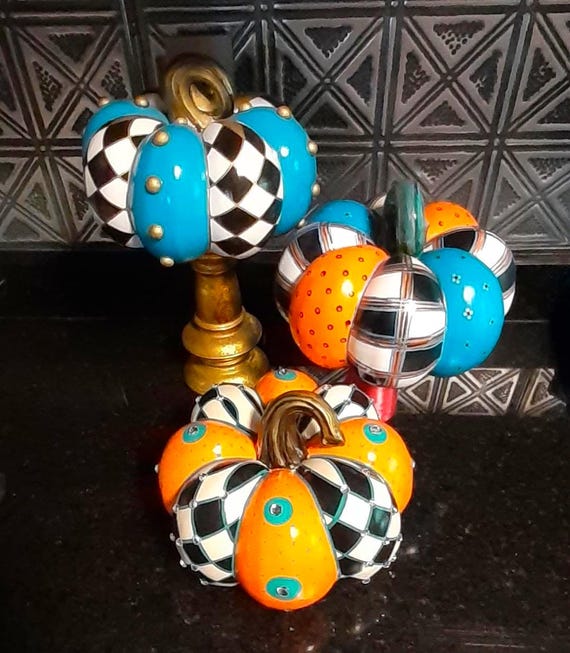
Submerge clean, dry gourds in fabric dye baths for several hours to achieve saturated color. Rinse and air-dry completely before arranging. The dye penetrates the skin and creates a uniform tone that paint cannot match.
Mix dyed gourds with a few natural ones so the arrangement does not feel artificial. Display them on a white or black runner to make the colors pop. Rotate the pieces every few days to prevent sun fading on one side.
Leave a Reply