
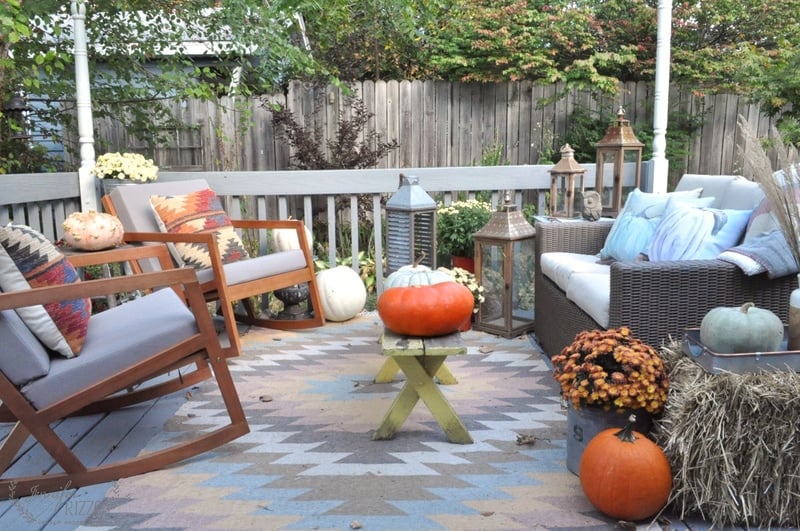
Fall garden decor works best when it layers seasonal materials like gourds, dried foliage, and warm lighting into existing beds and paths. These additions create visual weight without requiring major plant changes, letting you refresh the space quickly as temperatures drop.
Pumpkin and Gourd Displays
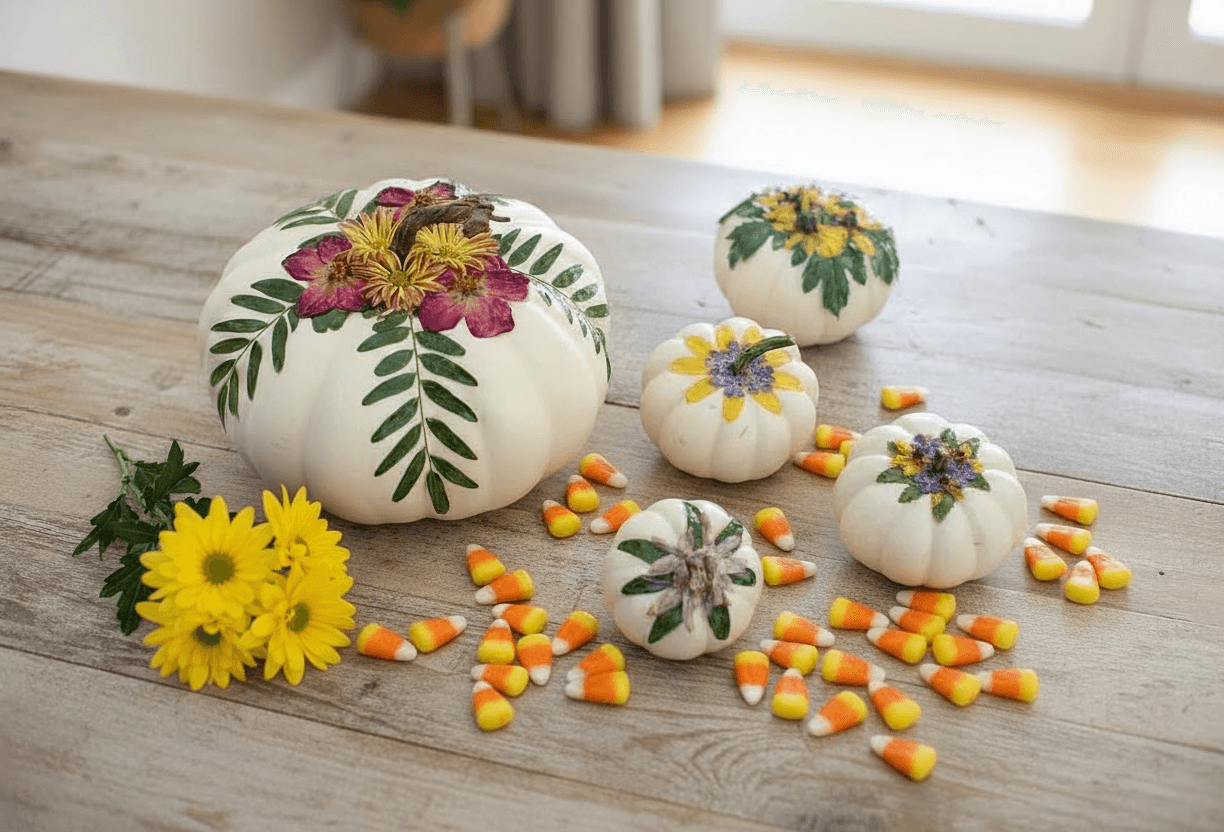
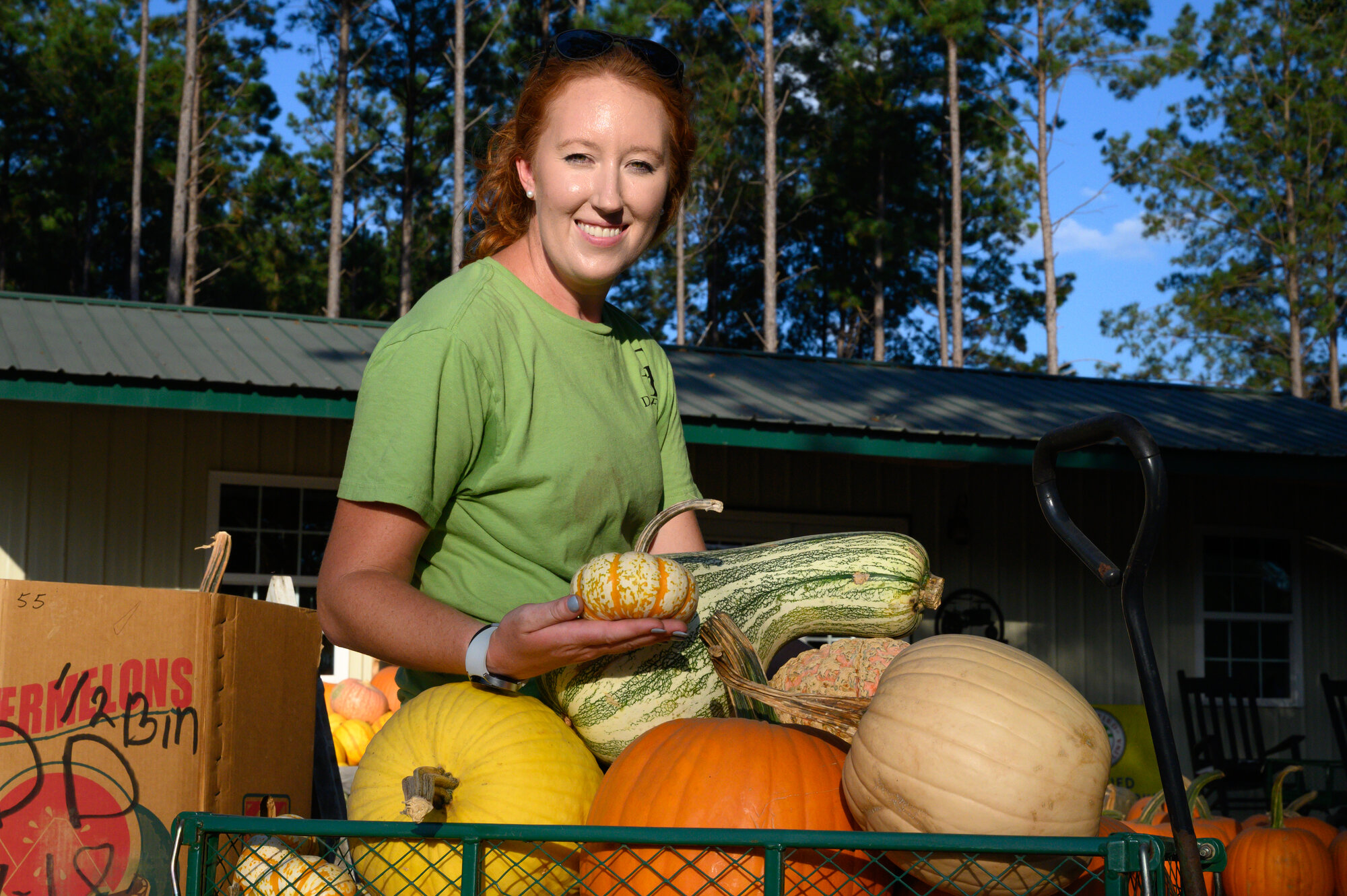
Pumpkin and gourd displays bring immediate color and texture to borders or entry points. Mix sizes and finishes so the arrangement feels collected rather than arranged. Place the largest pieces at the back and let smaller ones spill forward to guide the eye along the ground.
A single variety can look flat, so combine smooth orange pumpkins with bumpy gourds and pale white varieties. Tuck a few into existing shrubs so the display reads as part of the garden rather than an added pile. Rotate pieces every few days if squirrels are active to keep the look fresh.
Mums in Vintage Containers
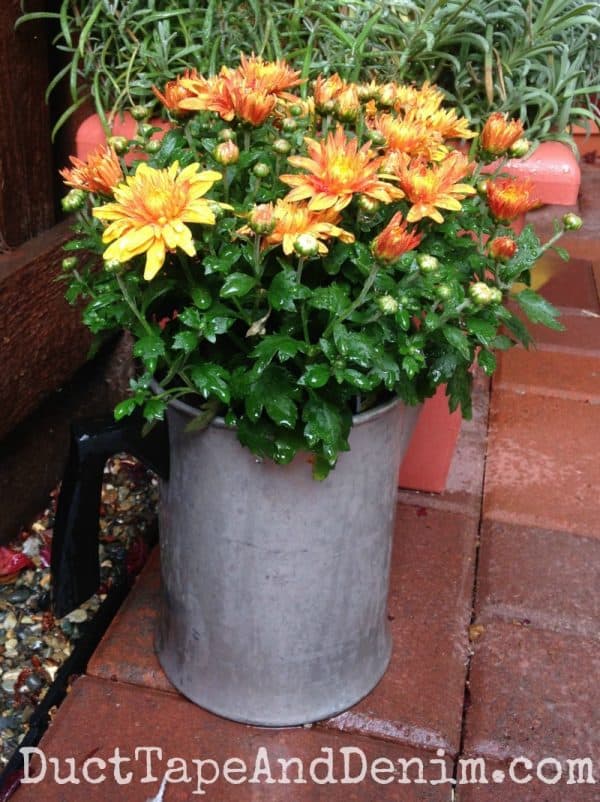
Mums in vintage containers add height and saturated color where beds have gone quiet. Choose galvanized buckets or weathered crates that already show age so the flowers feel settled in place. Water from the base rather than overhead to prevent spotting on the petals.
Group containers in odd numbers along a fence line or beside steps. The metal or wood tones contrast nicely with the deep burgundy and gold blooms. Move one or two containers indoors at night during early frosts to extend the show by several weeks.
Lantern-Lit Pathways
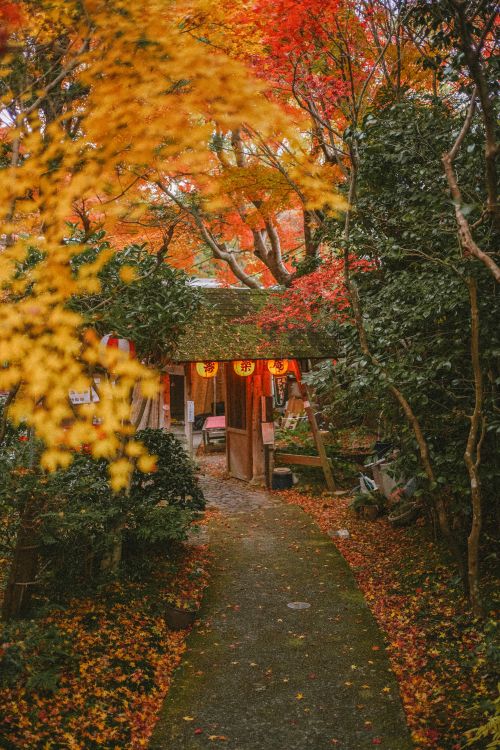
Lantern-lit pathways extend usable hours in the garden once daylight shortens. Choose lanterns tall enough to sit above low foliage so the light spreads across the ground rather than getting blocked. Battery versions eliminate the need for extension cords near damp soil.
Metal finishes hold up better than glass when temperatures swing between day and night. Space lanterns every four to six feet so walkers can see the edges of the path without creating a runway effect. Swap in amber bulbs to keep the light warm instead of stark white.
How long do battery lanterns typically last in cool weather?
Battery life shortens when temperatures drop below 50 degrees, so expect six to eight hours instead of the ten listed on the package. Keep spare batteries in a dry indoor spot and check contacts weekly for corrosion from morning dew. Many users find that lithium batteries maintain output longer than alkaline ones in these conditions.
Hay Bale Accents
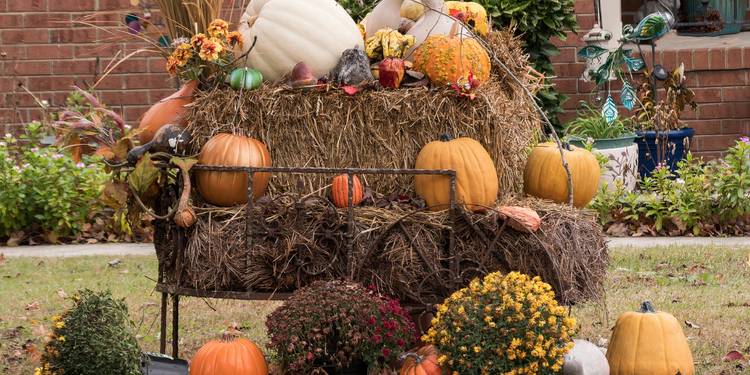
Hay bale accents create casual seating or low platforms that double as backdrops for smaller items. Position bales on a tarp first so moisture from the ground does not wick upward and cause early breakdown. Two bales side by side form a bench; three stacked with a board on top make a quick table.
Add a waterproof cushion only on the day you plan to sit so the fabric stays dry. Bales also serve as windbreaks for tender plants when placed at the north side of a bed. Replace them with fresh ones after the holidays if they begin to flatten.
Corn Stalk Arrangements
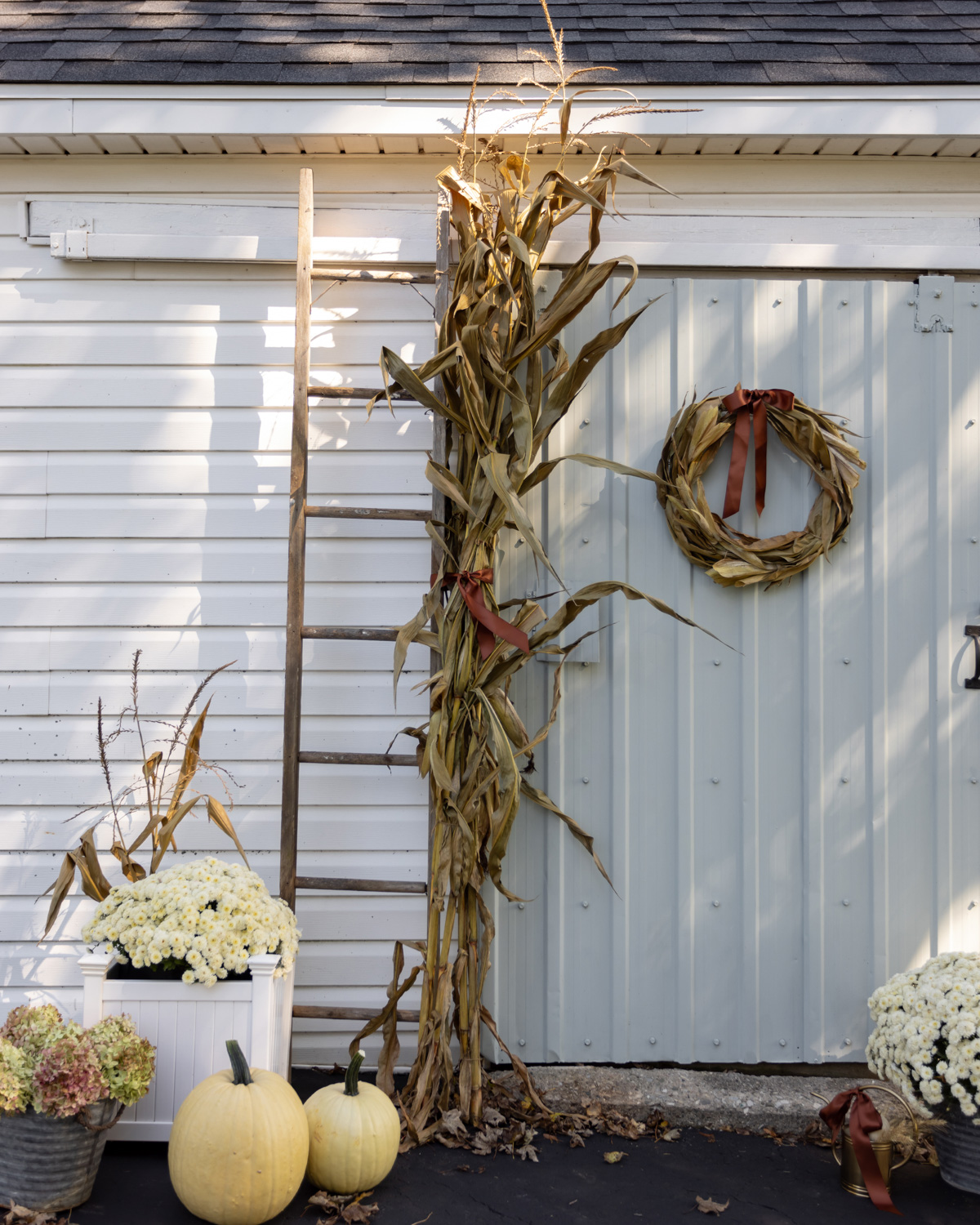
Corn stalk arrangements give vertical interest once perennials have been cut back. Bundle five or six stalks together with natural twine and lean them against a fence or arbor post. The dried leaves catch late-season light and add movement on breezy days.
Keep the bundles narrow so they do not block views or catch too much wind. A light mist of water now and then prevents the leaves from becoming brittle and breaking off. Remove the stalks before heavy snow loads arrive to avoid damage to the fence behind them.
Fall Wreaths on Fences
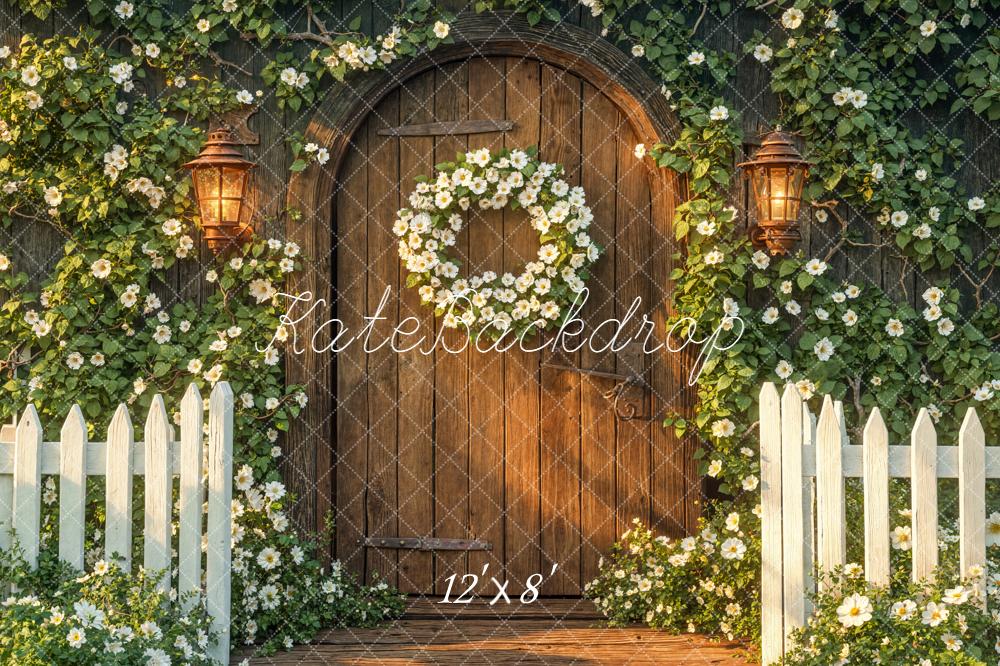
Fall wreaths on fences turn plain boundaries into focal points. Use grapevine bases that already have texture so fewer additional elements are needed. Wire the wreath at two points rather than one to keep it from spinning in wind.
Scarecrow Installations
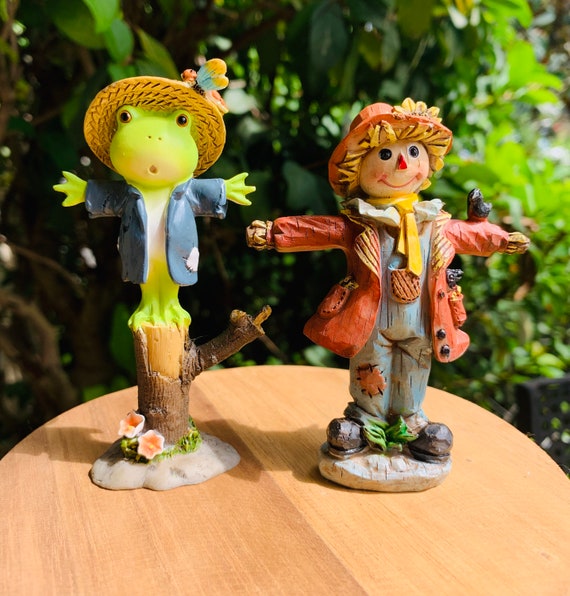
Scarecrow installations add personality to vegetable beds that are winding down. Stuff old clothes with straw and secure the frame to a sturdy stake driven deep into the soil. Move the figure every few days so birds do not become accustomed to its presence.
Rustic Wooden Signs
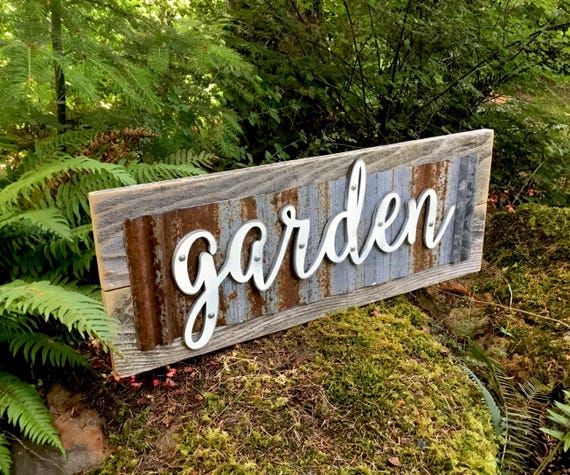
Rustic wooden signs label zones or simply mark the season. Choose boards that have already weathered so paint or engraving shows contrast immediately. Seal the wood on all sides before placing it outdoors to slow cracking.
Harvest Basket Centerpieces
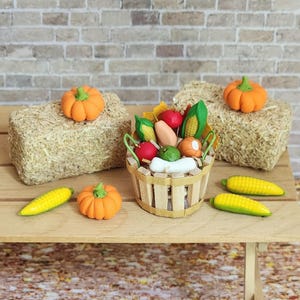
Harvest basket centerpieces sit on potting benches or low walls. Line the basket with a plastic tray before filling so soil stays contained. Rotate the basket weekly so one side does not fade faster than the other from sun exposure.
Leaf and Branch Garlands
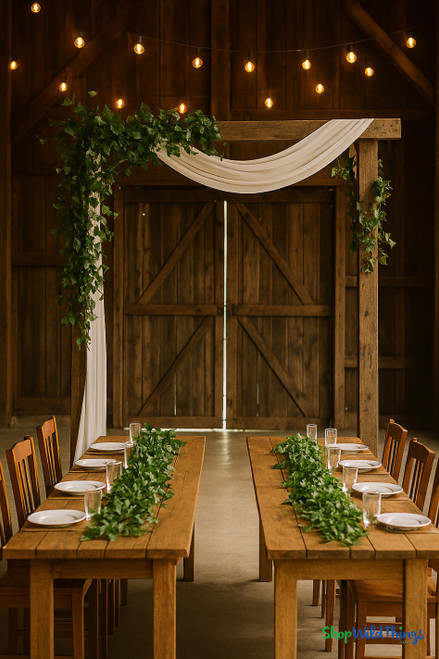
Leaf and branch garlands drape across arbors or railings. Collect branches after a light wind rather than cutting from living trees. Wire small clusters together first, then connect the clusters into longer runs for easier hanging.
Fire Pit Gathering Spots
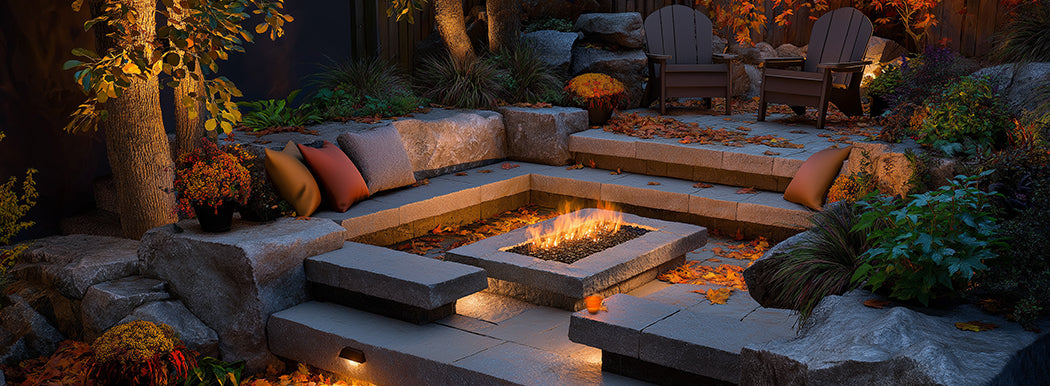
Fire pit gathering spots become the center of evening activity. Keep a stack of dry kindling under a bench so it is ready without tracking mud across the lawn. Position seating so smoke blows away from the house on prevailing winds.
Bird Bath with Fall Elements
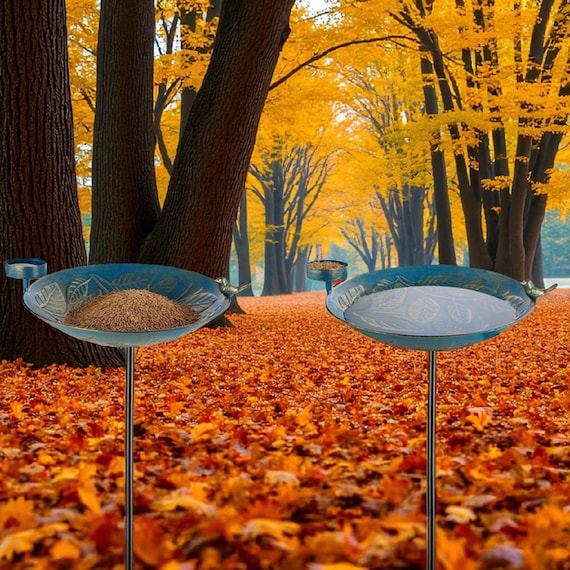
Bird baths with fall elements stay active even when flowers fade. Add a few floating leaves or a small pumpkin slice nearby so birds have perches while they drink. Empty and scrub the basin weekly to prevent algae from building up in cooler water.
Apple Crate Stacking
Apple crate stacking creates tiered display surfaces without permanent construction. Place the largest crate on the ground and nest smaller ones at angles so water drains through the slats. Line the bottom of each crate with landscape fabric before adding soil or filler.
Blanket and Pillow Benches
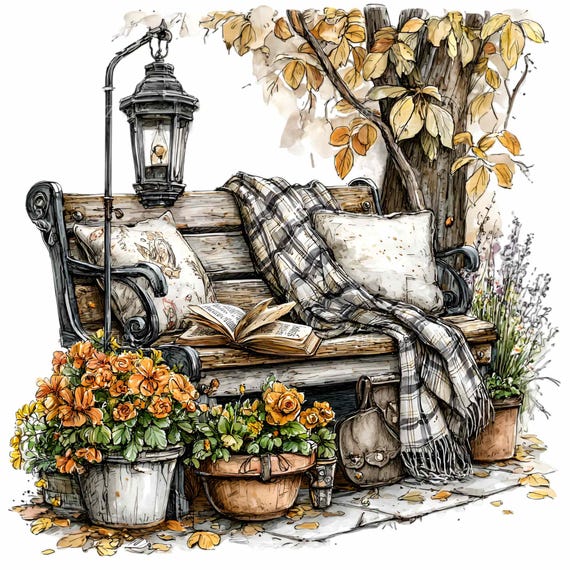
Blanket and pillow benches invite lingering on mild afternoons. Store textiles in a sealed bin at the end of each day so dew does not soak the fabric. Choose colors that echo the surrounding foliage rather than matching exactly for a collected look.
Dried Flower Arrangements
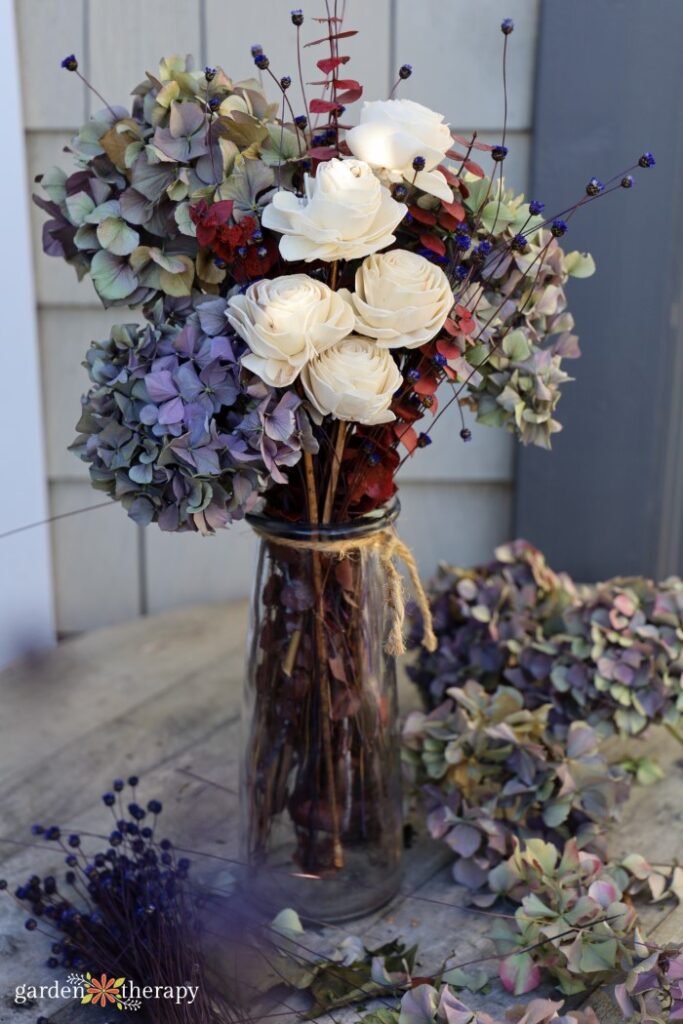
Dried flower arrangements extend summer blooms into the cooler months. Hang stems upside down in a dry garage for two weeks before arranging so they hold their shape. Replace any stems that turn fully brown rather than keeping a faded tone.
Comparing Container Materials for Fall Displays
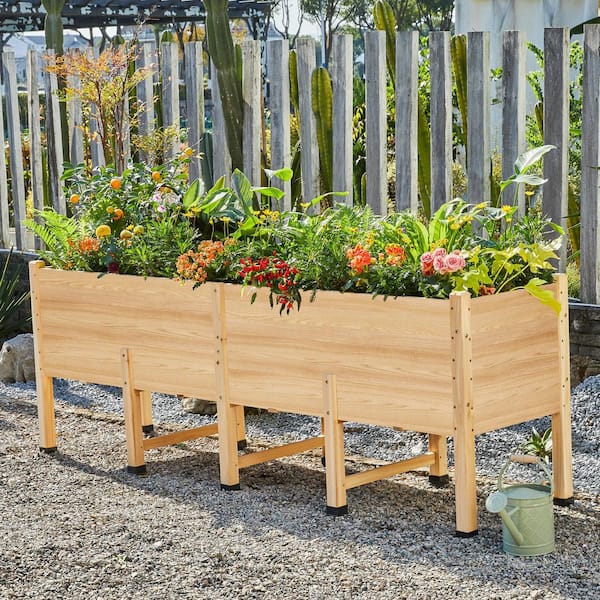
Different container materials behave differently once nights turn cold. The table below shows key traits to consider before choosing pieces for repeated seasonal use.
| Material | Weight | Frost Resistance | Maintenance Needed |
|---|---|---|---|
| Metal | Light | High | Wipe to prevent rust spots |
| Wood | Medium | Medium | Re-seal edges each autumn |
| Ceramic | Heavy | Low | Move indoors below 25°F |
Wood crates offer the best balance when you want to move displays often without straining your back. Check drainage holes before the first hard freeze so trapped water does not crack the sides.
FAQ
How do I protect fall garden decor from early snow?
Move lightweight items such as lanterns and small signs under cover as soon as forecasts show accumulation. Larger pieces like hay bales can stay in place if you drape them with a tarp weighted at the corners. Checking the garden after each weather shift prevents most damage before it becomes permanent.
What is the best way to store dried arrangements between seasons?
Keep stems in a dark, dry closet inside a cardboard box with a few silica packets. Avoid plastic bins that trap moisture and cause mold on the petals. Label the box clearly so you can locate the pieces quickly the following year.
How often should I refresh pumpkin displays once temperatures drop?
Inspect the arrangement every three days and remove any pieces that show soft spots. Rotate remaining pumpkins so the side that faced the ground gets air circulation. Adding a fresh layer of straw underneath helps keep moisture from wicking upward and shortens the need for full replacements.
Can I leave corn stalks standing through winter?
The stalks will eventually collapse under snow weight, so plan to cut them down before the first heavy accumulation. Leaving a few bundles near the compost pile gives wildlife cover while keeping the main garden tidy.
Fall garden decor rewards small, repeated adjustments rather than one large installation.
Leave a Reply