
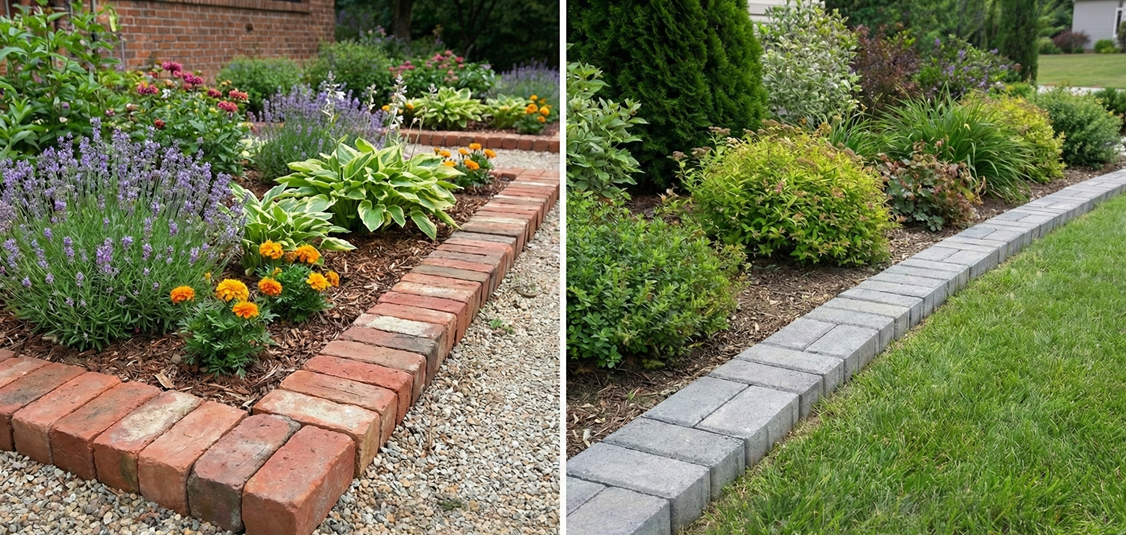
Creating budget-friendly garden borders and edging gives your outdoor space clean lines and a polished look without spending much. You can pull together materials you already have or find affordably at local sources, then shape them into practical divisions that keep soil in place and weeds under control while adding visual interest to beds and paths.
Repurposed Brick Borders
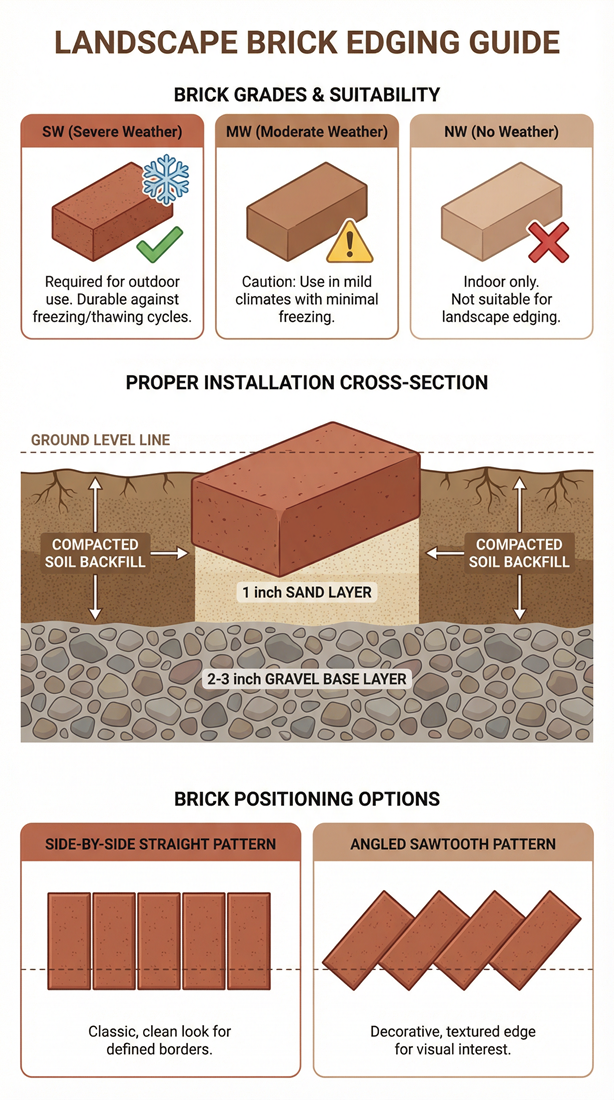
Bricks offer a classic, sturdy edge that holds up season after season. Lay them flat or at an angle for a sawtooth effect that catches the light nicely in the afternoon sun. They pair well with both formal flower beds and casual vegetable patches, and you can often source used ones from construction sites or online marketplaces for very little cost.
River Rock Borders
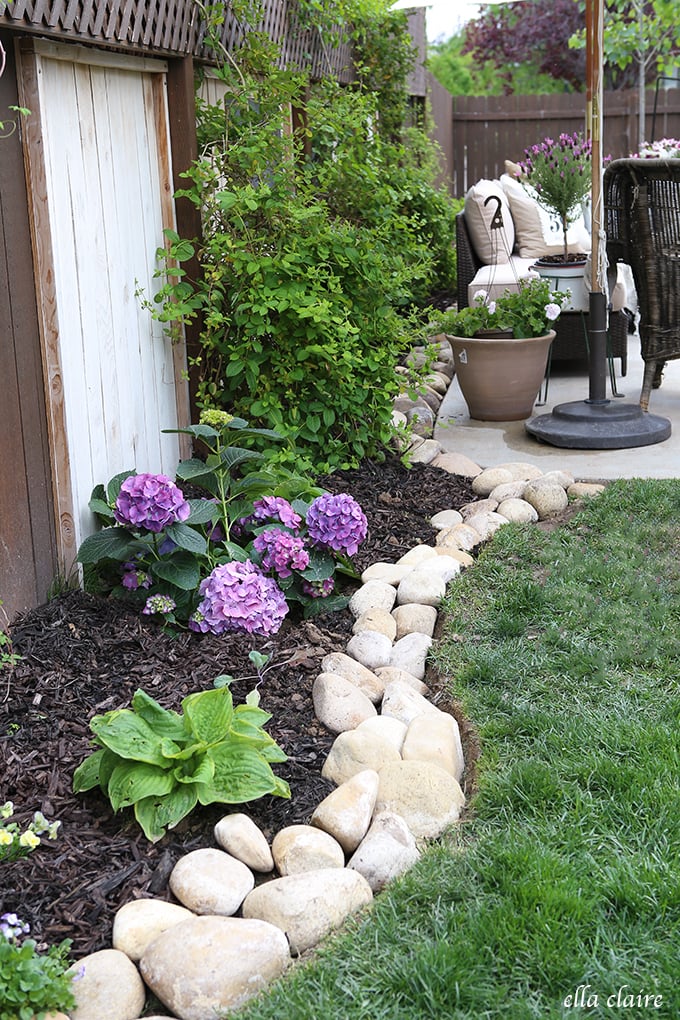
Smooth river rocks create a natural, flowing line that blends into any planting style. Gather them from a local stream or buy a few bags at a garden center to form a low, curved border that lets water drain freely. The varied sizes and colors add texture without any extra decoration needed.
Sliced Log Edging
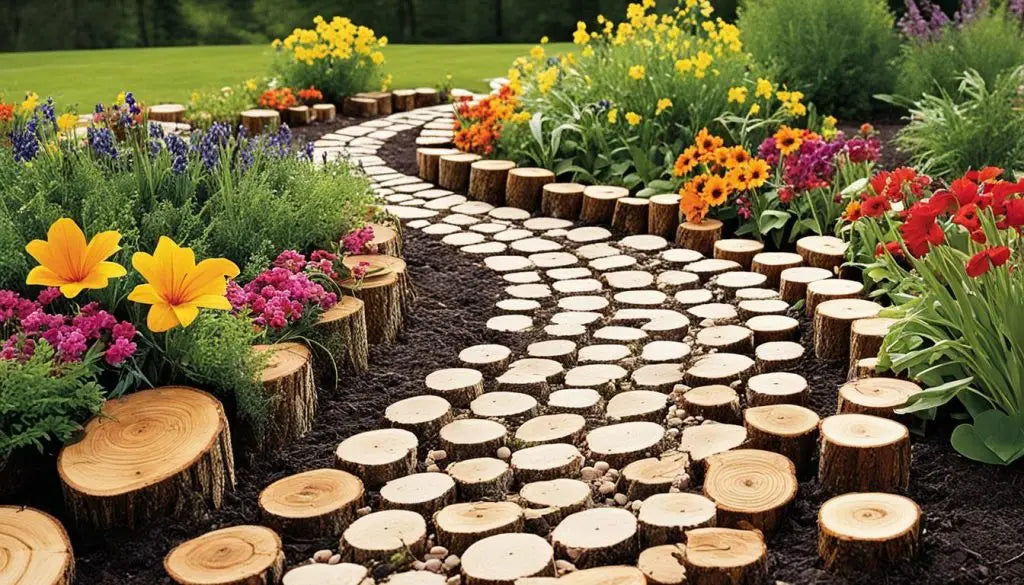
Short sections of cut logs or branches give a rustic woodland feel that works especially well around shade gardens. Place the slices side by side so the cut ends face outward, creating a scalloped look that softens straight bed lines. Choose rot-resistant woods like cedar or oak to keep the border lasting longer.
Recycled Glass Bottle Edging
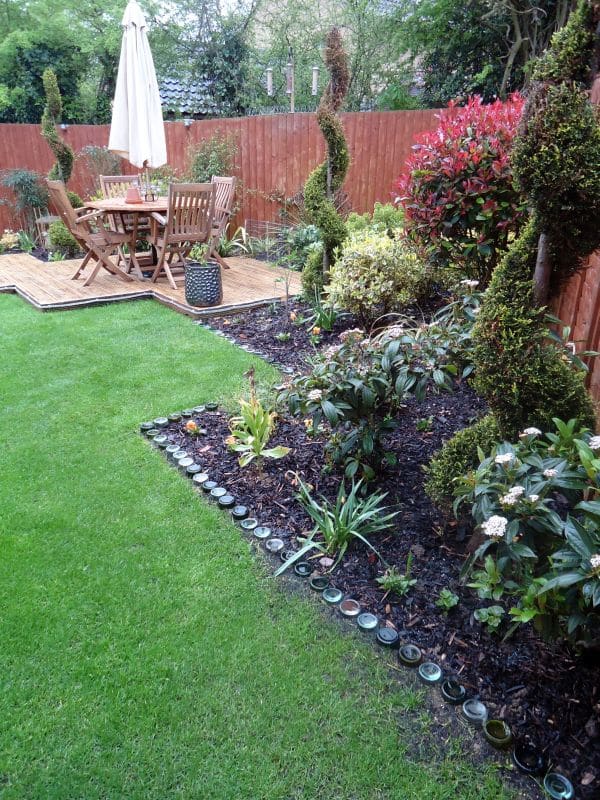
Empty wine or soda bottles turned upside down produce a colorful, light-catching edge that costs nothing if you collect them from your own recycling bin. The necks sink into the soil while the rounded bottoms sit just above ground level, forming a neat row that reflects morning dew and evening lights.
Pallet Wood Strips
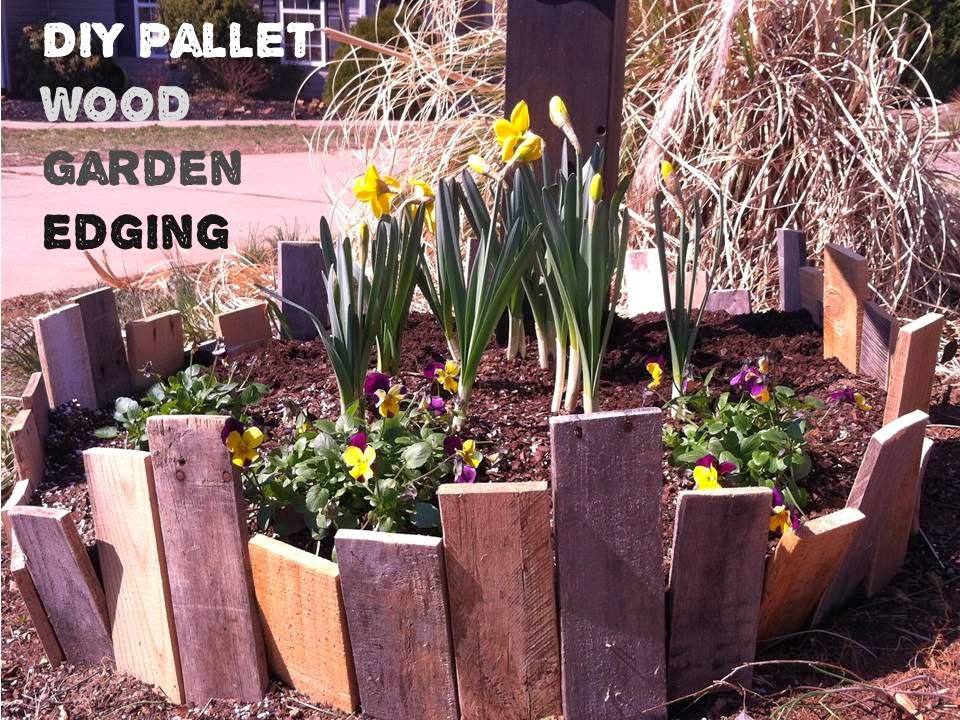
Dismantled pallets supply straight, weathered boards that you can cut to length for simple vertical or horizontal edging. The gray tones contrast beautifully with green foliage, and the wood naturally weathers to a soft finish over time. Keep pieces short so they stay stable without extra anchoring.
Old Tire Sections
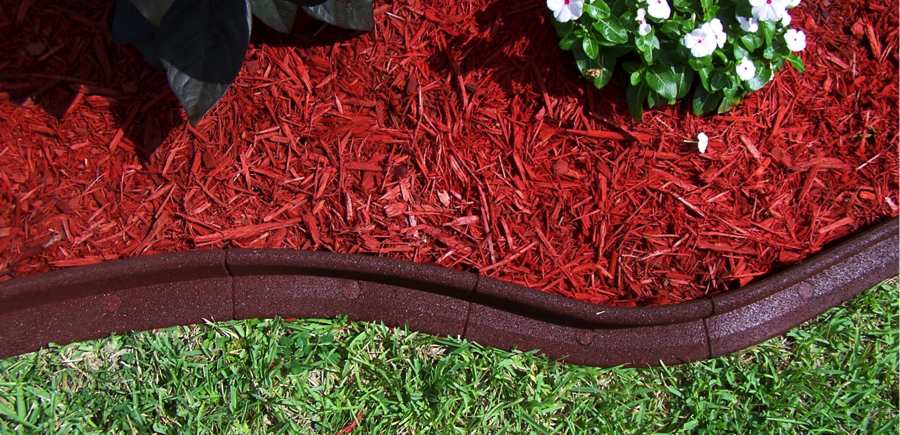
Cut tires into half-moon shapes or laid-flat rings create flexible curves around trees or curved beds. Paint them a dark color or leave them black so they disappear behind plants while still holding mulch in place. This option reuses something that would otherwise go to waste and handles foot traffic well.
Corrugated Metal Sheets
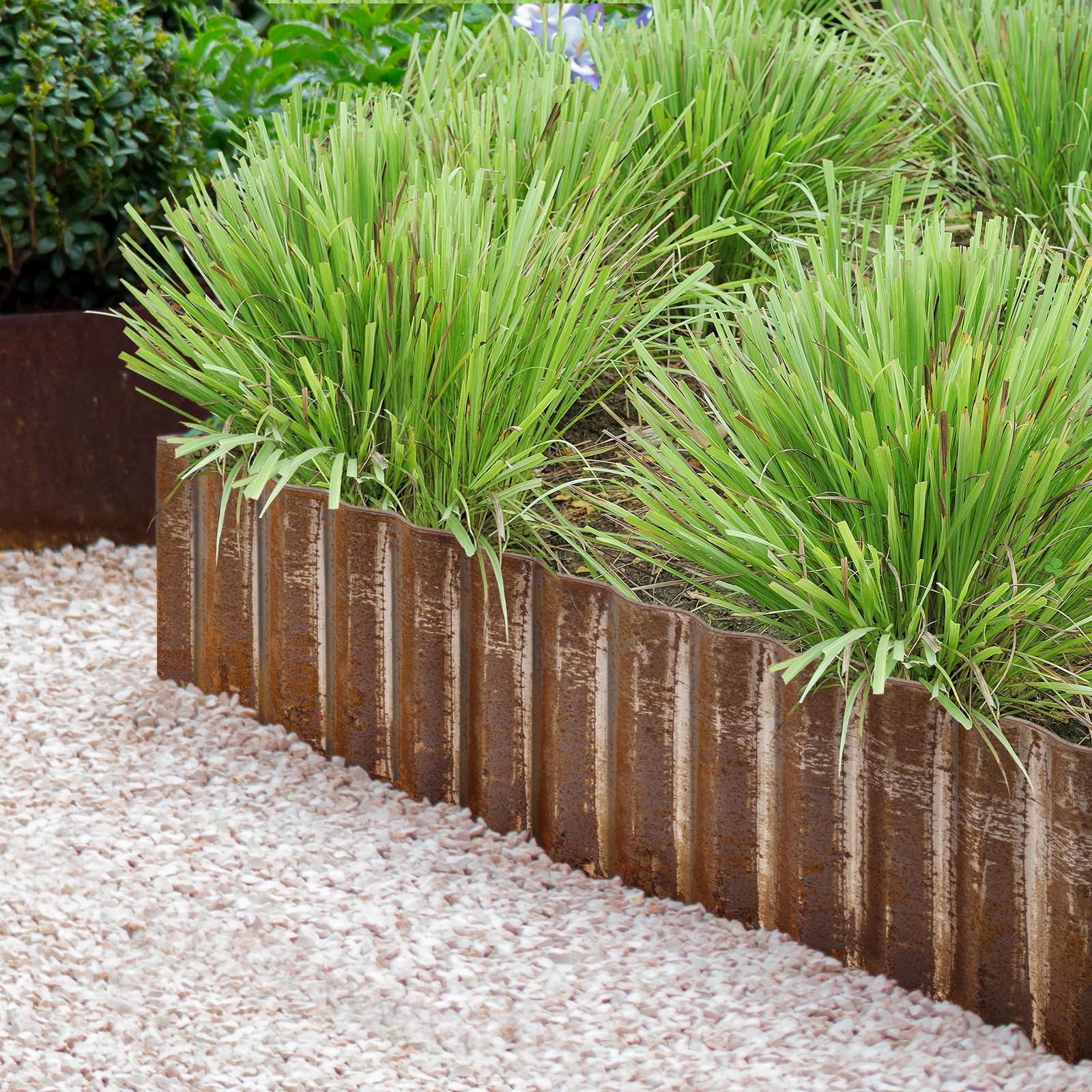
Short lengths of corrugated metal tucked into the soil give a modern, industrial accent that stands out against soft plantings. The material resists rust and stays upright even in windy spots. Look for scraps from roofing projects or farm supply stores to keep costs low.
Rope and Stake Lines
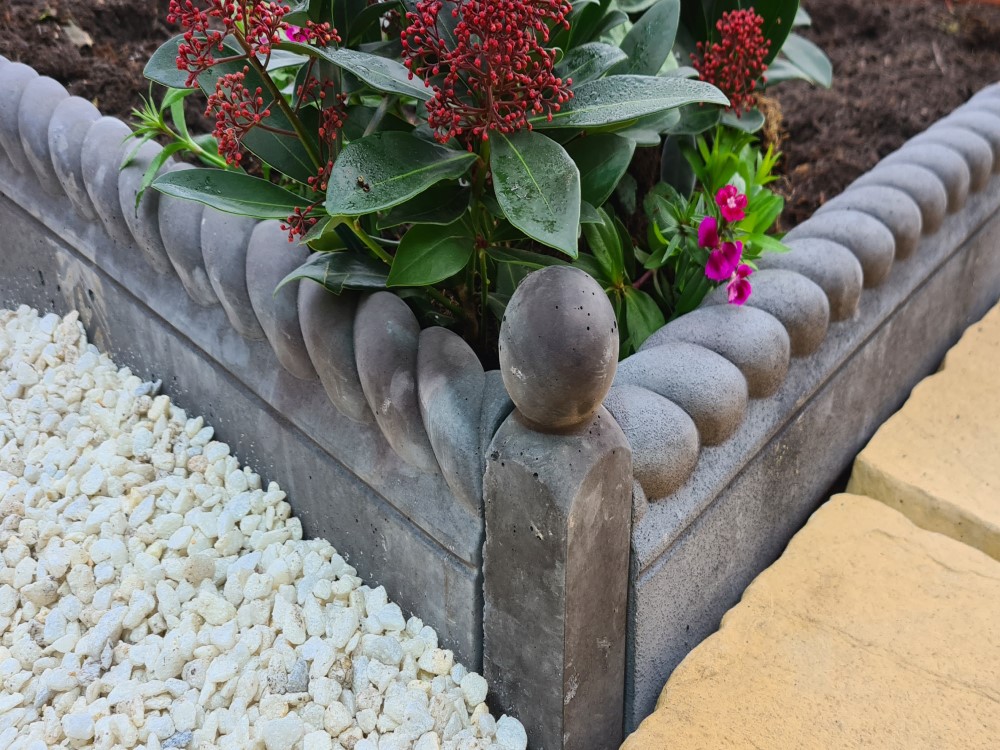
Thick rope strung between short wooden stakes forms a casual, nautical-style border that you can adjust as plants grow. The rope sits just above soil level so it does not block drainage, and you can swap the cord for a fresh piece when it starts to fray. This style suits cottage gardens and herb beds especially well.
Cinder Block Planters
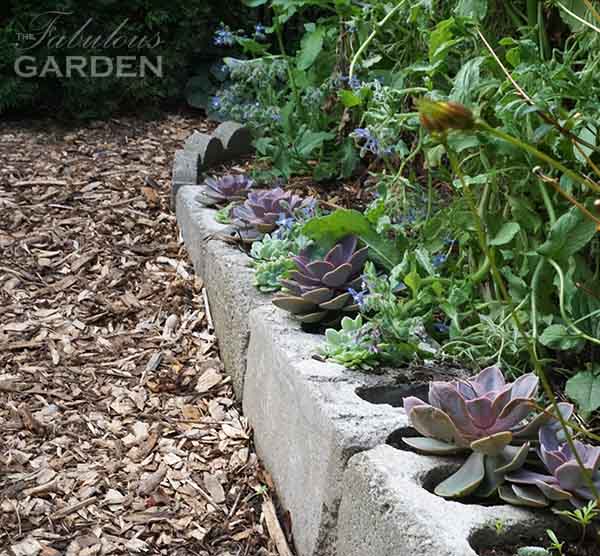
Stacked or single-row cinder blocks double as both edging and mini planters for trailing herbs or flowers. The hollow centers hold soil and let roots breathe, while the gray blocks provide a solid, low wall that defines paths clearly. You can often find leftover blocks from building projects at no cost.
Branch and Twig Fences
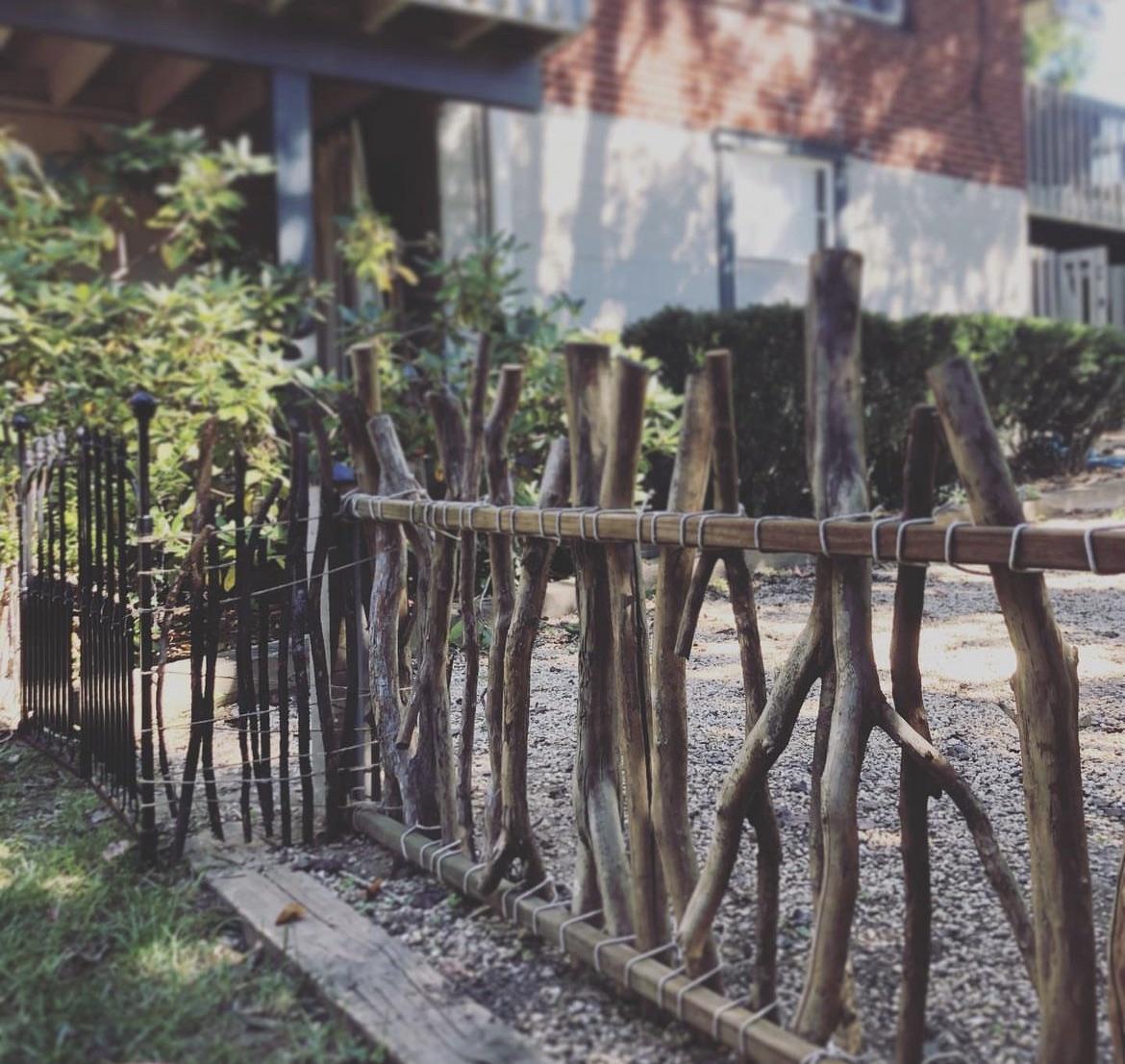
Gathered twigs and small branches woven between upright stakes create a lightweight, living-looking edge that feels at home in natural gardens. The irregular shapes add movement and texture, and the materials come straight from your own pruning or a quick walk in the woods.
Mulch with Timber Edging
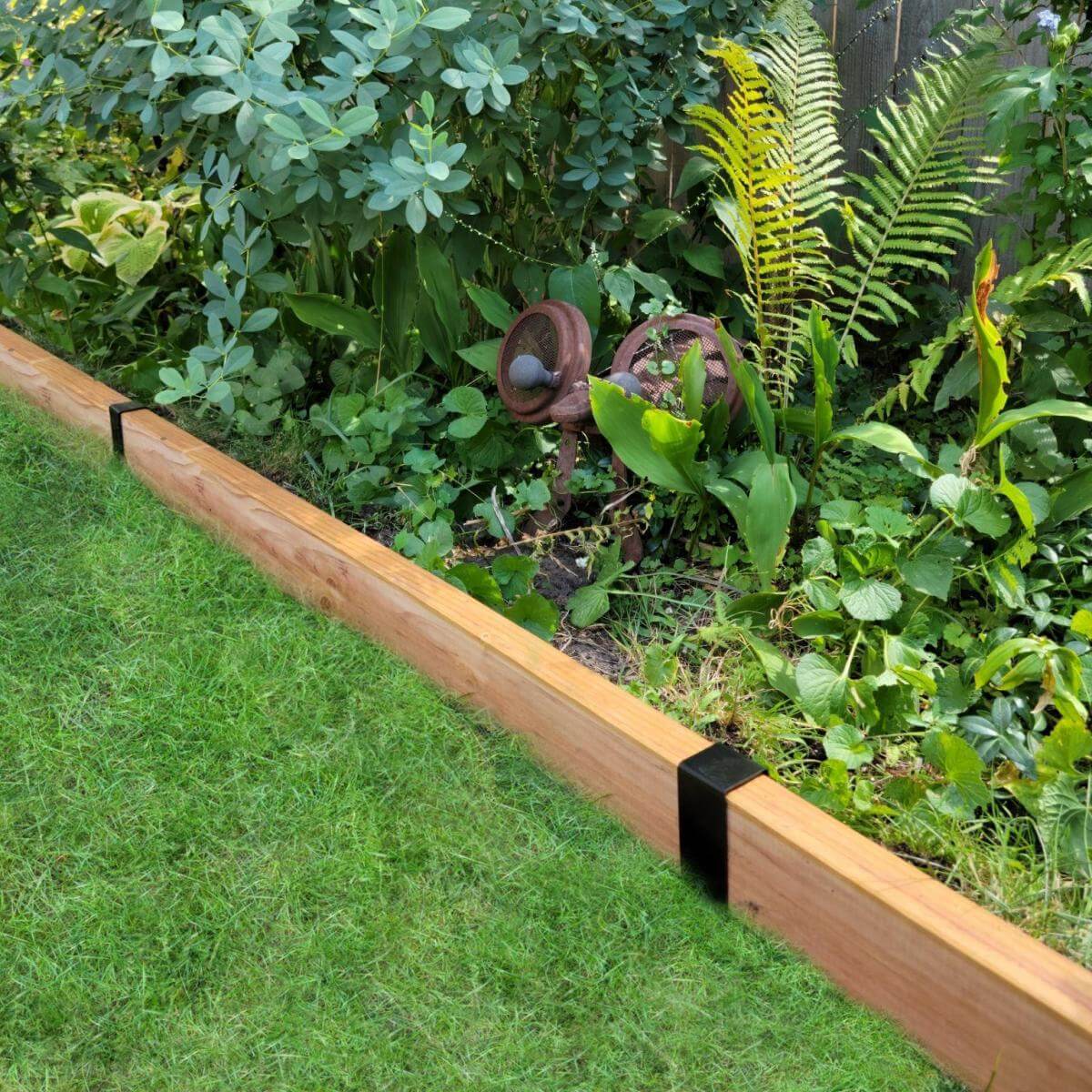
Pressure-treated landscape timbers laid end to end give mulch beds a finished frame that prevents spillover onto lawns. The wood stays low enough to mow over easily yet tall enough to contain bark or wood chips. Choose shorter lengths so you can work around curves without cutting.
Living Plant Borders
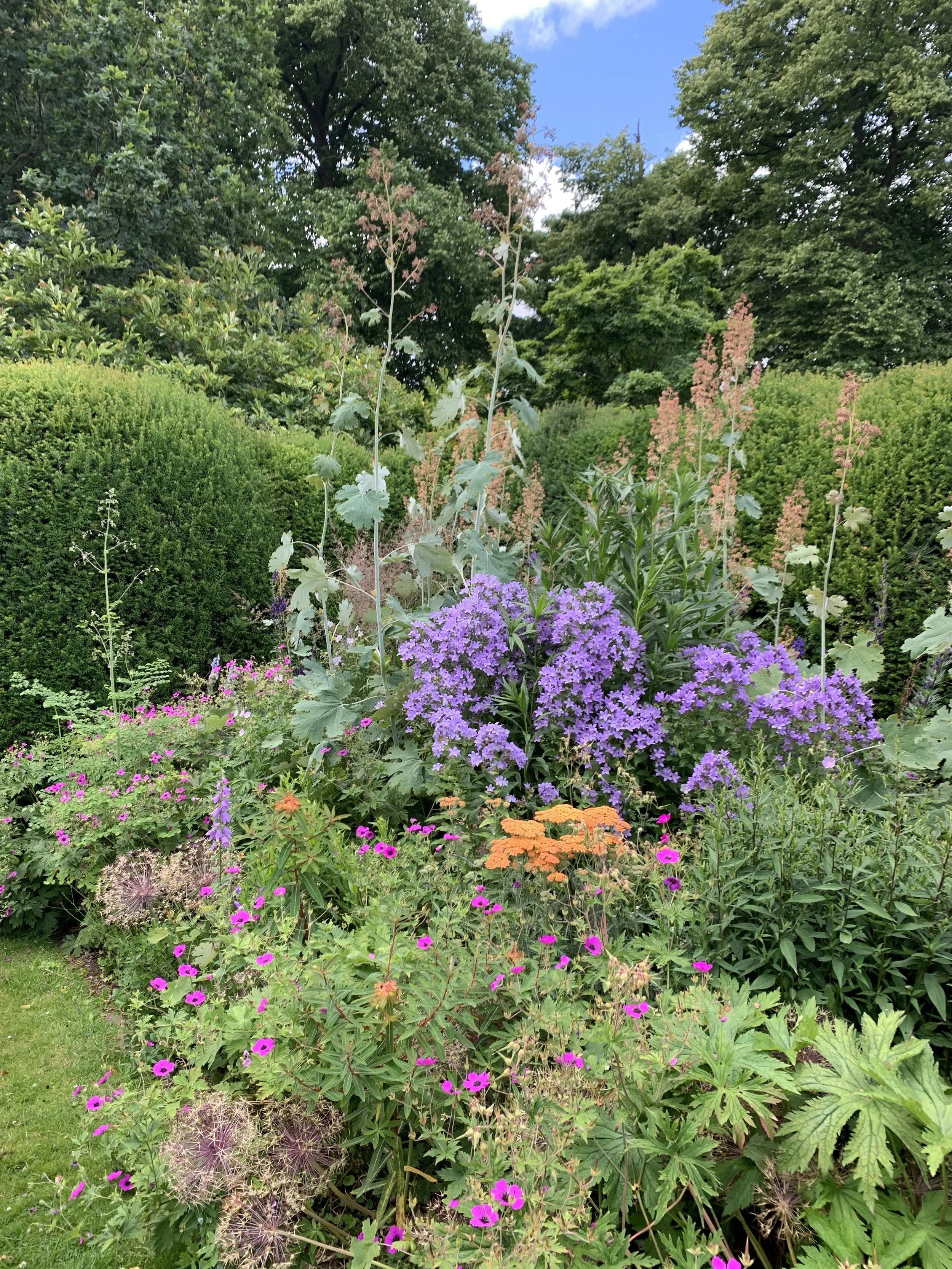
Low-growing ground covers such as creeping thyme or mondo grass planted in a single row form a soft, green edge that changes with the seasons. The plants knit together over time to create a living barrier that needs little maintenance once established and adds fragrance or color right at ground level.
FAQ
How deep should I set border materials into the soil? Most edging stays stable when buried four to six inches, which keeps it from shifting while still showing enough height above ground to contain mulch or soil.
Can these ideas work in areas with heavy rain? Yes. Materials like bricks, rocks, and metal handle moisture well, while wood benefits from a quick coat of exterior sealant before installation.
What if my garden has a lot of curves? Yes. Flexible options such as rope, tires, or shorter log slices adjust easily to bends without gaps or extra cutting.
How do I keep budget borders looking neat over time? A quick annual check for loose pieces and a light raking of mulch keeps everything tidy without much effort.
These approaches let you define your garden spaces with materials that feel personal and purposeful. Pick one or two that match the style you already have growing, then watch how the clean edges make the whole yard feel more intentional and cared for.
Leave a Reply