Creating handmade items for a new arrival is one of the most rewarding ways to welcome a little one into the world.
Crochet offers a unique blend of therapeutic relaxation for the maker and a soft, durable result for the baby.
Whether you are an expectant mother looking for a nesting project or a friend searching for the perfect baby shower gift, free crochet baby patterns provide endless possibilities to create heirlooms that are both functional and heartfelt.
Essential Supplies for Crocheting Baby Items
Before diving into the patterns, it is crucial to understand that baby skin is incredibly sensitive.
The materials you choose will determine the longevity and comfort of the finished piece.
Selecting the Right Yarn
When selecting yarn for baby projects, look for labels that specify “baby” or “soft.” Common choices include:
- ✨Cotton: Breathable, natural, and easy to wash.
- ✨Bamboo Blends: Incredibly soft and has natural antibacterial properties.
- ✨Acrylic: Affordable and machine washable, but ensure it is a high-quality “anti-pilling” variety.
Standard Hook Sizes for Baby Projects
| Project Type | Recommended Hook Size | Yarn Weight |
|---|---|---|
| Delicate Lace/Booties | 2.25mm – 3.5mm (B-E) | Fingering / Sport |
| Blankets & Sweaters | 4.0mm – 5.0mm (G-H) | DK / Worsted |
| Chunky Blankets | 6.0mm+ (J and above) | Bulky |
1. The Classic Shell Stitch Baby Blanket
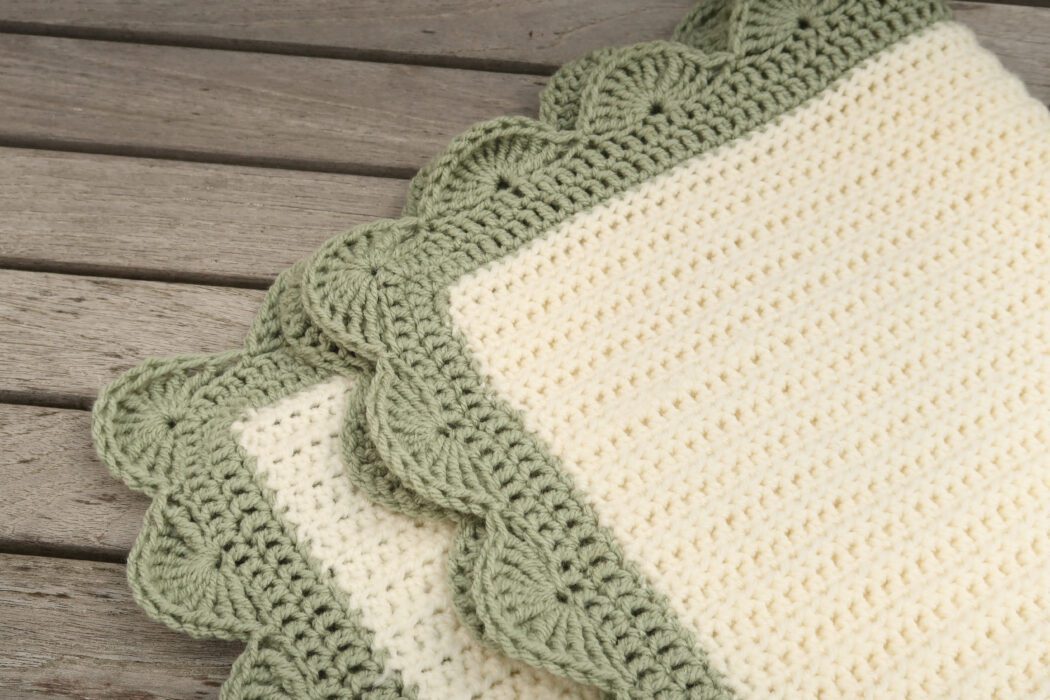
The shell stitch is a staple in baby crochet because it creates a dense yet flexible fabric that provides warmth without being too heavy.
This pattern typically uses a series of five double crochets into a single stitch to create the “shell” look.
Why it’s great for moms: It is a repetitive pattern that is easy to memorize, making it the perfect “couch project” while resting. Use a variegated yarn to create beautiful color transitions without having to weave in dozens of ends.
2. The “Magic Loop” Newborn Beanie
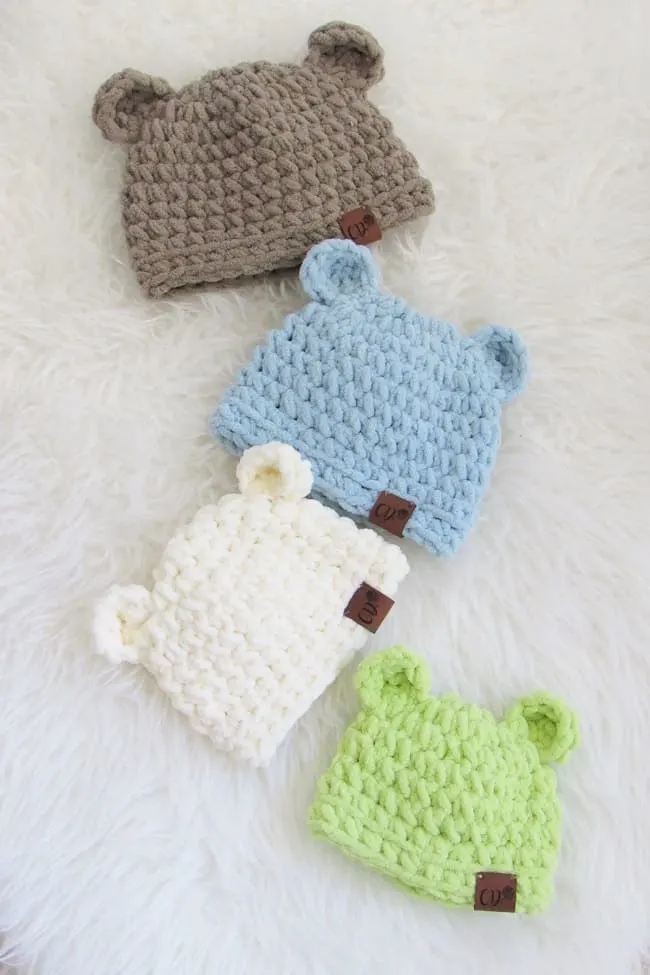
Every newborn needs a soft hat to regulate their temperature.
This pattern starts with a “magic loop” (or magic circle) to ensure there is no hole at the top of the hat.
Tutorial Tip: Work in continuous rounds of half-double crochet (HDC) to avoid a visible seam. For a newborn size, you generally want a diameter of about 4 to 4.5 inches before you stop increasing and start working straight down.
3. Tiny Toes Baby Booties
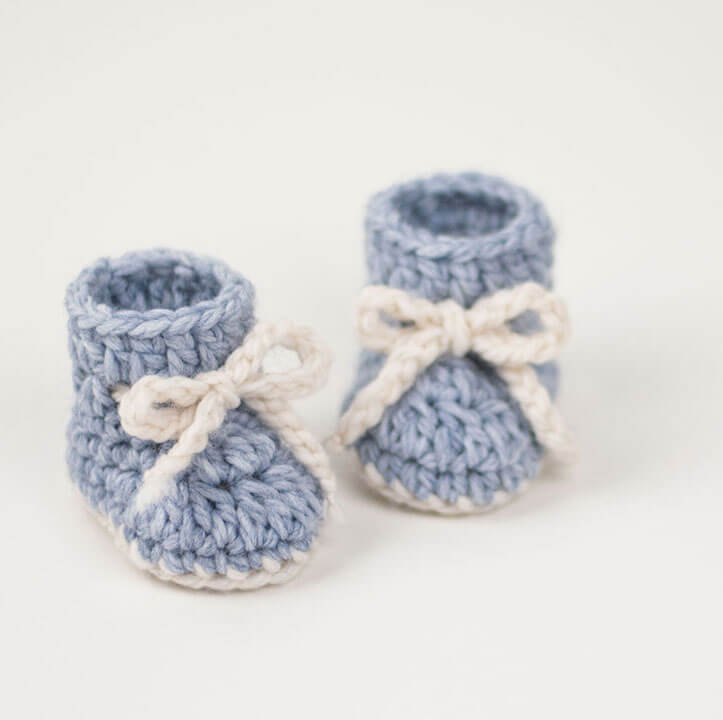
Booties are notoriously difficult because they require precise shaping, but a “T-shape” pattern is beginner-friendly.
You crochet a simple T-shape, fold it, and seam the sides to create a structured shoe that actually stays on wiggly feet.
Design Idea: Add a small wooden button or a crochet flower to the strap to give them a boutique finish.
4. The Bunny Lovey Security Blanket
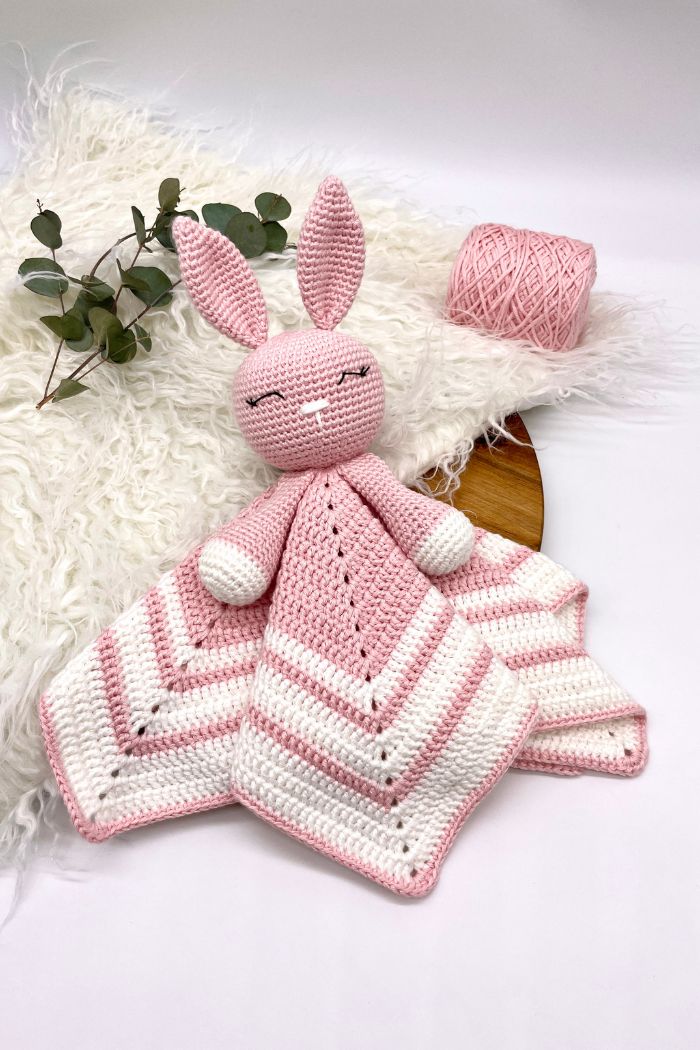
A lovey is a cross between a stuffed animal and a security blanket.
This pattern involves crocheting a small amigurumi-style head (like a bunny or bear) and attaching it to the center of a small 12×12 inch granny square.
Safety Note: When making toys for babies, never use plastic safety eyes. Instead, embroider the eyes with black yarn or embroidery floss to prevent choking hazards.
5. Easy-On Diaper Cover
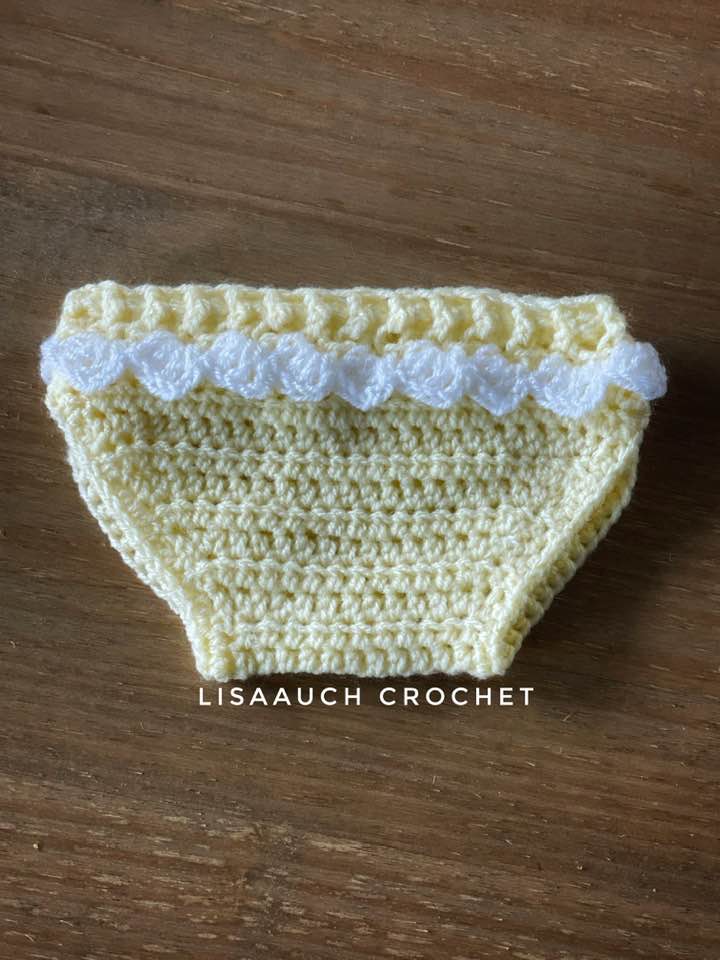
Perfect for newborn photo shoots, the diaper cover is a quick project that uses very little yarn.
It is essentially two triangles joined at the base with a ribbed waistband.
Customization: You can add “ruffles” to the back for a baby girl or a little “tail” if you are making an animal-themed set.
6. The Seamless Baby Cardigan
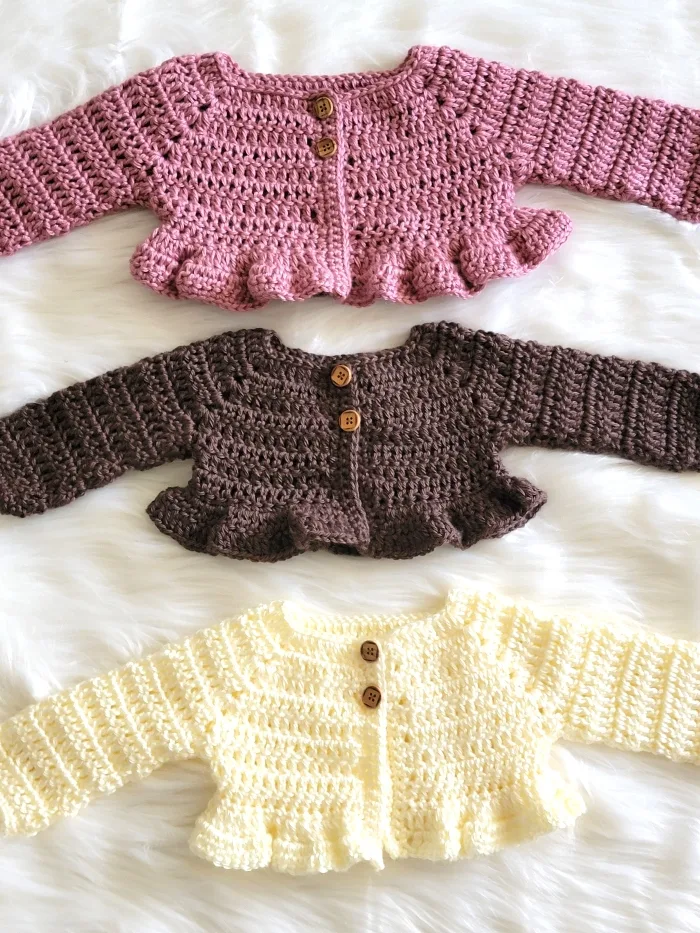
Many moms avoid sweaters because of the seaming involved.
A “top-down” raglan pattern allows you to crochet the entire cardigan in one piece. You start at the neck, increase for the shoulders, and then drop the sleeves to be finished later.
Why it works: Because it’s seamless, there are no rough edges inside to irritate the baby’s skin.
7. Soft Crochet Teething Ring
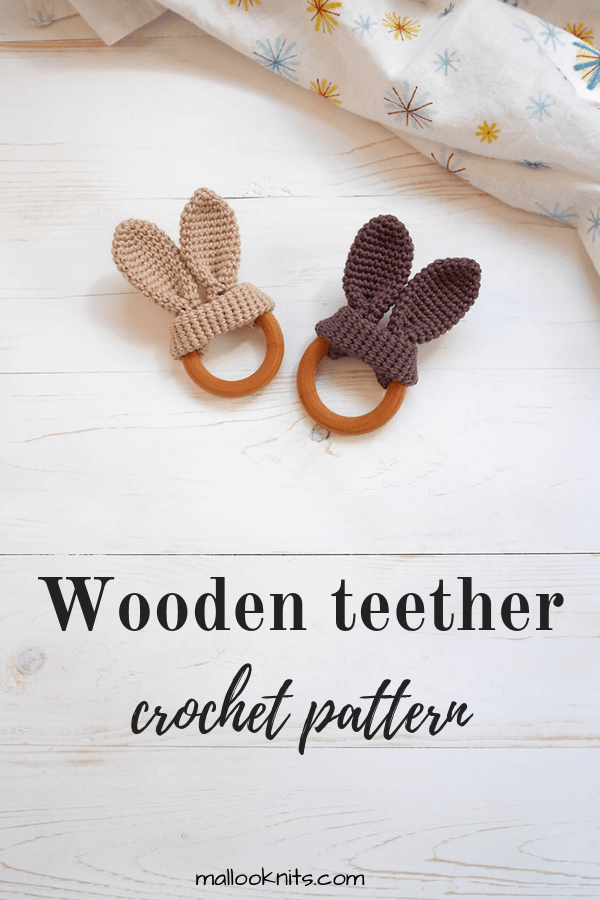
Using an unfinished, BPA-free wooden ring, you can crochet a small textured cover.
Use 100% cotton yarn for this, as it is absorbent and can be easily cleaned.
Texture Tip: Use the “popcorn stitch” or “bobble stitch” on the cover to provide different sensations for the baby’s gums.
8. The Modern Granny Square Bib
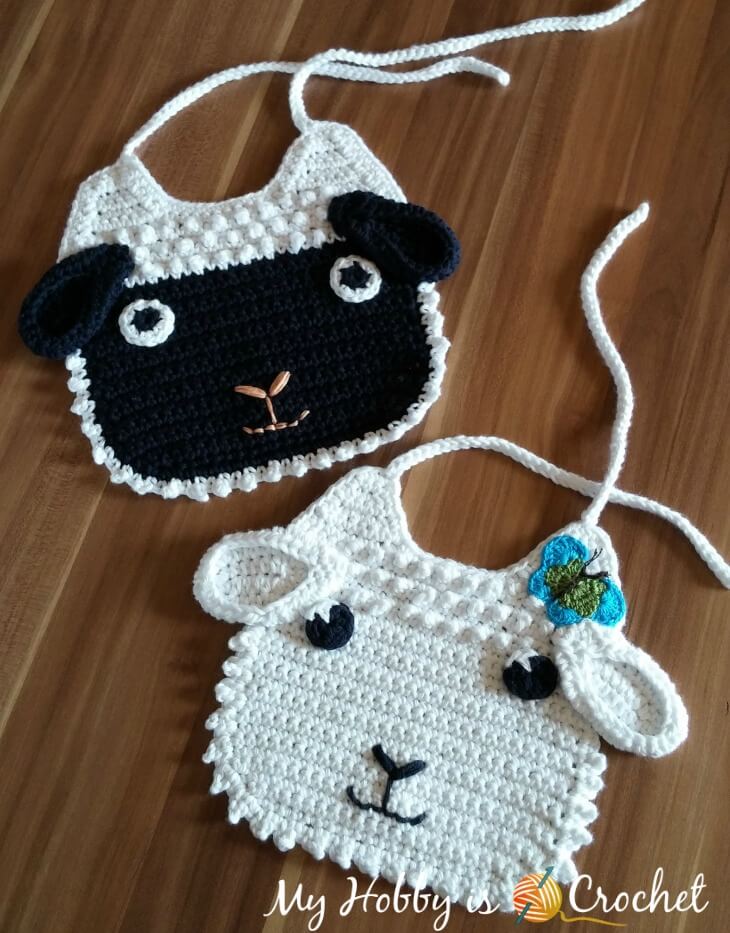
Forget the old-fashioned bibs; a modern crochet bib uses a dense stitch (like single crochet) to ensure liquids don’t soak through immediately.
Construction: Create a U-shape for the neck and use a button closure rather than ties. Ties can be a strangulation hazard, so a secure button or Velcro is always preferred for baby items.
9. Amigurumi Rattle Ball
Inside a simple crocheted sphere, you can place a plastic rattle insert (available at craft stores) or even a clean plastic egg filled with a few beads (sealed tightly with tape).
Developmental Benefit: The bright colors and sound help with the baby’s sensory development. Use high-contrast colors like black, white, and red for newborns.
10. The Hooded Baby Towel Trim
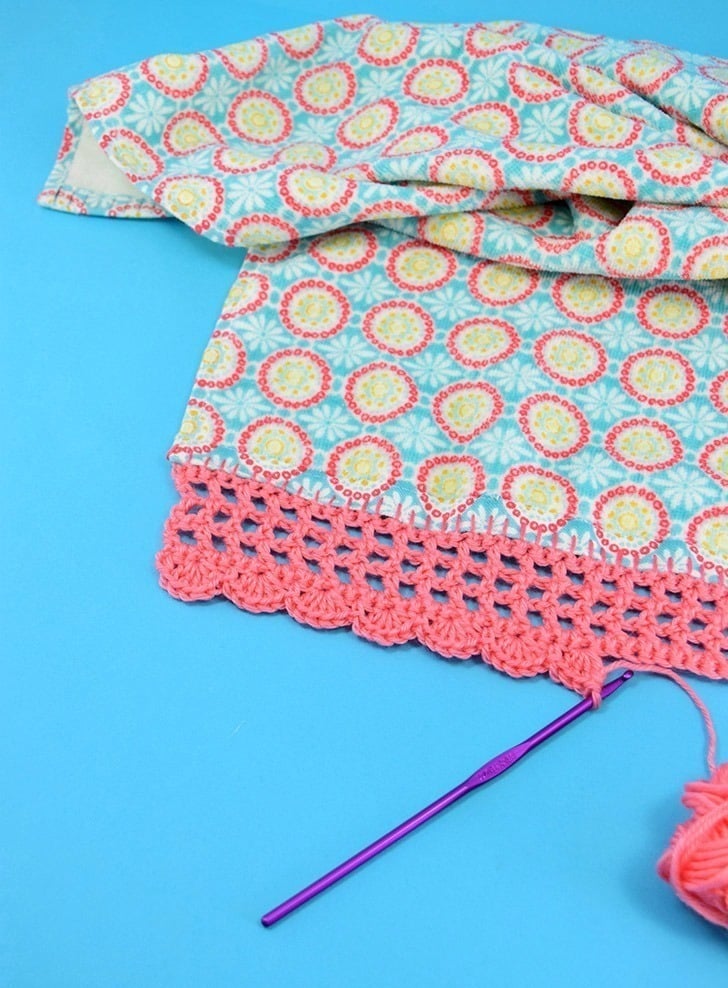
While you don’t crochet the whole towel, adding a crochet border and a decorative triangle to one corner of a store-bought towel turns a basic item into a luxury gift.
Technique: Use a “blanket stitch” around the edge of the fabric towel first, then crochet into those stitches to create a beautiful lace or scalloped border.
11. No-Scratch Baby Mittens
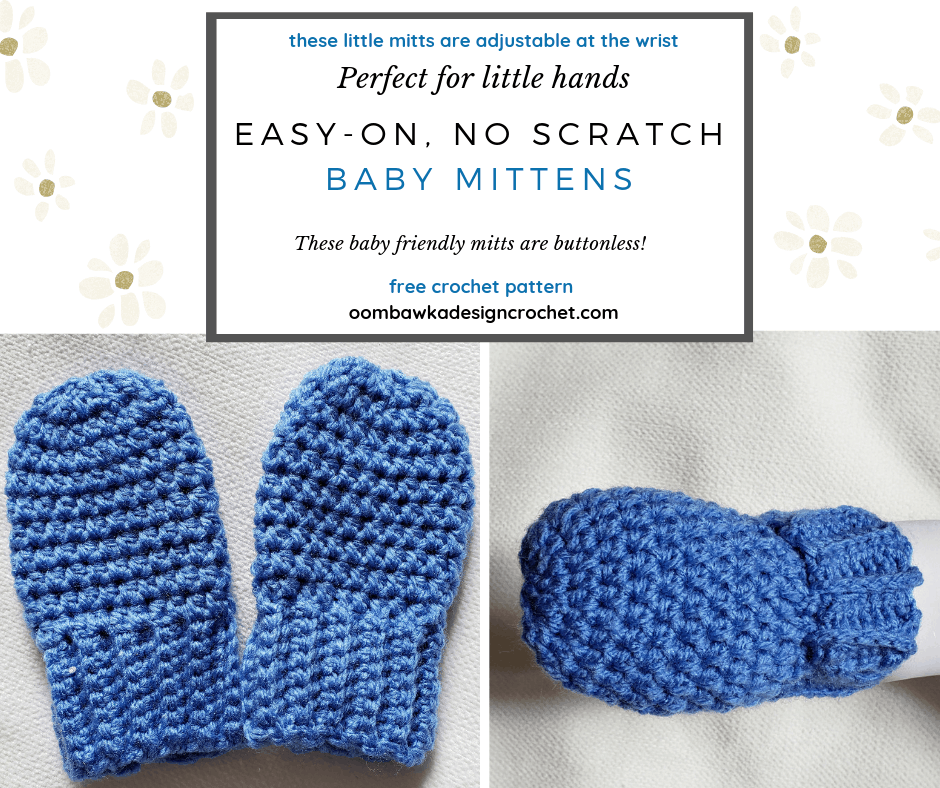
Newborns often have sharp nails and a tendency to scratch their faces.
A pair of simple thumbless mittens can be made in under 30 minutes.
Fit Tip: Use a ribbed stitch for the wrist (alternating front post and back post double crochet) to ensure the mittens stay on without being too tight.
12. Sun-Smart Baby Sun Hat
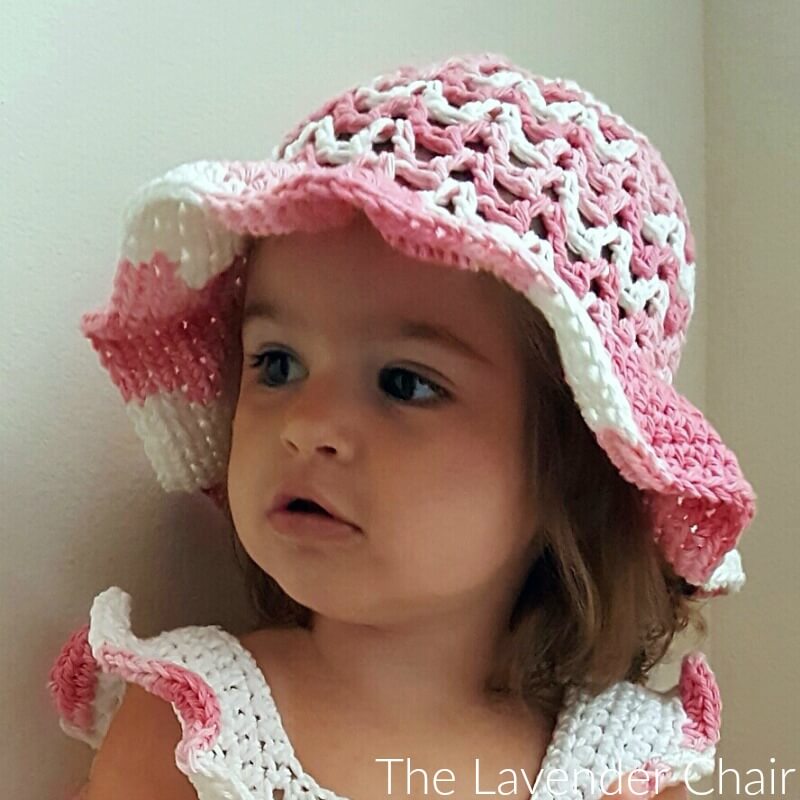
For summer babies, a wide-brimmed hat is essential.
Use a stiff cotton yarn so the brim doesn’t flop into the baby’s eyes.
Design: Incorporate “eyelet” holes in the second-to-last row of the crown so you can thread a ribbon through to tie the hat securely under the chin.
13. Crochet Pacifier Clip

Tired of pacifiers falling on the floor?
A short, 6-inch crocheted strap with a clip on one end and a loop on the other is a lifesaver.
Safety Rule: Never make a pacifier clip longer than 7-8 inches, as longer cords can become a wrap hazard around a baby’s neck.
14. Stroller Chain Activity Toy
This project consists of a long crocheted cord with several small shapes (stars, hearts, or balls) hanging from it.
Plastic C-links on the ends allow it to be attached across the front of a stroller.
Engagement: Use different yarn textures—some fuzzy, some smooth—to keep the baby interested during walks.
15. The “Sleep Tight” Swaddle Sack

Also known as a “baby cocoon,” this is essentially a large, soft tube that mimics the feeling of the womb.
It is excellent for keeping babies snug during supervised naps or photo sessions.
Stitch Choice: Use a chunky weight yarn and a large hook to make this project move quickly. Ensure the tension is loose so the fabric remains stretchy.
Best Practices for Crochet Baby Items
To ensure your handmade items are safe and durable, follow these professional tips:
- ✅The “Tug Test”: Always pull firmly on any attached parts (buttons, pom-poms, appliques). If they feel loose, sew them again with upholstery thread.
- ✅Avoid Long Loops: Patterns with large “holes” (like certain lace designs) can catch tiny fingers and toes. Stick to tighter stitches for footwear and clothing.
- ✅Wash Before Gifting: Always wash the finished item using a fragrance-free, baby-safe detergent. This removes any dust or oils from your hands and ensures the item is ready for immediate use.
- ✅Include Care Instructions: When gifting, include a small tag stating the yarn type and washing instructions (e.g., “Machine wash cold, tumble dry low”).
Frequently Asked Questions
What is the best yarn for a crochet baby blanket?
100% Cotton or a Cotton/Bamboo blend is generally considered the best. It is breathable, which prevents overheating, and it stands up well to frequent washing.
How long does it take to crochet a baby blanket?
Depending on the stitch and yarn weight, a standard baby blanket (30″ x 30″) can take anywhere from 10 to 20 hours of active crochet time.
Are crochet items safe for newborns?
Yes, provided you avoid small parts like beads or plastic eyes, and ensure there are no long loose threads or large holes that could trap fingers.
What size should a crochet baby hat be?
For a newborn, aim for a circumference of 12-13 inches. For 3-6 months, aim for 14-15 inches.
Conclusion
Crocheting for a baby is a labor of love that results in cherished keepsakes.
From the practical utility of a diaper cover to the sentimental value of a first heirloom blanket, these 15 patterns offer a comprehensive starting point for any new mom or crafter.
By choosing the right yarn and prioritizing safety, you can create beautiful, functional items that will be used and loved for years to come.
Grab your hook, find a cozy spot, and start crafting these adorable projects today!
Leave a Reply