
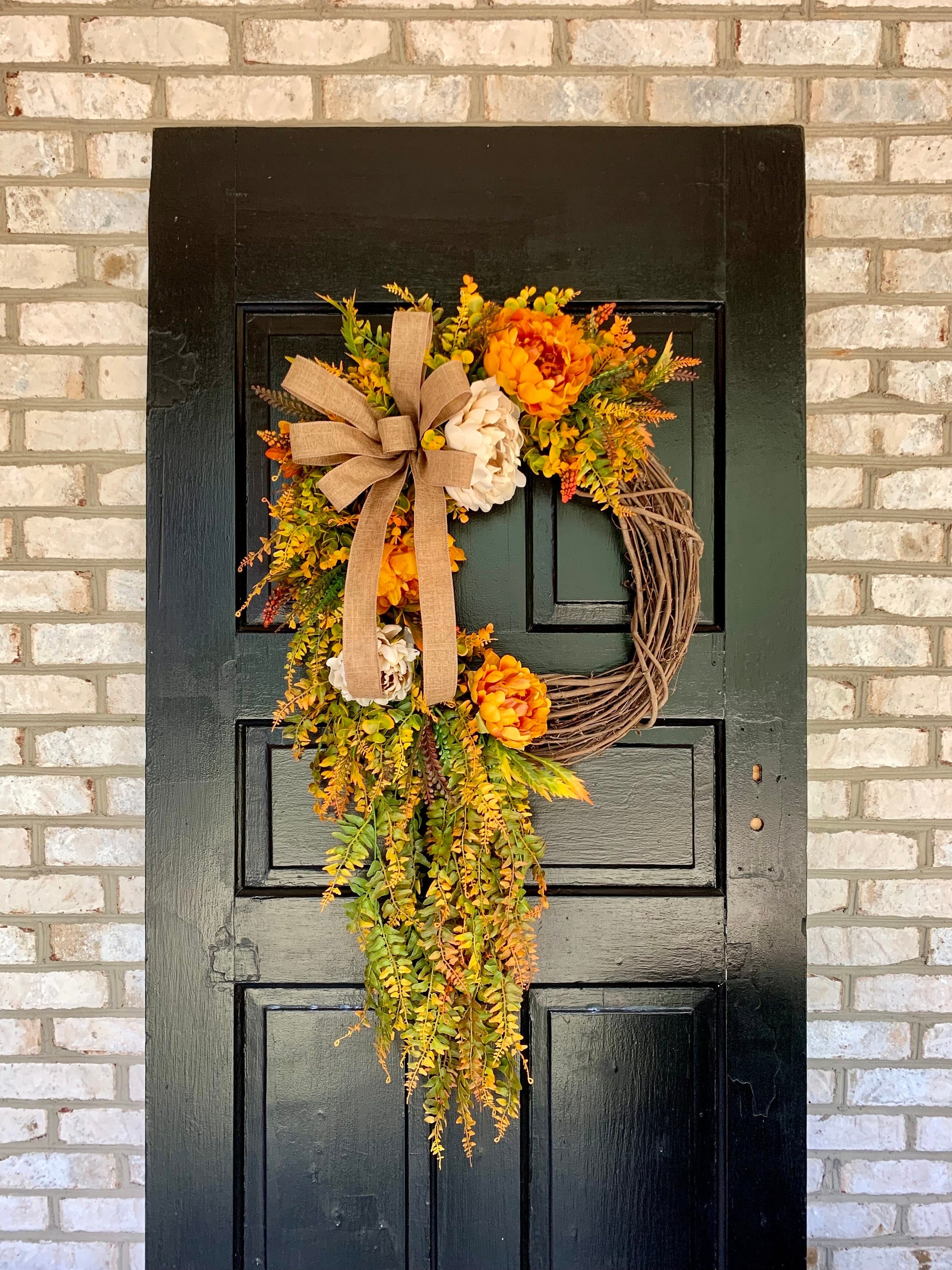
Fall wreaths bring texture, color, and seasonal presence to any entryway when built around durable bases and materials that hold up to weather changes. The 14 ideas below focus on recognizable wreath styles that pair easily with standard front doors and common hardware stores or craft supplies.
Corn Husk Wreath

Corn husks create a textured, neutral base that catches light differently throughout the day. Layering them in overlapping rings produces depth without needing extra filler once the form is full.
Natural variations in husk color add interest on their own, while a light coat of matte sealant helps them resist moisture on covered porches. This style works especially well on wood or painted doors where the warm tones stand out against cooler siding.
Pumpkin Patch Wreath
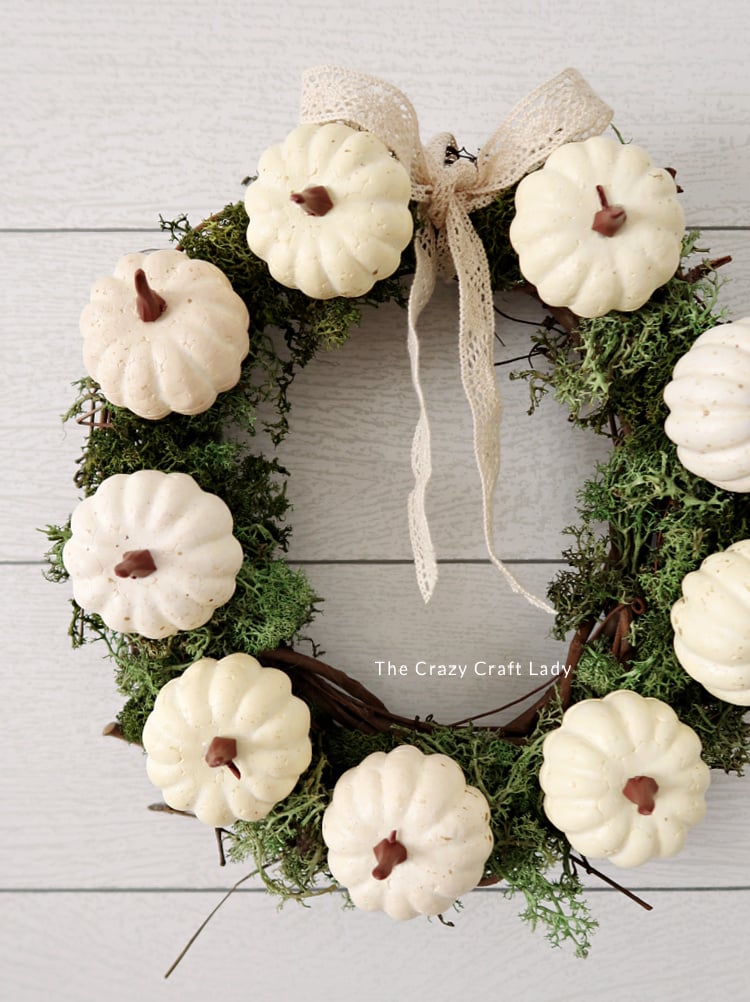
Small foam or resin pumpkins clustered along one side give this wreath its focal point while the rest stays filled with preserved leaves. The contrast between the orange accents and darker foliage keeps the design balanced rather than busy.
Choose pumpkins in two or three sizes so the arrangement feels collected instead of uniform. A lightweight grapevine base prevents the finished piece from sagging once hung.
Maple Leaf Wreath
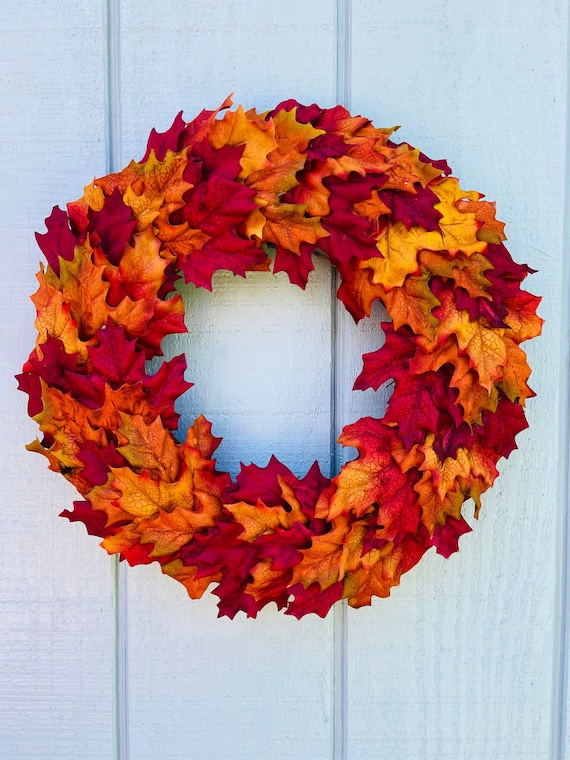
Preserved maple leaves in shifting reds and oranges deliver classic autumn color that photographs well from the street. Wire each leaf stem individually so they can be angled slightly forward for better dimension.
Replace any leaves that fade after the first season rather than trying to refresh the entire piece. This approach keeps the wreath looking fresh without starting over each year.
Burlap and Lace Wreath
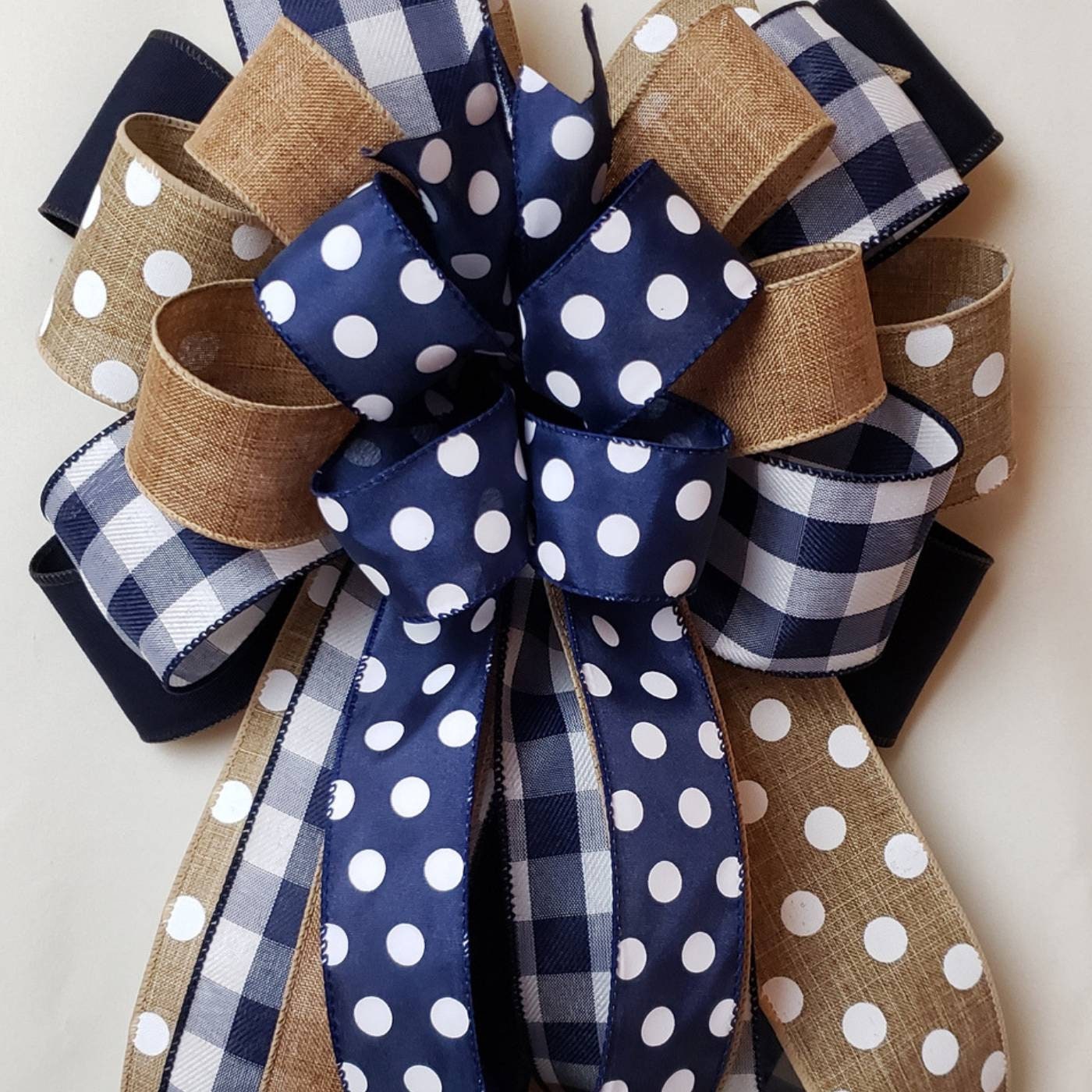
Wide burlap ribbon wrapped around a foam form creates a soft, farmhouse texture that pairs with both modern and older homes. A narrow strip of lace tucked behind the bow softens the edges without overpowering the rustic feel.
Rotate the bow position each season so the fabric does not develop permanent creases from the hanger. The combination holds color well even after exposure to morning sun.
Wheat Sheaf Wreath
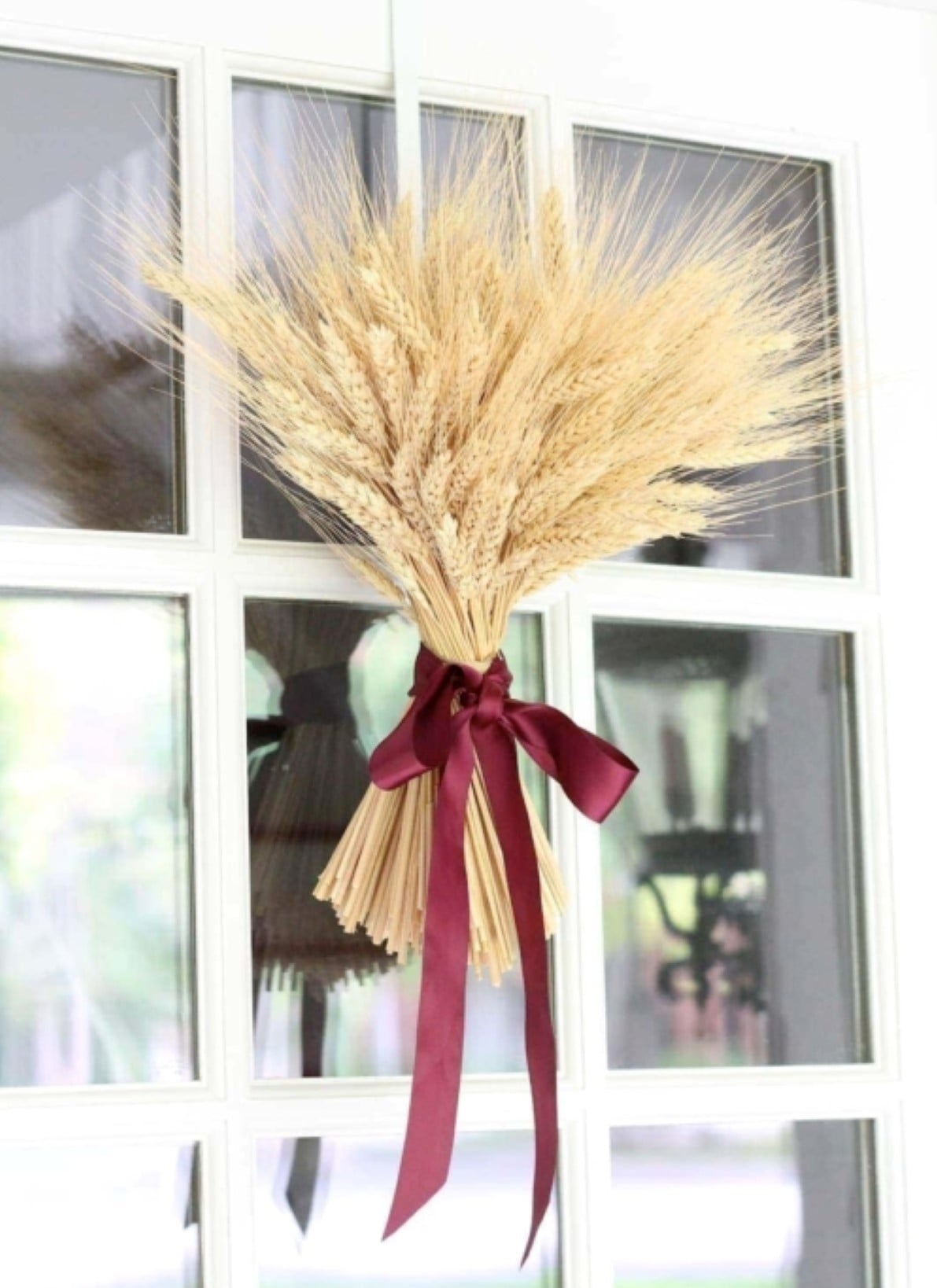
Dried wheat stalks bundled in small groups and wired to a circular frame produce clean lines and movement. The neutral tones allow the wreath to coordinate with almost any door color or trim.
Trim the stalks at varying lengths before attaching so the finished edge looks natural rather than blunt. Store the wreath flat in a dry box between seasons to prevent the grain heads from breaking.
Berry and Pinecone Wreath
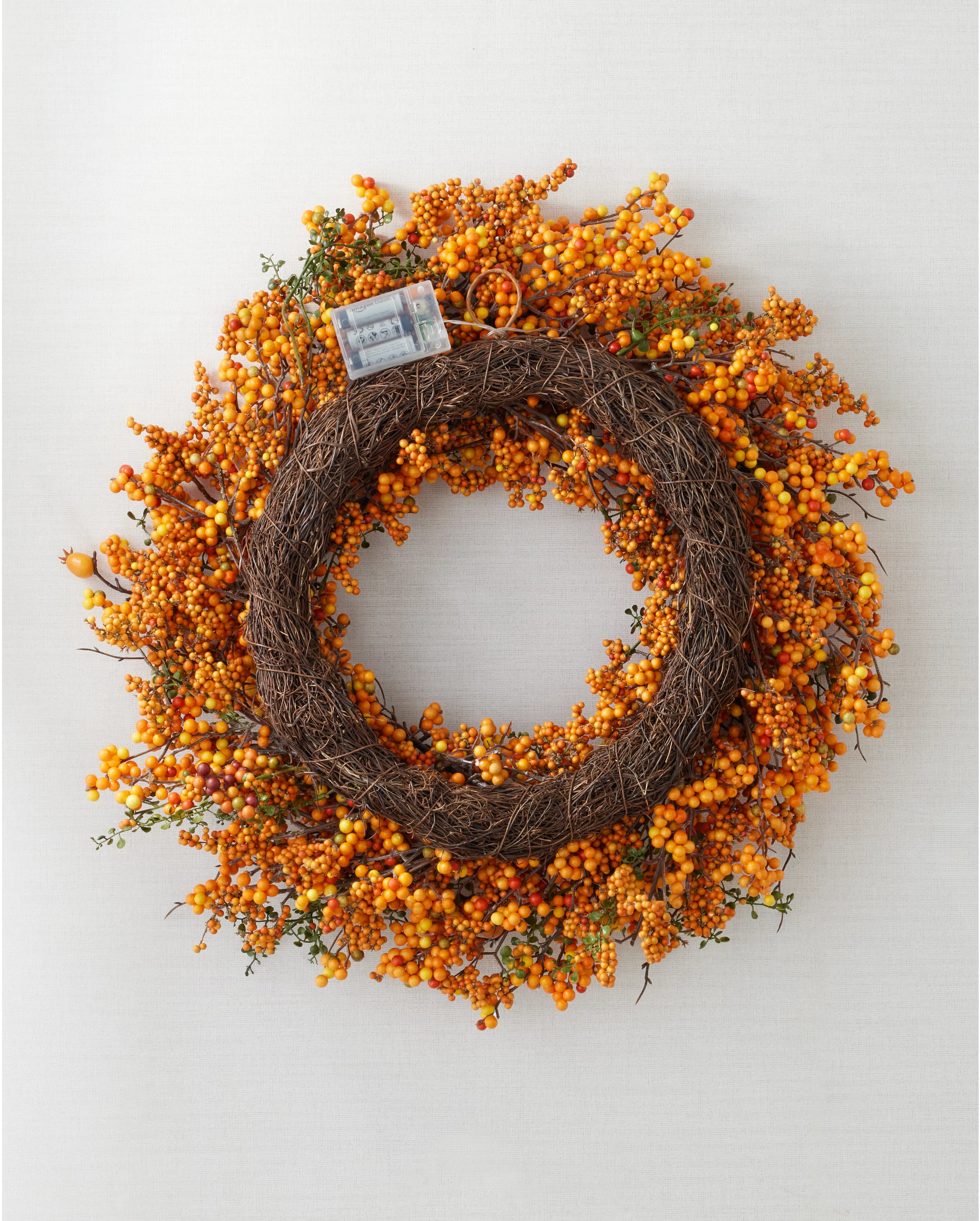
Clusters of artificial berries tucked between pinecones add spots of saturated color against the brown and green base. The mix of smooth and spiky textures keeps the eye moving around the circle.
Heavier pinecones require two separate attachment points rather than one central wire to stay level on the door. This small adjustment prevents the bottom from tilting outward over time.
Sunflower Wreath
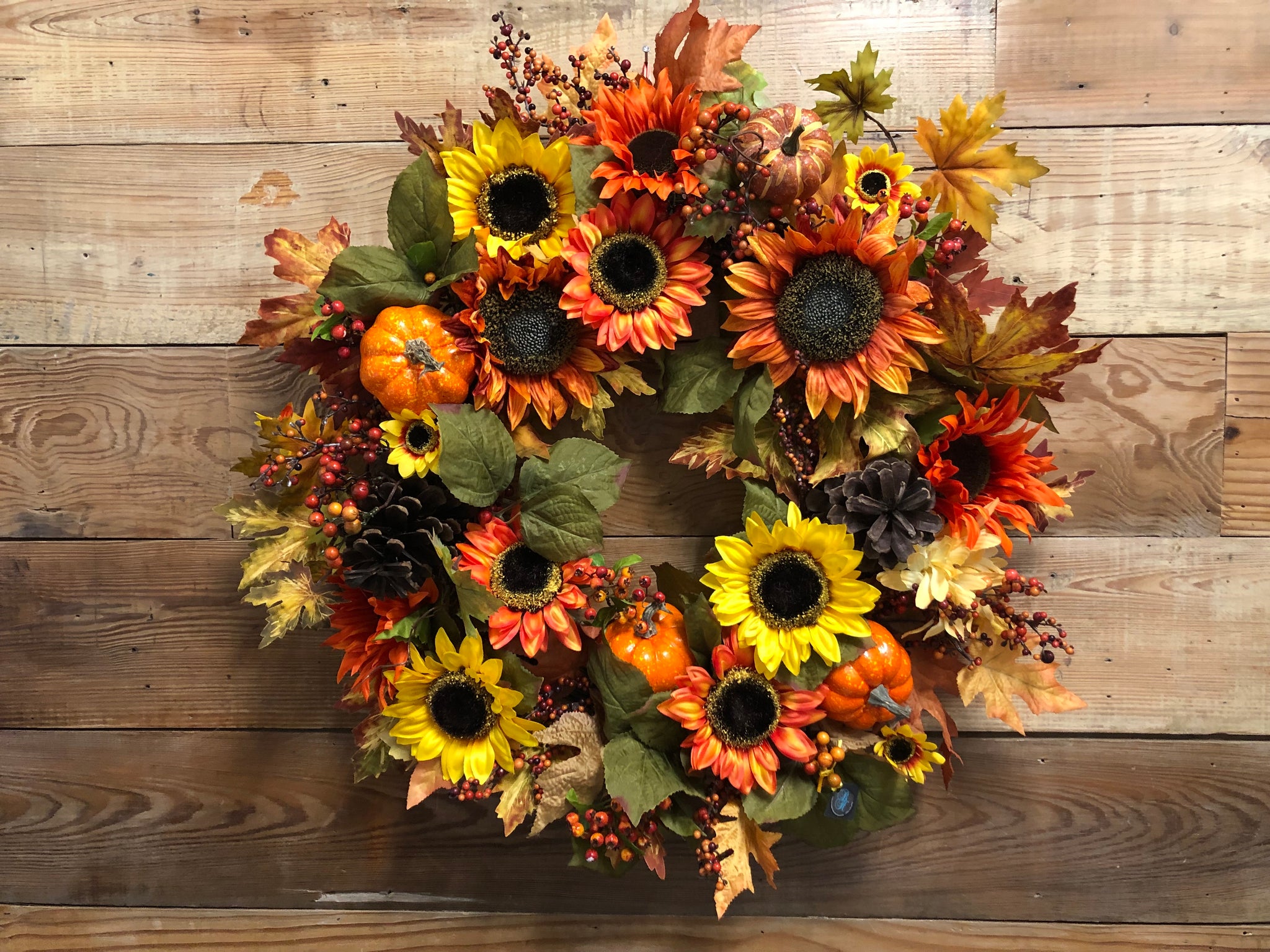
Large dried or silk sunflowers placed at uneven intervals create a cheerful focal arrangement against a background of smaller filler stems. The bright centers stand out even on overcast days.
Keep the remaining space lightly filled so the sunflowers remain the clear stars of the design. A darker grapevine base makes the yellow petals pop without competing colors.
Cinnamon Stick Wreath
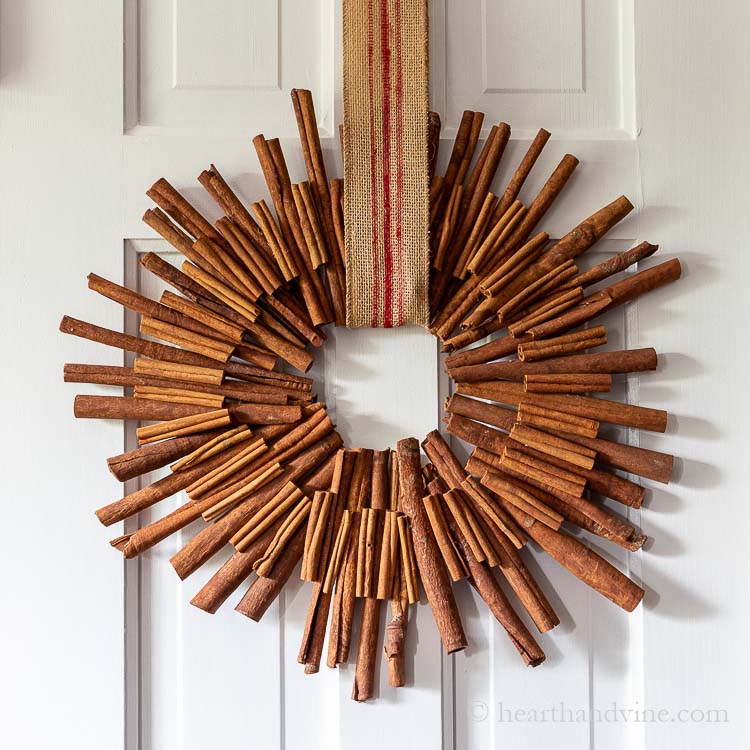
Bundled cinnamon sticks wired into small fans and attached around the form release a light scent when the door moves. The warm brown tones blend with most autumn color palettes.
Wrap floral wire tightly at the base of each bundle so the sticks stay together during wind. Refresh the scent yearly with a drop of cinnamon essential oil on the back side only.
Plaid Bow Wreath
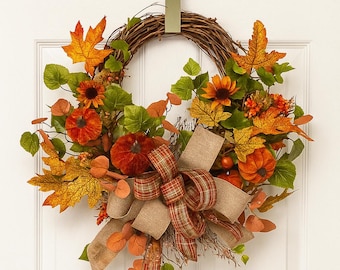
A large plaid bow serves as the main accent while the rest of the wreath stays simple with mixed greenery. The pattern reads clearly from a distance and signals the season immediately.
Choose wired ribbon so the bow tails can be shaped after hanging. Rotate the entire wreath 180 degrees each week to keep the bow from fading unevenly in direct sunlight.
Eucalyptus and Berry Wreath
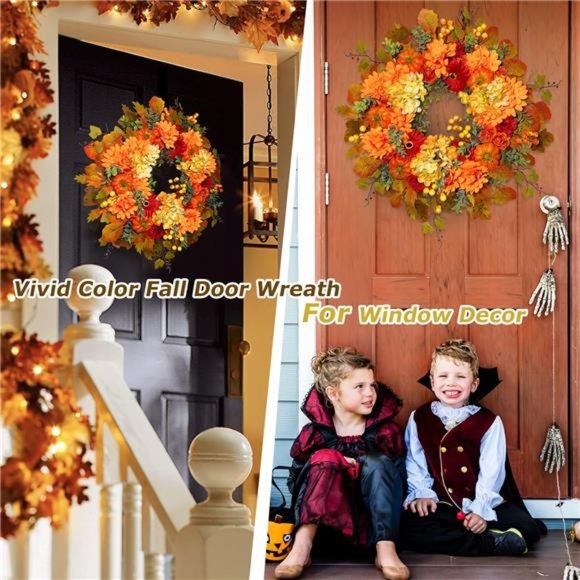
Silver-dollar eucalyptus mixed with small berry picks gives this wreath a softer, slightly unexpected color story. The gray-green leaves contrast nicely with deeper reds or burgundies.
Mist the eucalyptus lightly once a month to help it retain flexibility. This wreath style also works on side doors or garage entries where a subtler look is preferred.
Gourd and Squash Wreath
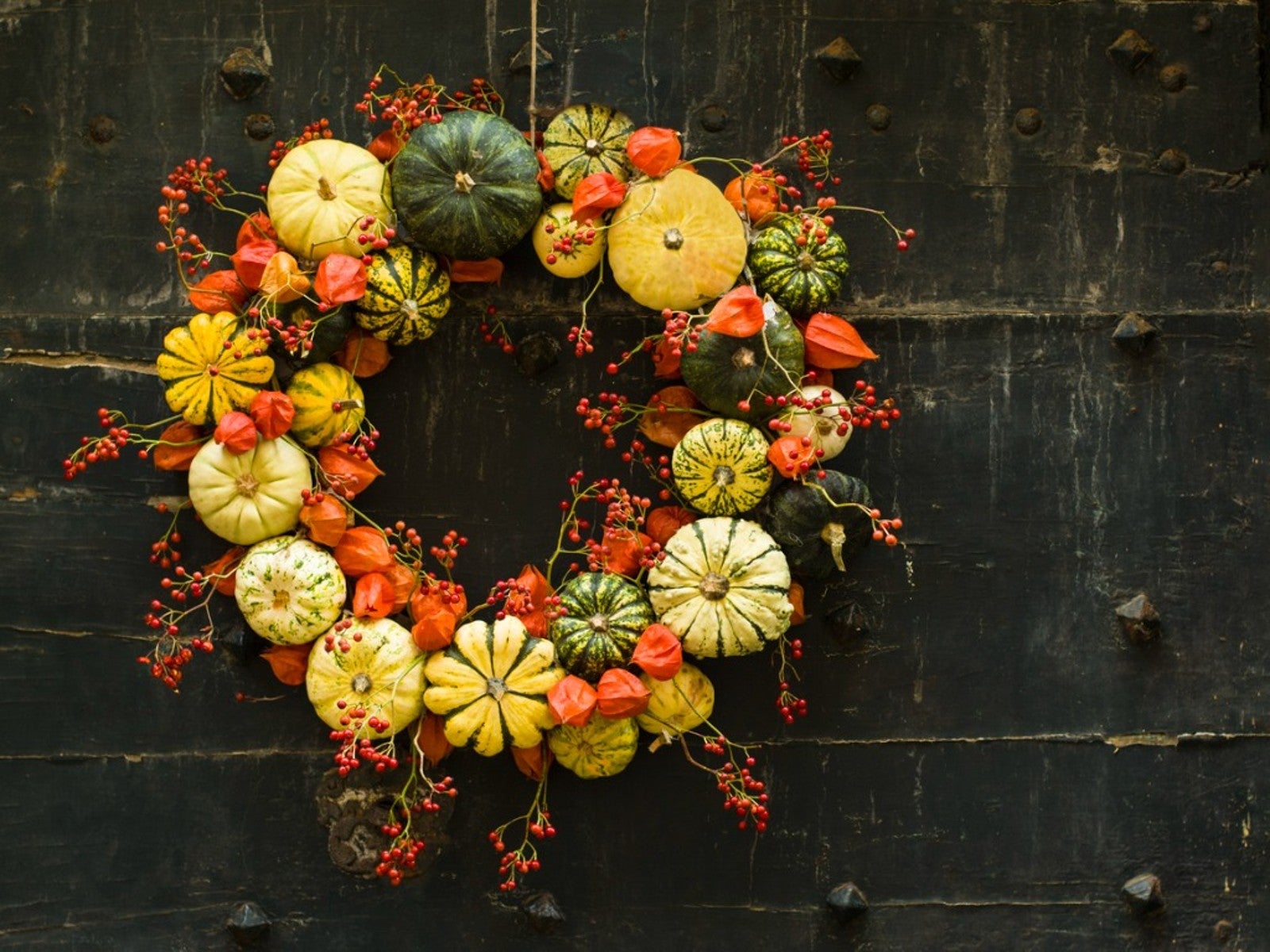
Miniature gourds wired at the stem and spaced around the circle add sculptural interest. Their varied shapes prevent the design from looking flat even when viewed straight on.
Select gourds with stems long enough to wrap wire around securely. A few preserved leaves between the gourds fill gaps and tie the colors together.
Feather Accented Wreath
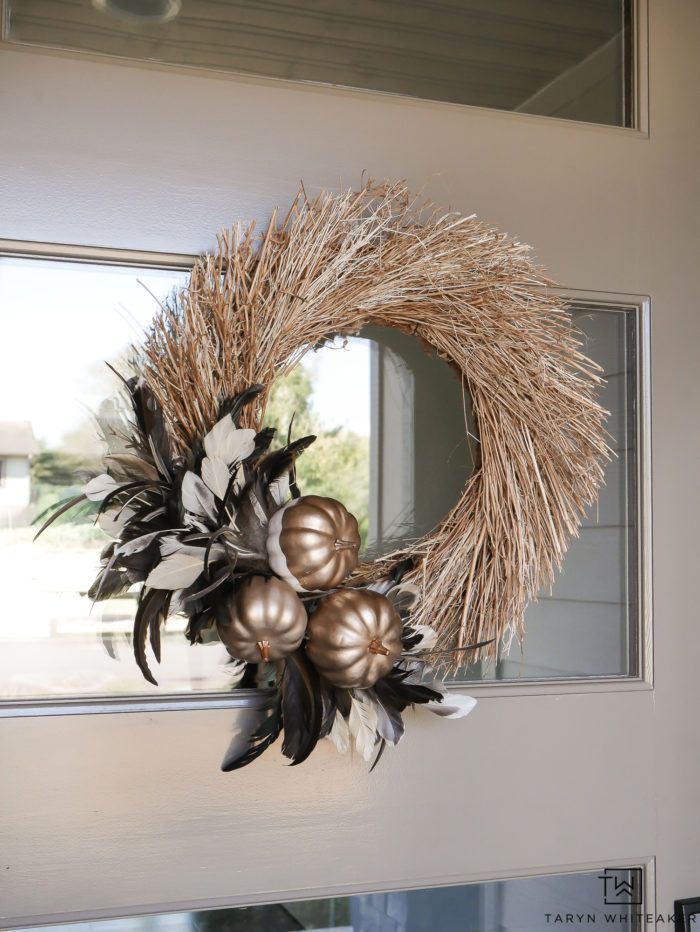
Natural or dyed feathers inserted among branches create movement and a slightly unexpected texture. The feathers catch breezes and add subtle motion to an otherwise static door.
Secure each feather with a dot of hot glue at the base in addition to wire so wind does not pull them loose. This extra step keeps the wreath looking intentional after several weeks outdoors.
Lantern Insert Wreath
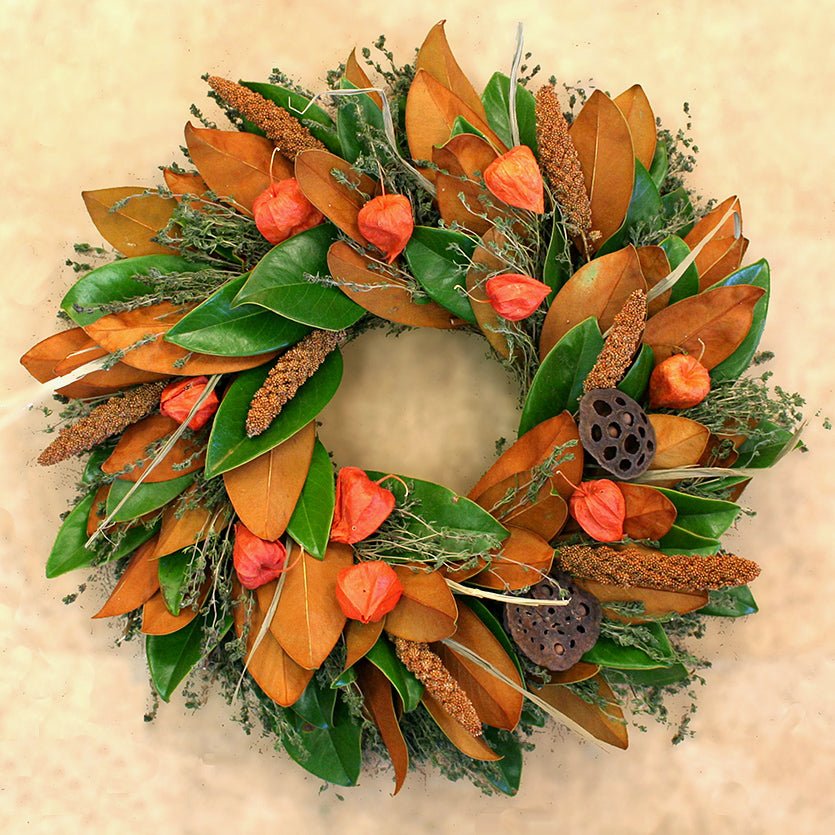
A small battery lantern wired into the center of the wreath adds evening light without requiring extra hardware on the door. The metal frame of the lantern doubles as a structural element.
Use a lightweight plastic or paper lantern to avoid adding too much weight. Swap the battery pack every six weeks so the light stays consistent through the season.
Monogram Initial Wreath
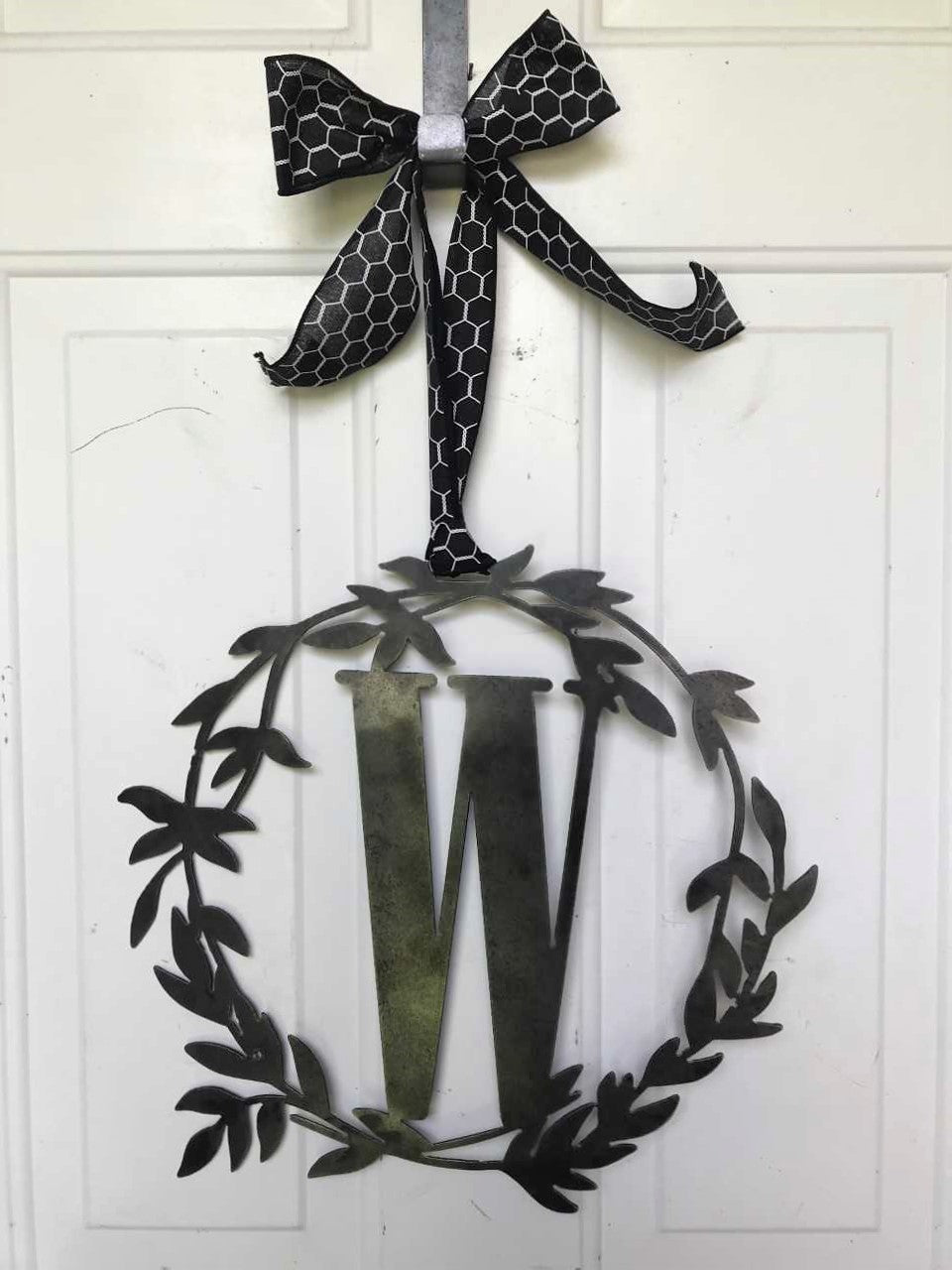
A wooden or metal initial placed slightly off-center turns a standard wreath into a personalized greeting. The letter can be painted to match or contrast with the surrounding foliage.
Attach the initial with two small screws through the wreath base rather than relying on glue alone. This method keeps the letter stable even when the door is opened and closed frequently.
Quick Material Comparison
| Base type | Best for | Weight level | Weather resistance |
|---|---|---|---|
| Grapevine | Heavy accents | Medium | Good |
| Straw | Light fillers | Light | Fair |
| Wire | Minimalist looks | Very light | Excellent |
| Foam | Fabric wraps | Medium | Poor without cover |
FAQ
How long does a fall wreath typically last on a front door?
Most preserved or artificial versions hold their shape and color for eight to ten weeks when protected from constant direct rain. Natural elements such as leaves or wheat may fade sooner in strong sunlight, so rotating the wreath weekly helps even out exposure. Storing the piece in a dry, flat box between seasons extends its usable life across multiple years.
What size wreath works best for a standard 36-inch front door?
A 22- to 24-inch wreath leaves enough door surface visible on either side while still reading as substantial from the street. Larger 30-inch versions suit double doors or very wide trim, while anything under 18 inches can look undersized on bigger entries. Always measure the door width before purchasing to avoid a mismatched scale.
How do you hang a wreath without leaving marks on the door?
Over-the-door hangers with padded hooks distribute weight evenly and require no nails or screws. Command strips designed for outdoor use also work on smooth surfaces when the weight limit is respected. Check the adhesive or hook placement every few weeks and remove it at the end of the season to prevent residue buildup.
Can fall wreaths be used indoors as well as outdoors?
Many of the same styles translate directly to interior walls or mantel displays when the materials are not sensitive to humidity. Swap heavier outdoor hardware for a simple nail or picture hook inside. Keep the wreath away from direct heat sources such as fireplaces to preserve dried elements longer.
A well-chosen fall wreath sets the tone for the entire season every time you step outside.
Leave a Reply