
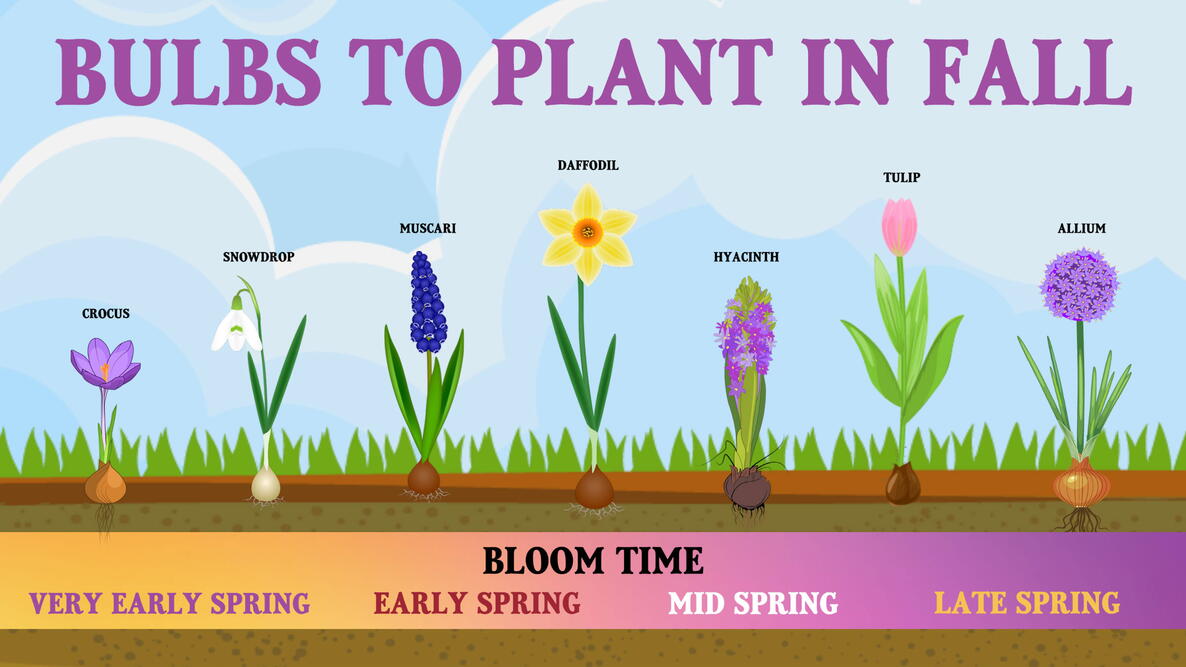
Fall planting sets up reliable spring color and structure because roots establish during cool months when top growth stays minimal. The twelve ideas below focus on bulbs, bare-root plants, and woody additions that deliver strong results once temperatures rise.
Tulip Bulb Plantings
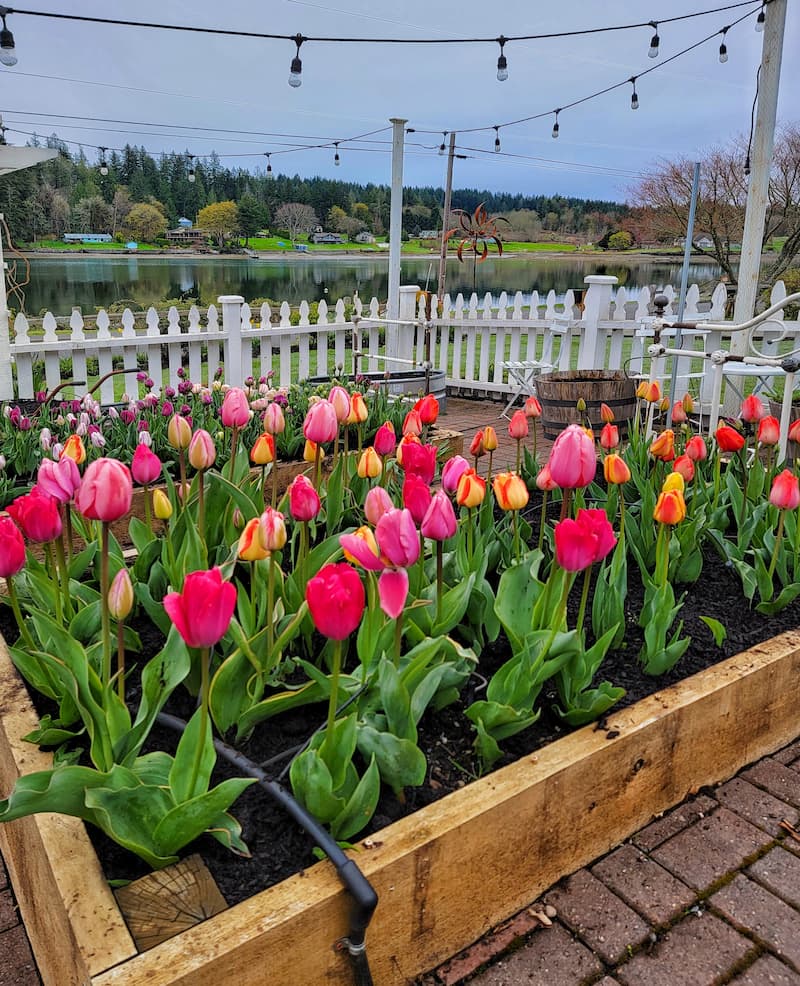
Tulip bulbs need consistent soil contact and the right depth to avoid rot or heaving during freeze-thaw cycles. Choose sites with good drainage and full sun exposure so foliage can recharge the bulbs after bloom. Mixing early, mid, and late varieties extends the display from March into May without additional work in spring.
Planting groups of fifteen or more bulbs creates visible drifts rather than scattered singles. Space them four to six inches apart in clusters, then mark the spots with small stakes before leaves drop and cover the ground. This method prevents accidental digging later and keeps the color blocks intact year after year.
Daffodil Naturalized Areas
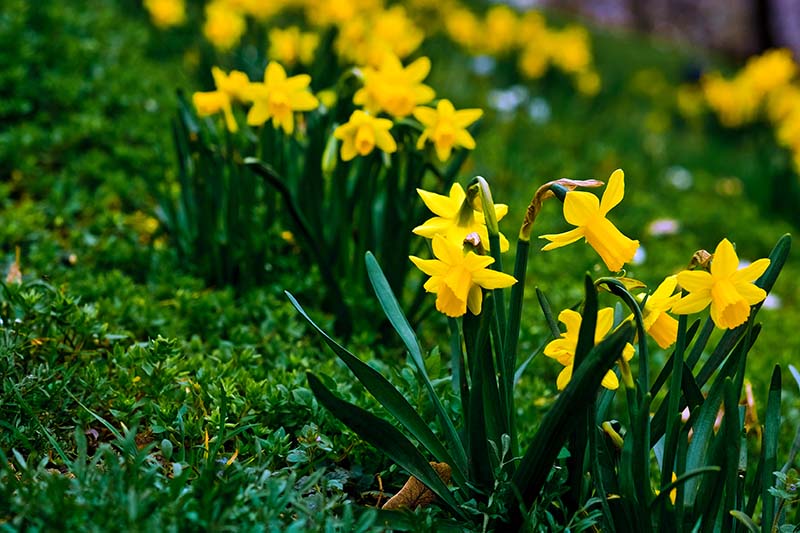
Daffodils multiply over time when left undisturbed, turning open grass or woodland edges into expanding colonies. They tolerate partial shade and compete well with tree roots once established. Choose varieties rated for naturalizing rather than exhibition types that need lifting.
Scatter bulbs across the area in informal patterns before planting so the final effect looks unplanned. Push each bulb into loosened soil or use a bulb planter to maintain consistent depth around four to six inches. After blooming, allow foliage to yellow fully before mowing so energy returns to the bulbs for next year’s flowers.
Crocus Edging Strips
Crocus planted along paths or lawn borders give early color while grass is still dormant. Their small size suits narrow strips where larger bulbs would crowd. Plant in drifts of twenty or more for impact, keeping the line straight or gently curved to follow the edge.
Set corms three inches deep and three inches apart in a single or double row. Mark the strip clearly so foot traffic or mower wheels do not compact the soil before shoots emerge. Once established, the plants spread slowly by offsets and seed, filling the strip without extra effort.
Hyacinth Container Displays
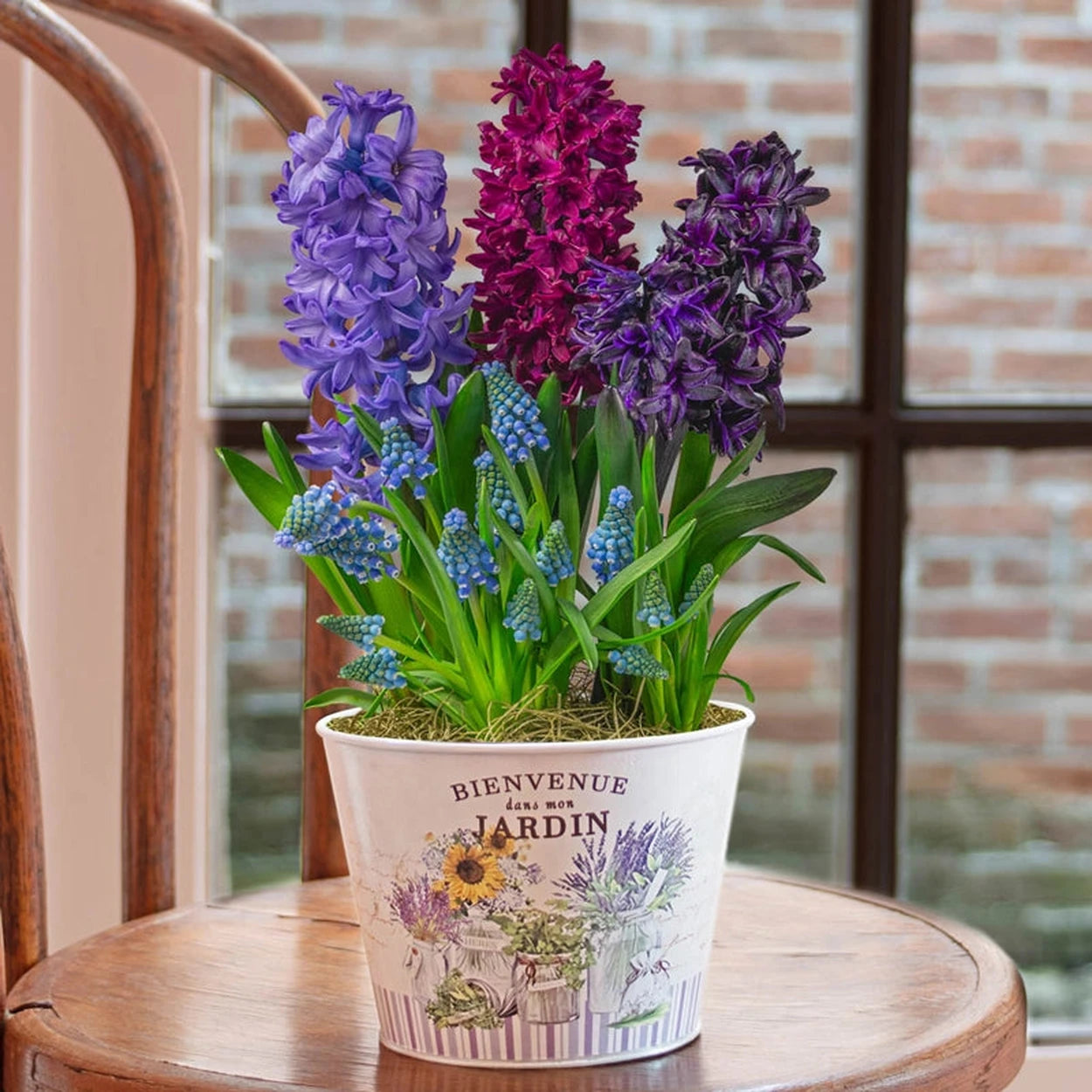
Hyacinths perform well in pots because their compact roots stay contained and the fragrance stays close at hand. Use frost-proof containers with drainage holes and a lightweight mix that does not stay soggy. Plant bulbs close together for a full look, leaving the tips just below the surface.
Move pots into a sheltered spot after the first hard freeze to protect against extreme cold while still allowing the required chill period. Water sparingly until growth appears, then increase moisture as stems elongate. After bloom, transplant the bulbs into the garden or discard and replant fresh stock the following fall.
Allium Height Layers
Alliums add vertical interest with globe-shaped blooms held high above foliage. Different species bloom at staggered heights, so layering tall, medium, and short varieties creates depth without crowding. Their strappy leaves disappear quickly after flowering, leaving room for later perennials.
Plant larger bulbs deeper than smaller ones so all emerge on schedule. Space them eight to twelve inches apart depending on mature width. Leave the seed heads in place through summer if you want self-sown seedlings or cut them for dried arrangements once color fades.
Garlic and Onion Rows
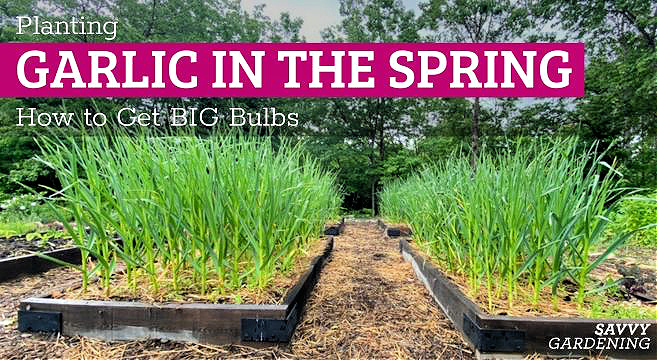
Garlic planted in fall develops larger heads than spring-planted stock because it experiences a full winter chill. Separate cloves and plant them point up, two inches deep in well-drained soil. Rows spaced twelve inches apart allow easy weeding and harvesting the following summer.
Onion sets follow the same timing and spacing. Both crops benefit from a light mulch layer that suppresses weeds and moderates soil temperature. Harvest when tops yellow and cure in a dry location before storage.
Bare Root Peony Beds
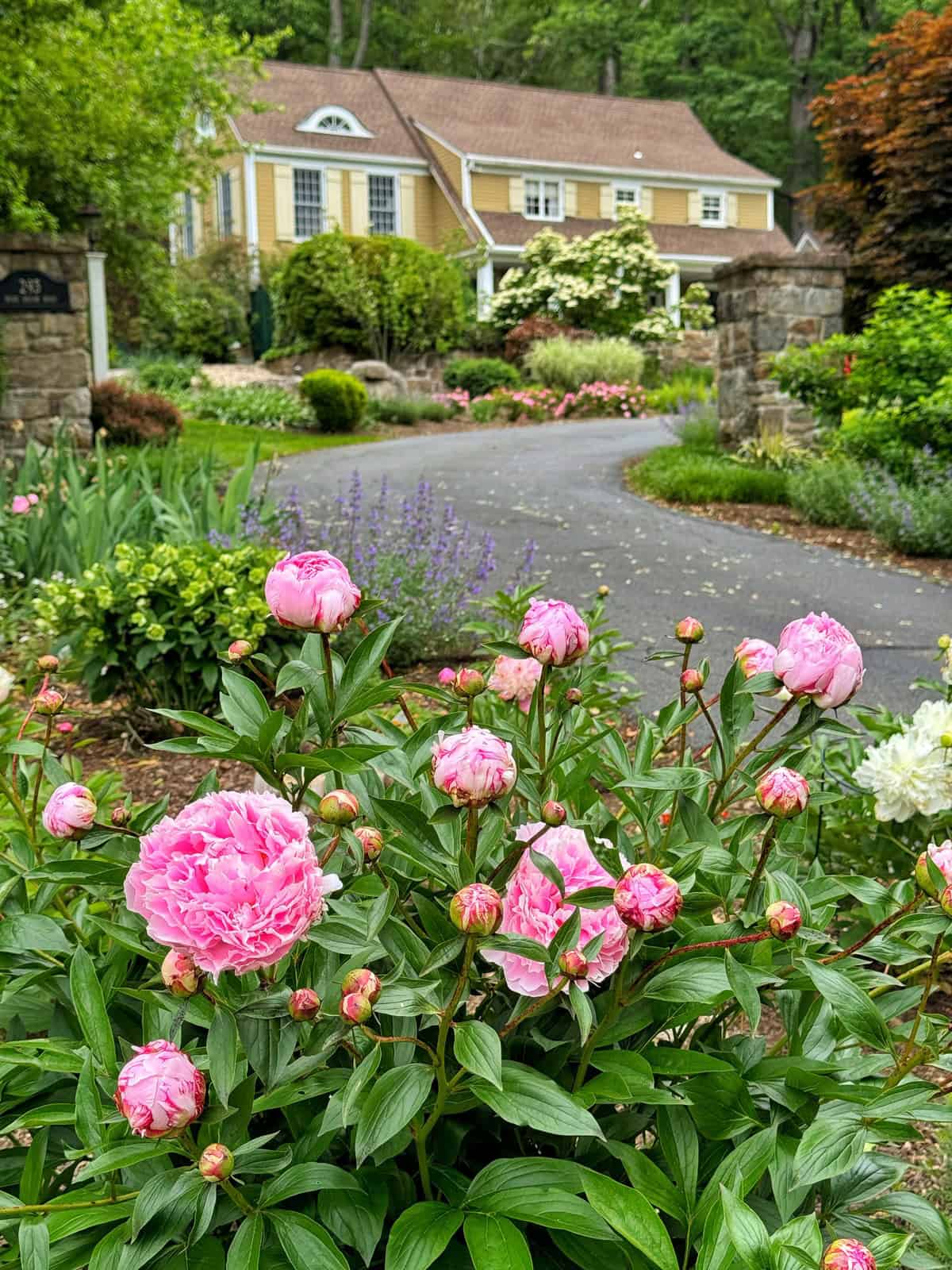
Peonies establish faster from bare-root divisions planted in fall than from container plants moved in spring. Choose a permanent site with full sun and rich soil because these long-lived plants resent relocation. Dig holes wide enough to spread roots without bending.
Set the crown no deeper than two inches below soil level to ensure flowering. Water thoroughly after planting and apply a light mulch once the ground cools. Expect blooms in the second or third spring as roots settle.
Rose Bush Installations
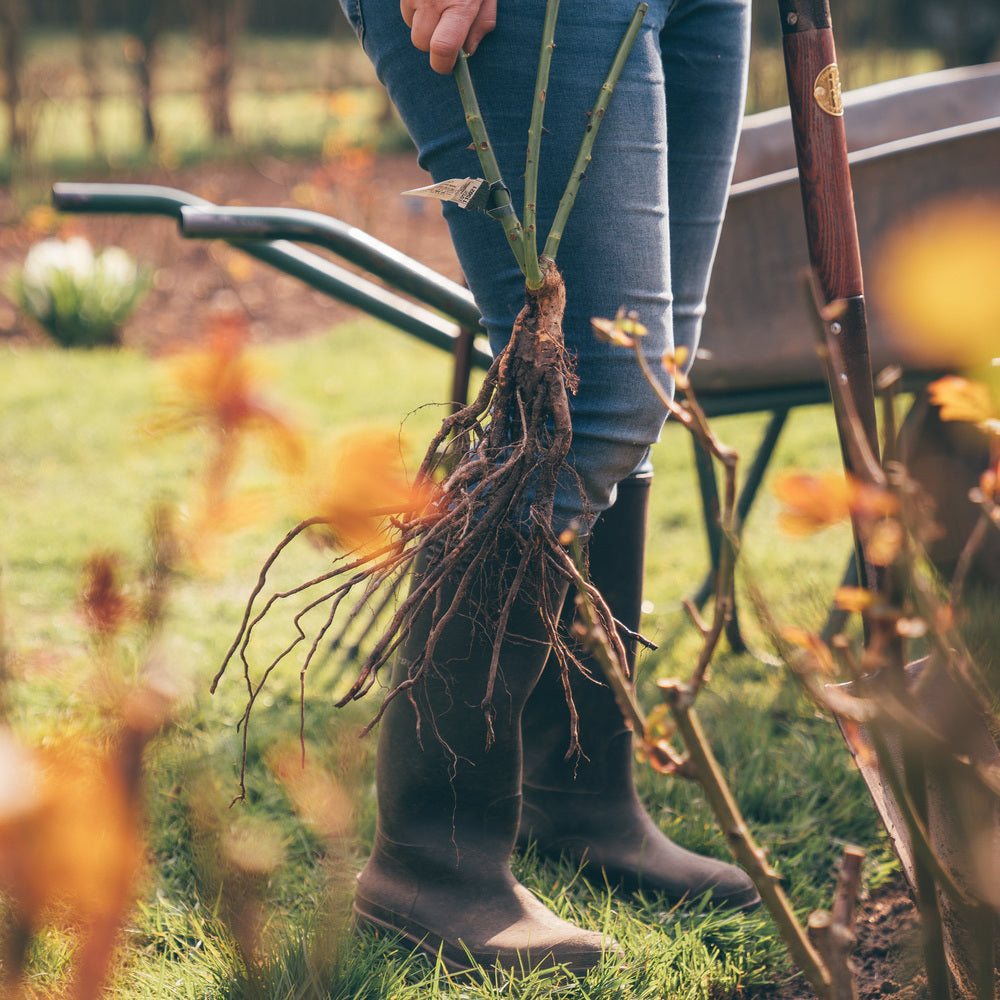
Bare-root roses planted in fall root before winter dormancy and resume growth earlier than spring purchases. Soak roots in water for several hours before planting to rehydrate the canes. Position the graft union just below soil level in colder climates for winter protection.
Select disease-resistant varieties suited to your zone so maintenance stays low once established. Water deeply once a week during the first season until roots reach surrounding soil. Prune lightly in early spring to shape and remove any winter damage.
Perennial Hostas and Ferns
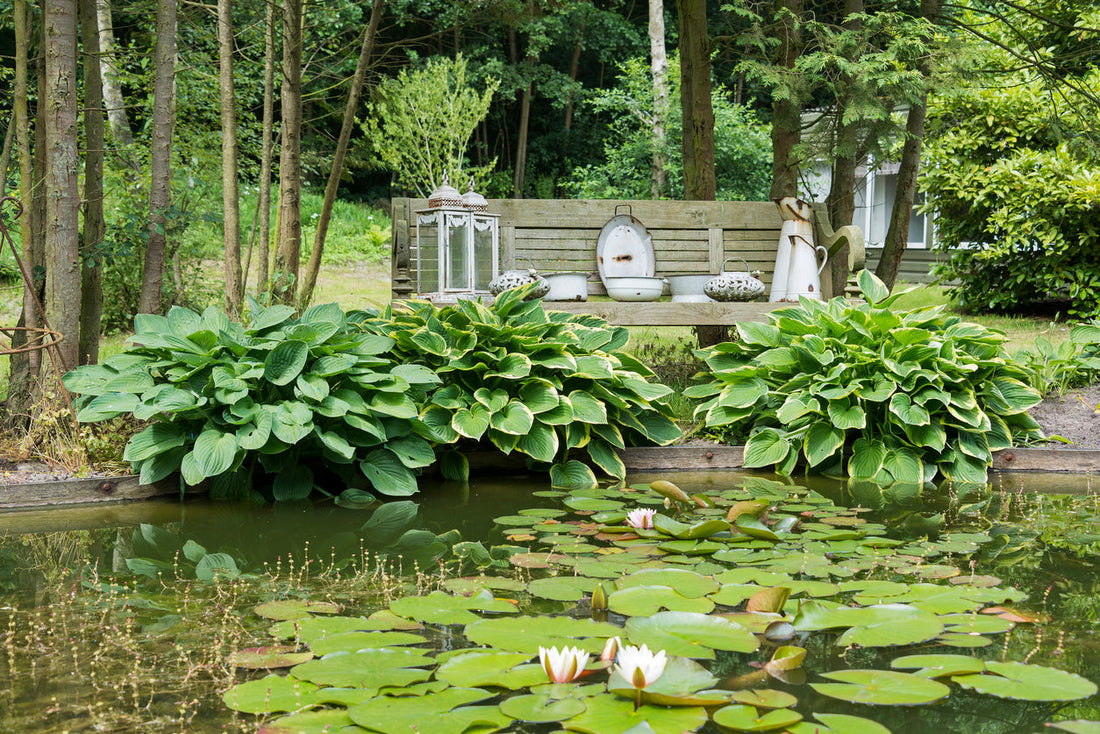
Hostas and ferns planted in fall develop strong root systems before spring growth begins. Both tolerate shade and moist soil where bulbs may struggle. Divide mature clumps in early fall, replant divisions immediately, and water well to settle the soil.
These plants fill gaps under trees or along north-facing walls where color is otherwise limited in spring. A two-inch mulch layer keeps moisture consistent and reduces weed pressure. Divide again in future years to expand plantings or share with neighbors.
Daylily Clump Divisions
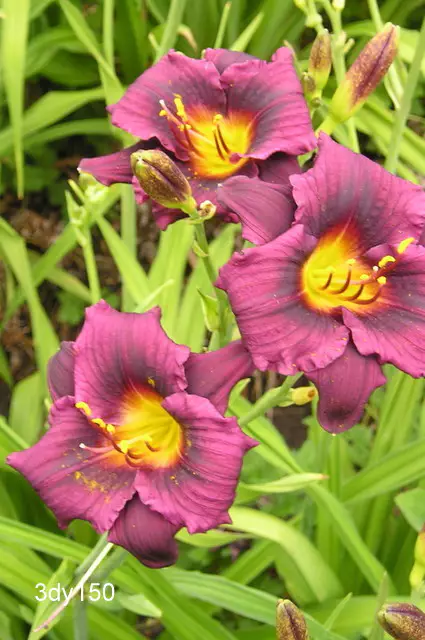
Daylilies moved or divided in fall bloom reliably the following spring because the plants experience less transplant shock during dormancy. Cut foliage back to six inches and separate fans with a sharp spade. Replant at the same depth they grew previously.
Space new divisions twelve to eighteen inches apart to allow for future spread. Daylilies tolerate a range of soils once established and require little supplemental water after the first season. Flower scapes appear early and continue for several weeks with minimal care.
Berry Producing Shrubs
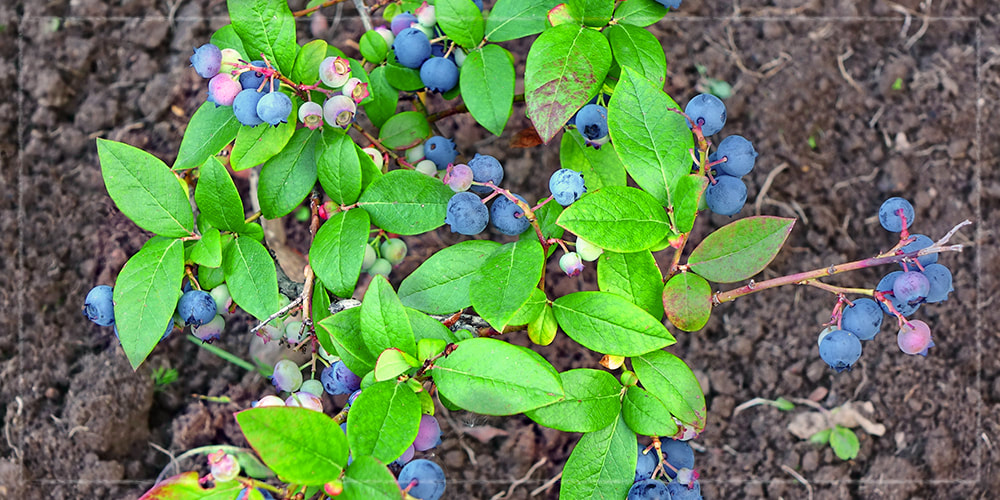
Blueberries, raspberries, and currants planted in fall produce their first meaningful crops the second season because root establishment happens over winter. Amend soil with organic matter to improve drainage and lower pH for acid-loving types. Plant two or more compatible varieties for better pollination and yield.
Mulch heavily after planting to protect shallow roots from temperature swings. Prune only damaged canes the first spring, then follow variety-specific pruning schedules thereafter. Harvest begins in early summer once plants reach bearing age.
Dwarf Fruit Tree Plantings
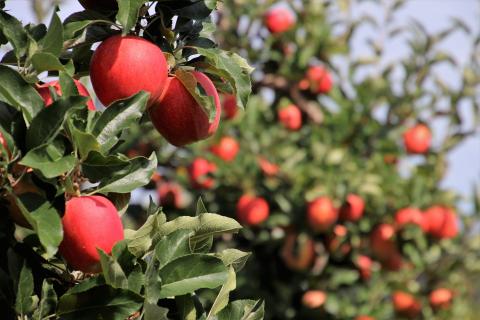
Dwarf fruit trees on precocious rootstocks bear sooner when planted in fall because roots develop before leaf-out. Choose sheltered sites with full sun and well-drained soil. Stake young trees for the first two years to prevent wind rock while roots anchor.
Plant at the same depth the trees grew in the nursery, spreading roots outward rather than circling. Water consistently through the first summer and apply a balanced fertilizer only after new growth appears. Expect blossoms and small fruit crops within two to three seasons.
Planting depth varies by bulb size and soil type, so always check the specific variety tag rather than using a single measurement for everything.
| Bulb Type | Planting Depth | Spacing | Bloom Time |
|---|---|---|---|
| Tulips | 6–8 inches | 4–6 inches | Early to late spring |
| Daffodils | 6 inches | 6 inches | Mid spring |
| Crocus | 3 inches | 3 inches | Very early spring |
| Alliums | 4–8 inches | 8–12 inches | Late spring |
Garlic planted after the first frost but before the ground freezes produces the largest heads because it receives the longest chill period without premature sprouting.
- Choose sites with at least six hours of sun for flowering bulbs and full sun for fruiting plants.
- Amend heavy clay with compost to improve drainage before planting.
- Mark all planting locations before winter mulch or leaves cover the ground.
How deep should I plant daffodil bulbs?
Plant daffodil bulbs six inches deep in average garden soil so the stem has room to elongate and the bulb stays below the frost line. Shallower planting leads to frost heaving and smaller flowers the following year. In very sandy soil, add an extra inch of depth to keep the bulbs anchored and moist.
When is the best time to plant garlic in fall?
Plant garlic four to six weeks before the ground typically freezes so roots form but shoots do not emerge above soil. This timing varies by region but usually falls between late September and early November. Soil temperature around 50 degrees Fahrenheit at planting depth gives the best results.
What perennials thrive when planted in autumn?
Hostas, daylilies, peonies, and many ferns establish quickly from fall planting because cool weather reduces transpiration stress. These plants focus energy on root growth rather than top growth until spring. Avoid fall planting of tender perennials that need a full season to harden off before winter.
FAQ
How late can I plant spring bulbs?
You can continue planting until the ground freezes solid, though earlier planting allows stronger root systems. If bulbs arrive after the soil has hardened, store them in a cool, dry place and plant as soon as a thaw occurs or wait until very early spring.
Do I need to fertilize at planting time?
A low-nitrogen, high-phosphorus bulb fertilizer mixed into the planting hole supports root development without pushing soft top growth. Skip fertilizer if your soil already tests high in phosphorus to avoid imbalances.
Can I plant bulbs in containers for spring?
Yes, but choose frost-proof pots and group bulbs by bloom time so the display stays coordinated. Water the containers once after planting, then move them to a sheltered location that still receives winter chill.
Should I mulch after planting?
A light layer of shredded leaves or straw protects bulbs from temperature swings and suppresses weeds. Apply mulch after the ground cools but before deep freezes arrive.
Fall planting rewards patience with coordinated spring displays that arrive earlier and last longer than anything started in spring. The same beds that look bare now will carry color and fragrance for months once growth resumes.
Leave a Reply