
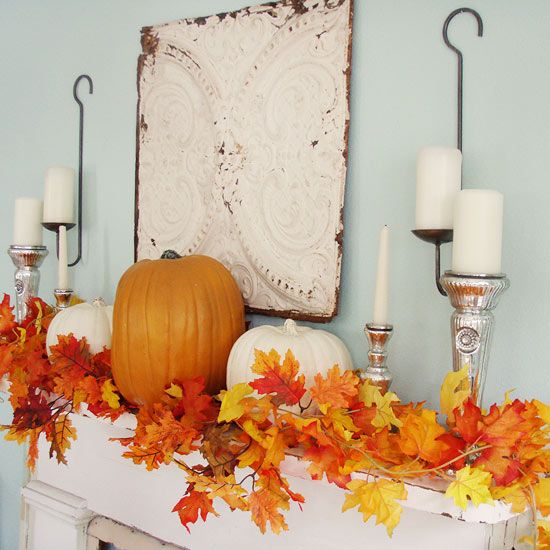
Fall mantel decor brings warmth and seasonal texture to your fireplace through simple object groupings and natural materials that shift easily with the weather. These twelve approaches focus on recognizable items like pumpkins, textiles, and branches that photograph well and translate directly to real rooms.
Layered Neutral Textiles
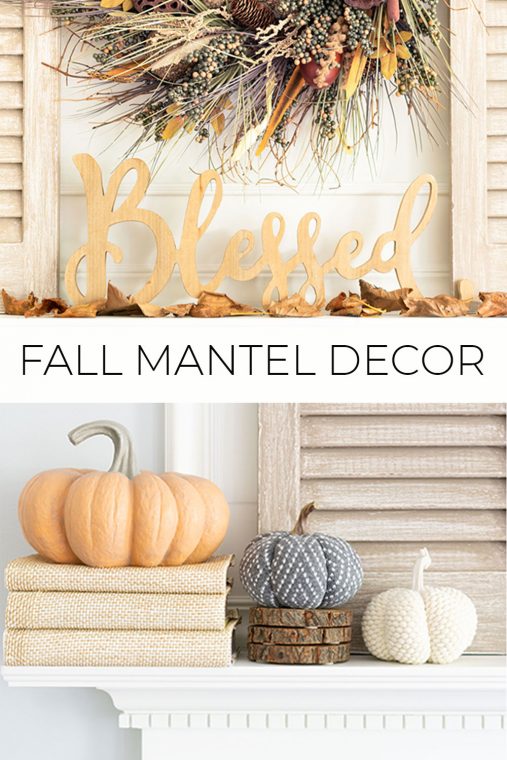
Neutral textiles create depth on a mantel by stacking different weights and weaves without competing colors. Start with a linen runner as the base layer, then drape a chunky knit throw across one side so it hangs slightly uneven for movement. Add a smaller velvet strip in the center to catch light differently and anchor smaller objects on top.
This method works because the varied textures catch shadows throughout the day and keep the arrangement feeling full even when few items sit on the surface. Swap the knit for a wool blend in cooler climates or choose a lighter gauze in milder areas. Avoid pulling everything perfectly straight—slight asymmetry prevents the look from feeling stiff.
Assorted Pumpkin Groupings

Pumpkin groupings use different sizes and finishes to fill space while staying cohesive. Place three to five pumpkins in a loose arc, mixing smooth white varieties with matte orange ones and a single speckled option for interest. Tuck the tallest at the back and let smaller ones sit forward so the eye travels across levels.
Real pumpkins add moisture that can mark wood or stone over time, so set them on small trays or coasters. Faux versions in similar tones last longer if you prefer a static display through winter. The key is keeping the color family tight so the group reads as one intentional cluster rather than scattered pieces.
Dried Floral Arrangements
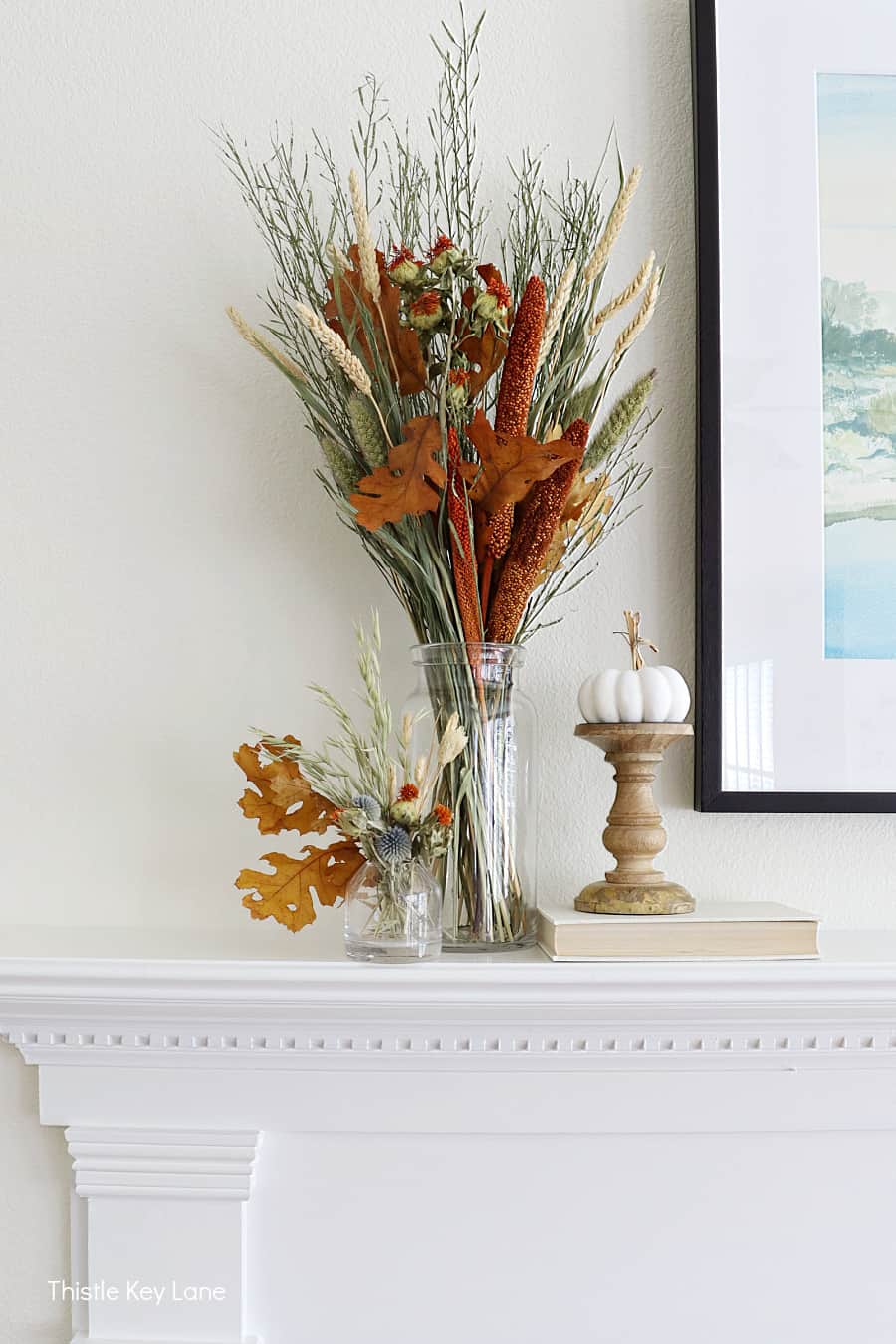
Dried floral arrangements bring height and movement without daily care. Choose stems like preserved eucalyptus, wheat, and pampas in varying lengths, then bunch them in a low ceramic vessel so the tallest pieces reach near the mantel top. Angle a few stems outward to soften the edges of the arrangement.
These stems hold color for months when kept out of direct sun, making them practical for the full season. Rotate the vessel every few weeks so one side does not fade faster. If pollen becomes an issue, mist lightly with hairspray to set the heads in place.
Wooden Lantern Clusters
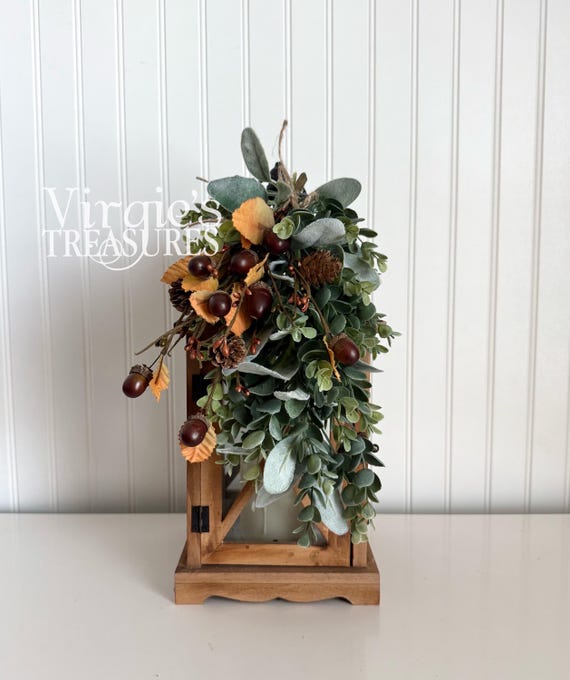
Wooden lantern clusters combine light and structure in one element. Group two or three lanterns of different heights, leaving the fronts open so candles or battery lights show through the glass. Set them on stacked books or wood slices to create varied elevations within the cluster itself.
The wood tones warm up cooler stone or tile surrounds common in many homes. Choose lanterns with simple metal tops rather than ornate details so they blend with other natural materials. Battery candles eliminate soot concerns while still giving the flicker that makes the arrangement feel alive at night.
Unexpected texture tip: mixing matte and glossy finishes adds depth without extra items.
Harvest Fruit Displays

Harvest fruit displays use real produce for color and scent. Fill a low wooden bowl with pears, apples, and a few small gourds, then let one or two pieces spill slightly over the edge. Position the bowl off-center so it balances taller elements elsewhere on the mantel.
Fruit lasts longer in cooler rooms, but check weekly and replace any that soften. The natural shapes and slight imperfections give the display an organic quality photos rarely capture in plastic alternatives. Keep the color range to two or three fruits so the arrangement stays focused.
Leaf and Branch Accents
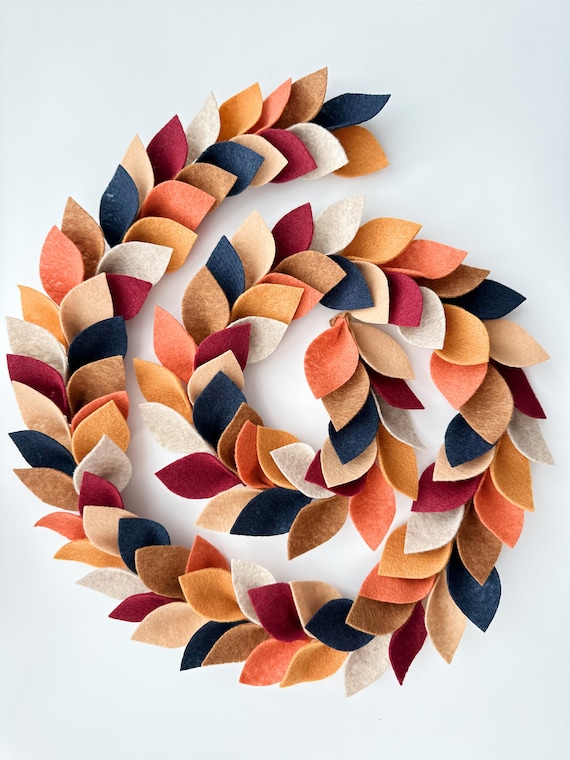
Leaf and branch accents add linear interest along the mantel length. Lay a preserved leaf garland across the back edge, allowing a few branches to trail down the sides of the fireplace. Weave in one or two bare twigs for contrast against the fuller foliage.
These elements photograph especially well against painted mantels because the veins catch light. Mist the leaves occasionally to reduce brittleness if your climate is very dry. Remove the garland before it dries completely to avoid shedding on the hearth.
Candle and Light Displays
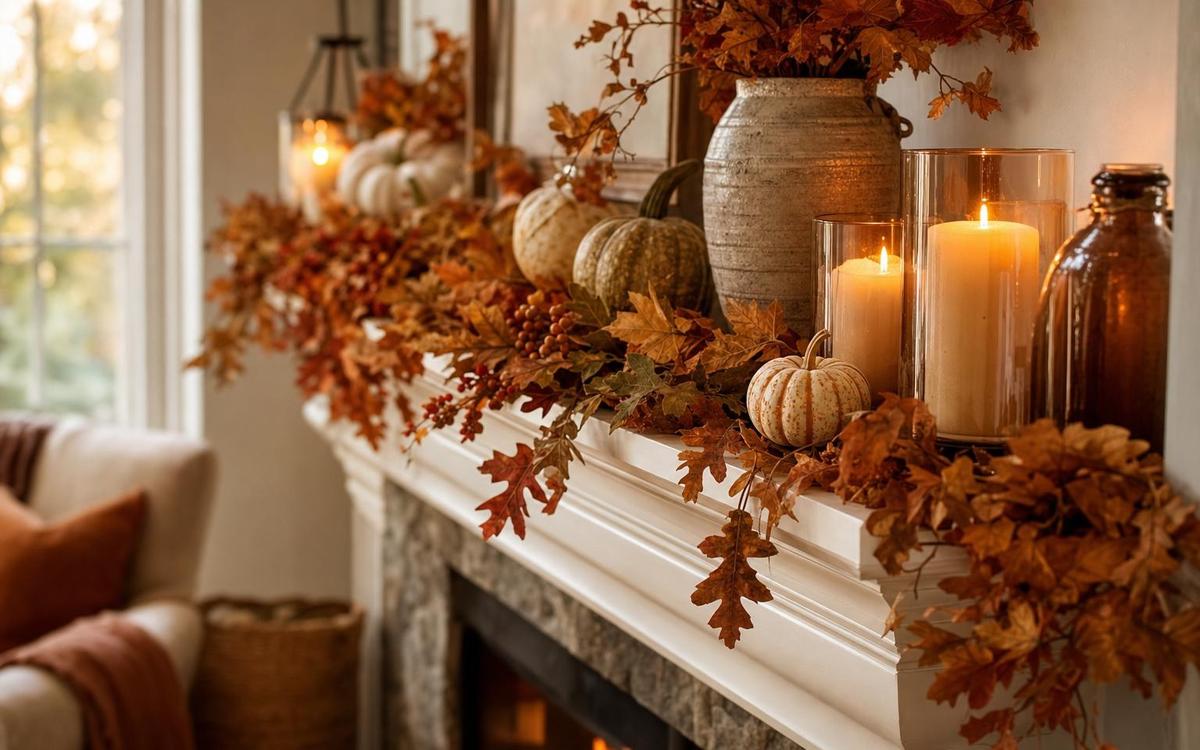
Candle and light displays create evening ambiance through grouped heights. Arrange five to seven candles in holders of varying widths, keeping the tallest toward the center. Mix pillar candles with tapers so the flames sit at different levels and cast overlapping shadows.
| Candle Type | Burn Time | Best Mantel Use |
|---|---|---|
| Pillar | 30–40 hours | Stable base for layered displays |
| Taper | 8–10 hours | Adds height without bulk |
| LED pillar | Unlimited | Safe near textiles or children |
Place the group on a tray to catch any drips and make seasonal swaps easier. Unscented options prevent competing smells when food is nearby.
Vintage Book Stacks
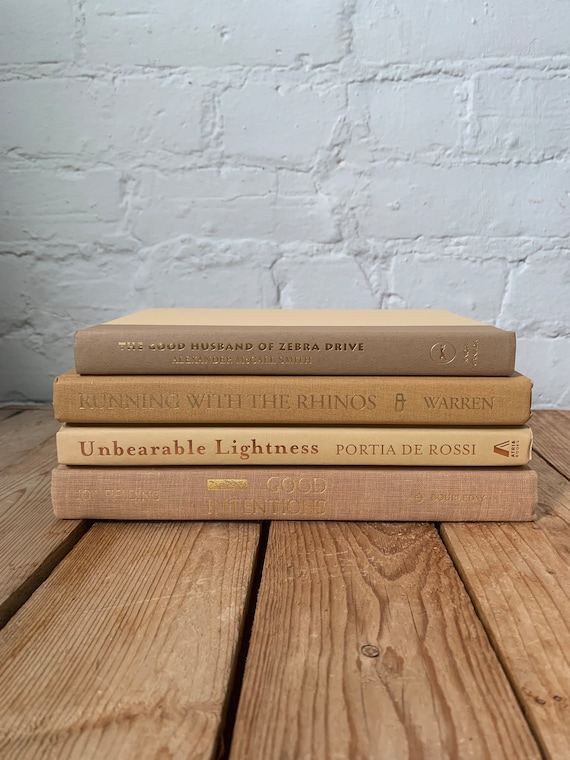
Vintage book stacks supply instant height and a collected feel. Choose three or four hardcovers with muted spines, stack them unevenly, and top the tallest pile with a small object like a pinecone or acorn. Angle one book slightly open to break the straight lines.
Older books often carry a subtle paper scent that fits the season. Dust the tops before placing anything on them so the object sits cleanly. Limit stacks to two locations on the mantel so the surface does not become overcrowded.
Plaid Fabric Runners
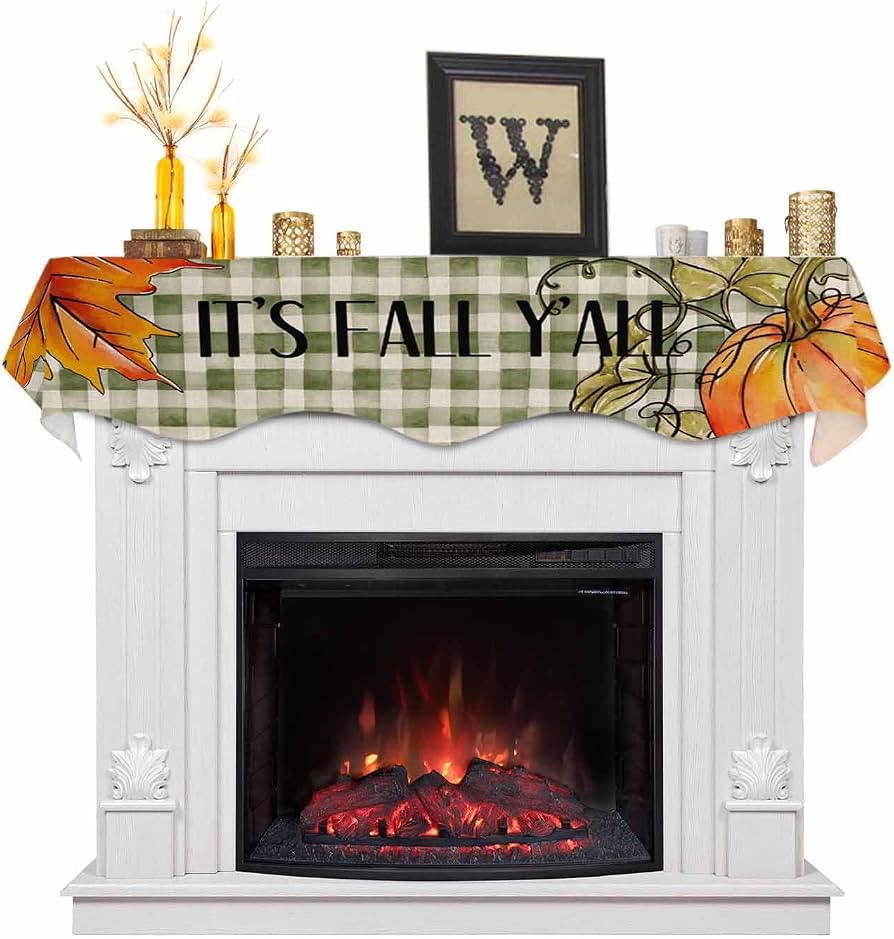
Plaid fabric runners introduce pattern without permanent commitment. Fold a length of plaid fabric lengthwise and lay it along the mantel center, letting the ends drape naturally. Set heavier objects on the fabric to hold it in place while lighter items sit on either side.
Wool or cotton blends resist slipping better than silk. Choose a scale of plaid that matches your room size—smaller checks suit compact mantels while larger ones fill wider fireplaces. Rotate the runner seasonally so wear stays even.
Miniature Tree Elements
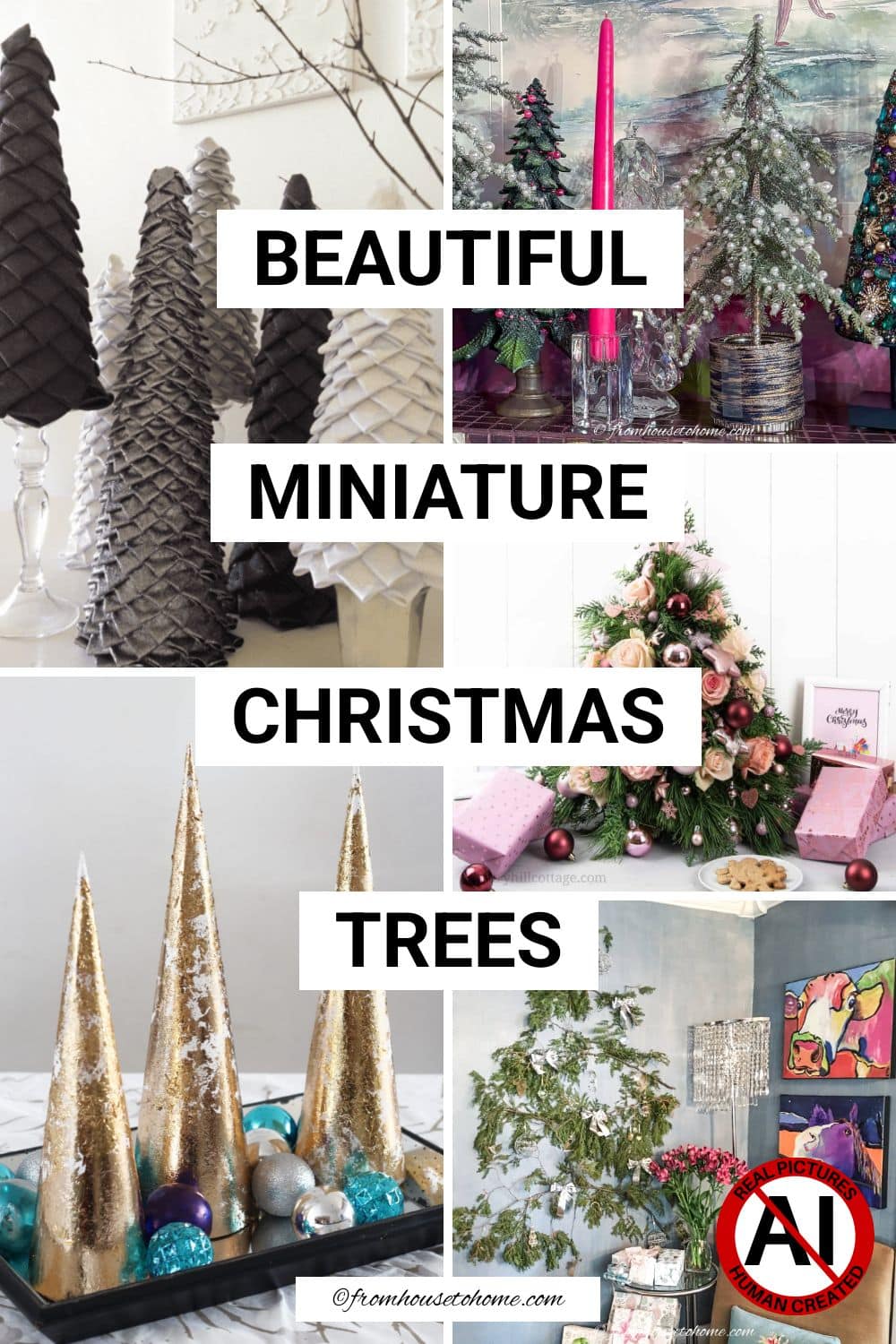
Miniature tree elements bring vertical interest through small evergreens or preserved branches. Set one or two small potted trees in simple pots at each end of the mantel, then drape a thin string of warm lights through the branches. Keep the trees under twelve inches so they do not overwhelm the space.
Water the trees sparingly and remove them after a few weeks to prevent soil spills. The lights add subtle sparkle that works with both day and evening lighting. Replace the trees with bare branches once the season shifts if you want to extend the display.
Mirror and Reflection Setups
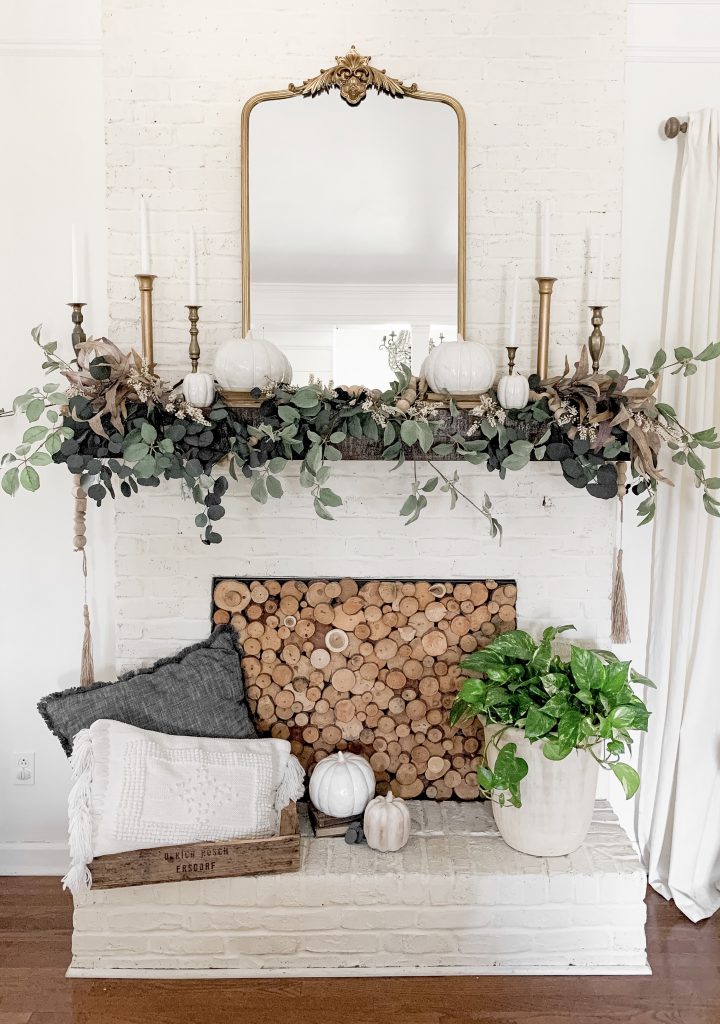
Mirror and reflection setups bounce light and make the mantel feel larger. Lean a medium mirror against the wall behind the arrangement, then place shorter objects in front so their shapes repeat in the glass. Angle the mirror slightly forward if the mantel sits low.
This approach works especially well in rooms with limited natural light. Clean the mirror weekly because dust shows quickly against the reflection. Avoid oversized mirrors that compete with the fireplace opening itself.
Seasonal Signage and Quotes
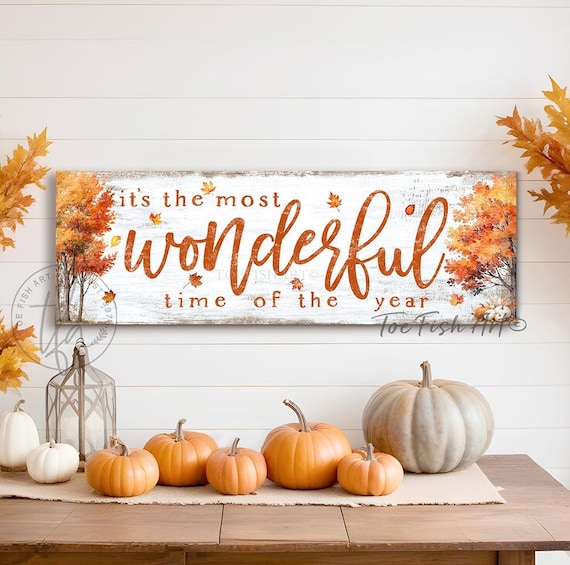
Seasonal signage and quotes add a personal note through simple typography. Choose a wood or metal sign with a short phrase and lean it against the wall or prop it on a small easel. Keep surrounding objects low so the text remains readable from across the room.
Hand-lettered or printed signs in neutral tones integrate more easily than bright colors. Position the sign slightly off-center to avoid perfect symmetry that can feel static. Store the sign flat when not in use to prevent warping.
How do I keep my fall mantel from looking cluttered?
Place only three to five main groupings with clear space between them so each element has room to breathe. Edit ruthlessly by removing any item that does not support the overall color story or height variation. Step back every few minutes during styling to check the view from the main seating area.
What colors work best for fall fireplace decor?
Earth tones, muted oranges, and soft greens create cohesion across different materials. Limit your palette to four colors maximum so the eye rests instead of jumping between competing shades. Test the arrangement under both daylight and evening lighting before finalizing placement.
Can I use real pumpkins on my mantel?
Real pumpkins work when set on protective trays and checked weekly for softness. Choose smaller varieties that fit the scale of your mantel and rotate them every few days to prevent moisture rings. Many homeowners switch to faux versions mid-season once the real ones begin to change.
How long should fall mantel decor stay up?
Most arrangements last comfortably from early September through November. Swap out any perishable elements like fruit or fresh flowers as they age while keeping the structure of lanterns and textiles in place. This timeline aligns with natural light changes and prevents the display from feeling stale.
Fall mantel styling rewards small adjustments over time rather than one large overhaul.
Leave a Reply