
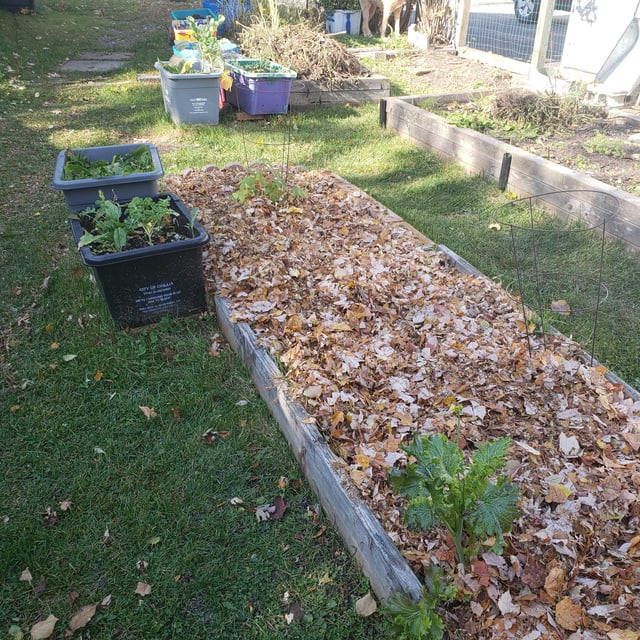
Fall garden preparation sets the stage for stronger plants and fewer problems next season. These fifteen targeted actions focus on soil health, plant protection, and tool readiness using methods that work in most climates.
Thick Mulch Layers on Vegetable Beds
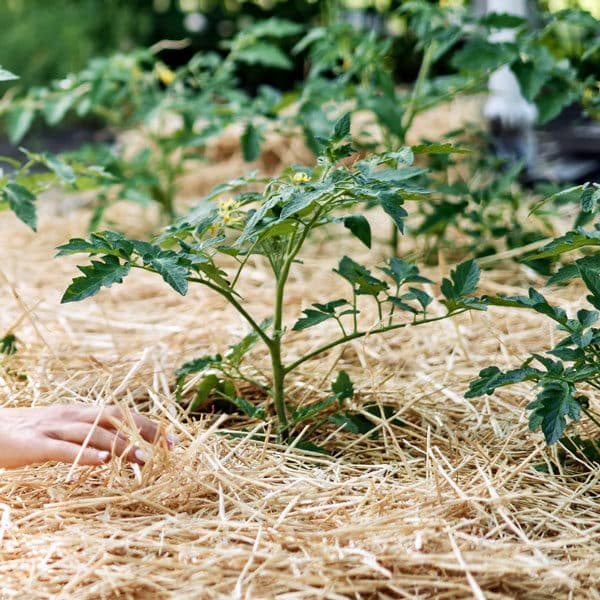
A thick mulch layer moderates soil temperature swings and locks in remaining moisture after the growing season ends. It also creates a barrier that slows erosion from winter rains and snowmelt. Gardeners who apply mulch now notice fewer weed seedlings emerging in early spring because the cover blocks light from reaching buried seeds.
Different materials break down at different rates, so the choice affects how much amendment the beds receive by planting time. Straw lasts longer on the surface while shredded leaves integrate faster into the soil. Wood chips suit paths better than active beds because they tie up nitrogen as they decompose.
Mulch depth directly influences root insulation, with four to six inches providing the most consistent protection across zones.
Planting Garlic for Next Year’s Harvest

Garlic needs a period of cold to form proper bulbs, making fall the only window for most regions. Cloves planted in October or November develop strong root systems before the ground freezes. Proper spacing prevents overcrowding that leads to smaller heads at harvest.
Site selection matters because garlic prefers full sun and well-drained soil. Raised beds or rows amended with compost give the roots room to expand without waterlogging. Consistent labeling at planting time avoids confusion when green shoots appear alongside other early crops.
Deep Cleaning Garden Tools
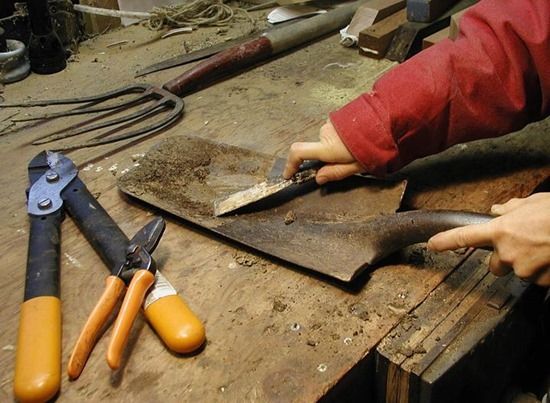
Removing soil and sap from pruners, shovels, and trowels prevents rust that shortens tool life. A wire brush followed by a light coat of oil keeps blades sharp and moving parts functional through winter storage. Clean tools also reduce the chance of carrying disease spores into next season’s plantings.
Storage location affects longevity as well. Hanging tools in a dry shed avoids moisture buildup that causes pitting on metal surfaces. Grouping similar items together makes spring setup faster when everything is already organized and ready.
Creating Leaf Mold Compost
Leaves collected from the yard break down into a crumbly, moisture-retentive material that improves soil structure when added to beds. A simple wire bin or layered pile in a corner keeps the material contained while allowing airflow. Turning the pile once or twice during winter speeds decomposition without extra effort.
This compost differs from regular garden compost because it contains fewer nutrients yet excels at water retention. Mixing finished leaf mold into heavy clay loosens texture, while sandy soils gain better moisture-holding capacity. The process recycles what would otherwise leave the property as waste.
Cutting Back Perennial Stems
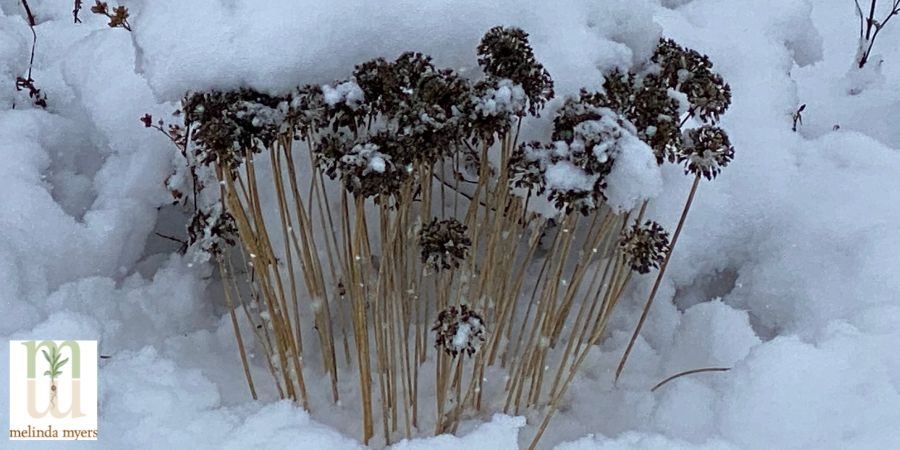
Removing spent stems reduces hiding spots for pests and diseases that overwinter in plant debris. Cutting to a few inches above the ground also tidies the garden appearance without harming the crown. Some gardeners leave a few seed heads for birds, but most material is best removed before snow arrives.
Timing varies by plant type. Daylilies and hostas tolerate cutting right after frost, while certain grasses benefit from waiting until late winter to avoid crown rot. Sharp shears produce cleaner cuts that heal faster than torn stems.
Protecting Roses with Burlap Wraps
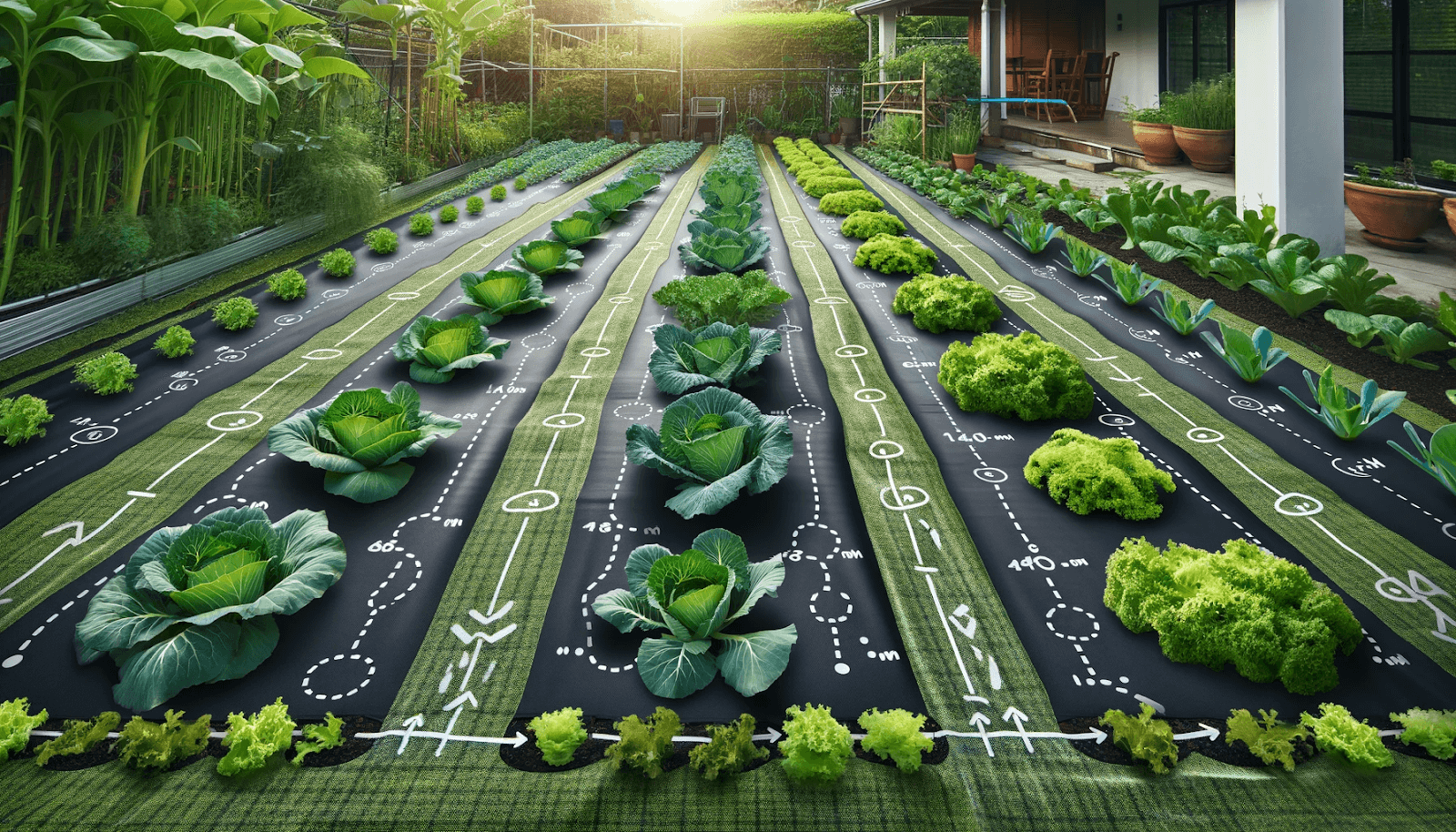
Tender rose varieties need physical protection from drying winds and extreme temperature swings. Wrapping the canes with burlap after the first hard frost creates a microclimate that prevents dieback. The fabric allows some air exchange while blocking the worst of winter exposure.
Mounding soil or compost around the base adds another layer of insulation to the graft union. Removing the wrap gradually in spring prevents sudden shock to newly awakened buds. This method works better than plastic, which can trap moisture and encourage rot.
Conducting Fall Soil Tests
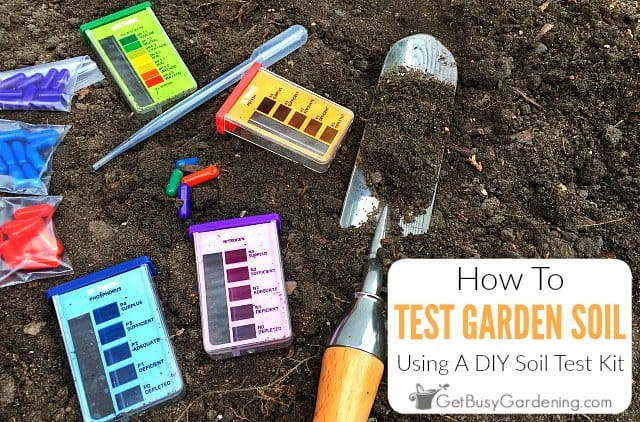
A soil test reveals nutrient levels and pH that may have shifted after a full season of growth and rainfall. Knowing the exact numbers allows targeted amendments rather than guesswork. Most cooperative extension services process samples affordably and return results within weeks.
Collecting samples from several spots across each bed gives a representative average. Mixing the soil thoroughly before sending it prevents skewed readings from localized fertilizer pockets. Results guide spring applications so plants receive balanced nutrition from the start.
Sowing Winter Cover Crops
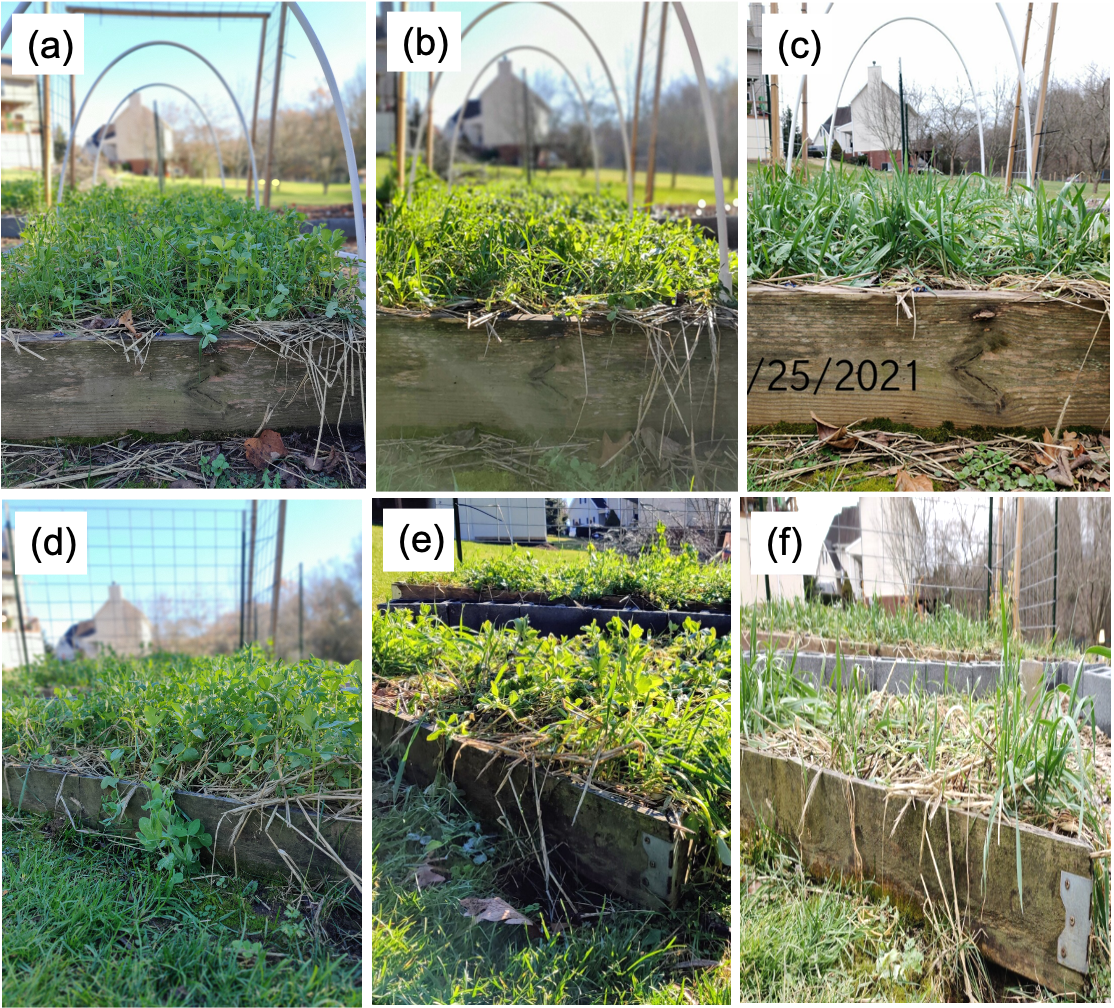
Cover crops such as rye, clover, or vetch hold soil in place during heavy winter rains and add organic matter when turned under. Their roots break up compaction and scavenge leftover nutrients that might otherwise leach away. Many varieties also fix nitrogen for the following crop.
Broadcasting seed before the first frost ensures good germination while soil is still warm enough. Light raking incorporates seed just enough to protect it from birds without burying it too deeply. The resulting green carpet also suppresses winter annual weeds.
Dividing Hostas and Daylilies
Overcrowded clumps produce smaller leaves and fewer flowers each year. Dividing them in fall gives new sections time to establish roots before winter dormancy. Each division should contain several eyes and a healthy root mass for best results.
Replant divisions at the same depth they grew originally, spacing them farther apart than before. Watering well after transplanting settles soil around roots and removes air pockets. This task also provides free plants for filling other garden areas or sharing with neighbors.
Saving Seeds from Favorite Plants
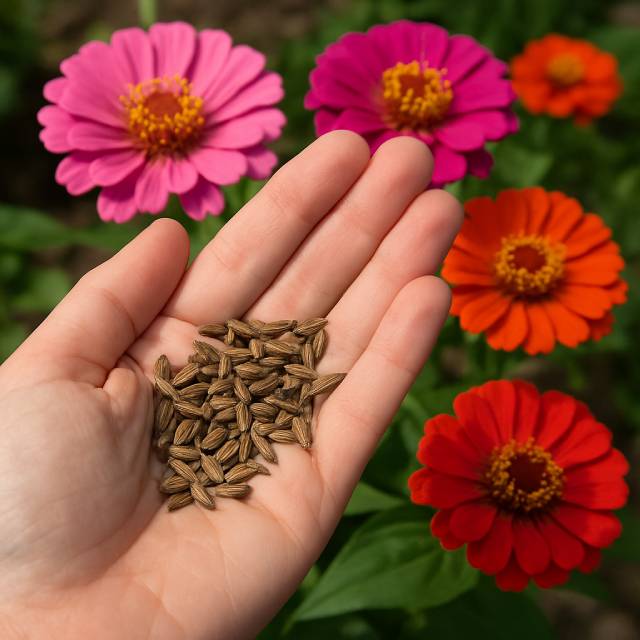
Collecting seed from open-pollinated varieties preserves successful performers for next year without additional cost. Drying seed heads thoroughly before storage prevents mold during the winter months. Labeling each packet with variety and date avoids confusion when planting resumes.
Storing seeds in cool, dry conditions maintains viability longer than warm or humid locations. Paper envelopes or small glass jars work well when kept in a consistent temperature spot. Testing a few seeds for germination in late winter confirms which batches remain usable.
Storing Dahlia Tubers Indoors
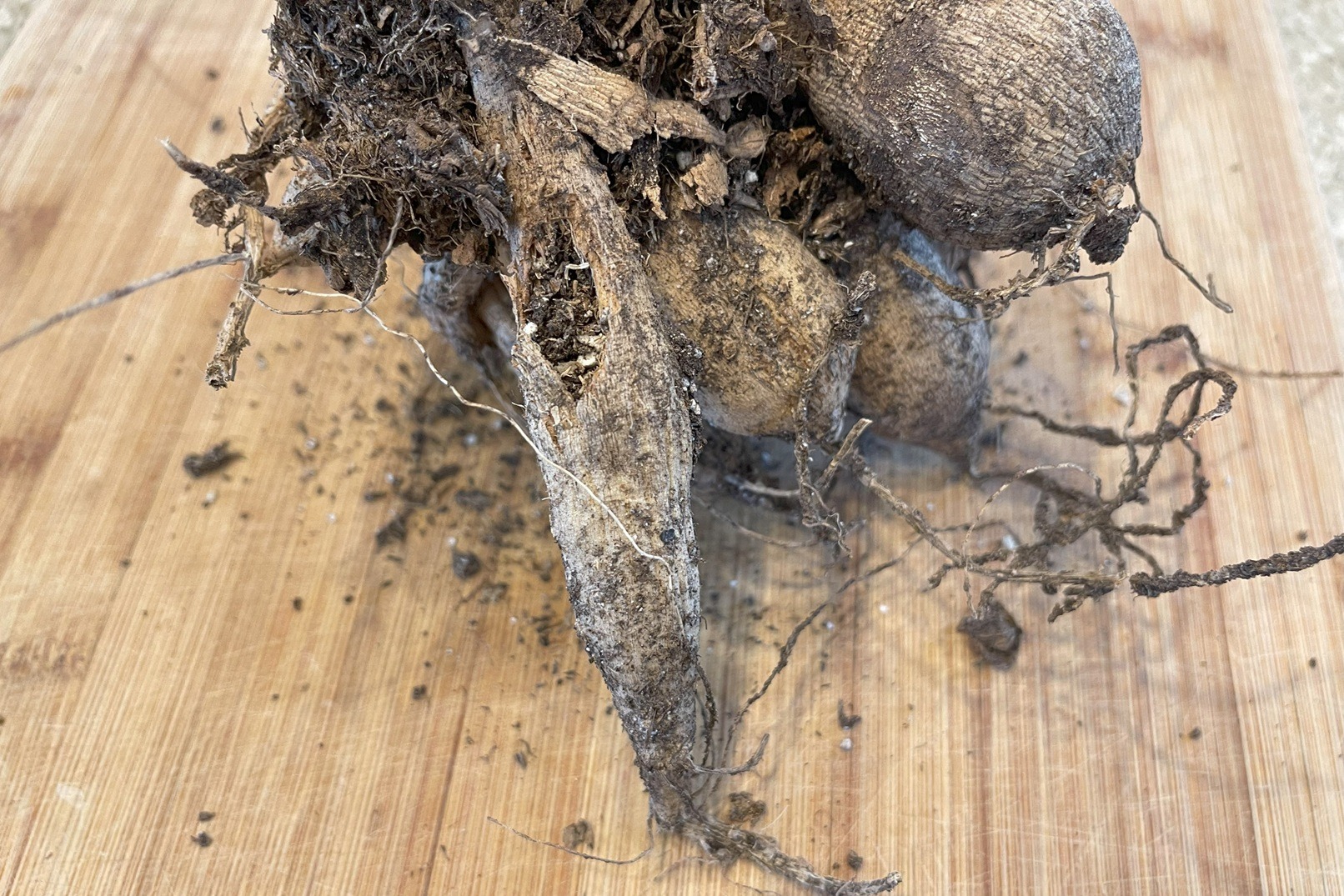
Dahlias and similar tender bulbs cannot survive freezing soil, so lifting them before hard frost preserves the stock. Shaking off excess soil and allowing the tubers to cure for a few days reduces rot risk during storage. Packing them in slightly moist peat or sawdust maintains dormancy without drying them out completely.
Checking stored tubers monthly catches any soft or moldy pieces before they affect neighbors. Keeping storage temperatures between 40 and 50 degrees mimics natural winter conditions. This method allows the same plants to return year after year with minimal replacement expense.
Top Dressing with Finished Compost
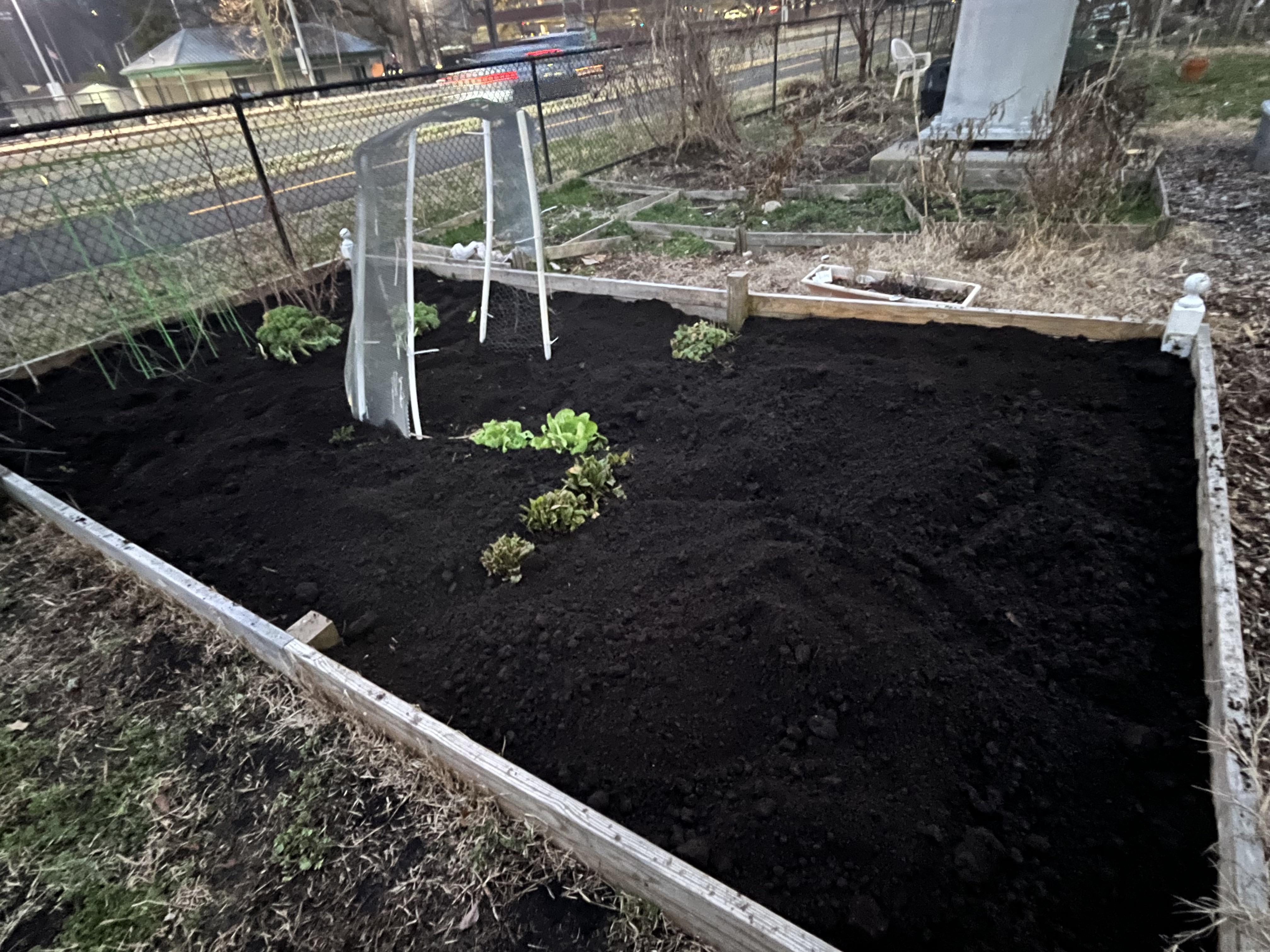
A layer of finished compost replenishes nutrients removed by summer crops and improves soil biology before winter. Unlike fresh manure, finished compost will not burn roots or introduce viable weed seeds. The material also provides a slow-release food source that becomes available as soon as soil warms in spring.
Applying one to two inches across the entire bed surface allows earthworms and microbes to incorporate it naturally. Avoiding the immediate plant crowns prevents excess moisture that could encourage rot during dormancy. This single step often replaces multiple fertilizer applications the following season.
Final Weeding Sessions
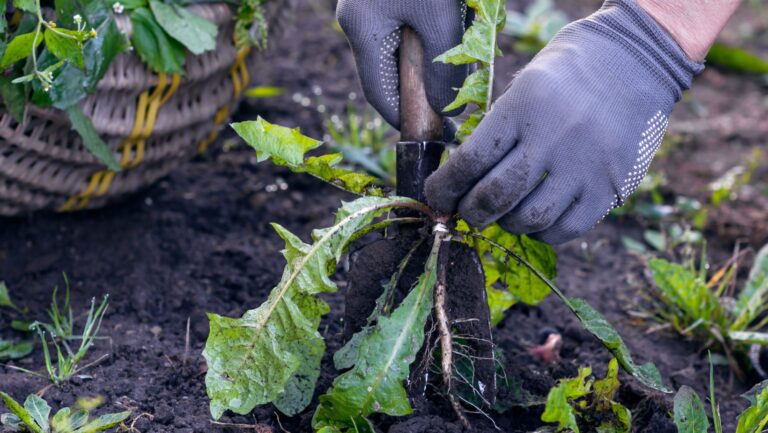
Late-season weeds that escape notice will set seed and create larger problems next year. Removing them now, roots and all, reduces the seed bank in the soil. Hand-pulling works well in moist soil after a rain, while a hoe handles larger areas quickly.
Focusing on perennial weeds such as bindweed or dandelions prevents them from storing energy in roots over winter. Disposing of pulled weeds in the trash rather than the compost pile stops any seeds from surviving the composting process. Consistent attention in fall translates to less work during the busy spring months.
Inspecting for Overwintering Pests
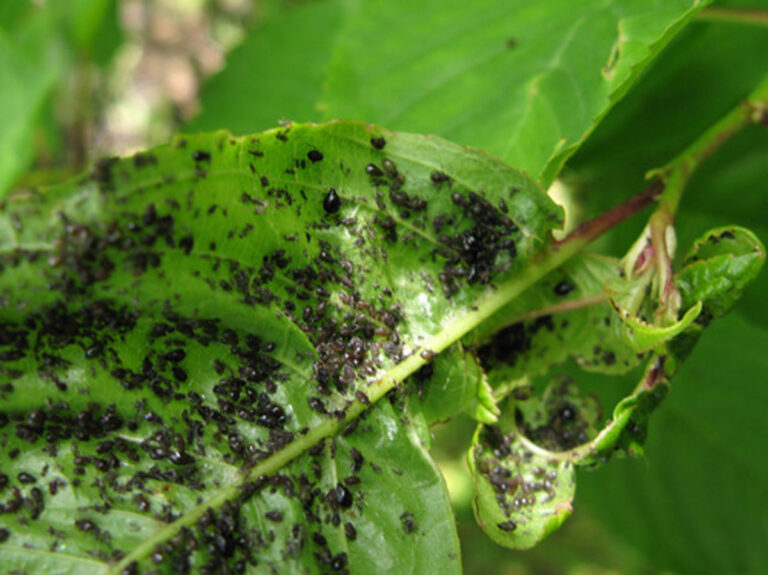
Many insects and their eggs hide in leaf litter or stem crevices through winter. A careful inspection of remaining plants and nearby structures reveals scale, aphids, or borer damage before it spreads. Removing affected material and disposing of it away from the garden breaks the life cycle.
Checking tree bark and fence posts catches egg masses that might otherwise hatch in spring. Keeping records of problem locations helps target treatments more precisely next season. Early detection often means simpler, less chemical-intensive solutions later.
Sketching Spring Garden Plans
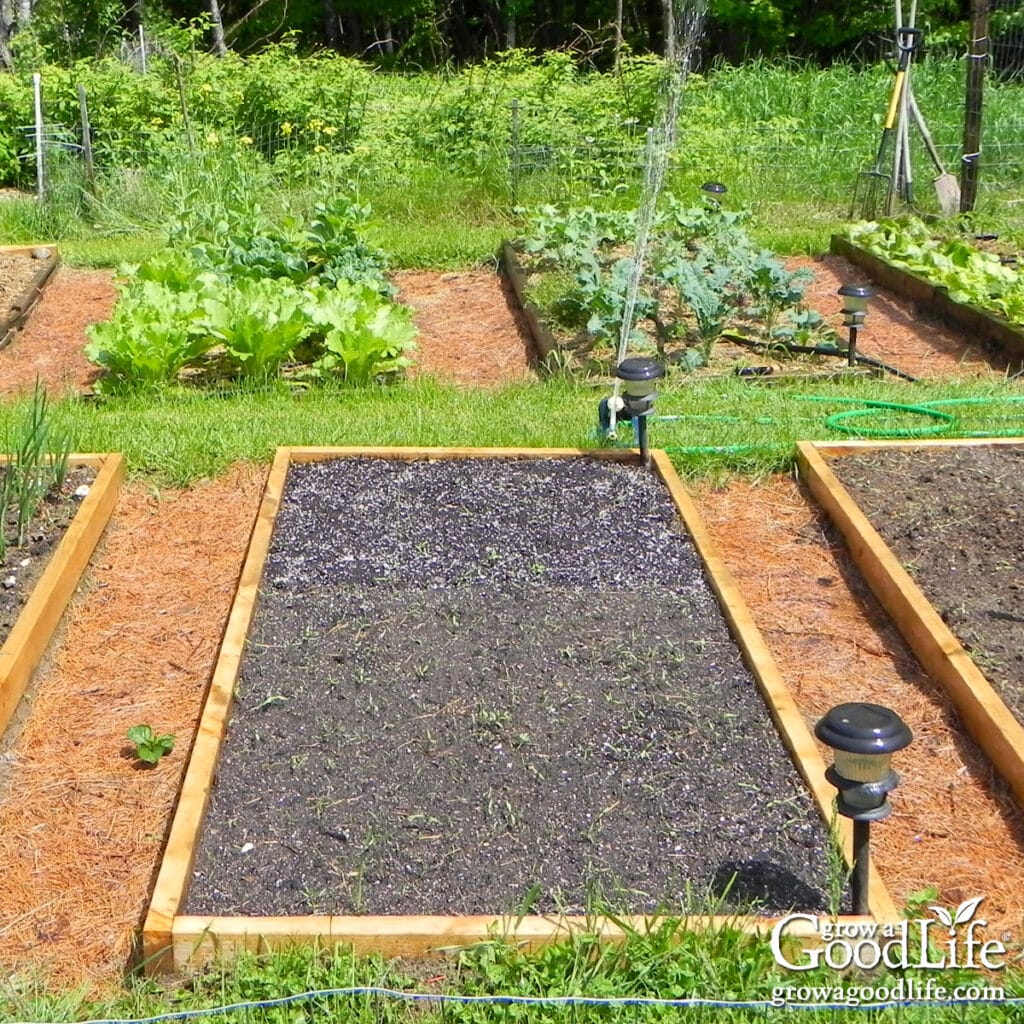
Drawing a simple map of current beds while memory is fresh helps plan crop rotation and new plantings. Noting which areas performed well or struggled guides decisions about amendments or variety changes. Including measurements prevents over-ordering seeds or plants that will not fit.
Reviewing the sketch during winter allows time to order specific varieties before popular ones sell out. Adding notes about bloom times or companion plant pairings creates a more cohesive garden design. This planning step turns scattered ideas into an actionable spring schedule.
FAQ
How deep should mulch be applied in fall garden beds?
Four to six inches of mulch provides effective insulation and weed suppression while still allowing air and water to reach the soil. Shallower layers fail to moderate temperature swings, and thicker applications can smother soil life or encourage rot at plant crowns. Checking depth after the first rain ensures the material has settled evenly across the bed.
When is the best time to plant garlic in most regions?
Plant garlic four to six weeks before the ground typically freezes so roots can establish without top growth appearing. In many zones this window falls between late September and early November. Soil temperature around 50 degrees at planting depth supports quick rooting before winter dormancy.
What cover crop works best for heavy clay soil?
Cereal rye develops deep roots that break up compaction and adds significant biomass when turned under in spring. Crimson clover offers nitrogen fixation plus attractive winter color. Both establish reliably from fall sowing and tolerate the wet conditions common in clay during winter.
How long can stored dahlia tubers remain viable?
Properly cured and packed tubers usually remain viable for five to seven months when kept between 40 and 50 degrees with moderate humidity. Checking them monthly and removing any that show soft spots prevents loss of the entire collection. Cooler or warmer storage shortens viability significantly.
A well-prepared garden enters winter with stronger soil structure and fewer lingering problems, leading to noticeably better results when growth resumes.
Leave a Reply