
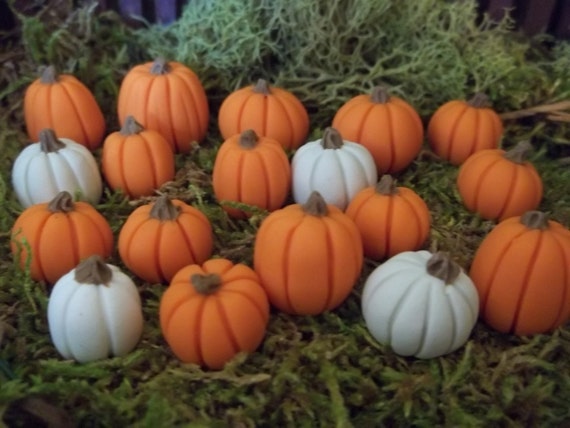
Fairy gardens shift beautifully into fall when you layer in seasonal textures like dried leaves, small gourds, and warm wood tones that echo the changing landscape outside. These setups keep the miniature scale intact while swapping summer blooms for elements that feel grounded in the harvest season. The result is a contained scene that looks intentional on a porch, patio table, or tucked garden corner without demanding constant upkeep.
Pumpkin Fairy Cottages
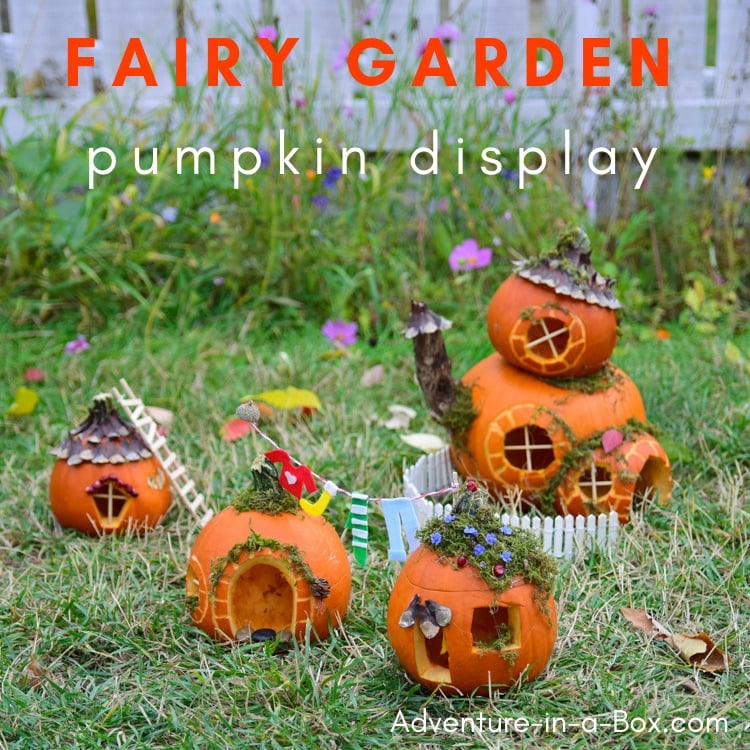
Small pumpkins become instant houses when you hollow a modest opening and add a twig door frame. Position one or two on a bed of moss so the orange skin stands out against green and brown surroundings. The curved shape already suggests a rounded cottage roof, so minimal extra structure is needed.
Real pumpkins last several weeks outdoors before softening, which gives you time to enjoy the look before swapping in a ceramic or resin version for longer display. Choose pie pumpkins rather than large carving types so the proportions stay miniature-friendly next to tiny furniture pieces.
Place the pumpkin slightly off-center rather than dead middle so the surrounding path and plantings can create natural depth in photos.
Acorn Pathway Designs
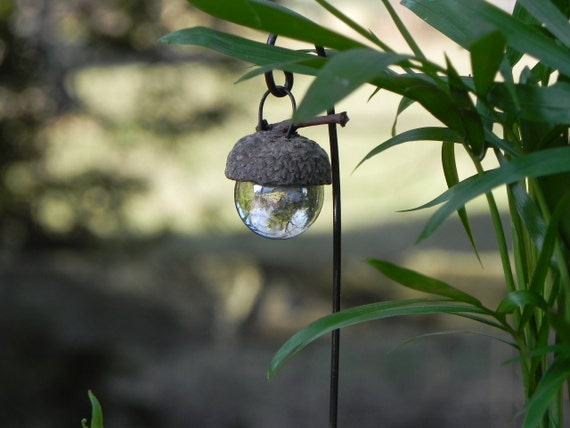
Acorn caps lined up end to end form a winding path that feels both collected and deliberate. Glue or press them into soft soil or a shallow tray of sand so they stay in place through light wind. The natural caps add repetitive texture that draws the eye through the scene without overwhelming the scale.
Mix whole caps with a few split ones to create variation in height along the route. This path works especially well leading from a main house element toward a seating area or water feature. Refresh the caps every few weeks as they dry and curl.
Moss Covered Log Benches
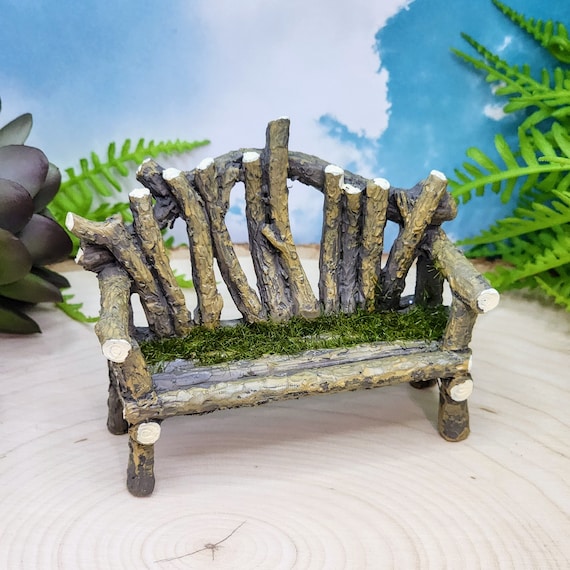
A short slice of branch or driftwood becomes a bench once you flatten one side and tuck moss around the base. The moss softens the cut edge and makes the piece look settled into the landscape. Keep the bench length under three inches so it reads as seating rather than a large log.
Position two benches near each other to suggest a conversation spot. Real moss holds moisture longer than artificial sheets, so mist occasionally if your climate is dry. A single bench also works as a visual anchor when placed beside a taller house element.
Leaf Canopy Tents
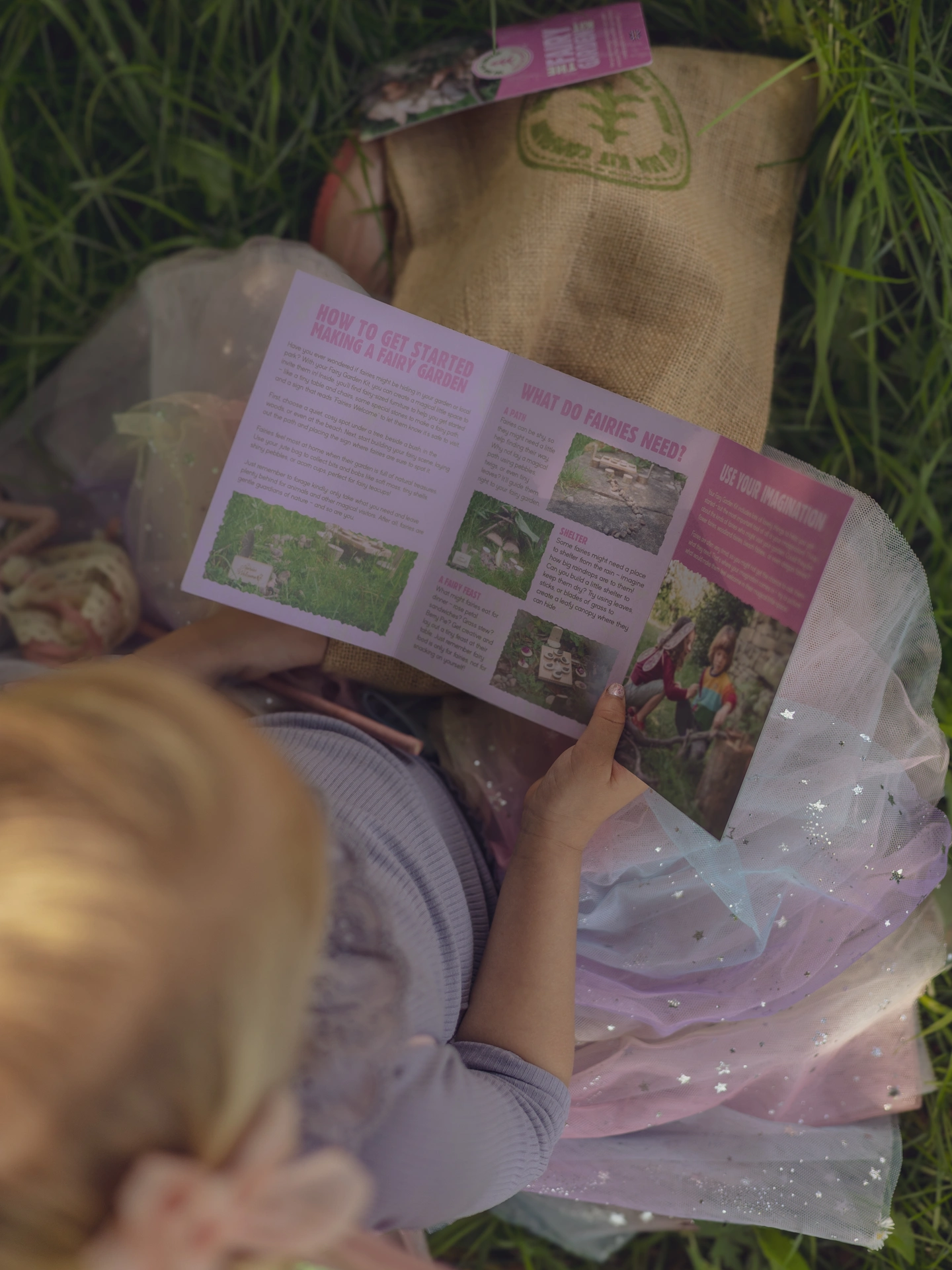
Large dried leaves such as maple or oak can be propped on small twigs to form simple canopies. The leaves provide dappled shade over a tiny table or reading nook. Because the leaves are flat, they create clean horizontal lines that contrast nicely with the rounder shapes of pumpkins and gourds nearby.
Replace the leaves as they become brittle so the canopy stays intact through the season. Angle one leaf slightly higher than the others to avoid a perfectly symmetrical look that feels less natural in photographs.
Scarecrow Mini Figures

A simple stick frame dressed in a scrap of plaid fabric and a bit of raffia creates a scarecrow that fits the fall theme. Keep the figure under two inches tall so it does not dominate the garden. The fabric scrap can be tucked into place with a dab of glue on the back.
Set the scarecrow near the edge of a pumpkin patch or beside a path so it appears to watch over the space. One figure is usually enough; multiples can crowd the scene quickly.
Berry Vine Fences
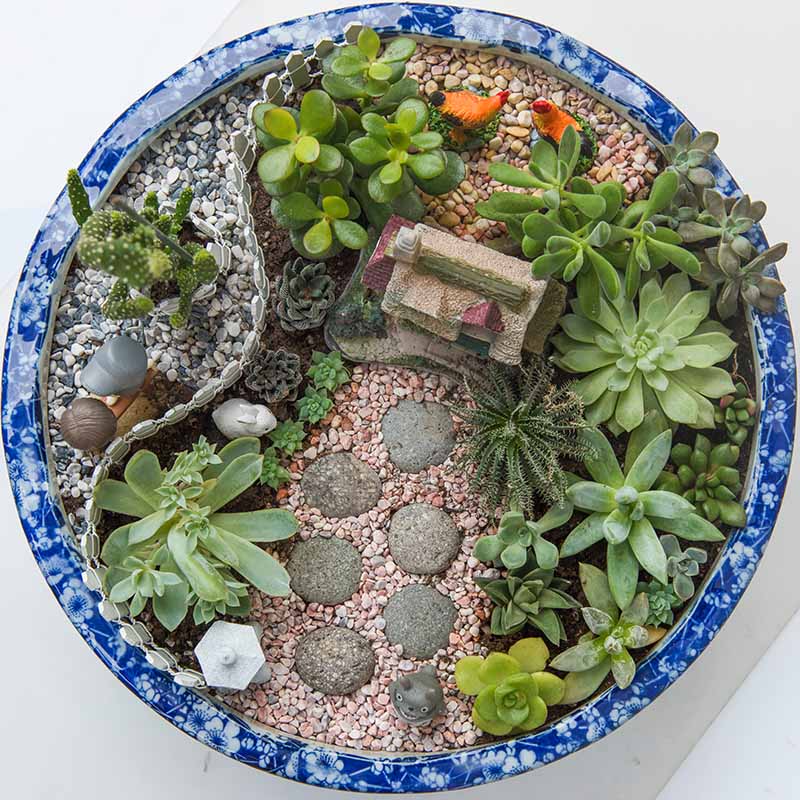
Tiny branches or floral wire wrapped with dried berry stems make lightweight fences that define separate areas. The small pops of red or orange from the berries echo fall foliage colors. Weave the stems loosely so light still passes through rather than creating a solid wall.
Run the fence along one side of the garden to guide the eye without enclosing the entire space. If berries drop, simply tuck replacements back into the wire. This element pairs well with the acorn path for a cohesive boundary.
Pinecone Roof Houses
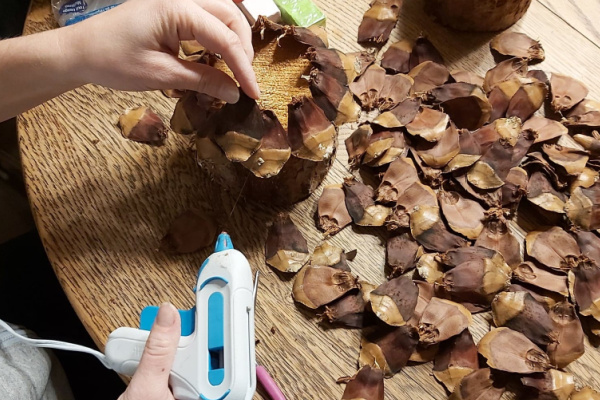
Whole pinecones turned upside down create textured roofs that sit neatly on small wooden bases or walnut shell halves. The overlapping scales give the roof a shingled appearance without extra work. Choose cones of similar size for a matched pair of houses.
The natural brown tones of the pinecones blend with other fall elements while still providing contrast against green moss. A thin line of glue along the base keeps the roof stable during outdoor breezes.
Gourd Container Gardens
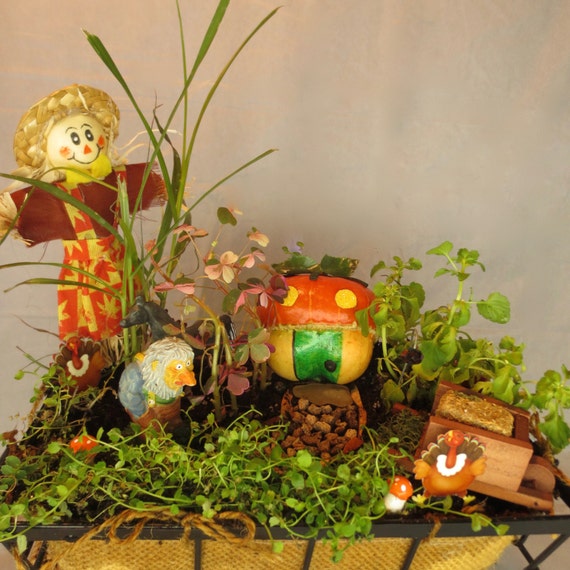
Tiny gourds with the tops removed serve as planters for small succulents or moss. The hollow center holds just enough soil for shallow roots. Group three or four gourds of different shapes together so the collection feels like a miniature harvest display.
These containers dry out faster than ceramic pots, so check moisture every few days. The varied gourd shapes add visual interest even when the plants inside remain simple.
Twig Ladder Accents
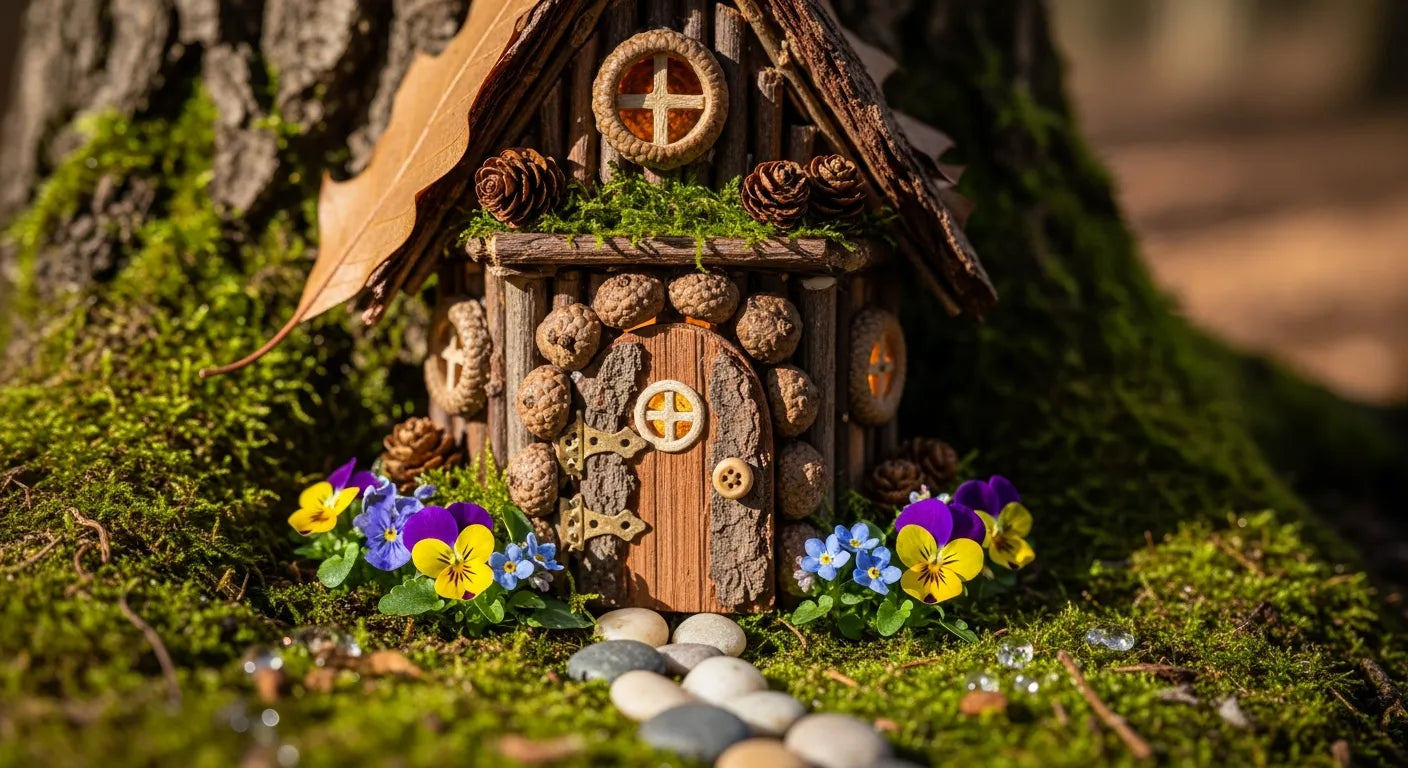
Two slender twigs connected by shorter rungs form a ladder that leans against a house or tree stump. The ladder suggests access to an upper level without adding actual height. Keep the rungs spaced evenly so the piece looks intentional rather than haphazard.
Position the ladder near a vertical element such as a tall mushroom or stacked log to create a clear focal line. The natural wood tones tie into other twig and branch details already present in the garden.
Chestnut and Acorn Accents
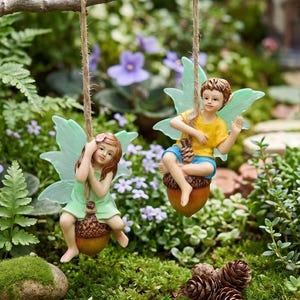
Whole chestnuts and acorns scattered as loose accents fill negative space between larger structures. Their rounded shapes contrast with the angular lines of fences and ladders. Limit the number so the ground does not appear cluttered.
A few chestnuts placed near the base of a bench give the impression of gathered supplies. Rotate or replace them as they darken outdoors to maintain the fresh-harvest appearance.
Maple Leaf Ground Cover

Small maple leaves pressed into the soil create a carpet that unifies the entire scene. The red and orange tones pick up color from any berry elements nearby. Overlap the leaves slightly so bare soil does not show through in photos.
This ground cover works best on a flat tray or shallow container where the leaves can be rearranged easily. Refresh the layer when the leaves curl or fade to keep the rich fall palette consistent.
Harvest Wheelbarrow Displays
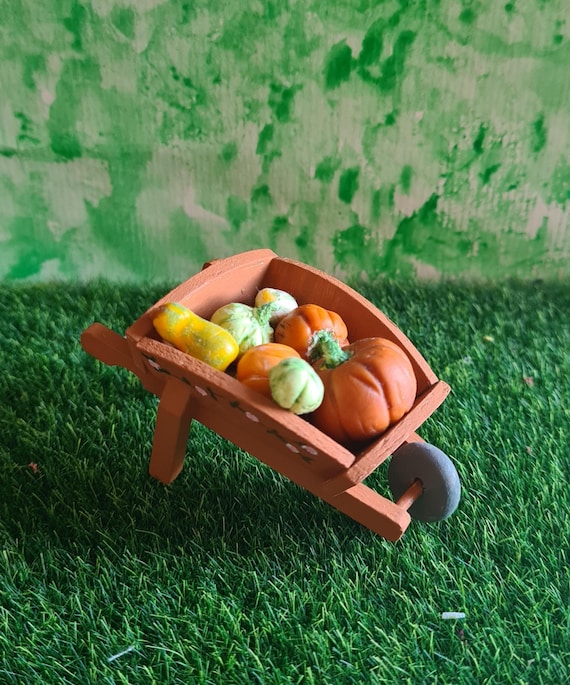
A tiny wheelbarrow or cart loaded with even smaller gourds or seed pods becomes a movable focal point. The wheel adds a mechanical detail that stands out against softer plant textures. Keep the load low so the wheelbarrow itself remains visible.
Move the wheelbarrow to different spots during the season to refresh the composition. The metal or wood finish of the cart contrasts nicely with the organic materials used elsewhere.
Material Options for Fall Fairy Garden Bases
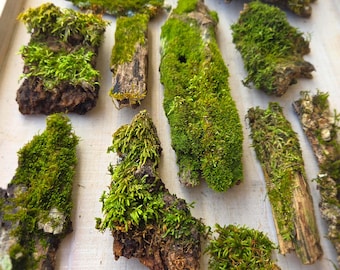
Different base materials change how long a fall fairy garden lasts outdoors and how it photographs. Wood slices bring warmth and a natural edge, while shallow ceramic trays offer stability and moisture retention. Metal pie tins reflect light in interesting ways but can heat up in direct sun.
| Base Material | Durability | Moisture Control | Best For |
|---|---|---|---|
| Wood slice | Medium | Low | Dry climates, rustic look |
| Ceramic tray | High | High | Moss-heavy scenes |
| Metal tin | High | Low | Bright, reflective setups |
- Wood slices work well when sealed with a light coat of outdoor varnish to slow cracking.
- Ceramic trays pair best with moss because they hold humidity longer than open wood.
- Metal tins suit scenes that need extra light bounce in shaded corners.
A shallow drainage layer of pebbles under any base prevents water from pooling directly against house foundations during fall rains.
Placement Variations for Outdoor Longevity
- Tuck the garden against a house wall or under a covered porch to shield it from heavy wind and early frost.
- Raise the entire setup on a low plant stand so air circulates underneath and reduces mold on wood elements.
- Rotate the garden every few days if it sits in morning sun so one side does not dry out faster than the other.
How do I protect my fairy garden from fall rain?
Choose bases with drainage holes or add a layer of pebbles at the bottom so excess water escapes rather than soaking house foundations. Cover the scene with a clear plastic cloche during heavy storms and remove it once the rain stops so airflow returns. Check wooden pieces weekly for softening and swap them out before they affect neighboring elements.
What plants work best in fall fairy gardens?
Moss, small ferns, and hardy succulents maintain color and structure when temperatures drop. Avoid delicate annuals that blacken after the first frost. Replenish any faded greenery with preserved or dried alternatives so the miniature scale stays consistent.
FAQ
How long do real pumpkins last in an outdoor fairy garden? Real pumpkins typically hold their shape for three to six weeks depending on temperature and humidity. Once softening begins, replace them with resin or ceramic versions that match the original size so the scene remains uninterrupted.
Can I leave a fairy garden outside all winter? Most components survive light frost, but repeated freeze-thaw cycles damage wood and unglazed ceramics. Move the garden to a sheltered spot or disassemble it before sustained freezing temperatures arrive.
Where should I place a fairy garden for fall? Morning sun with afternoon shade keeps moss and leaves from drying too quickly while still highlighting the warm color palette. Avoid low spots where water collects after rain.
How do I keep squirrels from disturbing the acorns and chestnuts? A light mist of diluted bitter apple spray on the loose elements discourages chewing without affecting the visual appeal. Reapply after heavy rain.
The shift into fall gives every miniature detail a richer backdrop that feels both seasonal and timeless.
Leave a Reply