
Leftover fabric scraps often accumulate in crafting bins, waiting for a purposeful project. Transforming these remnants into gorgeous fabric flowers is an excellent way to reduce waste while creating stunning, everlasting decor for your home.
From embellishing throw pillows and wreaths to creating custom hair accessories and textured wall art, handmade blooms add a soft, organic element to any space. By matching the right fabric weight to the appropriate floral structure, you can replicate the delicate textures of real blossoms using materials you already own.
1. Rolled Fabric Rosettes
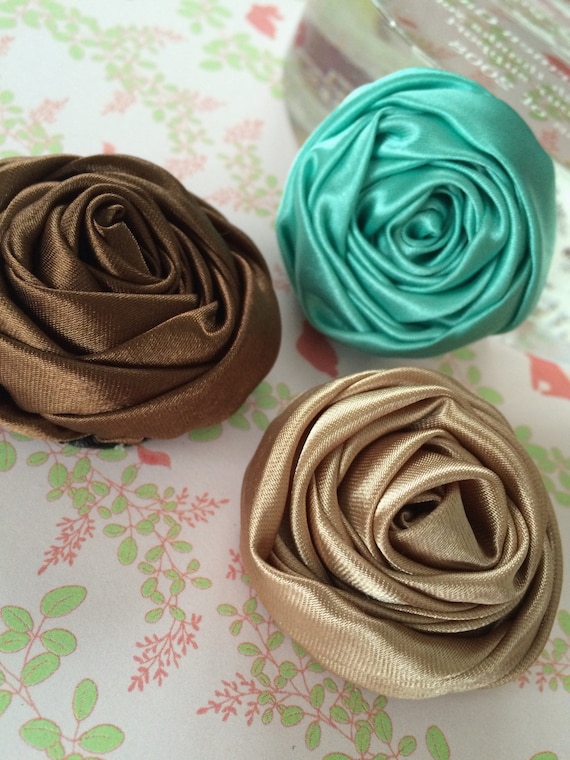
Rolled rosettes are among the most versatile fabric flowers you can create. They rely on a simple twisting and wrapping motion that builds a tight, nested center before expanding into looser, outer petals. Medium-weight fabrics like quilting cotton, linen, and lightweight canvas hold the structural folds beautifully, giving the rosette a distinct, dimensional shape.
Fabric Selection Comparison
| Fabric Type | Visual Result | Best Use Case |
|---|---|---|
| Quilting Cotton | Crisp, defined folds with a neat finish | Headbands, brooch pins, and shadow boxes |
| Linen | Textural, rustic, and slightly relaxed | Wreath embellishments and farmhouse decor |
| Flannel | Soft, cozy, and thick | Winter garlands and cozy throw pillow accents |
2. Singed Satin Peonies
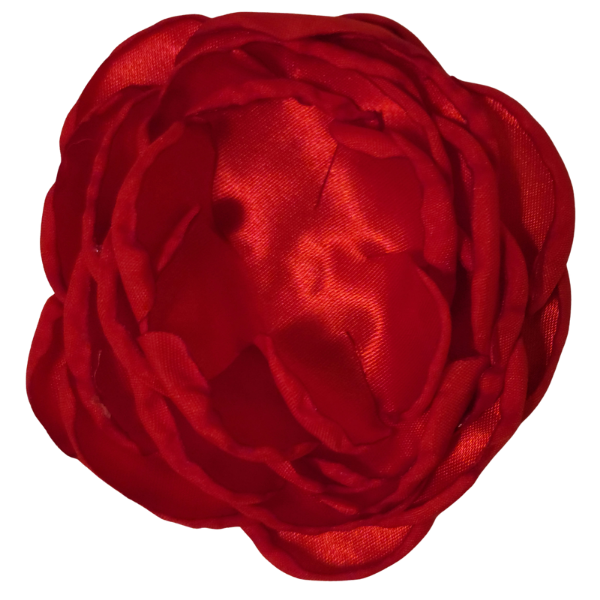
Synthetic fabrics react to heat by melting rather than burning, which makes them ideal for creating realistic, curled flower petals. By exposing the edges of satin, organza, or polyester circles to a controlled heat source, the edges curl inward, mimicking the lush, organic curves of a peony. Layering multiple sizes of these singed circles creates a dense, luxurious bloom.
3. Gathered Yo-Yo Flowers
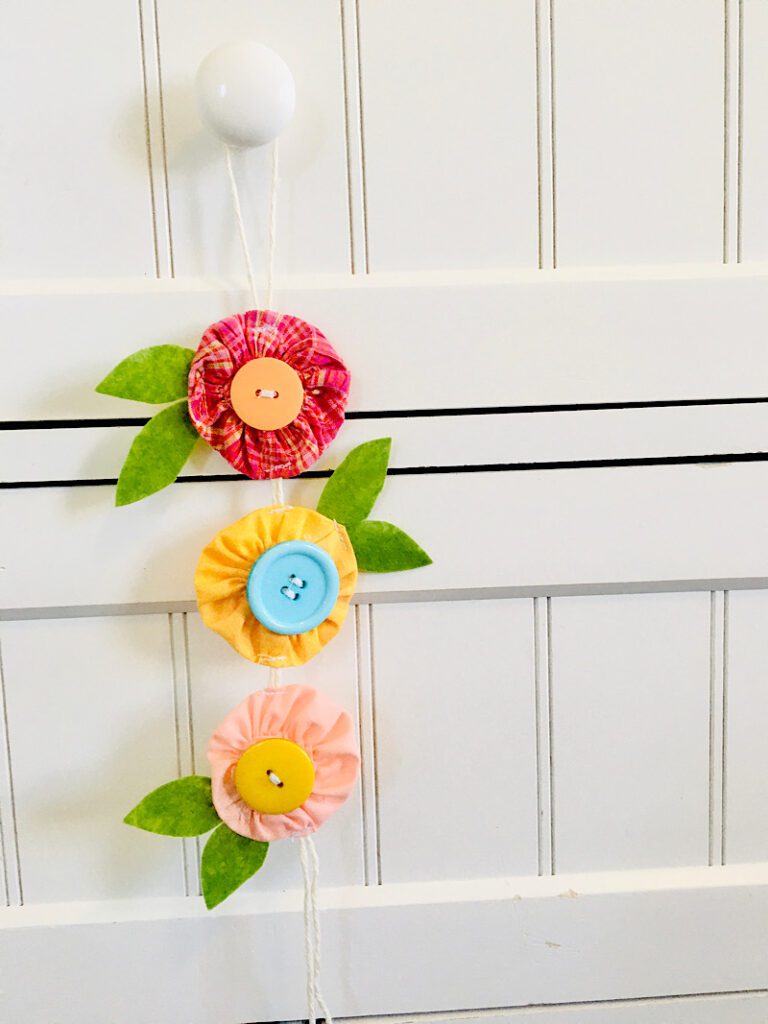
Yo-yos are a classic quilting element that double as charming, flat-backed flowers. Created by stitching a simple running stitch around the edge of a fabric circle and pulling the thread tight, they gather into a neat, puckered rosette. They are excellent for projects that need to lay relatively flat, such as table runners, quilts, or framed wall art.
Styling Suggestions
- Center Accents: Cover the gathered center hole with a vintage brass button, a shiny pearl bead, or a contrasting felt circle.
- Layering: Stack a smaller fabric yo-yo on top of a larger one to create a multi-tiered, dimensional blossom.
4. Layered Felt Daisies
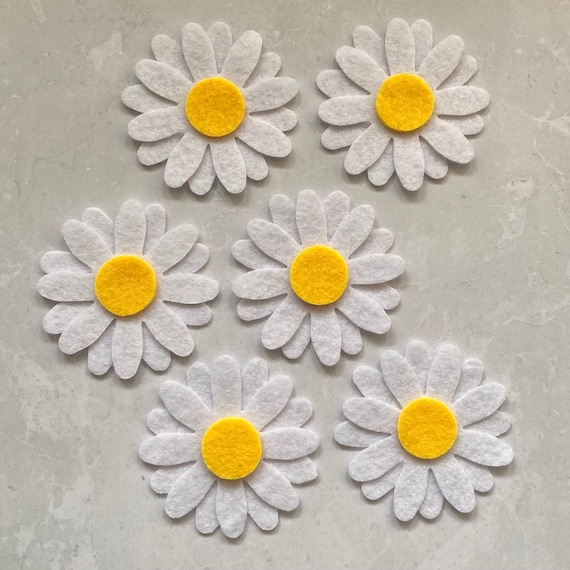
Felt is a dream material for fabric flowers because it does not fray. This allows you to cut clean, sharp petal shapes without worrying about sealing the edges. Layering simple daisy-shaped cutouts in graduating sizes results in a clean, modern floral look that works wonderfully in nurseries or on colorful spring wreaths.
Essential Supplies Checklist
-
High-quality wool felt scraps (holds shape better than synthetic craft felt) -
Detail fabric shears (for clean, precise petal cuts) -
Fabric glue or hot glue gun -
Contrasting felt balls or large beads for the flower centers
5. Shabby Chic Denim Roses
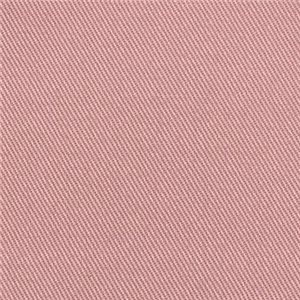
Old jeans that are too worn to donate can find new life as structured, rustic roses. Denim’s heavy weight and distinct weave give these flowers incredible durability and a unique, casual aesthetic. The natural fraying of denim edges actually enhances the shabby chic look, giving the petals a soft, feathered border.
- Budget Note: This project is entirely free when using old jeans, jackets, or denim skirts that are headed for the trash.
- Color Play: Mix the dark blue outer denim with the lighter, faded underside of the fabric to create beautiful color contrast within a single rose.
6. Organza Hydrangeas
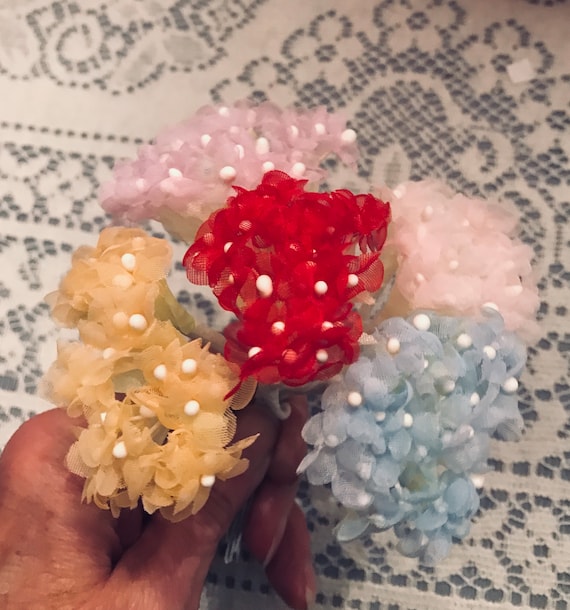
Hydrangeas are defined by their massive clusters of tiny, delicate petals. Sheer organza scraps are perfect for replicating this airy, translucent quality. By cutting dozens of small, four-petal shapes and clustering them tightly together on a styrofoam ball or a flat felt backing, you can create a stunningly realistic hydrangea head.
Color Palette Inspiration
To achieve a realistic, multi-tonal hydrangea look, mix scraps of soft lavender, pale blue, and dusty pink organza within the same flower cluster. The sheer nature of the fabric allows the colors to blend beautifully where they overlap.
7. Frayed Linen Tassel Dandelions
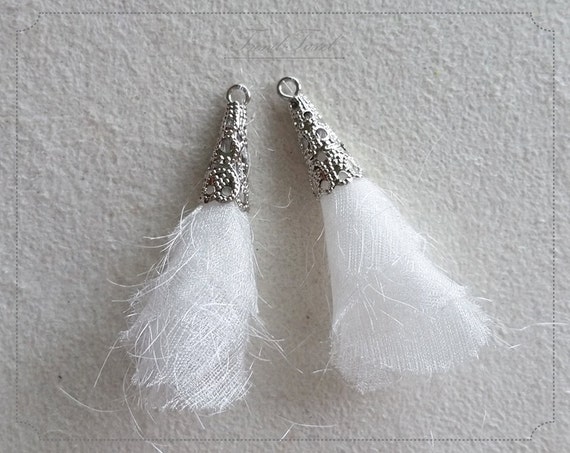
Linen has a loose, visible weave that frays beautifully when pulled. You can exploit this characteristic to create whimsical, spiky flowers that resemble dandelions or wild asters. By fraying the edges of long linen strips and wrapping them tightly around a central stem, you get a highly textured, organic bloom.
8. Puffy Fabric Clover Blossoms
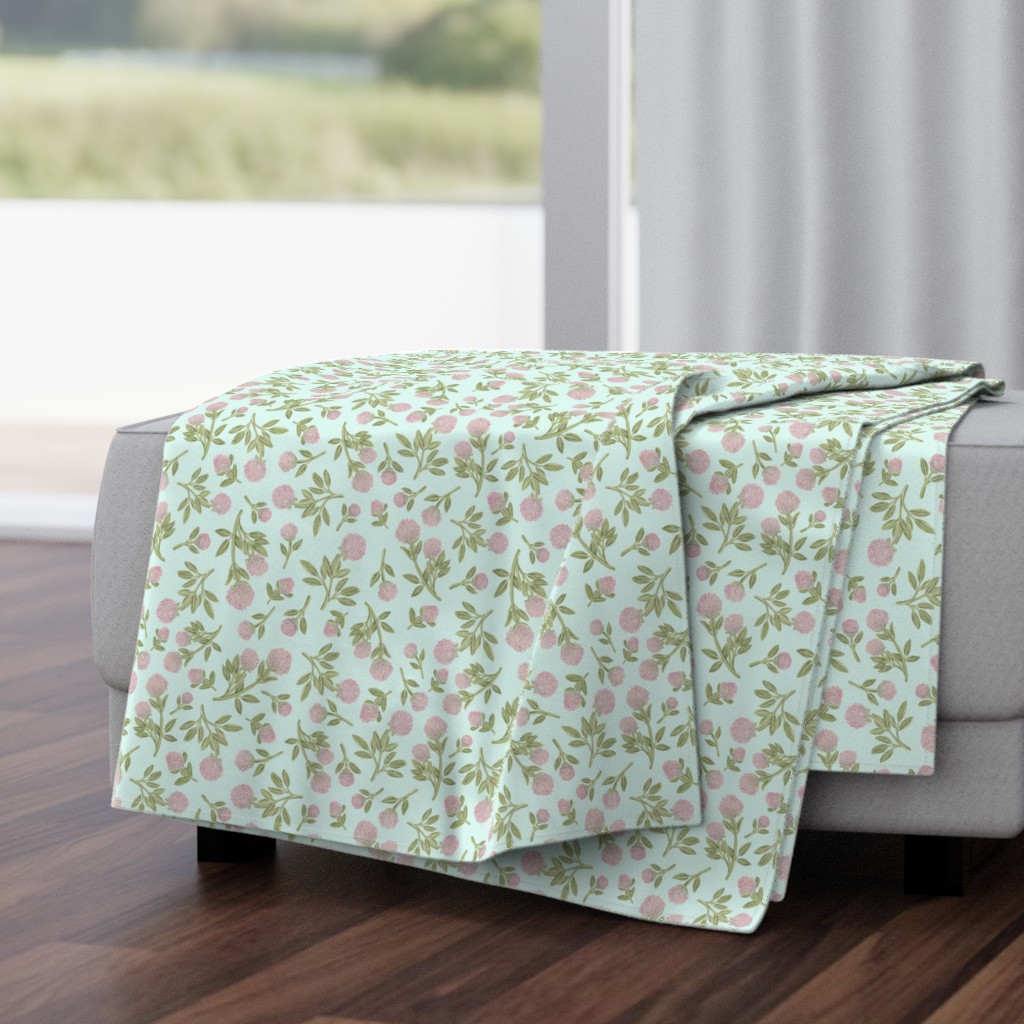
If you prefer a soft, three-dimensional flower with a plush feel, stuffed fabric clover blossoms are a wonderful option. These are made by stitching small fabric circles, stuffing them with a tiny amount of filling, and gathering them tightly. When clustered together, these little puffs look just like wild clover or small allium blooms.
Stuffing Alternatives
If you do not have polyester fiberfill on hand, you can use the tiniest shredded scraps of your leftover fabric or yarn ends to stuff the clover petals. This makes the project completely zero-waste.
9. Pleated Ribbon Carnations
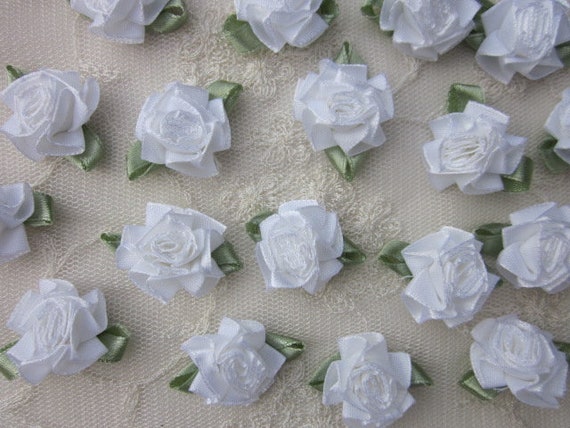
Leftover ribbon scraps, especially those with woven edges, make gorgeous, ruffled carnations. By pleating or running a gathering stitch along one edge of the ribbon and winding it tightly, the opposite edge flares out into a dense, ruffled dome that perfectly mimics the texture of a real carnation.
Ribbon Type Comparison
- Wired Ribbon: Excellent for creating adjustable, structured petals that you can shape and fluff after assembly.
- Satin Ribbon: Produces a soft, shiny, and elegant flower with a fluid drape.
- Grosgrain Ribbon: Offers a ribbed texture that gives the carnation a sturdy, casual, and modern look.
10. Burlap Sunflowers
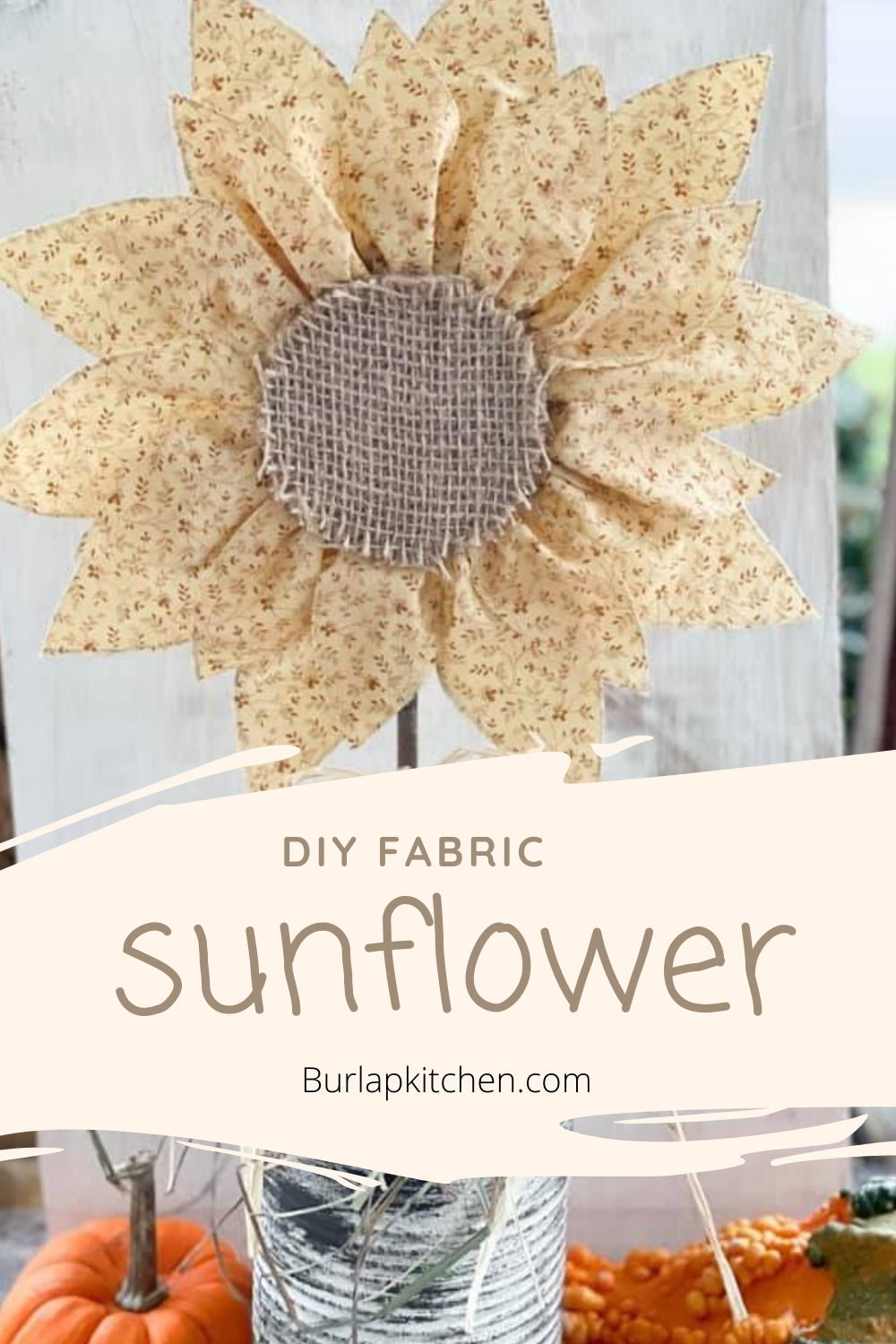
Burlap’s coarse, open weave makes it the ultimate material for rustic, autumn-themed decor. The stiff texture of jute fibers allows large sunflower petals to stand upright without drooping. Combining yellow-dyed burlap for the petals with a dark brown or black burlap center creates a striking, high-contrast statement piece.
11. Chiffon Ranunculus
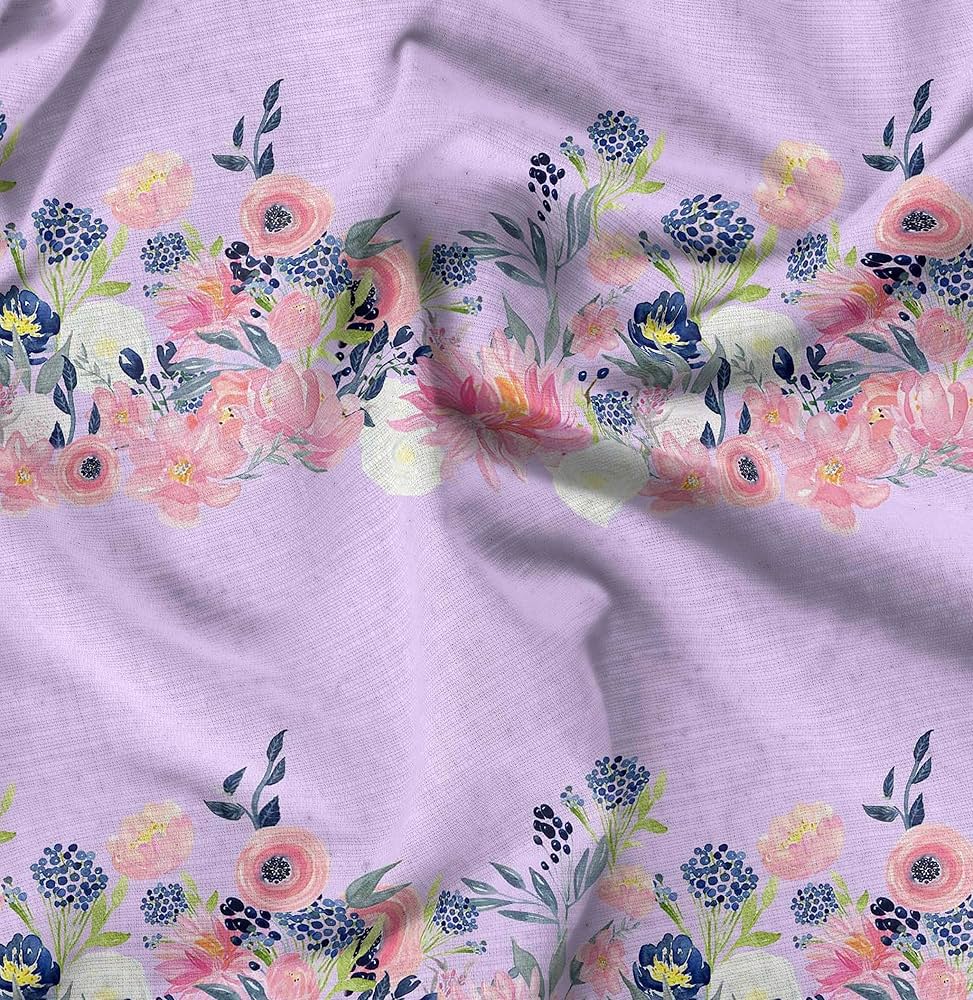
Ranunculus flowers are famous for their paper-thin, incredibly dense layers of petals. Lightweight chiffon scraps are the perfect medium to replicate this delicate look. Because chiffon is so thin, you can layer dozens of circular petals together without the flower becoming bulky or heavy.
12. Lace Trim Poppies
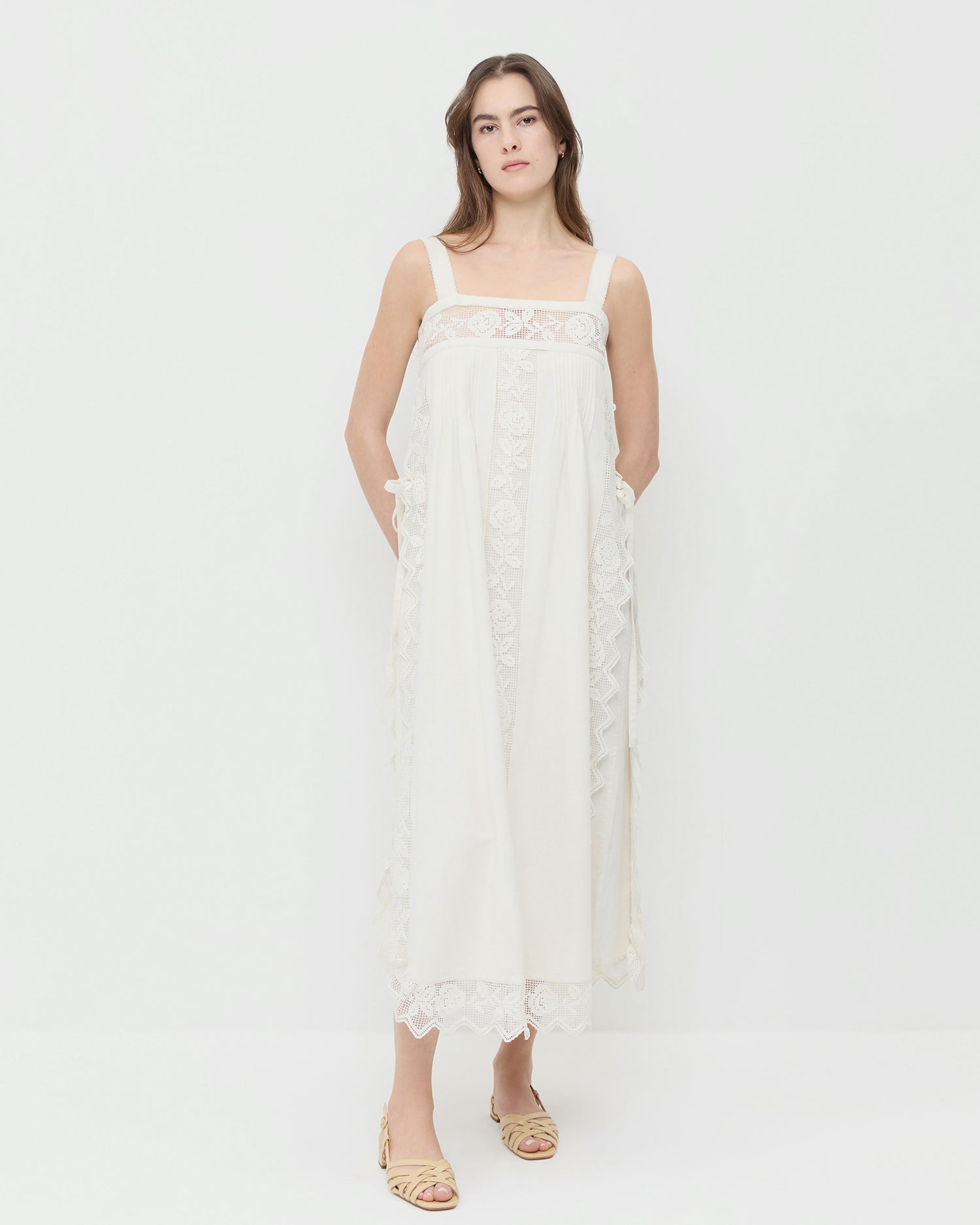
Vintage lace trim, even in small sections, can be gathered into delicate, heirloom-quality poppies. The intricate patterns of the lace form the outer petals, while a dark, contrasting center—such as a black velvet button or a cluster of black seed beads—creates the classic, dramatic look of a poppy.
Sourcing Vintage Lace
Look for damaged vintage linens, tablecloths, or old clothing at thrift stores. Even if the main fabric is stained, the lace trim can often be salvaged, washed, and cut down for flower making.
13. Twisted Fabric Lavender Sprigs
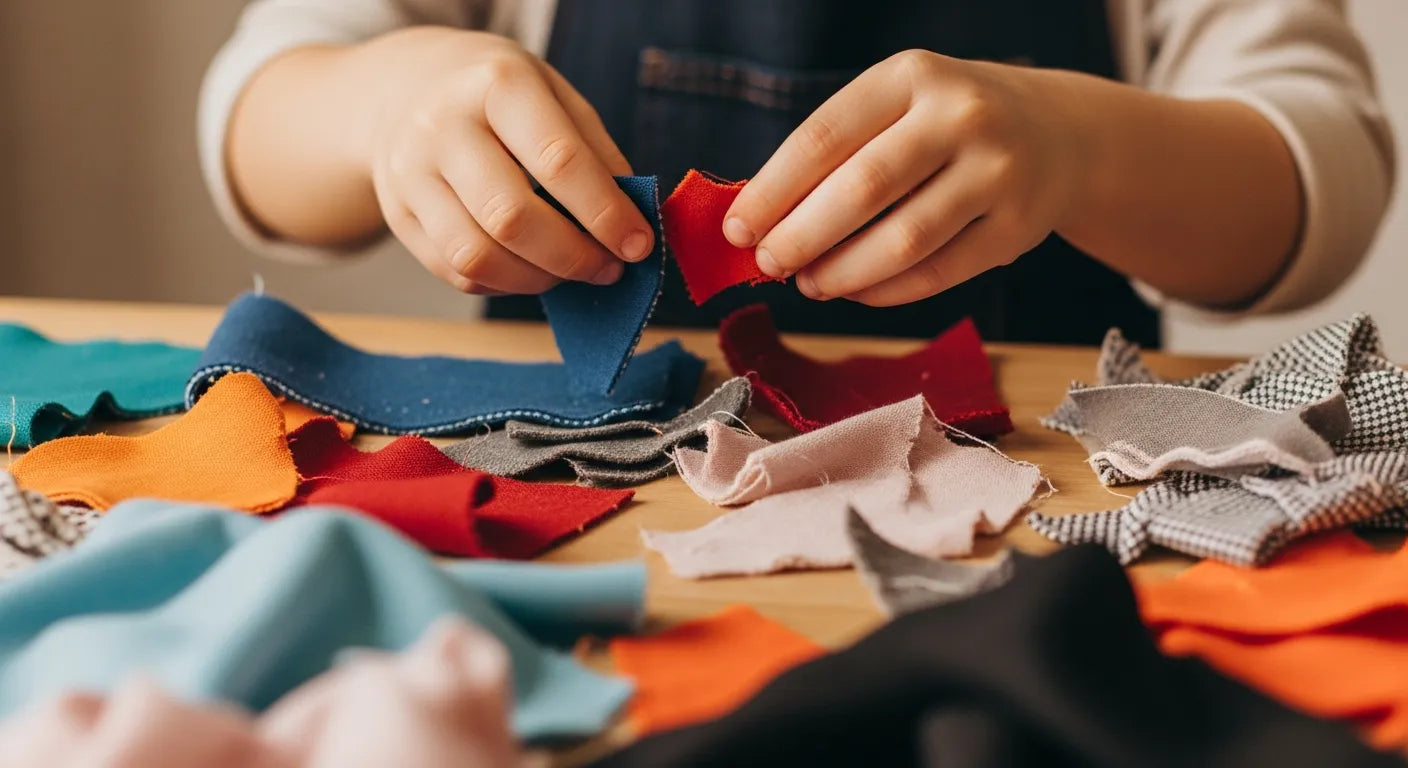
Not all fabric flowers need to be round. Lavender sprigs offer a beautiful linear shape that adds height and variety to any handmade bouquet. By wrapping thin, purple fabric scraps or frayed fabric yarn around a floral wire stem in a spiral pattern, you can create the illusion of tiny, clustered lavender buds.
14. Fluffy Tulle Pompom Flowers
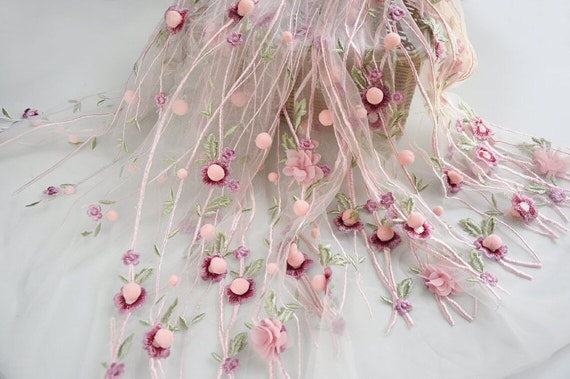
Tulle netting scraps from tutu projects or bridal veils can be transformed into incredibly fluffy, pompom-like blossoms. Because tulle is stiff and holds its volume, wrapping and tying strips of it results in a lightweight, airy flower that works beautifully as a gift topper or a whimsical party decoration.
Creative Uses for Tulle Flowers
- Gift Wrapping: Replace traditional plastic bows with a reusable tulle pompom flower tied to your gift packages.
- Hair Accessories: Attach a small tulle flower to a metal alligator clip or a soft elastic headband for a lightweight, comfortable hairpiece.
15. Applique Fabric Pansies
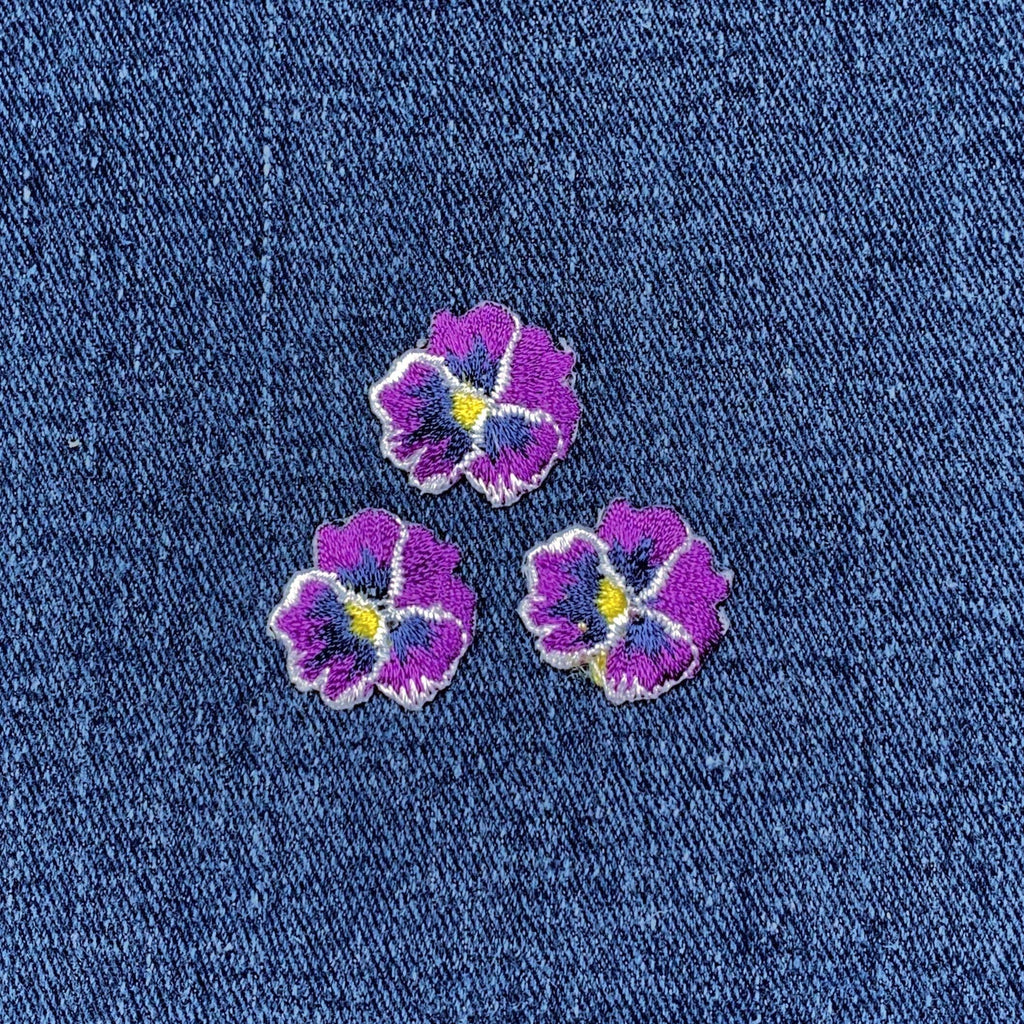
Pansies have flat, wide petals with distinct, painted-like faces. You can recreate this look by layering flat fabric scraps of different colors—such as deep purple, bright yellow, and white—and securing them with simple embroidery stitches. This flat design is ideal for applying directly onto fabric surfaces like tote bags, denim jackets, or throw pillows.
Embroidery Detail Checklist
-
Use a simple running stitch or blanket stitch to secure the petal edges. -
Add dark, radiating straight stitches from the center outward to mimic the whiskers of a pansy. -
Finish the center with a single yellow French knot.
Fabric Flower Care and Maintenance
To keep your handmade fabric flowers looking fresh and beautiful for years to come, follow these simple maintenance guidelines:
- Dusting: Use a hair dryer on the cool, low setting to gently blow away dust from delicate blooms, or use a soft makeup brush to sweep away particles.
- Spot Cleaning: For non-washable fabrics like felt, silk, or singed synthetics, spot clean only with a damp cloth. Do not submerge them in water, as this can ruin the shape or dissolve the glue.
- Fray Prevention: If you want to prevent cotton or linen flowers from fraying over time, apply a thin layer of fabric check or diluted school glue to the raw edges before assembly.
Frequently Asked Questions
What is the best glue to use for fabric flowers?
For quick assembly, a hot glue gun is highly effective because it bonds instantly. However, for items that will be handled frequently or washed (like hair accessories or clothing), a premium fabric glue or fabric-safe fabric adhesive is recommended, as it remains flexible when dry. Sewing the layers together with a needle and thread is always the most durable option.
Can I make fabric flowers out of stretchy fabrics like jersey knit?
Yes, jersey knit scraps from old t-shirts make wonderful, casual flowers. Jersey knit edges naturally curl when pulled, which can give your flower petals a unique, rounded texture. Keep in mind that stretchy fabrics can be trickier to cut precisely, so sharp fabric shears are essential.
How do I attach stems to my fabric flowers?
The easiest way to add stems is to use paper-wrapped floral wire. You can loop the top of the wire into a small flat spiral, glue it to the back of your flower, and cover it with a neat circle of felt to secure the connection and hide the wire.
Handmade fabric flowers offer a wonderful opportunity to play with color, texture, and scale while giving a second life to materials that might otherwise be discarded. By experimenting with different fabric weights and assembly techniques, you can curate a custom botanical collection that perfectly matches your personal interior style.
Leave a Reply