
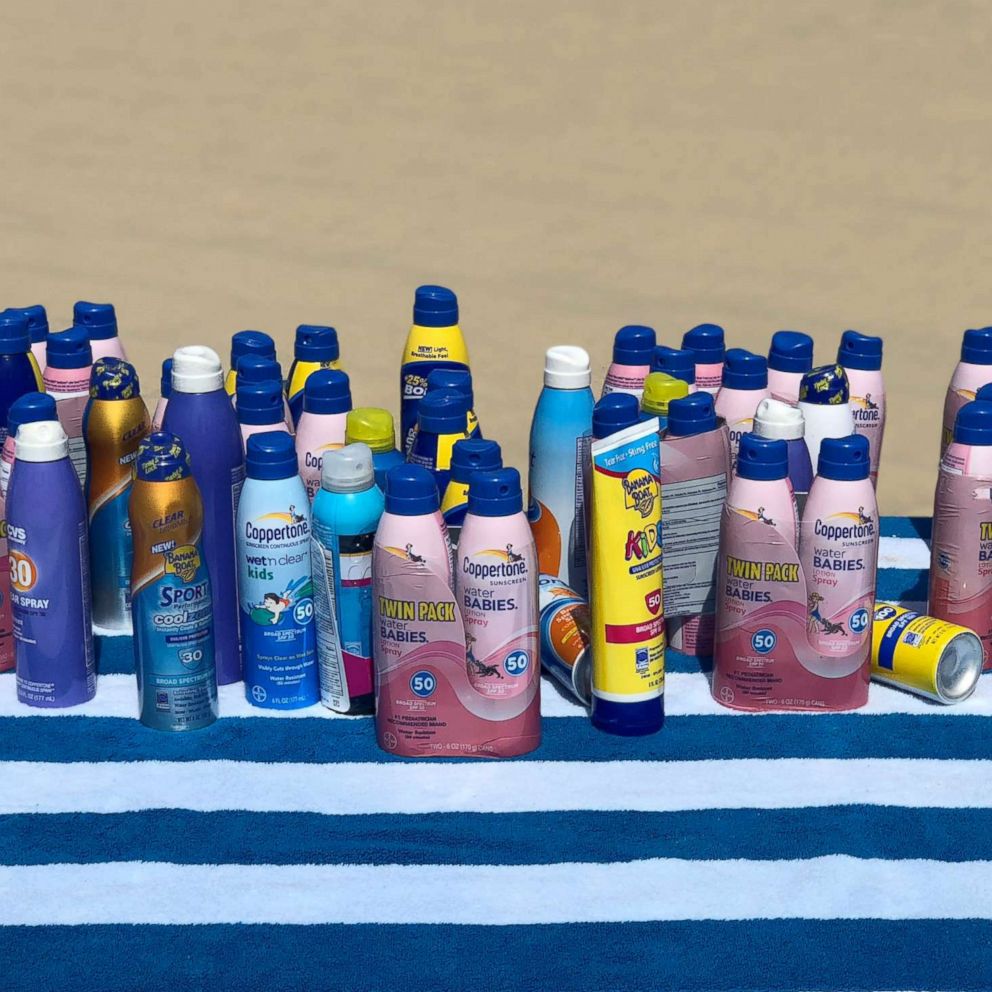
You know that half-squeezed bottle of sunscreen that’s been rattling around in the back of your beach bag since last summer? Before you toss it, hold on.
While expired sunscreen should absolutely not go on your skin — the SPF protection breaks down, and old formulas can irritate or even grow bacteria — the stuff is still packed with oils, emollients, waxes, and in many formulas, zinc oxide. Those ingredients are genuinely useful around the house, in ways that might surprise you.
I’ve been saving expired bottles for years now instead of throwing them away, and here are six things I actually use them for.
1. Condition and Shine Leather Shoes and Bags
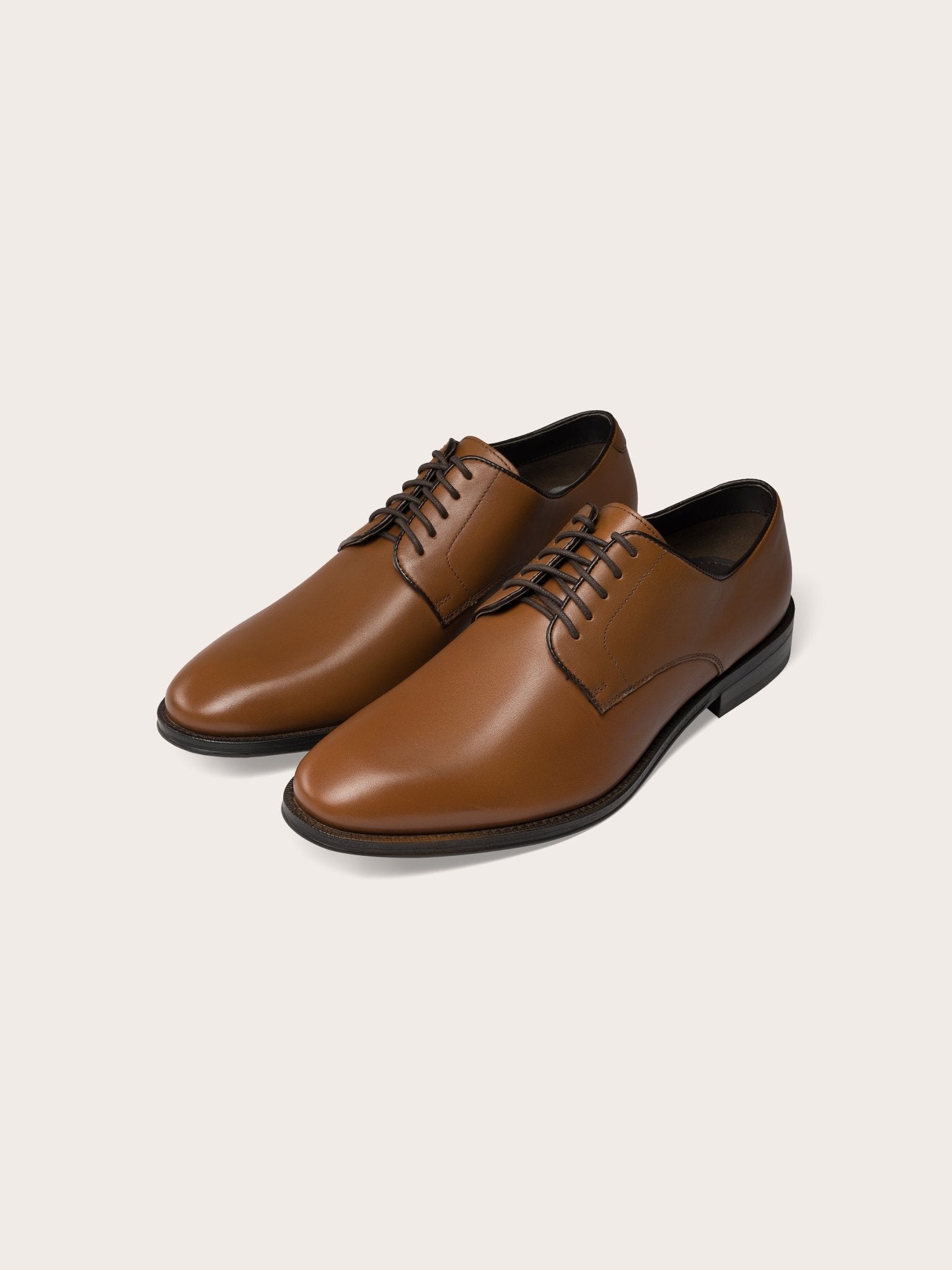
A dab of expired sunscreen works as a surprisingly effective leather conditioner in a pinch. The oils and emollients in the formula — the same ones meant to keep your skin moisturized — penetrate dried-out leather and restore some softness and sheen.
I’ve revived a pair of scuffed-up brown leather oxfords and an old crossbody bag this way. Squeeze a small amount onto a soft cloth (I use old cotton t-shirts), rub it into the leather in small circles, let it sit for about ten minutes, then buff off the excess with a clean section of cloth.
The result isn’t as polished as a dedicated leather conditioner like Lexol, but for a quick touch-up on shoes that are already looking tired, it does the job.
What to watch out for: white or very light-colored sunscreen can leave a faint residue on dark leather, so test a hidden spot first. Chemical sunscreens (the ones that aren’t zinc-based) tend to blend in more cleanly than thick mineral formulas.
2. Remove Stubborn Sticker Residue
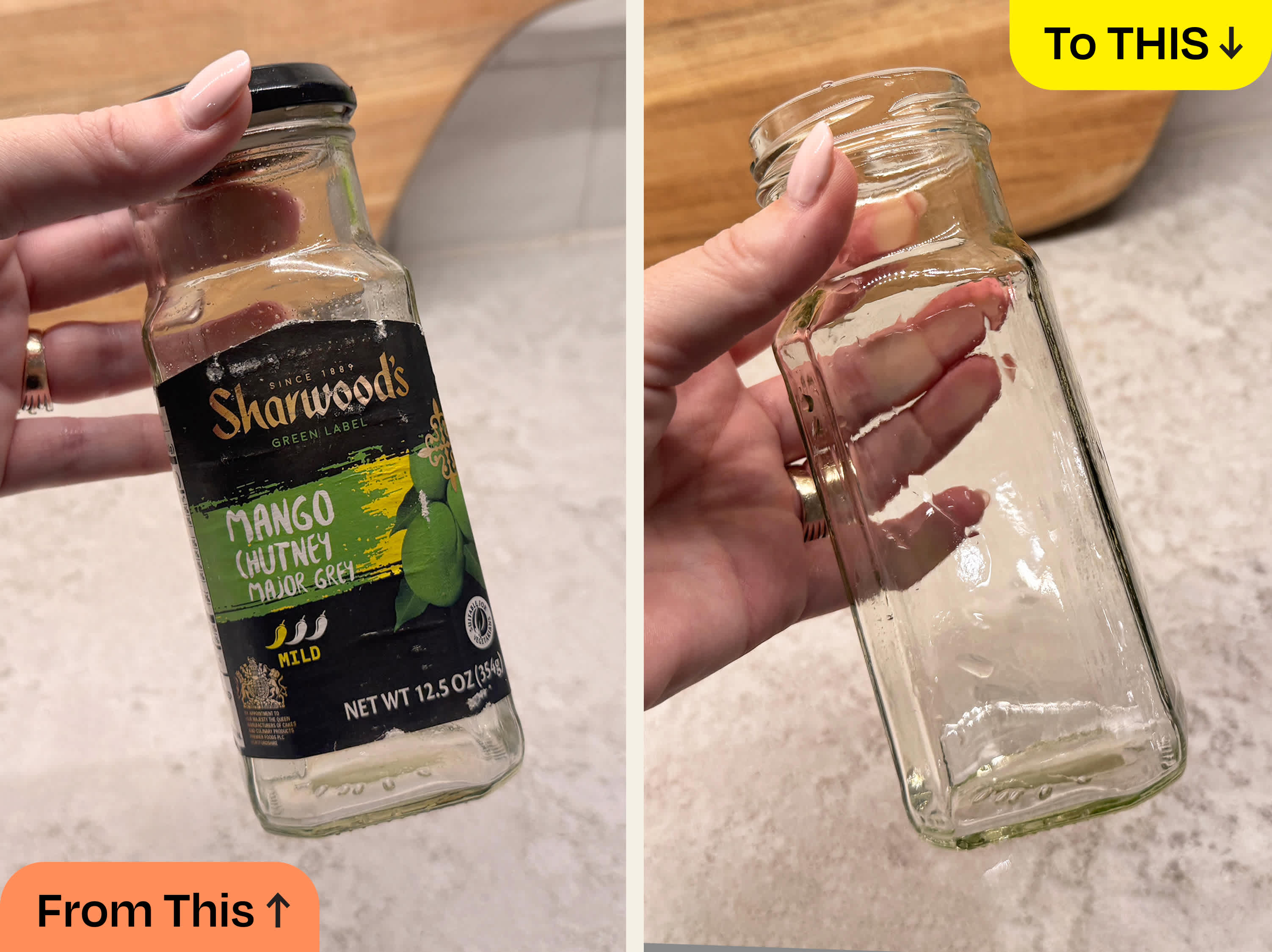
If you’ve ever spent ten minutes scraping a price tag off a glass jar with your thumbnail, this one’s for you. The active chemical ingredients in many sunscreens — things like homosalate and octinoxate — are mild organic solvents that break down adhesive residue surprisingly well.
I’ve used this on glass, plastic, and even painted wood surfaces. Just rub a small amount of sunscreen directly onto the sticky spot, let it sit for five to ten minutes, then wipe it away with a paper towel or cloth.
The adhesive lifts right off.
This works on par with Goo Gone for most household sticker situations, and you probably already have the expired bottle sitting around. The one caveat: because sunscreen contains oils, you’ll want to wash the surface with soap and water afterward so it doesn’t leave a slick film, especially on items you handle a lot like phone cases or jar lids.
3. Lubricate Stuck Zippers
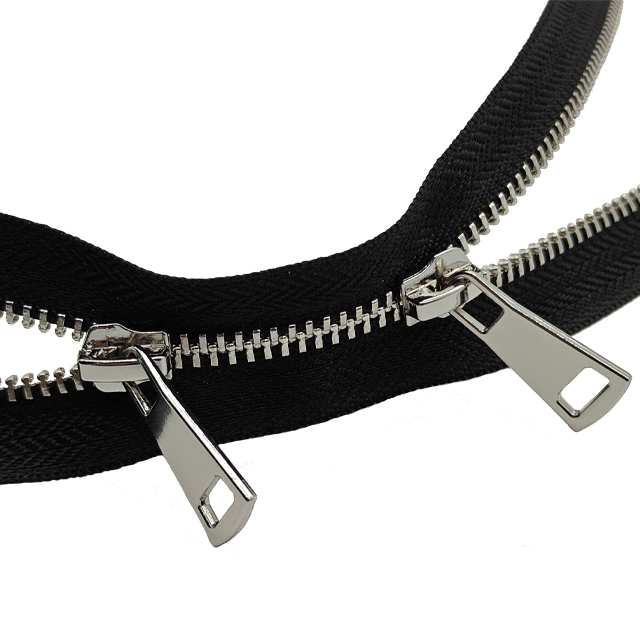
A stuck zipper on a tent, jacket, or piece of luggage doesn’t always mean it’s broken — sometimes the teeth just need lubrication. Rub a tiny amount of sunscreen along both sides of the zipper track, then gently work the slider back and forth.
The waxy, oily base in sunscreen acts a lot like zipper wax or a graphite lubricant, reducing friction between the metal teeth and the fabric. I’ve freed up a jammed zipper on a canvas duffel bag and a kids’ backpack this season alone.
The key word here is “tiny.” You want the thinnest possible film, not a glob that squishes into the fabric. A pea-sized drop on your fingertip, smeared along the teeth, is plenty. Wipe away any visible excess afterward so it doesn’t attract dirt over time.
4. Buff Fingerprints Off Stainless Steel Appliances
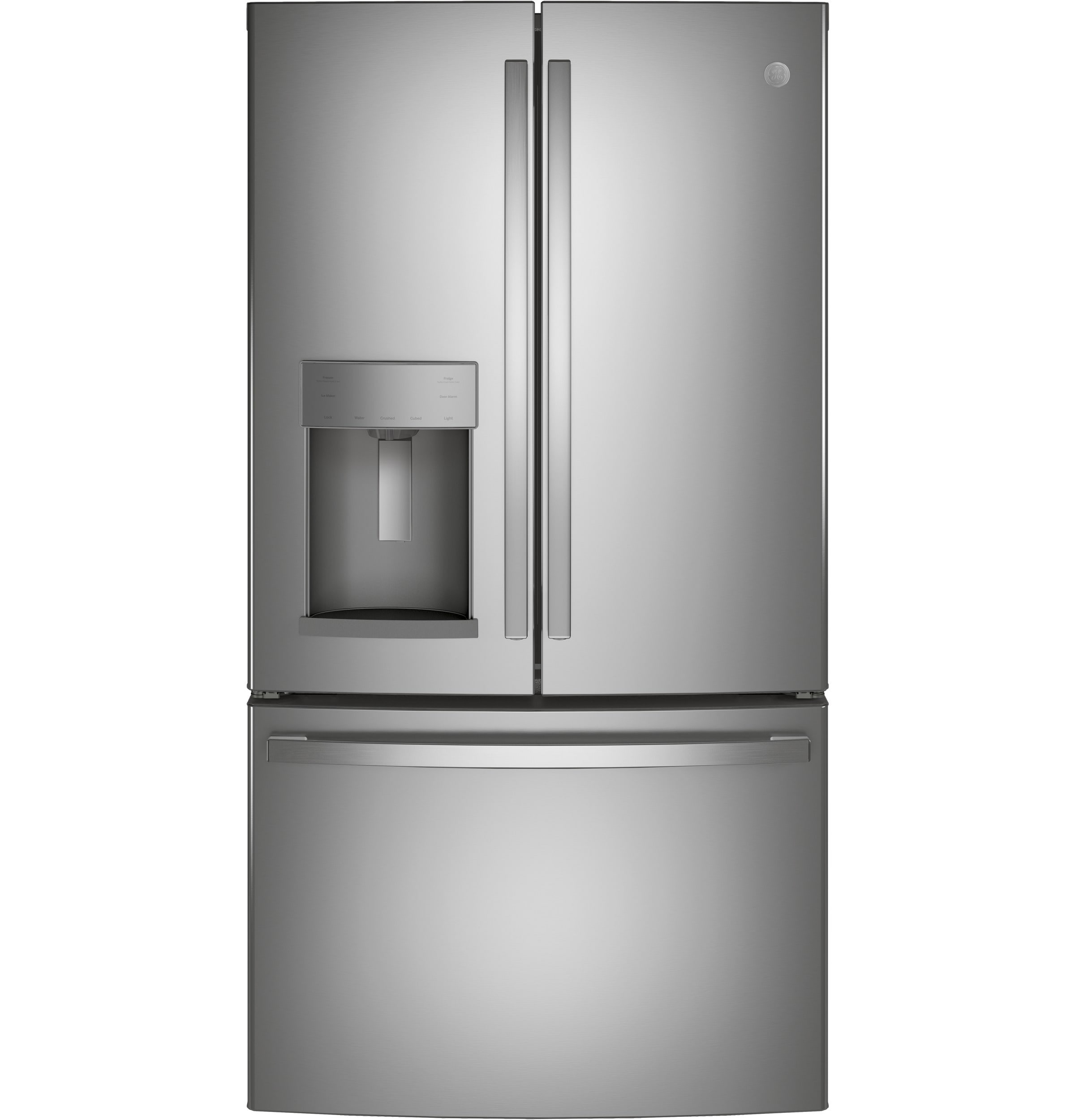
Stainless steel is a fingerprint magnet, and if you’ve ever noticed that most commercial stainless steel cleaners (like Weiman’s or Therapy Clean) feel oily when you spray them on — that’s because they work by laying down a thin oil layer that buffs out smudges and leaves a streak-free shine. Expired sunscreen does the exact same thing.
Apply a small amount to a microfiber cloth, wipe in the direction of the grain, then follow immediately with a dry section of the same cloth to buff. Greasy fingerprints and smudges vanish.
I keep a microfiber cloth in my kitchen specifically for this. It’s not a deep clean — if your stainless steel has caked-on grime, you’ll need soap and water first — but for daily smudge management between proper cleanings, it’s quick and free. Just don’t use anything with gritty exfoliating beads in it; those will scratch the finish.
5. Protect Garden Tools from Rust
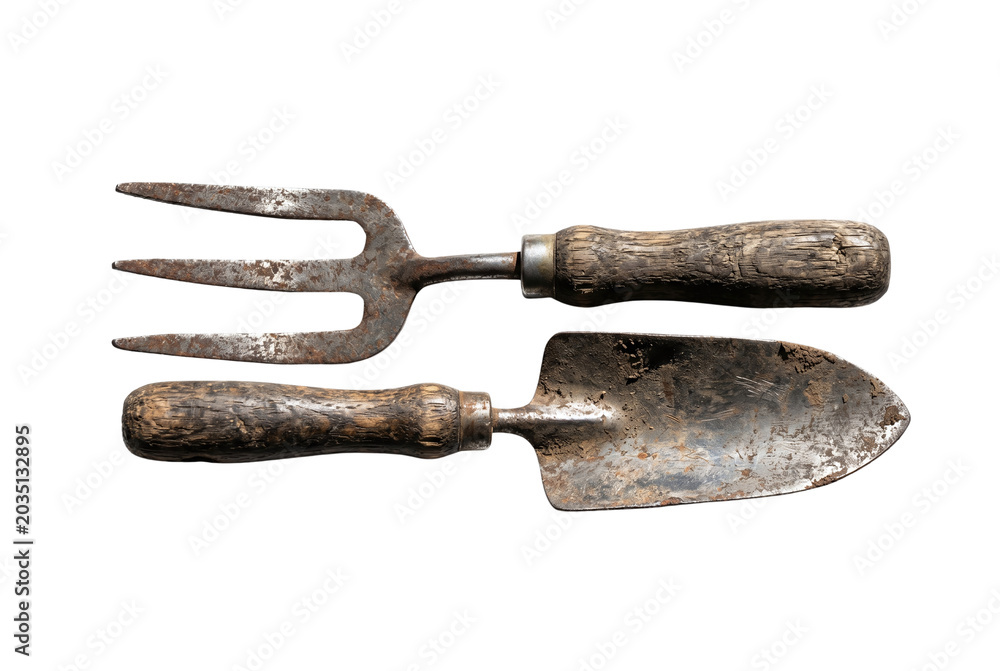
Metal garden tools — trowels, pruners, loppers, shovels — are prone to rust when they’re stored in a shed or garage where moisture collects. A thin coat of oil is the classic old-school prevention method, and expired sunscreen works because most formulas contain a blend of oils and, in mineral sunscreens, zinc oxide, which itself has mild anti-corrosive properties. After you’ve cleaned and dried your tools at the end of the season, rub a thin layer of sunscreen over the metal surfaces with a rag, then store them as usual.
Does it replace dedicated tool oil?
Not entirely. Products like Camellia oil or 3-IN-ONE oil are designed specifically for metal protection and will outlast sunscreen in a humid environment.
But if you’re doing end-of-season cleanup and your bottle of Neutrogena Beach Defense just expired in September, it’s a perfectly serviceable stopgap that’ll carry your tools through the off-season. Reapply every couple of months if your storage space gets damp.
6. Restore Dried-Out Rubber Seals and Gaskets
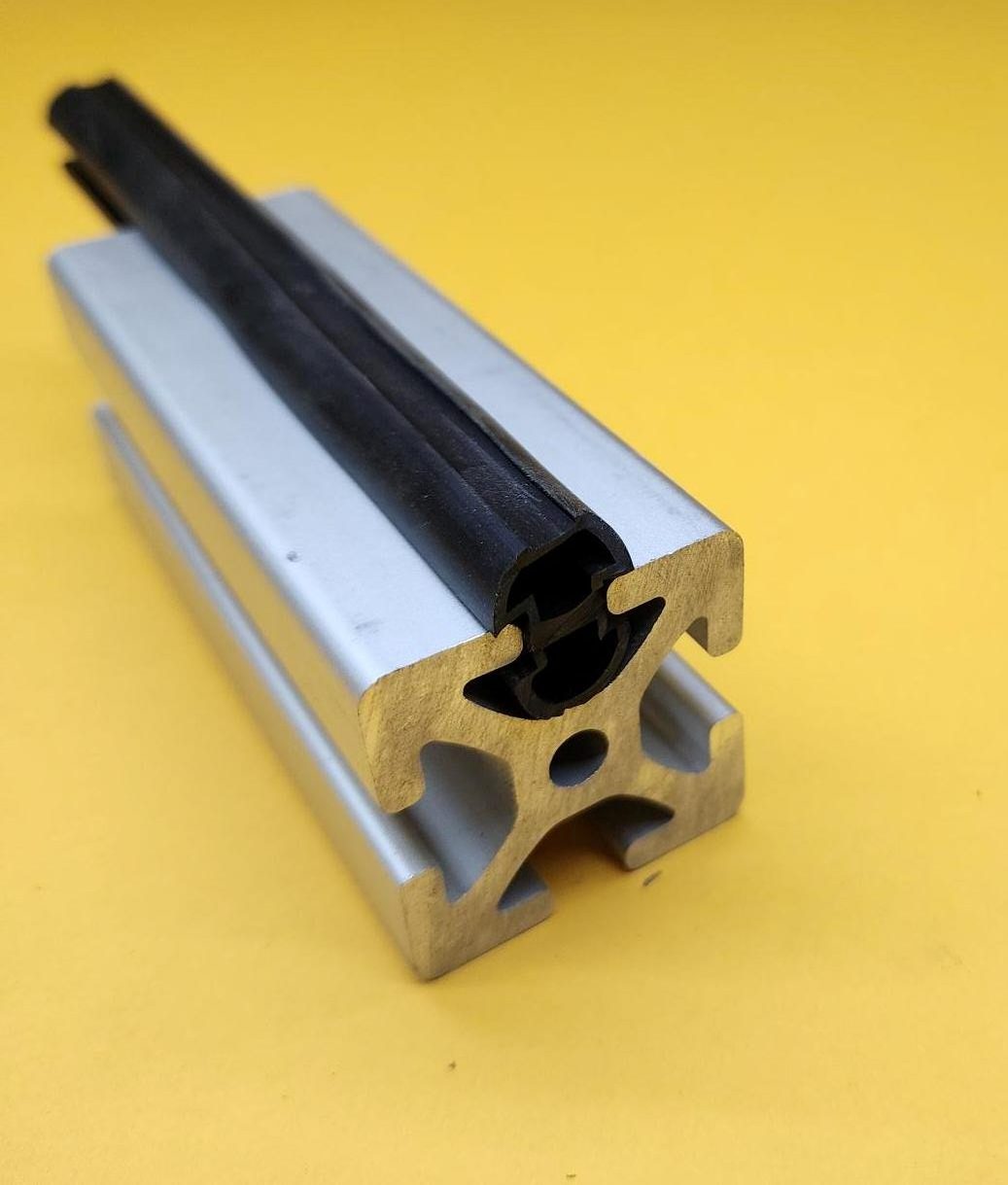
Rubber seals on car doors, refrigerators, coolers, and even mason jar lids dry out and crack over time, especially with temperature swings. The emollients and oils in sunscreen — the same ones that were supposed to keep your skin supple — can rehydrate stiff rubber and restore some flexibility. I’ve used this on the gasket of my aging cooler and on the door seal of my garage mini-fridge, both of which had started feeling brittle.
Squeeze a small amount onto a cloth and work it into the rubber, giving special attention to any spots that look chalky or have visible small cracks. Let it absorb for about twenty minutes, then wipe off the residue. It won’t fix a seal that’s already split, but for rubber that’s just starting to go stiff, it buys you time before you need to order a replacement.
FAQ
Can I still use expired sunscreen on my skin?
No. The FDA requires sunscreen to maintain its labeled SPF until the expiration date, but after that point the active UV-filtering ingredients degrade and you can’t rely on the protection level printed on the bottle. Old sunscreen can also develop bacteria, especially if the bottle’s been opened and stored in heat.
How long does sunscreen last after it expires?
Most sunscreens are formulated to stay effective for about three years from the manufacture date, which is why many bottles carry a three-year expiration window. After that date, it’s not dangerous in most cases, but the SPF protection is no longer guaranteed and the texture or smell may start to change.
Is expired sunscreen toxic to use around the house?
The ingredients in expired sunscreen aren’t classified as toxic — they’re cosmetic-grade compounds that were formulated to go on your skin. That said, you should still avoid ingesting it or getting it in your eyes, and wash your hands after handling it for these household uses. Keep it away from kids and pets as you would with any personal care product.
Does it matter if it’s chemical or mineral sunscreen for these hacks?
Both types work, but they have slightly different strengths. Mineral (zinc oxide) sunscreen tends to be thicker and better for rust protection and leather conditioning.
Chemical sunscreen is often thinner and spreads more easily, which makes it better for sticker residue removal and zipper lubrication. Use whatever you’ve got — the differences are minor for these purposes.
Expired sunscreen doesn’t have to be a guilt-inducing waste item you throw in the trash. It’s essentially a tube of oils, waxes, and mild solvents that still have plenty of life in them — just not on your skin. Stash that bottle under the sink instead of in the bin, and you’ll find yourself reaching for it more often than you’d expect.
Leave a Reply