
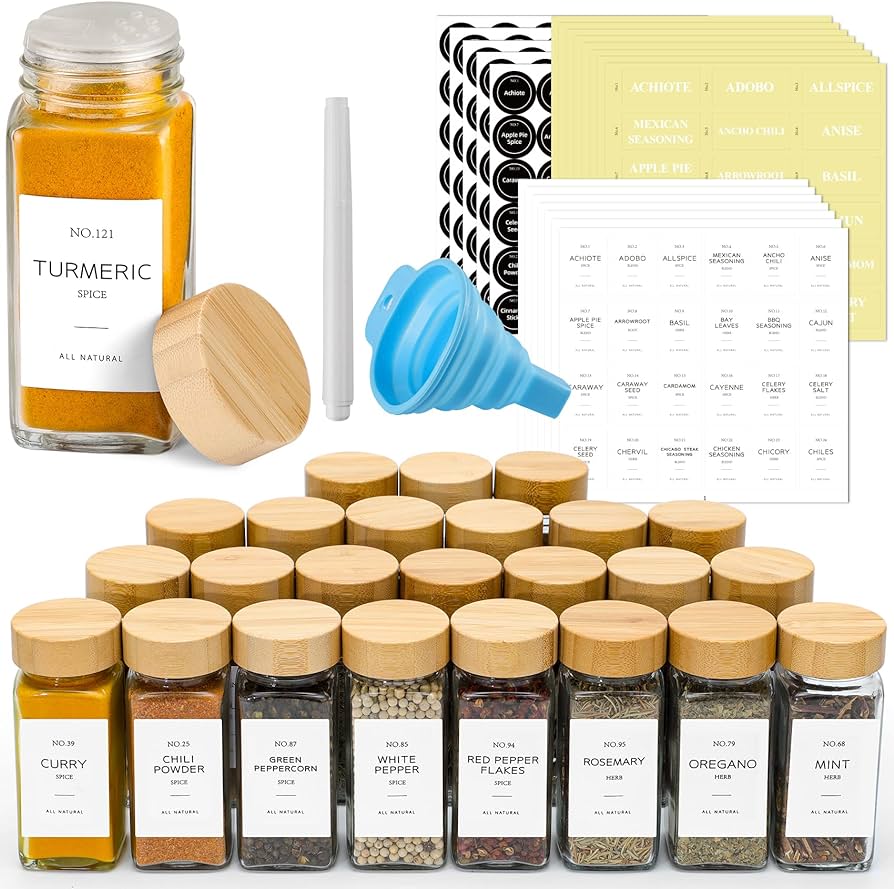
You know that jar of cumin that’s been lurking in the back of your cabinet since 2019? Or the paprika you bought for one recipe and never touched again?
Spices don’t spoil in a way that’s dangerous — the USDA considers dried spices safe indefinitely — but they absolutely lose their flavor and aroma after a year or two. Once a spice smells like dusty nothing when you open the lid, it’s past its prime for cooking.
That doesn’t mean it’s useless, though. Expired spices still carry color compounds, aromatic oils, natural pigments, and even mild antibacterial properties that make them surprisingly handy around the house, garden, and craft table.
Here are nine ways to give those old jars a real second life instead of sending them to the landfill.
1. Make a Stovetop Simmer Pot
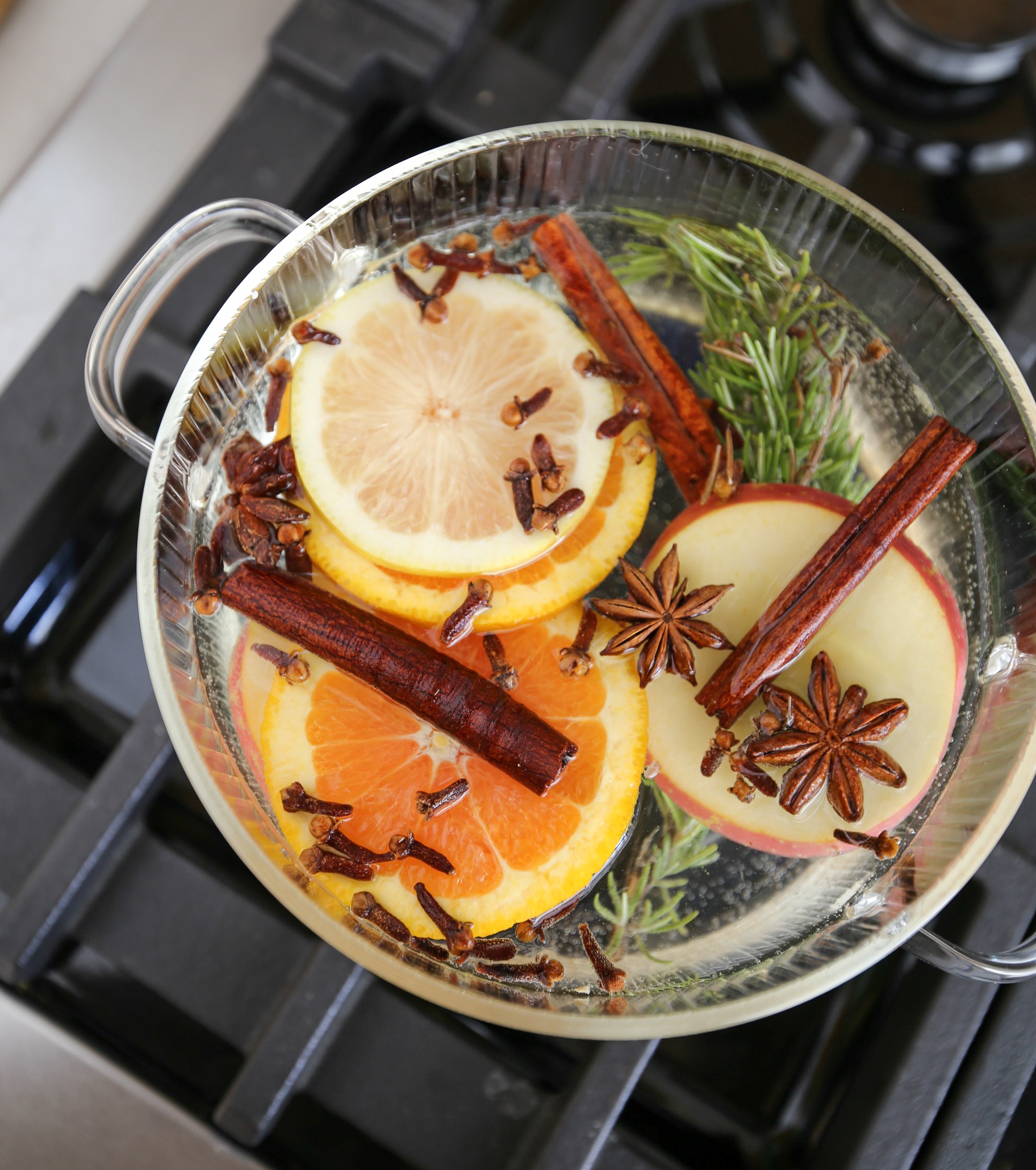
Even when spices have gone flat for cooking, most still carry enough aromatic oils to perfume a room — you just need water and heat to release them. Toss a few tablespoons of expired cinnamon sticks, cloves, allspice, or star anise into a small saucepan, cover with water, and let it gently bubble on the lowest stove setting.
Within fifteen minutes, your kitchen smells like the holidays. Add a sliced orange or lemon, a splash of vanilla extract, or a few rosemary sprigs to round out the scent.
Keep the heat as low as it’ll go and top off the water every 30 minutes or so it doesn’t boil dry. One batch of simmer ingredients can last you several days if you refrigerate the liquid between uses and reheat it each evening.
This is especially nice in winter when the air feels stale, and it’s a completely chemical-free alternative to plug-in air fresheners or scented candles. Just don’t leave the stove unattended for long stretches — set a timer on your phone if you’re forgetful.
2. Dye Easter Eggs or Fabric

Many spices are powerful natural dyes, and this is one of my absolute favorite second acts for expired jars. The color depends entirely on the spice, and the results are earthy, rich, and completely non-toxic — a huge win if you’re dyeing eggs with kids or looking for a natural fabric stain. Ground spices work best here since more surface area is exposed.
Here’s what each common expired spice will give you:
- ✦Turmeric → bright golden yellow
- ✦Paprika → warm orange to reddish-brown
- ✦Cinnamon → soft tan to light brown
- ✦Ground cloves → deep amber
- ✦Curry powder → burnt gold to ochre
For eggs, simmer 2–3 tablespoons of your chosen spice in 2 cups of water with a splash of white vinegar for about 30 minutes, strain the liquid through cheesecloth, then submerge hard-boiled eggs for at least an hour — longer soak, deeper color. For fabric, you’ll want natural fibers like cotton or linen, and you’ll need to mordant the material first with alum (available in the spice aisle of most grocery stores or from Dharma Trading Co.) so the pigment actually bonds to the fibers instead of washing out. A yard of cotton muslin takes roughly ¼ cup of spice dissolved in a big pot of water, simmered for an hour with the fabric inside.
3. Fill Scented Drawer Sachets
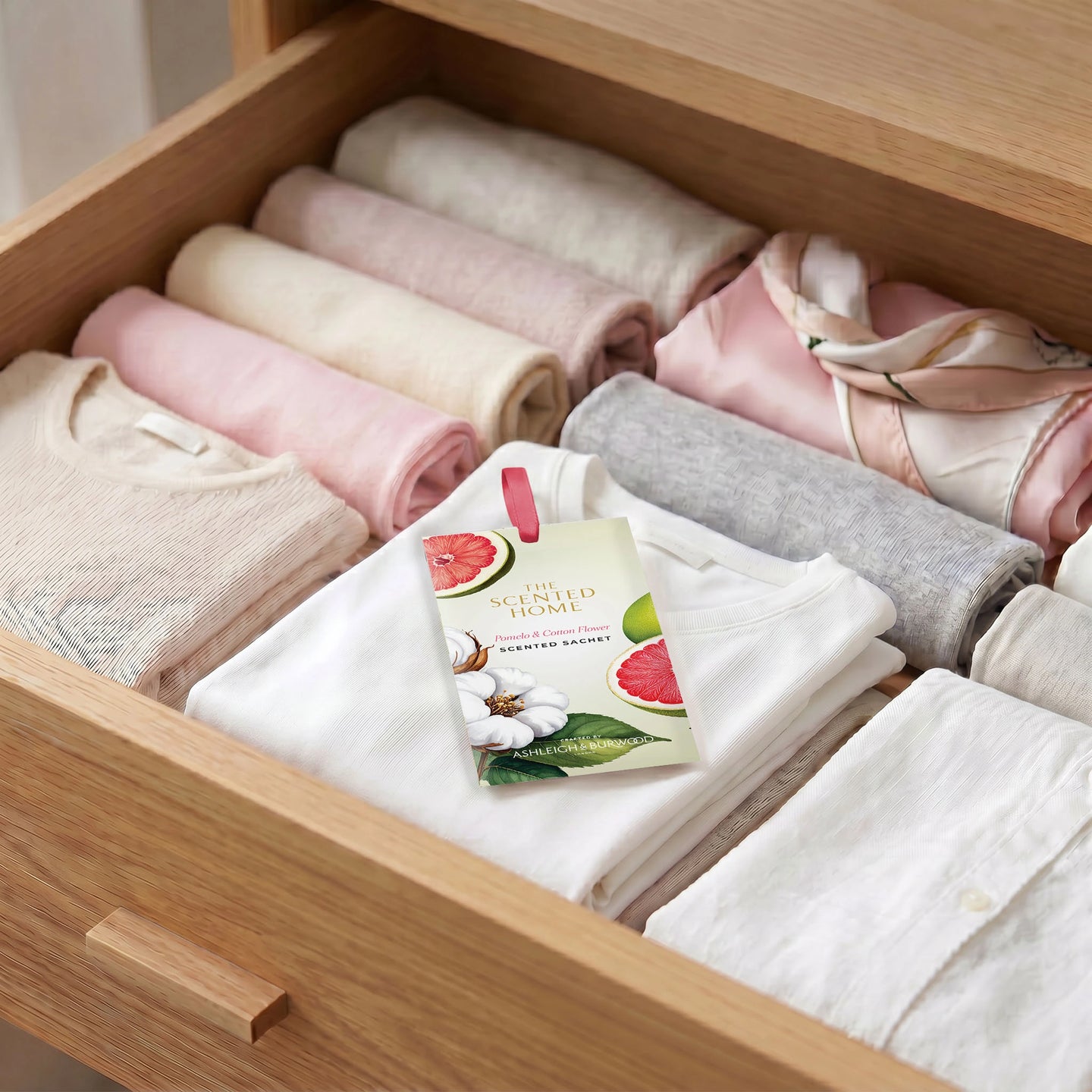
If your expired spices still smell pleasant when you pop the lid — even if they’re too faded for a recipe — they’re perfect for sachets. Cinnamon, cloves, allspice, and blends like pumpkin pie spice or chai mix all work beautifully. Small fabric pouches tucked into drawers, closets, or linen cabinets will keep things smelling warm and inviting for months.
Cut 4×4-inch squares from muslin, cotton, or even a clean old pillowcase. Spoon 2–3 tablespoons of spices into the center, gather the edges, and tie them shut with twine, ribbon, or a rubber band.
Tea infuser balls and organza gift bags work just as well if you don’t want to sew or cut anything. Tuck the sachets into dresser drawers, hang them on hangers inside your closet, or slip one inside a seldom-worn pair of shoes.
Gently squeeze the sachet every week or two to break up the spices and release a fresh burst of scent, and replace the contents entirely once they stop smelling.
4. Deter Garden Pests

A lot of pantry spices are natural pest repellents, and expired ones work just as well as fresh for this — insects respond to the compounds that make spices smell strong, not to their culinary potency. Cayenne pepper and crushed red pepper flakes are the heavy hitters: sprinkle a generous ring around the base of plants to discourage ants, aphids, slugs, and even rabbits from munching on your seedlings.
Ground cinnamon works as an ant barrier along garden bed borders and entry points to your home, and it has mild antifungal properties that can help prevent damping-off disease on young seedlings. Scattered around tulip and crocus bulbs, cinnamon and ground cloves can also discourage squirrels and voles from digging.
The one catch is that you’ll need to reapply after rain or heavy watering, since the powder washes away. But that’s also true of commercial pest granules, and this method costs you nothing since you’re using spices that were headed for the trash anyway. It’s gentler on your soil and won’t harm beneficial insects like bees and ladybugs.
5. Create DIY Fire Starters
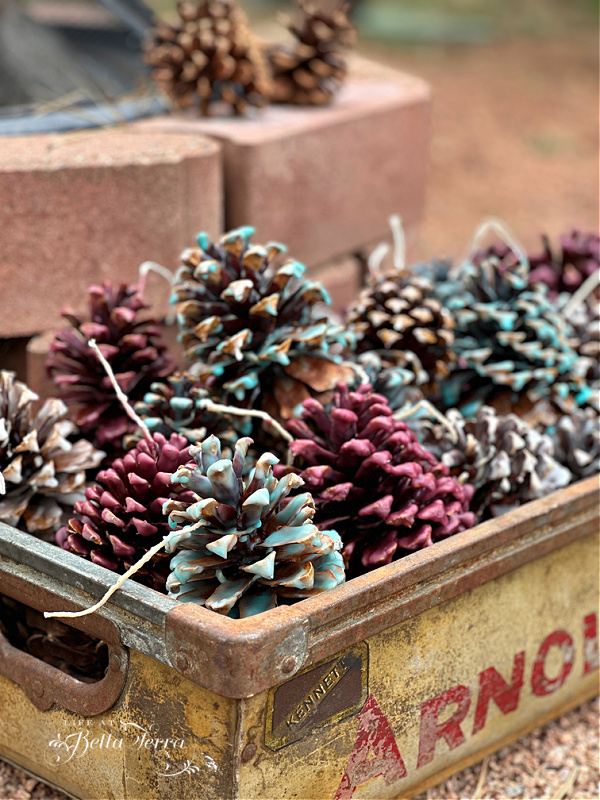
This one surprises people, but it works beautifully — especially if you have a fireplace, fire pit, or you’re someone who camps regularly. Whole expired spices like cinnamon sticks, star anise pods, and whole cloves can be tucked into homemade fire starters, and when they catch flame, they release that same warm, spiced aroma into the air. Your campfire or backyard pit suddenly smells incredible.
The simplest method: fill a paper egg carton’s individual cups with dryer lint or cotton balls, nestle a few cinnamon sticks and whole spices in there, then pour melted soy wax (I use Golden Brands 464 from candle supply shops) over everything to hold it together. Once the wax sets — about an hour — cut the cups apart.
Each one catches a flame easily and burns for 5–10 minutes, which is plenty of time to get your kindling going. Ground spices can be stirred directly into the melted wax before pouring for a more even scent distribution.
Store the finished starters in a zip-top bag until you need them.
6. Make Homemade Playdough
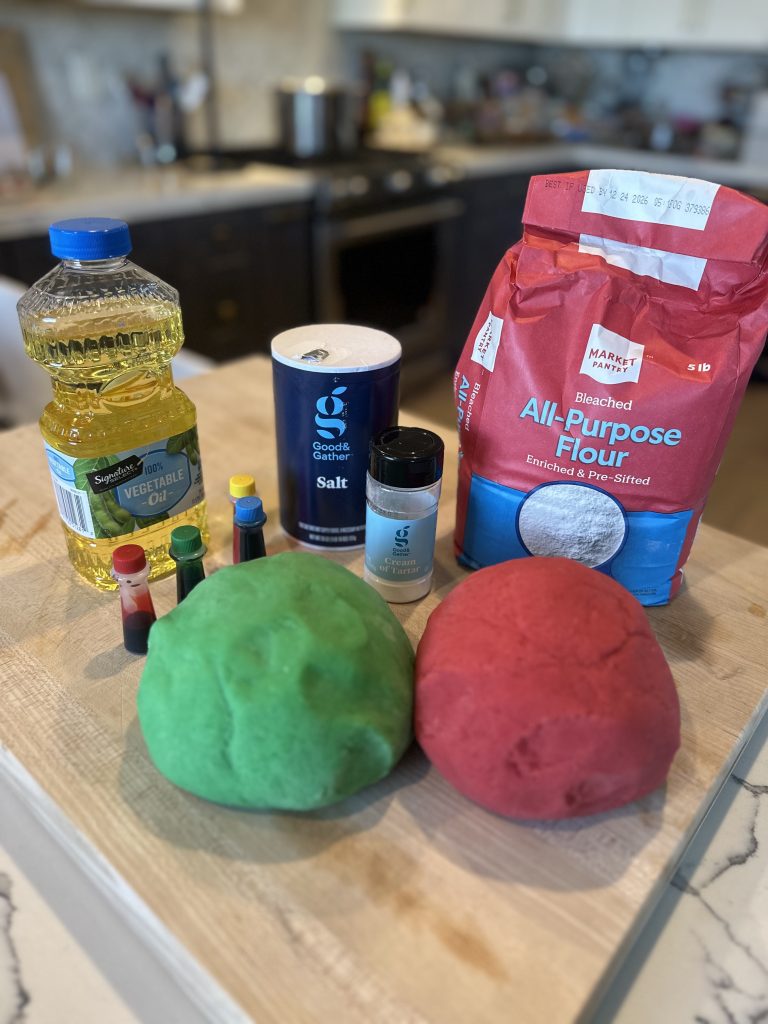
Homemade playdough is already a classic kids’ project, and expired spices are a brilliant way to color and scent the dough without any artificial dyes. Turmeric turns out a gorgeous deep yellow, paprika makes a warm orange, cinnamon creates a rich chocolatey brown, and curry powder gives you an earthy gold. Each one smells wonderful and is completely safe if curious little hands end up in little mouths — though it won’t taste very good.
Stir 2–3 teaspoons of your expired ground spice directly into your standard cooked playdough recipe (1 cup flour, ½ cup salt, 2 tablespoons cream of tartar, 1 cup water, 1 tablespoon vegetable oil, and the spice). Cook over medium heat, stirring constantly, until the dough pulls away from the sides of the pot — about 3–5 minutes.
The color deepens as the dough cools. A batch of cinnamon playdough with a few whole cloves and star anise pressed into it makes a wonderful autumn sensory activity, and kids can “bake” pretend pies and cookies.
Store each color in its own zip-top bag or airtight container, and it’ll stay soft for weeks.
7. Deodorize Shoes and Closets

This is probably the easiest hack on the whole list — no crafting involved at all. Spoon 2–3 tablespoons of expired cinnamon, ground cloves, or any old baking spice blend into a coffee filter, a clean sock, or a small muslin bag, tie it shut, and drop it into a smelly shoe, gym bag, or the back corner of a musty closet.
The spice absorbs funky odors while releasing its own warm scent in their place. Cinnamon is especially effective here because cinnamaldehyde — the compound that gives cinnamon its smell — has genuine antibacterial properties, and bacteria are what cause shoe stink in the first place.
Replace the sachet every two to four weeks, or whenever you notice the scent fading. You can also set a small open bowl of expired spices on a closet shelf, though the sachet method is tidier and far less likely to spill.
8. Whip Up an All-Purpose Cleaner
If you’ve got expired citrus-based spices — lemon pepper seasoning, dried orange peel, or a citrus-herb blend — you can steep them in white vinegar to make a naturally scented all-purpose cleaner. The acetic acid in the vinegar does the actual cleaning, and the spices add a fragrance that softens vinegar’s sharp bite. It works on countertops, stovetops, sinks, and tile — basically anywhere you’d reach for a commercial spray.
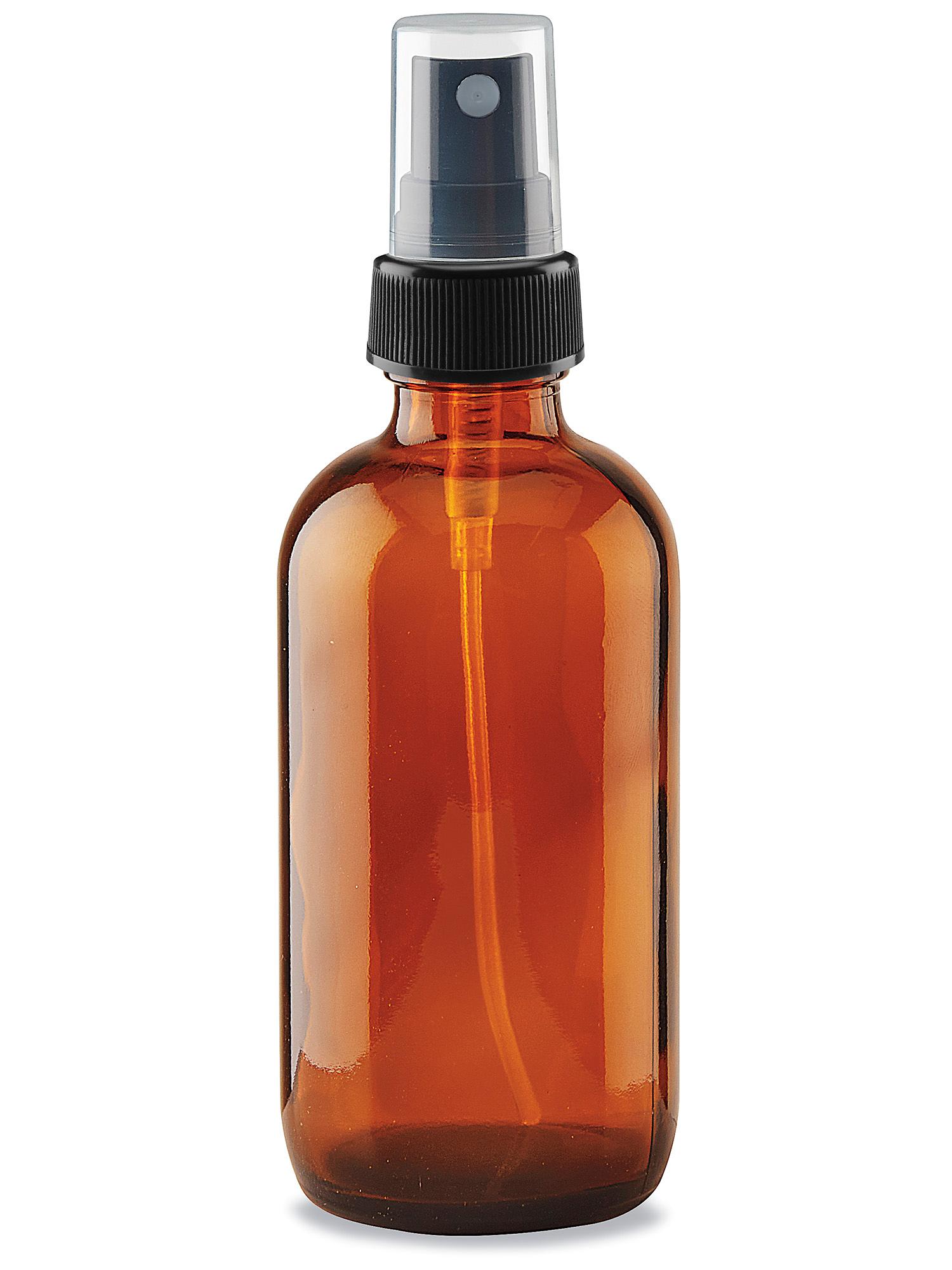
Fill a mason jar with your expired citrus spices, pour plain white vinegar over them until the jar is full, screw on the lid, and let everything steep for one to two weeks in a dark cupboard. Strain through cheesecloth or a fine mesh sieve, then dilute 1:1 with water in a spray bottle.
A couple of important notes: don’t use this on natural stone surfaces like marble or granite, because vinegar can etch and dull the finish. And while any spice can technically be steeped in vinegar, citrus-based ones give you the freshest, most “clean-smelling” result — cinnamon vinegar has its charm, but it doesn’t exactly scream “just wiped down the counters.”
9. Assemble a Dried Potpourri Display
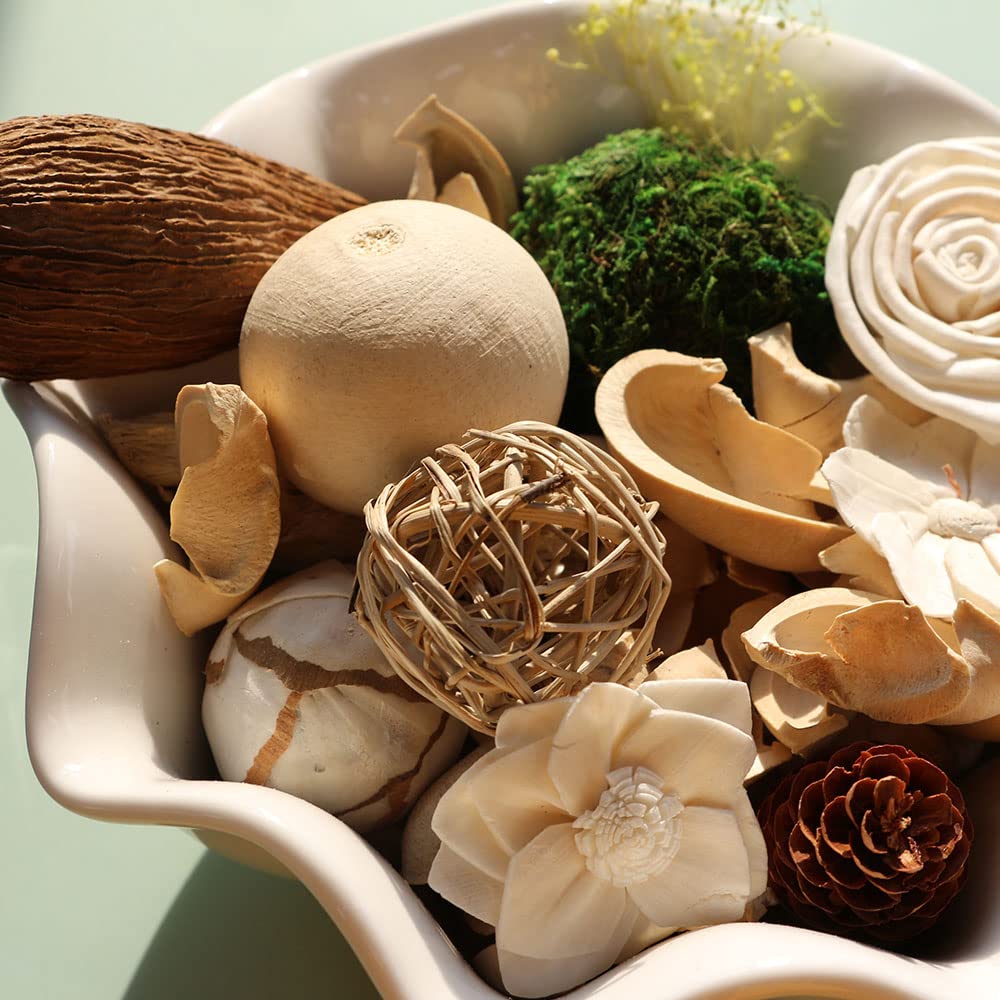
Expired whole spices look just as beautiful as fresh ones, and they make a stunning decorative potpourri arrangement that costs you literally nothing. Cinnamon sticks, star anise, whole cloves, dried bay leaves, and juniper berries all hold their shape, color, and a gentle scent for months — sometimes years — after they’ve passed their cooking prime.
Fill a decorative bowl, an apothecary jar, or a wooden tray with a generous mix of whole expired spices and set it on your coffee table, mantle, bathroom counter, or entryway console. It looks beautiful on its own, and you can refresh the scent whenever you like by cracking a clove or snapping a cinnamon stick.
For extra visual interest, mix in dried citrus slices (slice an orange into thin rounds and dry them on a baking sheet at 200°F for about 2 hours), dried rose petals, or a few drops of essential oil. This also makes a thoughtful homemade gift — fill a clear jar, tie it with ribbon, add a handwritten tag, and you’ve got something that looks like it came from a boutique.
FAQ
Can expired spices make you sick?
No — expired spices don’t become unsafe, they just lose flavor and aroma over time. The USDA considers dried spices shelf-stable indefinitely. The only exception is if spices were stored in a damp environment and developed visible mold, in which case you should toss them.
How long do spices last before they go bad for cooking?
Ground spices generally stay potent for 2–3 years, while whole spices (like cinnamon sticks and peppercorns) last 3–4 years. Proper storage in a cool, dark, dry place — not above your stove — extends their usable life significantly. Once they’ve lost their smell, they’re done for cooking but perfect for every use on this list.
What’s the fastest way to test if a spice is still good?
Rub a pinch between your fingers and smell. If you get a strong burst of fragrance, it’s still fine for cooking.
If it smells like dusty nothing, it’s time to repurpose. You can also taste a tiny amount — stale spices will have zero flavor.
Can I compost expired spices?
Yes, in small amounts. Most ground and whole spices break down naturally in a compost bin.
Scatter them in rather than dumping a whole jar at once, since concentrated spice oils can be strong. Mix them with other compost materials like vegetable scraps or dry leaves.
Expired spices don’t deserve a one-way trip to the trash. They’ve still got color, scent, and natural compounds that make them genuinely useful — you just have to shift your thinking from “this is food” to “this is material.” Start with whichever idea catches your eye first.
The simmer pot and shoe deodorizer take about thirty seconds, the sachets and potpourri take five minutes, and the dyeing and playdough projects make great weekend activities. Once you get in the habit of repurposing old jars instead of replacing them, you’ll wonder why you ever threw them out.
Leave a Reply