
We’ve all been there — you reach into the fridge for sour cream, glance at the date on the tub, and realize it “expired” two days ago. Before you dump it down the drain, here’s the thing: that tangy, creamy stuff has a surprising amount of life left in it, even past the printed date.
Sour cream that’s only slightly past its prime — still smells fresh, no mold, no funky discoloration — can do double duty in your kitchen, your beauty routine, and even your garden. I’ve been saving my “expired” sour cream for years now, and these are the nine uses I come back to again and again.
1. Bake Moist Cakes, Muffins, and Pancakes

This is the number-one reason I never toss slightly expired sour cream. The acidity in sour cream reacts with baking soda to create an incredibly tender crumb in baked goods — think bakery-level moisture.
I swap it in 1:1 for buttermilk or yogurt in almost any quick bread or cake recipe, and the results are consistently better than plain milk. My go-to is a sour cream coffee cake: the extra tang pairs perfectly with a cinnamon streusel topping, and the cake stays moist for days on the counter.
Just make sure the sour cream hasn’t developed any off smells or visible mold before you bake with it. Heat will kill some bacteria, but it won’t fix genuinely spoiled dairy. If it smells clean and looks normal, you’re good to go — and honestly, some of my best baking happens with that tub that’s three or four days past the date.
2. Tenderize and Marinate Meat
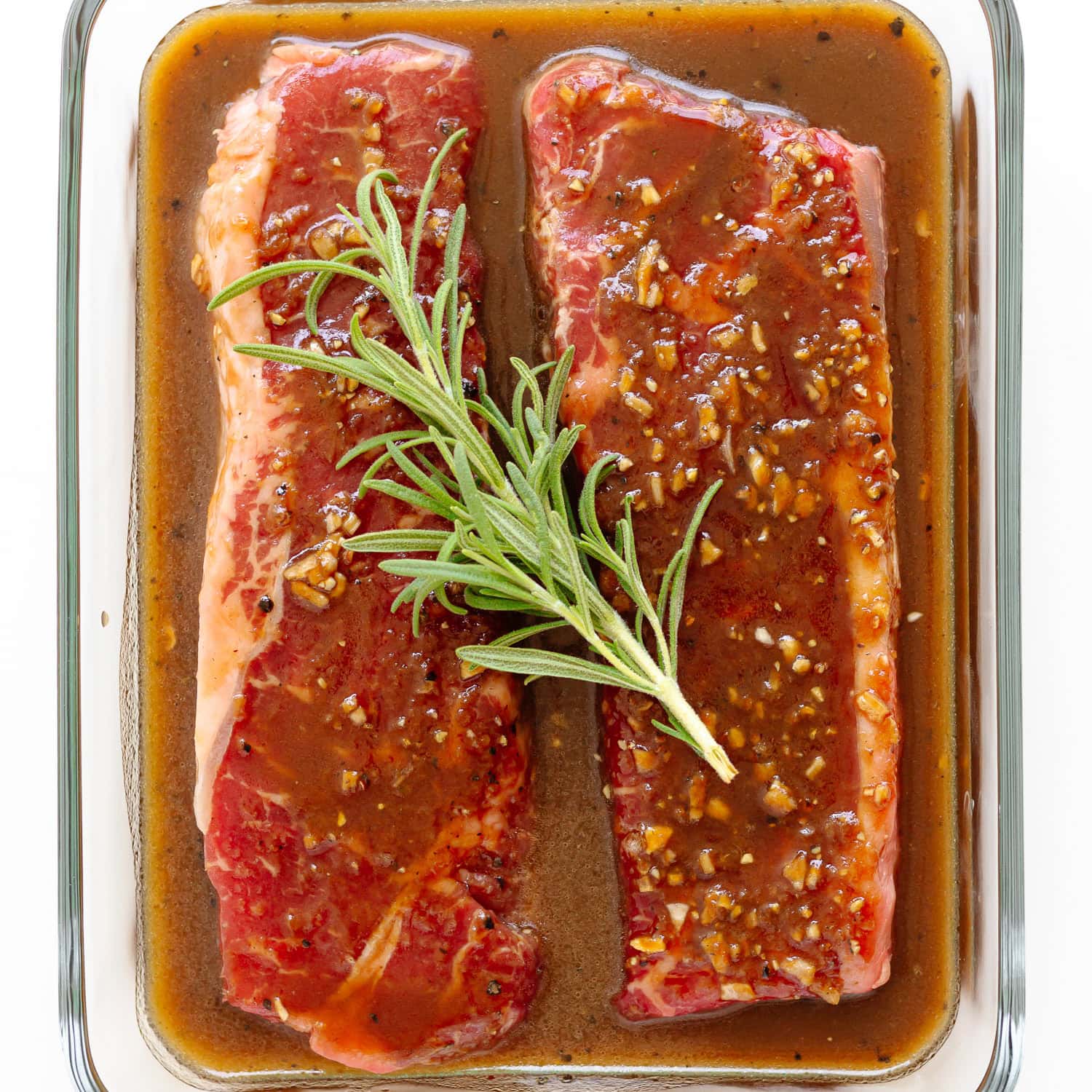
Sour cream’s lactic acid makes it a surprisingly effective meat tenderizer, especially for tougher cuts like flank steak, pork chops, or chicken thighs. I learned this from a Georgian (the country) cookbook years ago — they’ve been using sour cream and its cousin matsoni as a marinade base for centuries. The acid gently breaks down proteins without turning the meat mushy the way a citrus or vinegar marinade can if you leave it too long.
Mix your expired sour cream with garlic, salt, pepper, and whatever herbs you like — I usually go with dill and a pinch of paprika — then coat your meat and let it sit in the fridge for anywhere from two to eight hours. When you cook it, the sugars in the sour cream help develop a gorgeous golden-brown crust on the outside. Wipe off the excess before grilling or pan-searing so it doesn’t scorch.
3. Whip Up a DIY Face Mask
This one sounds like a beauty blog cliché, but I’ve genuinely noticed softer skin after using a sour cream face mask — and the lactic acid is the same ingredient you’ll find in pricier chemical exfoliants. The fat content hydrates while the gentle acids smooth, making it a solid option for dry or combination skin that looks a little dull.
To make one, stir together about two tablespoons of sour cream with a teaspoon of honey. Spread it on clean skin, leave it for ten to fifteen minutes, then rinse with warm water. I do this maybe once a month when I notice my skin looking tired, and my face always feels noticeably softer afterward.
Does it matter if the sour cream is expired?
For skincare, fresher is better — use sour cream that’s only a day or two past the date, and again, check that it smells completely normal. You don’t want to put anything funky on your face. Full-fat sour cream works better than light versions here because you want that moisturizing fat content.
4. Deep-Condition Your Hair

Similar logic to the face mask, but on a bigger scale — sour cream can work as a rich, protein-and-fat-packed hair treatment, especially if your hair is dry, color-treated, or heat-damaged. The fats coat the hair shaft, and the proteins help temporarily fill in damage. It won’t replace a professional keratin treatment, but for a free fridge clean-out hack, the results genuinely surprised me the first time I tried it.
Work about a quarter-cup of sour cream through damp hair from mid-length to ends, clip it up, and leave it on for twenty to thirty minutes. Rinse thoroughly with cool water first (hot water will cook the proteins and make it harder to wash out), then shampoo as usual.
Your hair should feel noticeably smoother. I do this every couple of months in winter when my ends get crispy from the dry indoor heat.
5. Make the Creamiest Mashed Potatoes

Sour cream in mashed potatoes isn’t a new idea, but using the stuff that’s about to expire is a practical one. The tang cuts through the richness of butter and keeps the potatoes from tasting flat, and the thick texture means you end up with creamier results than you’d get from milk alone. I use about half a cup per three pounds of potatoes, adding it along with butter and a splash of the starchy cooking water.
The key is to warm the sour cream slightly before folding it in — cold sour cream straight from the fridge can make the potatoes seize up and turn gluey. I just leave it on the counter for fifteen minutes before I start peeling potatoes. Mash by hand or use a ricer; avoid the food processor, which overworks the starch regardless of what liquid you add.
6. Stir Together a Quick Dip or Dressing
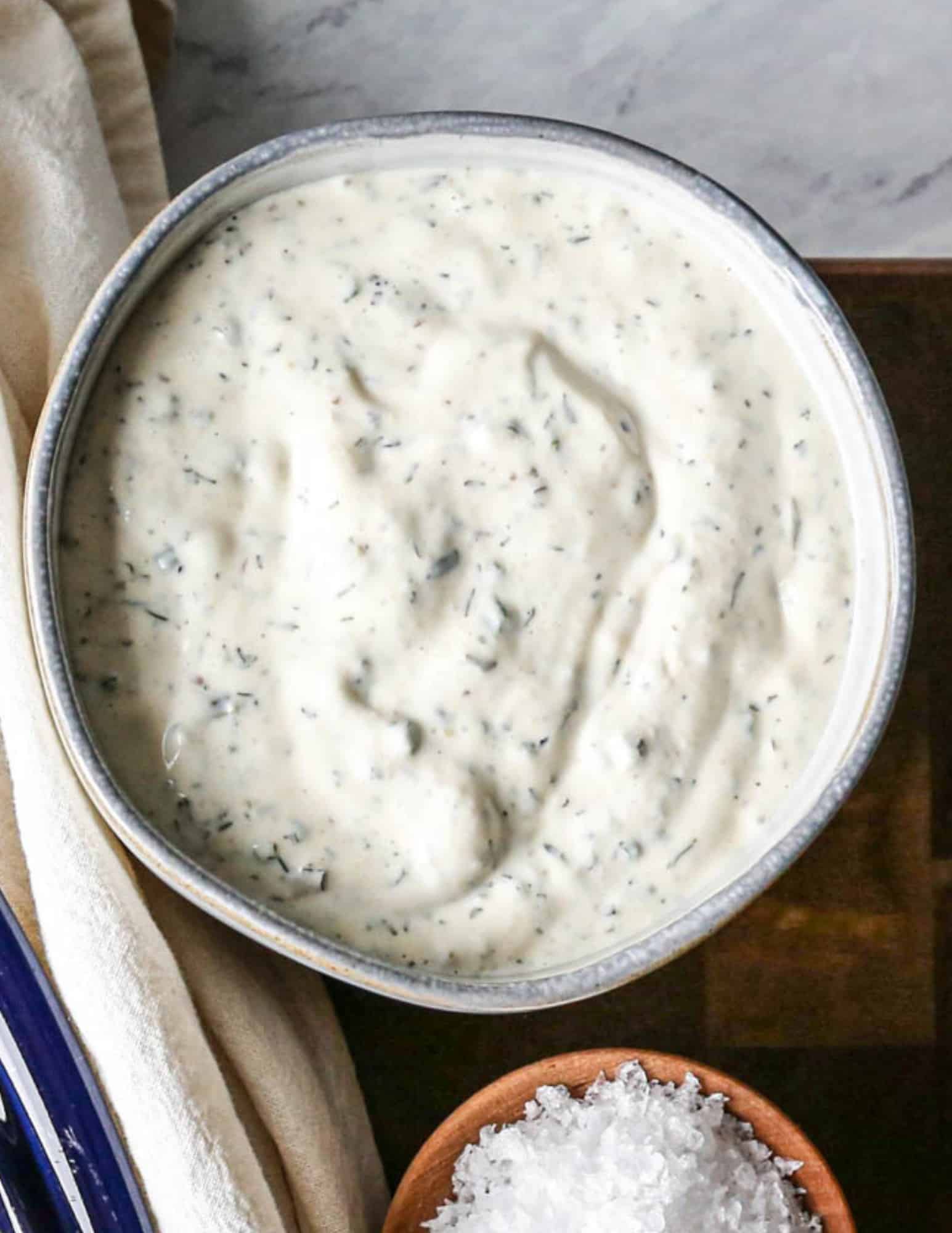
If the sour cream is only a day or two past its date and still smells perfectly normal, it’s absolutely fine to eat cold in a dip or dressing — no cooking required. This is my favorite way to use it up fast because it takes five minutes and uses things I already have in the pantry.
The simplest version: sour cream plus a packet of Hidden Valley Ranch seasoning. Done.
But if you want something a little more from-scratch, stir together sour cream with a squeeze of lemon, a minced garlic clove, chopped fresh dill or chives, salt, and pepper. It’s a dead ringer for the fancy herb dip you’d get at a steakhouse, and it’s great with raw vegetables, potato chips, or as a spread on sandwiches.
Thin it out with a tablespoon of milk or buttermilk and you’ve got a creamy salad dressing.
7. Condition and Polish Leather

This is one of those old-housewife tricks that actually works. The fats in sour cream can condition leather the same way a commercial leather balm does — they moisturize the hide, reduce cracking, and add a subtle sheen. I’ve used it on old leather boots, a beat-up belt, and even a vintage leather bag that was looking dried out.
Apply a thin layer with a soft cloth, work it into the leather in small circles, let it sit for about fifteen minutes, then buff off the excess with a clean cloth. The leather should feel softer and look slightly richer.
A couple of caveats: test on a hidden spot first, since the lactic acid could darken lighter-colored leather. And don’t use this on suede — the fats will ruin the nap permanently.
8. Soothe Sunburned or Irritated Skin
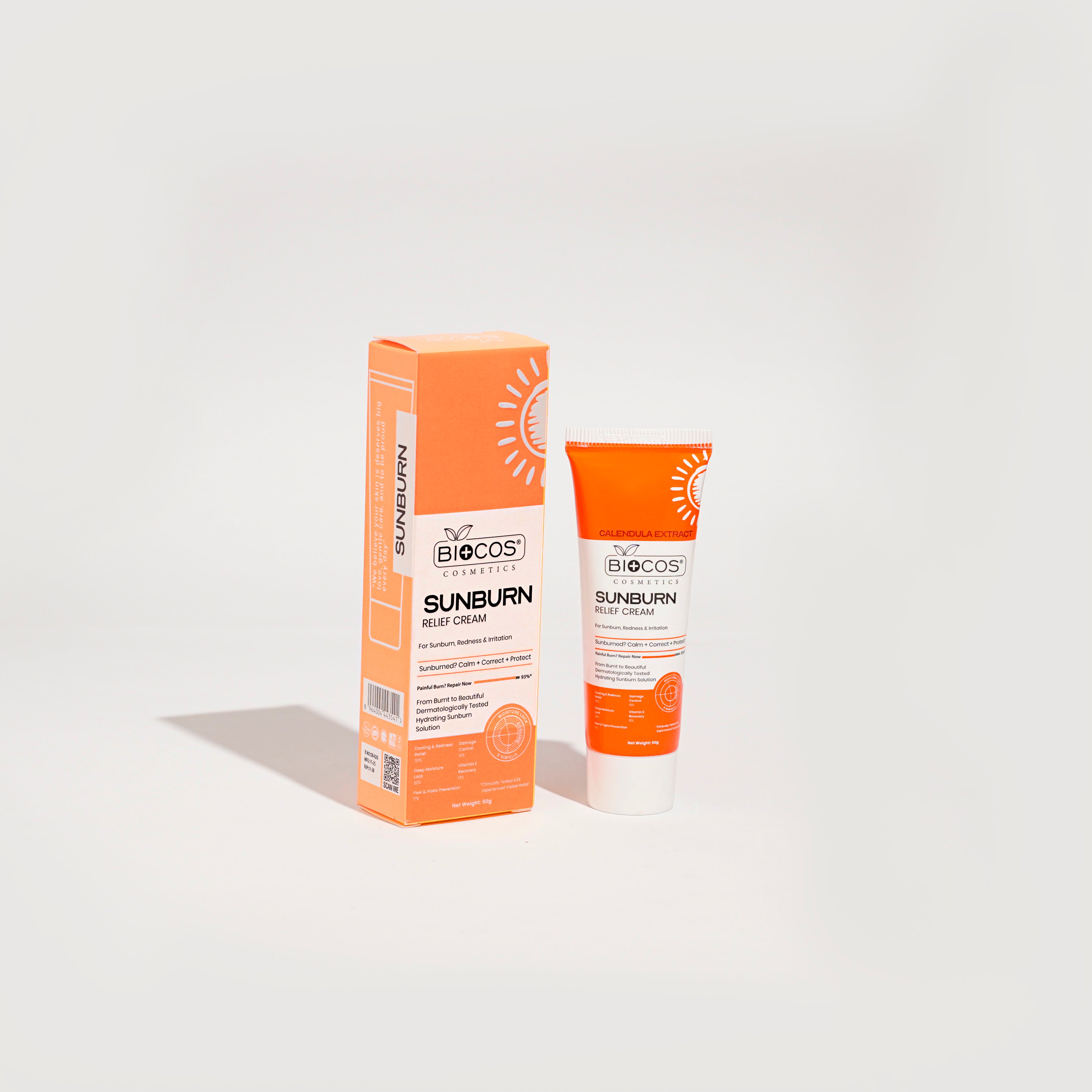
The cooling fat and gentle lactic acid in sour cream make it a surprisingly effective temporary soother for mild sunburn or irritated skin. It’s not medicine — if you have a serious burn, see a doctor — but for that “I stayed out an hour too long” pinkness, a thin layer of cold sour cream takes the heat out the same way cold milk compresses do. The fat creates a light barrier that keeps the skin from drying out while it heals.
Spread a thin layer over the affected area, let it sit for ten to fifteen minutes, and rinse gently with cool water. Pat dry — don’t rub.
Repeat a couple of times a day until the redness calms down. Again, use only sour cream that smells normal; you do not want to introduce bacteria to compromised skin.
9. Toss It in the Compost Bin

If the sour cream is genuinely past saving — visible mold, sour smell, discoloration — it doesn’t have to go in the trash. Dairy is perfectly compostable, and the fats and proteins break down quickly in an active compost pile. I bury it in the center of the bin rather than leaving it on top, which keeps pests from investigating and helps it decompose faster.
One important note: if you have a small countertop compost bin or a worm bin, skip this. Dairy attracts rodents and other critters in small outdoor bins too, and worms don’t process dairy well.
This tip is best for a full-size backyard compost pile that gets turned regularly. Bury the sour cream under at least six inches of brown material — leaves, shredded cardboard, straw — and the microbes will handle the rest.
Frequently Asked Questions
Is expired sour cream safe to eat?
Usually, yes — if it’s only a few days past the “best by” date and still smells fresh, looks white, and has no mold. That date is a quality guideline from the manufacturer, not a safety cutoff. Trust your senses: if it smells off, looks pink or yellow, or has visible mold spots, toss it.
How long past the expiration date is sour cream still good?
In my experience, properly refrigerated sour cream stays usable for about one to two weeks past the printed date. The texture may thicken slightly and the tang may intensify, but as long as there are no signs of spoilage, it’s fine for cooking, baking, or any of the uses above.
Can you freeze sour cream for later use?
You can, but the texture will change. Frozen and thawed sour cream tends to separate and become grainy, so it won’t work well as a dip or topping.
It’s perfectly fine for baking, cooking, or marinades where the texture gets blended back together. Freeze it in ice cube trays for easy portioning, and use within three months.
What’s the difference between “best by” and “use by” on sour cream?
“Best by” indicates peak quality — the manufacturer guarantees the best flavor and texture up to that date, but it’s still safe beyond it. “Use by” is a firmer safety guideline, though even these dates include a small buffer. For sour cream specifically, almost all brands use “best by,” meaning you’ve got some grace period built in.
Next time you spot an expired tub of sour cream in the back of your fridge, don’t automatically reach for the trash can. Whether you’re baking a cake, conditioning your boots, or feeding your compost pile, that slightly-too-old sour cream still has plenty to offer. Keep these nine ideas in your back pocket, and you’ll waste less — and maybe discover a new favorite trick along the way.
Leave a Reply