
You know that bottle of shampoo sitting under your bathroom sink — the one that expired six months ago and smells like a tropical vacation you barely remember? Before you toss it, you should know that expired shampoo still has plenty of cleaning power.
The surfactants (those foaming agents that break down oils and grease) don’t just stop working the day printed on the bottle. Shampoo is essentially a very mild, skin-safe detergent, and that makes it surprisingly useful around the house for tasks where a heavy-duty cleaner would be overkill.
Here are eight ways I’ve actually put old shampoo to work — and yes, some of these replaced products I used to buy on purpose.
Clean Your Makeup Brushes
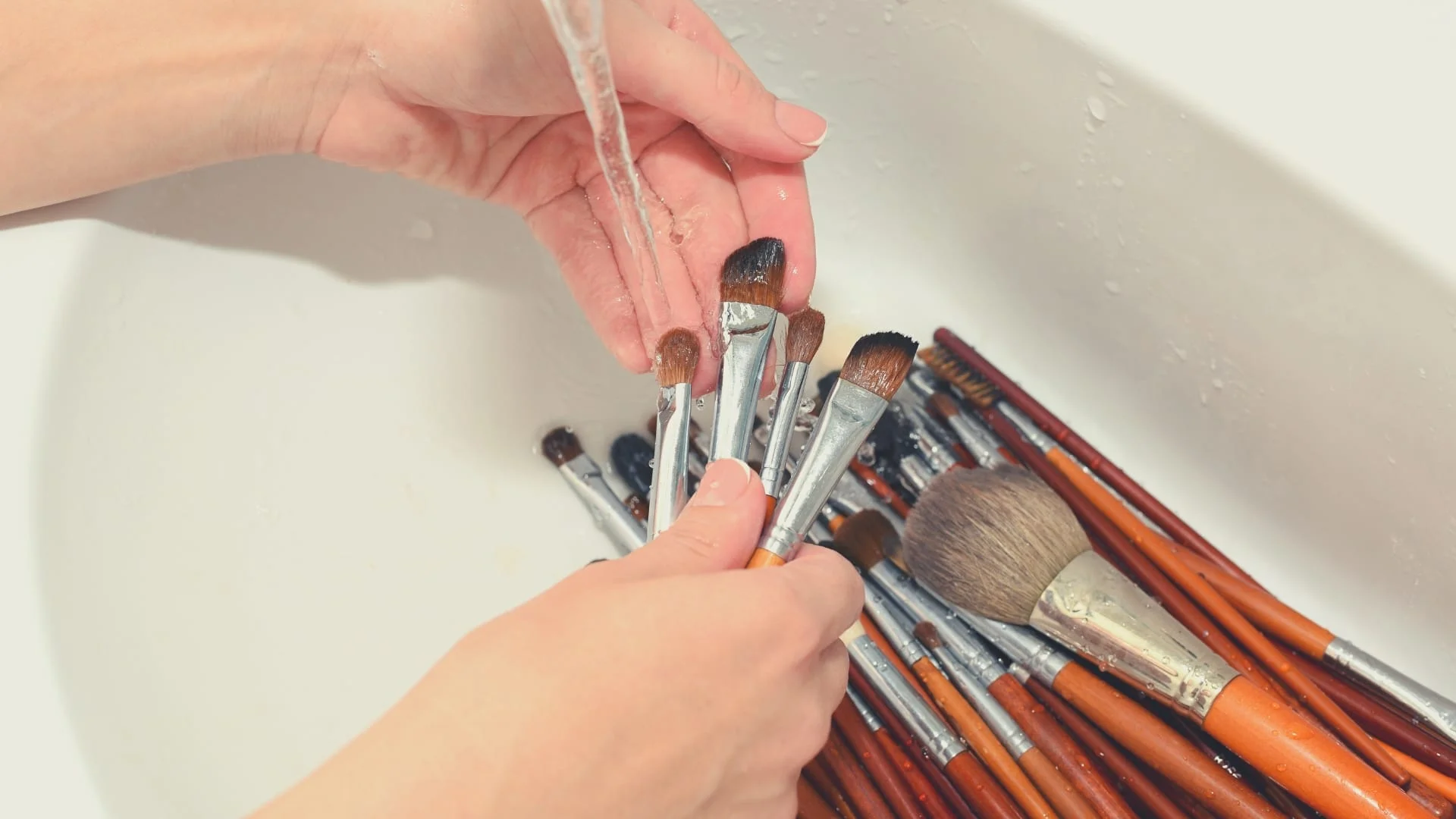
This one might be my most-used trick on this list. Dedicated brush cleansers — like the Cinema Secrets one I used to buy religiously — are basically fancy, perfumed versions of what shampoo already does. The surfactants in shampoo dissolve the oils, foundation residue, and powder buildup that collect in your brush bristles, and they do it gently enough that the bristles stay soft.
Wet the brush head under lukewarm water, squeeze a small drop of shampoo into your palm, and swirl the brush around in it. You’ll see the color transfer almost immediately — it’s weirdly satisfying.
Rinse until the water runs clear, gently squeeze out excess moisture, reshape the bristles, and lay the brush flat on a clean towel to dry. One tip: keep the ferrule (that metal part where the bristles meet the handle) as dry as possible.
Water sitting in the ferrule loosens the glue over time and your bristles start shedding.
Is it safe for natural hair brushes too?
Yes — shampoo is one of the gentlest options for natural-hair brushes like goat or sable. It actually conditions them slightly, which synthetic brush cleansers tend not to do. Just avoid anything with heavy sulfates, which can be drying even on brushes.
Hand-Wash Delicate Fabrics
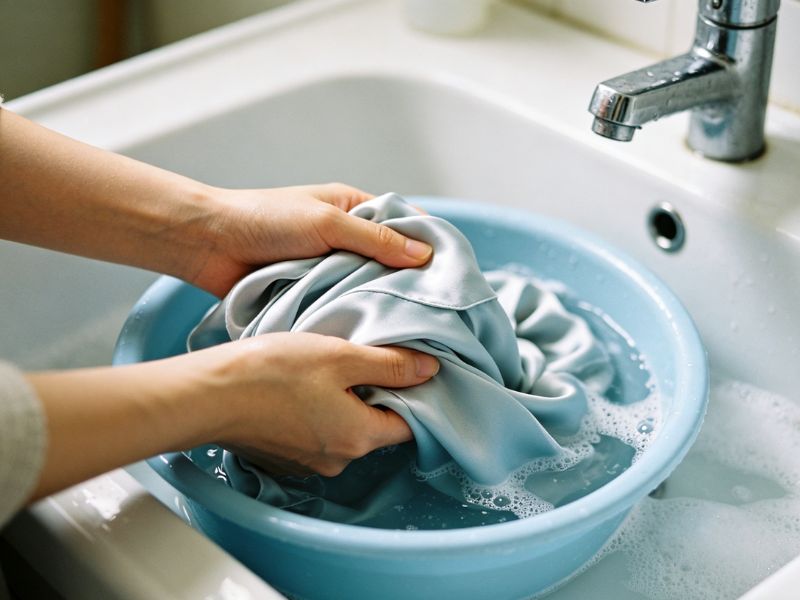
Shampoo was literally designed to be gentle on fibers — it’s the same category of ingredient used in most wool-wash products like Eucalan or Soak. If you hand-wash silk camisoles, cashmere sweaters, or a lacy bralette, expired shampoo does the exact same job.
Fill a clean basin with cool water, add about a teaspoon of shampoo per gallon, and swish it around until it dissolves. Submerge your garment, gently press it through the water for a minute or two (no wringing or twisting), then drain and rinse in clean cool water.
Roll the item in a towel to absorb moisture and lay flat to dry. I’ve washed silk pillowcases this way for years — the oil-removing properties of shampoo actually do a nice job getting face oils out of silk that a plain water soak never quite handles.
Can I use this for wool and cashmere specifically?
Definitely — this is probably the best use of expired shampoo on this list for wool. Shampoo’s pH is more skin-neutral than most detergents, which is exactly what protein-based fibers like wool and silk want. The key is keeping the water cool (hot water shrinks wool) and avoiding agitation.
Scrub Bathroom Tiles and Grout
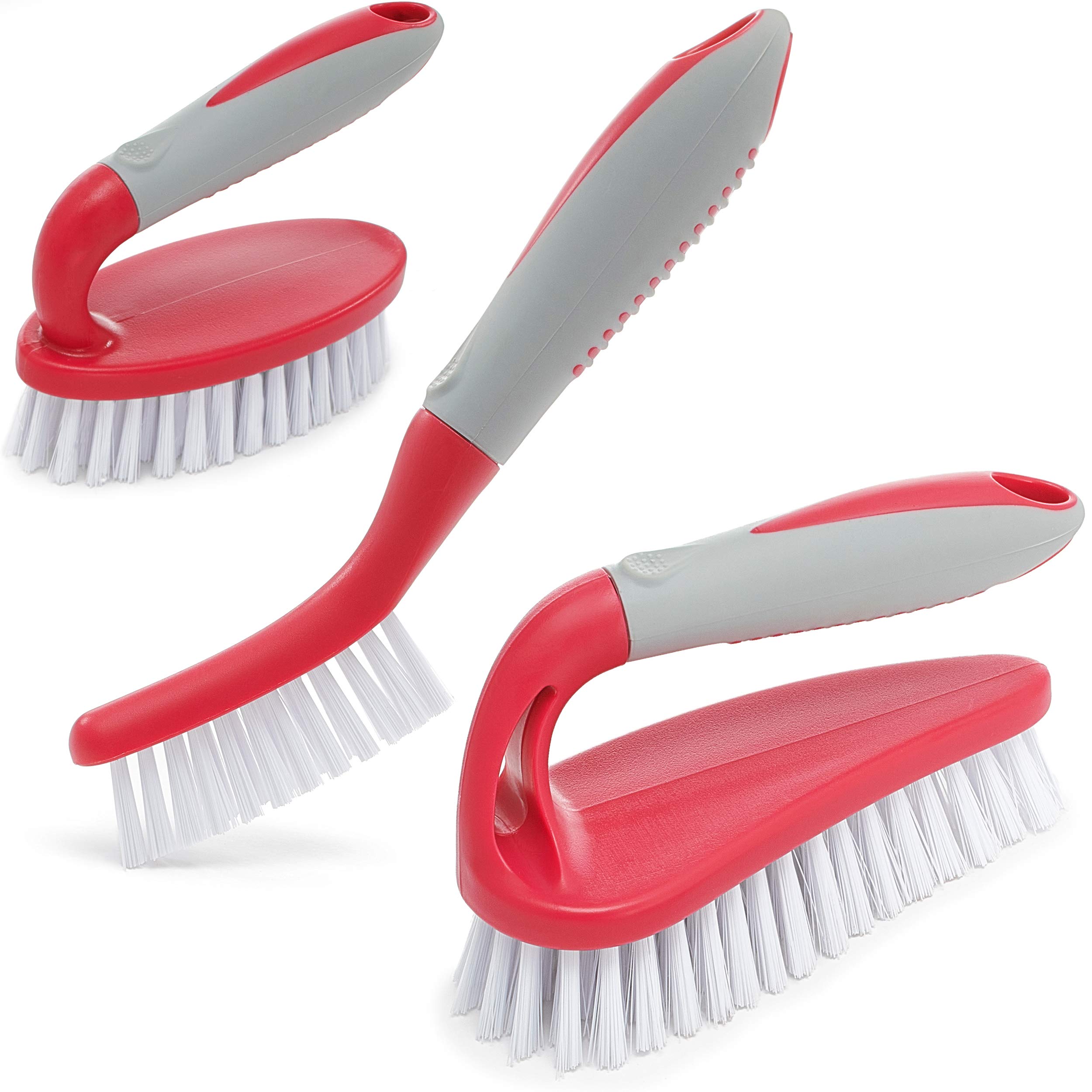
Your bathroom tiles get coated in a film of body oils, soap residue, and whatever else ends up on your walls after a hot shower — and shampoo is literally designed to break that stuff down. It’s less aggressive than something like Kaboom or Scrubbing Bubbles, which makes it ideal for regular maintenance cleaning rather than heavy-duty mold remediation.
Squeeze a line of shampoo directly onto a scrub brush or a textured sponge and work it into the tile and grout in small circles. The surfactants lift away the oily soap scum layer that makes tiles look dingy.
Rinse with warm water and wipe dry with a microfiber cloth. You can also mix shampoo with a bit of baking soda for more scrubbing power on grout lines that have gone gray.
I keep an old shampoo bottle in my cleaning caddy specifically for this — it’s my Sunday shower-cleaning go-to.
Will it work on glass shower doors too?
Yes, and quite well. The same surfactants that cut through soap scum on tile work on the cloudy film that builds up on glass.
Apply it with a soft sponge, let it sit for a minute, then squeegee and rinse. It won’t remove hard water mineral deposits — for that you’d need vinegar — but for soap film alone, shampoo does a surprisingly thorough job.
Lubricate a Stuck Zipper
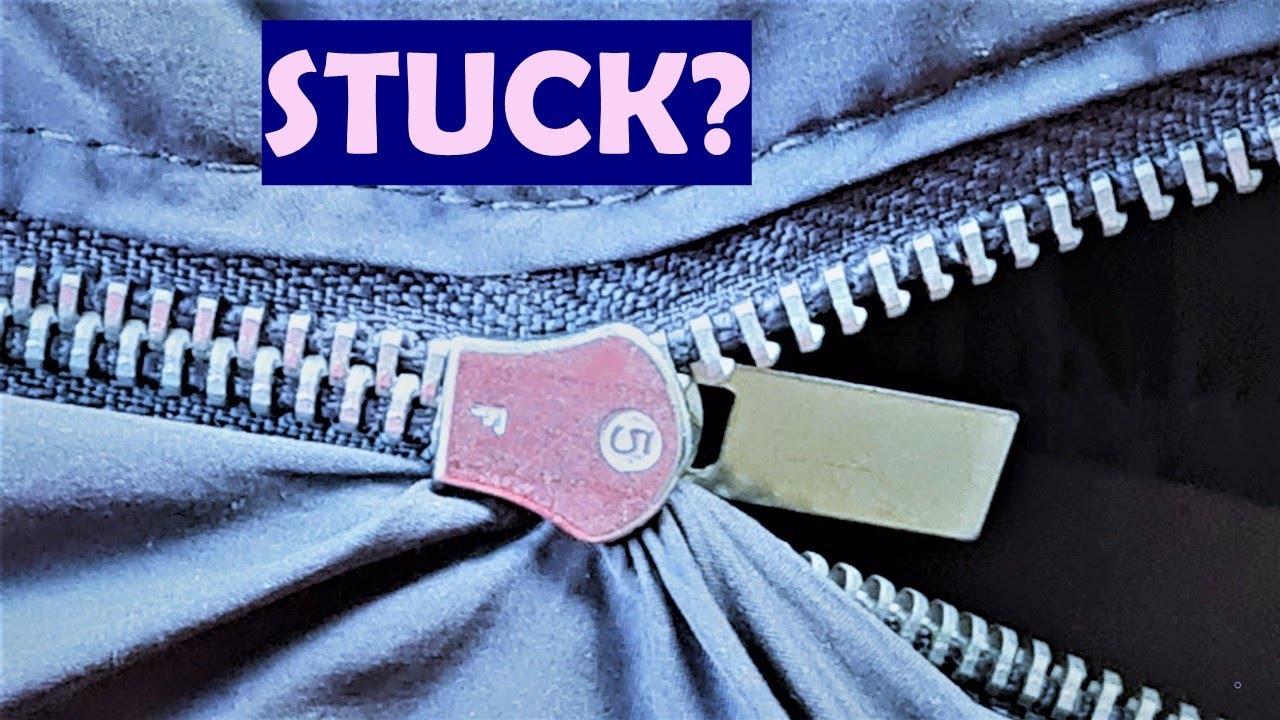
This is one of those weird household fixes that actually works, and I was skeptical until a friend showed me with a winter jacket that wouldn’t budge. Shampoo contains slip agents and mild silicones that reduce friction between the zipper teeth — not permanently, but enough to get a stuck slider moving again.
Apply a tiny dab of shampoo with a cotton swab or your fingertip directly onto the zipper teeth where it’s catching. Work the slider back and forth gently, applying a little more shampoo if needed.
The resistance usually loosens within a few passes. Wipe off any excess with a damp cloth afterward.
It works on metal and plastic zippers alike — backpacks, jeans, tent flaps, luggage. The effect is temporary (the slip agents will wear off), but it’s enough to get through a jam without forcing anything and breaking the zipper entirely.
Wash Painted Walls Without Damaging the Finish
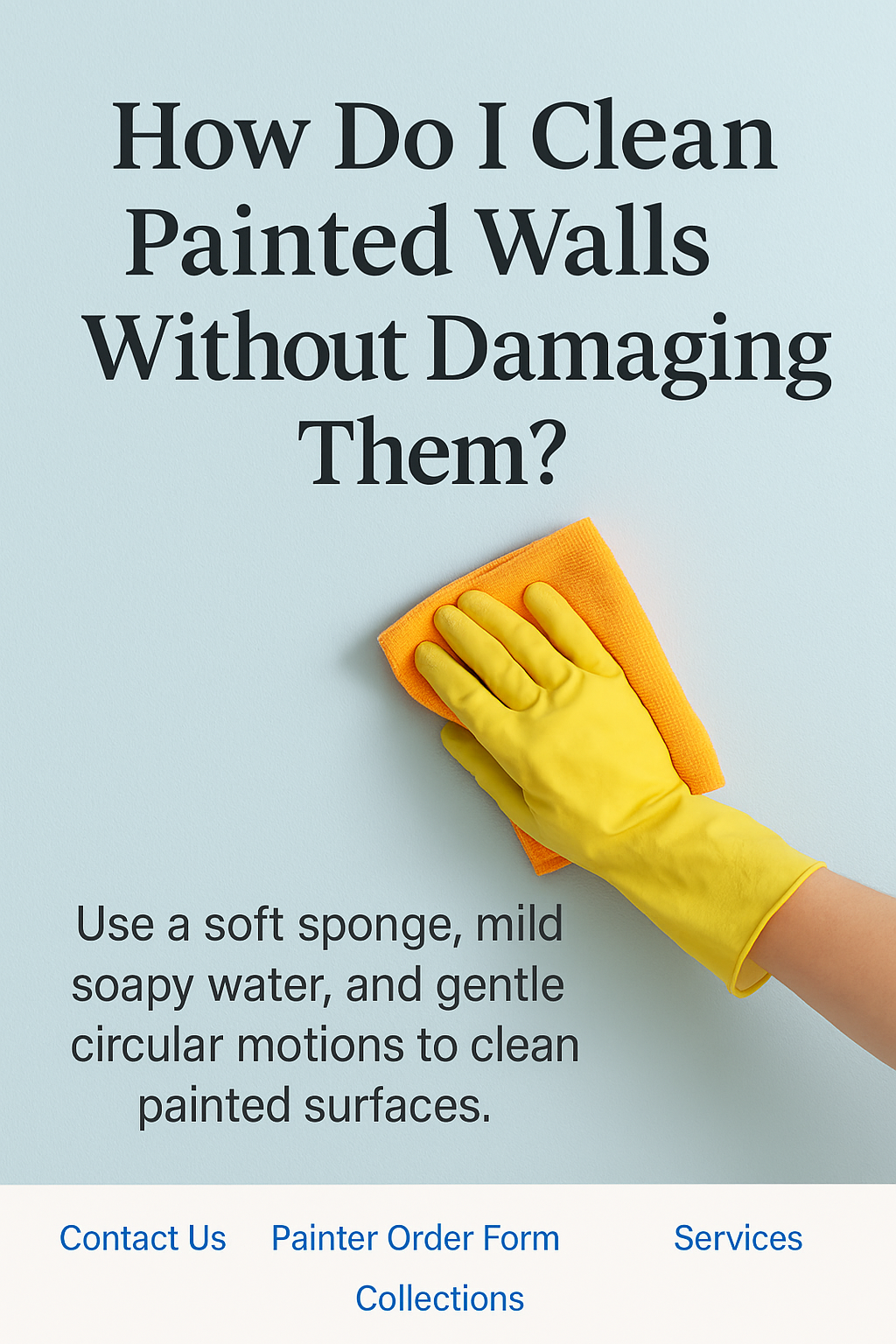
When you need to clean scuff marks, fingerprints, or mystery smudges off painted walls, you want something effective but not so harsh that it strips or dulls the paint. This is where mild shampoo shines — it cuts through grease and grime without the harshness of most all-purpose cleaners.
Dissolve a tablespoon of shampoo in a bucket of warm water. Dip a soft sponge (I like the O-Cedar brand ones), wring it out well — you don’t want drips running down the wall — and gently wipe the stained area.
For scuff marks, let the soapy water sit on the spot for about 30 seconds before wiping. Rinse with a clean damp cloth and dry with a towel.
I’ve used this on eggshell and satin finishes in my kitchen and hallway without any issues. Just don’t use it on flat or matte paint without testing a hidden spot first — those finishes are more porous and can sometimes get water-stained.
Clean Your Jewelry
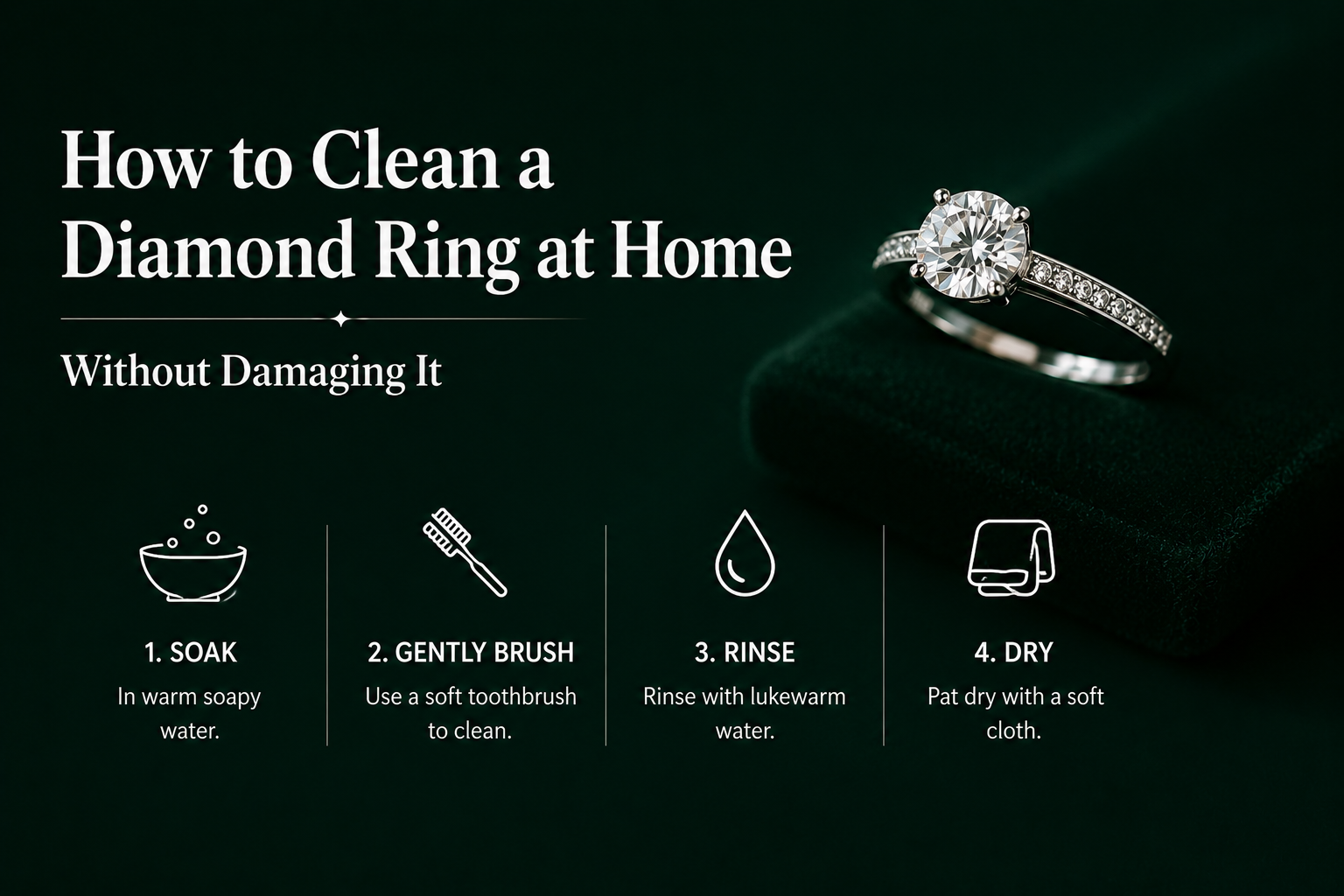
Over time, rings, earrings, and necklaces pick up a film of skin oils, lotion, and cosmetics that makes them look dull. Shampoo’s surfactants dissolve that oily layer the same way they dissolve oil on your hair — gently and effectively.
Add a few drops of shampoo to a small bowl of warm water and drop your jewelry in. Let it soak for about 15 minutes, then use a soft toothbrush (an old baby toothbrush works perfectly for this) to gently scrub around settings and in any detailed grooves.
Rinse under clean water and pat dry with a lint-free cloth. This works great on gold, silver, platinum, and hard gemstones like diamonds, sapphires, and rubies.
It’s also safe for costume jewelry that can’t handle chemical dips like the Connoisseur’s brand solution.
Are there any gemstones I shouldn’t use shampoo on?
Avoid soaking porous or soft gemstones — that includes pearls, opals, turquoise, and emeralds. Those stones can absorb moisture and chemicals, which causes discoloration or internal cracking over time. For those, stick to a barely damp soft cloth only.
Remove Body Oil Stains from Shirt Collars and Cuffs
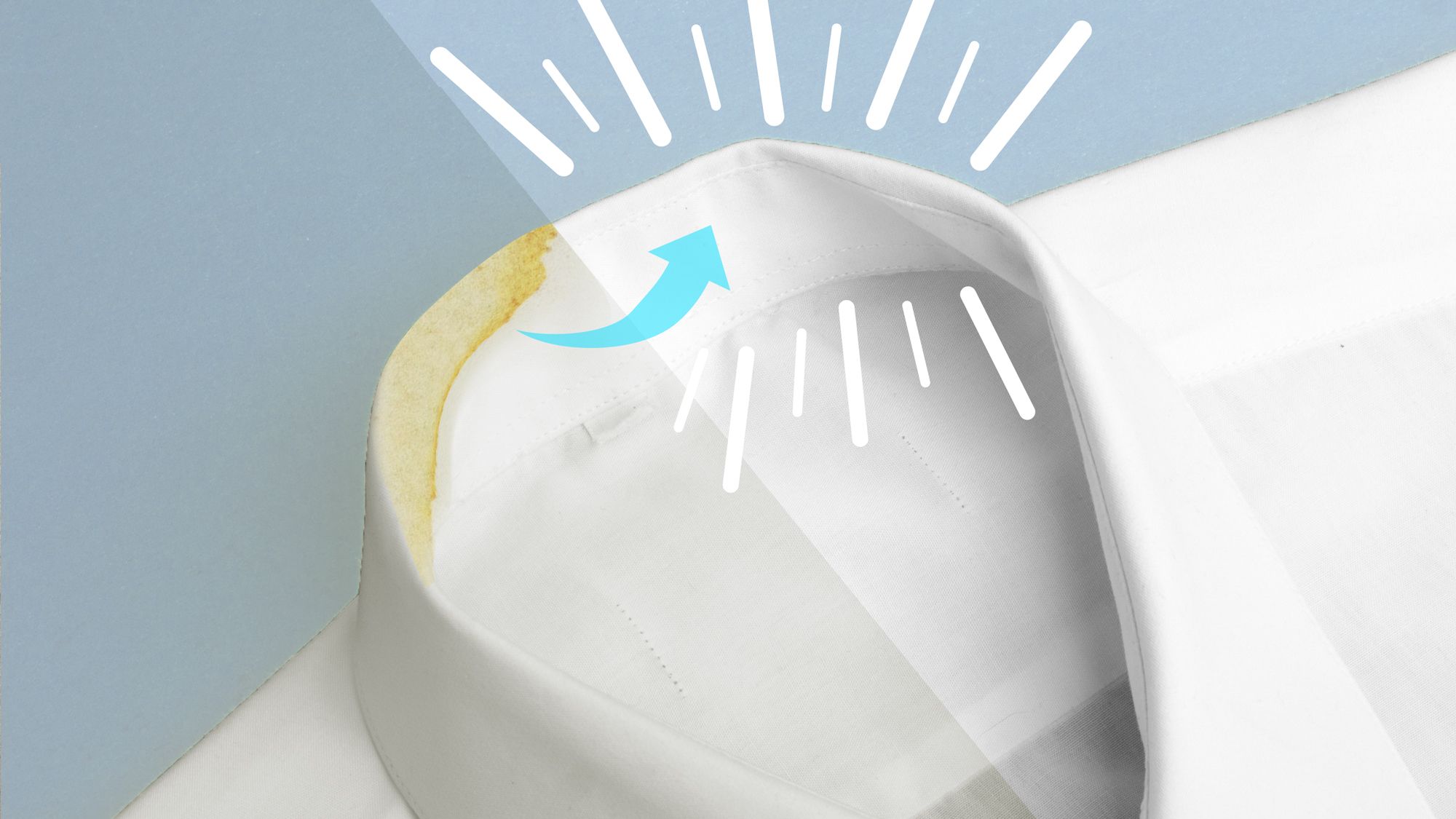
Those yellowish-brown rings on dress shirt collars and cuffs? That’s body oil and sweat that’s bonded to the fabric, and regular washing often doesn’t fully lift it. Shampoo’s whole purpose is breaking down body oils — it’s made for this, just usually on hair rather than cotton.
Squeeze a small amount of shampoo directly onto the stained area. Use your fingers or a soft brush to work it into the fabric, focusing on the ring of discoloration.
Let it sit for 15 to 30 minutes, then launder the shirt as you normally would. I’ve had the best results doing this before every wash on white button-downs — a preventive treatment rather than a rescue mission on a stain that’s been through the dryer five times.
If the stain is older and set in, you can add a pinch of baking soda to the shampoo for extra grit. This method works on cotton, cotton-poly blends, and linen.
Use as a Shave Cream Substitute in a Pinch
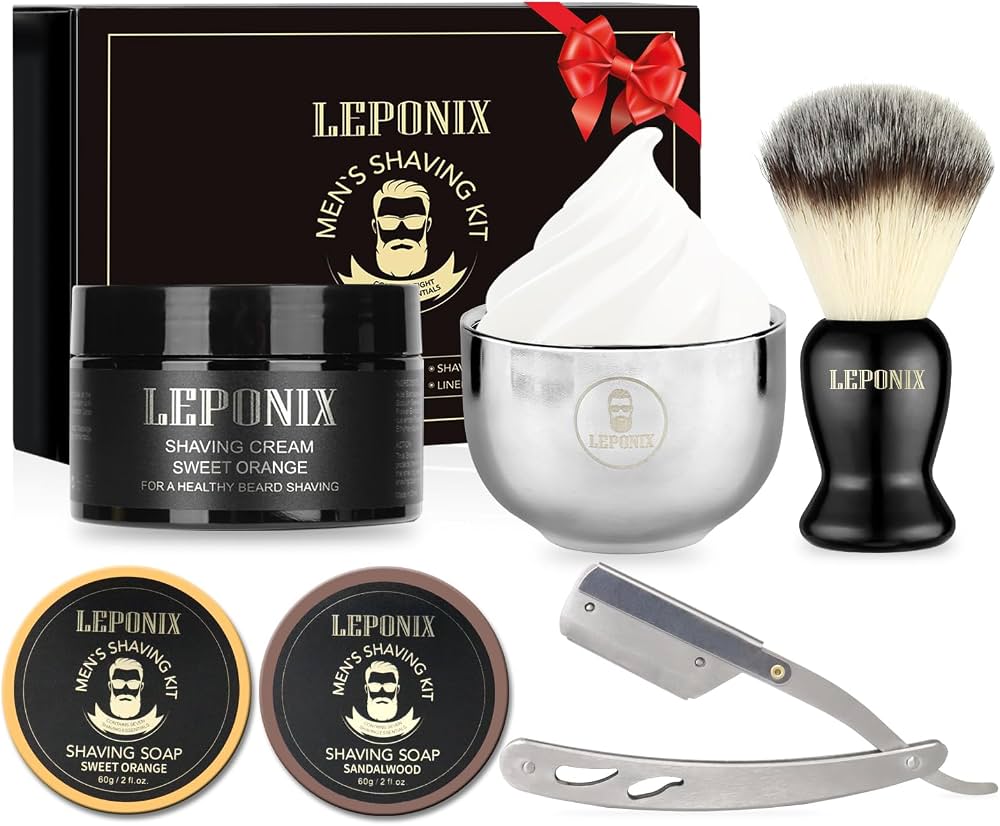
This is the one I’d call a “hotel hack” — you know those mornings when you’re traveling and forgot to pack shaving cream, but the hotel bathroom has those tiny shampoo bottles? Lather up and shave with one. Shampoo produces a dense, slick lather that lets a razor glide smoothly, and it rinses clean without leaving residue on your skin or blade.
Wet your skin with warm water, work a small amount of shampoo into a lather between your hands, and apply it to the area you’re shaving. Shave as you normally would, rinsing the blade frequently.
The main difference between this and a proper shaving cream like Cremo or Barbasol is moisturization — shaving creams have more emollients built in to protect the skin, so if your skin is prone to razor burn or dryness, you’ll want to follow up with a good moisturizer afterward. But as an emergency solution, it’s genuinely better than dry-shaving or using plain bar soap, which can be much more drying.
Frequently Asked Questions
Can I use expired shampoo on my hair?
Technically, yes — “expired” shampoo doesn’t become dangerous, it just gradually loses effectiveness. The preservatives stop working as well, which means the formula can eventually grow bacteria or mold if it’s been open for a very long time (we’re talking years, not weeks past the date).
If it smells normal, looks normal, and hasn’t separated, you can still use it on your hair. But these household uses are honestly a better second life for it.
How long past the expiration date is shampoo still usable for cleaning?
Most shampoos stay functional for at least one to two years past their printed date if the bottle has been stored sealed and at room temperature. Once you notice a change in smell, texture, or color, it’s past its window for any use. Separation that doesn’t remix when you shake it is another sign to toss it.
Does it matter what kind of shampoo I use?
Not really for these household purposes. Sulfate-free, clarifying, moisturizing — they’ll all work because they all contain some form of surfactant.
Clarifying shampoos like Neutrogena’s Anti-Residue formula are actually the strongest cleaners on this list because they contain more surfactant and less conditioning agent. Moisturizing shampoos with heavy silicones might leave a slight residue on non-porous surfaces, so stick to simpler formulas for jewelry and tile cleaning.
Is expired shampoo safe for septic systems?
Yes — shampoo is septic-safe regardless of expiration. The surfactants in shampoo biodegrade readily, and small household amounts won’t disrupt the bacterial balance in your septic tank. This is one of the advantages shampoo has over heavy-duty chemical cleaners, which can be harsh on septic systems.
Expired shampoo is one of those sneaky household MVPs that most people pour straight down the drain without a second thought. A bottle that’s lost its hair-care mojo still has plenty of cleaning power left for everything from dirty brushes to grimy tile to stained collars. Next time you’re about to toss one, set it aside with your cleaning supplies instead — you’ll find a use for it faster than you think.
Leave a Reply