
You bought that 10-pound bag of jasmine rice two years ago, shoved it in the back of the pantry, and forgot about it. Now the “best by” date has long passed, and you’re wondering if there’s anything to do with it besides toss it out.
Here’s the good news: as long as the rice is still dry, free of moisture, and doesn’t smell off or show any signs of pantry moths or larvae, it’s perfectly fine for a whole bunch of non-food uses around your house. Some of these I’ve been doing for years, and a couple might genuinely surprise you.
1. Microwavable Heating Pad
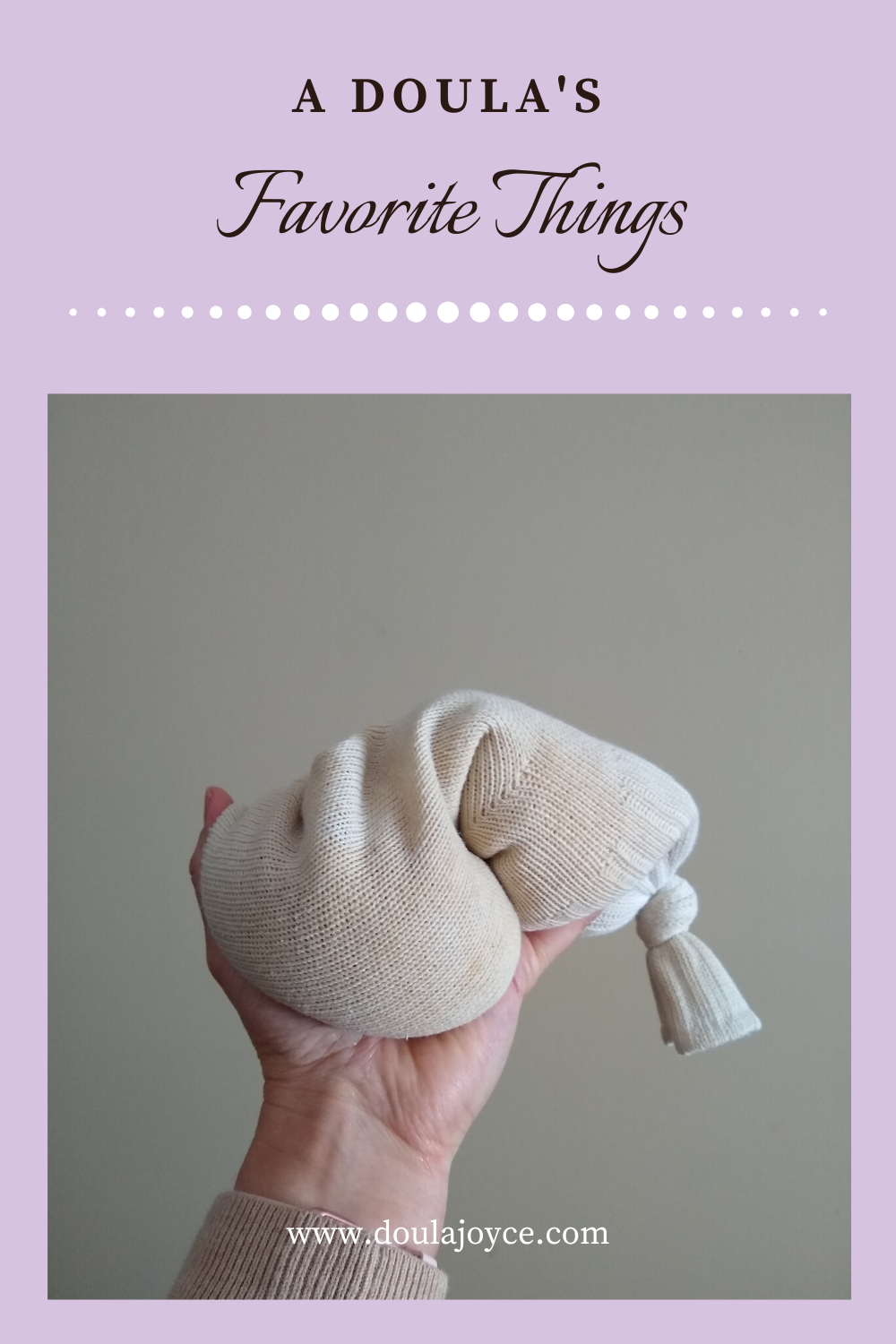
This is the classic one, and it works so well that I keep two of these in rotation at all times. Rice holds heat beautifully and releases it slowly, which makes it perfect for sore muscles, cramps, or just warming up cold feet on a winter night.
Take a clean cotton sock — an old tube sock works great — fill it with about two cups of dry rice, and tie a knot at the end or sew it shut. Microwave it for one to two minutes, and you’ve got a reusable heat pack that stays warm for 20–30 minutes. You can add a few drops of lavender essential oil to the rice before sealing for a calming scent that activates with the heat.
A couple of things to watch: only use cotton or another natural-fiber sock. Synthetic materials like polyester or nylon can melt or even catch fire in the microwave. And don’t heat it for more than two minutes at a time — rice can scorch and start to smell burnt if you overdo it.
2. Moisture Absorber for Salt Shakers
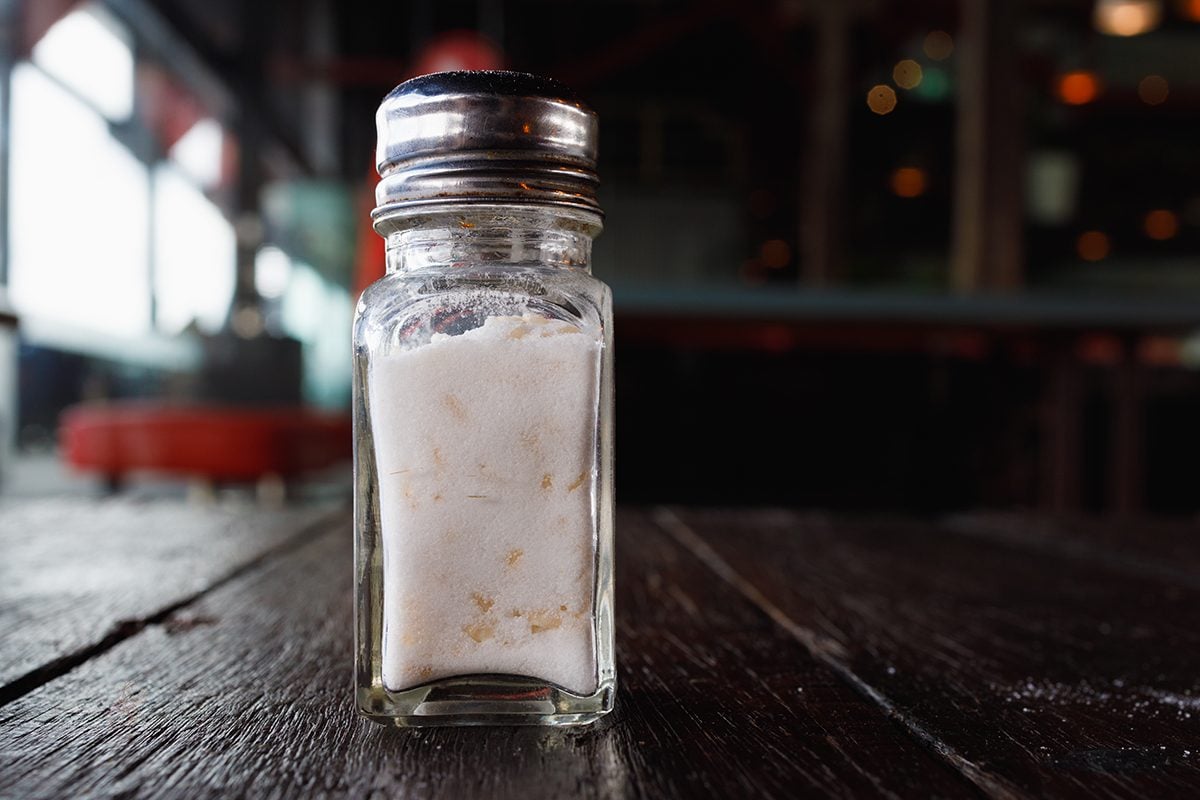
You’ve probably heard this one from your grandma, but it works, and it’s worth repeating. Those five or six grains of rice you drop into your salt shaker absorb ambient moisture and keep the salt flowing freely instead of clumping into a stubborn lump.
Just add five to ten grains of dry rice to your salt shaker or any seasoning jar that tends to cake up. The rice does its job without dissolving or affecting the flavor of whatever’s inside.
If you live somewhere humid, swap out the rice grains every few months — they can eventually get soggy and stop absorbing. This works with table salt, garlic salt, onion salt, and most seasoning blends.
It’s less effective with fine-ground spices like garlic powder that clump from natural oils rather than moisture, but for salt-based seasonings, it’s a no-brainer.
3. Cleaner for Narrow-Necked Bottles and Vases
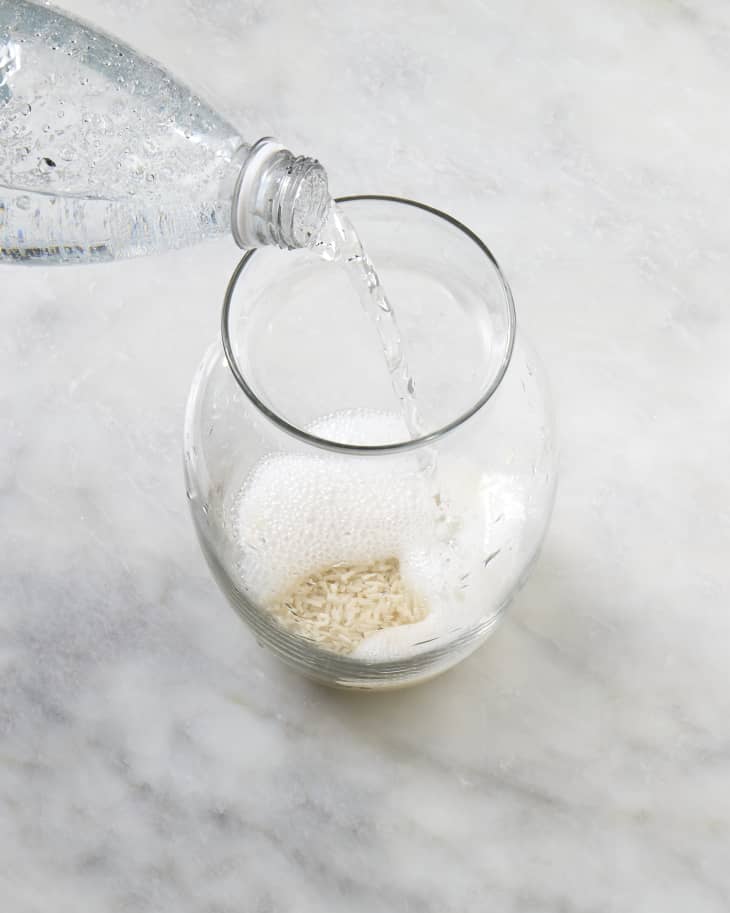
I discovered this trick when I inherited a set of gorgeous bud vases from my grandmother and couldn’t figure out how to clean the brown mineral residue inside the narrow necks. A bottle brush wouldn’t fit, and soaking didn’t cut it. Then I tried rice, and it was like having a tiny scrubbing crew inside each one.
Pour a tablespoon or two of dry rice into the vase or bottle, add a squirt of dish soap and warm water about a third of the way full, then cover the opening with your hand and shake vigorously for 30 to 60 seconds. The rice grains tumble around inside and act as a gentle abrasive, scrubbing away mineral deposits, tea stains, and grime that a sponge can’t reach.
Empty it out, rinse well, and repeat if needed. I use this on water bottles, decanters, and flower vases regularly.
One caution: if the glass is very thin or antique-delicate, skip this method. The rice grains can chip fragile glass from the inside when they knock against the walls at speed.
4. DIY Exfoliating Body Scrub
Ground rice has been a beauty staple across Asia for centuries, and for good reason. It’s a gentle, natural exfoliant that sloughs off dead skin cells without the harshness of walnut-shell scrubs or plastic microbeads.
To make it, grind about a quarter cup of dry rice in a blender or spice grinder until it becomes a fine powder — the finer, the better, since coarse grains can be too abrasive on skin. Mix the powder with enough coconut oil, olive oil, or raw honey to form a spreadable paste.
Use it in the shower on damp skin, focusing on elbows, knees, and heels, then rinse clean. Your skin feels ridiculously smooth afterward.
Store any leftover scrub in a small glass jar with a lid and use it within a week or so — there are no preservatives, so it can grow mold if you leave it sitting for weeks on a steamy bathroom shelf. And do a smell check on the rice before you grind it. If it has any musty or off odor, it’s not suitable for skin contact; save that batch for cleaning or garden use instead.
5. Deodorize and Clean a Blade Coffee Grinder
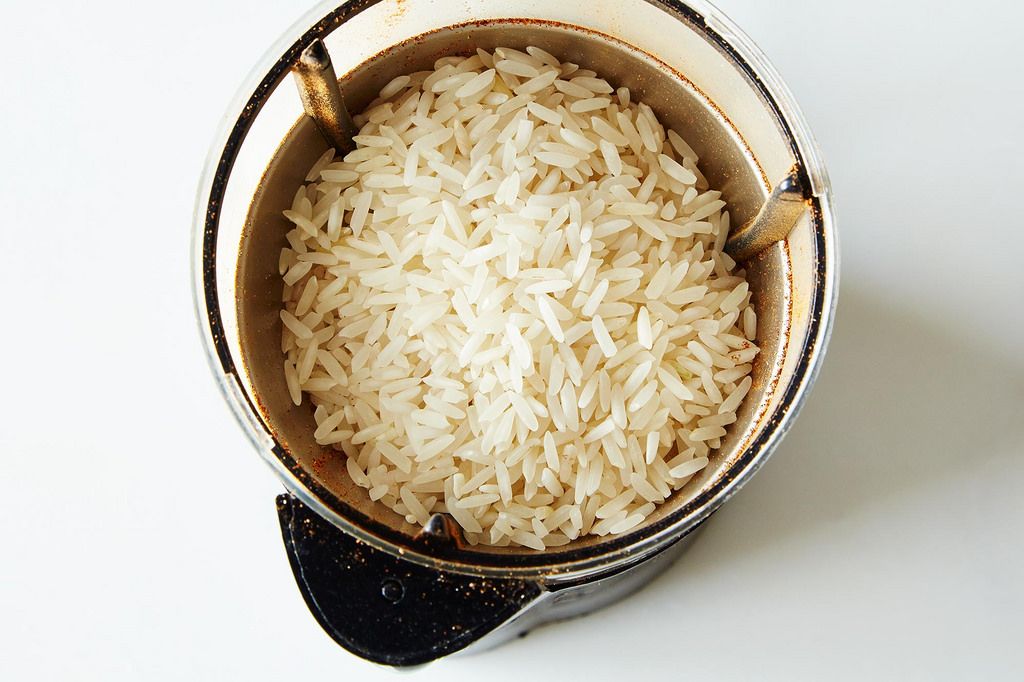
If you use a blade-style coffee grinder for spices or coffee, you know the problem: over time, the oils from cumin, coriander, or dark roasts build up on the walls and blade, making everything taste a little funky. Running dry rice through the grinder strips away those residual oils and neutralizes odors.
Pour about a quarter cup of dry rice into the grinder, put the lid on, and run it for 30 to 60 seconds until the rice is ground to a fine powder. Dump out the rice dust — it’ll look grayish-brown from all the absorbed gunk — and wipe the bowl clean with a dry cloth.
That’s it. Do this once a month if you grind spices regularly, and your coffee won’t taste like last week’s curry.
This only works with blade grinders. If you have a burr grinder, do not attempt it — the hard rice grains can damage the burrs and throw off your grind calibration permanently. Also, the fine rice dust gets into crevices, so give the grinder a thorough wipe-down afterward rather than just tapping it out.
6. DIY Draft Stopper
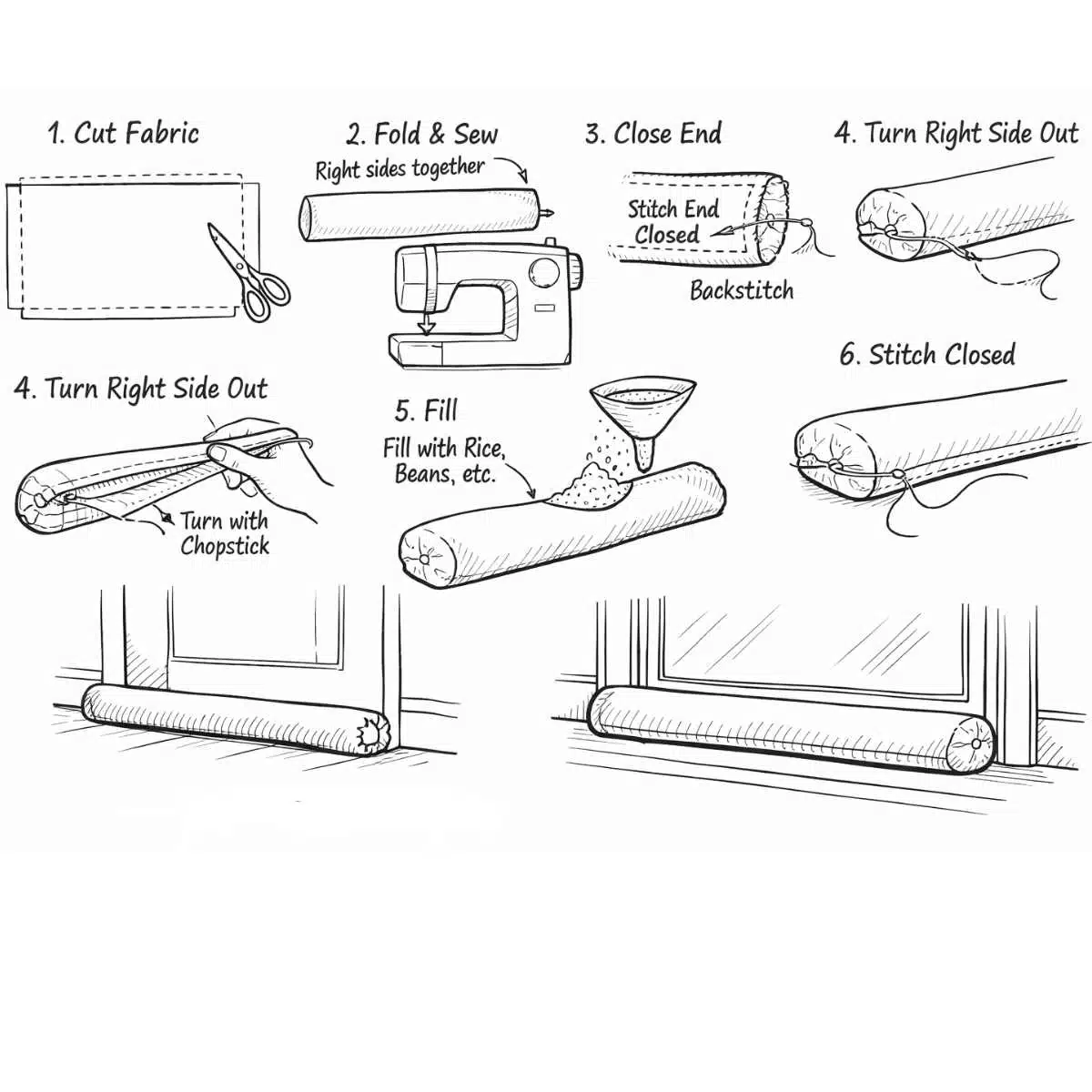
Drafty doors are one of those small annoyances that add up to a real difference in your heating bill. A rice-filled draft stopper is surprisingly heavy for its size — much denser than polyester stuffing — and it presses right against the gap at the bottom of a door to block cold air from sneaking through.
Sew a long fabric tube from an old pair of jeans, a curtain remnant, or any sturdy fabric you have lying around. Make it about an inch longer than the width of your door.
Fill it with dry rice — a full door-width stopper takes roughly 4 to 6 cups — and sew the end shut. The plain denim version from an old pair of Levi’s costs nothing and works just as well as anything you’d buy, though you can absolutely use patterned fabric or add a ribbon trim if it’s going somewhere visible.
Keep it dry. If your entryway tends to get wet from rain blowing in under the door, place the stopper on the inside. Wet rice inside a fabric tube will mold, and you’ll have a much bigger problem than a draft.
7. Aromatherapy Eye Pillow

This is my favorite way to unwind after a long day staring at screens. A small fabric pillow filled with rice and dried lavender drapes over your eyes, blocks out light, and provides gentle pressure that eases tension around your temples and brow. You can chill it in the freezer for a cooling effect or warm it briefly in the microwave for a spa-like heat treatment.
Sew a small rectangular pouch — about 4 by 8 inches — from soft cotton or silk. Fill it with one to one-and-a-half cups of dry rice mixed with a tablespoon of dried lavender buds.
Sew or tie it shut. Pop it in the freezer for 20 minutes before use, or microwave for about 30 seconds.
Then lie back, drape it over your closed eyes, and breathe.
The rice conforms to the contours of your face in a way a gel pack just can’t match. Use a removable outer cover so you can wash it periodically — the inner rice pouch shouldn’t go in the washing machine, obviously.
8. Sensory Play Bottle for Toddlers
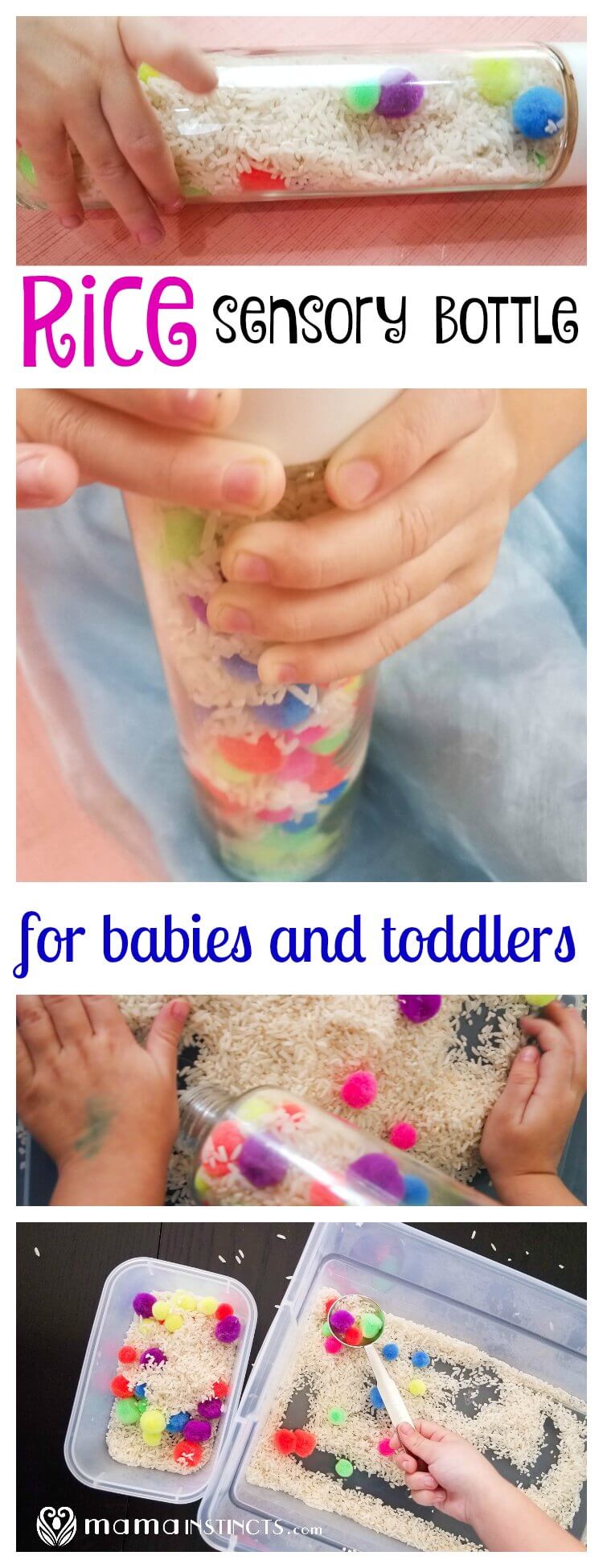
If you’ve got little kids at home, a rice-filled sensory bottle is a dead-simple activity that buys you more quiet time than you’d expect. The rice makes a satisfying swishing sound when shaken, and if you hide small objects inside — colorful buttons, beads, a tiny toy dinosaur — kids have to turn and shake the bottle to find them, which builds focus and hand-eye coordination.
Fill a clear plastic bottle (a clean 16-ounce water bottle works perfectly) about two-thirds full with dry rice. Drop in a handful of small, colorful objects, then superglue or hot-glue the cap shut. This part is non-negotiable — a toddler with access to loose rice is a mess you only want to clean up once, trust me.
Keep an eye on the bottle over time. If the cap loosens or the bottle cracks, take it away immediately.
And while this is a great toddler activity, it’s not suitable for babies who still mouth everything. The rice and small parts inside are choking hazards if the bottle ever breaks open.
Frequently Asked Questions
Can you eat rice after the expiration date?
White rice stored in a cool, dry place in an airtight container can last for years past the printed date — the “best by” label is about quality, not safety. Brown rice is different: its natural oils go rancid within six months to a year.
If the rice smells off, looks discolored, or shows any signs of pantry moths or larvae, don’t eat it — but don’t toss it either. Any of the uses above will work fine.
How long does white rice last in storage?
White rice — jasmine, basmati, long-grain — stored properly in an airtight container in a cool, dry pantry can keep for four to five years, and some sources say essentially indefinitely. Brown rice is the outlier, with a shelf life of about six months at room temperature because its bran layer contains oils that oxidize. For truly long-term rice storage, Mylar bags with oxygen absorbers are the gold standard.
Does putting rice in a salt shaker actually work?
Yes. A handful of rice grains in your salt shaker absorbs ambient humidity before the salt can dissolve and re-cake into clumps.
It’s the same principle as the silica gel packets in your vitamin bottles. Use just a few grains — not a tablespoon — and replace them every couple of months, especially if you live somewhere humid.
Is it safe to microwave rice in a sock?
As long as the sock is 100% cotton or another natural fiber, and you heat it for no more than two minutes at a time, it’s perfectly safe. Synthetic socks made from polyester or nylon can melt, overheat, or even ignite. If you notice a burning smell, stop immediately — the rice may have dried out too much and is starting to scorch on the fibers.
Expired rice doesn’t have to end up in the trash. Whether you’re making a cozy heating pad for sore muscles, keeping your salt shaker flowing, or scrubbing out those impossible-to-clean vases, that old bag sitting in the back of your pantry still has plenty of useful life in it. Pick one of these ideas and try it this weekend — you might be surprised just how versatile that “stale” rice really is.
Leave a Reply