
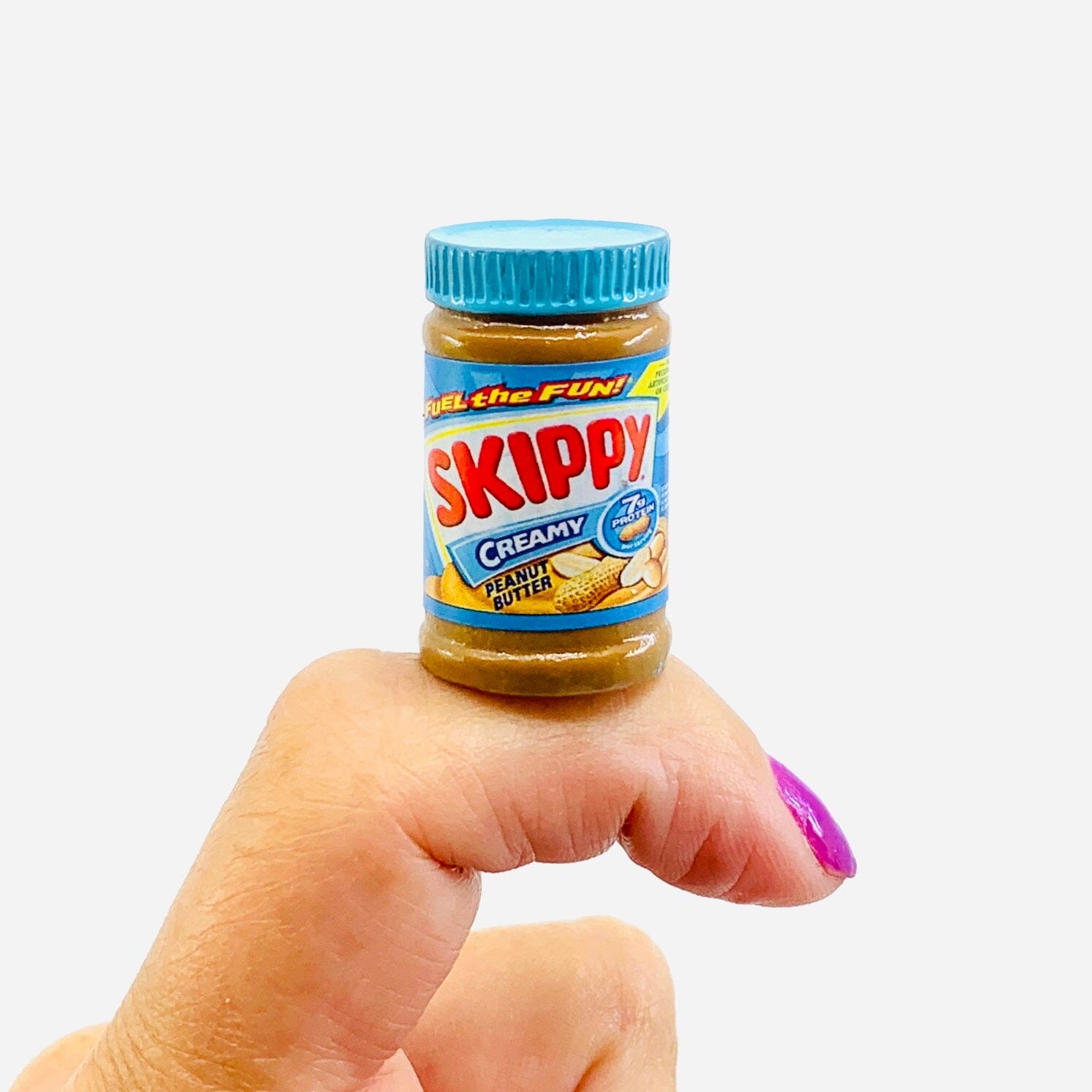
That jar of peanut butter sitting in the back of your pantry past its “best by” date doesn’t need to go in the trash. While the taste and texture may have declined enough that you wouldn’t want it on a sandwich, expired peanut butter is still packed with natural oils and fats that make it surprisingly useful around the house, in the yard, and even in your grooming routine.
I’ve tried several of these over the years — some out of curiosity, some out of sheer “well, I’m not eating this” pragmatism — and a few have become genuine go-to hacks. Here are seven ways to put that old jar to work.
1. Make a Pine Cone Bird Feeder
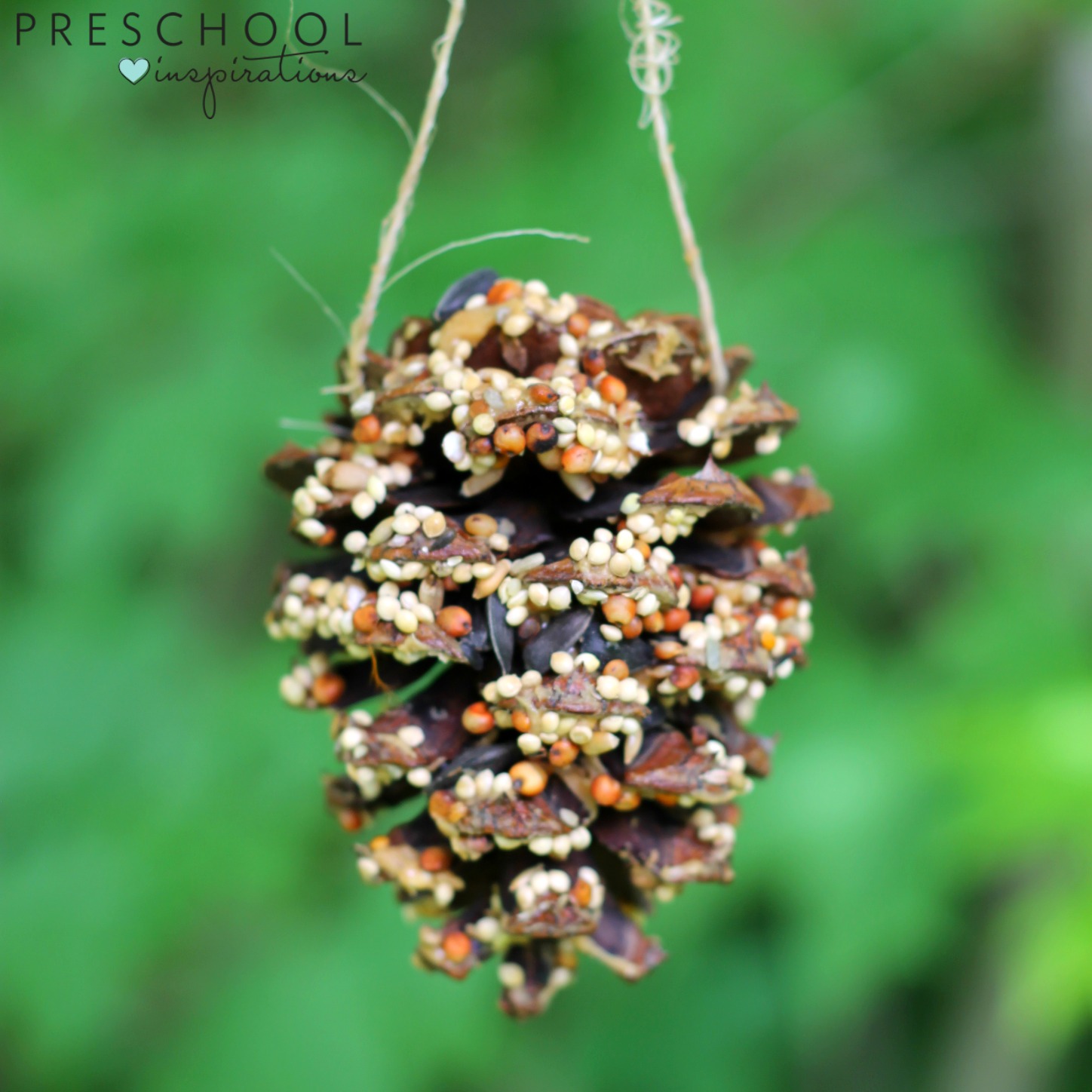
This is the one my kids request every winter, and expired peanut butter is honestly perfect for it because birds don’t care about the “best by” date — they care about high-fat calories, which peanut butter delivers in spades. Spread a thick layer all over a pine cone, then roll it in a shallow dish of birdseed (black oil sunflower seed is a favorite at our house).
Tie a piece of twine to the top and hang it from a tree branch. The sticky peanut butter holds the seed in place far better than most DIY alternatives I’ve tried, and the birds strip it clean within a day or two in cold weather.
One thing to note: if the peanut butter has gone genuinely rancid — a sharp, paint-like smell — give it a pass, since rancid oils aren’t great for birds either. Mild staleness or slight oil separation is totally fine.
2. Remove Sticky Label Residue
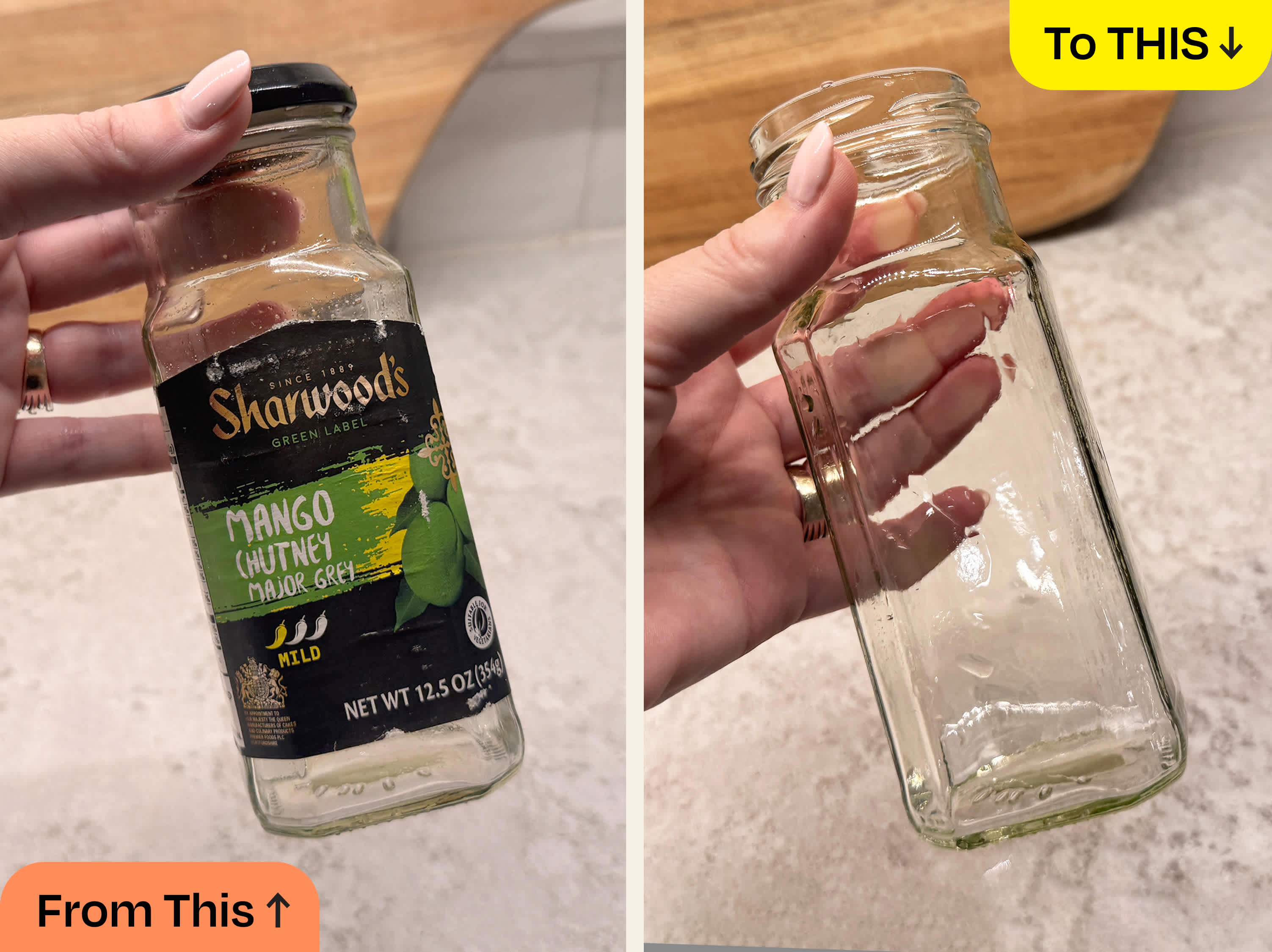
If you’ve ever spent twenty minutes scraping a price sticker off a thrift-store find with your thumbnail, this one’s for you. Peanut butter’s natural oils break down adhesive residue the same way commercial products like Goo Gone do — just slower and without the chemical smell.
Smear a generous layer over the sticky area, let it sit for 10 to 15 minutes, then wipe it away with a paper towel or soft cloth. The adhesive lifts right off glass, plastic, and most finished wood surfaces.
I’ve used this on everything from jam jars I wanted to reuse to the bottom of a ceramic planter that still had its store sticker after three years. It works best on non-porous surfaces; on unfinished wood or cardboard, the peanut butter oil can leave its own stain, so test in an inconspicuous spot first.
3. Condition Leather Shoes and Bags
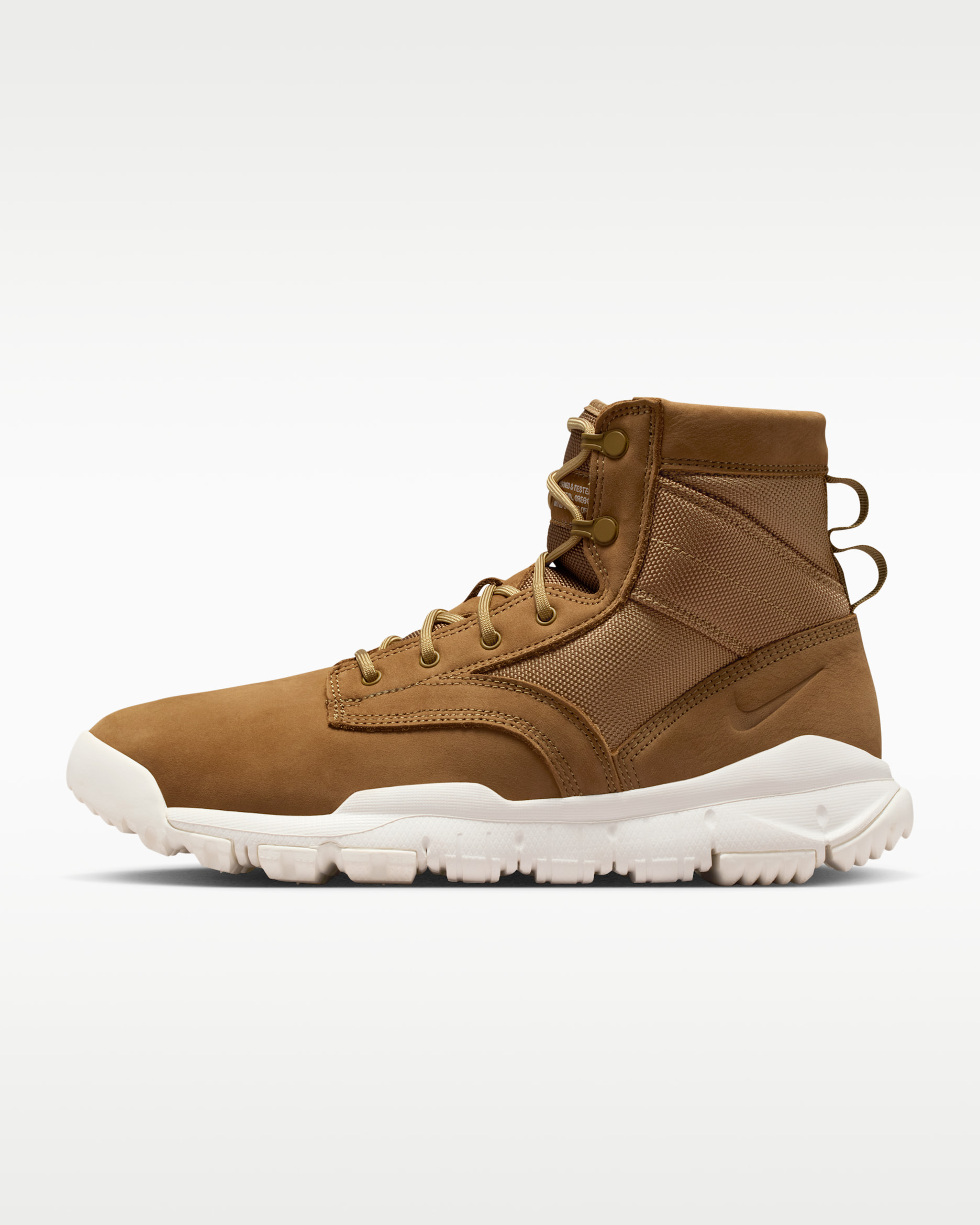
The oils in peanut butter are genuinely nourishing to leather — similar in concept to mink oil or neatsfoot oil, just less refined. Rub a small amount of expired peanut butter into clean leather shoes, boots, or a handbag using a soft cloth, working it in with small circular motions.
Let it absorb for about 20 minutes, then buff off any excess with a dry cloth. The leather comes out softer and with a subtle sheen.
I was skeptical the first time I tried this on a pair of worn-out ankle boots, but it genuinely revived the leather and helped hide some surface scuffs. Use smooth or full-grain leather only — suede and nubuck will absorb the oil unevenly and end up looking blotchy. And go with a thin layer; too much will leave the leather feeling greasy rather than supple.
4. Condition a Wooden Cutting Board
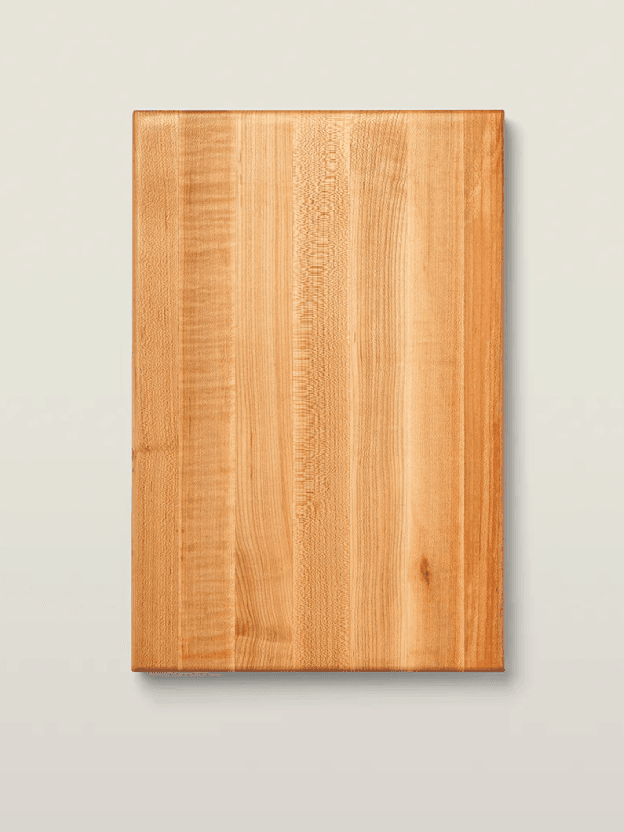
Wooden cutting boards need periodic conditioning to prevent cracking, and food-grade mineral oil is the standard recommendation — but expired peanut butter works as an occasional stand-in when you’ve run out. The natural oils soak into the wood grain and help restore moisture. Spread a thin layer over the entire surface of a clean, dry cutting board, let it sit overnight (or at least a few hours), then wipe it thoroughly with a clean cloth and wash with warm soapy water before using it for food again.
I’d call this a once-in-a-while fix rather than a regular maintenance routine, partly because of the peanut smell it can leave behind and partly because the oils can go rancid on the board over time. But if you’ve got a cutting board that looks parched and ashy and a jar of peanut butter headed for the compost anyway, it’ll buy you some time.
Can I use expired peanut butter on butcher block countertops?
Yes, the same principle applies — rub a thin layer on, let it soak in, and buff it off. Just be extra thorough with the soap-and-water wipe-down afterward, since countertops are a food-prep surface and you don’t want residual peanut butter smell lingering near your cooking.
5. Bait a Mouse Trap
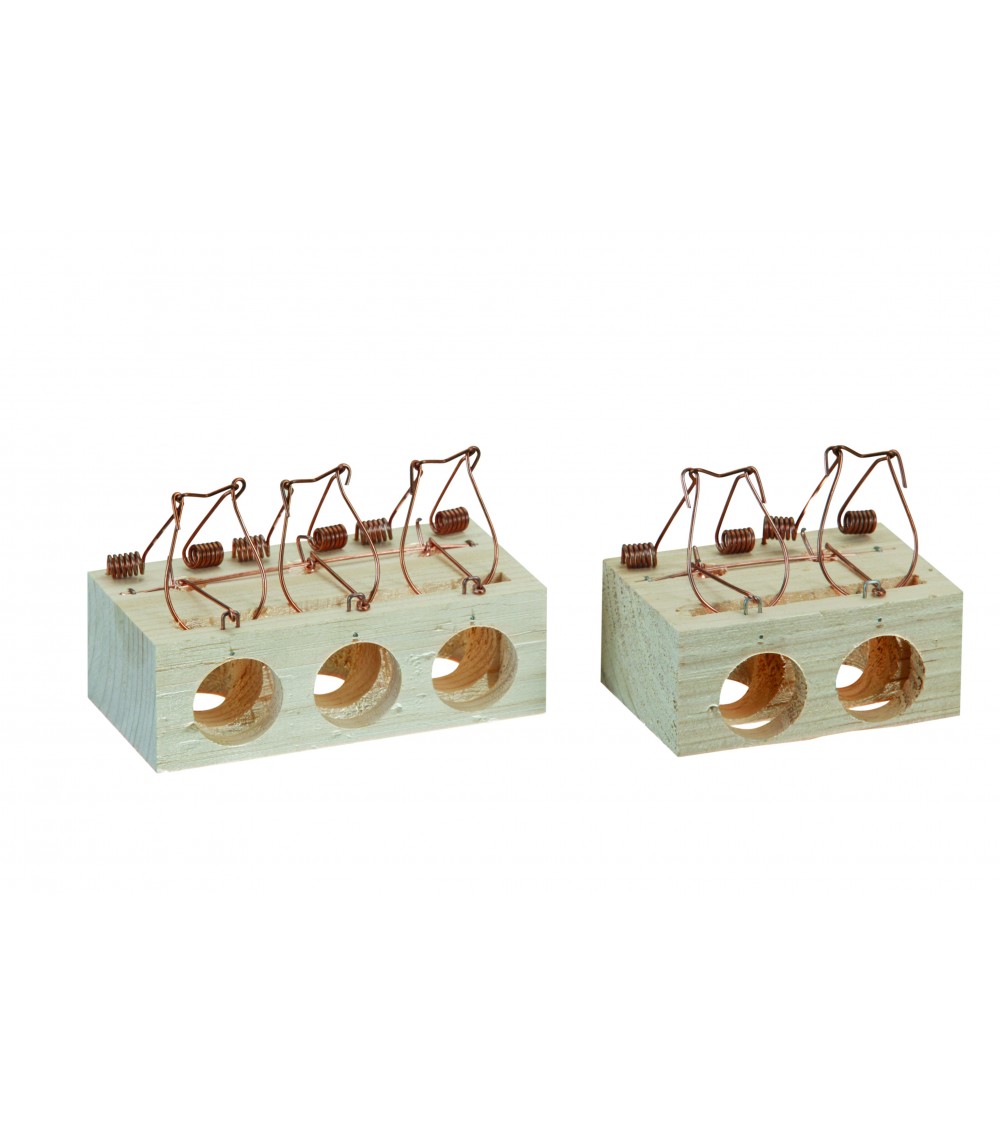
If you’ve ever watched a mouse lick peanut butter off a trap and walk away because you used too much, you already know the stuff is irresistible to rodents — and expiration doesn’t change that one bit. A small smear of expired peanut butter (about the size of a pea) on the bait pedal of a classic Victor snap trap is one of the most effective baits you can use. The strong smell draws them in, and the sticky texture forces them to work at it long enough to trigger the mechanism.
Use a thin layer rather than a glob — mice are surprisingly delicate eaters, and too much peanut butter lets them lick the surface without applying enough pressure to spring the trap. I keep a jar of the cheap stuff that’s long past its prime specifically for this purpose; it’s saved me from buying dedicated bait more than once.
6. Use It as a Shaving Cream
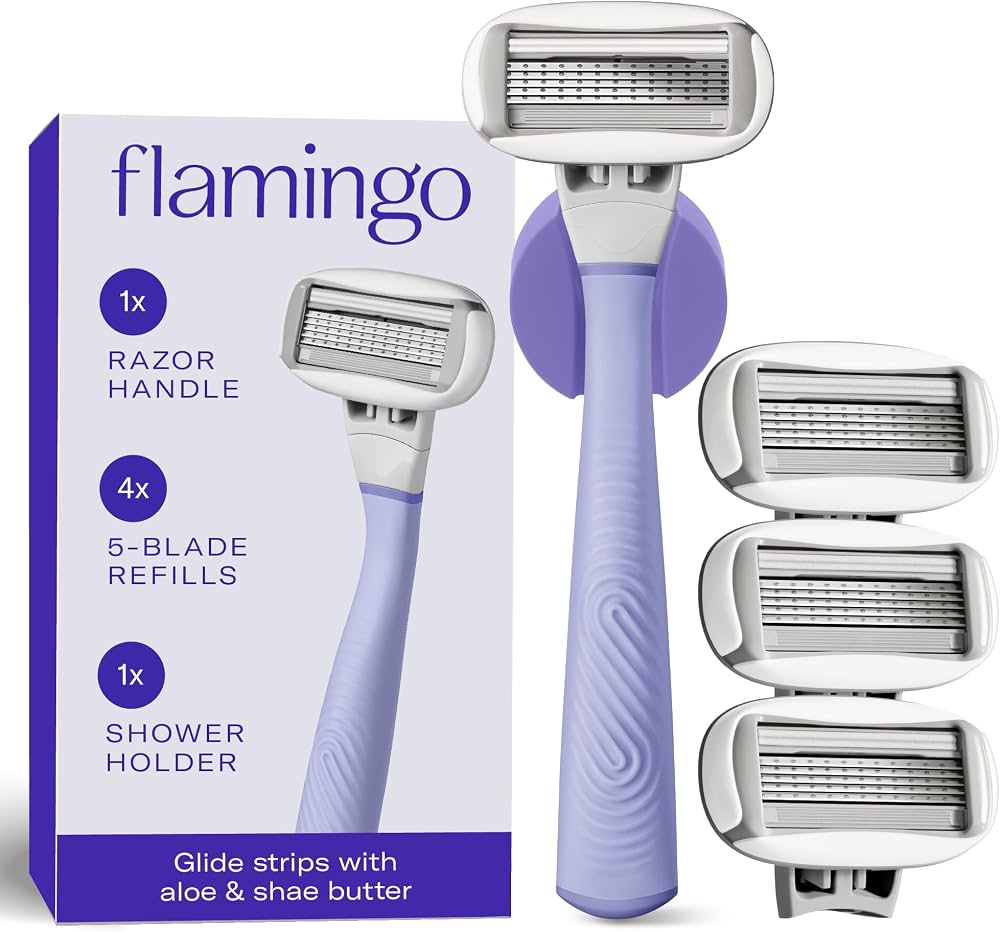
This one surprised me when I first read about it, but the logic holds up: peanut butter is a thick, oil-rich paste that creates a slick barrier between your skin and the blade, similar to how traditional shaving oils work. Spread a thin, even layer on the area you’re about to shave, and use your razor as you normally would. The oils help the blade glide smoothly, and the result is a surprisingly close shave without the irritation that some foams and gels cause.
Fair warning: it’s messy, and it does not smell like your usual shaving cream. This is a “the power’s out and I still need to shave” kind of hack, not an everyday routine.
If you have very sensitive skin or a peanut allergy in your household, skip this entirely. Rinse the razor thoroughly afterward — the oil and residue can gunk up the blades faster than standard cream does.
7. Polish Rusted Metal Hardware
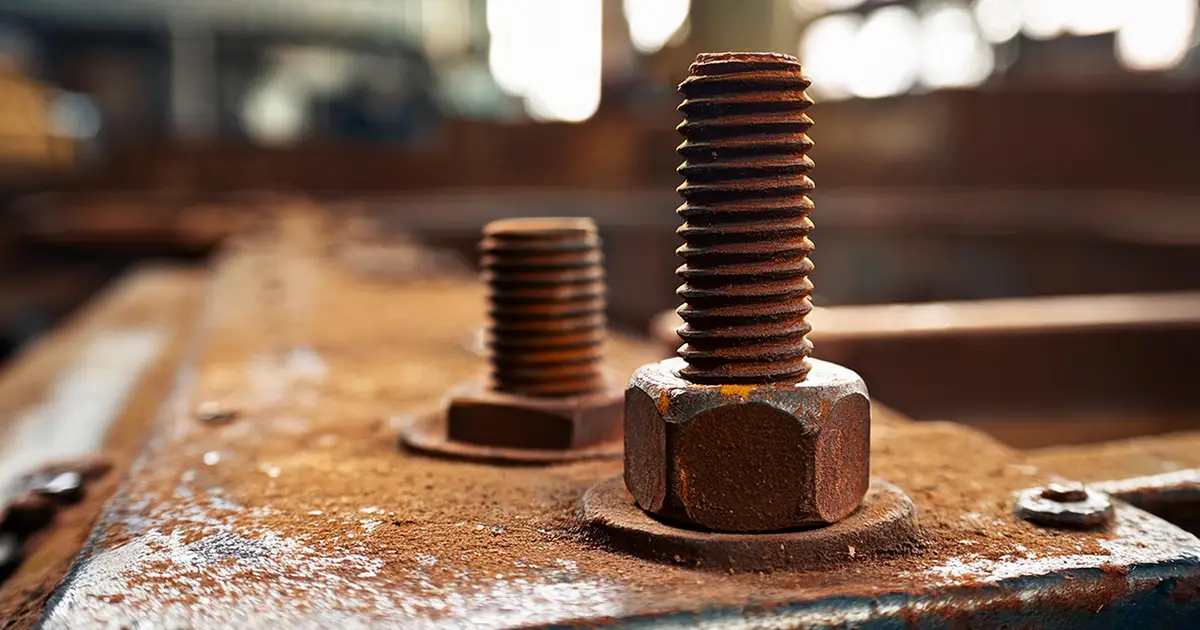
Peanut butter’s oils act as a mild lubricant and solvent on light surface rust, making it a decent spot-treatment for rusty hinges, bolts, drawer pulls, and small hardware. Rub a thin layer over the rusted area, let it sit for 30 minutes to an hour, then scrub with a stiff-bristled brush or steel wool and wipe clean. The oil helps loosen the rust’s grip on the metal, and the mild grit from the ground peanuts adds a little extra scrubbing power.
This won’t revive heavy, deep rust — you’ll want naval jelly or a white vinegar soak for that — but for light surface oxidation on door hinges or the exterior of a cast-iron pan, it does a passable job. I used it on a set of brass drawer pulls that had turned green and crusty, and while it didn’t make them showroom-new, it knocked back the worst of the tarnish enough that a quick follow-up with Brasso finished the job.
FAQ
How long after the expiration date is peanut butter still usable for these hacks?
Most peanut butter — whether natural or conventional — remains usable for months, sometimes a year or more, past the printed date if it’s been stored in a cool, dark pantry. The oils will eventually go rancid, which you can detect by a sharp, bitter, or paint-like smell. If it smells off, even these non-food uses aren’t worth pursuing, especially anything involving skin contact or animals.
Does natural peanut butter work better than conventional for these uses?
Not necessarily. Natural peanut butter (the kind that separates and needs stirring) tends to have a stronger oil content, which can be slightly more effective for conditioning and rust removal.
Conventional brands with stabilizers hold their texture longer but may leave more residue. For bait and bird feeders, it truly doesn’t matter — use whatever’s in the jar.
Can I use expired almond butter or other nut butters the same way?
In most cases, yes. Any nut butter shares the same basic property: it’s a thick, oil-rich paste.
Cashew butter, almond butter, and even sunflower seed butter will work for conditioning tasks, residue removal, and bird feeders. Just keep in mind that flavored or chocolate varieties have added sugars and other ingredients that could leave sticky residues of their own.
Is expired peanut butter safe to put on my skin?
As long as it hasn’t gone rancid — that telltale sharp or sour smell — and you don’t have a peanut allergy, expired peanut butter is generally safe for topical use. Do a small patch test on your inner wrist first, especially if the jar has been open for a long time, to make sure you don’t react to it. Wash it off thoroughly when you’re done.
That forgotten jar in the back of your pantry is more versatile than you’d think. Whether you’re feeding the birds, rescuing sticky messes, conditioning leather, or baiting a trap, expired peanut butter pulls its weight long after it’s stopped being sandwich-worthy.
Use your nose as your guide — if it smells genuinely rancid, it’s compost material. Everything else?
There’s plenty of life left in that jar.
Leave a Reply