
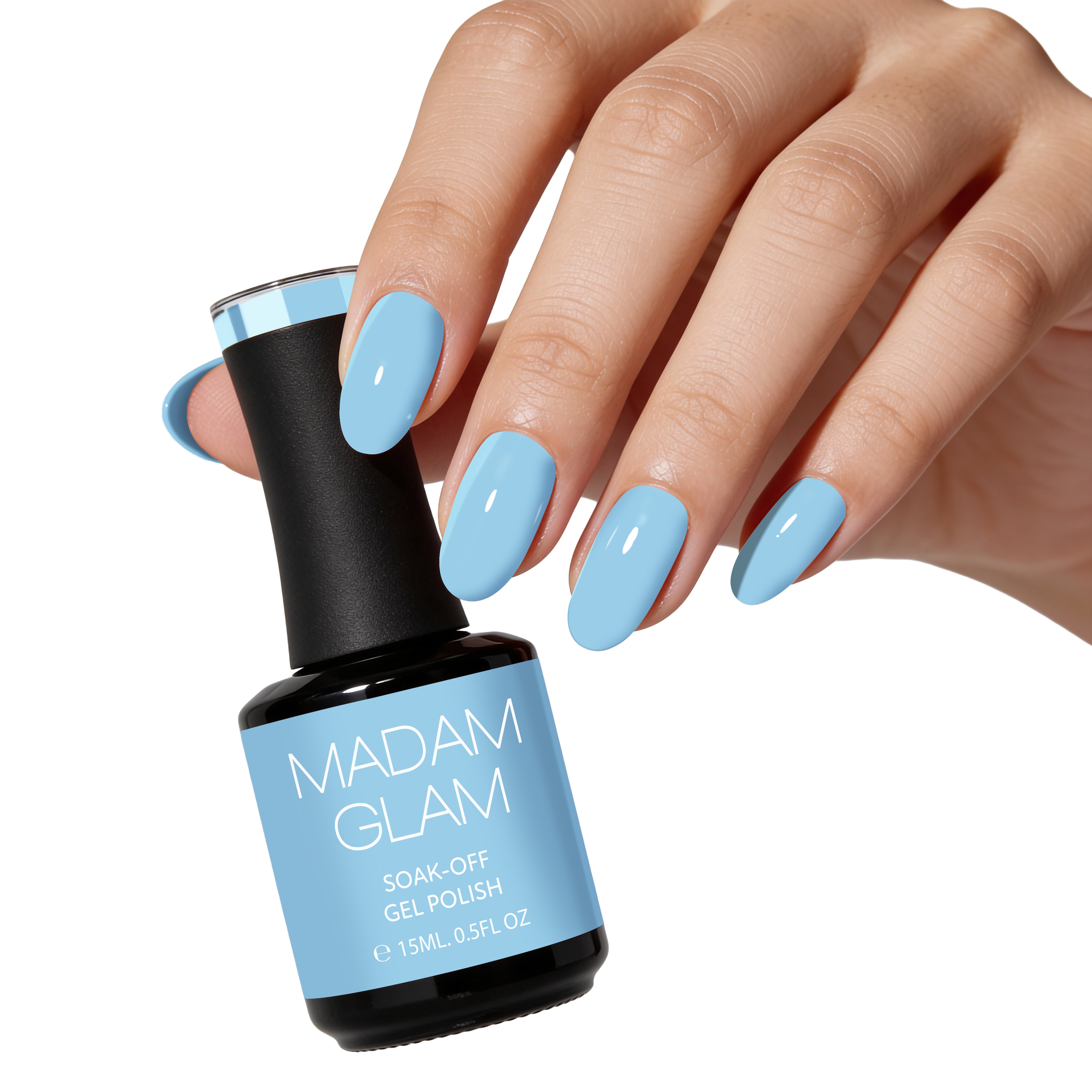
You know that drawer — the one with five half-used bottles of nail polish in shades you haven’t worn since 2019. Before you toss them, hang on.
Old nail polish is basically a tiny bottle of versatile sealant, paint, and protectant that works on way more than just fingernails. I’ve been stashing my dried-up shades for years and putting them to work all over the house, and honestly some of these tricks have saved me real money and hassle.
Here are nine ways to put those forgotten bottles back to real use.
1. Color-Code Your Keys
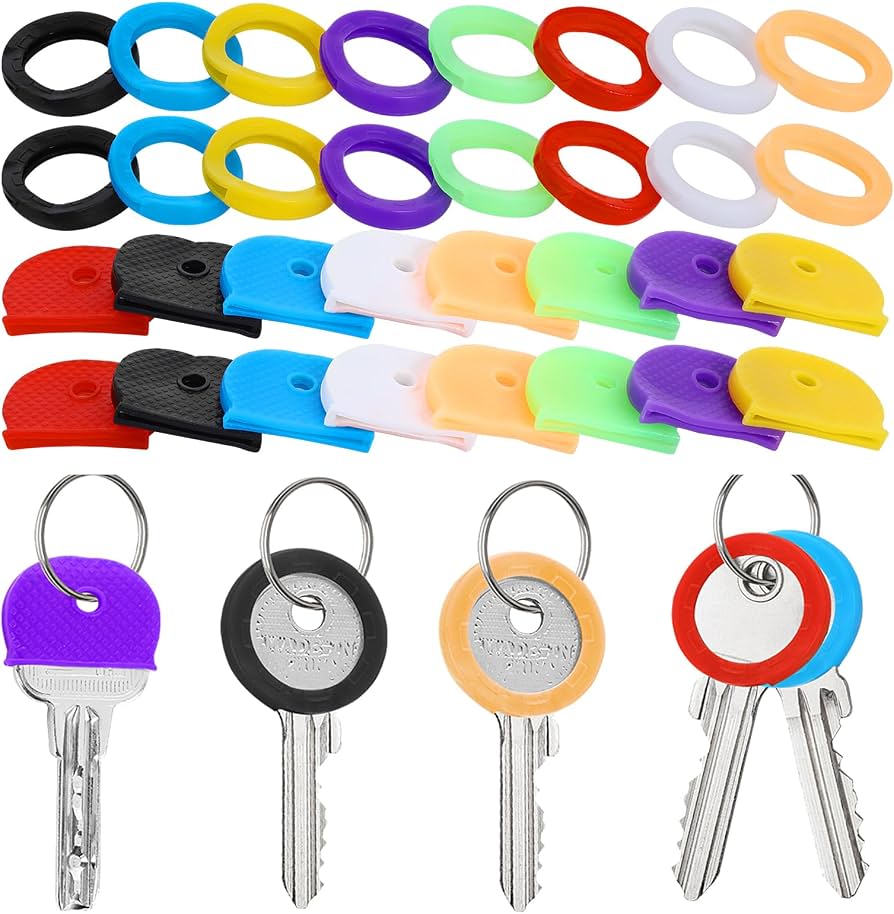
If you’ve ever stood at your front door fumbling through a ring of identical silver keys, you already know why this one’s a game-changer. One coat of bright polish on the head of each key — red for the front door, blue for the back, green for the garage — and you’ll grab the right one on the first try every time.
Brush on two thin coats, letting each dry for about five minutes. A dot of polish on the top edge of the key is enough; you don’t need to coat the whole head.
Avoid painting anywhere near the blade teeth, since thick polish buildup can interfere with the lock mechanism. A clear top coat over the color helps it last through months of daily use without chipping.
2. Touch Up Scratched Shoes and Bags
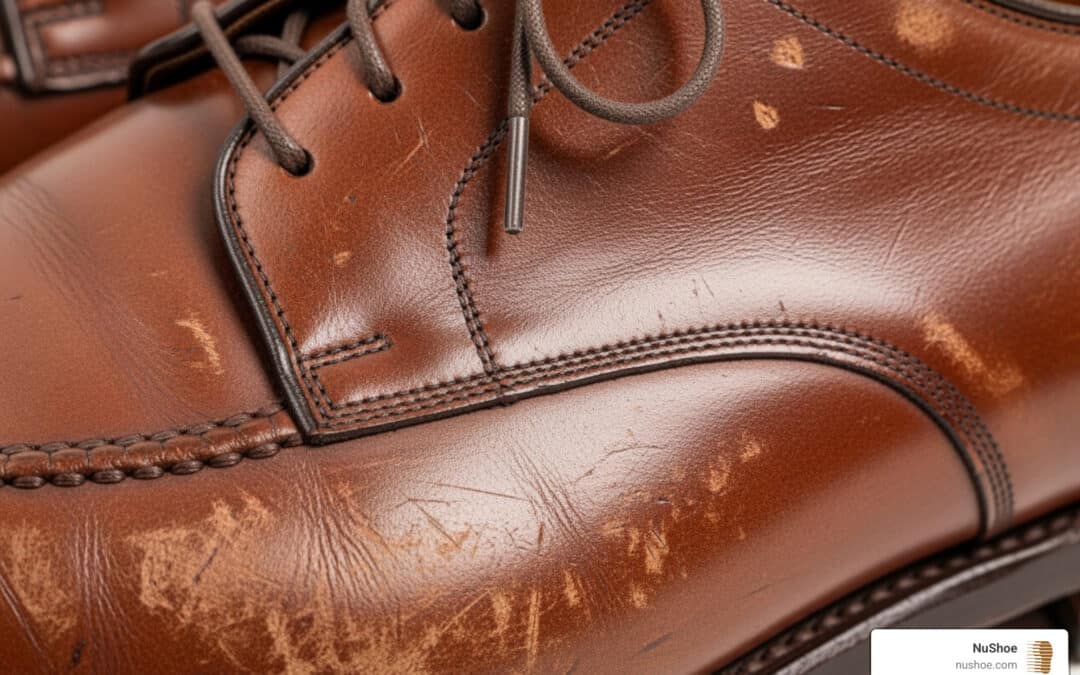
A scuff on a leather handbag or a scratch on patent leather shoes doesn’t mean you need a cobbler — it usually just means you need a matching bottle of polish. I’ve rescued a pair of black oxfords and a cognac tote this way, and unless someone’s looking six inches away, you’d never know they’d been touched up.
The trick is matching the color as closely as possible — matte shades work better on leather than glitter, obviously. Apply a thin layer with the polish brush or a small cotton swab for precision, let it dry completely, then buff lightly with a soft cloth.
Two thin coats beat one thick one, since heavy application will look shiny and obvious against the leather’s natural finish. Always test on a hidden spot first, like the underside of a strap or inside a shoe tongue, to make sure the polish doesn’t discolor the material.
3. Seal Fraying Shoelace Ends
Once the plastic aglet on a shoelace snaps off, the whole thing starts unraveling into a fuzzy mess. Nail polish is the fastest fix I’ve found for this.
Roll the frayed end between your fingers to tighten the fibers, then dip it straight into the polish bottle or brush on a generous coat. Let it dry for ten minutes, and you’ve got a solid, flexible seal that acts just like the original aglet.
Clear polish is the obvious choice since it’s invisible, but honestly any color works — nobody’s inspecting your shoelace tips. Apply two or three coats for a firm hold, twisting the lace gently between each one so the polish penetrates all the fibers.
This works on cotton, nylon, and polyester laces. It also works beautifully on fraying drawstrings, ribbon ends, and even the pull cords on window blinds.
4. Protect Costume Jewelry from Tarnishing

That $8 statement necklace looked gorgeous for about two weeks before it started turning your neck green. The fix is a thin coat of clear nail polish applied to every surface that touches skin — the back of the pendant, the inside of the band, the clasp itself.
The polish creates a barrier between the metal alloy and your skin’s oils and moisture, which is what causes the tarnishing and the green marks. Brush on one thin layer, let it dry for fifteen minutes, then add a second.
Reapply every few months or whenever you notice the coating wearing thin. One bottle of clear polish will protect an entire costume jewelry collection for years.
Just don’t submerge the piece in water afterward — the barrier only holds up against normal wear.
5. Waterproof Matches for Camping
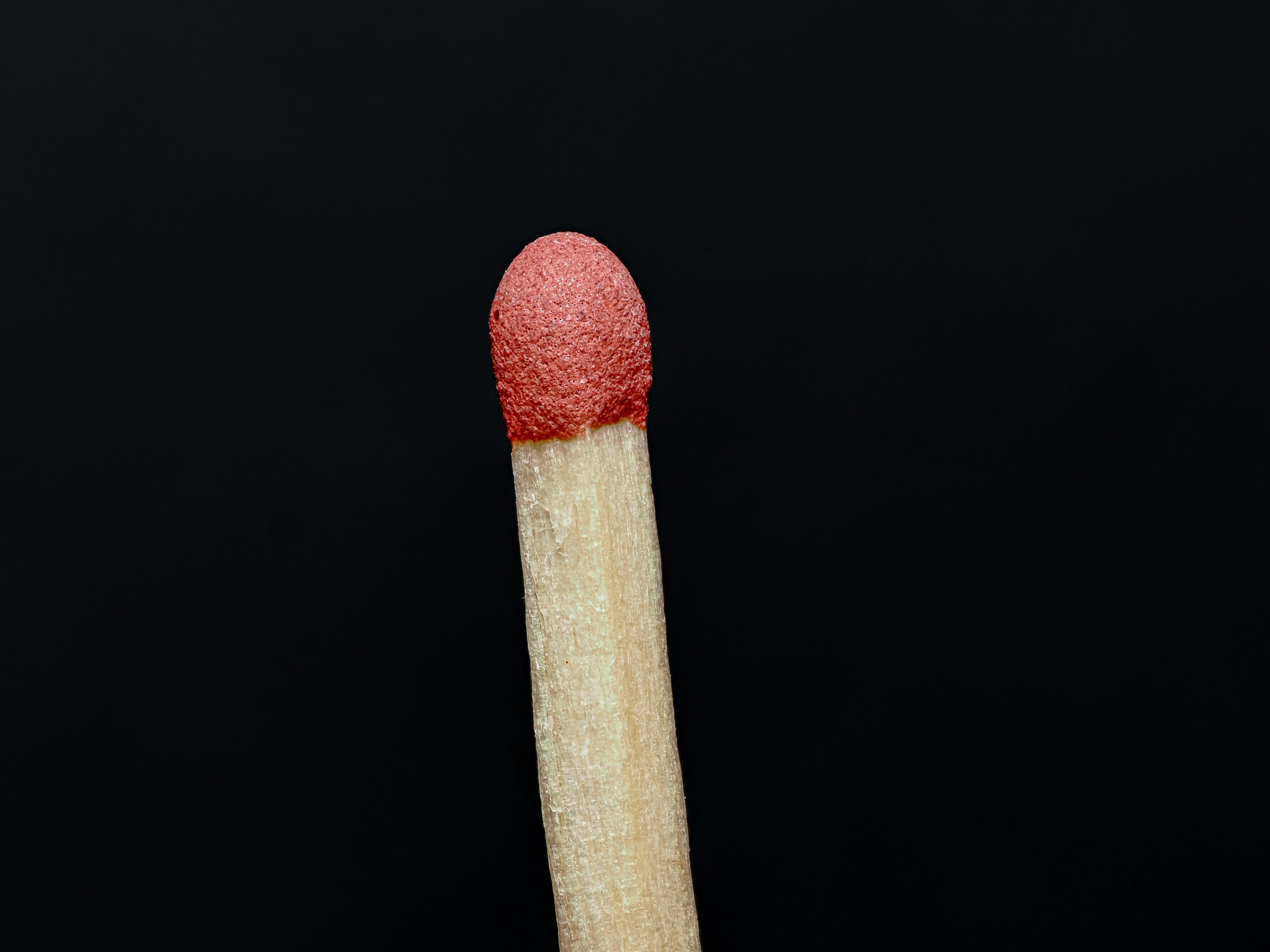
This one’s old-school camping advice that actually works. Dip the heads of wooden strike-anywhere matches into clear or colored nail polish, coating them about halfway up the match head. Let them dry completely — at least an hour — and the polish seals the head against moisture so your matches will still light even after a rainstorm or a splash in your pack.
- ✦Thin coats only — a heavy glob will make them harder to ignite
- ✦Strike-anywhere matches respond better than safety matches, which need the specific striking strip on the box
- ✦Store treated matches in a small waterproof container like an Altoids tin or a zip-top bag
I keep a tin of these in my glove box and my camping kit, and they’ve worked reliably for years.
6. Stop a Small Windshield Crack from Spreading
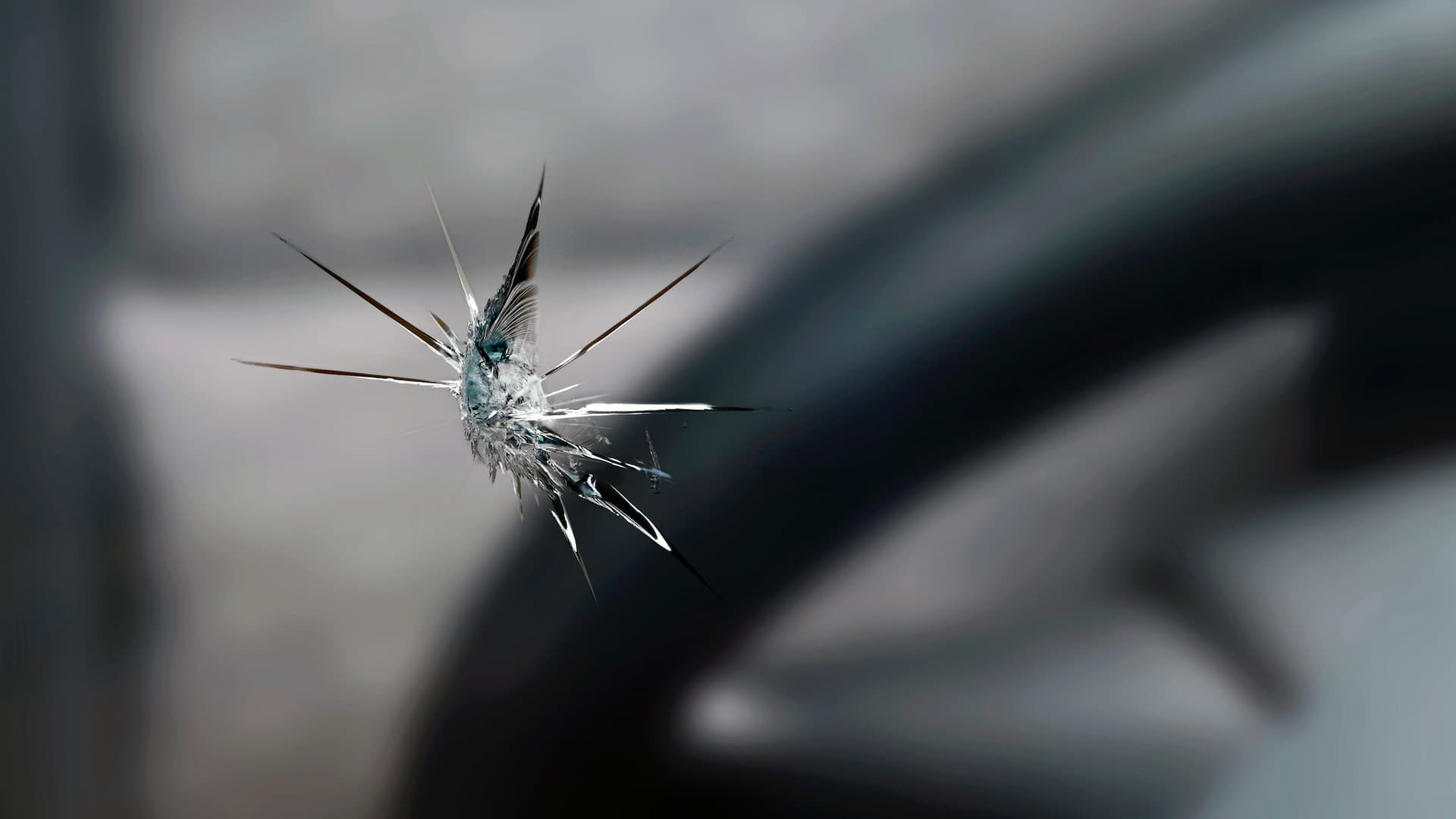
A tiny chip in your windshield isn’t an emergency, but it will turn into one if you ignore it — temperature changes and road vibration make cracks grow fast. While you’re waiting to get it professionally fixed, a coat of clear nail polish on both sides of the glass can slow the spread dramatically.
Clean the area first, then brush a thin layer of polish directly over the crack on the outside surface and let it dry completely. The polish fills the tiny fissure and bonds the edges together enough to resist further splitting.
This is a temporary measure — you should still get the windshield repaired — but it can buy you weeks instead of days. I’ve used this trick twice on small chips, and both times the crack held steady until my repair appointment.
7. Label Tangled Cords and Cables
Behind your TV, under your desk, at the charging station — every home has a nest of black cables that all look identical. A stripe or dot of nail polish on each plug end lets you identify which cord goes to which device without having to trace the whole thing back.
Use a different color for each device, or assign one color per category — blue for entertainment, yellow for charging, red for things you should never accidentally unplug. A single stripe across the plug housing is enough.
Let it dry fully before plugging back in. This is faster than buying a label maker or cable tags, and the polish won’t peel off a smooth plastic surface the way a sticker eventually will.
8. Patch Small Holes in Window Screens
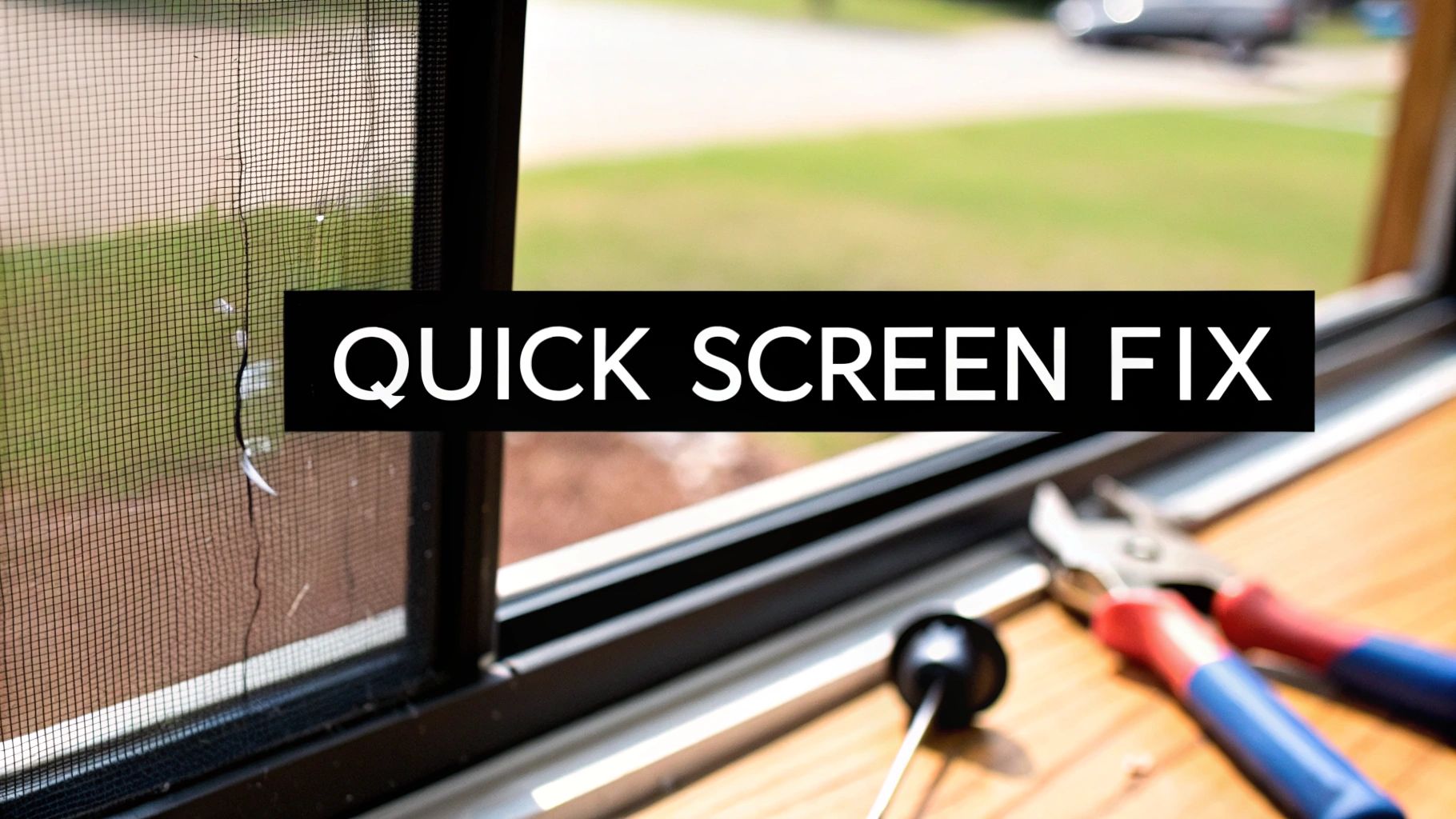
A tiny hole or tear in a window screen doesn’t require replacing the whole thing — a dab of clear nail polish can patch it before it spreads. Brush the polish across the damaged area, working it into the mesh fibers. The polish bonds the screen material together and hardens into a flexible seal that keeps bugs out.
This works best on holes smaller than a pencil eraser. For slightly larger tears, apply the polish in layers, letting each coat dry before adding the next, until you’ve built up enough to bridge the gap.
It holds up surprisingly well through temperature swings and rain. I patched a screen on my kitchen window three summers ago, and the repair is still going strong.
9. Fix a Stripped Screw Hole
When a screw just spins in a hole that’s been chewed out — a common problem with cabinet hinges and doorknobs — nail polish can fill the gap and restore the grip. Brush a coat of polish inside the stripped hole and on the screw threads, then drive the screw back in while the polish is still wet. As it hardens, it acts as an adhesive filler that grips both the screw and the surrounding material.
Let it cure for at least an hour before putting any weight on it, and overnight is better. This works for small to medium screws in wood, particleboard, and drywall anchors.
For really badly stripped holes, you might need two applications. It’s not a permanent structural fix — wood glue with toothpicks or a proper anchor kit will always be more durable — but for light-duty repairs like a loose hinge plate or a wobbly cabinet pull, it absolutely holds.
FAQ
Can you use expired nail polish for these hacks?
Yes. Nail polish doesn’t really “expire” the way food does — it just gets thick and goopy over time.
If yours has dried out, add a few drops of nail polish thinner (not acetone, which breaks down the formula) and shake it well. Even partially thickened polish works fine for most of these applications.
Does clear nail polish work the same as colored?
For most of these tricks, clear polish is actually preferable since it’s invisible on surfaces where you don’t want a color showing through. Colored polish shines for things like key-coding and cable labeling, where you want the visual distinction to be obvious at a glance.
Will nail polish damage the surfaces I’m using it on?
On most hard, non-porous surfaces — metal keys, plastic cables, glass — nail polish sits on top without causing any damage. On leather, fabric, and painted surfaces, test a hidden spot first, since the solvents in polish can occasionally discolor or soften certain materials. And never use it on anything that comes into prolonged contact with food or that will be heated.
How long does nail polish last once applied to non-nail surfaces?
Depending on the surface and the wear it gets, a nail polish application can last anywhere from a few months to a few years. Jewelry coatings and key colors tend to hold up for six months to a year under normal use. Screen patches and windshield crack seals can last indefinitely in low-stress conditions.
That old nail polish doesn’t have to sit in a drawer collecting dust. Whether you’re fixing, protecting, or organizing, those tiny bottles are surprisingly useful tools to keep around the house. Pick the idea that solves a problem you actually have, try it this weekend, and you’ll wonder why you ever considered throwing that polish away.
Leave a Reply