
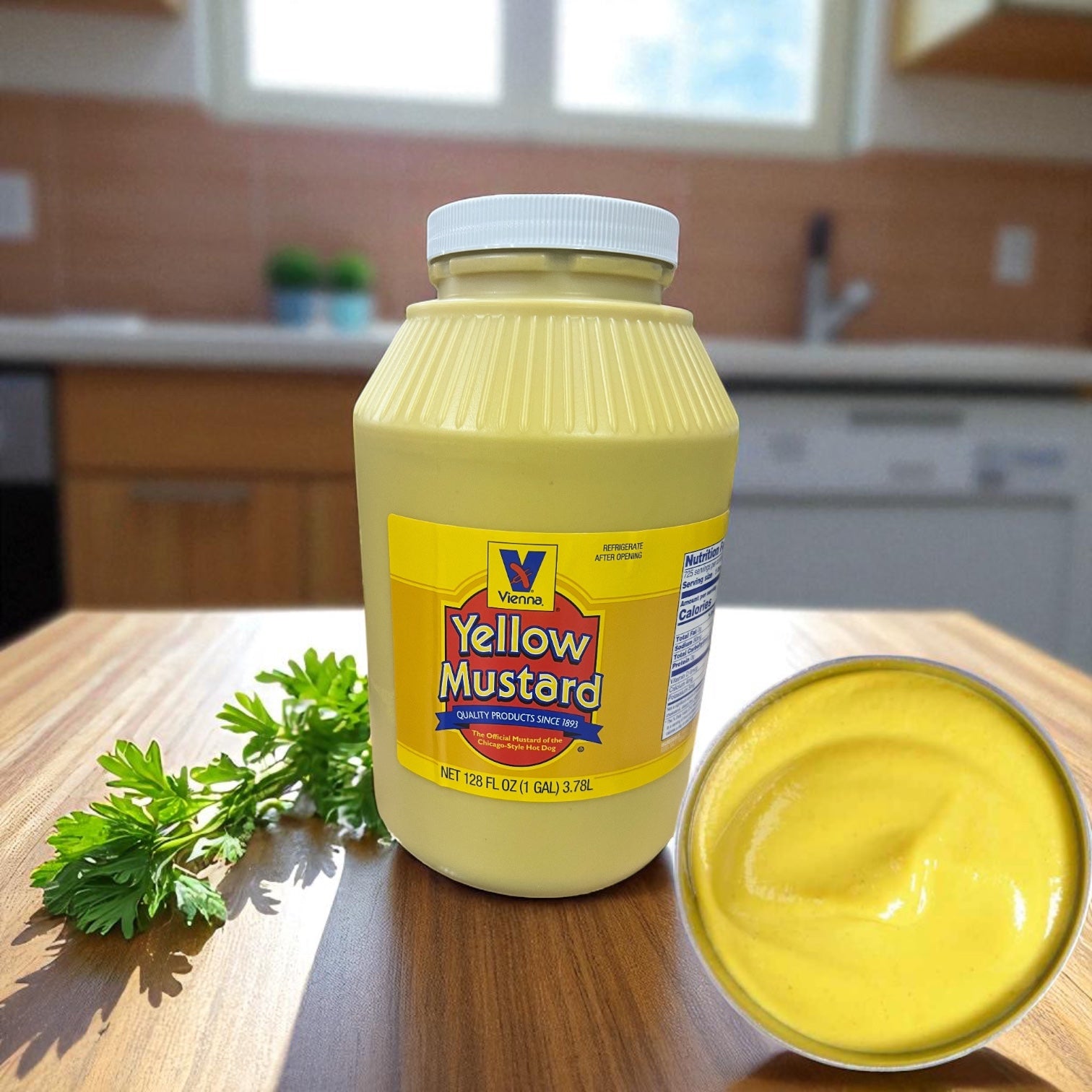
You know that jar of French’s sitting in the back of your fridge, the one you bought for last summer’s cookout and forgot about? It’s technically past its “best by” date, and you feel guilty tossing it — mustard isn’t exactly expensive, but wasting food still stings.
Here’s the good news: mustard’s secret weapon is its acidity, and that doesn’t disappear when the date on the label passes. As long as it smells normal and hasn’t grown anything fuzzy, you’ve got a surprisingly versatile household helper on your hands.
I’ve been saving expired mustard for years, and these are the six uses that actually hold up.
1. Polish Copper and Brass Hardware
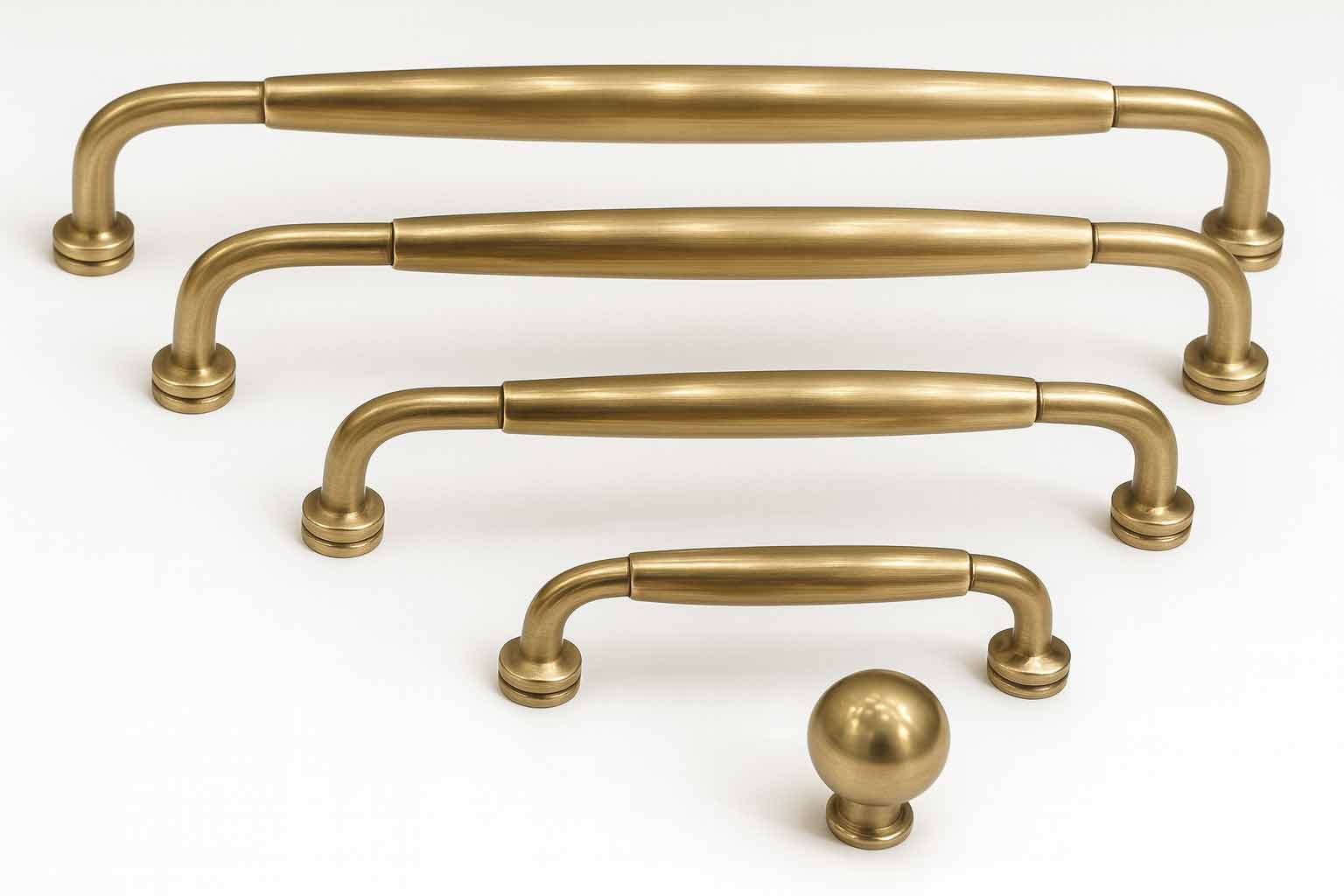
Mustard’s acidity — from the vinegar and mustard seed oils — is just strong enough to dissolve tarnish without stripping the patina the way commercial polish sometimes does. I’ve used it on everything from vintage brass drawer pulls to copper-bottomed pots, and the results are honestly comparable to a product like Bar Keeper’s Friend, just slower.
Smear a thin layer of mustard directly onto the tarnished surface and let it sit for 20–30 minutes. Wipe it off with a soft cloth (an old cotton t-shirt works great), then rinse and buff dry.
For heavily tarnished pieces, you may need a second round — I once did three applications on a set of antique brass door hinges before they started to gleam. Just skip this on lacquered brass, which you’ll recognize by a uniform shiny coating that doesn’t tarnish; the mustard won’t do anything useful there and could damage the finish.
2. Tenderize Meat for Grilling

This one barely counts as “using up” expired mustard, honestly — if it still tastes fine (and most mustard stays good well past the printed date), it works identically to fresh in a marinade. The natural enzymes in mustard seed break down surface proteins on beef, pork, and chicken, leaving you with more tender, flavorful meat.
Mix about two tablespoons of mustard with a splash of olive oil, a crushed garlic clove, and whatever herbs you like (I go heavy on rosemary for steaks). Coat your meat, cover it, and refrigerate for at least two hours — overnight is better.
The mustard won’t leave a strong flavor behind once it’s cooked; it mellows into something savory and barely detectable. One thing to know: mustard-based marinades brown faster than plain oil ones because of the sugars, so keep your heat slightly lower than usual on the grill to avoid charring before the inside is done.
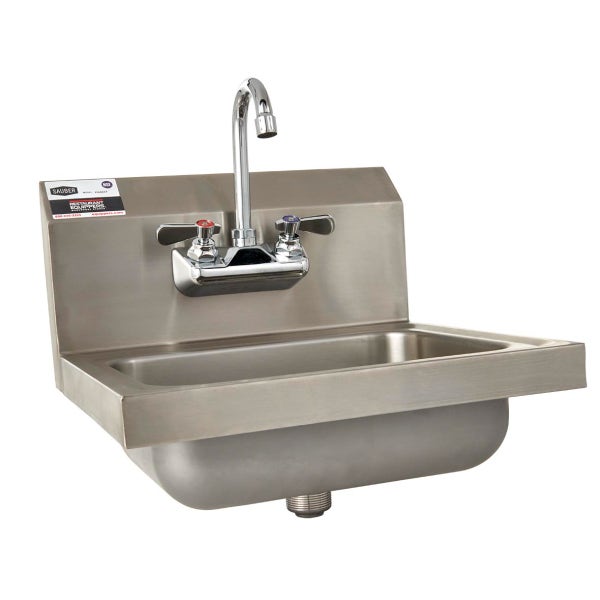
3. Clean Stainless Steel Sinks and Appliances
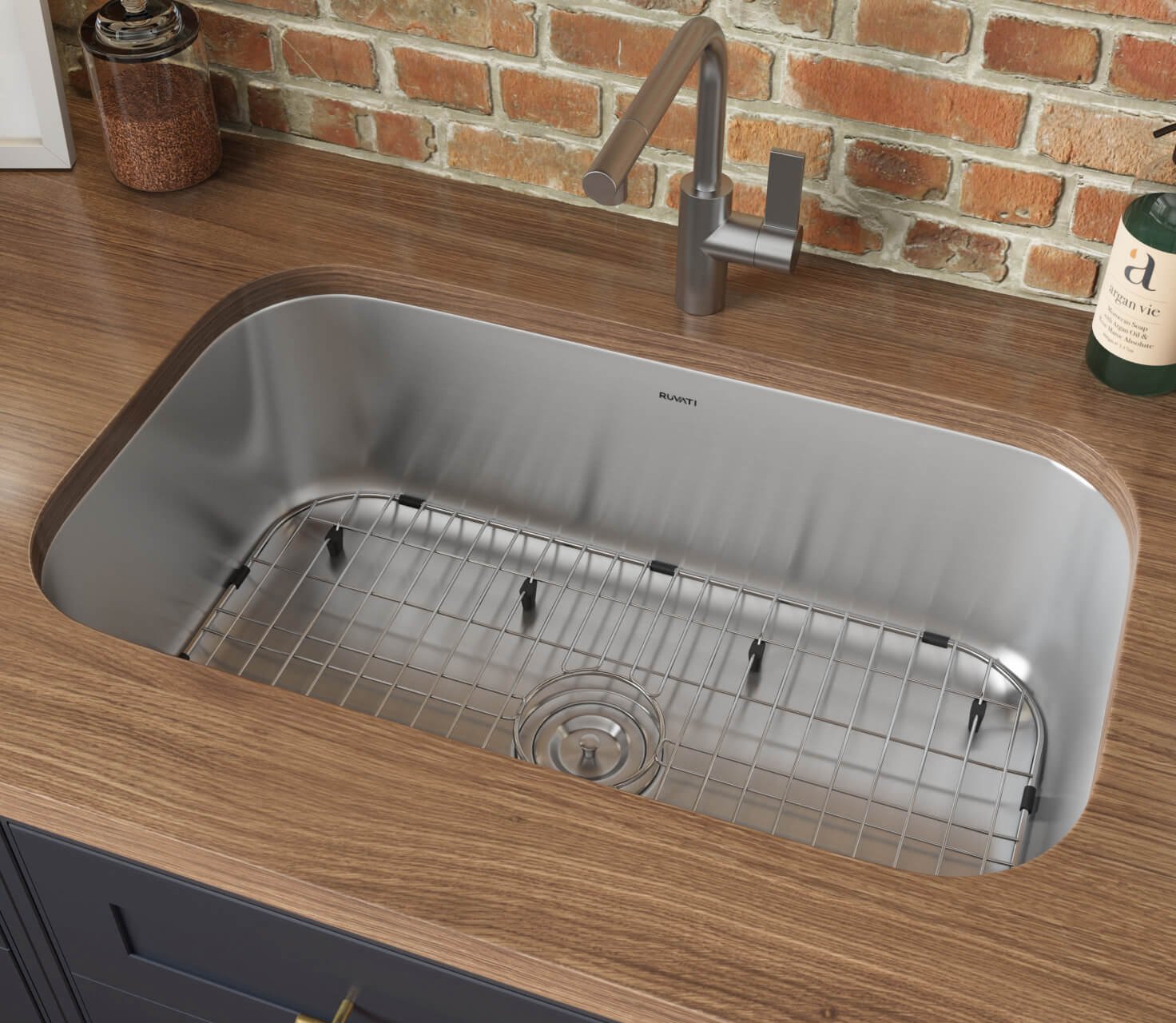
If your stainless steel sink has that dull, streaky look that nothing but constant wiping seems to prevent, expired mustard is a surprisingly effective fix. The acidity cuts through the mineral deposits and light grime that cause that cloudy haze.
Spread a thin layer of mustard over the surface with a sponge, let it sit for about ten minutes, then scrub gently in the direction of the grain — always with the grain on stainless, never circles. Rinse thoroughly with warm water and dry with a microfiber cloth.
I’ve also used this on the outside of my dishwasher door and a stainless trash can with good results. It won’t remove deep scratches or rust spots — those need a more aggressive approach — but for general buildup and dullness, it’s genuinely good, and you don’t have to worry about harsh fumes.
4. Boost Your Compost Pile
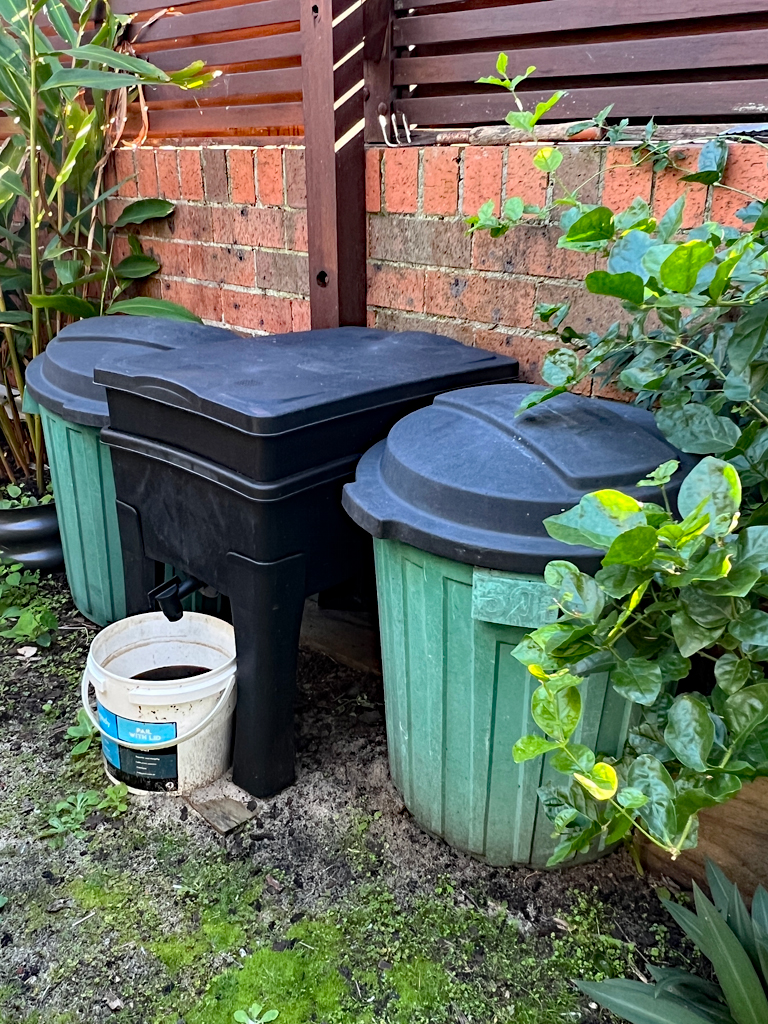
Mustard is full of organic matter and trace nutrients, which is exactly what your compost bin is hungry for. Expired mustard gets poured right into my compost tumbler whenever a jar goes past its prime — the vinegar actually helps break down other materials in the pile slightly faster.
Just don’t dump the whole jar in one spot; spread it around so it doesn’t create a concentrated acidic pocket that could slow down the beneficial bacteria. Mix it into the center of the pile where decomposition is most active, and cover it with a layer of brown material like dried leaves or shredded cardboard to keep things balanced.
If your compost tends toward wet and slimy (common in winter), the mustard’s thickness can actually help absorb some of that excess moisture. One jar’s worth is negligible in a full bin, so don’t expect miracles — think of it as free nitrogen rather than a compost cure-all.
5. Remove Strong Odors from Your Hands
After cleaning fish, handling garlic, or working with onions, sometimes soap alone can’t get the smell out of your skin. Mustard can.
The oils in mustard seed bind to odor-causing compounds in a way that water and soap struggle to, similar to how stainless steel “soap bars” work but in paste form. Squeeze a tablespoon of mustard into your palm, add a few drops of water, and rub your hands together for 30–60 seconds like you’re using hand soap — pay attention to under your nails and between your fingers where smells hide.
Rinse with warm water. Your hands will smell faintly of mustard for a minute, but that dissipates fast and takes the fish or onion smell with it.
I’ve used this after handling raw garlic (my personal nemesis) and it works better than lemon juice, which is my usual go-to.
Does mustard leave its own smell on your hands?
Not really — any faint mustard scent fades within a few minutes and washes away completely with a second round of soap and water. It’s nowhere near as persistent as the odors you’re trying to remove.
6. Amend Acid-Loving Garden Soil
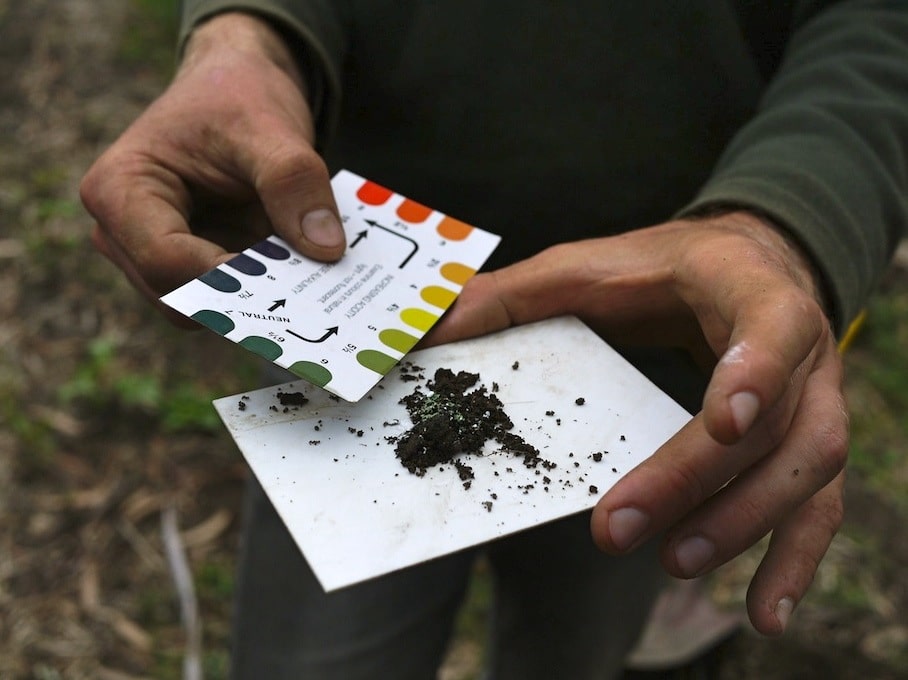
If you grow blueberries, azaleas, hydrangeas, or other acid-loving plants, expired mustard can give your soil a tiny acidity boost. The vinegar in mustard lowers pH in small increments, and the mustard seed meal adds organic matter that beneficial soil microbes love.
Work a thin layer of mustard into the top few inches of soil around the base of your plants — maybe two to three tablespoons per plant — and water it in well. This isn’t a substitute for proper soil amendments like sulfur or peat moss; it’s more of a gentle top-up between formal treatments.
I use it around my container blueberries every few months when I have a jar to spare. Don’t overdo it: dumping large quantities of any vinegar-based product directly on roots can cause burn, so treat this as a supplement, not a solution.
Frequently Asked Questions
Is expired mustard safe to use on skin and around the house?
As long as the mustard doesn’t have mold, an off smell, or visible separation that looks unusual, it’s perfectly safe for household and skin uses. Mustard’s low moisture content and acidity make it inhospitable to most harmful bacteria. The “best by” date is about peak flavor, not safety.
How long does mustard actually last past its expiration date?
Unopened yellow mustard typically stays good for a year or more past the printed date. Opened, it holds up in the fridge for 12–18 months with no noticeable quality loss.
Dijon and whole-grain mustards last similarly. If it smells sour in an unpleasant way or the color has changed dramatically, toss it.
Can I use expired mustard in cooking, or only for non-food uses?
If the mustard passes the smell and appearance test, it’s absolutely fine for cooking. “Best by” dates aren’t expiration dates in the food-safety sense — they’re the manufacturer’s estimate of peak quality. I’ve used mustard three or four months past its date in dressings, marinades, and deviled eggs with zero issues.
Will mustard stain my counters or clothes?
Yellow mustard contains turmeric, which can leave a faint yellow stain on porous surfaces like marble or light-colored grout. It can also stain fabric.
Test on an inconspicuous area first, and avoid using it on anything you can’t rinse thoroughly. On stainless steel, glass, and sealed countertops, it wipes away cleanly.
Expired mustard doesn’t deserve a spot in your trash can — at least not until you’ve squeezed a little more value out of it. From polishing hardware to boosting your compost, that humble jar can earn its keep long after its best days are behind it. Next time you’re cleaning out the fridge, give it a second life instead of a send-off.
Leave a Reply