
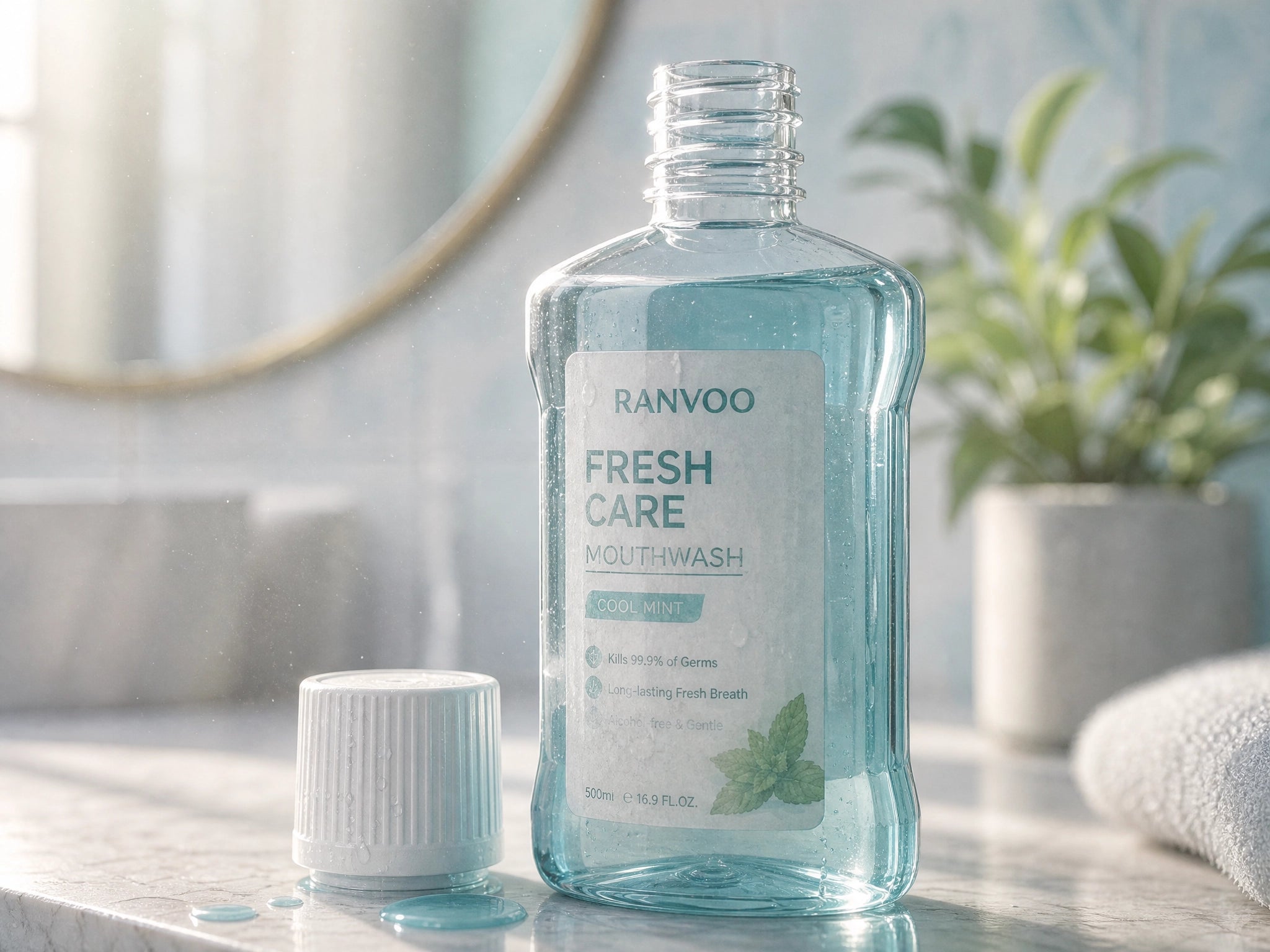
That bottle of mouthwash sitting in the back of your medicine cabinet past its prime? Don’t pour it down the drain just yet.
While it may no longer be effective for freshening your breath, its antiseptic, antibacterial, and alcohol-based properties make it a surprisingly powerful tool for a variety of household tasks. From disinfecting surfaces to solving personal care dilemmas, that expired mouthwash is about to become your new secret weapon.
Here are seven surprising ways to put it to good use.
1. Disinfect and Clean Your Toilet Bowl
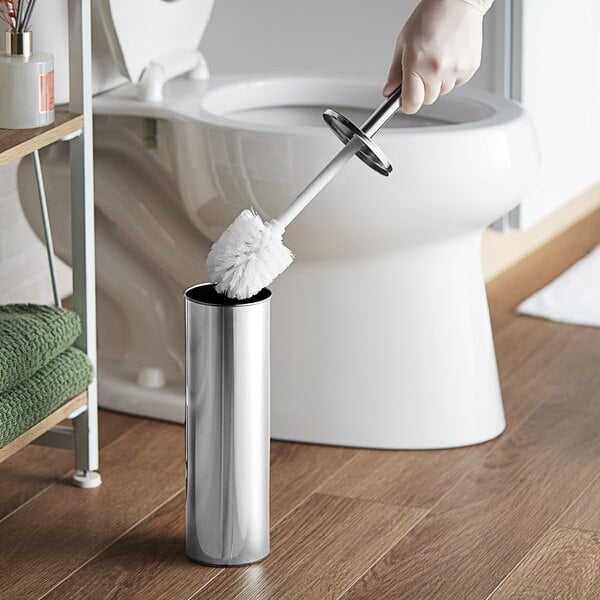
The antibacterial properties in mouthwash, like cetylpyridinium chloride, make it a great toilet bowl cleaner. Simply pour about a half cup of mouthwash directly into the bowl.
Let it sit for at least 30 minutes to allow the antiseptic agents to work on germs and stains. Then, scrub with your toilet brush and flush.
It helps break down grime and leaves a fresh, minty scent behind. For tough rings, let it sit for a few hours or overnight before scrubbing.
2. Sanitize a Smelly Trash Can
Even after emptying the bag, trash cans can harbor odor-causing bacteria. Mix equal parts mouthwash and water in a spray bottle.
Generously spray the inside of the empty can, paying special attention to the bottom and any seams. Let the solution sit for 15-20 minutes to disinfect, then wipe it out with a clean cloth or paper towels.
The alcohol evaporates quickly, leaving the bin sanitized and odor-free.
3. Treat Dandruff and an Itchy Scalp
This is one of my favorite surprising uses. The antiseptic and anti-fungal agents in mouthwash can help combat the yeast-like fungus (Malassezia) often linked to dandruff.
After shampooing, pour a mixture of one part mouthwash and two parts water over your scalp. Massage it in, let it sit for a few minutes, then rinse thoroughly.
It can help reduce flaking and itchiness.
- ✦Best for: Mild dandruff caused by fungus.
- ✦Not for: Seborrheic dermatitis or psoriasis; consult a dermatologist.
- ✦Caution: Avoid if you have any scalp cuts or sores.
4. Boost Your Laundry’s Cleanliness
Adding a cup of alcohol-based, antiseptic mouthwash to your washing machine’s bleach dispenser or directly into the drum can help disinfect your laundry. This is especially useful for gym clothes, towels, and linens that need a little extra germ-killing power.
It helps kill bacteria that can survive a regular wash cycle and cause persistent odors. Use it alongside your regular detergent, not as a replacement.
5. Clean and Shine Glass and Mirrors
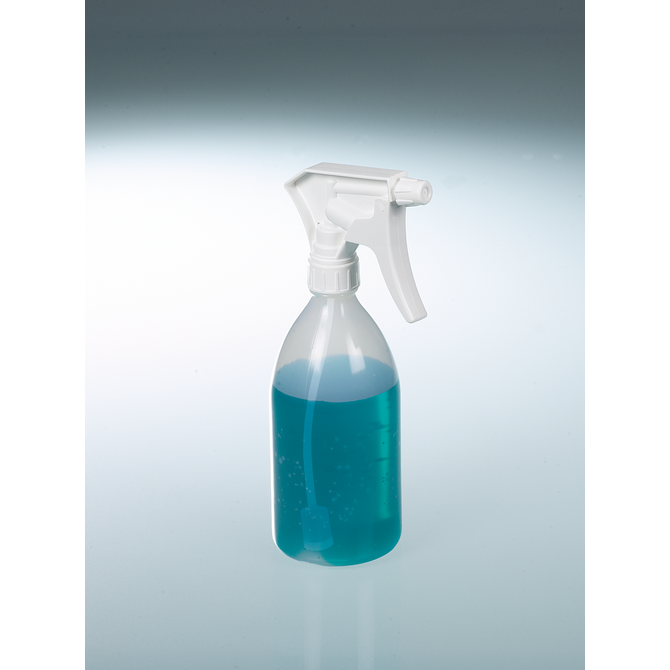
The alcohol content in mouthwash is the same kind of active cleaning ingredient found in many commercial glass cleaners. Mix one part mouthwash with two parts water in a spray bottle.
Spray it onto mirrors, glass tables, or inside glass shower doors, and wipe clean with a lint-free microfiber cloth or newspaper. It cuts through fingerprints and soap scum effectively, leaving a streak-free shine.
Always test on a small area first.
6. Freshen Feet and Sanitize Pedicure Tools

Soaking your feet in a mixture of one part mouthwash to two parts warm water for 15-20 minutes can help kill odor-causing bacteria and soften calluses. The antiseptic properties make it a great foot soak. You can also use it to sanitize your nail clippers, files, and cuticle pushers—just let them soak for a few minutes, then rinse and dry completely to prevent rust.
7. Use It as a Natural Weed Killer (Use with Caution)
For weeds sprouting in sidewalk cracks or patio pavers, mouthwash can be a potent spot-treatment. The high alcohol and antiseptic content can dry out and kill small, young weeds.
Fill a spray bottle with full-strength mouthwash and spray directly onto the weed’s leaves on a sunny, dry day. This is a non-selective killer, meaning it will harm any plant it touches, so be extremely precise.
It’s not suitable for garden beds or lawns.
Frequently Asked Questions
Can I use any type of expired mouthwash?
For most cleaning and disinfecting uses, an alcohol-based antiseptic mouthwash (like the classic minty, amber-colored types) is most effective. Mouthwashes that are alcohol-free or designed primarily for teeth whitening or sensitivity may not have the same germ-killing punch for these tasks.
Is it safe to use expired mouthwash for personal care?
Generally, yes, for external use like a scalp rinse or foot soak. Mouthwash doesn’t “spoil” like food; its expiration date is simply when the manufacturer can guarantee its effectiveness for oral hygiene.
The active ingredients remain potent enough for other uses long after that date. Avoid internal use or contact with eyes.
Will these methods leave a strong minty smell?
The scent typically dissipates quickly, especially with cleaning tasks where you’re rinsing or wiping the surface. For laundry or garbage cans, the initial minty smell fades as it dries, leaving behind a fresh, clean scent rather than a powerful odor.
How long does expired mouthwash remain effective for these hacks?
Stored properly (cool, dark place, lid tight), the antiseptic properties can remain effective for years. If the liquid has changed color, separated, or developed an off odor, it’s best to discard it.
Give these ideas a try before you toss that old bottle. You might be surprised at how versatile that minty blue liquid really is—it’s far more than just a mouth rinse. Happy cleaning!
Leave a Reply