
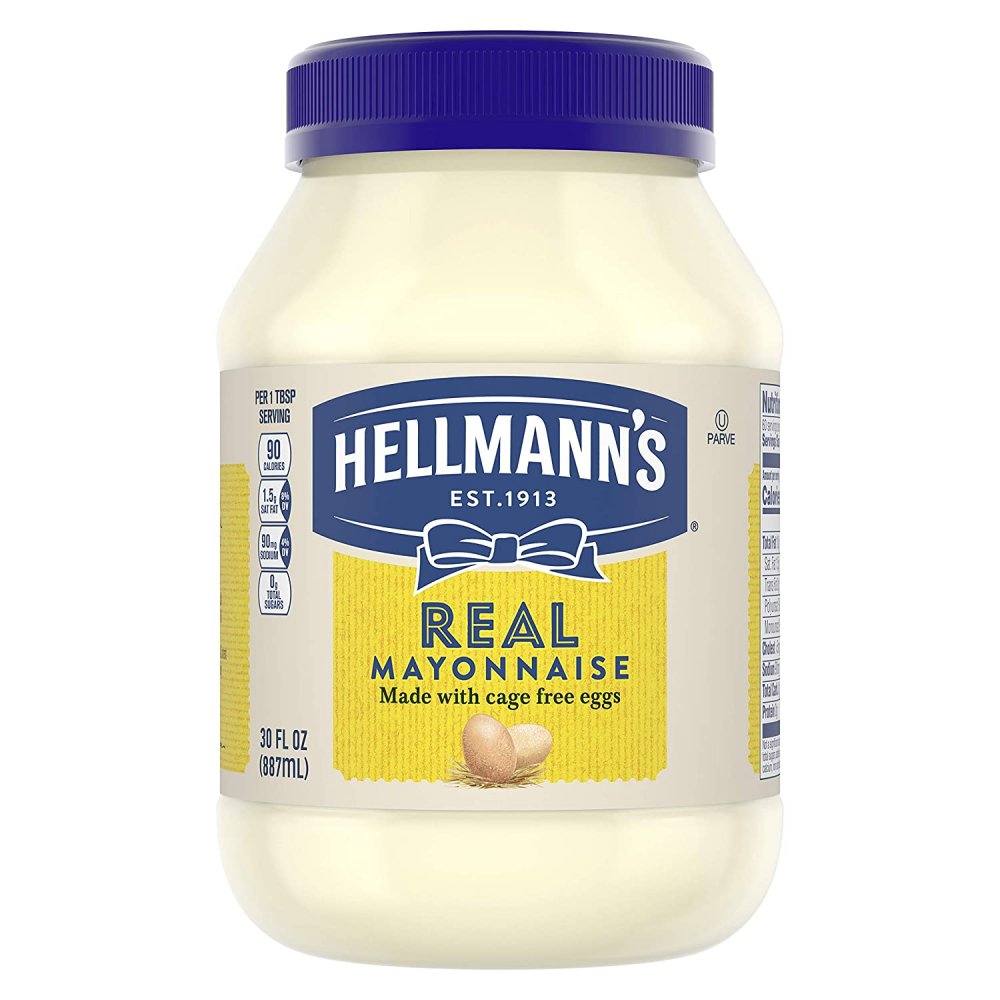
That jar of mayo in the back of your fridge — the one that’s a month past the date on the lid — is not destined for the trash. Mayonnaise is basically oil, egg, and vinegar emulsified together, and those three ingredients have legitimate household uses that have nothing to do with sandwiches.
I’ve tested all of these, and they genuinely work. The slight tanginess of expired mayo doesn’t matter for any of them — you’re using it as a cleaning or conditioning agent, not eating it.
Just one note upfront: if the mayo smells truly rancid (as in, “something died in here” foul), toss it. A little past-date is fine. Swamp gas is not.
1. Shine Stainless Steel Appliances
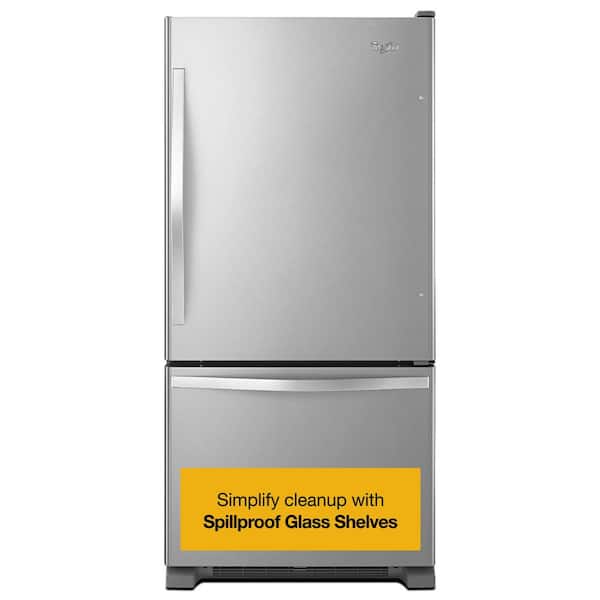
Smudges and fingerprints on stainless steel are relentless, and most commercial sprays leave streaks or build up a filmy residue over time. Mayo cuts through both problems because the oil in it lifts grease and fingerprints while leaving a thin, even film that buffs to a shine. I started doing this on my fridge handles and now I do the whole front panel.
Spread a very thin layer of mayo over the stainless surface using a soft cloth — an old cotton t-shirt works great. Let it sit for about 30 seconds, then buff it off with a clean, dry microfiber cloth, working in the direction of the grain.
You’ll feel the cloth start to glide smoothly once the oil layer is even. One pass is usually enough.
If you have a gas range with stainless panels, this works there too — just stay away from any areas with exposed heating elements.
The one thing to watch: don’t glob it on. A thin, even coat is all you need.
Too much mayo and you’ll spend ten minutes buffing and still feel a greasy film. I use maybe a teaspoon for an entire fridge door.
2. Deep-Condition Dry or Damaged Hair
This one sounds like a beauty myth, but the science actually tracks. Mayo is oil, egg yolk, and a touch of acid — all of which are ingredients in commercial hair masks. I’ve used this trick through two winters of dry, static-prone hair, and it leaves my hair noticeably softer for several washes afterward.
Work about 2–3 tablespoons of mayo through damp hair, concentrating on the mid-lengths and ends (your scalp doesn’t need it unless it’s extremely dry). Pile your hair up, cover it with a shower cap or plastic wrap, and leave it for 20–30 minutes.
Then shampoo thoroughly — I usually shampoo twice to make sure all the oil is out. Condition as normal.
Will it make my hair smell like mayo?
Not if you rinse properly. A double shampoo takes care of the scent completely. If you’re nervous, add a few drops of lavender or rosemary essential oil to the mayo before applying — it masks any lingering smell and adds its own conditioning benefits.
The downside: this is messy. Lay a towel over your shoulders and don’t plan to do anything productive during the 30-minute wait.
Your hands will also be slippery. It’s a Sunday-afternoon project, not a Tuesday-morning one.
3. Condition and Soften Leather

Leather dries out over time — shoes, belts, bags, baseball gloves — and most leather conditioners are $12–$18 for a small bottle. Mayo does essentially the same thing: the oil penetrates the leather and restores flexibility, while the egg adds a subtle sheen once buffed.
Apply a thin layer of mayo to the leather with a soft cloth, rubbing it in gently. Let it sit for 15–20 minutes, then buff off any excess with a clean cloth. I’ve used this on leather boots that were starting to crack at the ankle creases, and the leather visibly softened after one treatment.
Important: test on a hidden spot first. Light-colored leather can darken slightly from the oil.
I wouldn’t use this on a white leather couch without checking an inconspicuous area first. It works beautifully on brown and black leather goods — boots, belts, wallets, and baseball gloves.
4. Polish and Restore Wood Furniture
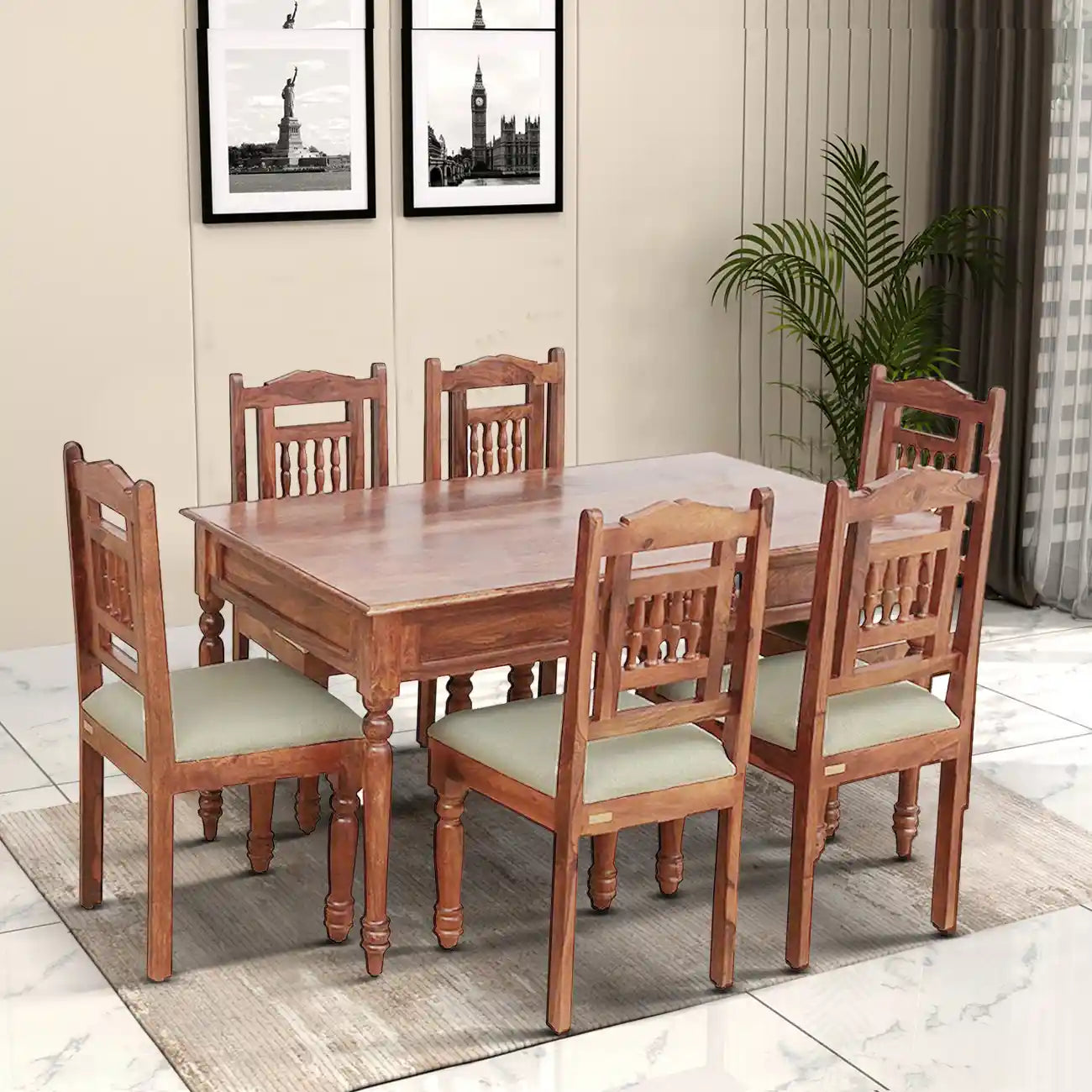
Over time, wood furniture develops a dull, hazy look — especially pieces that get daily use, like dining tables and kitchen chairs. Mayo’s oils penetrate minor surface scratches and restore a warm sheen to the finish. It won’t fix deep gouges, but for that general “tired and cloudy” look, it’s surprisingly effective.
Rub a thin coat of mayo onto the wood surface using a soft cloth, following the grain. Let it sit for 15–30 minutes — the longer it sits, the more the oil absorbs into micro-scratches.
Then buff it off thoroughly with a fresh cloth. I do this to our kitchen table every few months, and it brings back a richness that store-bought polish sometimes can’t match.
Don’t use this on unfinished or raw wood — the oil will soak in and leave dark splotches. It’s meant for sealed, finished surfaces only (polyurethane, lacquer, or shellac finishes).
5. Remove Sticky Label Residue
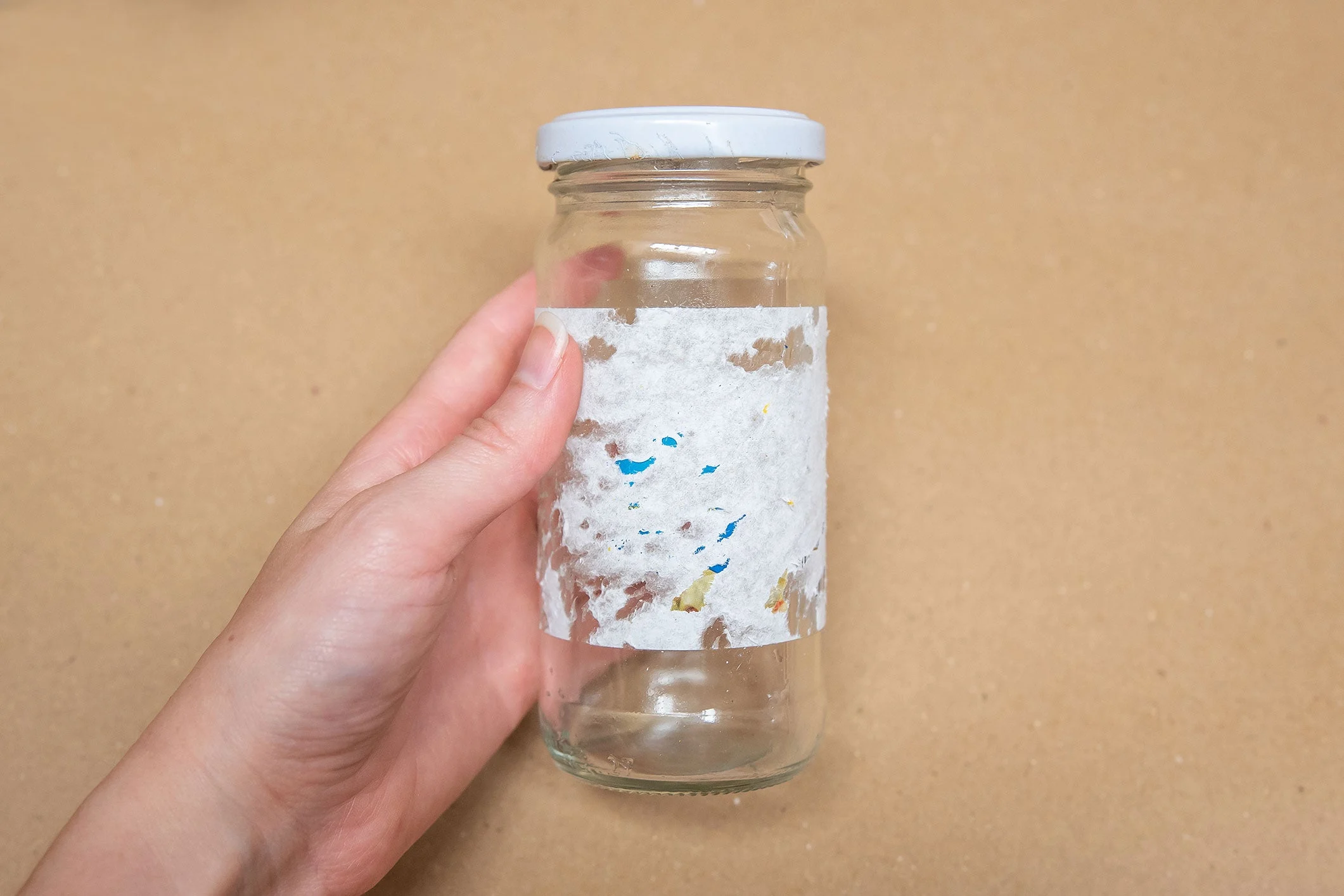
You know that gummy adhesive mess left behind when you peel a price tag off a glass jar, or strip a label off a new picture frame? Mayo dissolves it. The oil breaks down the adhesive bond the same way Goo Gone does, without the chemical smell or the $7 price tag.
Smear a generous amount of mayo over the sticky residue — don’t be shy here, you want full coverage. Let it sit for 10–15 minutes (for stubborn residue, 30 minutes).
Then scrape it off with a plastic scraper or old credit card and wipe the surface clean with a damp cloth. For glass jars you plan to reuse, this is especially handy because there’s no chemical residue left behind.
I’ve used this on:
- ✦Mason jars I’m repurposing for pantry storage
- ✦Picture frames and mirrors after removing price stickers
- ✦Plastic storage bins where old tape left a sticky film
Works on glass, plastic, and most painted surfaces. Avoid using it on unfinished wood or anything porous — same concern as with furniture: the oil can stain.
6. Erase Crayon and Scuff Marks from Walls
If you have kids, you have crayon on a wall somewhere. Mayo’s oil base breaks down the waxy pigment in crayons, making it wipe away cleanly instead of smearing into a bigger mess. I discovered this by accident when my toddler decorated the hallway and I was out of Magic Erasers.
Dab mayo directly onto the crayon marks with a cloth or your fingers. Let it sit for 5–10 minutes, then wipe with a damp cloth in gentle circular motions. The crayon lifts off in a satisfying way — much better than scrubbing dry and just pushing the wax around.
This also works on scuff marks from shoes on painted baseboards, crayon or marker on finished wood furniture, and stubborn sticker residue stuck to painted walls. After the marks are gone, wipe the area one more time with a clean damp cloth to remove any oily residue — otherwise you’ll get a visible spot that catches the light differently than the surrounding paint. Flat and matte paints are more sensitive to this, so be extra thorough with that final wipe-down on those finishes.
7. Shine and Protect Houseplant Leaves
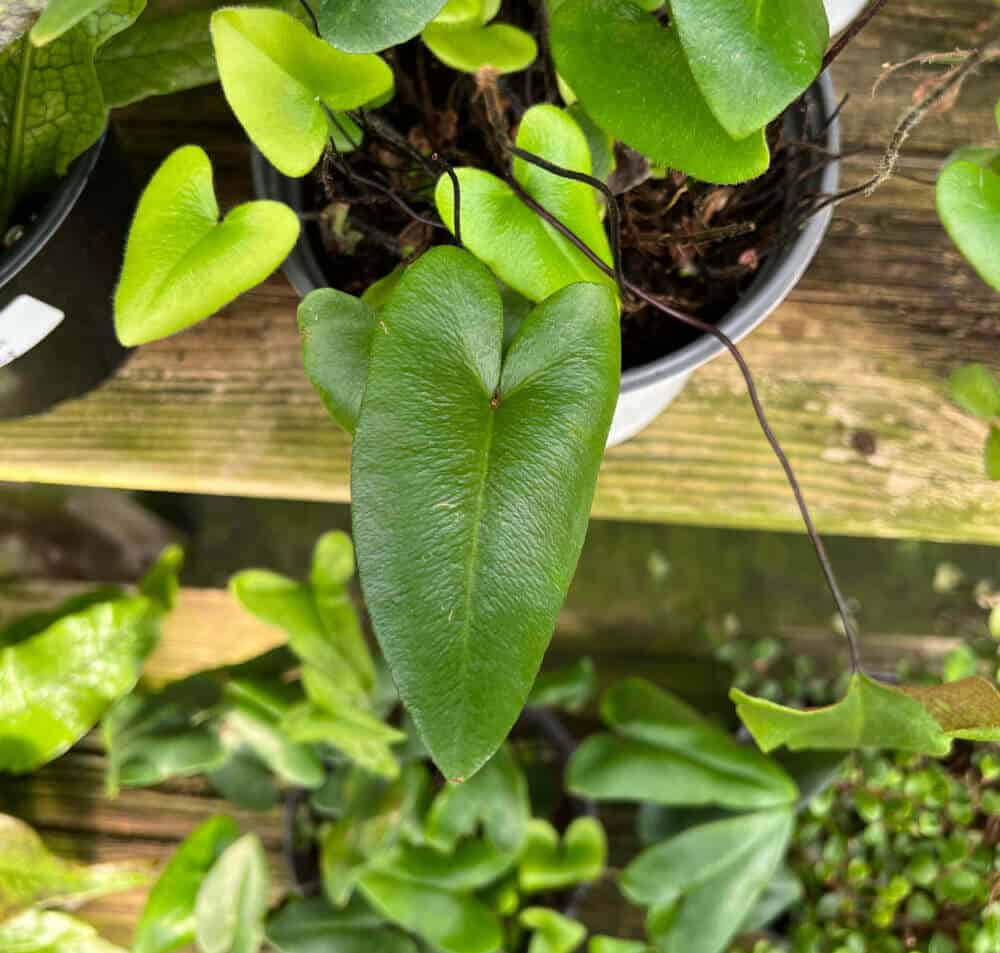
Dusty, dull houseplant leaves not only look sad — they actually photosynthesize less efficiently because the dust blocks light absorption. A tiny amount of mayo wiped onto broad, glossy leaves restores their shine and creates a thin barrier that repels dust for a few weeks. I do this on my pothos, rubber plant, and monstera, and the difference is immediate.
Put a pea-sized dab of mayo on a soft cloth and gently wipe each leaf, top side only. You’re not coating the leaf — you’re just transferring a whisper-thin film from the cloth.
Too much will clog the leaf’s pores (stomata) and actually harm the plant, so restraint matters here. I do this once a month and it keeps everything looking nursery-fresh between deeper cleanings.
Skip this for fuzzy or hairy-leaved plants like African violets — the mayo will mat down the leaves and block airflow. It’s also not a good idea for any plant that’s already stressed, wilting, or showing signs of root rot. And keep the plant out of direct, hot sunlight for a day after applying — the oil can heat up under intense sun and scorch the leaf surface.
FAQ
Is expired mayonnaise safe to use topically or on household items?
Yes — as long as it doesn’t smell rancid or show visible mold. “Best by” dates on mayo are quality indicators, not safety cutoffs. If it smells normal (or at least like mayo), the oil and egg content are still perfectly active for household uses.
What’s the difference between regular and expired mayo for these uses?
Very little. Fresh mayo works just as well for every hack listed here.
The reason expired mayo comes up is simply that people have it sitting around and don’t want to waste it. The oils, proteins, and mild acidity that make mayo useful for these tasks don’t degrade significantly just because the date on the jar has passed.
Can I use mayo on all types of leather?
It’s safe for most finished, smooth leather — shoes, belts, bags, and gloves. Avoid using it on suede, nubuck, or unfinished leather, as the oil will stain and darken these materials permanently. Always test on a hidden area first, especially with lighter-colored leather.
Does the type of mayo matter — light, olive oil, or regular?
Regular full-fat mayo works best because the higher oil content gives you more cleaning and conditioning power. Light mayo and olive oil–based varieties have less fat and more water, so they’re slightly less effective but still work in a pinch. Avoid anything with added flavors or mix-ins — you’ll be smelling garlic mayo on your furniture for days.
That expired jar of mayo has more life in it than you’d think. These aren’t “weird internet hacks” that fall apart in practice — I use at least three of these on a regular basis, and they’ve genuinely replaced a few products under my sink. Next time you’re about to toss a jar past its prime, set it aside and give one of these a try first.
Leave a Reply