
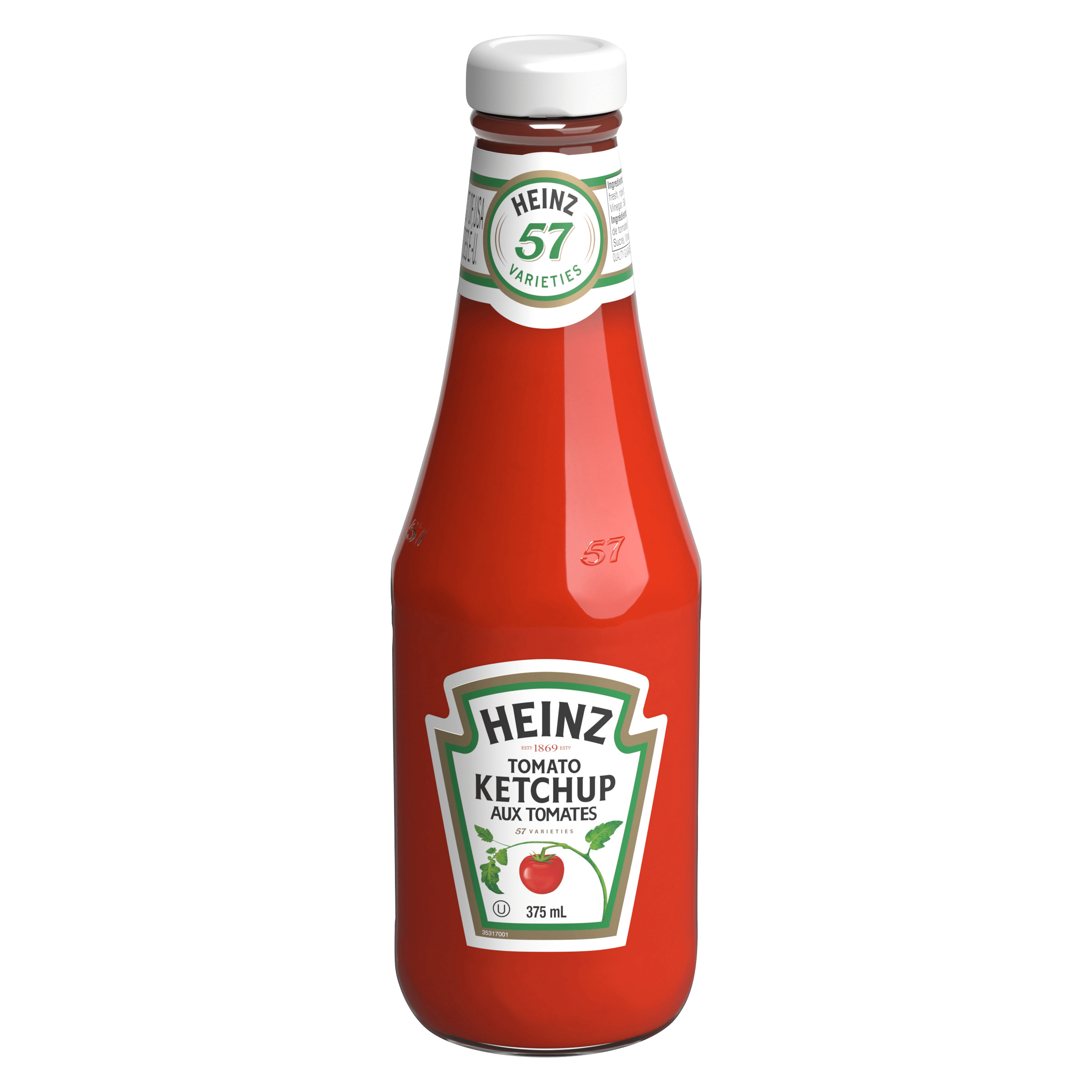
That bottle of ketchup hiding in the back of your fridge past its prime? Don’t toss it just yet.
Expired ketchup still has plenty of cleaning and household power thanks to its high acidity from vinegar and tomatoes — it turns out that same tangy punch that makes it great on fries is surprisingly effective at cutting through tarnish, rust, and grime around your house and yard. I’ve tried most of these myself after a bottle sat in my fridge for way too long, and honestly, a few of them work better than the fancy cleaners I’ve been buying.
1. Polish Copper Cookware
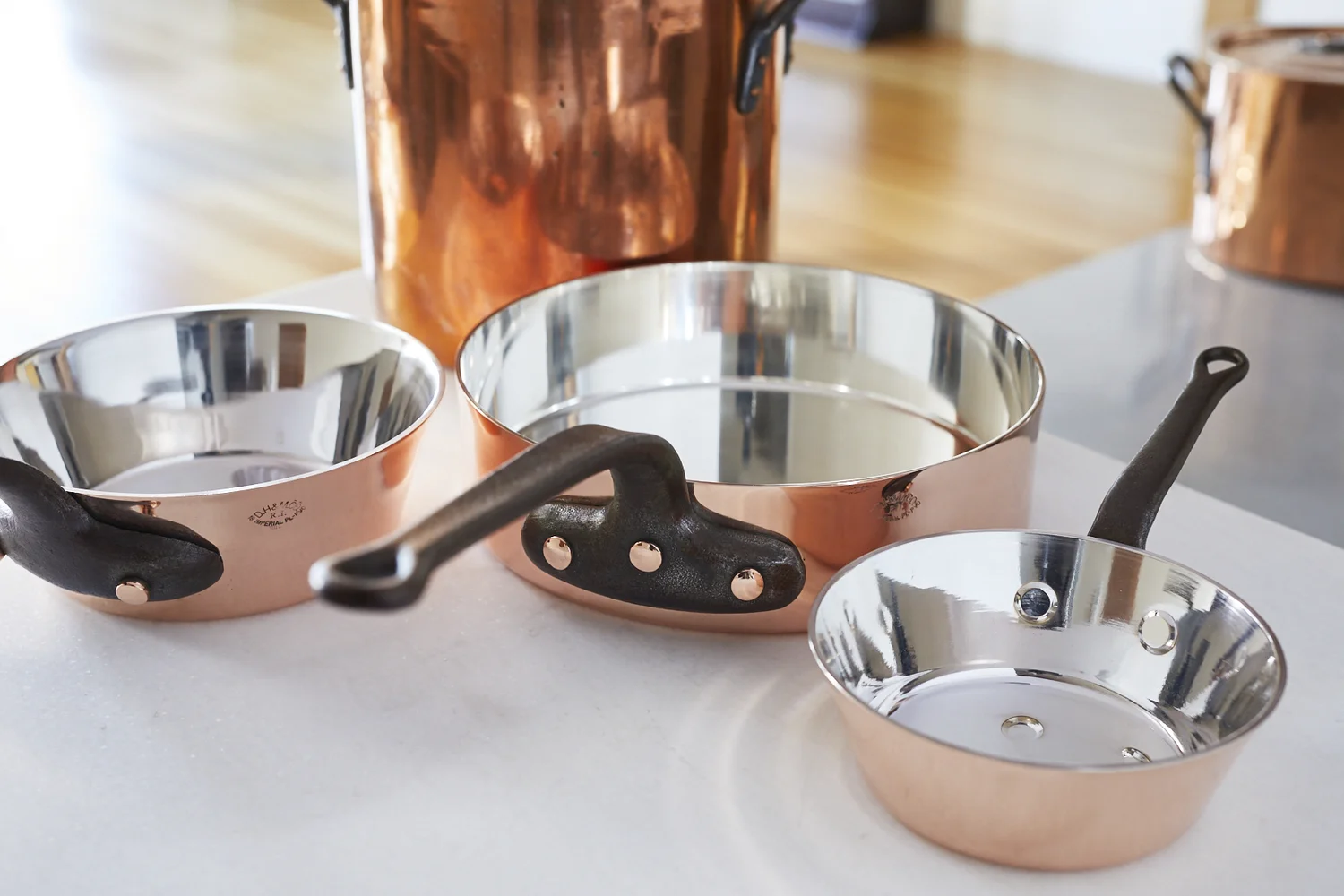
If your copper pots have gone dull and greenish-brown, ketchup is one of the easiest fixes I’ve found. The acetic acid from the vinegar and the citric acid from the tomatoes both react with copper oxide — that’s the tarnish layer — and dissolve it on contact.
Squirt a generous layer onto the copper surface, spread it around with an old toothbrush or your fingers, and let it sit for about 15 to 20 minutes. When you wipe it off with a damp cloth, you’ll see the shine come right back.
I’ve used this on my Mauviel saucepans and on cheap Moscow mule mugs alike, and it handles both without any damage to the metal. Just don’t leave it on for more than 30 minutes — prolonged acid exposure can start to pit soft copper.
2. Remove Tarnish from Silverware
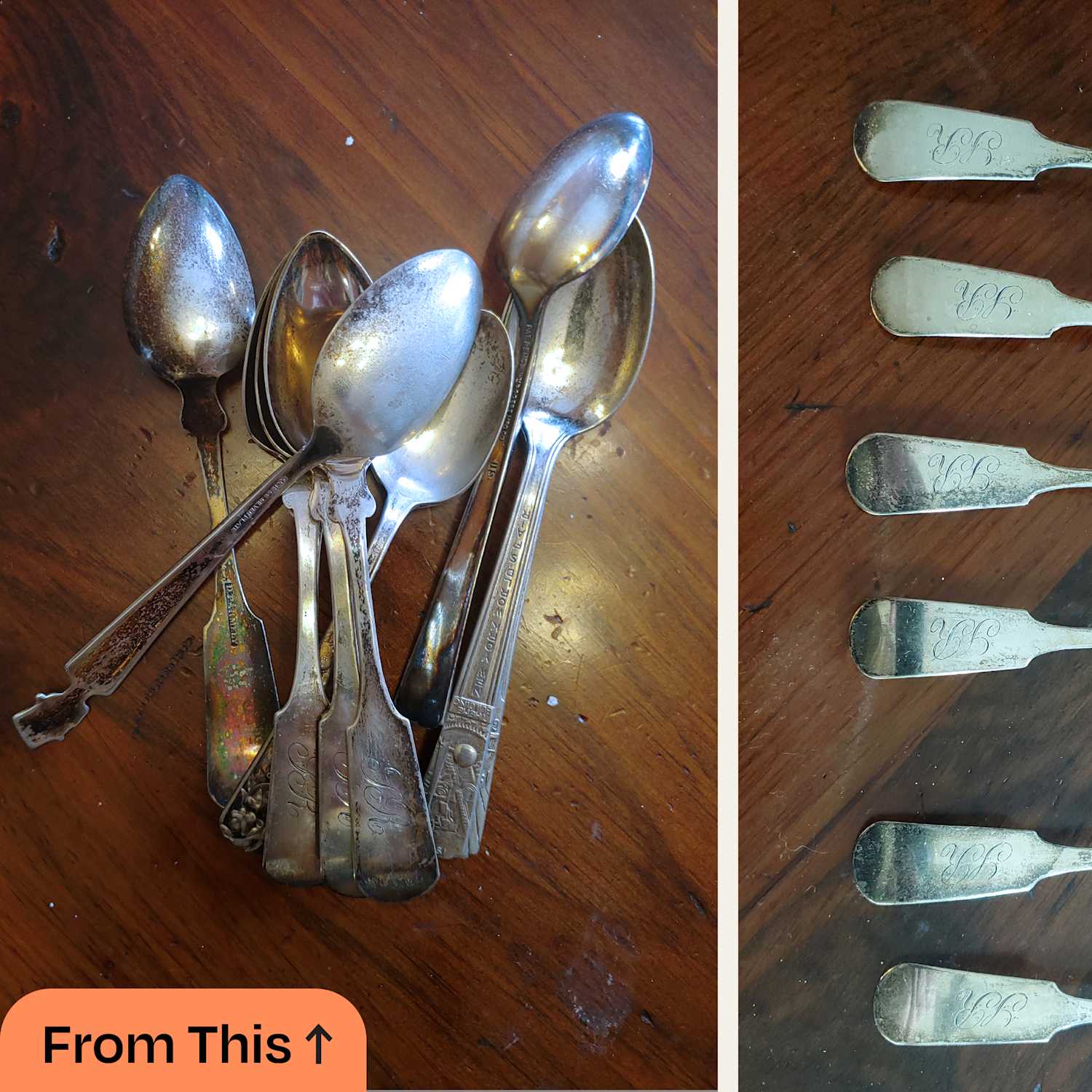
Silver sulfide — that dark, dingy film that builds up on silver — reacts to the mild acids in ketchup the same way it does to more expensive silver dips. Lay your tarnished forks and spoons on a baking sheet lined with parchment, slather ketchup over each piece, and give it 15 minutes.
The tarnish won’t vanish on its own, but after a light scrub with a soft cloth or a non-abrasive sponge, most of it lifts cleanly. For heavier tarnish, I’ll let it sit for 25 minutes and use a soft-bristle toothbrush to get into the fork tines and engraved patterns.
Rinse thoroughly with warm water and dry immediately — leftover ketchup residue can leave a faint film. One thing to watch: if you have silver-plated pieces where the plating is already worn through, the acid can attack the base metal underneath, so test a hidden spot first.
3. Clean Rusty Garden Tools
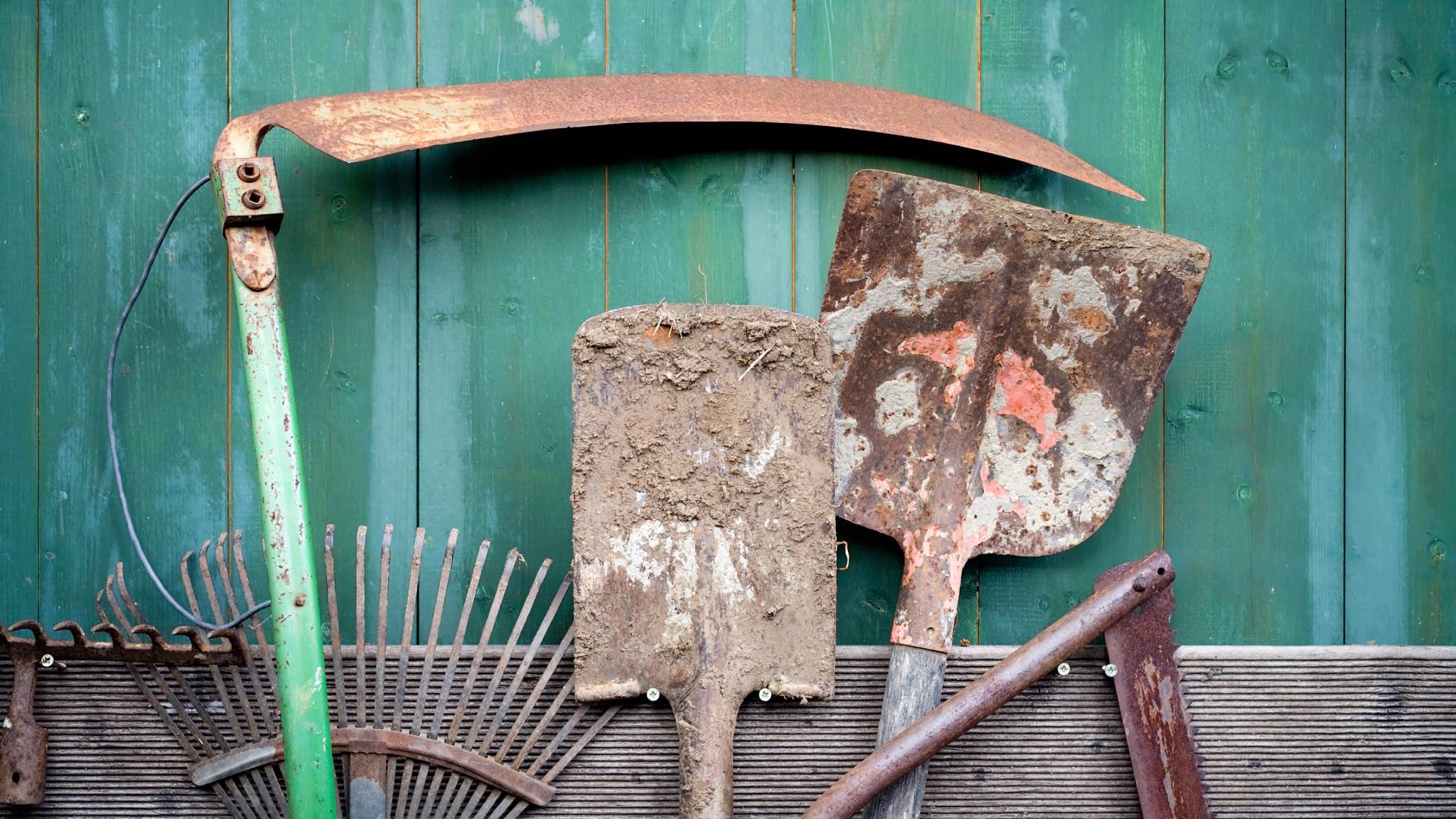
I learned this one after leaving my hand trowel and pruners out through a rainy fall. The tomato acid in expired ketchup does a respectable job dissolving light surface rust, and the thick consistency means it clings to vertical surfaces better than a thin vinegar wash.
Coat the rusty blade or metal head generously, lay the tool flat on a trash bag or old towel, and walk away for about 30 to 45 minutes. Come back with a wad of steel wool or a stiff-bristle brush and scrub — the rust should come off in orange streaks.
For tools with deep pitting, you’ll probably need a second coat, but for the light oxidation I was dealing with on my Felco pruners, one round did the trick. Rinse well, dry completely, and rub a thin coat of mineral oil or WD-40 onto the metal to prevent it from rusting right back.
4. Shine Stainless Steel Surfaces
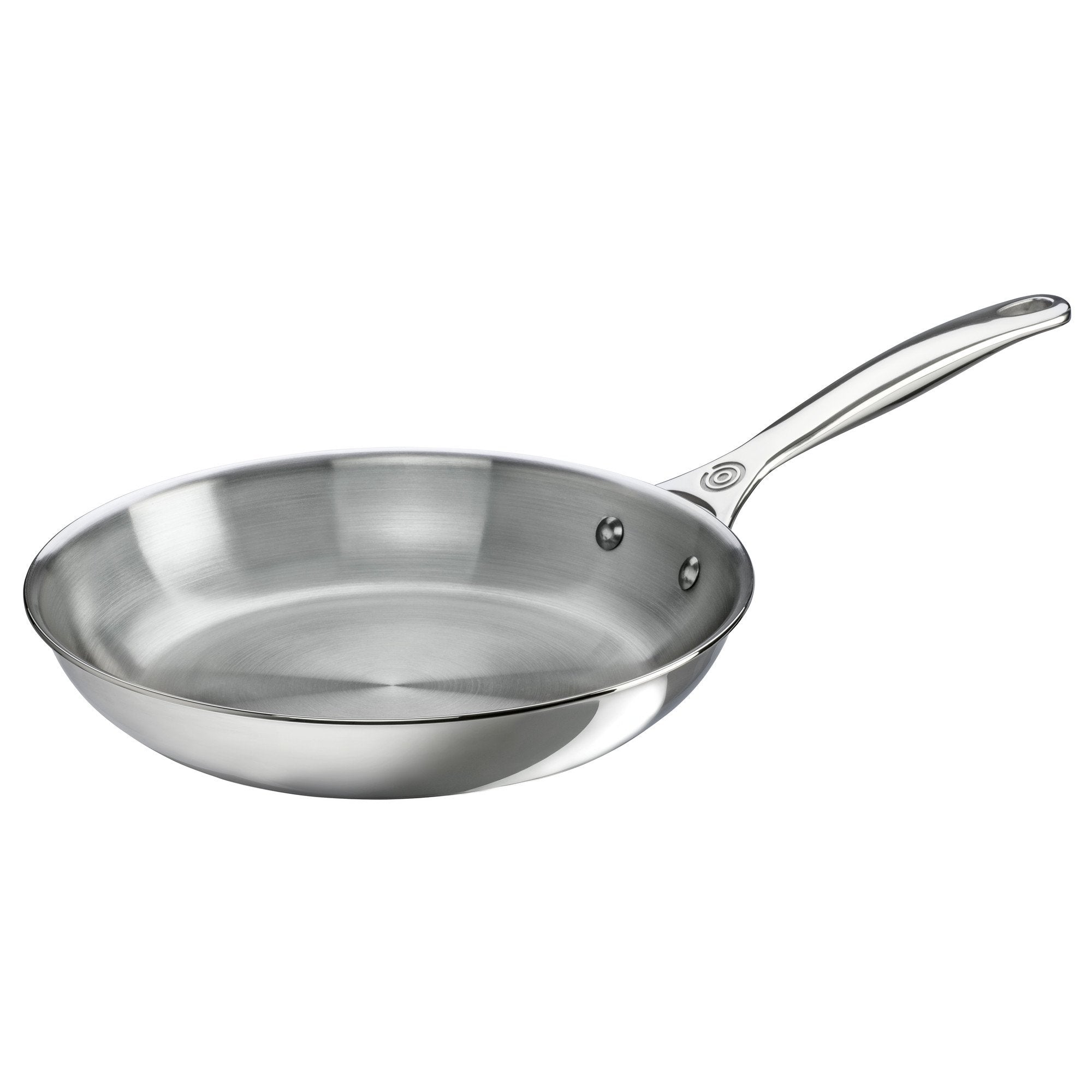
Stainless steel pots can pick up rainbow-colored heat stains and dull patches that regular dish soap won’t touch. Ketchup’s acid cuts through that thin oxidation layer surprisingly well.
Smear a thin coat over the discolored area — I use a paper towel to spread it — and let it sit for 10 to 15 minutes. Wipe it off with a damp microfiber cloth, then buff dry.
This also works on stainless steel sinks and appliance surfaces for fingerprints and water spots, though I’d skip it on brushed-finish appliances since any abrasive particles in the ketchup (there usually aren’t many, but some brands have spice bits) could leave micro-scratches. Heinz is smooth enough; a chunky artisan brand might not be.
5. Degrease Grill Grates
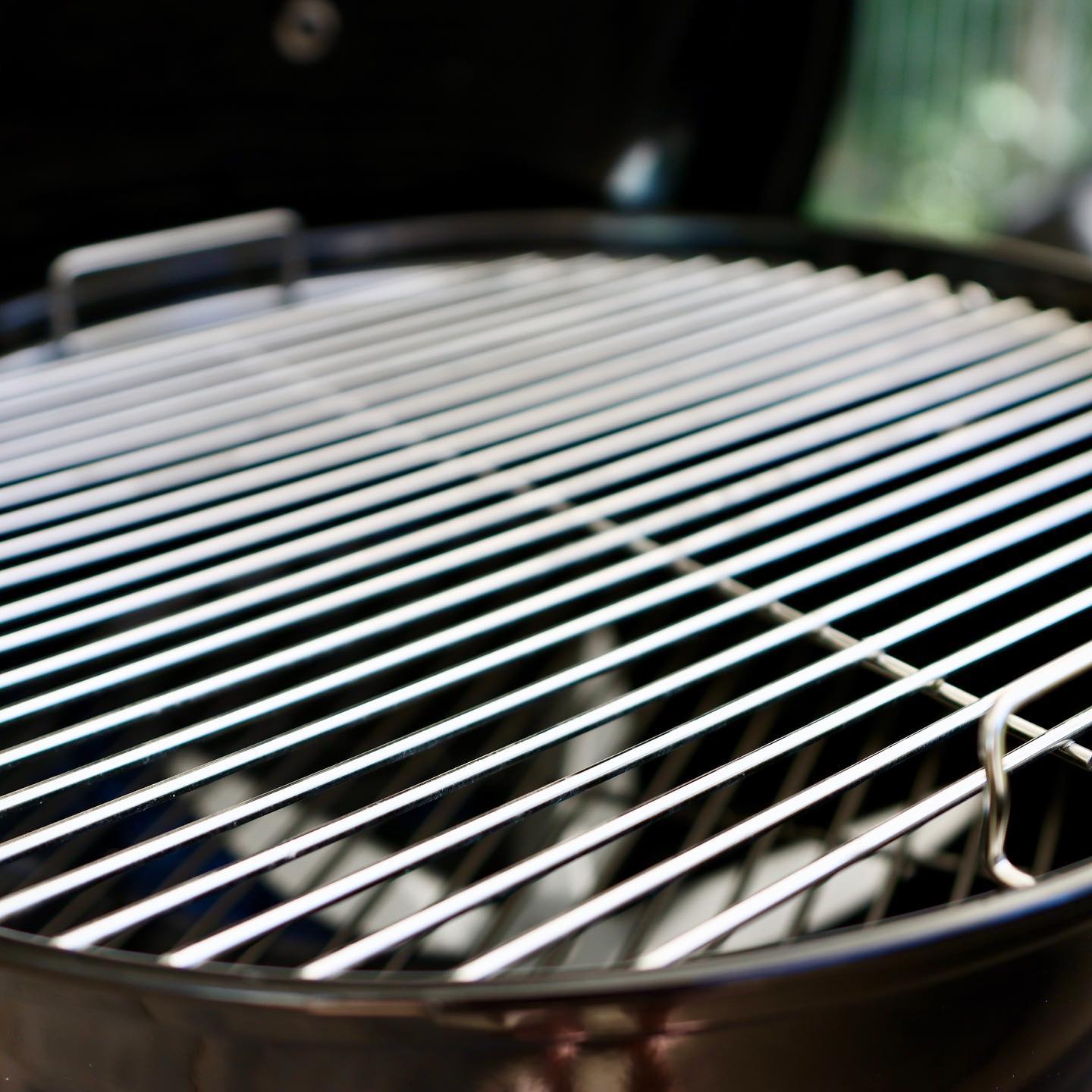
Before the first cookout of the season, I’ve gotten into the habit of spreading ketchup across my grill grates to loosen last year’s caked-on grease. The acid breaks down carbonized fat, and unlike a thin liquid cleaner, ketchup is viscous enough to stay put on the grate bars without dripping through.
Squirt it generously across the surface — you want full coverage — and let it work for 20 to 30 minutes. Then hit the grates with a stiff grill brush.
Most of the burnt residue flakes right off. For really stubborn buildup, I’ll wrap the grates in plastic wrap after applying the ketchup to keep the acid from drying out, then leave it for an hour.
Rinse the grates with your garden hose and you’re ready to season them with oil and fire up the grill.
How often can I use ketchup on my grill grates?
Once per season is usually enough, right before your first big cookout. If you grill heavily throughout the summer, a mid-season ketchup scrub in July won’t hurt, but it’s not a replacement for regular brushing after each use.
6. Revive Tarnished Brass
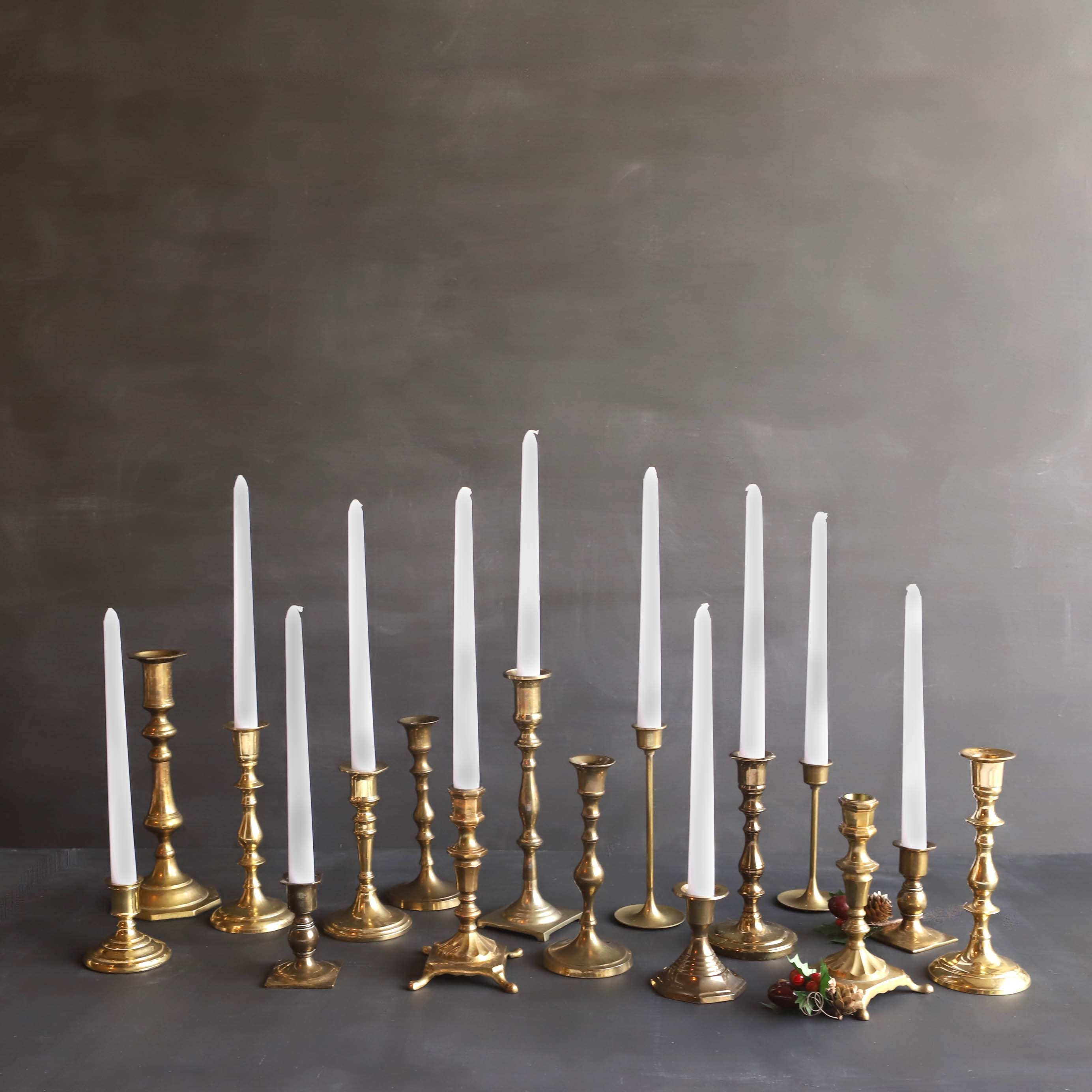
Brass tarnishes through the same oxidation process as copper, so the same acid-based approach works here too. I’ve used expired ketchup on brass candlesticks, old door knobs, and even a set of drawer pulls I found at a flea market.
The trick is to apply a thick, even coat — brass tarnish is sometimes stubborn about letting go — and give it a full 20 minutes. Scrub with a soft cloth in small circles, then rinse and dry.
The one caveat is lacquered brass. If your brass piece has a clear coating (you can usually tell because the tarnish looks patchy and uneven rather than an overall patina), the ketchup won’t do anything because the acid can’t reach the metal.
You’d need to strip the lacquer first with acetone, which is a different project entirely. For unlacquered brass, though, ketchup is cheap, gentle, and effective.
7. Neutralize Green Chlorine Hair
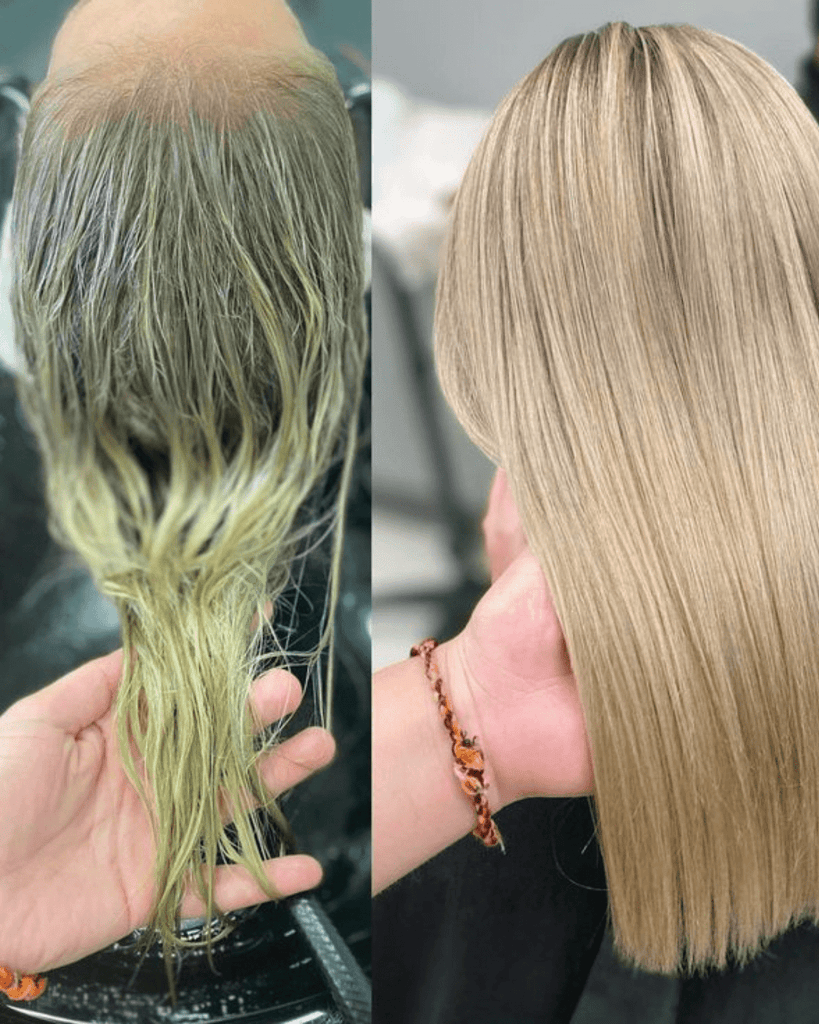
If you or your kids come home from the pool with that telltale green tint, ketchup is the most frequently recommended home remedy — and yes, I’ve actually tried it after a week at a rental house with a heavily chlorinated pool. The theory is that chlorine reacts with copper in pool water and deposits it in your hair shaft, turning it green, and the acid and lycopene in tomatoes help break down those copper deposits.
Work a palmful of ketchup through damp hair, focusing on the greenest sections, and pile it up under a shower cap. Let it sit for 20 to 30 minutes — I set a timer and watched TV — then shampoo and condition as normal.
It took two rounds for my daughter’s blonde hair, but the green was genuinely gone. The smell is the obvious downside.
You’ll need to shampoo twice, and even then, you might catch a faint whiff of tomato for a day. A clarifying shampoo like Neutrogena Anti-Residue helps cut it faster.
8. Feed Your Garden or Compost Pile
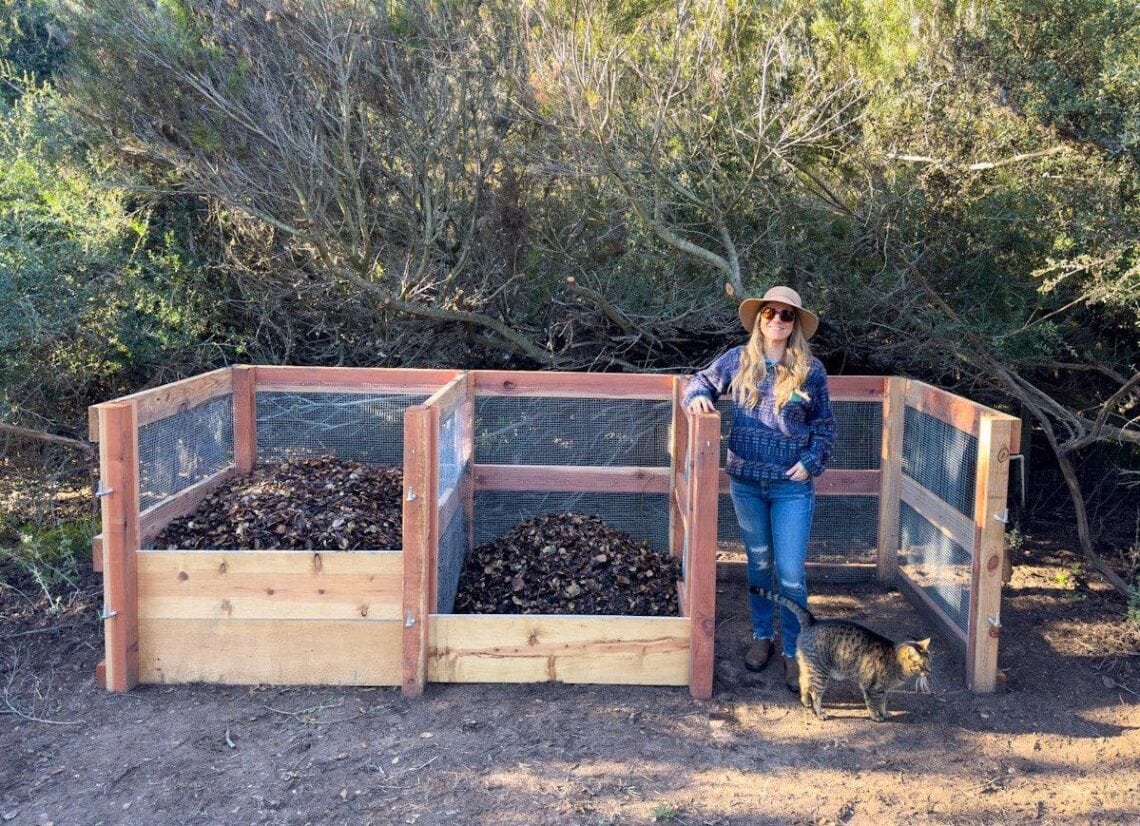
Expired ketchup is organic matter, and your garden can absolutely use it — you just need to apply it the right way. Tossing a whole bottle onto one spot of your lawn would be a mistake (too acidic, too concentrated), but diluted ketchup works as a quick nutrient boost.
Mix about two tablespoons of ketchup into a gallon of water, stir well, and pour it around the base of tomato plants, peppers, or other heavy feeders. The tomatoes in the ketchup actually add small amounts of potassium and phosphorus back into the soil.
If you’d rather not deal with dilution, the easier route is to just squeeze the expired bottle into your compost bin. The ketchup breaks down quickly — the sugar and vinegar actually help kickstart microbial activity — and within a few weeks it’s indistinguishable from the rest of your compost.
Just don’t dump a whole Costco-sized bottle in at once; spread it out and mix it into your brown material so it doesn’t create a slimy, smelly pocket.
Frequently Asked Questions
Is expired ketchup safe to use for cleaning?
For household cleaning purposes, yes. Even months past its printed date, ketchup’s acidity (typically a pH around 3.5 to 3.7) doesn’t change much.
What changes is the flavor and color quality, which doesn’t matter when you’re smearing it on a grill grate. If it’s developed visible mold, though, toss it — that’s a different problem.
How long should I leave ketchup on metal to remove tarnish?
For light tarnish on copper or brass, 10 to 15 minutes is usually enough. For heavier buildup or silver with dark oxidation, give it 20 to 30 minutes. If the tarnish hasn’t lifted after 30 minutes, reapply rather than leaving the first coat on indefinitely — fresh acid works faster than spent acid.
Can ketchup damage any surfaces I should avoid?
Avoid using ketchup on porous natural stone like marble or granite — the acid can etch the surface. It’s also not great for aluminum, which reacts with acid and can discolor.
And as mentioned above, skip lacquered brass and worn silver plate. Stick to solid copper, stainless steel, unlacquered brass, and solid sterling silver.
Does ketchup expire or go bad for cleaning uses?
Ketchup does technically expire — the printed date is typically about a year from purchase. After that, the flavor fades and the color darkens, but the acidity that makes it useful for cleaning stays stable for many months beyond the date.
A bottle that’s been sealed and refrigerated for two years is still perfectly fine to clean with. A bottle that’s been sitting open at room temperature for six months past its date is still fine for cleaning too — just sniff it to make sure nothing unusual has taken up residence.
Next time you clean out your fridge and find a bottle of ketchup that’s seen better days, keep it in your cleaning caddy instead of the trash. Between the copper pots, the rusty tools, and the grill grates, you’ll get more use out of it than you’d expect — and save yourself a few bucks on specialty cleaners in the process.
Leave a Reply