
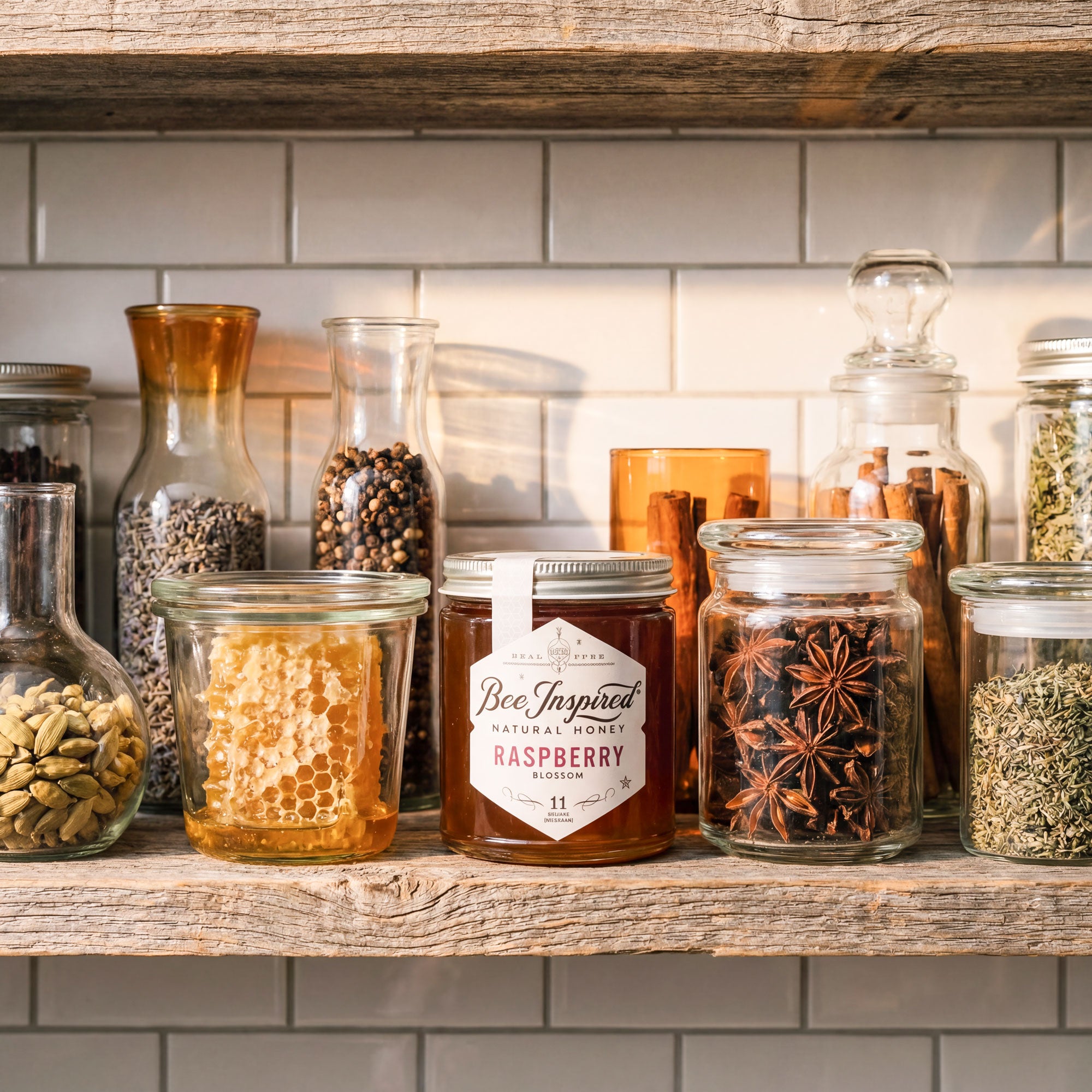
Expired honey often raises questions about whether it stays safe or usable long after any printed date. Its unique composition allows it to resist spoilage in ways most pantry staples cannot match. Understanding the specific factors that preserve or compromise it helps you decide when to keep it and how to apply it confidently.
Honey’s Natural Acidity Prevents Bacterial Growth
Pure honey maintains a pH level between 3.4 and 6.1, which creates an environment where most bacteria and pathogens struggle to survive. This acidity works alongside other compounds to keep the honey stable even after years on the shelf.
Many people notice that older honey retains its clarity and flavor profile without developing off odors or visible mold. The low pH also contributes to its effectiveness in preserving any food it touches when used in recipes.
Extremely Low Moisture Content Stops Mold Formation
Honey contains roughly 17 to 20 percent water, a level too low for yeast and mold spores to activate and multiply. This property alone explains why archaeologists have recovered edible samples from ancient Egyptian tombs.
When moisture stays minimal, the honey remains inhospitable to microorganisms that would otherwise cause fermentation or decay. You can test this by checking whether your jar shows any signs of bubbling or separation that would indicate water intrusion.
Crystallization Signals Quality Rather Than Expiration
Granulation occurs naturally as glucose separates from the liquid fructose over time, especially in cooler storage conditions. This change does not affect safety and can actually indicate higher purity because raw honey tends to crystallize faster than processed varieties.
To restore a smooth texture, place the jar in warm water and stir occasionally until the crystals dissolve. Many cooks prefer the slightly grainy version for spreading on toast or mixing into dressings because it holds shape better.
Sealed Honey Can Remain Usable for Decades
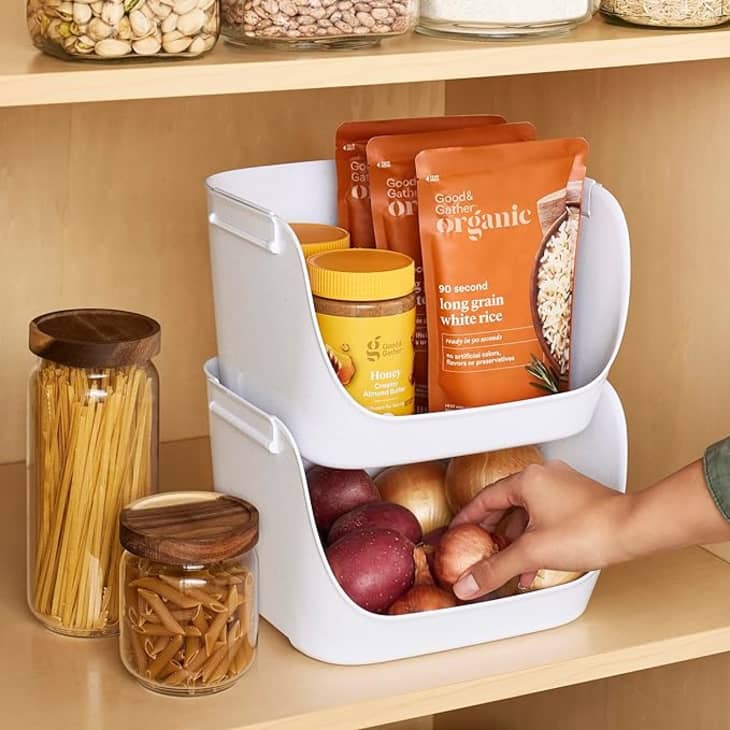
An unopened jar stored away from direct light and temperature swings keeps its original properties for 20 years or longer. The combination of acidity, low moisture, and natural hydrogen peroxide creates a self-preserving system that requires no refrigeration.
Even honey discovered in 3,000-year-old tombs remained chemically stable and safe for consumption. Track the date you first opened the jar rather than relying on any printed expiration label, since that mark usually reflects manufacturer guidelines rather than actual spoilage risk.
Contamination Risks Appear Only After Opening
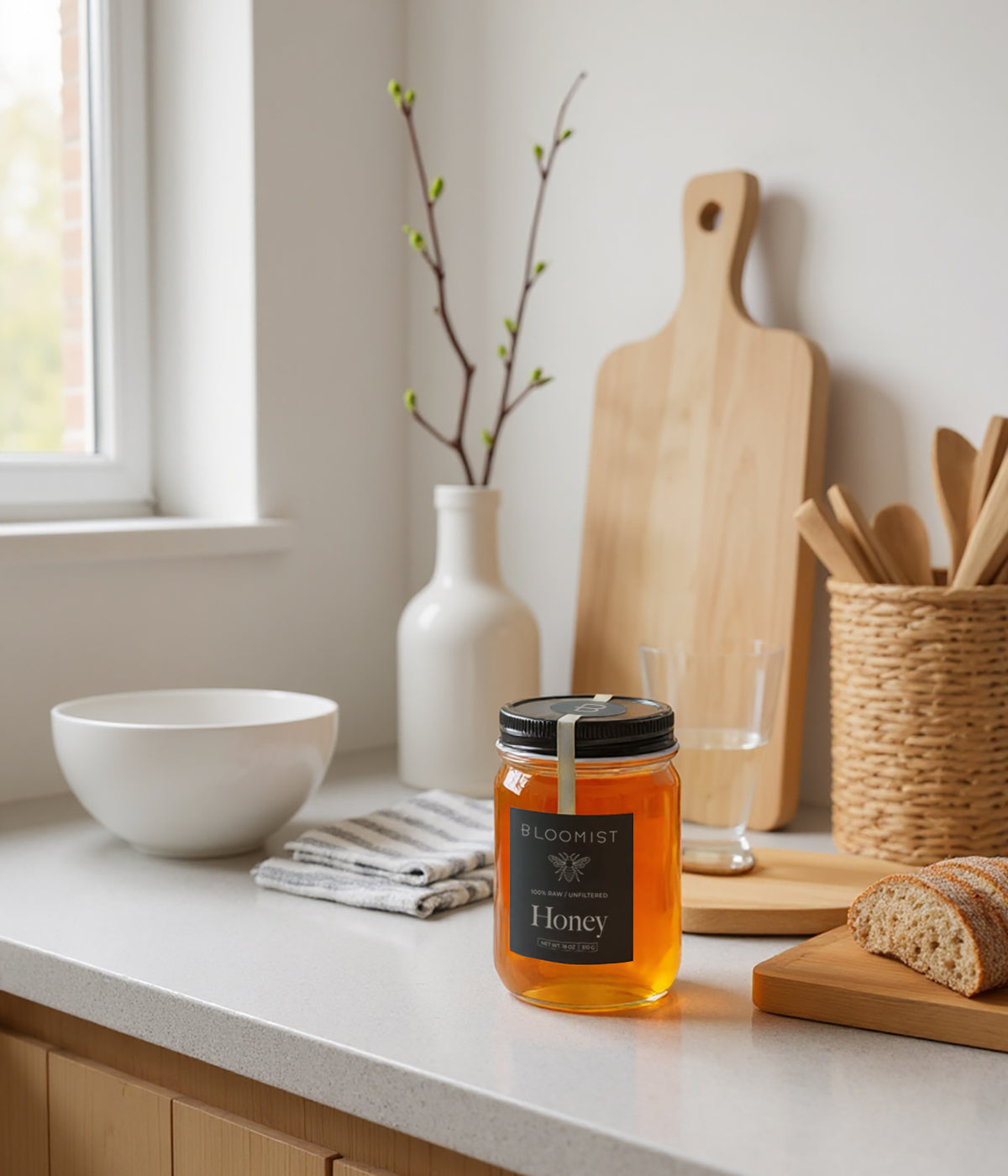
Once you break the seal, moisture from the air or utensils can introduce bacteria that the honey could not previously support. Always use a clean, dry spoon and replace the lid tightly to limit exposure.
If you notice foam, an alcoholic smell, or visible mold strands, discard the batch rather than attempting to salvage portions. These changes signal that external moisture has altered the protective balance inside the jar.
Versatile Culinary Applications Despite Age
Crystallized honey works especially well in the marinade and preserve columns because the granules distribute evenly without clumping.
- Choose raw or minimally filtered varieties when the goal is maximum enzyme retention for dressings.
- Opt for pasteurized honey if you need a completely clear liquid for drizzling over desserts.
- Store opened jars in the pantry rather than the refrigerator to slow further crystallization.
Beneficial Topical Uses for Skin and Wounds

Medical-grade or well-preserved honey retains its osmotic and antibacterial qualities that support minor wound care and skin soothing. The same low moisture and acidity that protect it in the jar also help draw fluid away from irritated areas when applied externally.
Many users blend older honey with oils or clays for DIY masks because the texture becomes easier to spread once it has crystallized. Always perform a small patch test first, and avoid using any honey that shows signs of contamination on broken skin.
FAQ
Is crystallized honey safe to eat?
Crystallized honey remains completely safe because the process involves only the separation of natural sugars without introducing harmful organisms. The change affects texture and sometimes perceived sweetness but does not reduce the honey’s inherent stability. Re-liquefying it with gentle heat restores the original consistency if preferred for drizzling.
Can expired honey cause food poisoning?
Pure honey rarely supports the bacteria responsible for foodborne illness because its chemical makeup prevents their growth even after the printed date. Risks arise only when external moisture or contaminants enter an opened jar and create conditions for spoilage organisms. Checking for off smells or mold provides a reliable safety check before use.
How should I store honey to maximize its shelf life?
Keep the jar tightly sealed in a cool, dark cupboard away from temperature fluctuations that encourage moisture absorption. Avoid refrigerating opened honey, as cooler temperatures accelerate crystallization without improving safety. Using dry utensils each time further protects the low-moisture environment that preserves the product.
Does heating honey reduce its beneficial properties?
Moderate warming to dissolve crystals or incorporate into recipes leaves most preservative qualities intact. Prolonged high heat above 140 degrees Fahrenheit can diminish certain enzymes, yet the acidity and low moisture that ensure safety persist. For topical applications, use unheated portions to retain maximum soothing effect.
Older honey often outperforms expectations once you understand the science behind its stability. These facts give you clear criteria for deciding whether to keep or replace each jar in your pantry.
Leave a Reply