
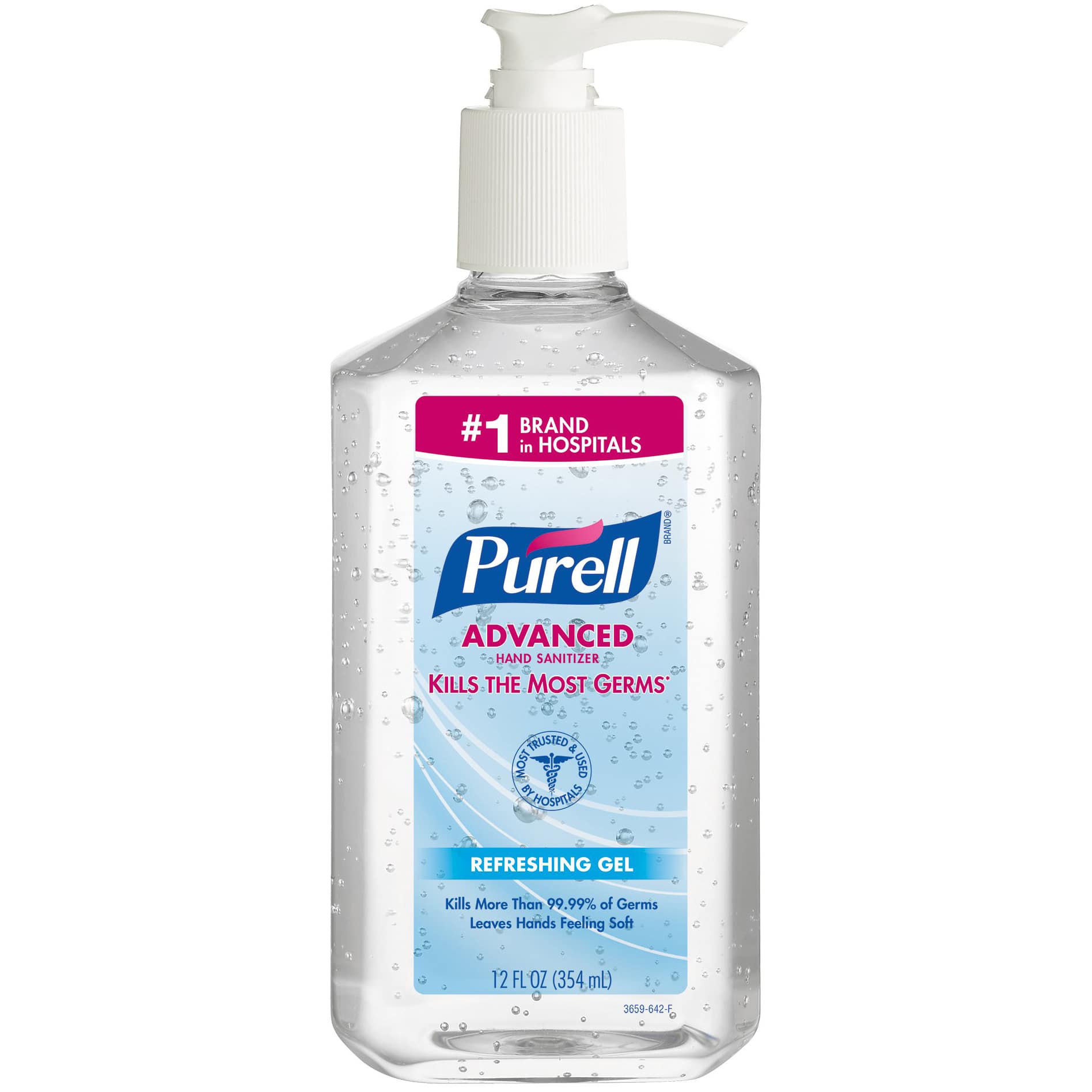
That bottle of hand sanitizer sitting in your junk drawer or car console might feel like a relic from 2020, but it’s actually a surprisingly useful household tool beyond its original purpose. The alcohol content — usually 60–70% ethanol or isopropanol — makes it a mild solvent, degreaser, and disinfectant all in one convenient gel form. Before you toss that half-empty bottle, here are seven ways to put it to work around your home, car, and daily routine.
1. Clean Your Phone Screen and Tablet
Your phone screen is one of the germiest surfaces you touch all day, and a quick wipe with hand sanitizer does double duty — dissolving fingerprint oils and killing bacteria at the same time. Squeeze a tiny drop onto a microfiber cloth (never directly onto the screen) and wipe in small circles.
The gel consistency actually works in your favor here because it won’t drip into charging ports or speaker grilles the way a liquid spray can. Follow up with a dry section of the cloth to buff away any streaks.
Skip this if your phone’s oleophobic coating is already worn thin — if water no longer beads up on your screen, the coating is probably gone, and while the alcohol will still clean the glass safely, it won’t damage things further but also won’t restore that smooth feel.
2. Remove Sticky Label and Tape Residue
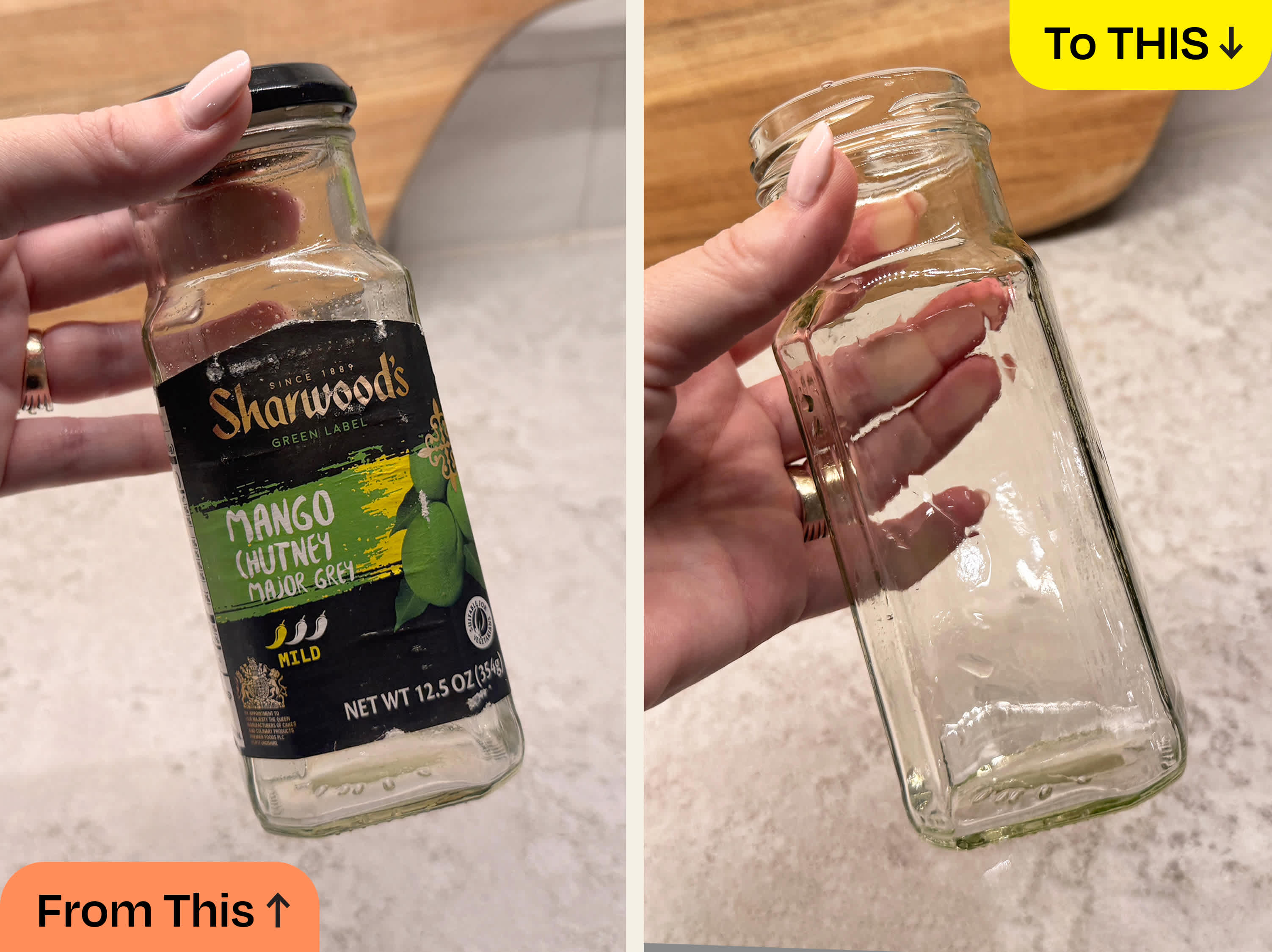
If you’ve ever tried to peel a price tag off a glass vase or remove packing tape from a plastic bin, you know the gummy residue left behind is maddening. Rub a small amount of hand sanitizer directly onto the sticky spot and let it sit for 30 seconds to a minute.
The alcohol breaks down the adhesive, and you can then scrape it off easily with a plastic card or your fingernail. This works well on a range of surfaces:
- ✦Glass jars and bottles (perfect for upcycling into storage containers)
- ✦Plastic bins, Tupperware, and food containers
- ✦Painted wood furniture (test a hidden spot first)
- ✦Metal surfaces like appliance fronts and stainless steel
One thing to skip: unfinished or porous wood. The alcohol can soak in and leave a mark, and the gel can get trapped in the grain.
3. Clean and Shine Leather Shoes and Bags
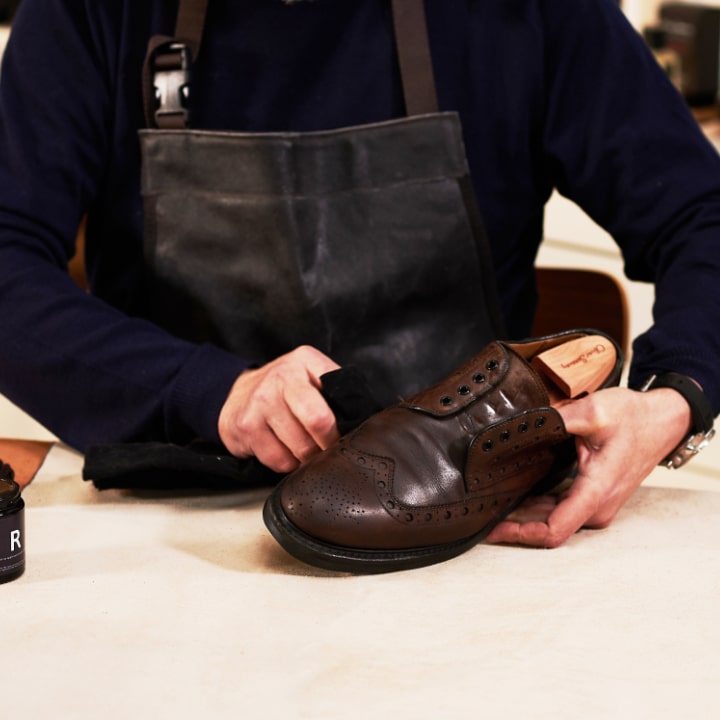
A dab of hand sanitizer on a soft cloth works surprisingly well for cleaning smooth leather and faux leather — it cuts through surface grime on white sneakers, lifts scuffs from dress shoes, and freshens up a leather handbag handle. Use a small amount and buff it in gently, then follow with a leather conditioner afterward if the piece feels dry.
I’ve used this on my white Nike Air Force 1s more times than I can count when they start looking dingy between deep cleans. Just don’t try it on suede or nubuck — the alcohol and moisture will ruin that soft texture permanently.
4. Lift Ink Stains from Fabric and Skin
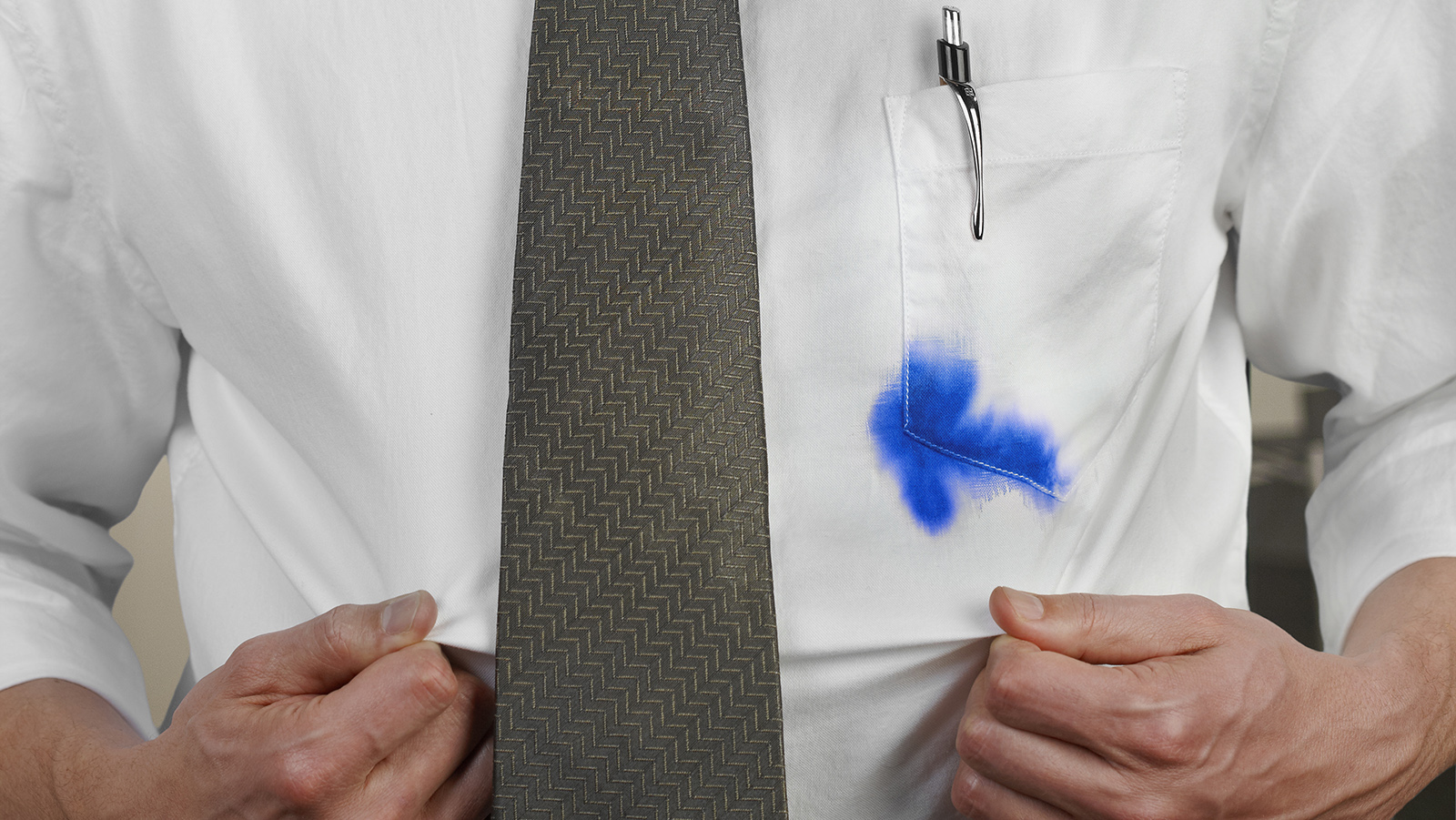
Got pen marks on your shirt from a leaky ballpoint? Before tossing it in the wash, dab hand sanitizer directly onto the ink stain and let it sit for about ten minutes.
The alcohol dissolves the ink’s dye compounds, releasing them from the fabric fibers. Blot — don’t rub — with a clean cloth, then launder as usual.
This trick is most effective on cotton and cotton-blend fabrics; delicate materials like silk or wool can be damaged by the alcohol, so skip those. It also works on your hands: if you’ve been writing with a permanent marker and can’t get the ink off your skin, a squirt of hand sanitizer and a good scrub takes it right off.
5. Disinfect High-Touch Car Surfaces

Your steering wheel, gear shift, door handles, and dashboard buttons see constant contact and not a lot of cleaning. Keep a bottle of hand sanitizer in your center console and use it with a cloth to wipe these surfaces down every few days.
The gel won’t drip onto your upholstery the way a liquid disinfectant spray can, and it evaporates quickly without leaving moisture sitting on leather or vinyl. This is especially handy if your car sits in a hot parking lot — you don’t want liquid cleaners pooling in crevices.
Avoid using it on in-car touchscreen displays, though; handle those the same way you’d handle your phone (tip #1).
6. Spot-Clean Makeup Brushes Between Washes
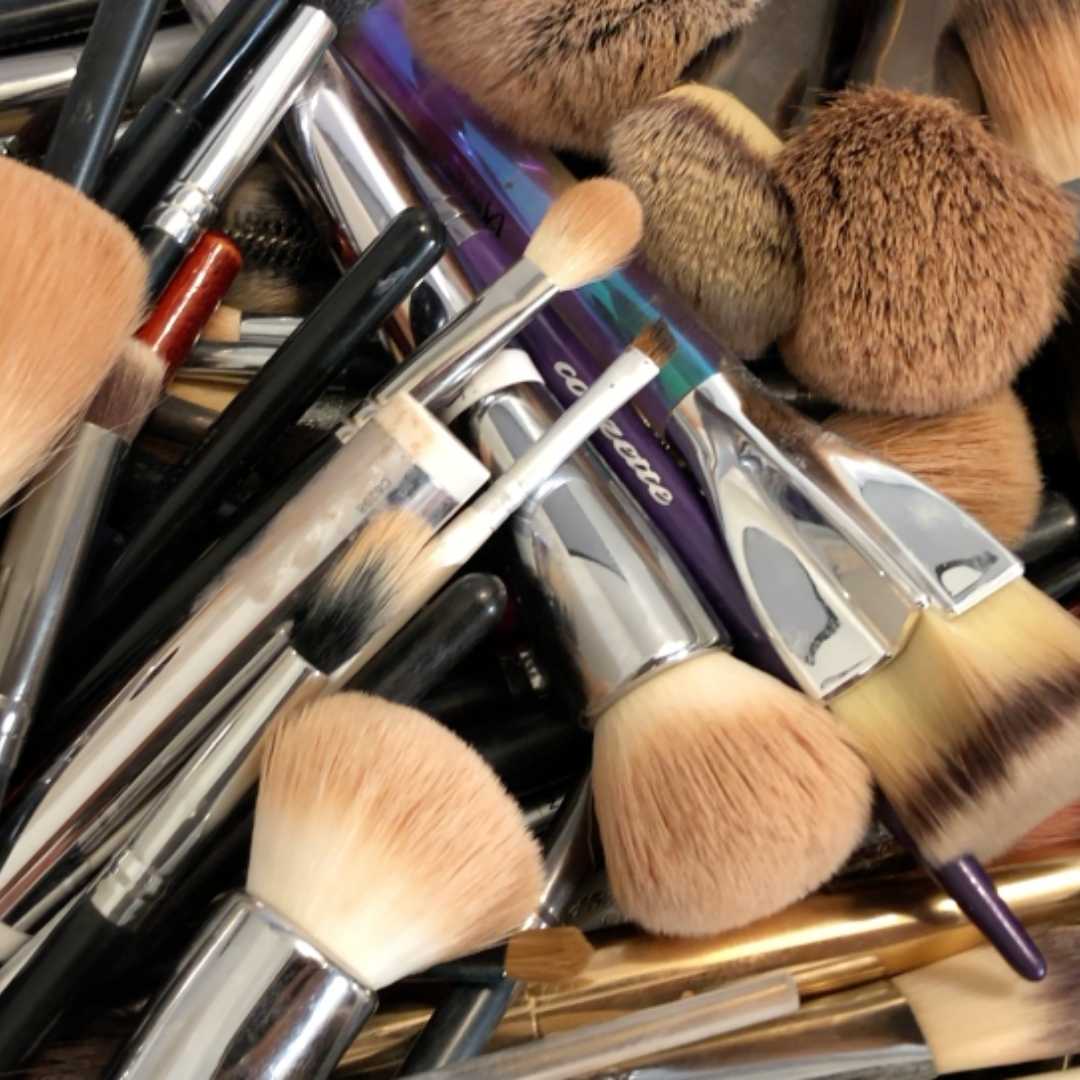
When you need to clean a brush between full washes — say, you used a bold eyeshadow color and want to switch to something neutral — hand sanitizer is a quick in-between fix. Squeeze a small amount onto a paper towel and swirl the brush bristles through it until the color transfers off.
The alcohol breaks down the oils and pigments in the makeup, and it dries fast enough that you can use the brush again within a few minutes. This isn’t a replacement for a thorough weekly wash with gentle soap and water, but it’s great for preventing color muddiness and extending the time between deep cleans.
Don’t use it on natural-hair brushes too often, though — repeated alcohol exposure can dry out and damage the bristles over time.
7. Remove Permanent Marker from Hard Surfaces
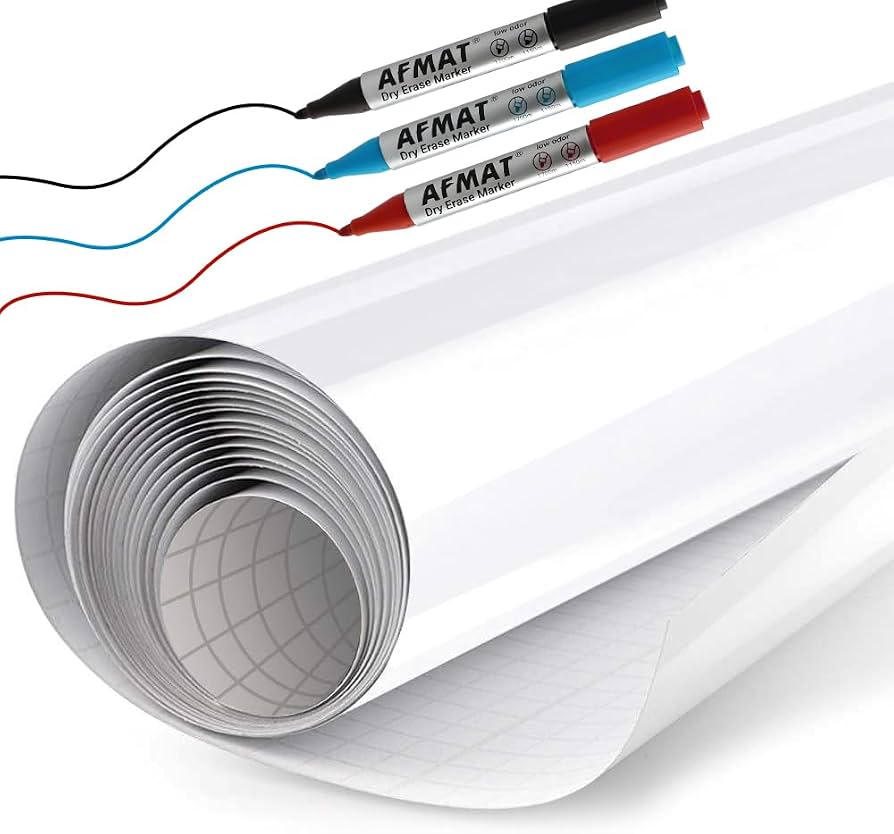
If a toddler with a Sharpie has visited your home, you already know the panic. Hand sanitizer can lift permanent marker from a surprising number of hard, non-porous surfaces.
Apply it directly to the mark, let it sit for a minute or two, and wipe with a paper towel. The alcohol re-dissolves the marker’s pigment before it fully cures.
For stubborn marks, a second application usually does the trick. Test a hidden area first on any surface you’re unsure about, and skip natural stone entirely — the alcohol can etch or dull marble and granite finishes.
Frequently Asked Questions
Can I use expired hand sanitizer for these hacks?
Yes — expired hand sanitizer still contains alcohol, which is the active ingredient doing the real work in every tip above. The potency may have dropped slightly below the labeled percentage, especially if the bottle wasn’t sealed tightly, but it’s still effective for cleaning, stain removal, and adhesive breakdown. Give the bottle a good shake before using.
Is hand sanitizer safe on all surfaces?
No. As noted throughout these tips, keep it away from suede, nubuck, unfinished wood, natural stone, and delicate fabrics like silk.
The alcohol can discolor, dry out, or etch these materials. Always test a small hidden area first when you’re trying a surface for the first time.
Can hand sanitizer replace rubbing alcohol?
For most household cleaning tasks, essentially yes — they share the same active ingredient. The main difference is that hand sanitizer often contains added moisturizers, fragrances, or aloe, which can leave a slight residue.
Wiping with a dry cloth after application solves that. For medical uses or precise craft work, stick with plain 70% isopropyl alcohol.
How long does hand sanitizer stay effective once opened?
Most hand sanitizers carry a shelf life of about two to three years. After that, the alcohol content gradually drops and the gel may separate. For the household hacks here, even a bottle that’s lost some potency will still work — you may just need to let it sit a bit longer on the surface.
That bottle of hand sanitizer doesn’t need to collect dust or get tossed. Whether you’re rescuing a stained shirt, saving your walls from a Sharpie incident, or just giving your phone a much-needed wipe-down, these small amounts add up to real utility around the house. Keep one in your cleaning caddy, one in your car, and one in your desk drawer — you’ll reach for it more often than you’d expect.
Leave a Reply