
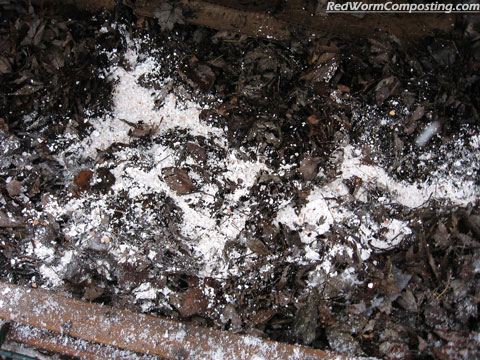
Expired eggs turn kitchen waste into garden resources when handled with basic safety steps like wearing gloves and burying material promptly. These uses focus on soil enrichment and waste reduction without any food applications.
Compost Pile Booster

Adding cracked expired eggs speeds decomposition because the proteins and moisture feed the microbes already working in the pile. The shells break down over time and release calcium that improves the finished compost texture. Place the eggs near the center layers rather than on top so odors stay contained and animals stay away.
Bury each egg about six inches deep and cover it with dry leaves or shredded paper. This placement keeps the balance between green and brown materials intact. Check the pile temperature after a week to confirm the eggs integrate without creating wet spots.
Tomato Plant Fertilizer
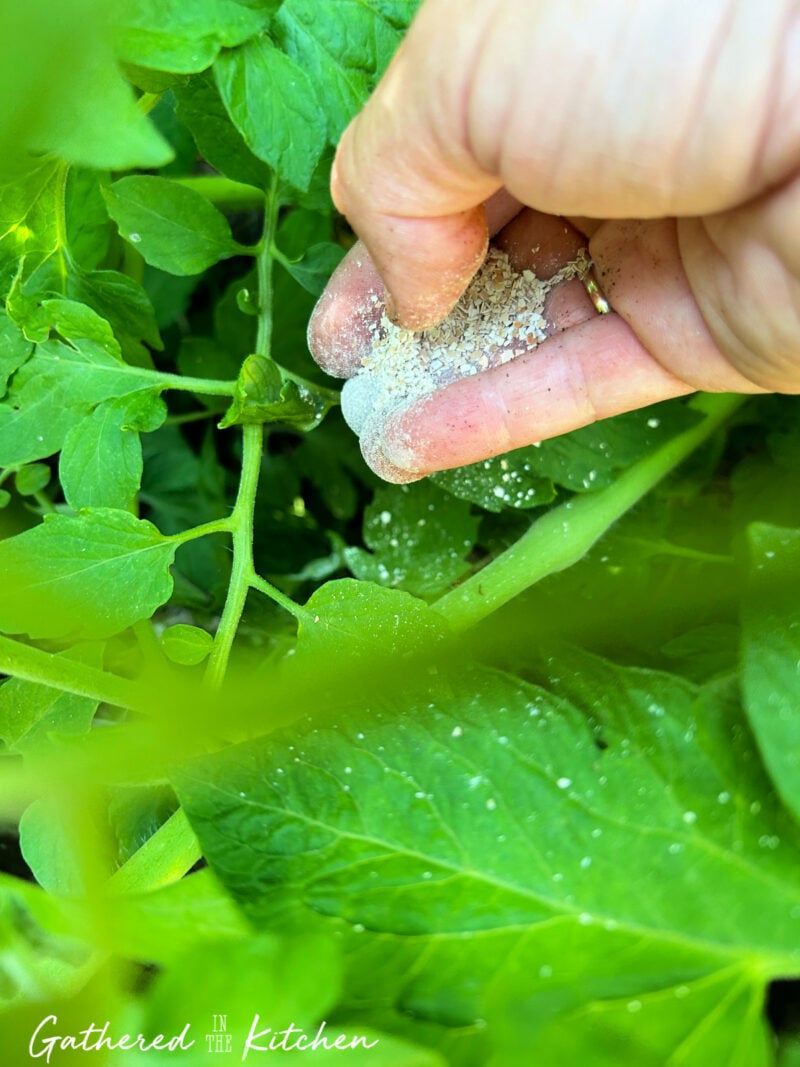
Diluted egg liquid supplies nitrogen that supports leafy growth before fruit sets in. Mix one expired egg with a gallon of water, let it sit covered for three days, then pour the strained liquid around the base of established plants. Repeat every four weeks during the active growing season.
The slow release prevents the burn that stronger fertilizers sometimes cause on young roots. Gardeners often notice stronger stems within two weeks of the first application. Avoid pouring directly on leaves to keep fungal issues from developing in humid weather.
Rose Fertilizer
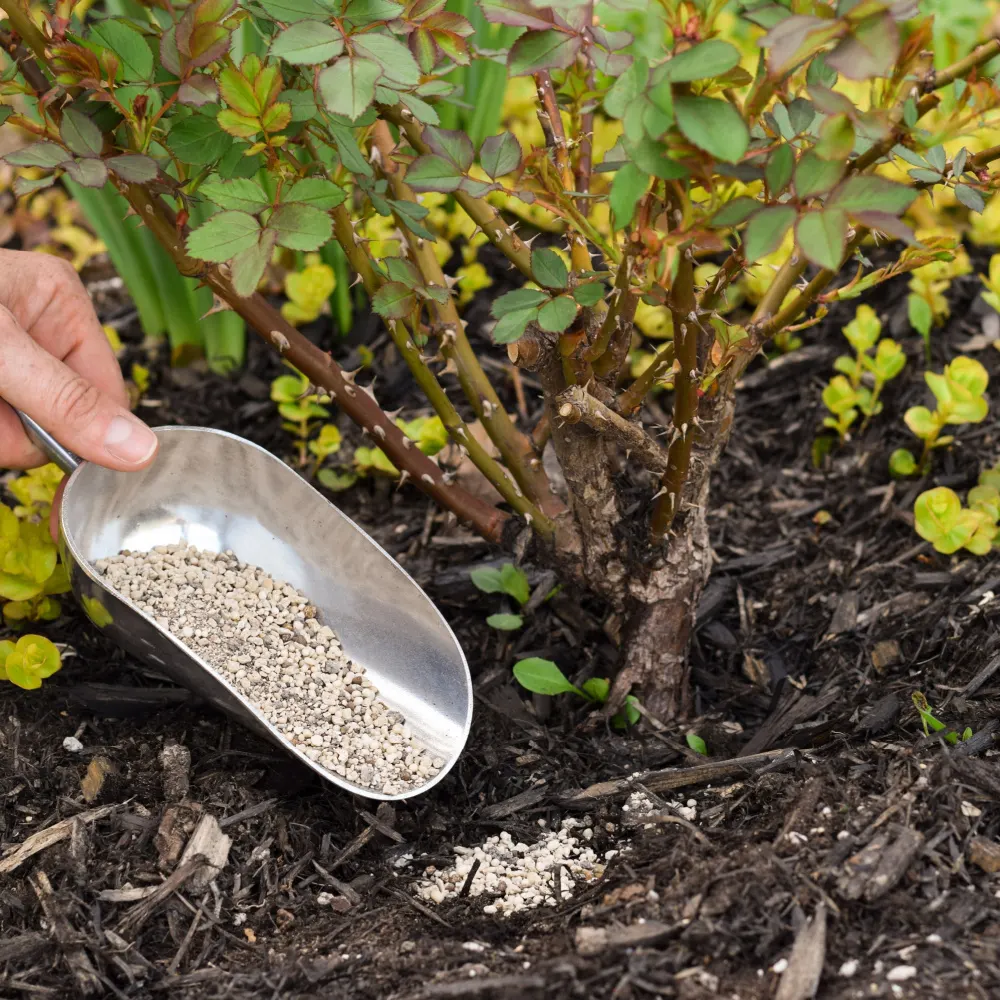
Roses respond well to the calcium and trace minerals found in expired eggs when the material is worked into the soil around the drip line. Crack two eggs per mature bush and mix them into the top few inches of soil in early spring. Water thoroughly afterward so the nutrients reach the root zone.
This method works best on established plants rather than new transplants. Monitor leaf color over the following month to see if additional applications are needed. Eggs provide nitrogen that breaks down slowly over weeks rather than delivering an immediate boost.
Vegetable Garden Drench
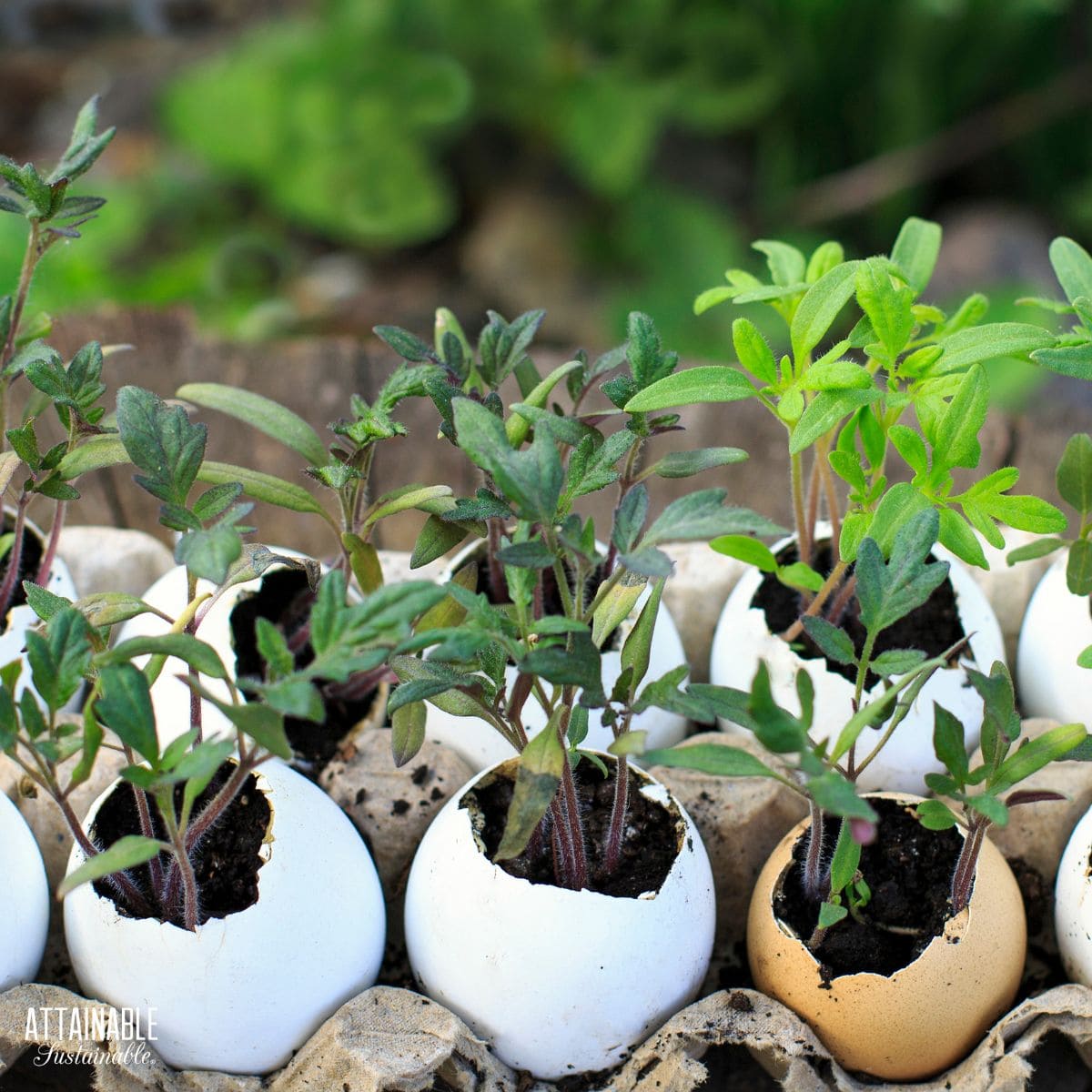
A light egg drench improves soil structure in beds growing leafy crops. Combine one egg with two gallons of water, stir well, and apply along rows after sunset. The mixture settles into the soil overnight and reduces surface crusting that can block seedling emergence.
| Vegetable Type | Application Frequency | Notes |
|---|---|---|
| Leafy greens | Every 3 weeks | Focus on nitrogen for leaf production |
| Root crops | Once at planting | Use sparingly to avoid excess foliage |
| Fruiting types | Every 4 weeks | Combine with compost for balanced feeding |
Rotate application spots each time so nutrients distribute evenly across the bed.
Houseplant Soil Mix

One expired egg blended into the potting mix of larger houseplants adds organic matter that improves moisture retention. Crack the egg into a small bowl first, then stir it thoroughly through the top two inches of soil. Water lightly to help the material settle without creating pockets of odor.
This works especially well for plants in terra-cotta pots that dry out quickly. Refresh the top layer every six months rather than adding more frequently. Always test a single plant before treating an entire collection to confirm no adverse reaction occurs.
Flower Bed Amendment
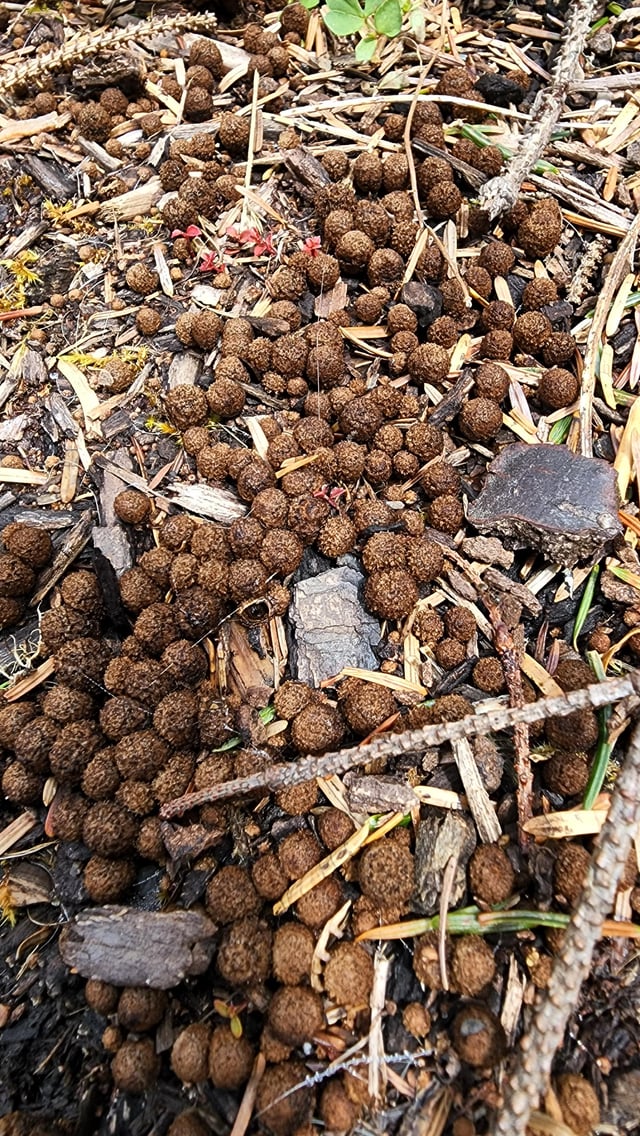
Expired eggs mixed into annual flower beds increase microbial activity that helps new plantings establish faster. Work one egg per square foot into the soil before setting out transplants. The shells remain visible for a short time but disappear as they break down.
Space the eggs evenly so no single area receives too much concentrated protein. Water the bed well after planting to move nutrients downward. Reapply only at the start of each new growing season.
- Front beds with heavy foot traffic benefit from eggs placed deeper to avoid surface smells.
- Shaded beds may need less frequent additions because cooler soil slows breakdown.
- Raised beds drain faster, so eggs integrate more quickly in those structures.
Lawn Repair Treatment

Small bare patches in the lawn respond to a diluted egg solution that encourages microbial life in compacted soil. Mix one egg with three gallons of water and pour it over the area after aerating. Follow with a light topdressing of compost to hold moisture.
Apply during mild weather so the solution does not evaporate before soaking in. One treatment per season is usually enough for minor patches. Larger areas benefit from repeating the process after four weeks if growth remains slow.
Tree Base Feeder
Mature trees gain from eggs placed in shallow trenches around the drip line once a year. Crack three to four eggs and cover them lightly with soil and mulch. The nutrients release gradually and support root health without the need for commercial products.
Keep the trenches three to four inches deep so lawn mowers do not disturb the material. This method suits both fruit and ornamental trees. Avoid placing eggs directly against the trunk to prevent moisture buildup at the base.
Seedling Starter Additive
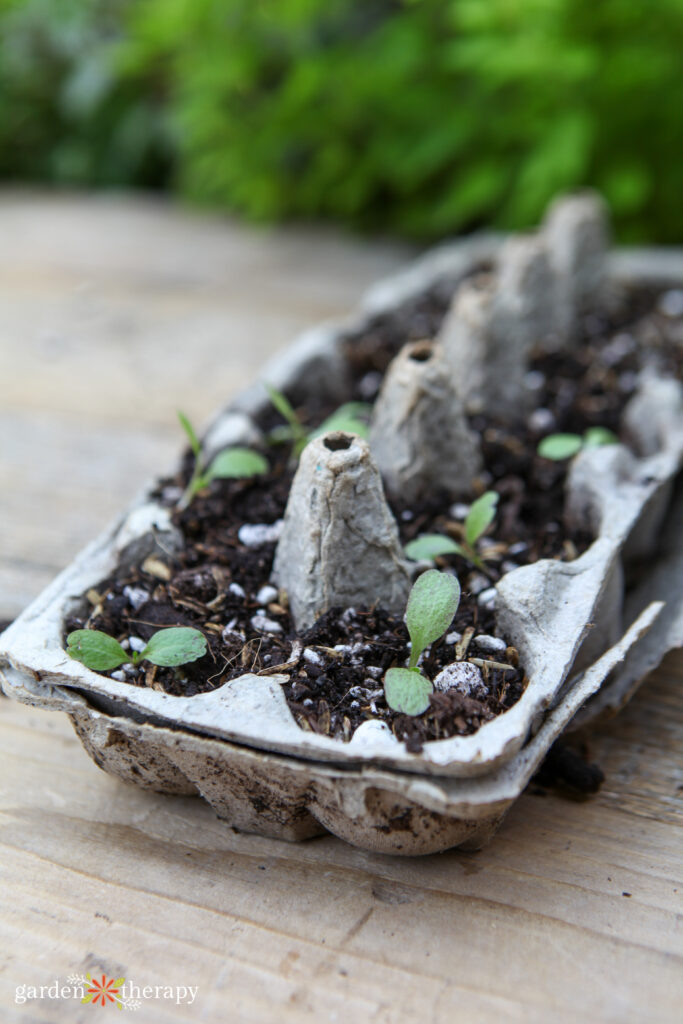
A small amount of egg liquid added to seed starting mix supplies early nitrogen for fast germination. Stir one beaten egg into a large batch of mix before filling trays. Use the amended mix only for the first two weeks, then switch to plain mix for transplanting.
The eggs break down completely by the time seedlings develop true leaves. Label trays clearly so the treated mix is not confused with standard batches. This addition works best with fast-growing annuals rather than slow perennials.
Mulch Layer Enhancer
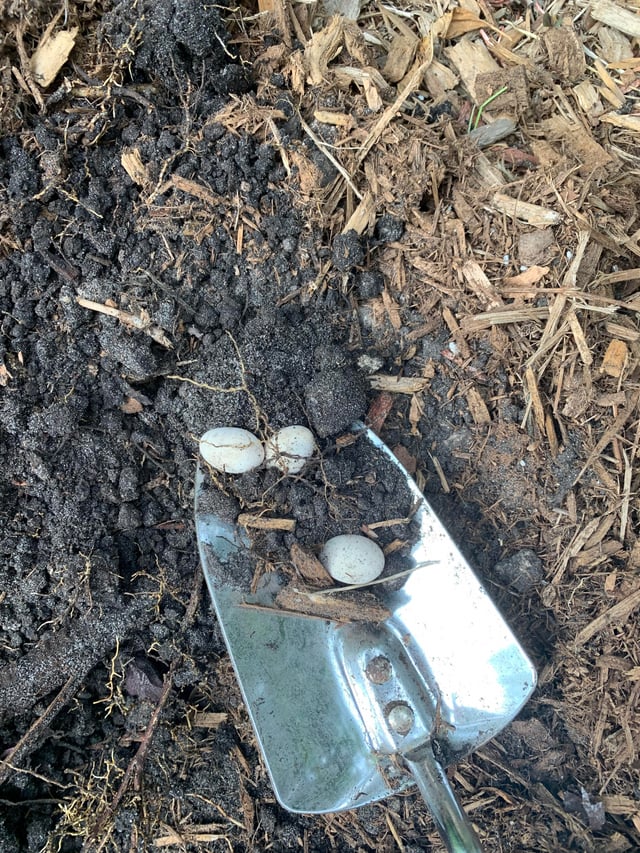
Expired eggs placed beneath mulch layers accelerate the breakdown of wood chips into usable organic matter. Tuck one egg every two feet along the edge of the bed and cover it again with mulch. The process adds nutrients while the mulch continues to suppress weeds.
Check the mulch depth after a month and add more if settling occurs. This technique reduces the frequency of mulch replacement in high-traffic garden areas. It pairs especially well with shredded bark that takes longer to decompose on its own.
FAQ
How long can I store cracked expired eggs before using them in the garden?
Cracked eggs should be used within two days when kept in a sealed container in the refrigerator. After that point the liquid begins to break down further and may create stronger odors when added to soil. Always bury the material promptly after removal from cold storage.
Can expired eggs be used on edible crops without affecting flavor?
When applied to soil rather than directly to leaves or fruit, the eggs break down into basic nutrients before harvest time. The key is allowing at least four weeks between the last application and picking. Thorough washing of produce removes any surface residue.
What safety steps prevent attracting animals when using eggs outdoors?
Bury each egg at least six inches deep and cover the spot with mulch or soil immediately. Avoid leaving cracked shells on the surface where scent can travel. Checking the area weekly for signs of digging helps catch problems early.
Is there a limit to how many eggs one garden bed can handle?
Most beds manage one egg per square foot without imbalance. Larger amounts can create temporary nitrogen spikes that favor leafy growth over flowers or fruit. Start with smaller quantities and observe plant response before increasing the rate.
Expired eggs become a reliable garden resource once the basic handling rules are followed. The same material that would otherwise go to waste now supports healthier soil and stronger plants throughout the season.
Leave a Reply