
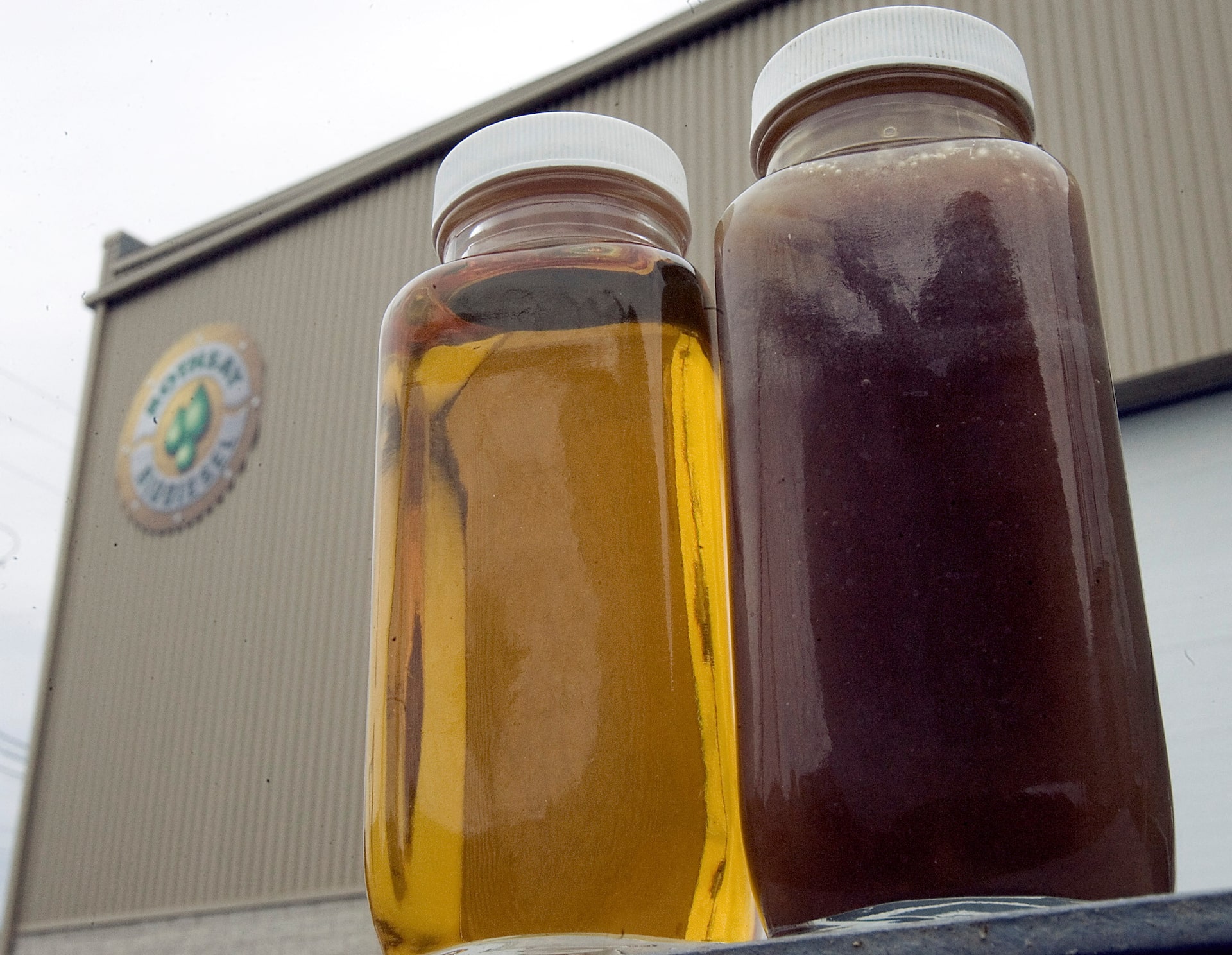
Expired cooking oil can move straight from the kitchen into other household roles once strained through a coffee filter and stored in a sealed container away from light. The oil retains lubricating, binding, and protective qualities that make it useful across several practical tasks. Each approach below keeps the focus on the oil itself rather than replacing it with another material.
Soap Bars from Strained Oil
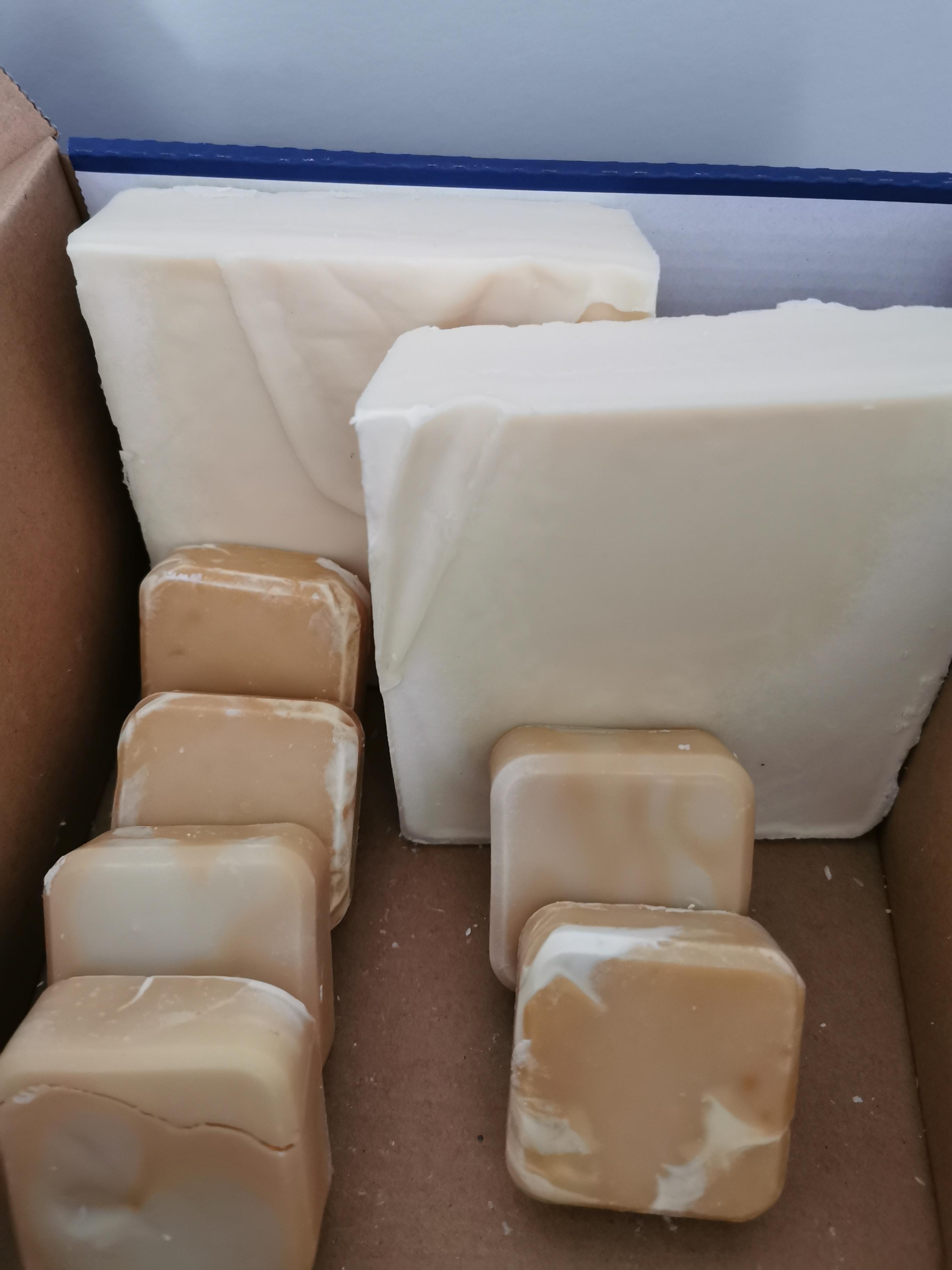
Strained cooking oil combines with lye and water to create solid bars that clean effectively in the sink or shower. The process begins with measuring the oil by weight, calculating the correct lye amount, and blending until trace forms. Once poured into molds and cured for four weeks, the bars produce a gentle lather suitable for hands and dishes.
Mixing ratios stay consistent whether the oil comes from frying vegetables or proteins, though darker oil yields slightly deeper-colored bars. Additives such as essential oils or oats remain optional and do not change the core recipe. Users who track batch weights avoid the common error of underestimating the lye requirement.
Oil that sat unused for more than six months still saponifies normally when filtered first.
Seasoning for Cast Iron Cookware
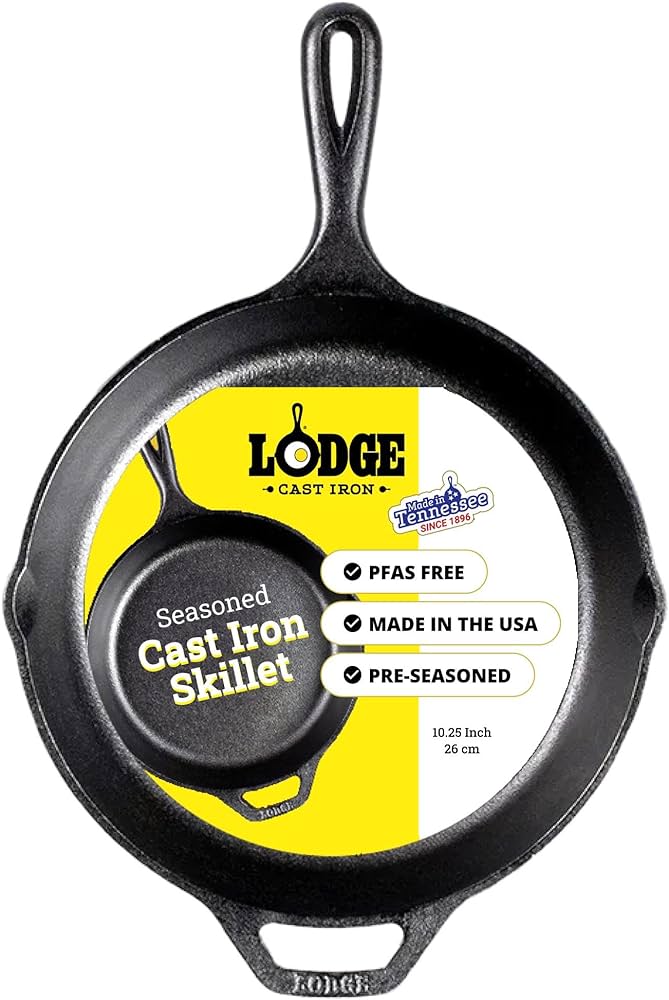
A thin layer of the strained oil wiped onto a heated cast-iron surface polymerizes into a protective coating that prevents rust. The skillet returns to the oven at 400 degrees for one hour, allowing the oil to bond with the metal. Repeating the wipe-and-bake step two or three times builds a smoother finish over time.
This method works on both new and restored pans without requiring specialty oils. The oil penetrates microscopic pores in the iron, creating a barrier against moisture. Pans treated this way maintain seasoning longer when used for daily cooking.
Lubricant for Household Hinges
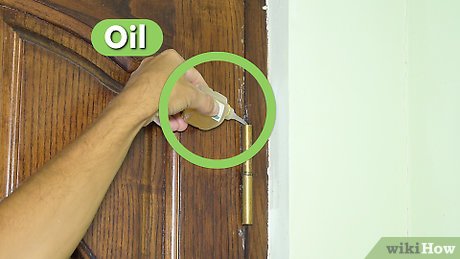
A few drops of the filtered oil applied to hinge pins quiets squeaks on interior doors and cabinet hardware. The oil flows into tight spaces where thicker greases cannot reach. Excess wiped away with a cloth prevents drips onto floors or trim.
Application every few months keeps mechanisms moving smoothly in dry climates. The oil also displaces minor surface rust that can develop on older hinges. Homeowners notice reduced noise within minutes of the first use.
Hand-Poured Candles
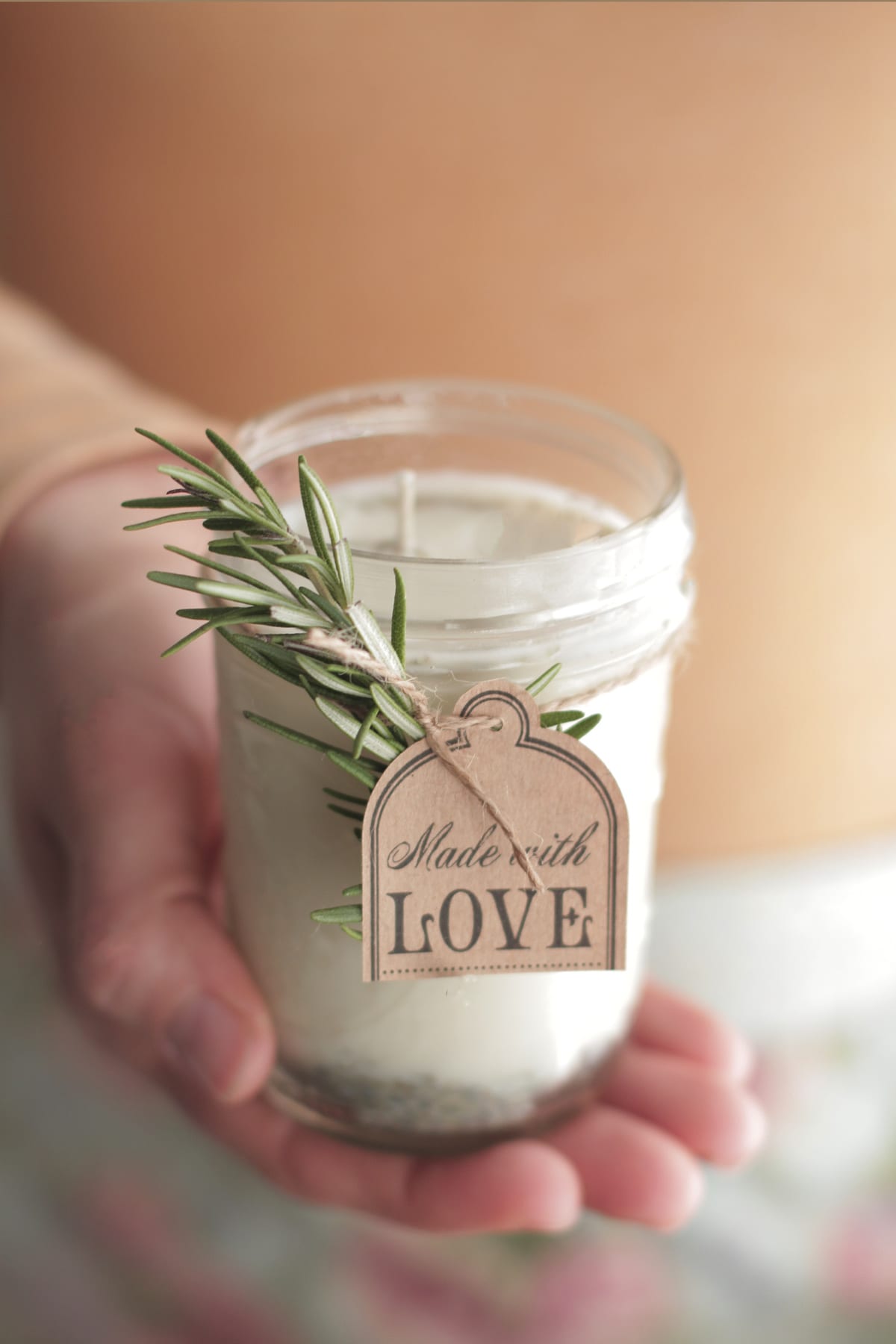
Strained oil mixed with melted wax and a wick produces stable candles that burn cleanly in small containers. The oil lowers the melting point slightly, allowing the mixture to fill jars evenly. Wicks centered with clothespins remain upright during the cooling phase.
Containers such as cleaned tuna cans or small mason jars hold the finished candles without leaking. Scents added at the end of melting stay suspended in the cooled wax. These candles provide backup lighting during short power outages.
Wood Furniture Polish
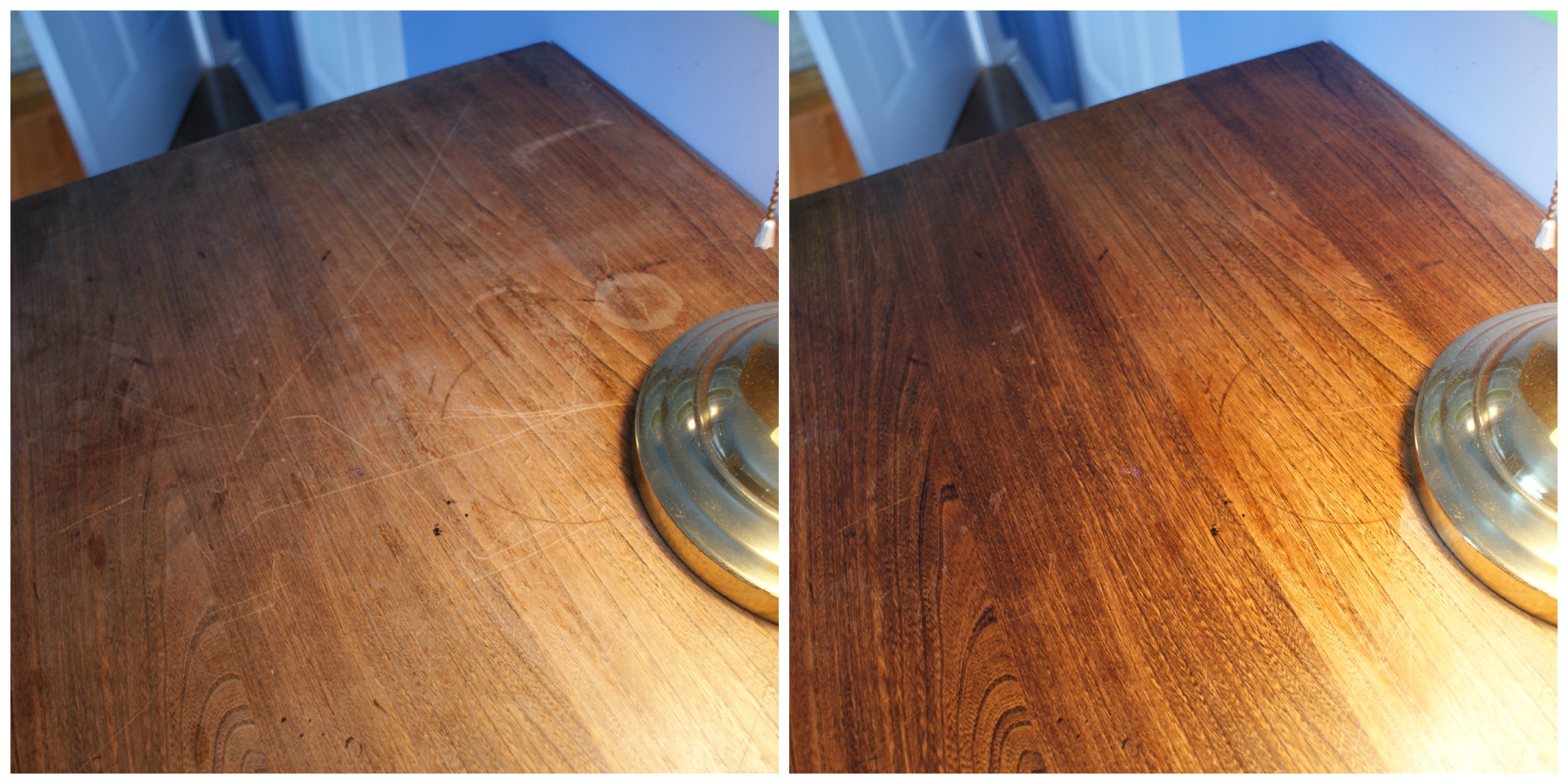
A 50-50 blend of the oil and vinegar wiped onto finished wood surfaces restores dull areas on tables and cabinets. The oil penetrates the finish while the vinegar cuts light residue. Buffing with a soft cloth leaves a low sheen that does not feel greasy.
This polish suits pieces that receive regular handling, such as dining tables or sideboards. Darker oil works best on deeper wood tones. Application every three to four months maintains the protective layer.
Fire Starter Packs
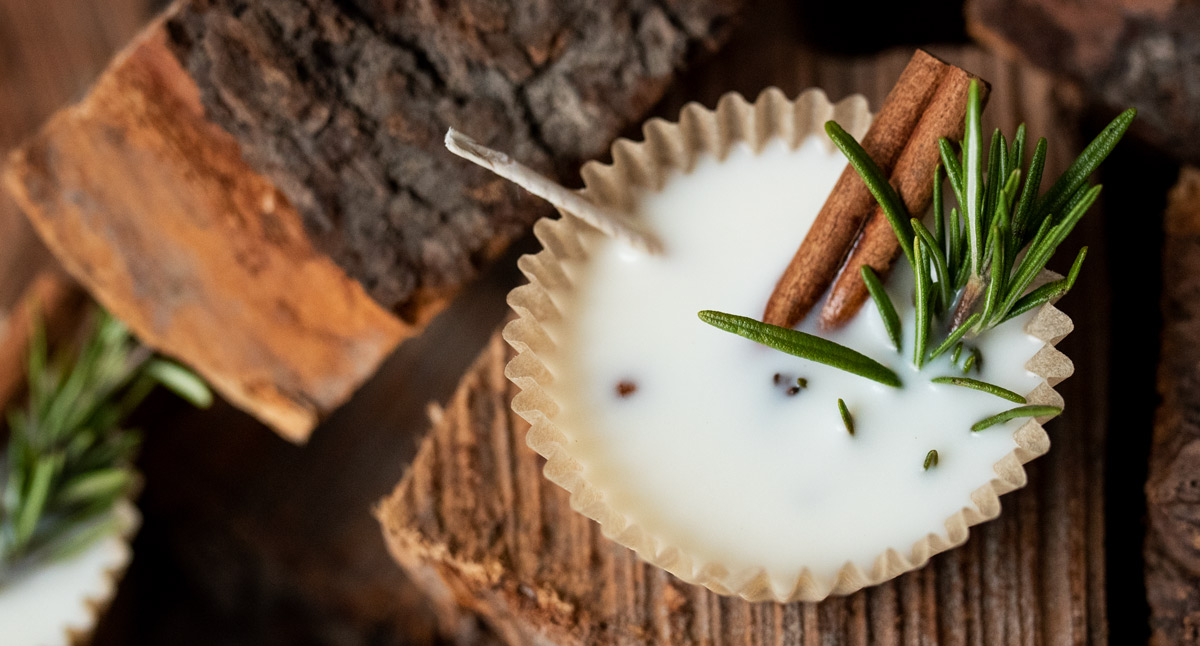
Cotton balls or shredded newspaper soaked in a small amount of the oil and stored in a sealed jar ignite quickly for campfires or fireplace kindling. The oil extends burn time compared with dry materials alone. Packs remain effective for several months when kept dry.
Each bundle fits inside an egg carton cup for easy transport. One or two packs placed under larger logs catch flame from a single match. Outdoor users keep a supply in a metal tin to avoid spills.
- Cotton ball bundles for quick indoor starts
- Newspaper rolls for longer outdoor burns
- Egg-carton cups for portable storage
Leather Conditioner for Boots
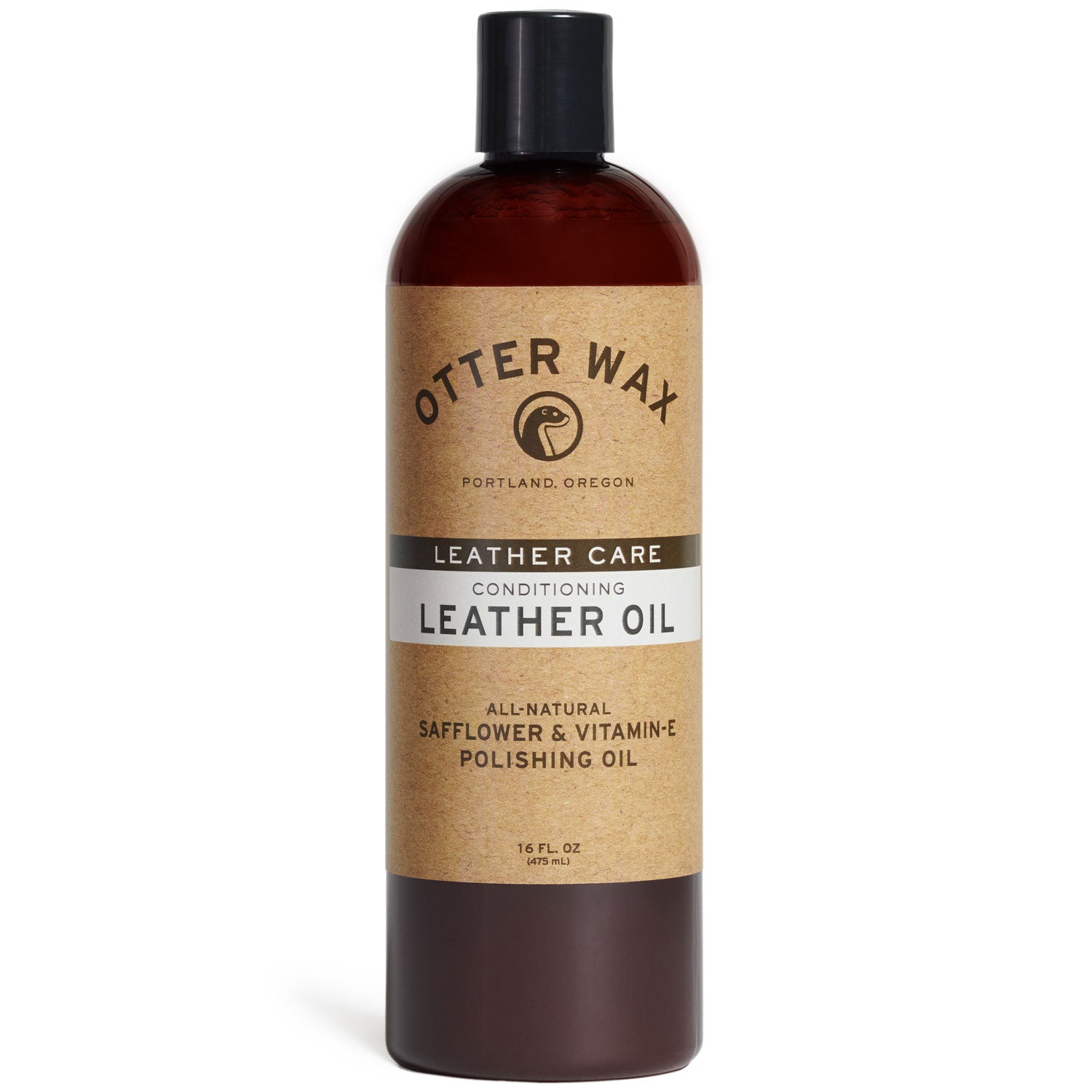
A light coating of the strained oil rubbed into clean leather boots restores flexibility after exposure to winter salt or summer heat. The oil soaks in over several hours, leaving the surface supple rather than sticky. Excess removed with a dry cloth prevents transfer to floors.
Application works on work boots, hiking footwear, and older leather bags. Testing on an inconspicuous area first confirms colorfastness. Reapplication twice a year extends the life of the leather.
Rust Prevention on Metal Tools
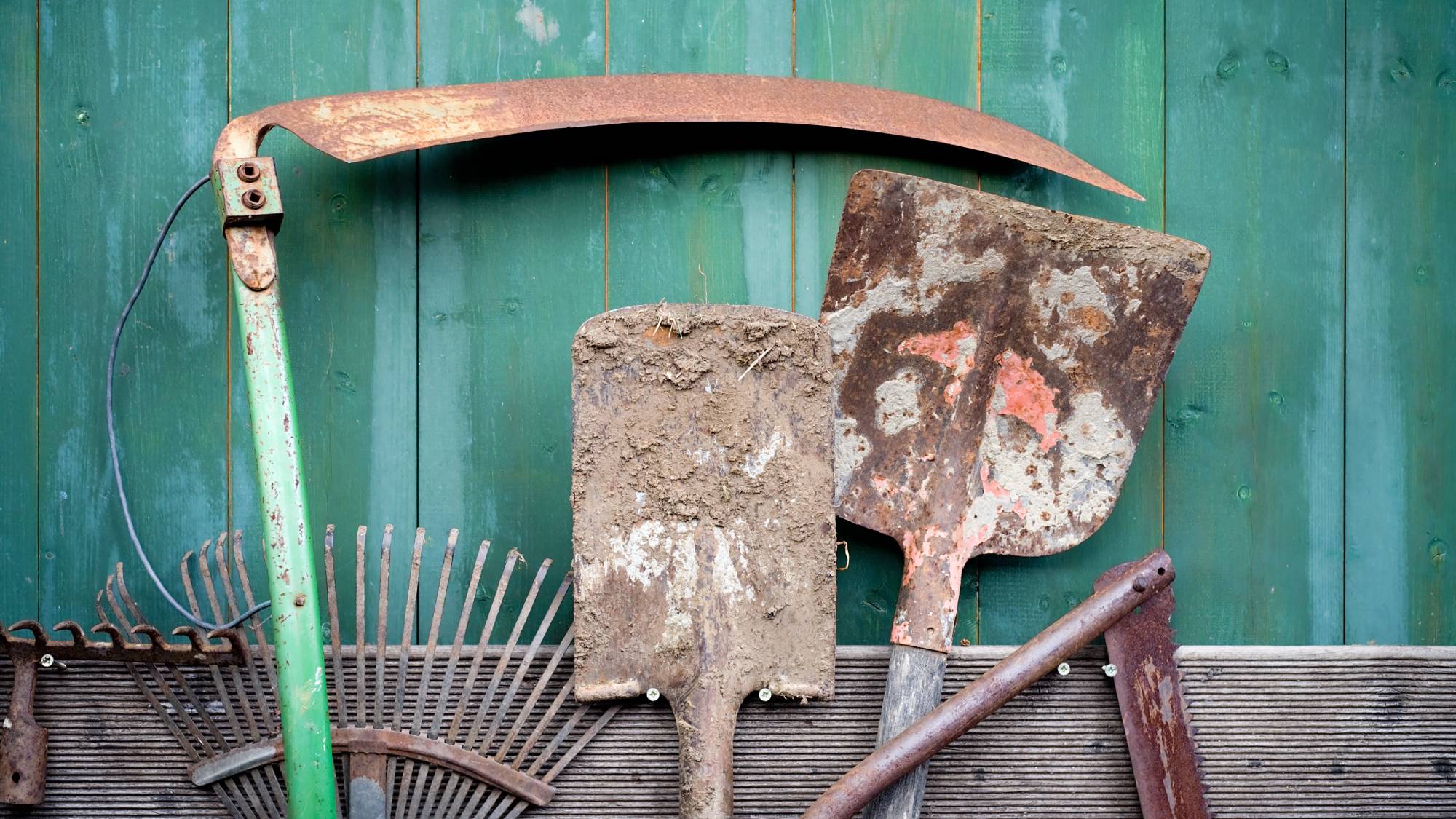
A rag dampened with the oil wiped across shovel blades, saws, and wrenches creates a barrier against moisture. The thin film stays in place during storage in sheds or garages. Tools treated this way show fewer orange spots after humid months.
Wiping occurs after each cleaning and before long-term storage. The oil also loosens light surface corrosion when left on overnight. Gardeners keep a dedicated rag near the tool rack for quick touch-ups.
Grease for Bike Chains

Filtered oil applied sparingly to bicycle chains reduces friction during rides on dry roads. The oil penetrates link plates without attracting excessive dust when wiped to a thin layer. Reapplication after every few rides maintains smooth shifting.
This use suits commuter bikes that see regular but not extreme mileage. Chains cleaned first with a degreaser accept the new coating more evenly. Riders notice quieter operation within the first mile.
Coating for Garden Tools
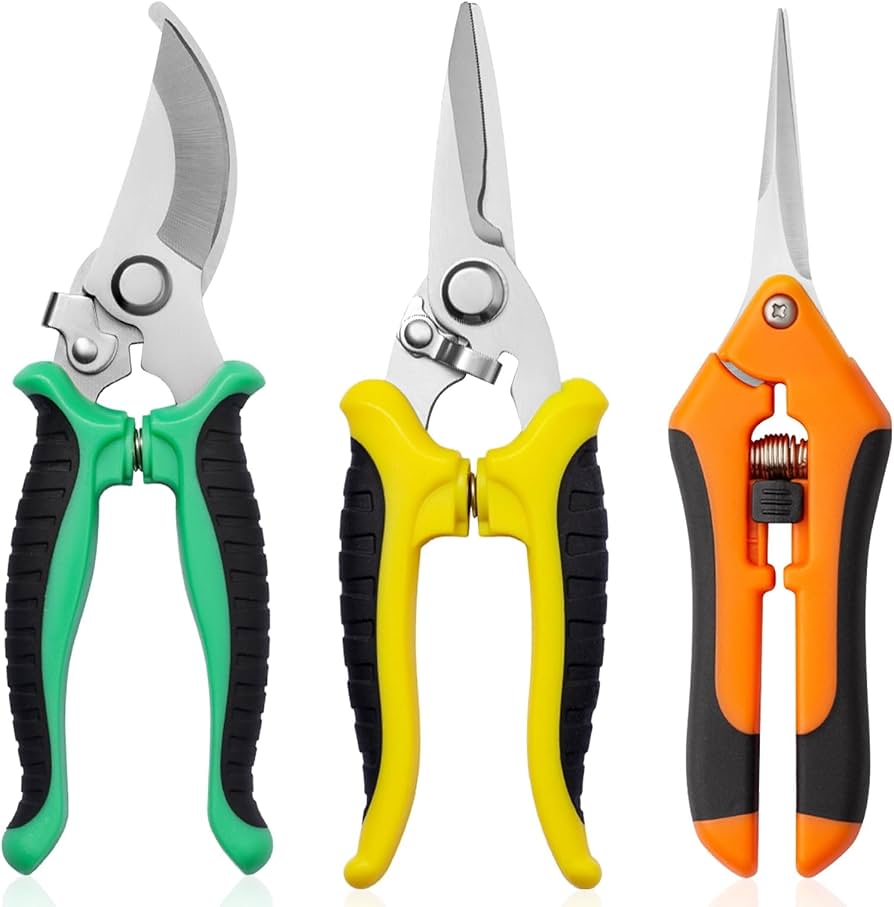
A final wipe of the oil on pruner blades and trowels after cleaning prevents sap buildup and corrosion between seasons. The coating remains flexible enough that tools open and close without resistance. Storage in a dry location preserves the protective layer until the next use.
The same oil works on both metal and wooden handles. Application takes less than a minute per tool. Gardeners who maintain a small jar of strained oil keep blades in better condition year-round.
Quick Comparison of Storage Methods
| Method | Container Type | Shelf Life | Best For |
|---|---|---|---|
| Dark glass jar | Mason jar | 6–12 months | Soap and candles |
| Plastic squeeze bottle | Recycled ketchup bottle | 3–6 months | Lubrication tasks |
| Metal tin | Clean paint can | 9–12 months | Fire starters and polish |
Strained oil stored longer than one year loses some binding strength but remains usable for lubrication.
FAQ
How long does strained cooking oil last before it goes rancid for these projects?
Strained oil stored in a cool, dark place retains usable qualities for six to twelve months depending on the original food types cooked in it. Regular checks for off odors help determine when a batch should move to outdoor-only tasks such as fire starters. Rotating small batches prevents waste and keeps projects consistent.
Can the same batch of oil serve multiple projects without cross-contamination?
Yes, provided the oil receives proper straining between uses and separate containers hold portions for different tasks. Soap and candle projects benefit from the cleanest oil while lubrication and rust prevention tolerate slightly darker batches. Labeling each container avoids accidental mixing.
Is it safe to use the oil on items that touch food surfaces later?
Seasoning cast-iron pans with the oil creates a polymerized layer that withstands cooking temperatures, yet the initial application should occur on dedicated cookware. Tools or furniture treated with the oil stay separate from food-preparation areas. Thorough curing or wiping removes any surface residue before contact with edibles.
What happens if the oil contains food particles when reused?
Unfiltered particles can shorten shelf life and create weak spots in soap or candles. A simple coffee-filter pass removes most debris and keeps finished projects looking uniform. Projects such as chain grease or fire starters tolerate minor sediment without performance loss.
Reusing the oil you already have on hand turns a disposal problem into a steady supply of household solutions.
Leave a Reply