
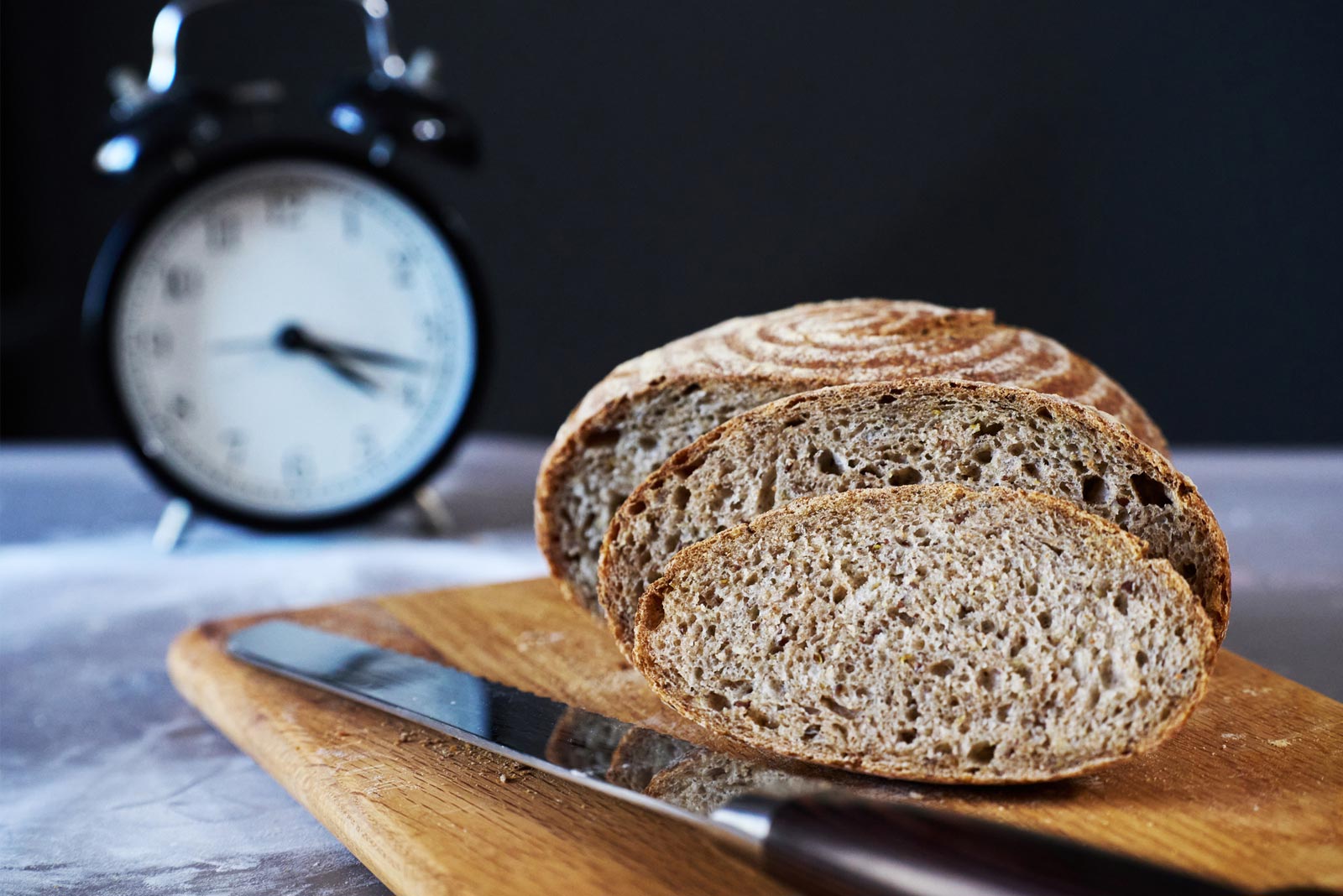
That half-loaf sitting on your counter has gone past its prime — it’s too dry for a decent sandwich, and you’re eyeing the trash can. Don’t toss it.
Stale bread is one of the most versatile ingredients hiding in your kitchen, and nearly every cuisine on the planet has built entire dishes around the concept of turning yesterday’s loaf into something genuinely good. From crunchy croutons to silky soup thickeners, here are ten real ways to use it up.
1. Make Breadcrumbs
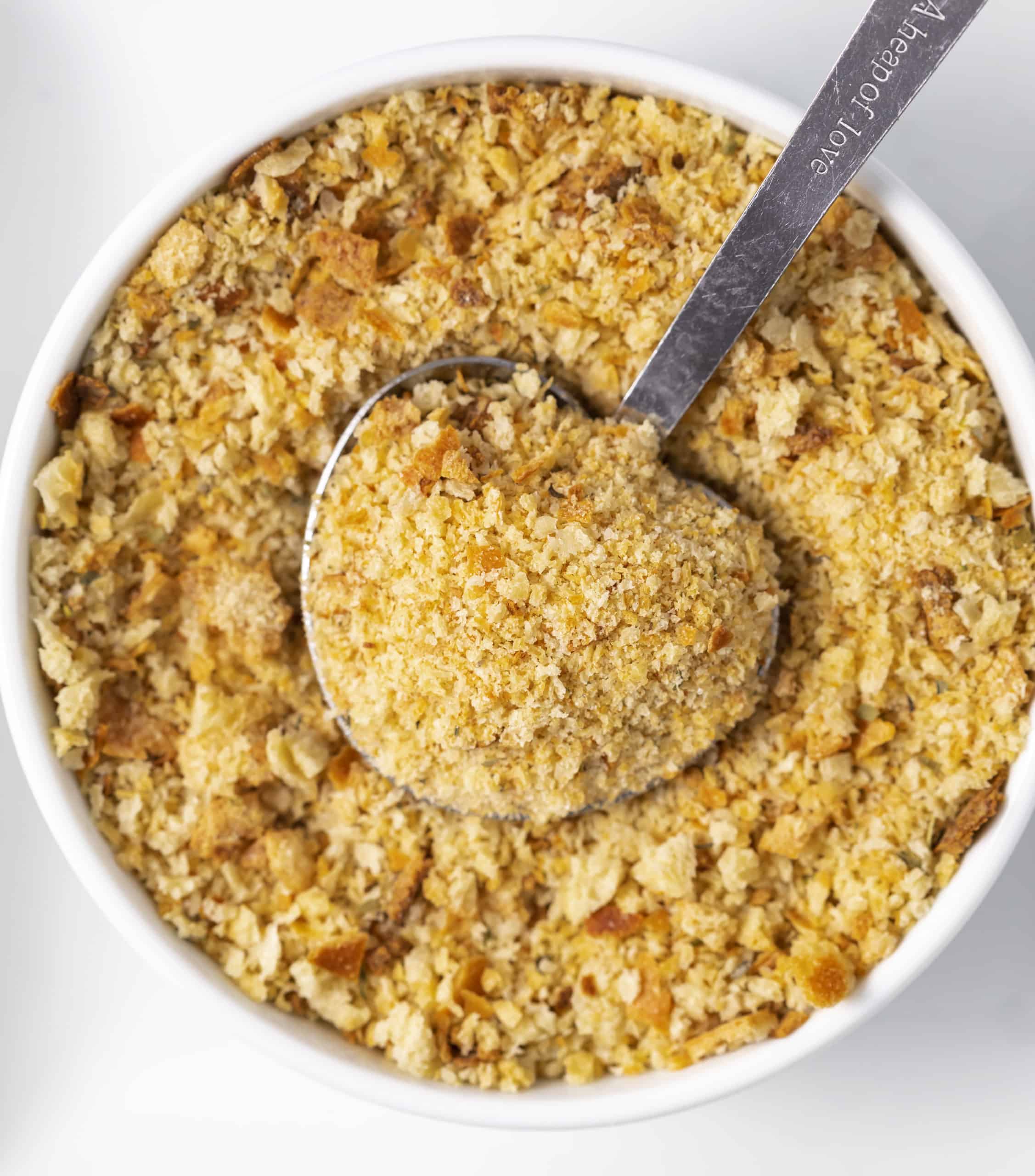
This is the single most useful thing you can do with stale bread, and once you start making your own, you’ll never buy the canned stuff again. Tear the bread into rough chunks, let it dry out completely on the counter overnight (or speed things up in a 250°F oven for about 15 minutes), then blitz it in a food processor until you reach the texture you want. Store them in a zip-top bag in the freezer — they’ll keep for months.
You can customize them depending on what you’re cooking:
- ✦Plain fine crumbs for breading chicken cutlets or binding meatballs
- ✦Coarse panko-style crumbs for topping mac and cheese or fried foods (pulse less, and use crusty bread)
- ✦Italian seasoned crumbs — toss in dried oregano, garlic powder, and grated Parm before processing
The only real mistake people make is trying to process bread that’s still soft. It’ll gum up into a paste. Dry it out first, and the processor does the rest.
2. Make French Toast
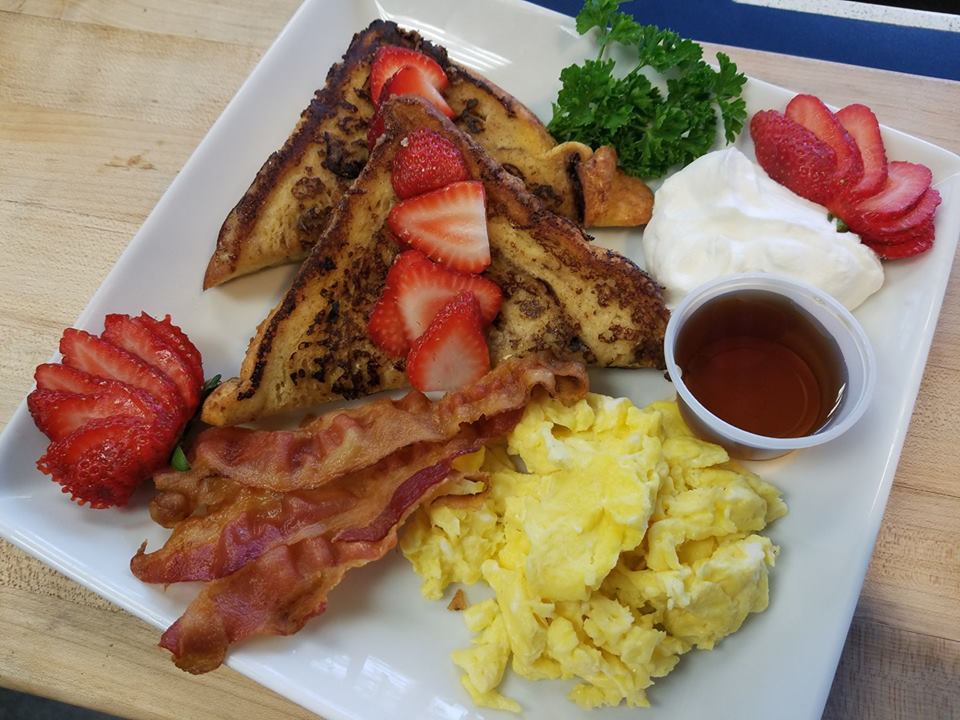
Here’s the thing — stale bread doesn’t just work for French toast. It works better than fresh bread.
A day-old slice has enough structure to soak up the custard mixture without dissolving into mush, which is exactly what you want. This is the reason restaurant French toast always seems sturdier than what you make at home: they’re deliberately using bread that’s a day or two old.
Whisk together two eggs, about a third cup of milk, a splash of vanilla extract, and a pinch of cinnamon. Dip each stale slice for about fifteen seconds per side — just long enough to absorb some custard but not so long it falls apart.
Cook on a buttered skillet over medium heat, about three minutes per side, until golden. Thicker slices work best here, so if your loaf is a boule or country-style bread, cut it into generous slabs.
Brioche and challah that have gone slightly stale are absolute champions at this.
3. Bake Croutons
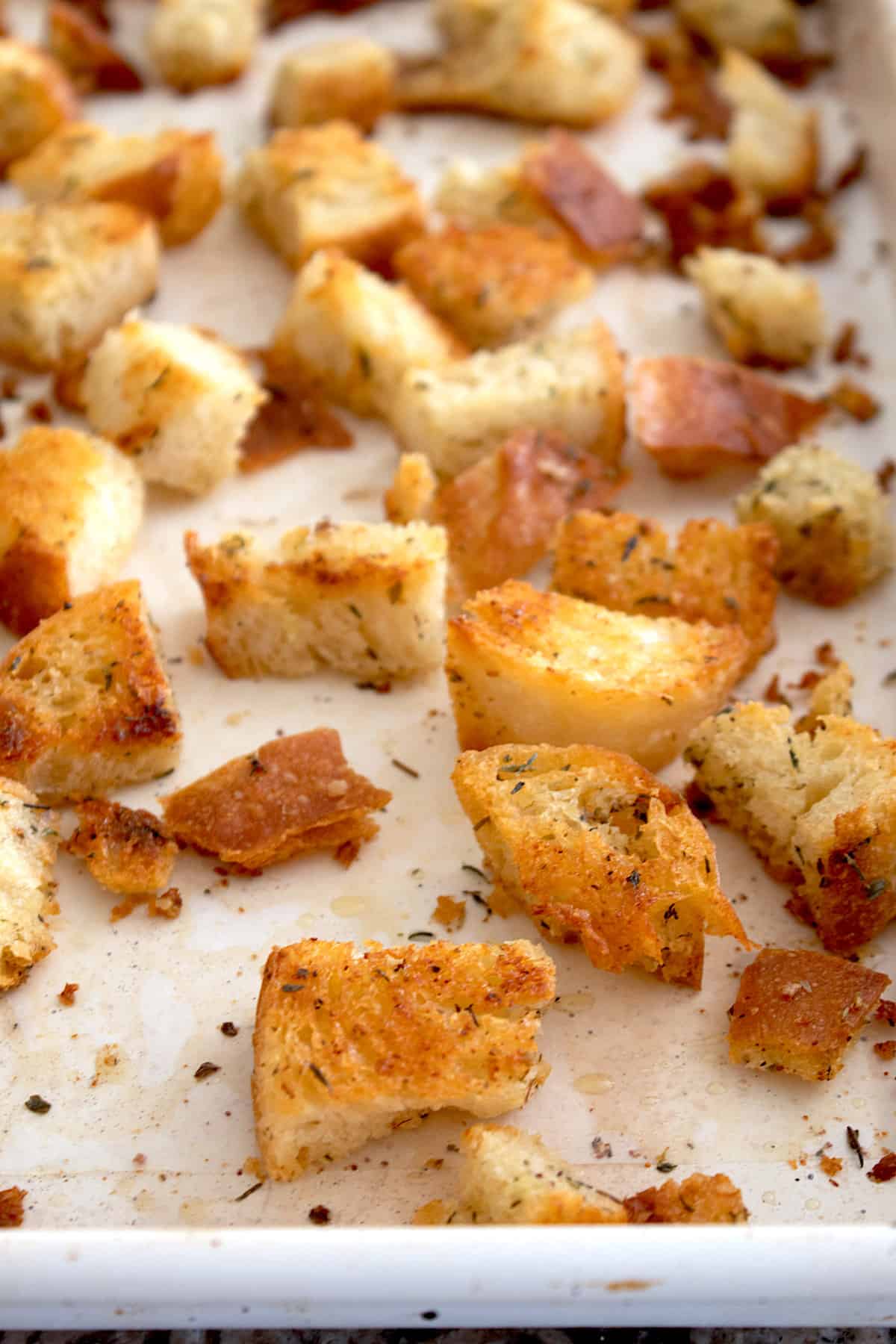
Homemade croutons take about fifteen minutes and taste nothing like the sad, hard cubes from a bag. Cut stale bread into roughly one-inch cubes, toss them in olive oil (or melted butter if you want richness), spread them on a sheet pan, and bake at 375°F for ten to twelve minutes, shaking the pan once halfway through. They should be golden and crunchy on the outside but not rock-hard all the way through.
Where you can really have fun is the seasoning. Some combinations I keep coming back to:
- ✦Garlic and herb — minced garlic, dried thyme, and a pinch of salt
- ✦Parmesan black pepper — grated Parm tossed in after baking so it sticks
- ✦Ranch — a packet of dry ranch seasoning mixed into the oil before tossing
- ✦Cinnamon sugar — for topping salads with fruit or sweet soups like butternut squash
Toss the seasoning with the bread cubes before baking for dry spices, or immediately after for anything cheese-based. Store in an open container — sealing them while warm creates steam and makes them soggy.
4. Make Bread Pudding
Bread pudding is essentially the entire concept of “use your stale bread” elevated into a dessert people actually request by name. Tear or cube about six cups of stale bread — brioche, challah, or even plain sandwich bread all work — and pack it into a buttered baking dish.
Whisk together two cups of whole milk or heavy cream, three eggs, half a cup of sugar, a teaspoon of vanilla, and a pinch of nutmeg. Pour it over the bread, press down gently so every piece gets soaked, and let it sit for at least thirty minutes before baking at 350°F for about 45 minutes.
The resting time matters. If you rush it into the oven, the center cubes stay dry and bready instead of custardy.
You can add raisins, chocolate chips, or chopped apples before the soak, and drizzle it with a quick bourbon sauce or caramel when it comes out. Leftovers reheat surprisingly well in the microwave — the texture stays soft rather than rubbery.
5. Thicken Soups and Stews
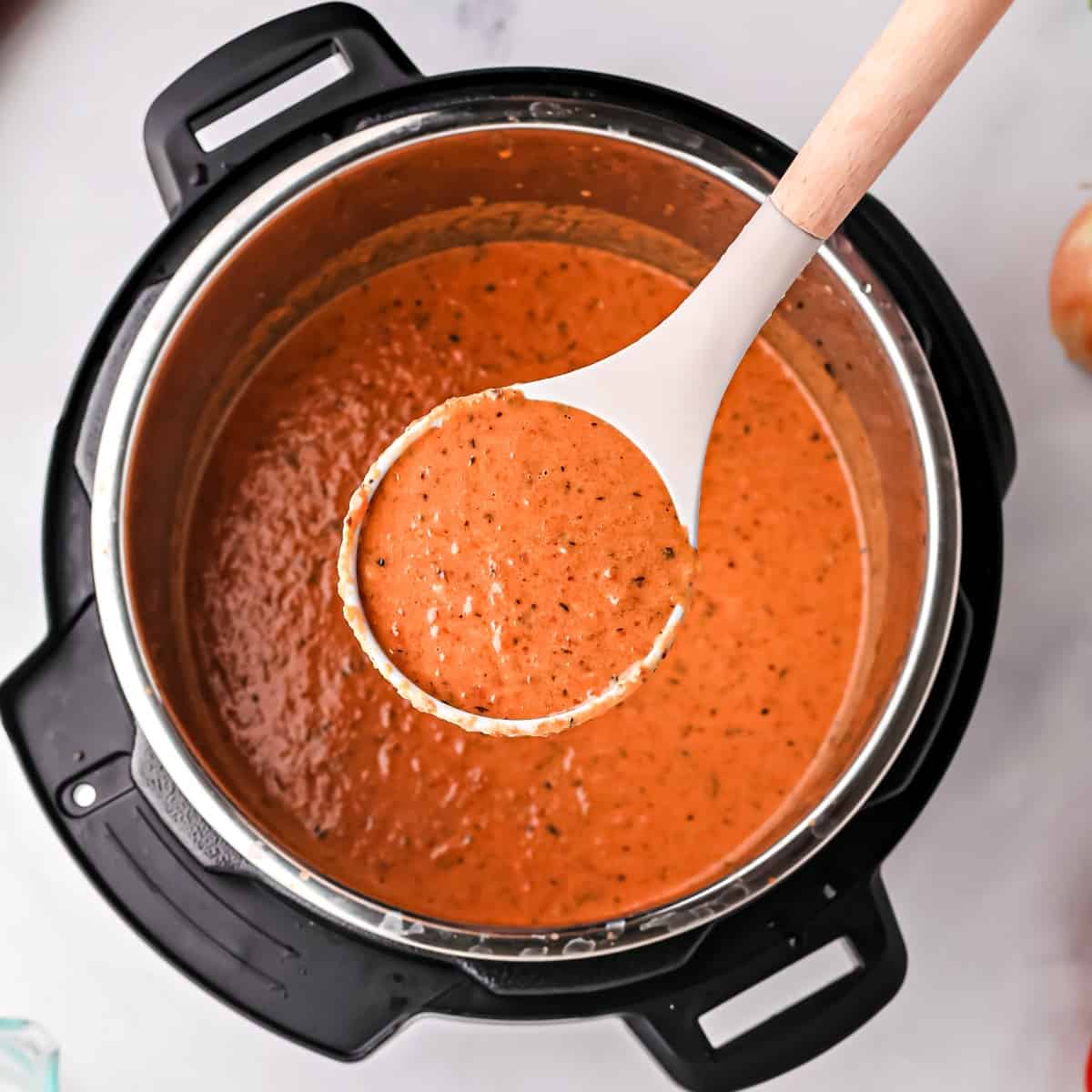
This is a trick Italian home cooks have relied on for centuries: tear stale bread into pieces and stir it right into a simmering soup or stew. The bread breaks down, releases its starch, and gives the broth a silky, thick body without a single bit of cream or flour. It’s the backbone of dishes like pappa al pomodoro, a Tuscan tomato soup that specifically calls for stale bread as a main ingredient — not a garnish, not a side — the bread is the soup.
For a quick weeknight version, simmer a can of San Marzano tomatoes with some garlic and olive oil, tear in three or four slices of stale bread, and let it bubble for about fifteen minutes. Mash it with a wooden spoon or hit it with an immersion blender if you want it smooth.
The bread disappears entirely and leaves behind a rich, velvety texture you’d swear came from butter. This same trick works in minestrone, bean soups, and any blended vegetable soup that needs a little more body.
6. Make Panzanella Salad
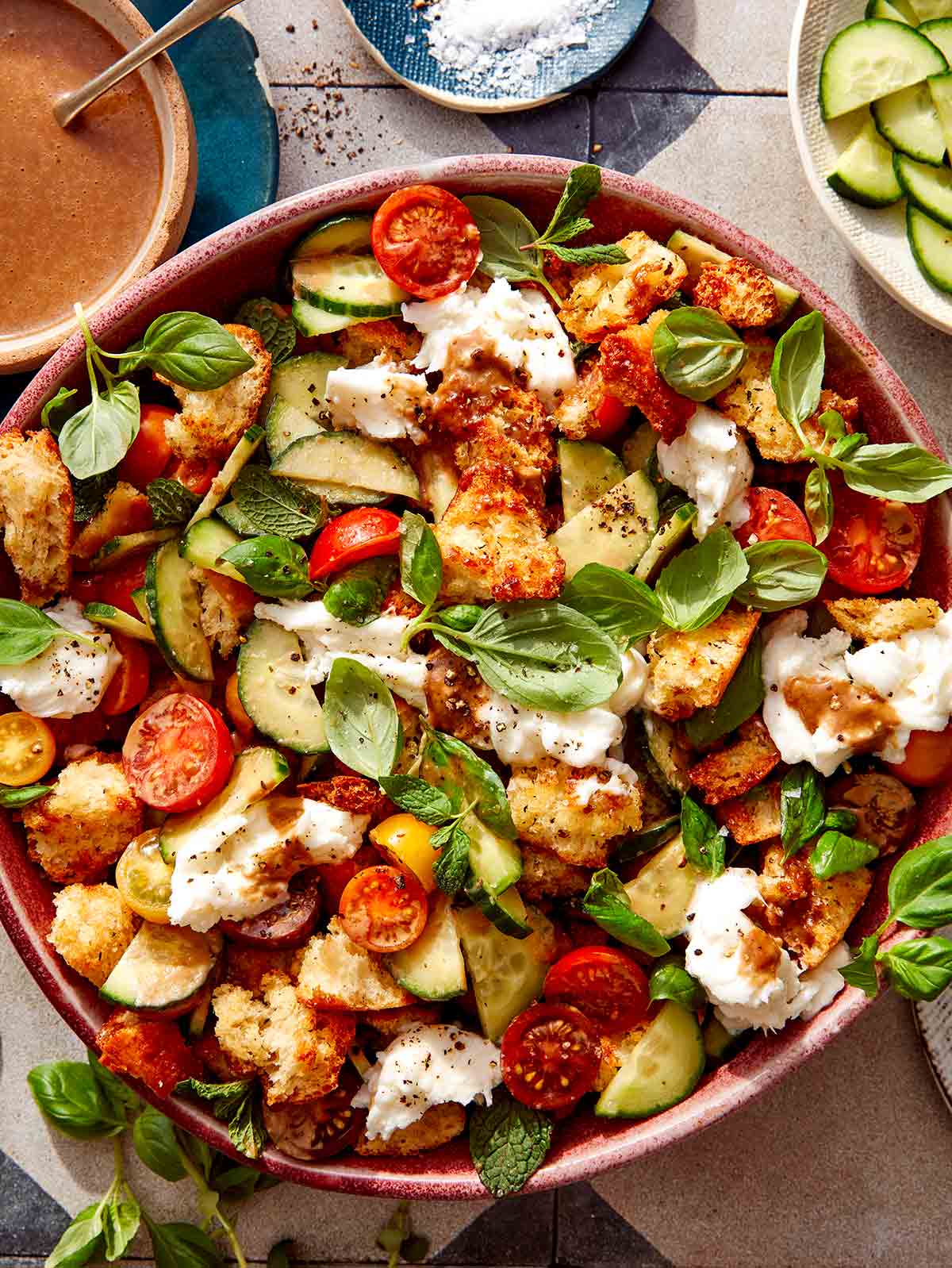
Panzanella is a Tuscan bread salad that was literally invented to use up stale bread, and it’s one of the most satisfying things you can eat in warm weather. Tear your stale bread into rough, bite-sized pieces — you want them big enough to get crispy edges but small enough to eat in one bite. Toast them lightly in the oven or in a skillet with olive oil until they’re golden on the outside but still have a tiny bit of chew in the center.
Toss the toasted bread with ripe tomatoes (cut into wedges), thinly sliced red onion, cucumber, fresh basil, and a punchy red wine vinaigrette — three parts olive oil to one part red wine vinegar, with a minced garlic clove, salt, and pepper. Let it sit for at least twenty minutes before serving.
The bread absorbs the tomato juices and dressing, softening into something that’s half crouton, half salad, entirely delicious. Use the stalest, crustiest bread you have — soft sandwich bread turns to mush here.
7. Prepare Stuffing or Dressing
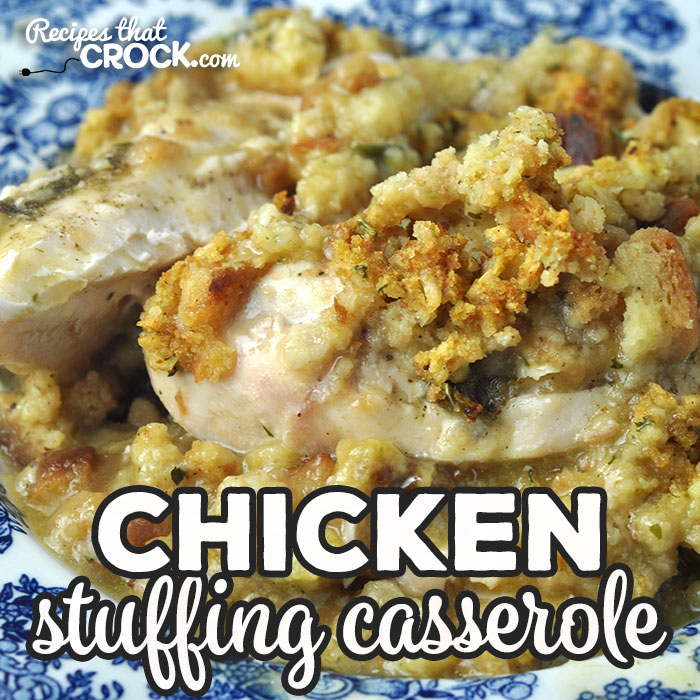
Stale bread is the foundation of every good stuffing and dressing recipe, and it’s the reason most experienced cooks start drying out bread days before Thanksgiving. The dry cubes act like little sponges, soaking up broth, melted butter, and aromatics without turning into paste. Fresh bread can’t do that — it’s too soft and wet, and you end up with a gummy, dense casserole.
Cube your stale bread into roughly one-inch pieces — you want about twelve cups for a standard 9×13 baking dish. If the bread isn’t quite dry enough, spread the cubes on sheet pans and let them sit out uncovered overnight, or dry them in a 250°F oven for twenty minutes.
From there, sauté diced onion and celery in butter, mix it with the bread cubes, pour warm broth over the top until everything is moist but not swimming, and season with sage, thyme, salt, and pepper. Bake covered for 25 minutes, then uncovered for another 15 to get a crispy top.
Any bread works here, but sourdough and French bread give the best texture — sturdy enough to hold shape, porous enough to drink up flavor.
8. Bind Meatballs and Burgers

Most meatball and burger recipes call for breadcrumbs as a binder, and stale bread does the job beautifully. Soak a few slices in a little milk until they’re soft and squishy — this mixture is called a panade — then squeeze out the excess liquid and tear the bread into small pieces.
Add it to your ground meat mixture along with egg, grated onion, garlic, and seasoning. The panade keeps the meat tender and juicy by holding onto moisture during cooking, and it prevents the proteins from tightening up into a dense, tough ball.
Use about half a cup of torn bread (soaked in a quarter cup of milk) per pound of ground meat. This works for meatballs, burger patties, meatloaf, and even crab cakes.
Italian grandmothers have been doing this for generations, and it’s the reason their meatballs come out light and pillowy instead of like hockey pucks. Plain sandwich bread works fine here — you don’t need anything fancy.
9. Make a DIY Bird Feeder
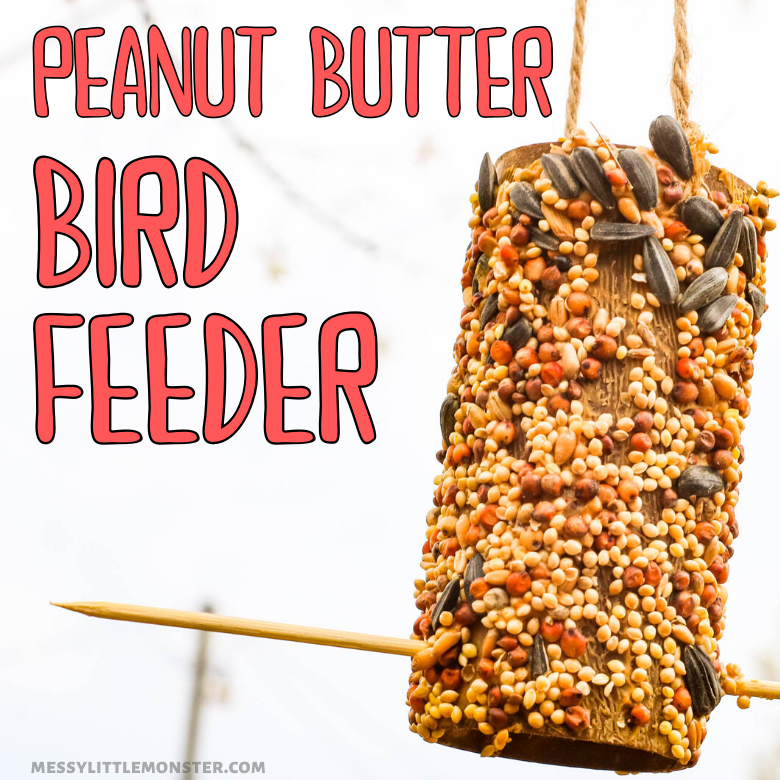
Stale bread on its own isn’t the best food for wild birds — it fills them up without much nutrition. But turn it into a feeder, and you’re supplementing it with fat and seeds that actually help them.
Cut stale bread into thick slices or rounds, spread a generous layer of peanut butter on both sides, then press the slice into a shallow plate of birdseed (black oil sunflower seeds are the most popular with backyard birds). Thread a piece of twine through a hole near the top, and hang it from a tree branch or hook near your window.
It’s a quick weekend project if you have kids, and the birds will find it within a day or two. Use bread that’s fully stale — soft bread gets too soggy and falls apart when it’s damp outside.
Check on it every few days and replace it if it looks wet or moldy. In really cold weather, the fat from the peanut butter gives birds a much-needed calorie boost.
10. Keep Brown Sugar Soft
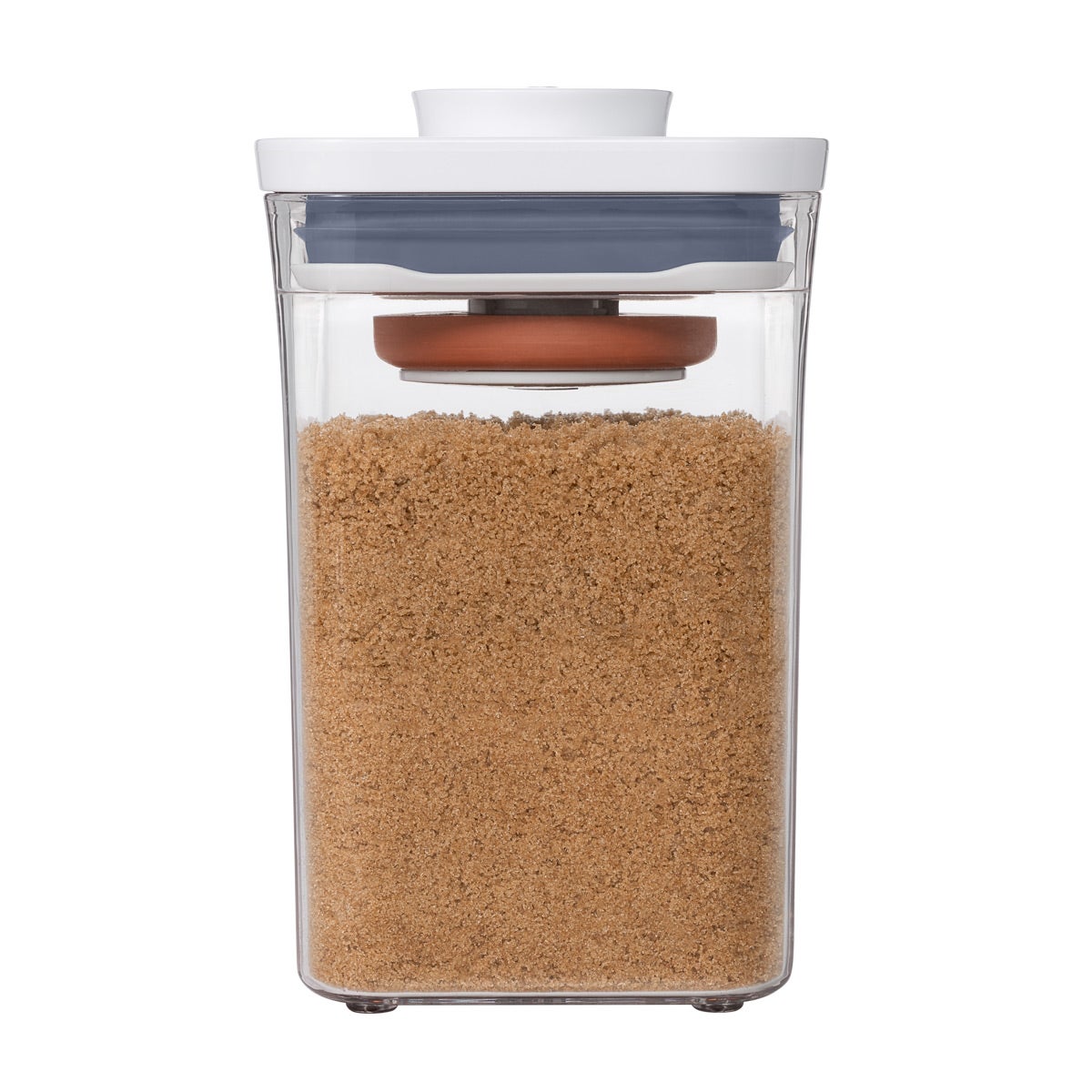
If you’ve ever opened a bag of brown sugar only to find it’s turned into a solid brick, you know the frustration. A slice of stale bread dropped into the container fixes this overnight.
The bread releases just enough moisture to soften the sugar back to its original, scoopable texture without adding any noticeable wetness. Replace the slice every few days or whenever it dries out completely.
This works because brown sugar hardens when it loses moisture — the thin layer of molasses on each sugar crystal dries out and acts like glue. The bread acts as a slow, gentle humidifier.
A piece of terra cotta does the same thing, but bread is what you already have on hand. Just make sure the bread is stale and dry, not moldy — you don’t want anything growing in your sugar container.
FAQ
Is stale bread safe to eat?
Yes, as long as there’s no mold on it. Stale bread is simply bread that’s lost moisture — it’s dried out, not spoiled.
The texture is tougher and the flavor is flat, but it’s perfectly safe to cook with. The moment you see any mold, even a small spot, throw the whole thing out.
Mold roots spread invisibly through soft bread far beyond what you can see on the surface.
How long does stale bread last before it goes bad?
At room temperature, bread stays safe (if stale) for about five to seven days past its best-by date, depending on the type and how it’s stored. Preservative-free bakery bread goes faster — sometimes within three days.
If you’re not going to use it in time, freeze it. Frozen bread keeps for three to six months with no quality loss, and you can pull slices straight from the freezer into the toaster or a recipe.
Can you revive stale bread?
Partially. If the bread is stale but not moldy, run it briefly under water — just a quick splash on the crust — then bake it directly on the oven rack at 350°F for about ten minutes.
The steam from the water re-gelatinizes the starches on the surface, and the dry heat recrisps the crust. It won’t taste like fresh-baked bread, but it’ll be dramatically better than it was.
This only works once per loaf — you can’t keep re-reviving it.
What’s the difference between stale bread and moldy bread?
Stale bread has simply dried out. It feels hard, tastes flat, and looks dull, but there’s no visible growth on it.
Moldy bread has fuzzy spots that can be white, green, blue, or black. Don’t eat moldy bread and don’t cut around the mold and use the rest — with soft breads, mold spores penetrate much deeper than the surface.
Stale bread is an ingredient; moldy bread is trash.
Every one of these ideas works with whatever loaf you have on hand — sandwich bread, sourdough, French bread, brioche, even hot dog buns. The next time you realize that loaf on the counter is past its prime, pick one of these and turn it into something worth eating. Your trash can will thank you.
Leave a Reply