
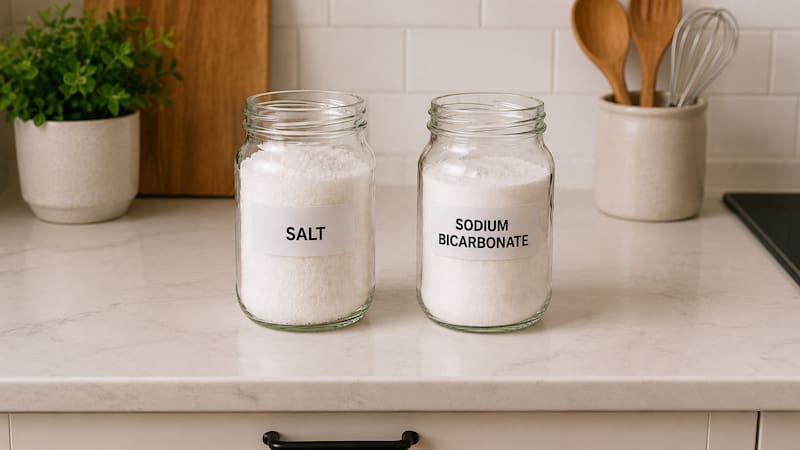
Expired baking soda retains strong cleaning and odor-absorbing properties long after its baking date, making it a reliable staple for household tasks where freshness matters less than chemical action. You can collect containers from the pantry and rotate them into maintenance routines without waste. The following sections detail eleven distinct applications that deliver visible results in everyday spaces.
Oven Interior Scrub
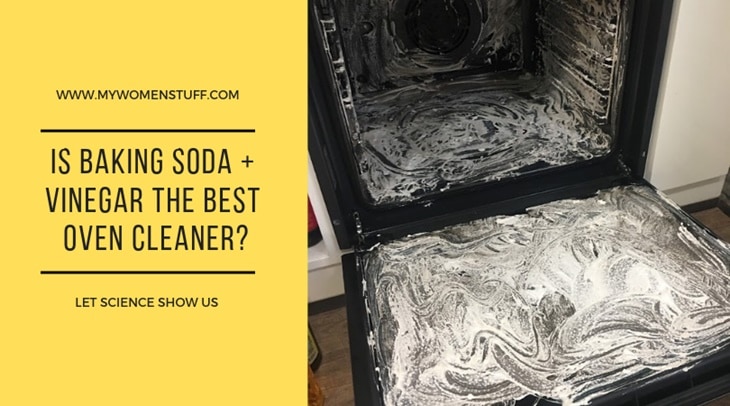
Expired baking soda forms a thick paste that clings to baked-on grease and breaks it down through mild abrasion and alkalinity. Apply the paste to cool oven walls and doors, let it sit overnight, then wipe with a damp cloth to lift residue without harsh fumes. This method reaches corners and racks that spray cleaners often miss.
Rinse the surface afterward with a vinegar solution to neutralize any remaining powder and prevent white streaks. Many users report cleaner glass doors after one treatment compared to commercial products that leave films. Test a small area first on self-cleaning ovens to confirm compatibility with the interior coating.
Refrigerator Odor Control
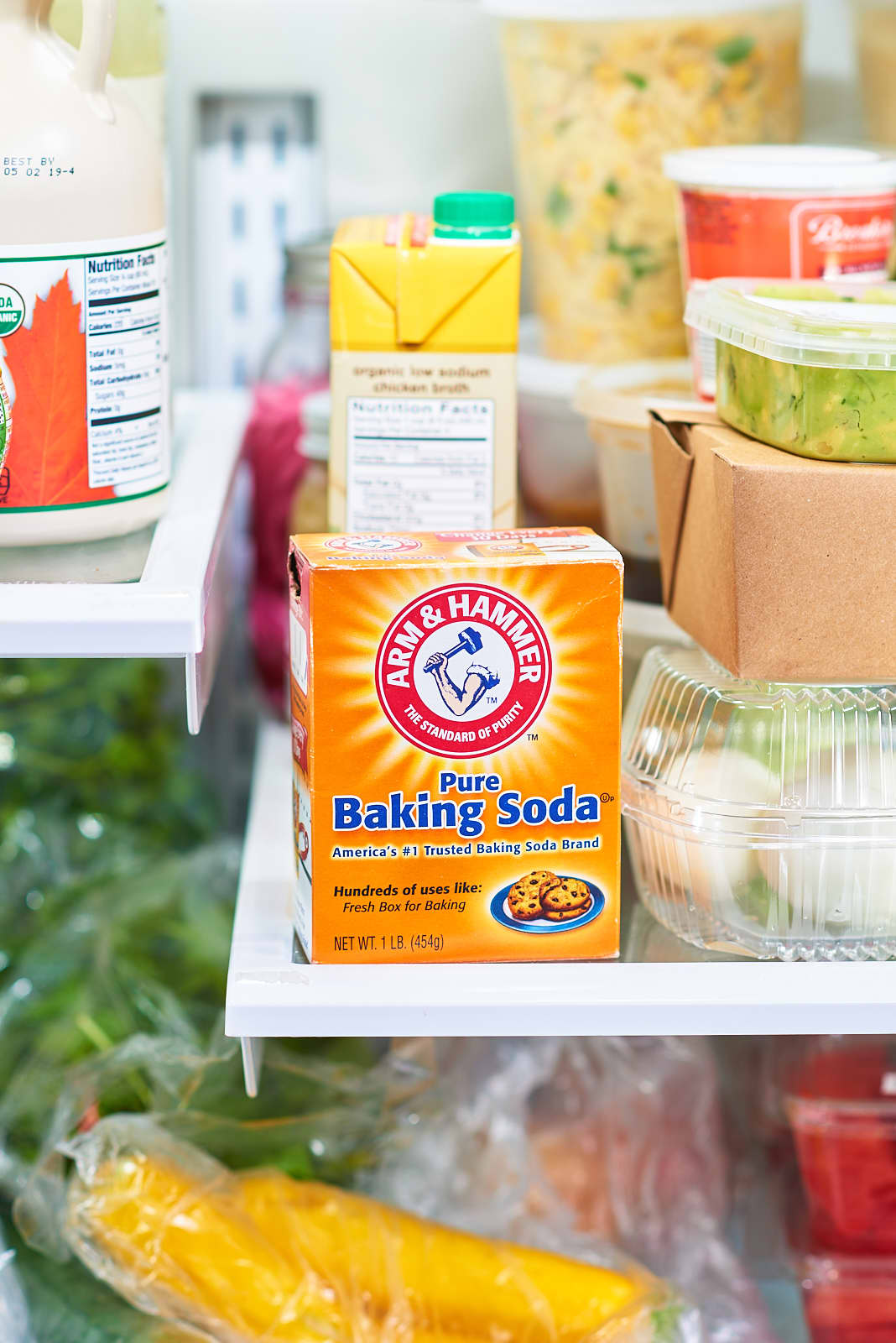
Place an open container of expired baking soda on a middle shelf to pull volatile compounds from stored foods over several weeks. Replace the box every three months or when odors return, and crumble the used powder into compost for an extra soil benefit. The larger particle size in older baking soda sometimes creates better airflow through the box for sustained absorption.
Position the container away from direct vents so air circulates evenly around it. You can also tuck smaller dishes of the powder in produce drawers for targeted freshness. Monitor for moisture buildup that could cause clumping and reduce effectiveness.
How long does expired baking soda last as a fridge deodorizer?
Expired baking soda continues absorbing odors for two to three months in a refrigerator because its alkaline structure remains intact even after the printed date. Replace it when you notice returning smells or visible moisture on the surface. Store the replacement in its original box with the top fully open for maximum exposure.
Drain and Pipe Maintenance
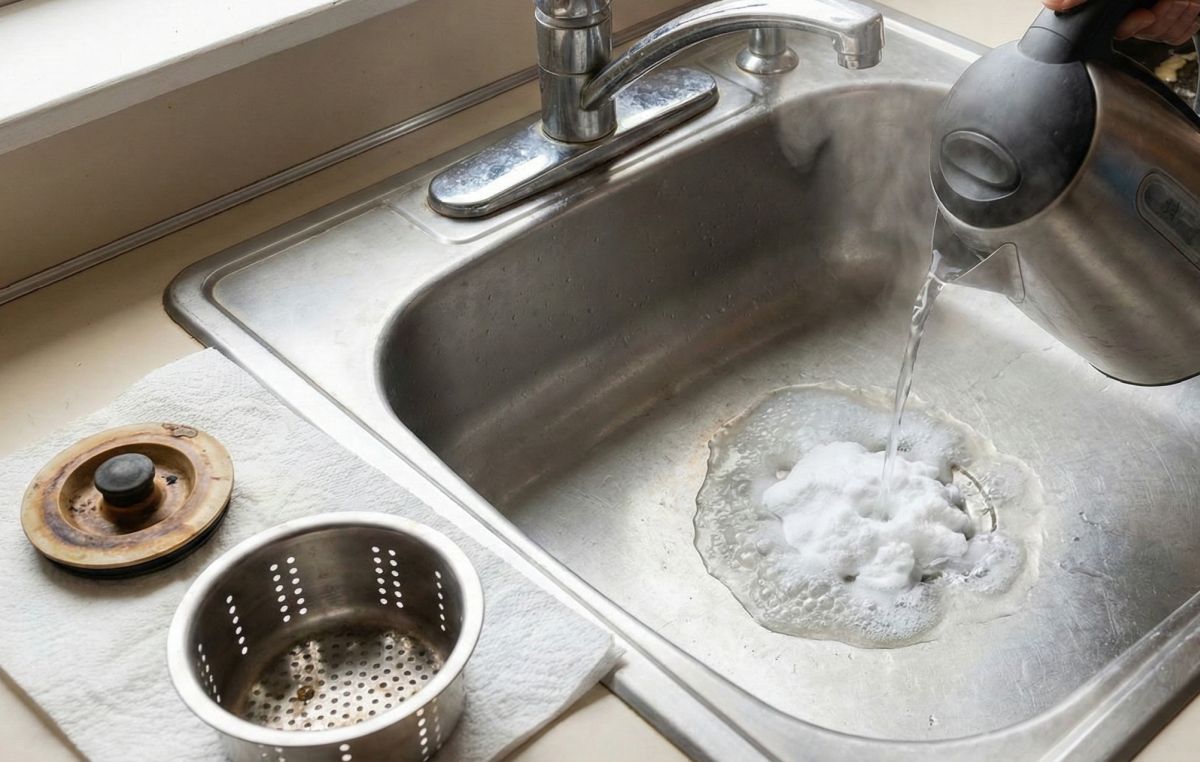
Pour half a cup of expired baking soda down each drain followed by a cup of hot water to loosen minor buildup and freshen pipes. The powder reacts with residual grease and organic matter to create a gentle fizz that helps clear slow drains without damaging pipes. Repeat weekly in high-use sinks to maintain flow.
Follow with a vinegar rinse on the second day if you want added foaming action for tougher residue. This routine works best on drains that receive regular water flow rather than completely clogged lines. Keep a dedicated container of expired baking soda under the sink for quick access.
Carpet and Rug Refresh
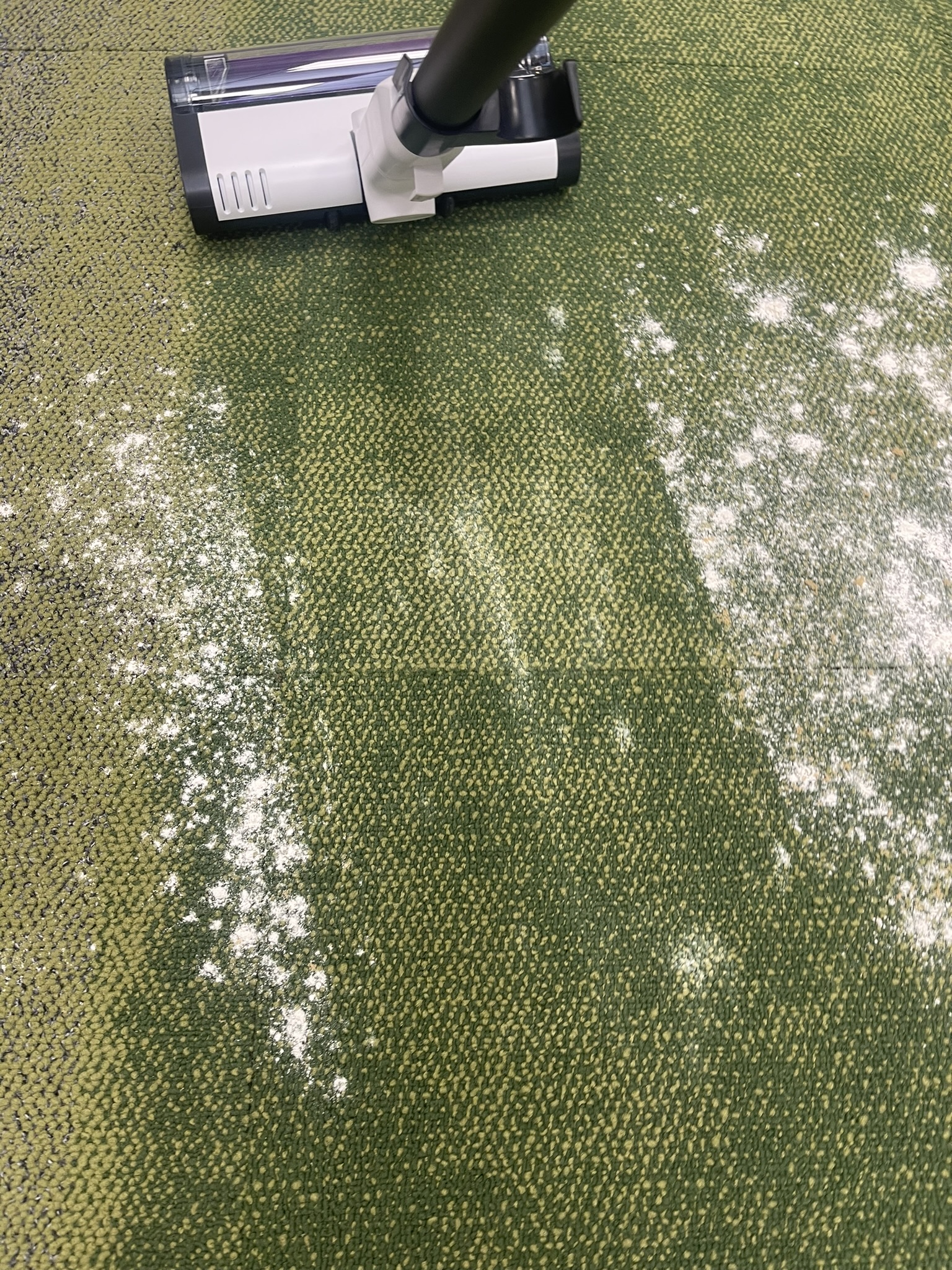
Sprinkle expired baking soda lightly across carpets and let it rest for at least fifteen minutes before vacuuming to lift embedded odors from pet traffic or cooking. The fine powder settles into fibers and binds with smell molecules during the dwell time. Vacuum slowly in multiple directions to extract the powder completely.
For high-traffic areas, repeat the treatment monthly and adjust the amount based on pile thickness. You can also combine the powder with a few drops of essential oil in a shaker for a subtle scent boost if desired. Always test a hidden corner first to ensure no color change occurs on delicate rugs.
Laundry Whitening Boost
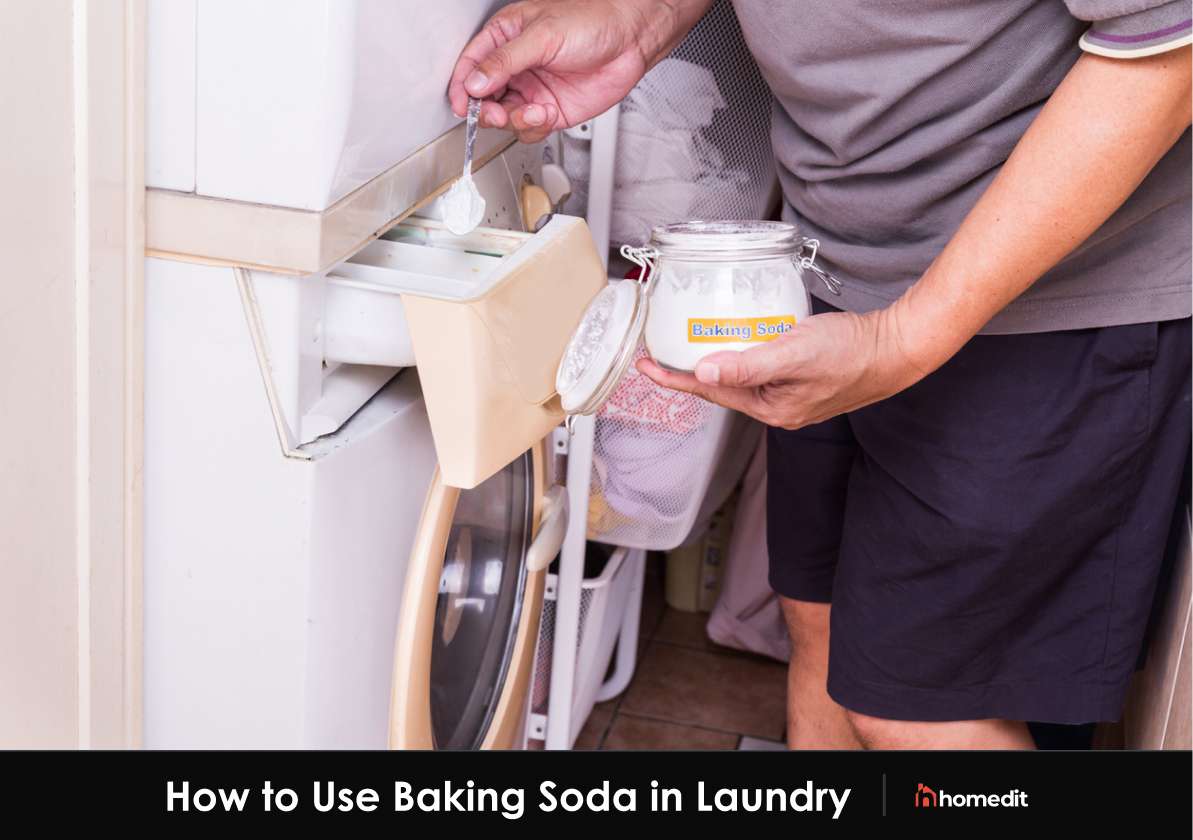
Add half a cup of expired baking soda directly to the drum with your regular detergent to brighten whites and soften water minerals that cause dinginess. The powder helps lift soil and prevents redeposition of dirt during the wash cycle. It works especially well on towels and bedding that have developed a gray cast over time.
Run a hot cycle for best results on cotton items, then reduce the amount for delicate synthetics. This addition also reduces the need for bleach in many loads while keeping fabrics fresher between washes. Measure consistently so you avoid over-sudsing in high-efficiency machines.
Silverware Tarnish Removal
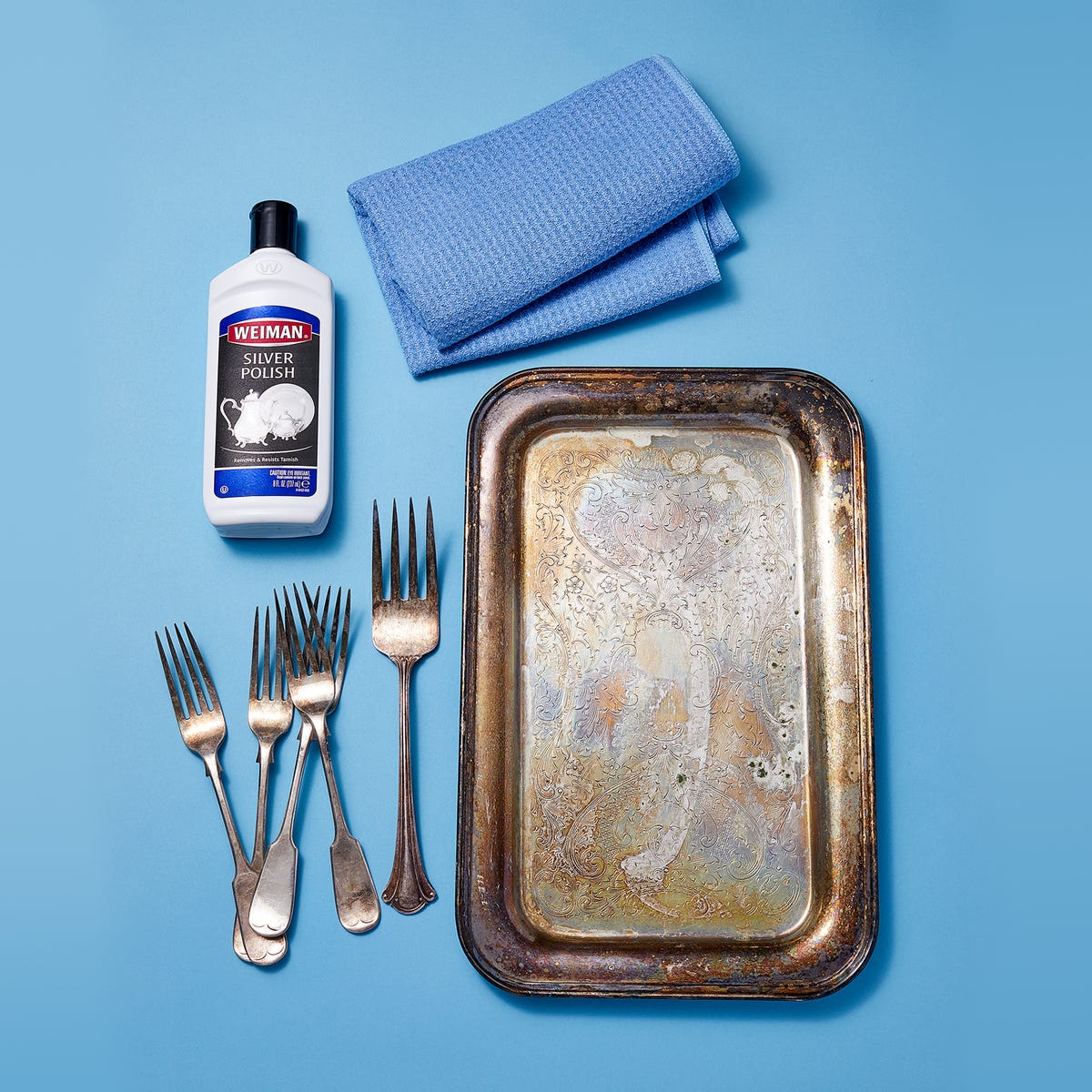
Make a paste from expired baking soda and water, then rub it onto tarnished silver with a soft cloth to restore shine through gentle chemical action. The alkalinity reacts with sulfur compounds on the metal surface and lifts them without scratching. Rinse thoroughly and dry immediately to prevent water spots.
This approach suits flatware and trays better than dips that may contain stronger chemicals. Work in small sections on intricate pieces so you can see progress and avoid missing spots. Store cleaned silver in anti-tarnish bags afterward to extend the results.
Shoe and Boot Deodorizing
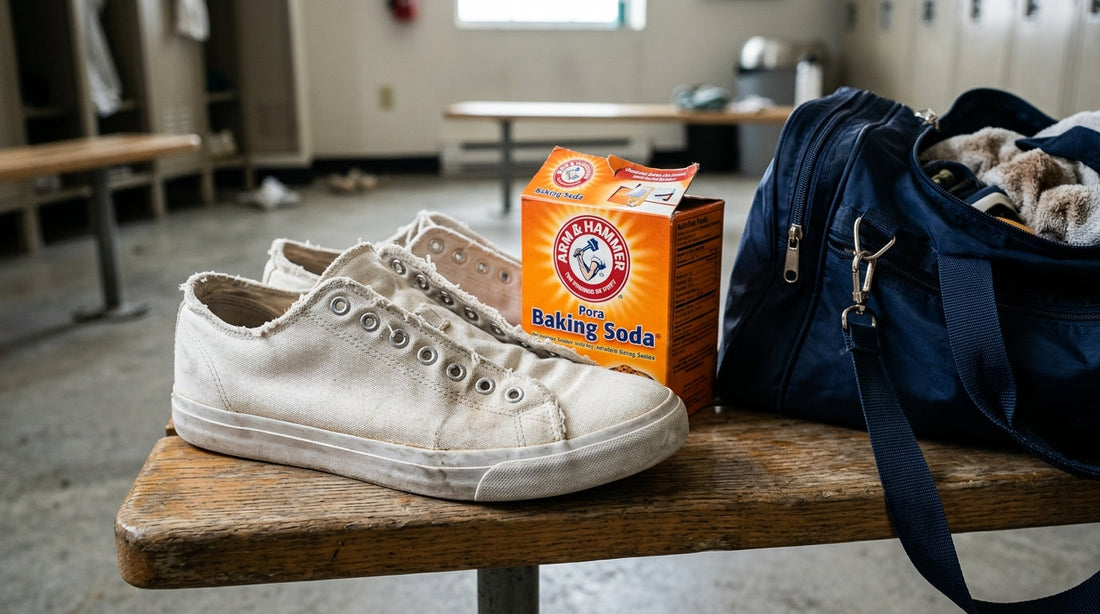
Fill small mesh bags or old socks with expired baking soda and place one inside each shoe overnight to absorb moisture and odor from daily wear. The powder draws out dampness that leads to bacterial growth and musty smells. Rotate the bags between pairs and refresh the contents every few weeks.
This method works on athletic shoes, boots, and even gym bags without leaving residue on fabric. You can also sprinkle a light layer directly into sneakers before a long day if you plan to vacuum or shake them out later. Avoid using on very delicate leather that might absorb powder into the finish.
Grout Line Whitening
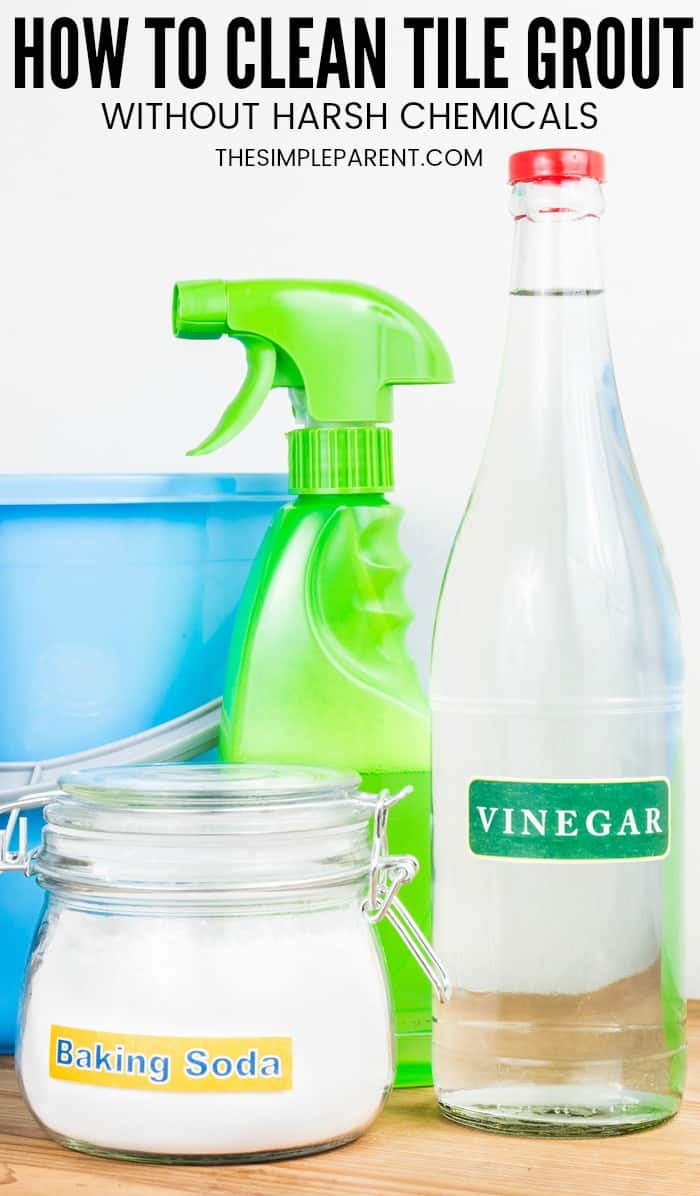
Apply a thick paste of expired baking soda and water along grout lines, then scrub with a stiff brush to lift embedded dirt and mildew stains. The mild abrasive action reaches into porous grout without eroding the surrounding tile. Let the paste sit for ten minutes before rinsing for deeper cleaning.
Work from the top of the wall downward so loosened soil does not resettle on clean areas. Repeat every few months in showers to maintain brightness between deep cleans. Keep the mixture slightly thicker than toothpaste so it stays in place on vertical surfaces.
Microwave Interior Steam Clean
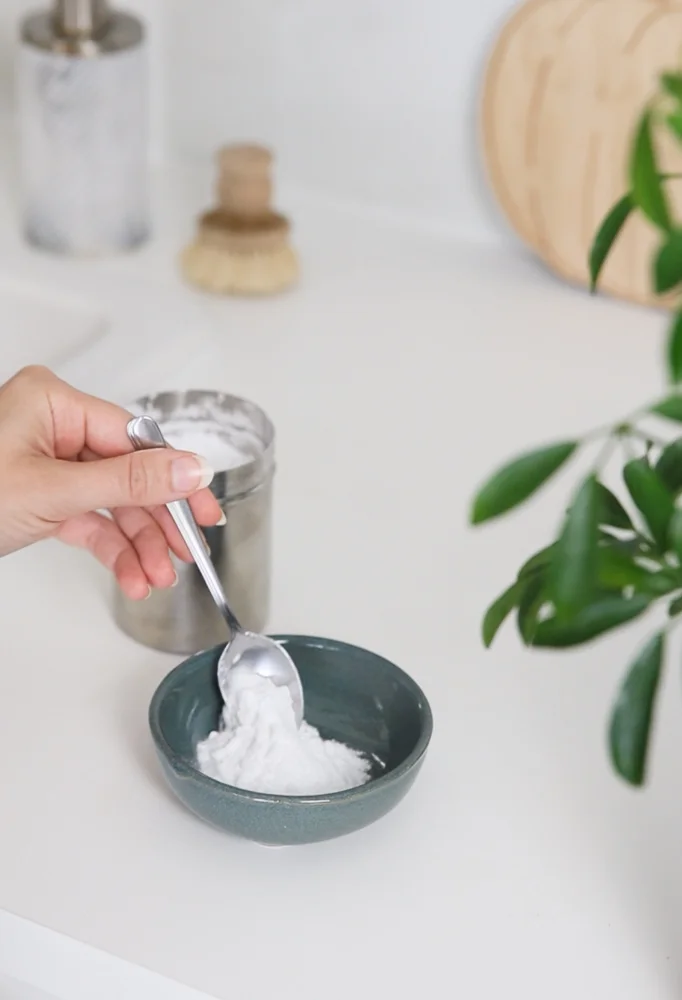
Mix two tablespoons of expired baking soda with one cup of water in a microwave-safe bowl and heat on high for three minutes to create steam that loosens splatters. The warm vapor carries the baking soda particles to surfaces where they break down baked-on food. Wipe the interior with a damp cloth after the cycle finishes.
Open the door carefully to avoid steam burns and use the remaining solution on the turntable and walls. This quick routine freshens the appliance between major cleanings and reduces the need for commercial sprays. Run an additional minute if your microwave has heavy buildup.
Toilet Bowl Maintenance
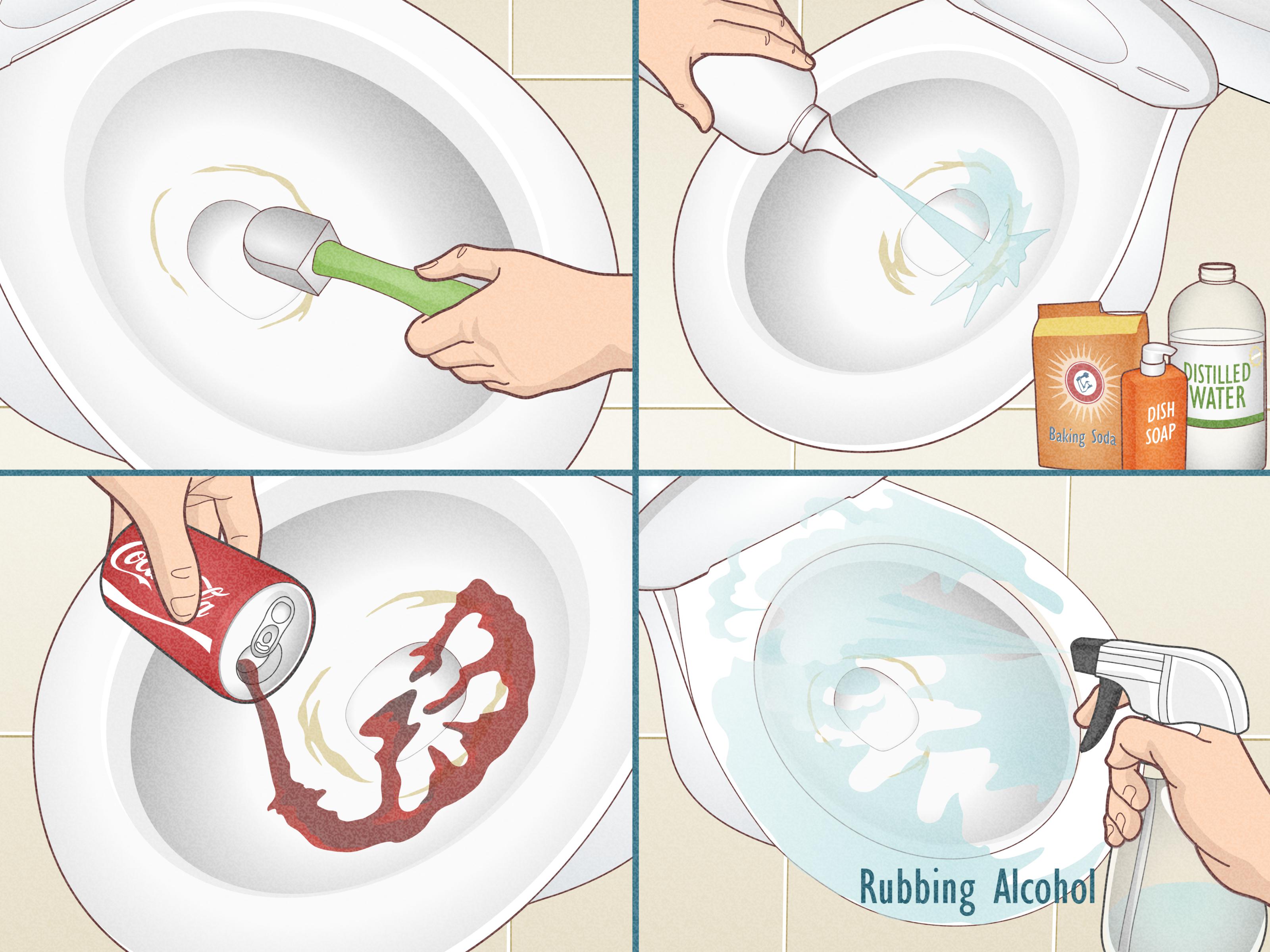
Sprinkle expired baking soda around the toilet bowl and let it sit for fifteen minutes before scrubbing with a brush to remove rings and odor. The powder helps dissolve mineral deposits while neutralizing smells from trapped waste. Flush after scrubbing to clear the loosened material.
Combine with vinegar for extra fizz on stubborn rings, applying the vinegar after the baking soda has had time to work. This pairing keeps the bowl fresher longer than water alone. Use a dedicated brush to avoid cross-contamination with other bathroom surfaces.
Garbage Can Odor Control
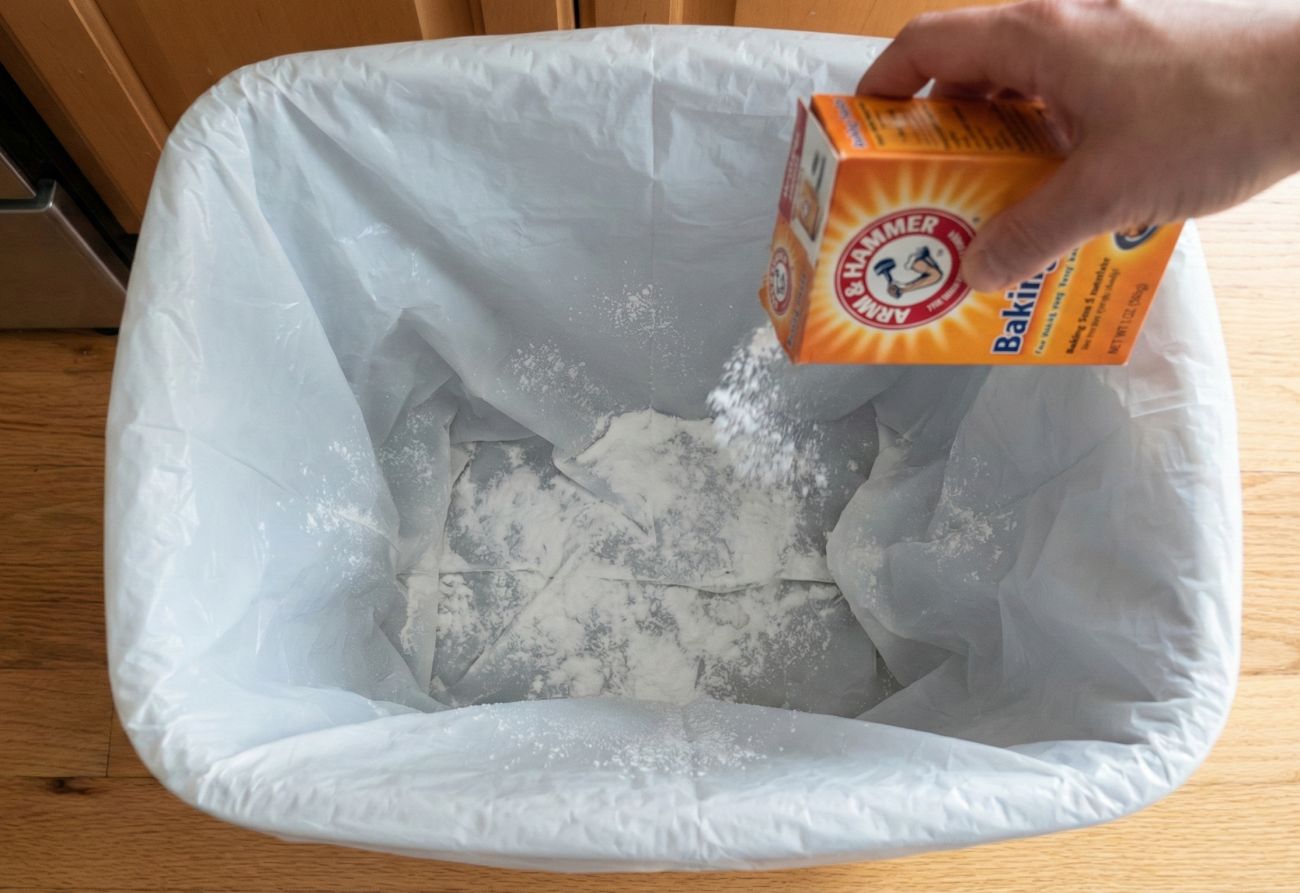
Sprinkle a layer of expired baking soda at the bottom of the can before inserting a new liner to absorb leaks and food odors. The powder neutralizes acids from decomposing waste and keeps the can smelling neutral between bag changes. Vacuum or rinse the can monthly and reapply fresh powder.
This works equally well in kitchen and bathroom bins where moisture tends to collect. Adjust the amount based on can size and how often you empty it. The same powder can later go into the garden as a soil amendment once fully used.
Expired baking soda often outperforms fresh product in drain applications because its slightly coarser texture creates better mechanical scrubbing action during the initial pour.
Placing deodorizer boxes on upper fridge shelves rather than lower ones improves airflow and prevents cold spots from reducing absorption speed.
| Task | Plain Expired Baking Soda | With Vinegar Addition | Best Frequency |
|---|---|---|---|
| Oven walls | Good cling and lift | Faster grease break | Monthly |
| Drains | Gentle daily maintenance | Stronger fizz | Weekly |
| Carpet refresh | Dry odor pull | Not recommended | Monthly |
| Laundry boost | Water softening | Spot treatment only | Per load |
- Application amounts for carpet: light dusting for low pile, heavier layer for thick rugs
- Dwell times for oven paste: four hours minimum, overnight for heavy soil
- Vinegar ratios for drains: one cup per half cup of baking soda
FAQ
Does expired baking soda still work for cleaning?
Expired baking soda retains its alkaline and absorbent qualities for cleaning tasks even years past the date because the sodium bicarbonate molecule does not break down quickly in dry storage. You can verify effectiveness by checking whether it fizzes when added to vinegar; strong fizz indicates it remains active for most household uses. Store it away from moisture to preserve performance longer.
How can you tell if baking soda has gone bad for deodorizing?
Clumping, discoloration, or a complete lack of reaction with vinegar signals that moisture or contaminants have reduced its odor-absorbing capacity. In most pantry conditions the powder stays usable for deodorizing well beyond the printed date. Perform a quick fizz test before committing a whole box to a large project.
Can you use expired baking soda on delicate surfaces?
Test first on an inconspicuous spot because older powder may contain trace impurities that affect polished metals or certain fabrics. Dilute the powder more than usual when working near stone counters or finished wood. Many users find it safe on tile, porcelain, and stainless steel without issue.
What should you do with baking soda that no longer fizzes at all?
Once the powder shows no reaction with vinegar it can still serve as a mild abrasive in garden paths or as a bulk filler in cat litter to reduce ammonia odors. Compost small amounts directly or dispose of larger quantities with household trash. Avoid pouring large volumes down drains if it no longer dissolves easily.
You now have a full rotation of practical tasks that turn pantry staples into ongoing home maintenance tools without extra purchases.
Leave a Reply