
Spring is the ultimate season of renewal, and there is no better way to signal this transition than by refreshing your front door.
An elegant spring wreath acts as a visual hello, bridging the gap between the frosty days of winter and the vibrant bloom of May.
Whether you prefer the rustic charm of a grapevine base or the sleek lines of a modern gold hoop, creating your own wreath allows for a level of personalization that store-bought options simply cannot match.
By blending high-quality faux florals with natural textures like moss, burlap, and wood, you can craft a high-authority piece of home decor that elevates your curb appeal instantly.
Essential Materials for Spring Wreath Making
Before diving into the specific designs, ensure your craft room is stocked with these fundamentals.
Quality tools make the difference between a wreath that lasts for years and one that falls apart after the first rainstorm.
| Material | Best Used For | Pro Tip |
|---|---|---|
| Grapevine Base | Rustic, Farmhouse, & Traditional styles | Soak in water for 10 minutes if you need to slightly reshape it. |
| Metal Hoop | Modern, Minimalist, & Boho styles | Use thin floral wire (22 gauge) to keep the look weightless. |
| Floral Foam | Symmetrical, full, or heavy designs | Secure foam to the base with zip ties for extra stability. |
| Wire Cutters | Cutting faux stems and floral wire | Never use your good craft scissors on wire; it will dull them instantly. |
| Hot Glue Gun | Securing small accents and greenery | Use high-temp glue for outdoor wreaths to prevent melting in the sun. |
1. The Wildflower Gold Hoop Wreath
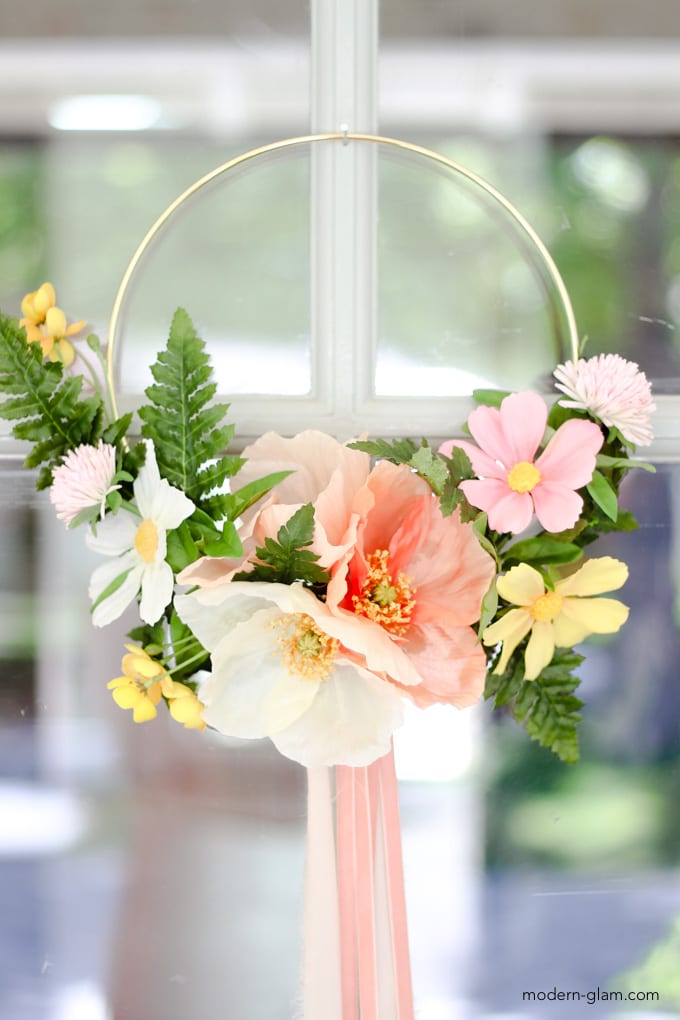
The gold hoop wreath remains a top trend for its less is more aesthetic.
Unlike traditional wreaths that cover the entire base, the hoop wreath focuses on asymmetrical beauty. To achieve this look, choose a 12-inch or 14-inch brass ring.
Focus your florals on the bottom third of the hoop, allowing the metallic finish to shine through at the top.
- ✨ Materials: Gold metal hoop, faux Queen Anne’s Lace, lavender sprigs, and thin eucalyptus.
- ✨ How to Style: Start by layering the eucalyptus as a base, then add the taller wildflowers pointing outward. Finish with a focal flower, like a single white peony, at the center of the arrangement.
2. Monogram Moss Door Hanger
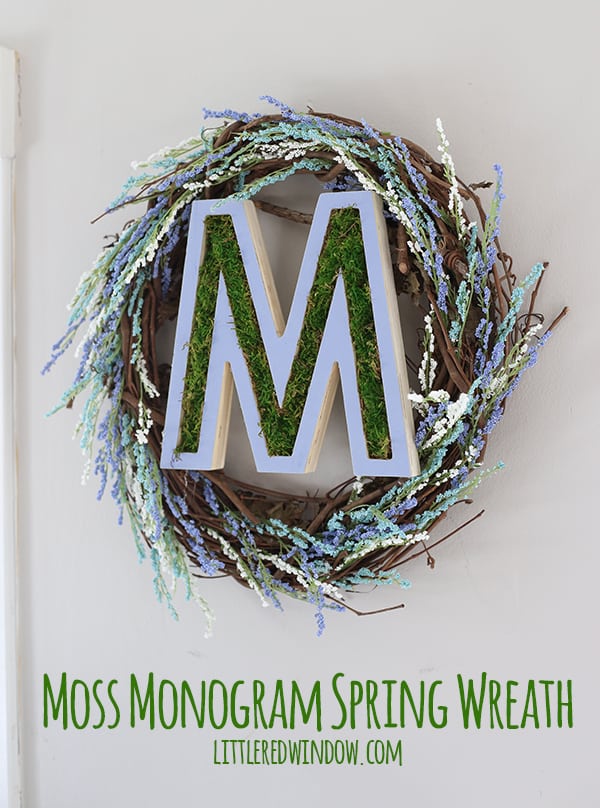
For a personalized touch that feels lush and organic, a moss-covered monogram is a sophisticated alternative to a circular wreath.
This project uses sheet moss to transform a wooden letter into a vibrant piece of living art (or at least, art that looks living).
- ✨ Materials: Large wooden letter, preserved sheet moss, spray adhesive, and a burlap ribbon.
- ✨ Pro-Tip: Apply the moss in small sections using spray adhesive, then go back and tack the edges with hot glue to ensure it doesn’t peel away in high humidity.
3. Rustic Burlap and Tulip Wreath
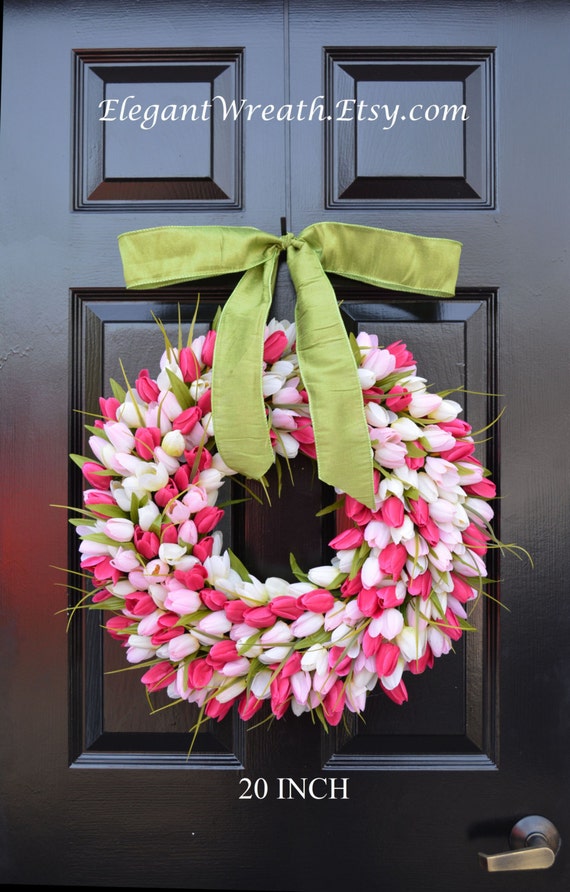
Tulips are the quintessential spring flower.
To give them a high-end, farmhouse feel, pair them with the neutral texture of burlap. Using a straw or foam wreath form, wrap the base in 2-inch wide burlap ribbon before adding the flowers.
- ✨ Materials: Foam wreath form, burlap ribbon, 20–30 silk tulips in varying shades of pink or yellow.
- ✨ Design Secret: Group the tulips tightly together in a sweeping motion, all facing the same direction, to create a sense of movement around the circle.
4. Upcycled Vintage Watering Can Wreath
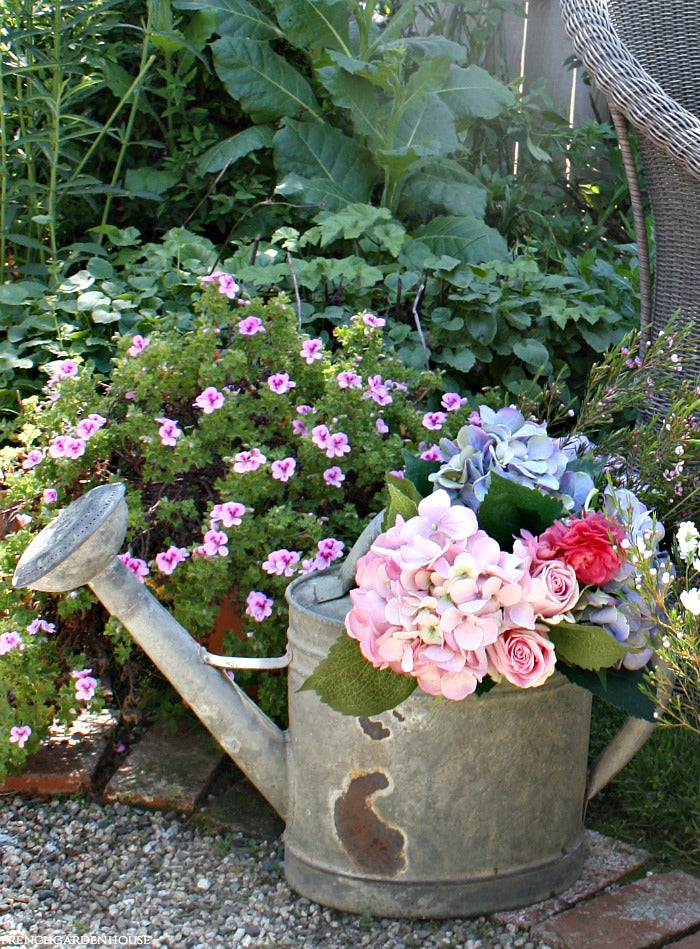
Upcycling is at the heart of creative DIY.
An old galvanized watering can serves as a stunning vessel for a door display. This isn’t a traditional circular wreath, but it serves the same purpose with much more character.
- ✨ Materials: Small galvanized watering can, floral foam, Forsythia branches, and a wire hook.
- ✨ Assembly: Stuff the watering can with floral foam. Insert tall Forsythia branches so they spill out of the top. Hang the can by its handle using a sturdy over-the-door hook.
5. Faux Succulent Grapevine Wreath
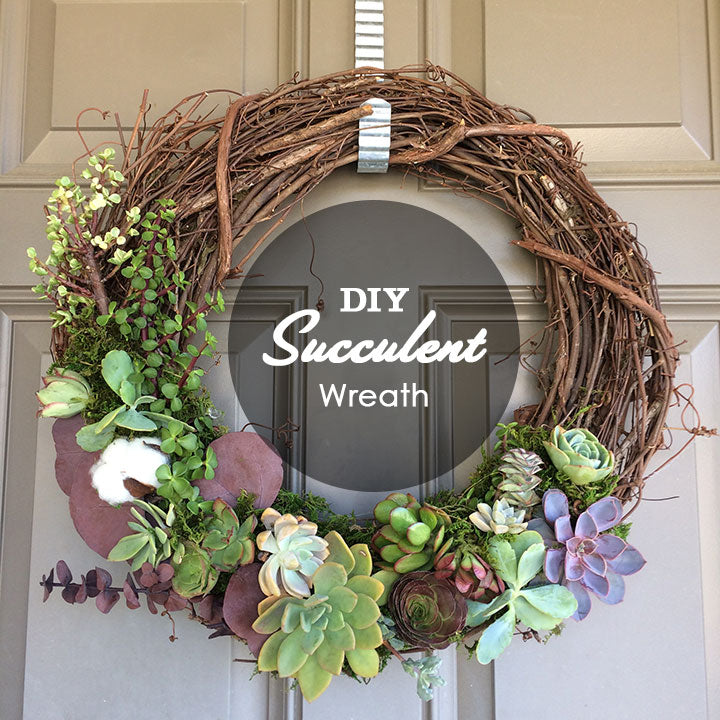
If you want a wreath that looks fresh well into the summer, succulents are the answer.
Using a dark grapevine base provides a beautiful contrast to the sage greens and dusty purples of faux succulents.
- ✨ Materials: 18-inch grapevine wreath, assorted faux succulents (echeveria, string of pearls), and reindeer moss.
- ✨ Style Tip: Use the String of Pearls succulent to hang down from the bottom of the wreath, creating a waterfall effect that adds vertical interest to your door.
6. Modern Minimalist Eucalyptus Wreath
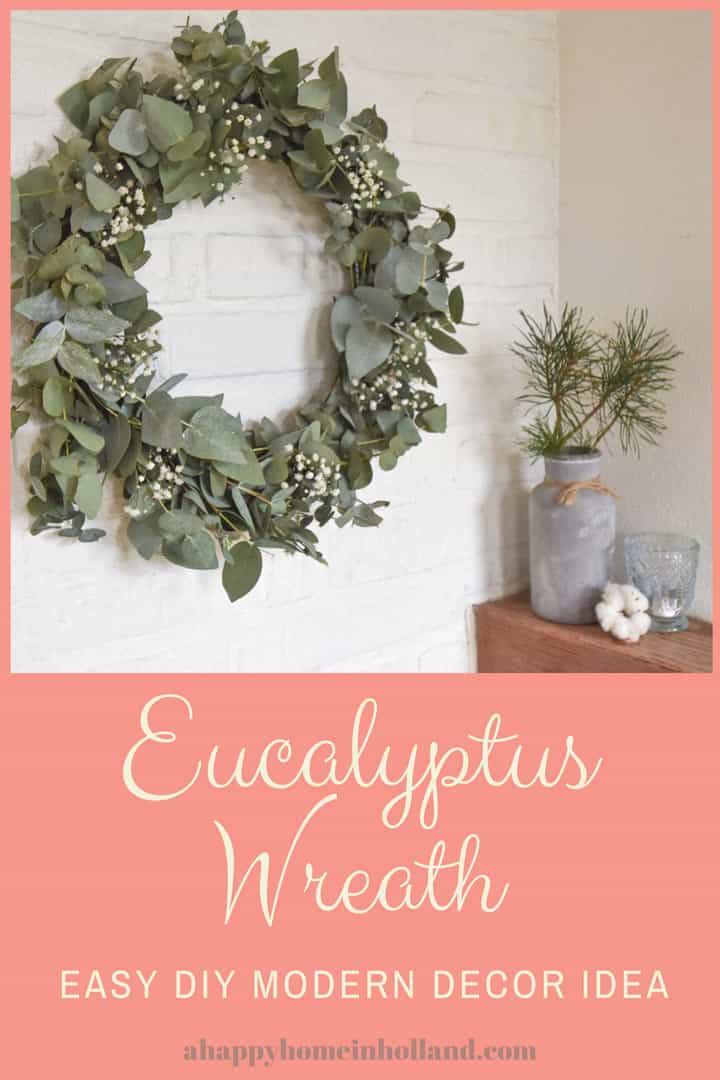
Eucalyptus is prized for its silvery-blue tones and architectural leaves.
A minimalist version uses only two or three types of eucalyptus (seeded, silver dollar, and baby blue) to create a monochromatic masterpiece.
- ✨ Materials: Wire wreath frame, floral tape, and fresh or high-quality silk eucalyptus.
- ✨ Technique: Bundle small sprigs of eucalyptus together and secure them to the frame with floral tape, overlapping each bundle to hide the mechanics of the previous one.
7. Boho Macrame and Peony Wreath
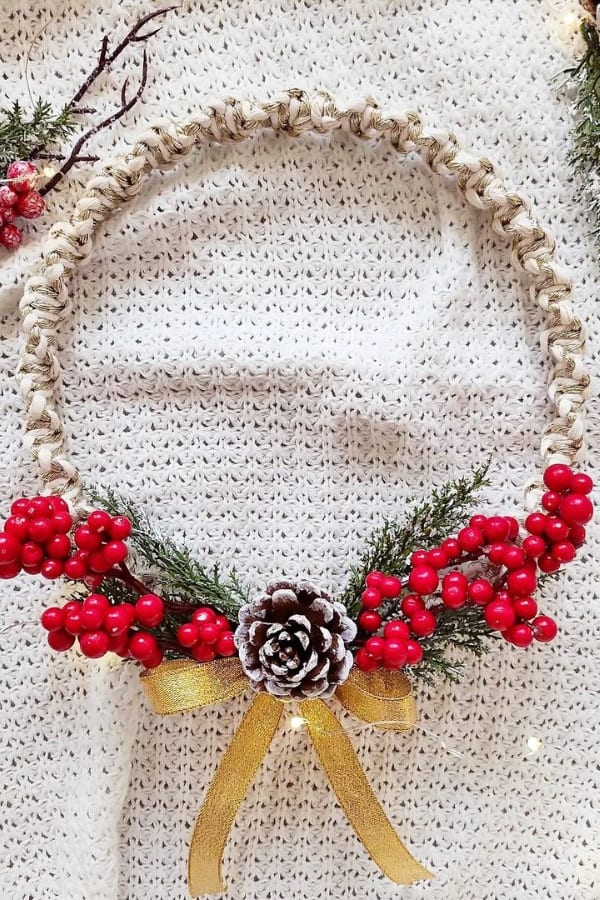
Combine the fiber art trend with floral design.
By adding a simple macrame tail or fringe to the bottom of a floral hoop, you create a Boho-chic look that is perfect for a whimsical spring aesthetic.
- ✨ Materials: Wooden embroidery hoop, cotton macrame cord, and large silk peonies.
- ✨ Execution: Use a simple cow-hitch knot to attach long strands of cord to the bottom of the hoop. Comb out the cord for a soft, fringed look, then crown the top with two or three large peonies.
8. Classic Forsythia Sunburst Wreath
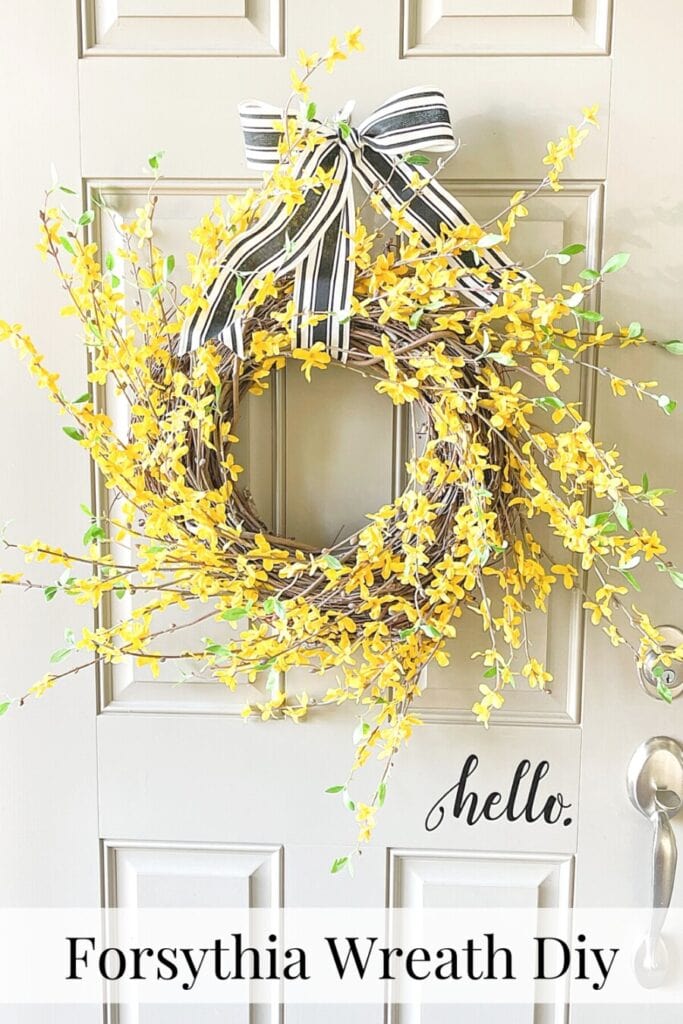
Nothing says Spring has arrived like the bright, electric yellow of Forsythia.
Because these branches are naturally leggy, they make for a fantastic, wild-looking sunburst wreath.
- ✨ Materials: Grapevine base, 6–8 long Forsythia stems.
- ✨ Tutorial: Weave the stems into the grapevine, allowing the ends to poke out at different angles. Do not try to make this wreath perfectly round; the charm lies in its explosive and untamed shape.
9. Lavender and Lemon Farmhouse Wreath
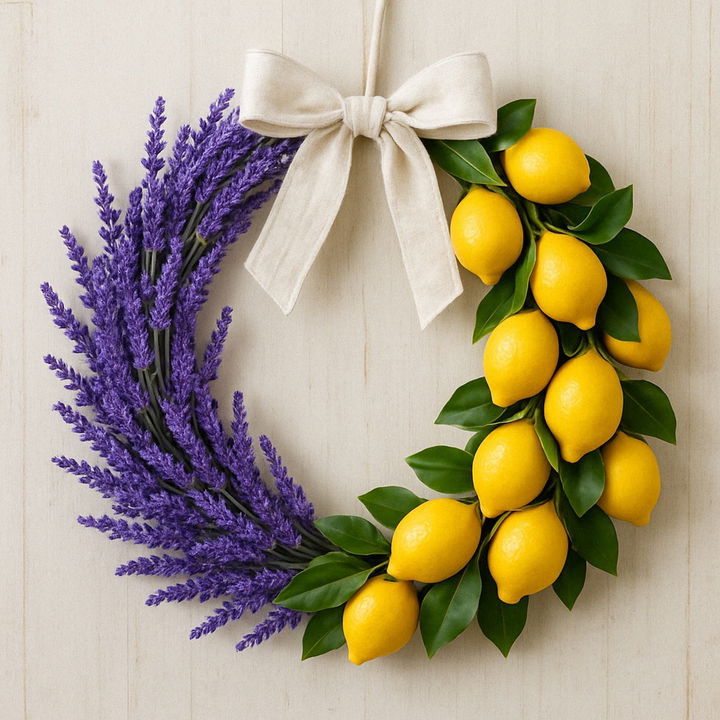
The combination of purple lavender and bright yellow lemons is a classic Mediterranean-inspired palette that feels incredibly fresh.
This wreath works best on a thick, chunky grapevine base.
- ✨ Materials: Dried or faux lavender bundles, small faux lemons, and a navy blue striped ribbon.
- ✨ Why it works: The yellow and purple are complementary colors on the color wheel, making them naturally pleasing to the eye.
10. Dried Flower Straw Wreath
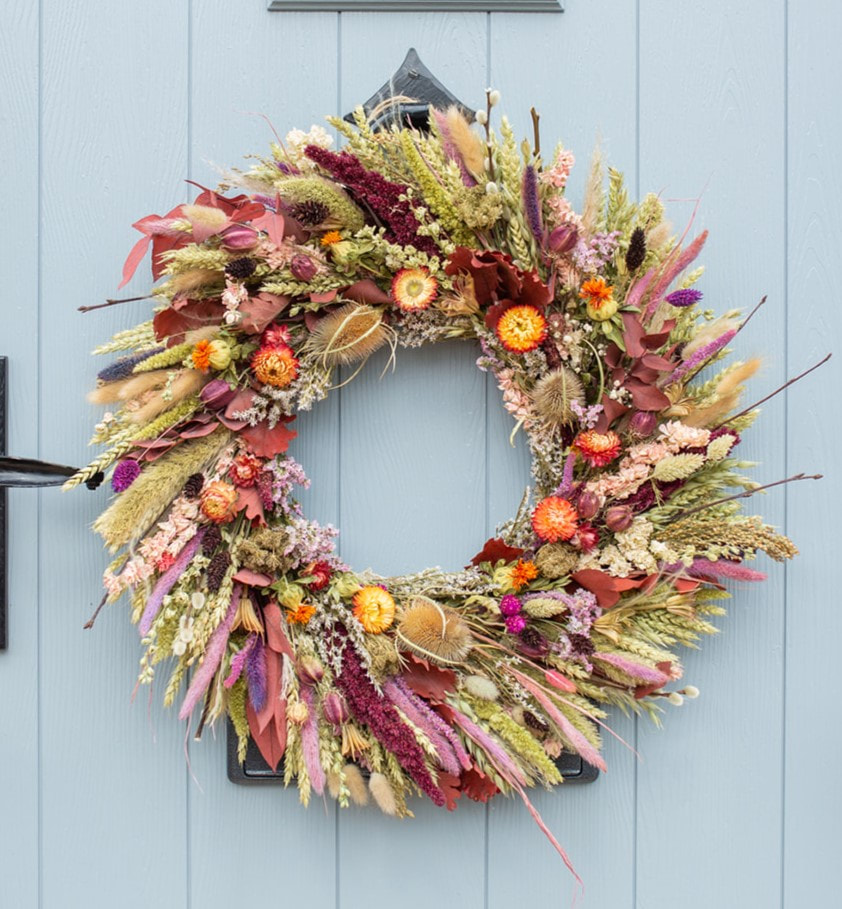
For an eco-friendly approach, use dried florals.
Straw wreaths provide a sturdy, thick base that can hold the delicate stems of dried strawflowers, statice, and Billy buttons.
- ✨ Materials: Straw wreath form (leave the plastic wrap on to prevent mess), floral pins (U-pins), and dried flowers.
- ✨ Pro-Tip: Use floral pins to staple the dried bundles onto the straw. This avoids the need for glue, which can sometimes damage delicate dried petals.
11. Upcycled Rain Boot Door Decor
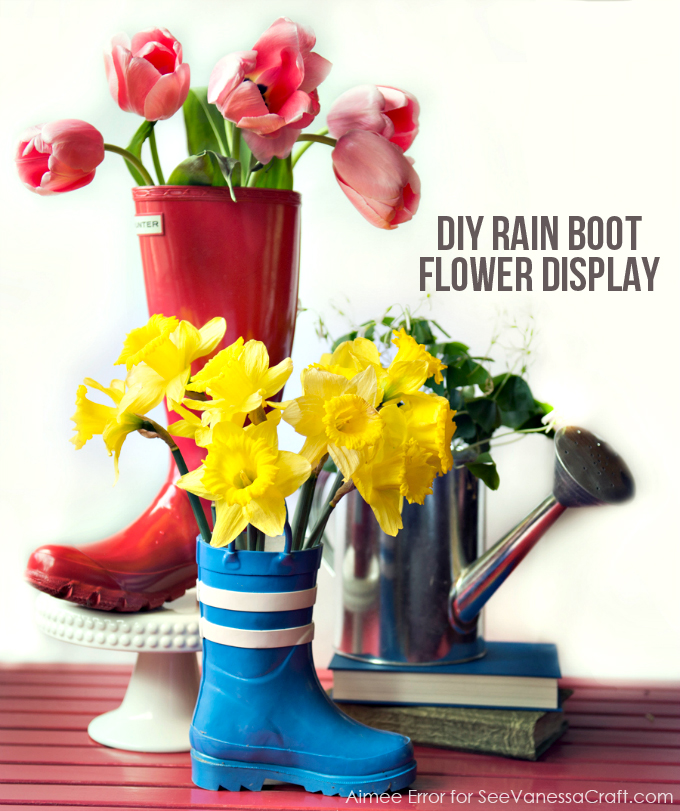
This is a playful, high-authority DIY project that repurposes old children’s rain boots.
It’s perfect for a side door or a mudroom entry.
- ✨ Materials: A pair of colorful rain boots (yellow or floral patterns work best), rocks (for weight), floral foam, and tall tulips or daffodils.
- ✨ Assembly: Place rocks in the toes of the boots so they don’t swing in the wind. Insert foam into the calves, and arrange your flowers. Hang them by the pull-tabs using a sturdy ribbon.
12. Cherry Blossom Branch Wreath
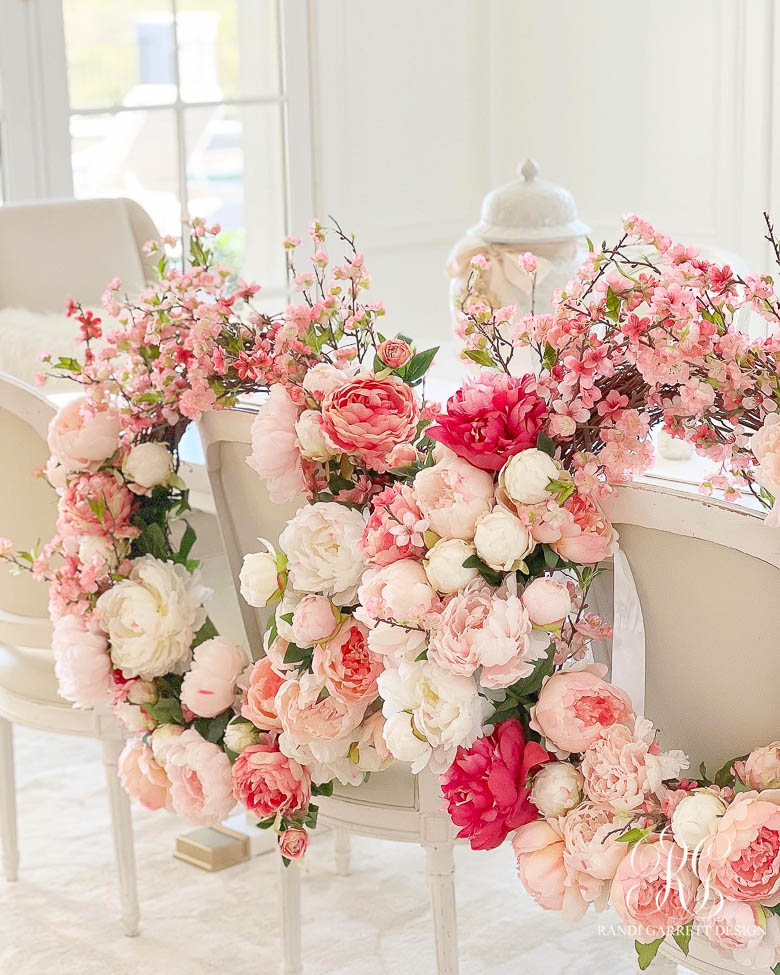
Cherry blossoms represent the fleeting beauty of spring.
To capture this, use a square wreath frame for a modern, Zen twist on the traditional circle.
- ✨ Materials: Square wood frame or wire frame, cherry blossom branches, and brown floral wire.
- ✨ Design: Keep the arrangement sparse. Use the natural curves of the branches to frame the corners of the square, leaving the center open and airy.
13. Butterfly and Hydrangea Wreath
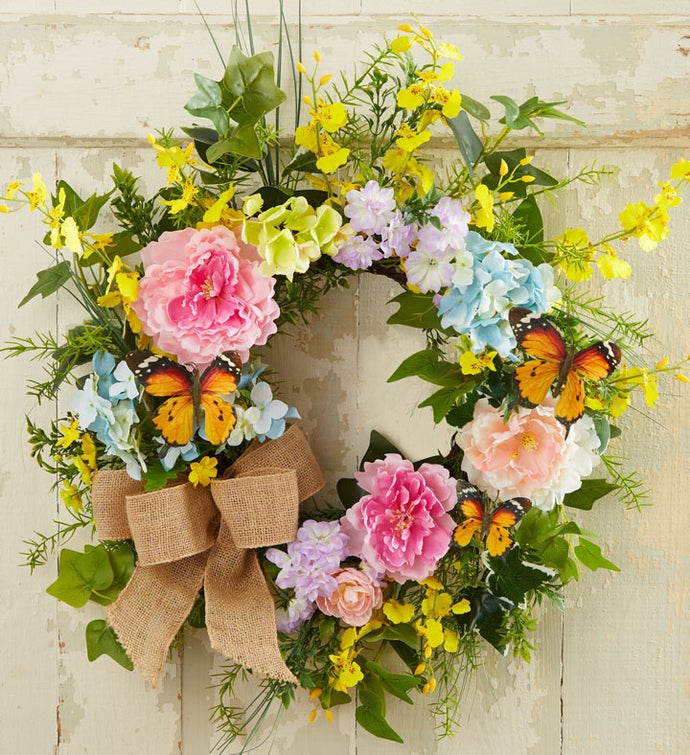
Hydrangeas offer incredible volume, meaning you only need a few stems to cover an entire wreath form.
Adding small feather butterflies gives the piece a sense of life and whimsy.
- ✨ Materials: 4–5 large hydrangea heads, a wire frame, and 3–5 decorative butterflies on wire picks.
- ✨ Color Palette: Stick to Hydrangea Blue or Soft Periwinkle for a serene, high-end look.
14. Pastel Egg and Forsythia Wreath

If you want a wreath that transitions perfectly into Easter, incorporate speckled pastel eggs.
The key to keeping this elegant rather than crafty is to use muted, matte colors rather than bright neon plastics.
- ✨ Materials: Grapevine base, speckled craft eggs, boxwood greenery, and thin twigs.
- ✨ Tutorial: Glue the eggs into nests created by the grapevine, surrounding them with sprigs of boxwood for a natural, found-in-the-wild look.
15. Scented Herb and Citrus Wreath
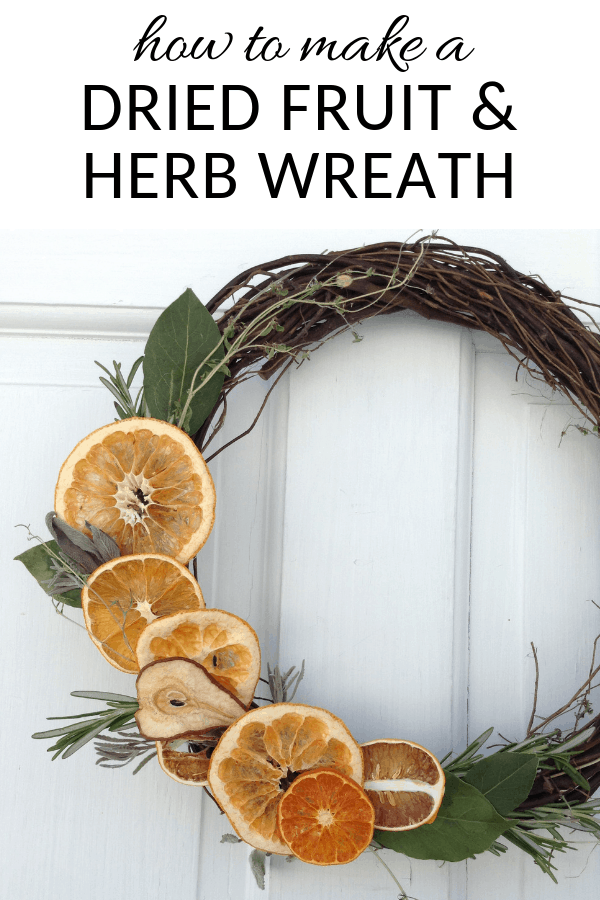
Why should a wreath only look good?
Using rosemary, bay leaves, and dried orange slices creates a sensory experience every time you walk through the door.
- ✨ Materials: Fresh rosemary branches (they dry beautifully on the wreath), dried orange slices, and cinnamon sticks.
- ✨ Construction: Wire the rosemary bundles to a small hoop. Once the base is green, hot glue the orange slices in clusters of three for a professional, layered finish.
Step-by-Step: The Professional Grapevine Assembly
Regardless of the style you choose, following a professional assembly method ensures longevity.
- 1. Create a Hanger: Before adding flowers, loop a piece of wire or sturdy ribbon around the top of the grapevine. This ensures you always know where top is.
- 2. Establish the Greenery Base: Always start with your filler greenery (eucalyptus, boxwood, or ivy). This creates a lush background and hides the grapevine.
- 3. Add Focal Flowers: Place your largest flowers next. Use the Rule of Three (grouping items in odd numbers) for a balanced look.
- 4. Insert Accent Florals: Fill in the gaps with smaller whispy flowers like baby’s breath or lavender.
- 5. The Shake Test: Hold the wreath by the hanger and give it a gentle shake. If anything wiggles, secure it with more wire or hot glue.
FAQ: Caring for Your Spring Wreath
Q: How do I prevent my wreath from fading in the sun?
A: Use a UV-resistant clear floral spray. A light coat will protect silk petals from bleaching under direct sunlight.
Q: Can I use real flowers for a front door wreath?
A: You can, but they will only last 2–4 days. For a longer-lasting real look, use high-quality real-touch silk flowers or dried botanicals.
Q: How do I store my wreath for next year?
A: Never stack wreaths on top of each other. Hang them on a hook inside a large plastic trash bag, or use a dedicated hard-shell wreath storage container to prevent crushing the petals.
Q: My grapevine wreath is shedding. What should I do?
A: This is normal for natural wood. You can minimize shedding by spraying the back of the wreath with a clear acrylic sealer or even extra-hold hairspray.
Conclusion
Creating an elegant spring wreath is more than just a weekend craft; it is an opportunity to express your personal style and welcome the season of growth into your home.
From the minimalist appeal of a gold hoop to the nostalgic charm of a vintage watering can, these 15 ideas provide a blueprint for any home aesthetic.
By focusing on quality materials, proper assembly techniques, and a thoughtful color palette, you can create a professional-grade piece of decor that rivals any high-end boutique.
Grab your wire cutters, select your favorite blooms, and let your front door be the first sign that spring has officially arrived.
Leave a Reply