Crochet pot holders are the quintessential beginner-friendly project that combines utility with kitchen aesthetics. To create a safe and effective pot holder, the most critical factor is using 100% cotton yarn, which resists high heat without melting.
By employing dense stitches like the thermal stitch or the double-layered diagonal fold, you can create durable, heat-resistant pads that outperform mass-produced silicone alternatives. These projects are excellent for stash-busting and can typically be completed in under two hours, making them ideal for quick gifts or a kitchen refresh.
Essential Materials for Crochet Pot Holders
Before diving into the patterns, you must understand the technical requirements of kitchen crochet. Using the wrong fiber can lead to scorched hands or ruined projects.
Choosing the Right Yarn
For any item that comes into contact with hot pans, cotton is king. Unlike acrylic or polyester, cotton does not melt. Wool is a secondary option as it is naturally flame-retardant, but it can be difficult to wash if food spills occur.
| Yarn Type | Heat Resistance | Washability | Best For |
|---|---|---|---|
| 100% Cotton | Excellent (High) | Machine Washable | Daily use, heavy pans |
| Cotton/Linen Blend | Good | Machine Washable | Decorative but functional |
| Wool | Good | Hand Wash Only | Trivets and tea cozies |
| Acrylic/Polyester | Dangerous | N/A | Do Not Use (Will melt) |
Necessary Tools
- ✨Hooks: Generally a 4.0mm (G) or 5.0mm (H) hook is used to keep stitches tight.
- ✨Stitch Markers: Essential for working in the round.
- ✨Tapestry Needle: For weaving in ends securely.
- ✨Measuring Tape: To ensure your pot holder is at least 7×7 inches for safety.
1. The Extra-Thick Thermal Stitch Square
The Ultimate Heat Barrier
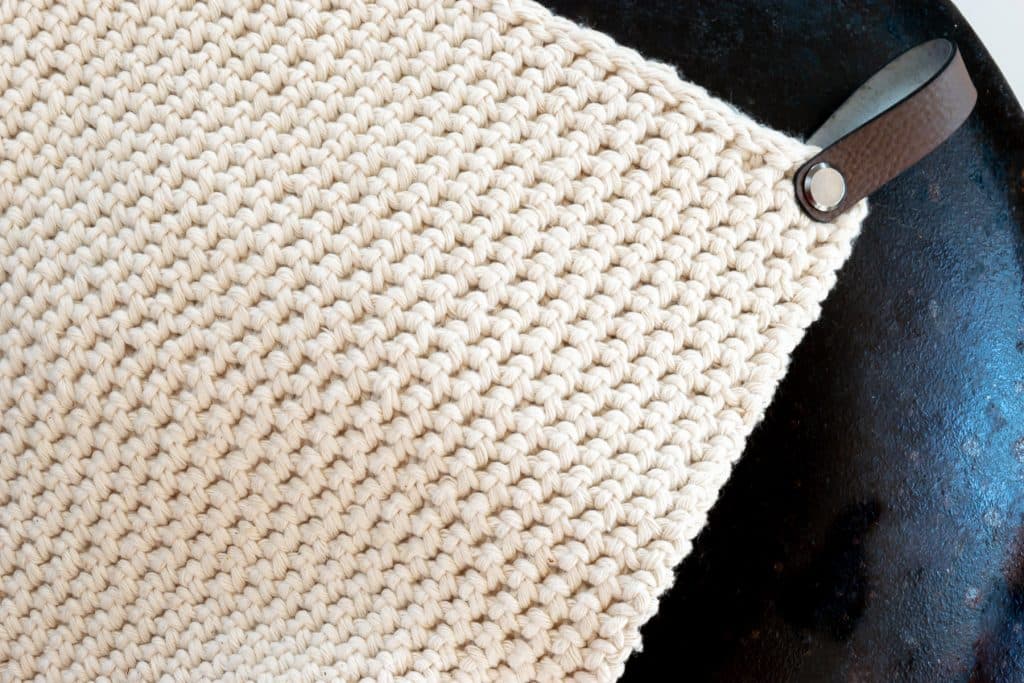
The Thermal Stitch is widely considered the gold standard for crochet pot holders. This stitch creates a fabric that is twice as thick as a standard single crochet by working into the unworked loops of the row below.
How to Make It
To start, chain an even number (e.g., 26 for a standard size). You will work a row of single crochet, but in the subsequent rows, you insert your hook into the back loop of the current stitch and the open loop from the previous row.
This creates a dense, ribbed texture that is virtually impenetrable by heat. It uses more yarn than a standard square, but the safety it provides for heavy cast-iron skillets is unmatched.
2. The Magic Diagonal Fold (The “Origami” Potholder)
Double Thickness Without Extra Effort
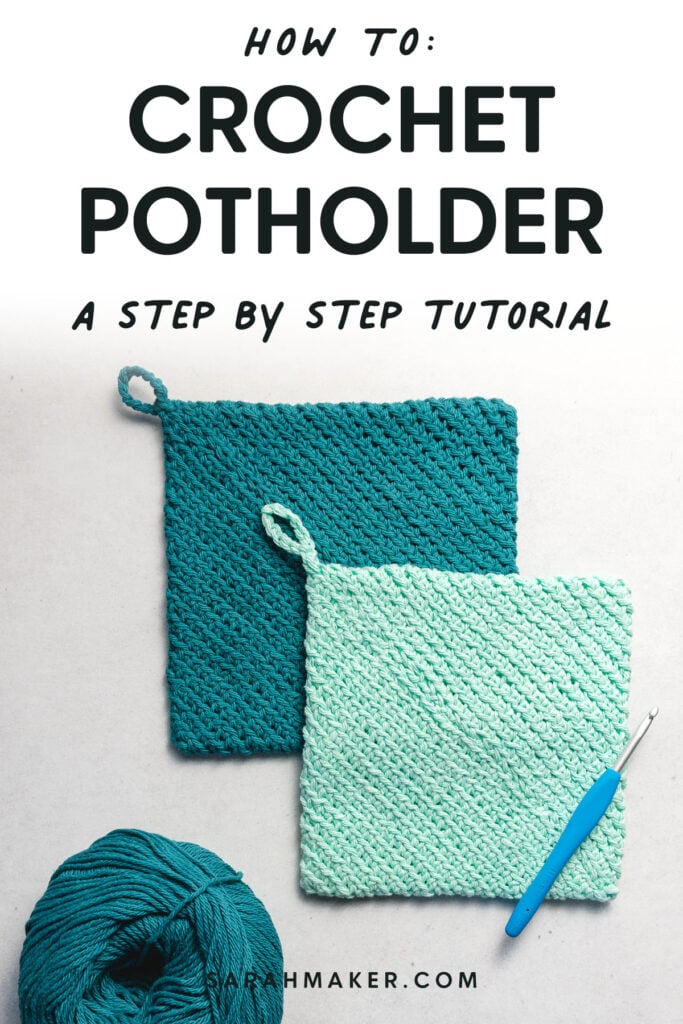
This is arguably the most popular pattern for beginners because it creates a double-layered pot holder without needing to sew two separate pieces together.
The Construction Secret
You begin by crocheting a large square in the round, starting with a foundation chain. As you continue to crochet around the chain in a continuous spiral, the piece naturally begins to tube and then flatten into a diamond shape.
Once the edges meet in the middle, you simply slip-stitch the seam shut. The result is a thick, diagonal-ribbed square that is naturally two layers thick.
3. The Modern Farmhouse Waffle Stitch
Texture and Depth
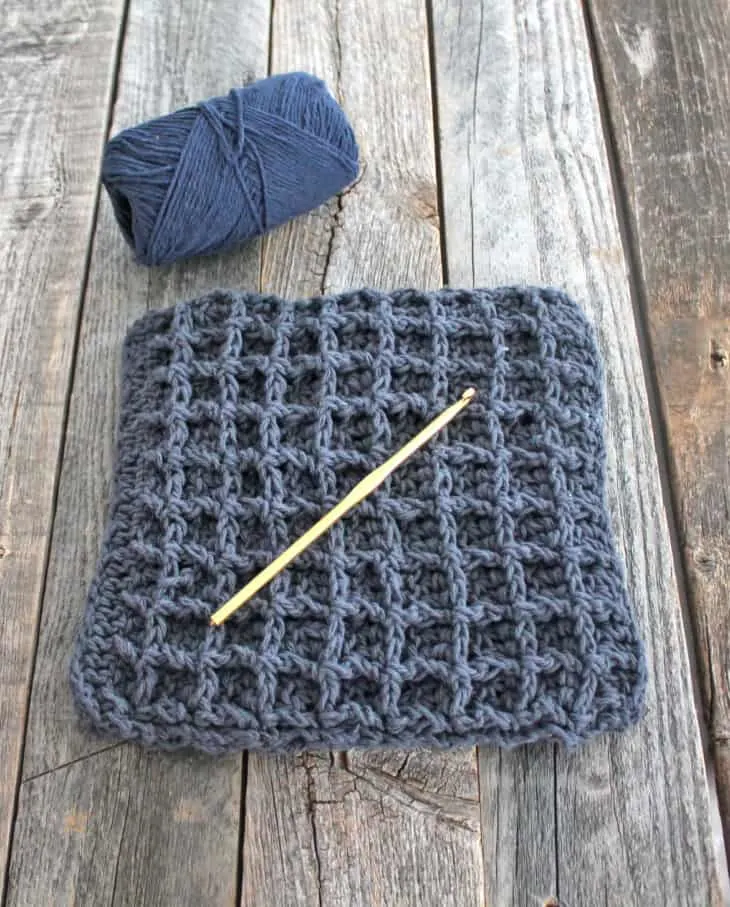
The waffle stitch isn’t just for blankets; its deep pockets trap air, providing an extra layer of insulation against hot surfaces. It provides a high-end, textured look that fits perfectly in a modern farmhouse-style kitchen.
Pattern Overview
This pattern uses a combination of standard double crochets and Front Post Double Crochets (FPDC). The FPDC creates the raised walls of the waffle.
For maximum safety, it is recommended to make two waffle stitch squares and slip-stitch them together back-to-back, as the valleys of the waffle can sometimes be a bit thin if used as a single layer.
4. The Classic Granny Square Revisited
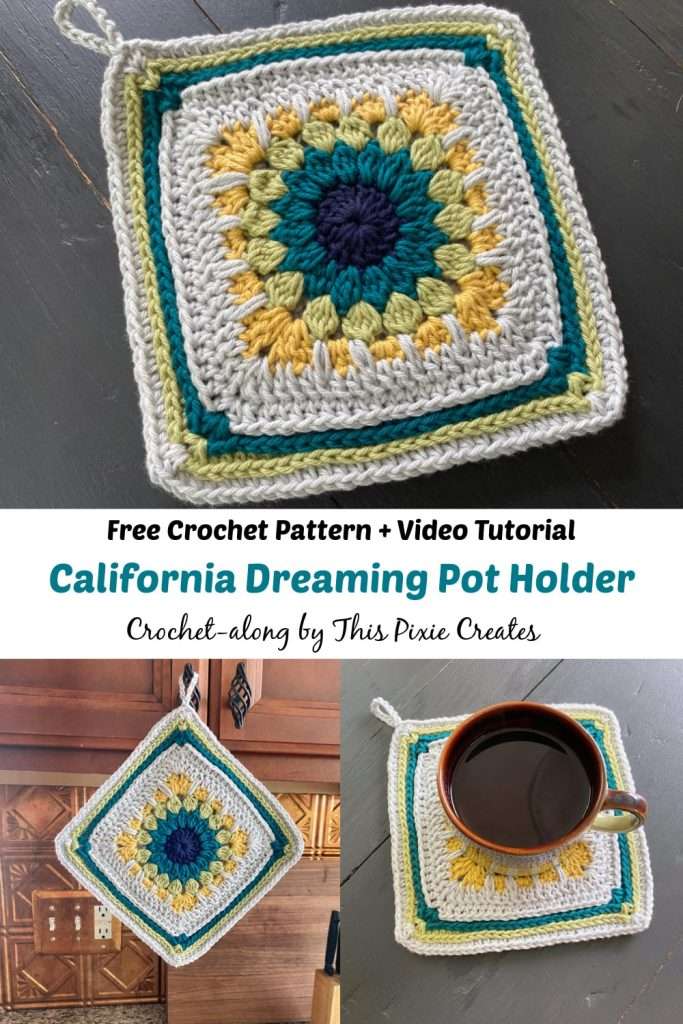
Vintage Charm
Nothing says homemade kitchen like a granny square. While traditional granny squares have holes (the chain spaces), you can adapt this for a pot holder by using a Solid Granny Square variation.
Safety Modifications
To make a granny square functional for heat, work the stitches close together without the usual chain-1 spaces between clusters. Once you have reached a 7-inch diameter, create a second identical square.
Sandwich a piece of cotton batting between them or simply sew the two squares together to ensure no heat transfers through the stitches.
5. The Tunisian Simple Stitch Block
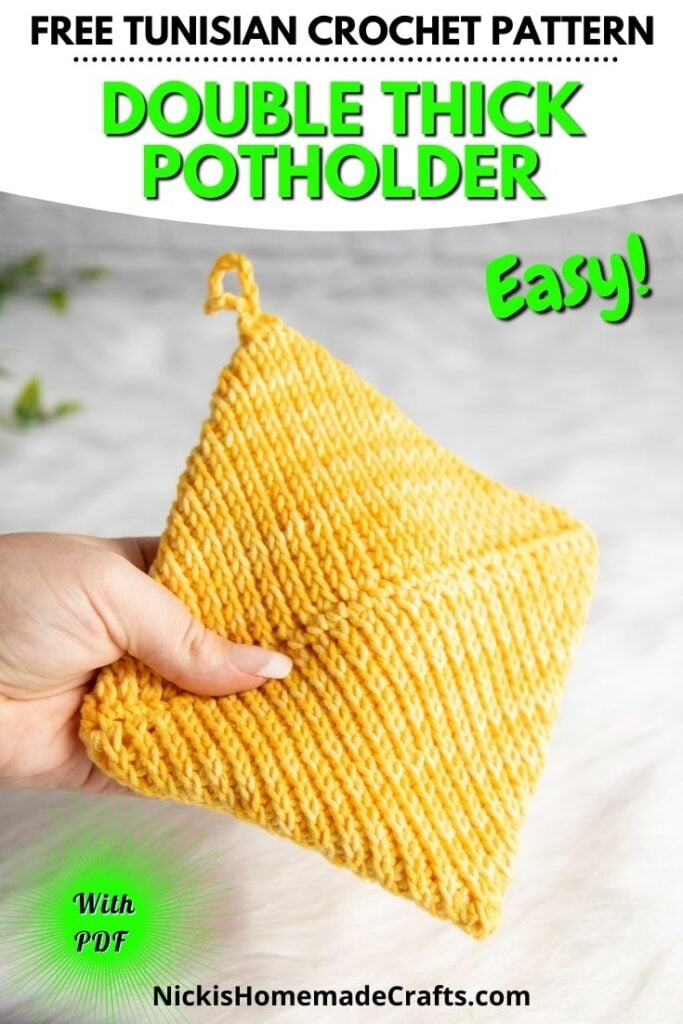
The Woven Look
Tunisian crochet (or Afghan stitch) is a hybrid of knitting and crochet. It naturally produces a very dense, grid-like fabric that is much thicker than standard crochet.
Why it Works
Because Tunisian crochet doesn’t have the same gaps as traditional crochet, a single layer of Tunisian Simple Stitch (TSS) is often thick enough to act as a trivet. Use a variegated cotton yarn to create a beautiful, woven color effect.
Ensure you use a Tunisian hook (a longer hook with a stopper) to accommodate the width of the square.
6. The Round Spiral Trivet
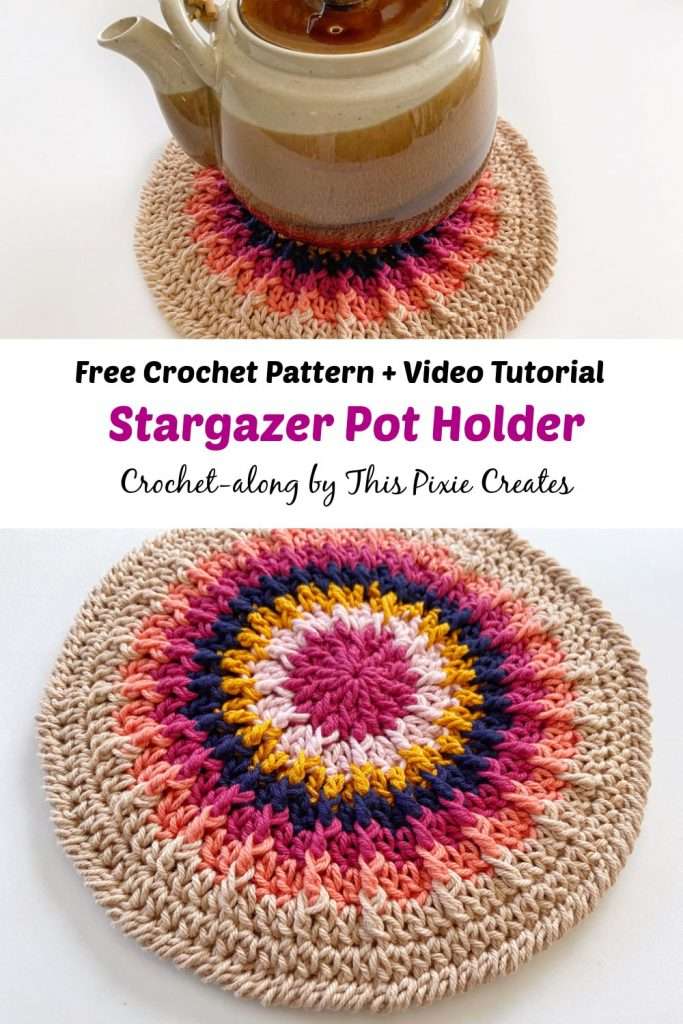
Perfect for Teapots and Casseroles
Not all pot holders need to be square. A round version is excellent for placing under circular pots or teapots.
Technical Approach
Start with a magic ring and work in a continuous spiral of half-double crochets. To keep the circle flat, you must follow the standard rule of increases (6 increases per row for single crochet, 8-10 for half-double).
To add thickness, you can carry a piece of cotton clothesline cord inside your stitches—a technique known as tapestry crochet or cording—which makes the trivet stiff and extremely heat-resistant.
7. The Bobble Stitch Sensory Pad
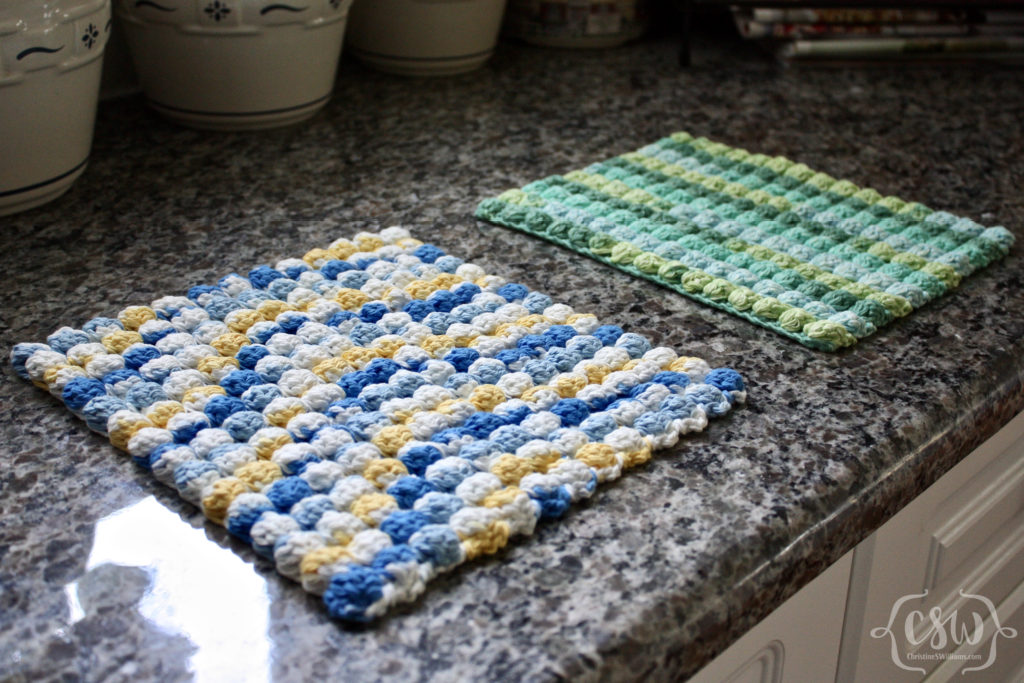
Maximum Grip
The bobble stitch creates large, raised pompoms of yarn on the surface of your work. These aren’t just for decoration; they provide an excellent non-slip grip when grabbing the handle of a hot pan.
Construction Tips
Bobbles are worked on the wrong side of the fabric so they pop out on the right side. Alternate rows of bobbles with rows of plain single crochet to keep the project from becoming too bulky to fold.
This pattern looks best in solid, neutral colors like cream or slate gray, where the shadows of the bobbles can really stand out.
8. The Herringbone Half Double Crochet (HHDC)
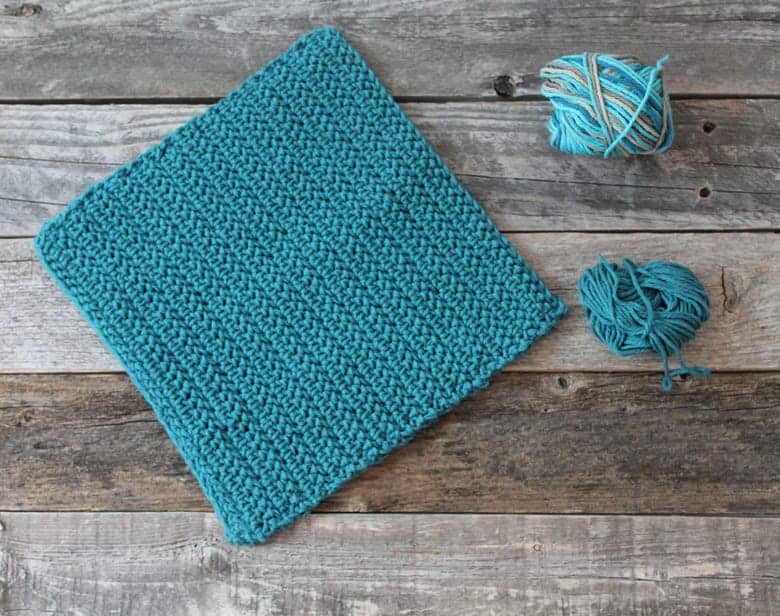
Sophisticated and Sleek
If you prefer a minimalist, modern kitchen, the Herringbone Half Double Crochet offers a sleek, slanted stitch that looks more like a woven fabric than a traditional crochet project.
The Stitch Technique
The HHDC is a slight variation of the standard HDC where you pull the first loop through the second loop on your hook before yarn over and pulling through the final loops.
This creates a dense, interlocking fabric with a beautiful horizontal V shape. This stitch is very tight, meaning there are no holes for heat to escape through.
9. The Basketweave Block
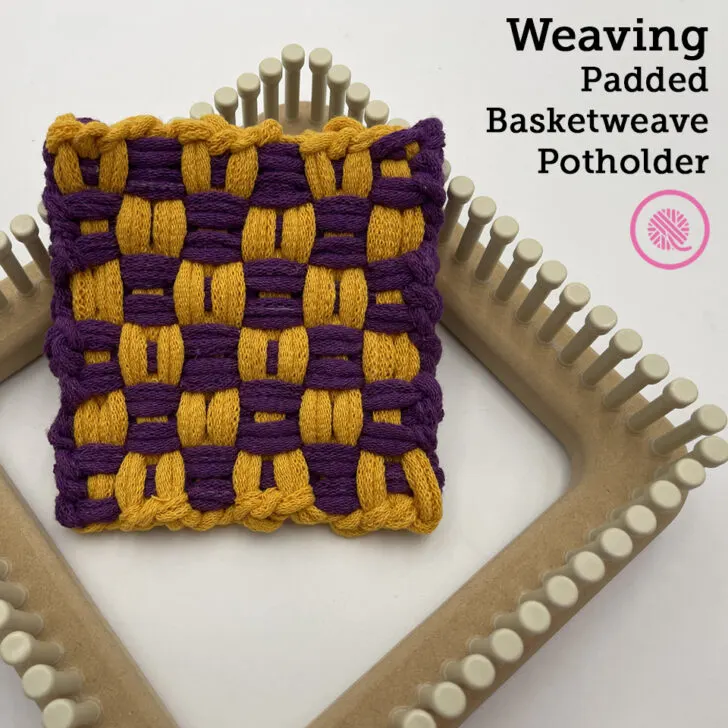
Structural Integrity
The basketweave stitch uses alternating blocks of front post and back post double crochets to create a fabric that looks like a woven basket.
Durability
This is one of the heaviest crochet stitches available. A basketweave pot holder feels substantial in the hand and holds its shape even after multiple trips through the washing machine.
Because it is so dense, it requires about 30% more yarn than a flat-stitch square, so ensure you have a full 100g ball of cotton before starting.
10. The Mosaic Geometric Square
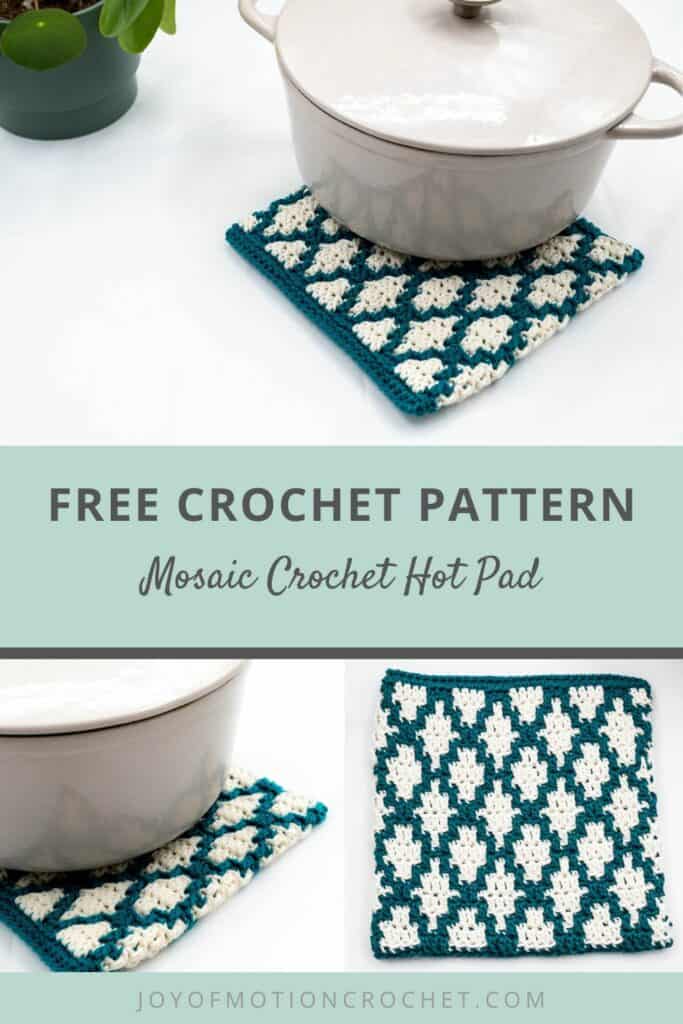
High-Authority Design
For those who want their kitchen accessories to be a focal point, Mosaic crochet allows you to create intricate geometric patterns (like diamonds or chevrons) using two contrasting colors of yarn.
Implementation
Mosaic crochet is worked one color at a time, so you don’t have to worry about carrying multiple strands of yarn (like in Fair Isle). The dropped stitches that create the pattern add an extra layer of yarn to the front of the work, naturally increasing the thickness of the pot holder.
Finish the edges with a simple crab stitch (reverse single crochet) for a professional, store-bought look.
Essential Care and Safety Tips
To ensure your handmade pot holders last for years, follow these maintenance guidelines:
- ✨1. Avoid Synthetic Trim: Never use ribbon or metallic thread for decoration, as these will melt or spark in the microwave/near a flame.
- ✨2. Pre-Shrink: Cotton shrinks. It is often wise to wash your yarn or your finished project in hot water once before heavy use to set the size.
- ✨3. Check for Wear: Over time, the center of the pot holder may thin out from heat exposure. Inspect your crochet regularly for scorched fibers.
- ✨4. Launder Frequently: Kitchen oils can be flammable. Wash your pot holders regularly with a degreasing detergent to keep them safe.
FAQ
What is the best yarn for crochet pot holders?
The only safe choice is 100% cotton. Popular brands include Lily Sugar ‘n Cream or Lion Brand 24/7 Cotton. Avoid cotton blends that contain more than 10% polyester.
How big should a crochet pot holder be?
The standard size is 7 inches by 7 inches. Anything smaller may not sufficiently protect your hand, and anything larger can be cumbersome and dip into food or flames.
Do I need to line my pot holder with fabric?
It is not strictly necessary if you use a dense stitch like the Thermal Stitch. However, for decorative stitches with gaps, lining the back with a layer of Insul-Bright (heat-reflective batting) and a piece of cotton fabric is a great safety measure.
Can I use a crochet pot holder as a trivet?
Yes! Most crochet pot holders double as trivets. For very heavy or extremely hot items (like a Dutch oven straight from a 450-degree oven), use a double-layered or corded crochet trivet for maximum surface protection.
Conclusion
Crocheting your own kitchen accessories is a rewarding way to bring color and personality into your home while mastering new skills. Whether you choose the structural density of the Thermal Stitch or the quick-and-easy Diagonal Fold, these ten patterns provide a range of styles for every skill level.
Remember to prioritize 100% cotton yarn and dense stitch patterns to ensure your creations are as functional as they are beautiful. With a few scraps of yarn and a weekend afternoon, you can create a set of high-quality pot holders that will serve your kitchen for years to come.
Leave a Reply