
Dryer sheets offer simple solutions for everyday household tasks that go beyond the laundry room. Their fabric-softening residue helps lift dust, reduce static, and leave light scents without extra chemicals. These eight uses focus on practical applications that fit into regular cleaning routines.
Dusting Wooden Furniture
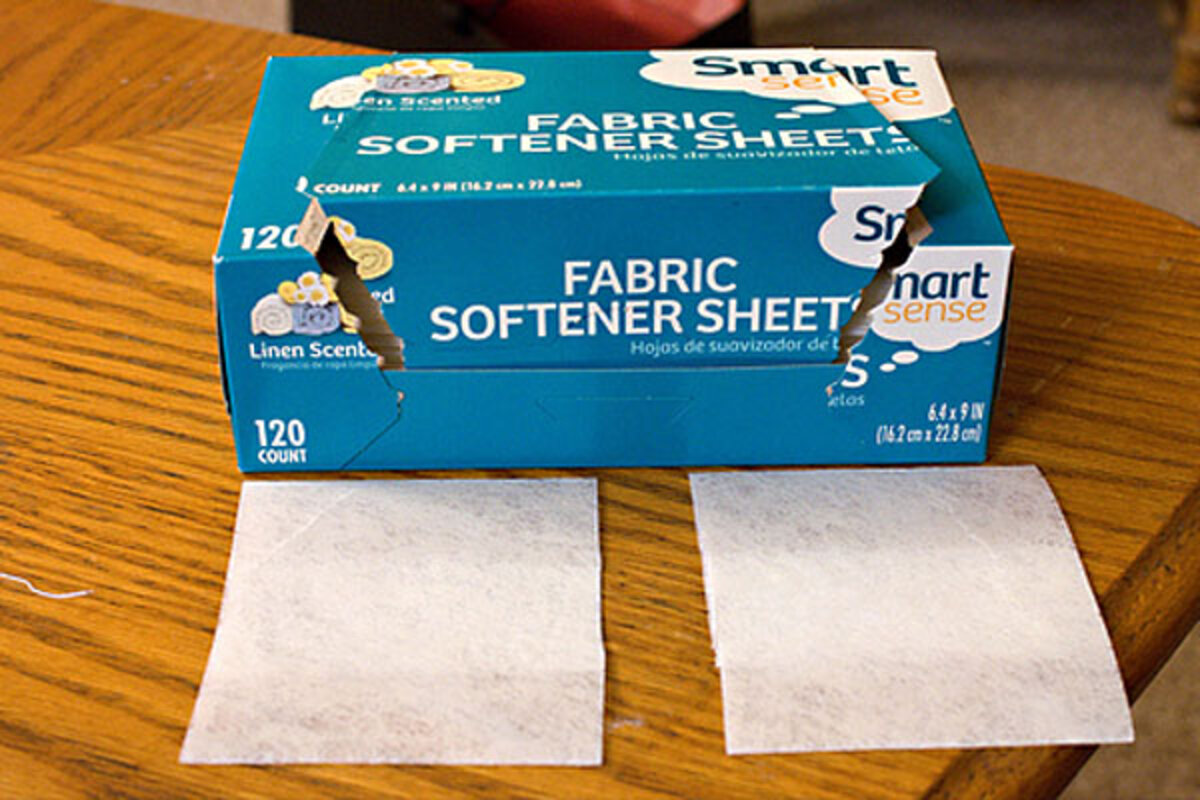
Dryer sheets grab fine dust particles from tabletops and shelves more effectively than dry cloths alone. The thin layer of softening agents creates a light static charge that holds debris until you shake it off outside. This approach works well on finished wood where you want to avoid water spots or oily residues from commercial sprays.
Many people notice the sheets also buff away minor fingerprints during the same pass. Rotate to a fresh section of the sheet as it loads up to keep each stroke effective. Store a small stack in a drawer near your main living areas so the habit becomes part of quick daily resets.
Cleaning Glass and Mirrors
Streaks on mirrors often come from over-wetting or leftover cleaner residue. A dry dryer sheet removes both without introducing new moisture. The same static property that collects dust on wood pulls fine particles off glass surfaces in one motion.
Users frequently report success on bathroom mirrors after showers when condensation has dried. Fold the sheet into quarters so you always have clean edges available. Replace it once the surface feels slick rather than dry, usually after two or three mirrors.
Freshening Drawers and Closets
Placing a dryer sheet at the back of a drawer or on a closet shelf releases a light scent over several weeks. The sheet also absorbs lingering odors from stored clothing or linens. Because the material is thin, it slips behind existing organizers without taking usable space.
Rotate sheets every month or two when the scent fades. This method pairs well with seasonal clothing swaps when drawers sit empty for a few days. Choose unscented sheets if you prefer no added fragrance near delicate fabrics.
Wiping Kitchen Appliances
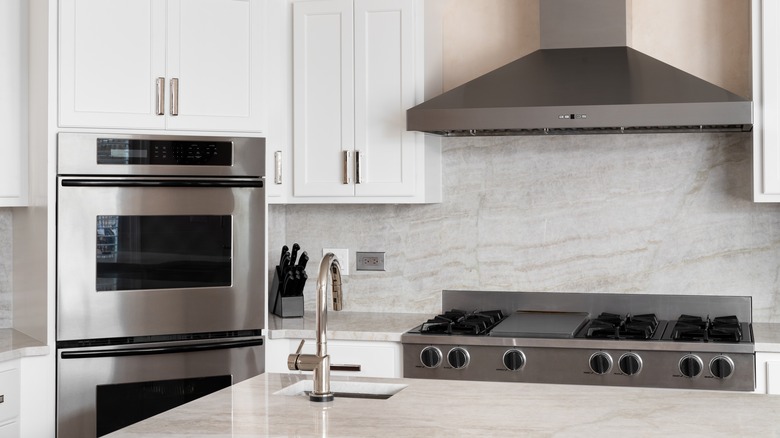
Stainless steel fronts collect fingerprints and light grease that show up under bright lighting. A dryer sheet lifts both without leaving streaks when used dry. The same sheet can move to the microwave exterior or toaster in the same cleaning session.
Dryer sheets work on appliance handles because their residue level sits between a dry cloth and a wet wipe, reducing both smudges and water spots. Keep a few sheets in a kitchen drawer so the task fits between other chores. Avoid using them on touchscreens or control panels where residue might interfere with sensors.
Removing Soap Scum from Shower Doors
Soap scum builds a cloudy film on glass that regular squeegees miss over time. A dryer sheet breaks through the film when rubbed in circular motions. The process requires no extra sprays and leaves the glass ready for the next use.
Work from the top down so loosened particles fall away from already-cleaned areas. Rinse the door with plain water afterward if you notice any white flecks. One sheet usually covers a standard tub surround before it needs replacement.
Deodorizing Athletic Shoes
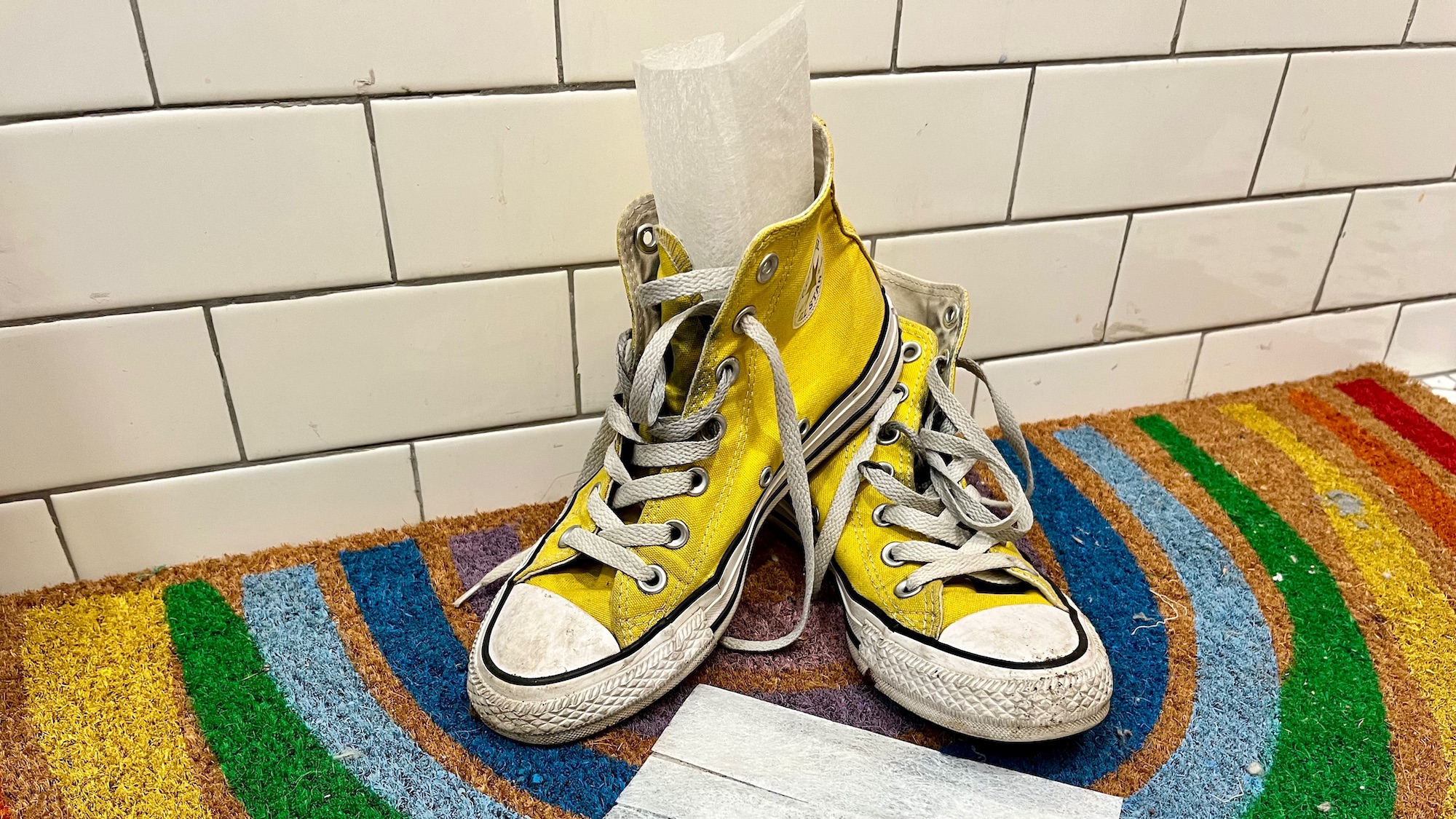
Athletic shoes trap moisture and odor between wears. Inserting a dryer sheet overnight pulls some of that moisture while adding a neutral scent. The sheet also helps maintain shape inside the shoe when stuffed loosely.
Remove the sheet before the next wear so any loose fibers stay inside the shoe rather than on socks. This works best with mesh or canvas styles where air can still circulate. Swap sheets after three or four uses when the interior feels damp again.
Protecting Silver from Tarnish

Silver pieces tarnish faster when exposed to air and humidity. Wrapping each item in a dryer sheet before storage slows the reaction. The sheet acts as both a barrier and a mild absorber of airborne compounds.
Store wrapped pieces in a dry drawer or box rather than plastic bags that trap moisture. Check the sheets every few months and replace any that feel damp. This method suits flatware or small decorative items that see occasional use.
Wiping Baseboards and Trim
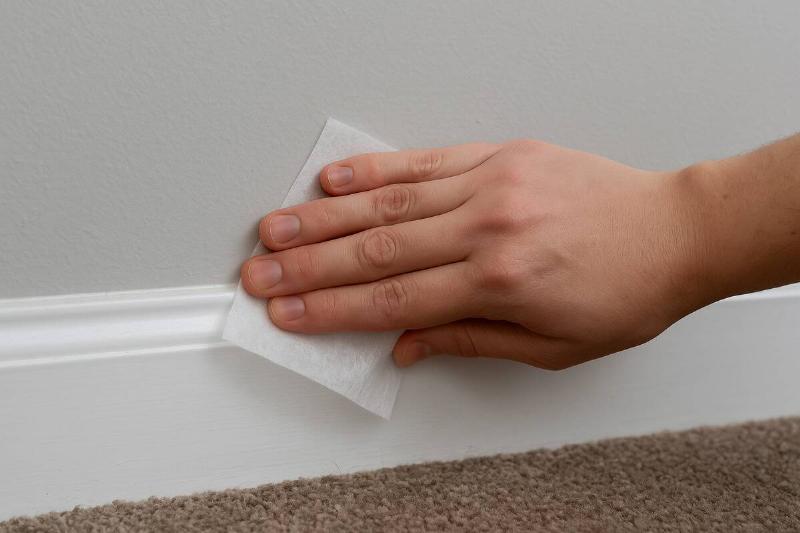
Baseboards collect dust at floor level where regular sweeping misses the top edge. Running a dryer sheet along the trim picks up the layer without bending down with a vacuum attachment. The sheet’s flexibility lets it follow the slight contours of most molding profiles.
One overlooked benefit appears when you use the same sheet on both wood trim and nearby hard floors: the static charge reduces the amount of dust that resettles immediately after cleaning. Fold the sheet to expose fresh surfaces as it loads. Keep a dedicated set of sheets for this task since they pick up more grit than those used on higher surfaces.
| Use | Surface Type | Frequency | Scent Impact |
|---|---|---|---|
| Dusting furniture | Finished wood | Weekly | Light |
| Glass cleaning | Mirrors, windows | As needed | None |
| Drawer freshening | Wood or fabric | Monthly | Moderate |
| Appliance wiping | Stainless steel | Weekly | Light |
| Shower doors | Glass | Bi-weekly | None |
| Shoe deodorizing | Fabric interiors | After each wear | Moderate |
| Silver protection | Metal | Seasonal | None |
| Baseboard wiping | Painted wood | Monthly | Light |
- Unscented sheets suit homes with fragrance sensitivities or pets that react to added scents.
- Standard dryer sheets handle most surfaces; thicker versions last longer on rougher jobs like baseboards.
- Avoid sheets with heavy fabric softener buildup on electronics or food-prep areas.
How long do dryer sheets last when used for cleaning?
A single dryer sheet typically handles two to four medium surfaces before its static charge drops and it begins to leave residue instead of lifting dust. Test the sheet on a small area first; if it drags or leaves streaks, switch to a fresh one. Storage in a sealed container keeps unused sheets effective longer than leaving them exposed on a shelf.
Can dryer sheets damage certain finishes?
Some high-gloss or lacquered surfaces can show faint clouding if a dryer sheet sits too long or presses too hard. Always test in an inconspicuous spot and wipe immediately if any change appears. Painted walls and matte finishes generally tolerate the sheets without issue when used with light pressure.
Do dryer sheets remove pet hair effectively?
The sheets pick up loose surface hair on upholstery and carpeted stairs through static attraction, but they do not replace a vacuum for embedded hair. Shake the sheet outdoors between passes to keep it from redepositing hair. For best results, use them as a quick follow-up after vacuuming rather than a standalone solution.
Are all dryer sheet brands equally effective for household tasks?
Thicker sheets with higher softener content tend to hold more dust and last through more surfaces, while thin, lightly scented versions work better on glass where minimal residue matters. Check the sheet’s texture before buying a large pack for cleaning use. Store-bought unscented options often perform more consistently across different tasks than heavily fragranced varieties.
Dryer sheets already sit in most homes, so turning them into multi-surface tools reduces the need for separate specialty products while keeping routines simple.
Leave a Reply