
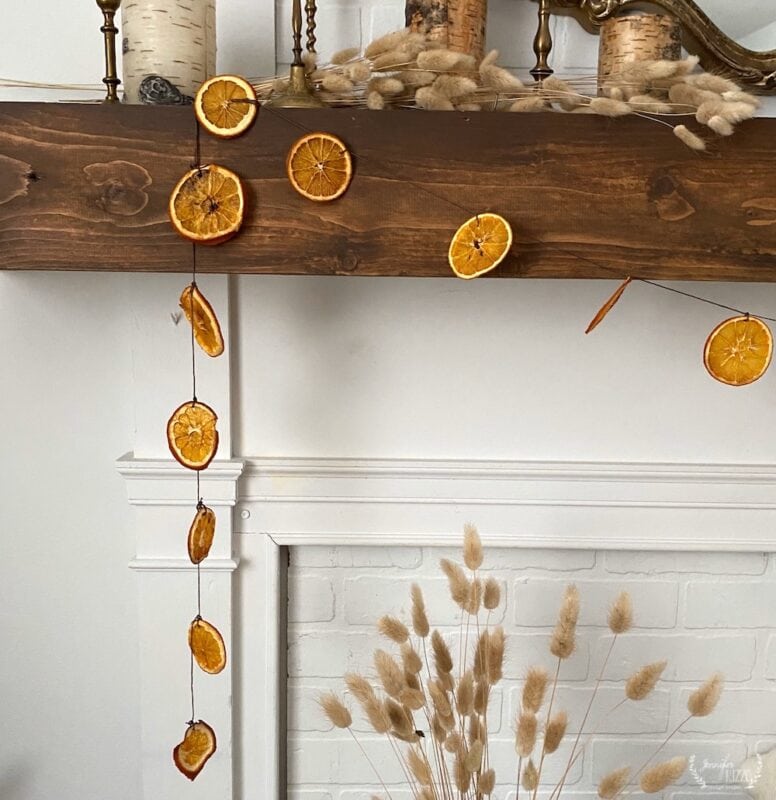
Dried orange slice garlands bring warm color and natural texture to fall spaces through simple stringing and layering techniques. These arrangements work because the citrus slices hold their shape after drying and pair easily with common seasonal materials like twine, ribbon, and evergreens. Focus on placement first, then add supporting elements that match the room’s scale and existing finishes.
Mantel Arrangements with Dried Oranges
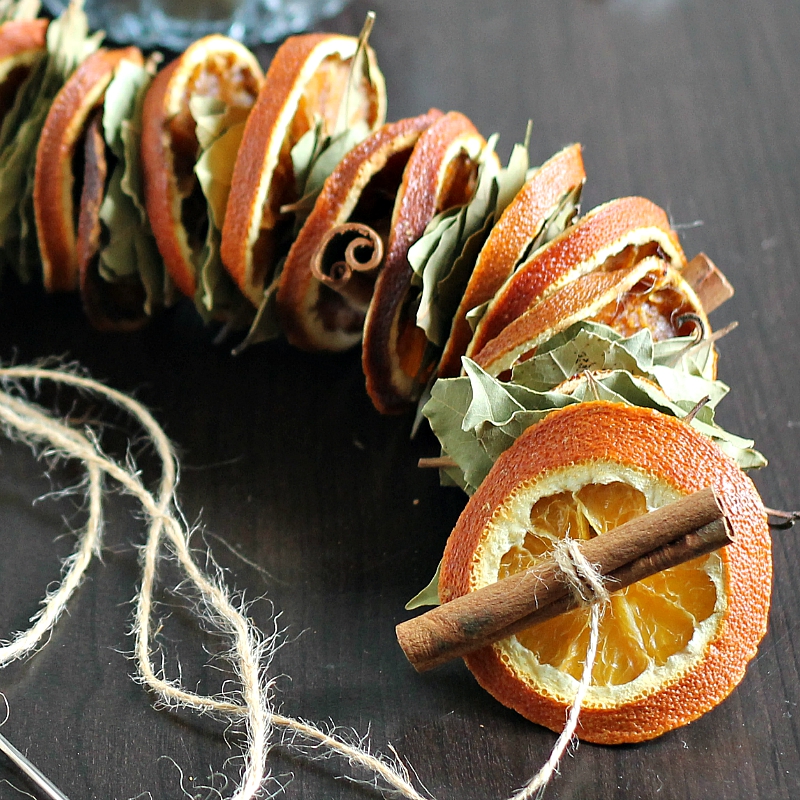
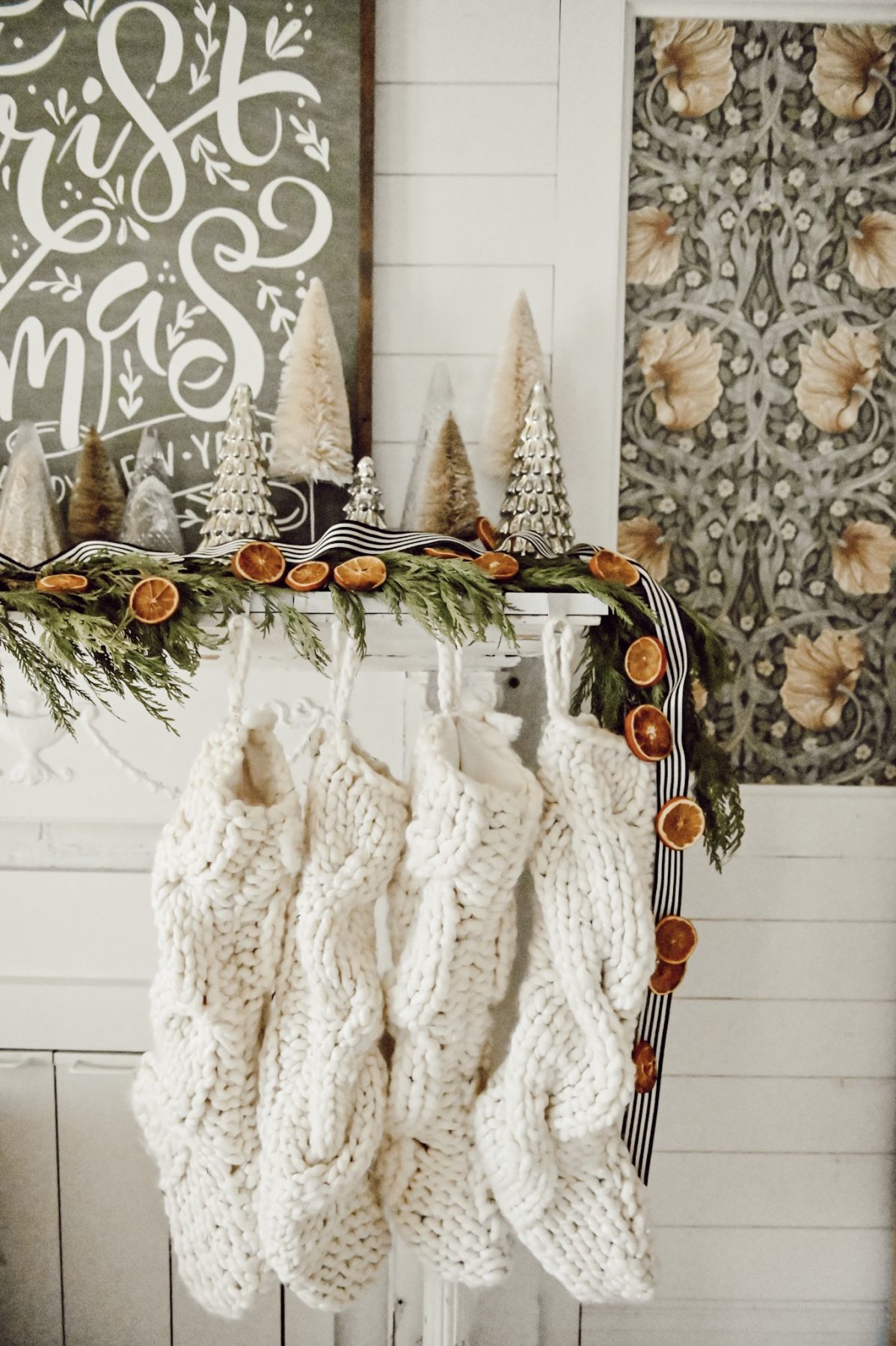
Dried orange slices create a focal point when draped across a mantel because their translucent edges catch light from nearby candles or lamps. The slices also release a faint citrus scent that lingers for weeks after hanging. Pair them with short bundles of pine or cedar to fill gaps and prevent the garland from looking sparse in the center.
Placement height matters more than length. Keep the lowest point of the garland at least six inches above the mantel surface so heat from fires or candles does not cause the slices to curl further. Test the drape on the floor first, then transfer it in sections to avoid twisting the string.
Dried slices stay flatter when pressed between two baking sheets for 24 hours after initial oven drying.
Banister Wraps for Staircases

Staircase banisters gain seasonal interest when the garland follows the handrail in a loose spiral rather than a straight line. The curve of the rail naturally spaces the orange slices so each one remains visible from below. Add small brass bells or wooden beads between slices to create soft movement when people pass by.
Secure the ends with removable command hooks placed on the underside of the rail so the hardware stays hidden. Check tension every few days because wood expands slightly with indoor humidity changes in fall. This method keeps the garland from sliding even on polished surfaces.
Window Sill Displays
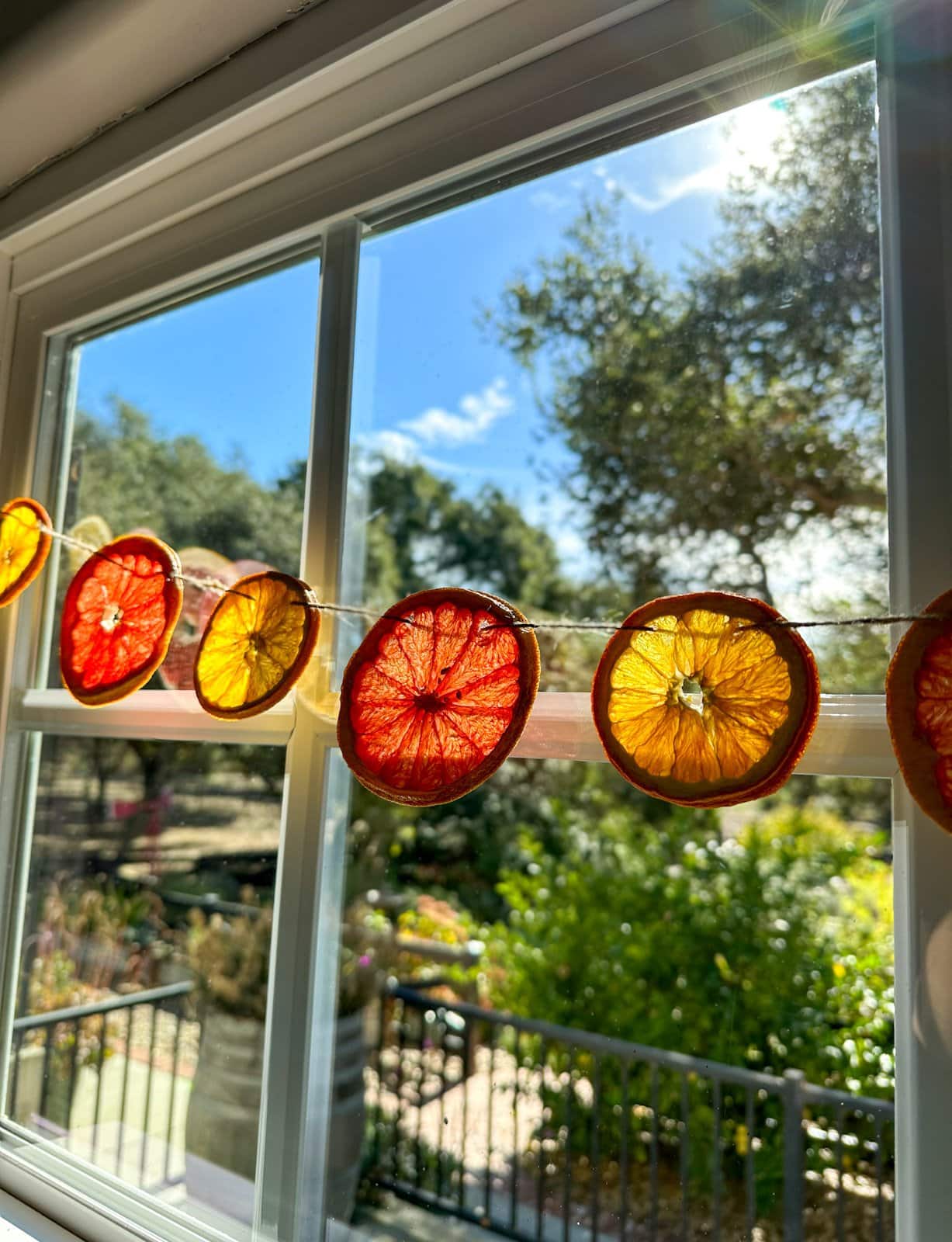
Windowsills offer a low, horizontal surface that lets light pass through the dried slices and highlight their veined centers. Position the garland so it rests just behind the sill edge, allowing curtains to close without catching. Short lengths work best here because longer strands tend to bunch against the glass when the window is opened.
Choose slices of similar thickness so the garland lies flat instead of rolling toward one side. A single row of slices spaced two inches apart gives enough coverage without blocking too much natural light during shorter fall days.
Over-Door Garlands
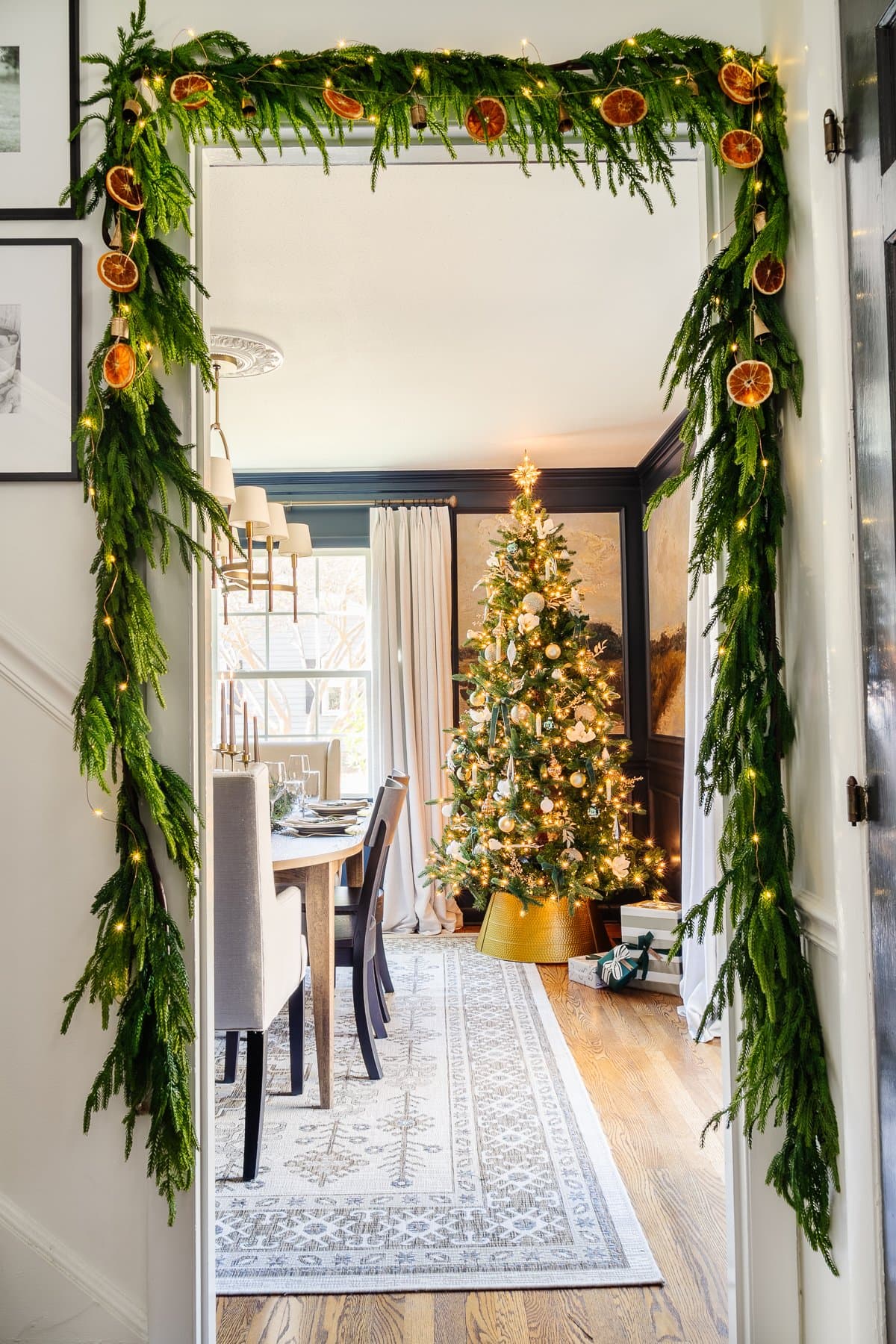
Doorways framed with dried orange garlands create an immediate seasonal welcome because the slices contrast against painted or stained wood. Hang the strand from two small nails placed above the trim so the center dips slightly for a relaxed curve. The weight of the oranges helps the garland stay in place even when the door opens and closes frequently.
Use jute twine rather than thin wire because the natural fiber matches the rustic look of the dried fruit. Check the attachment points weekly since repeated door movement can loosen small nails over time.
How long do dried orange slices last indoors?
Properly dried slices typically remain intact for two to three months when kept away from direct moisture. Store any unused slices in a paper bag with a silica packet to prevent mold before stringing them. Once hung, rotate the garland every ten days so both sides receive equal air exposure and color stays even.
Table Runner Garlands
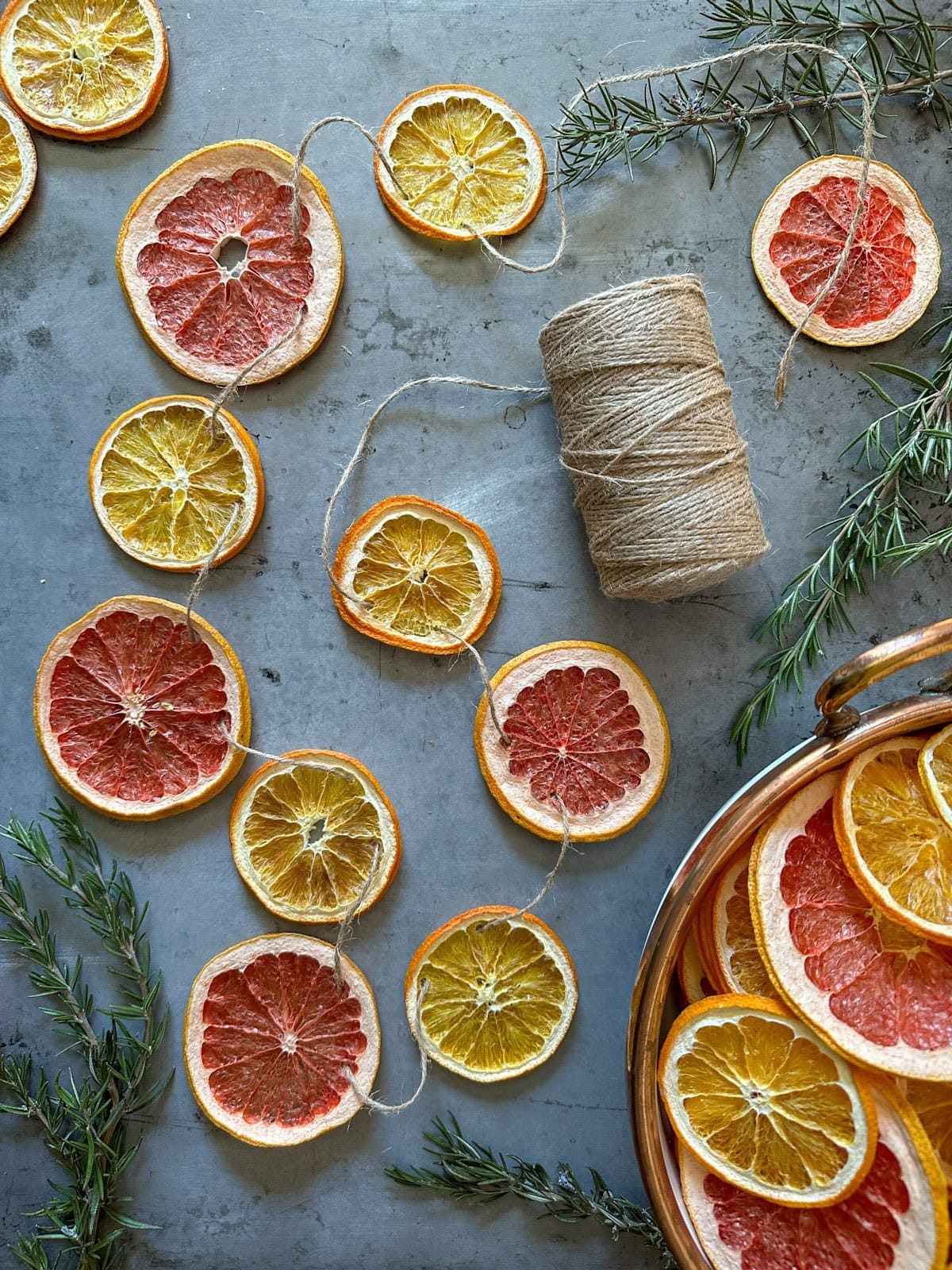
A table runner version of the garland runs down the center of a dining table and leaves room for place settings on either side. Lay the strand on a linen or burlap runner first so the oranges do not touch the wood directly. Add small clusters of dried bay leaves or cinnamon sticks at intervals to break up the line of citrus slices.
Keep the garland length six inches shorter than the table on each end so it does not interfere with chairs. This placement also makes it easy to lift the entire strand when clearing the table for meals.
Chandelier Accents
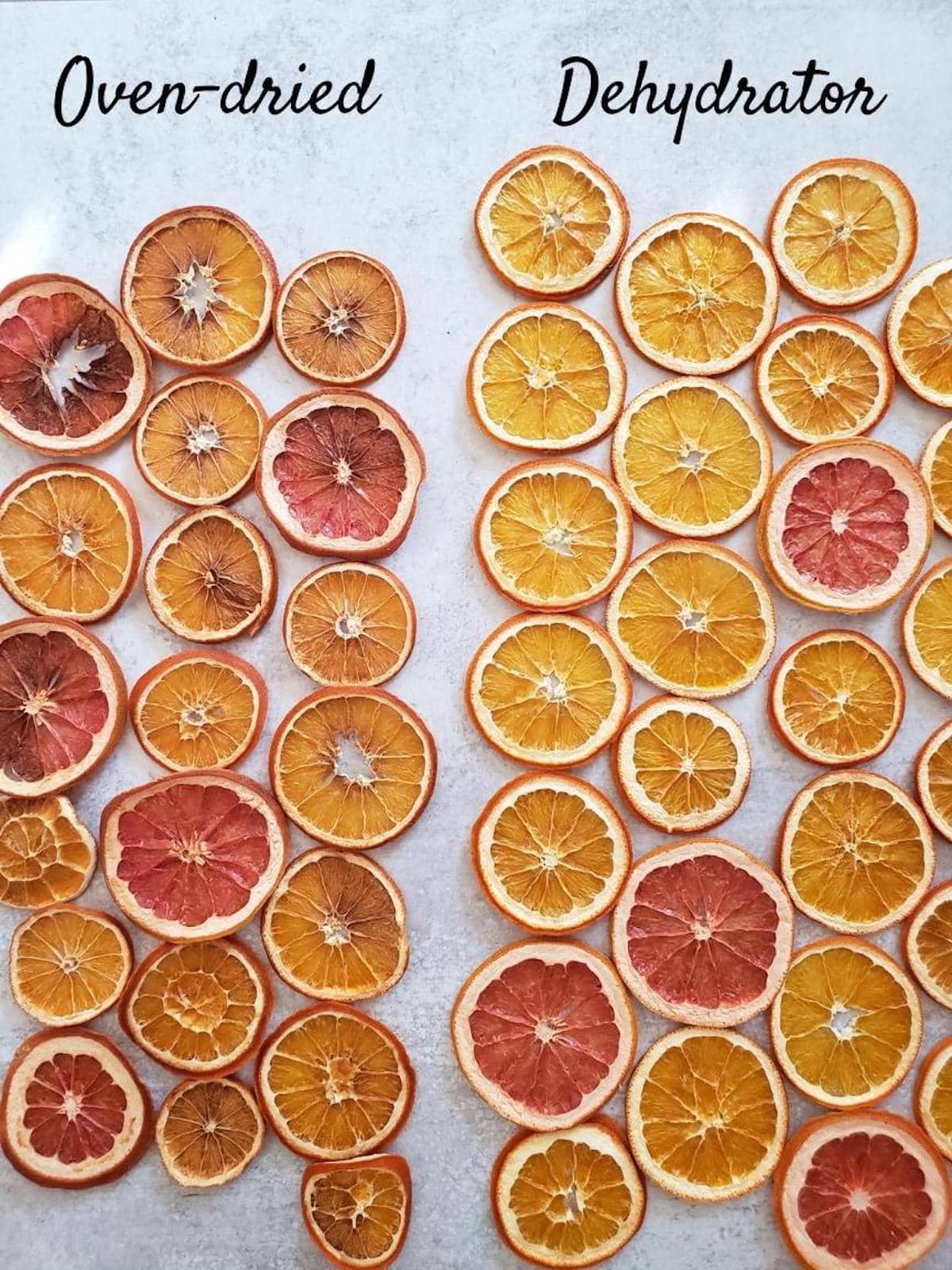
Chandeliers take on a softer look when a short garland is wound around the central column or draped between arms. The slices catch light from the bulbs and cast faint shadows on the ceiling. Limit the length to avoid overloading the fixture or creating a fire hazard near warm bulbs.
Use clear fishing line for attachment so the support remains nearly invisible from below. Remove the garland before dusting the chandelier to prevent the slices from catching on cleaning cloths.
Mirror Surrounds

A mirror gains depth when the garland follows its outer edge in a full frame. The reflection doubles the visual impact of the orange slices without requiring extra length. Secure the strand with small adhesive hooks placed at the top corners and bottom center so the weight stays balanced.
Choose slices that have been dried to a deep amber tone because they stand out better against most mirror frames. Avoid pressing the garland flat against the glass to prevent moisture transfer from the wall behind the mirror.
Kitchen Island Hangings
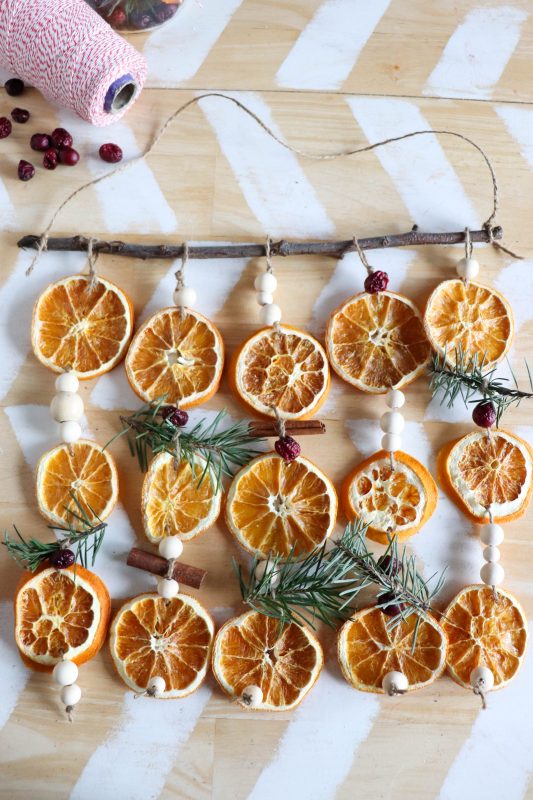
Kitchen islands benefit from a garland suspended from the ceiling or upper cabinets because it adds height without using counter space. Hang two shorter strands side by side rather than one long piece so the display stays proportional to the island width. The slices also complement copper or brass hardware commonly found in kitchens.
Keep the lowest point of the garland at least eighteen inches above the counter surface for safe clearance during food prep. This height also allows the citrus scent to drift downward toward seating areas.
Porch Railing Decor
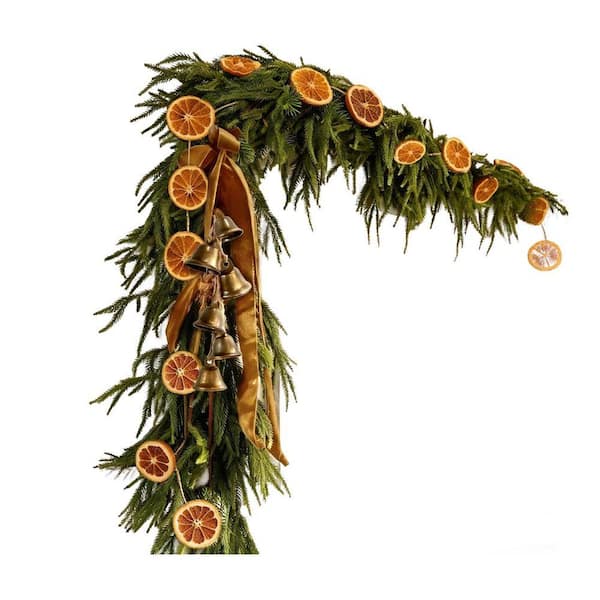
Outdoor porch railings receive a natural fall accent when the garland is tied at each post with weather-resistant ribbon. The slices develop a deeper color after a few days of exposure to cooler air. Combine them with preserved eucalyptus or seeded eucalyptus stems to add volume that holds up better in wind.
Bring the garland inside during heavy rain because repeated soaking softens the slices and causes them to drop from the string. Rehang it once surfaces dry to extend the display through the season.
Headboard Backdrops
Bed headboards gain texture when a garland is draped along the top edge or pinned in a gentle arc above the pillows. The warm tones of the oranges coordinate with linen bedding and wool throws typical in fall bedrooms. Keep the strand narrow so it does not compete with patterned sheets or quilts.
Use upholstery pins rather than nails to avoid damaging wood or upholstered surfaces. This method also allows quick removal when changing linens or rotating seasonal decor.
Bookshelf Layering
Bookshelves look finished when a garland weaves between stacked books and small pottery. The slices add an organic line that breaks up the straight edges of shelves. Place the garland toward the front of each shelf so it remains visible even when books sit behind it.
Limit the number of slices per shelf to three or four to prevent overcrowding. This approach also keeps the garland from casting heavy shadows on the books themselves.
Wall Hanging Clusters
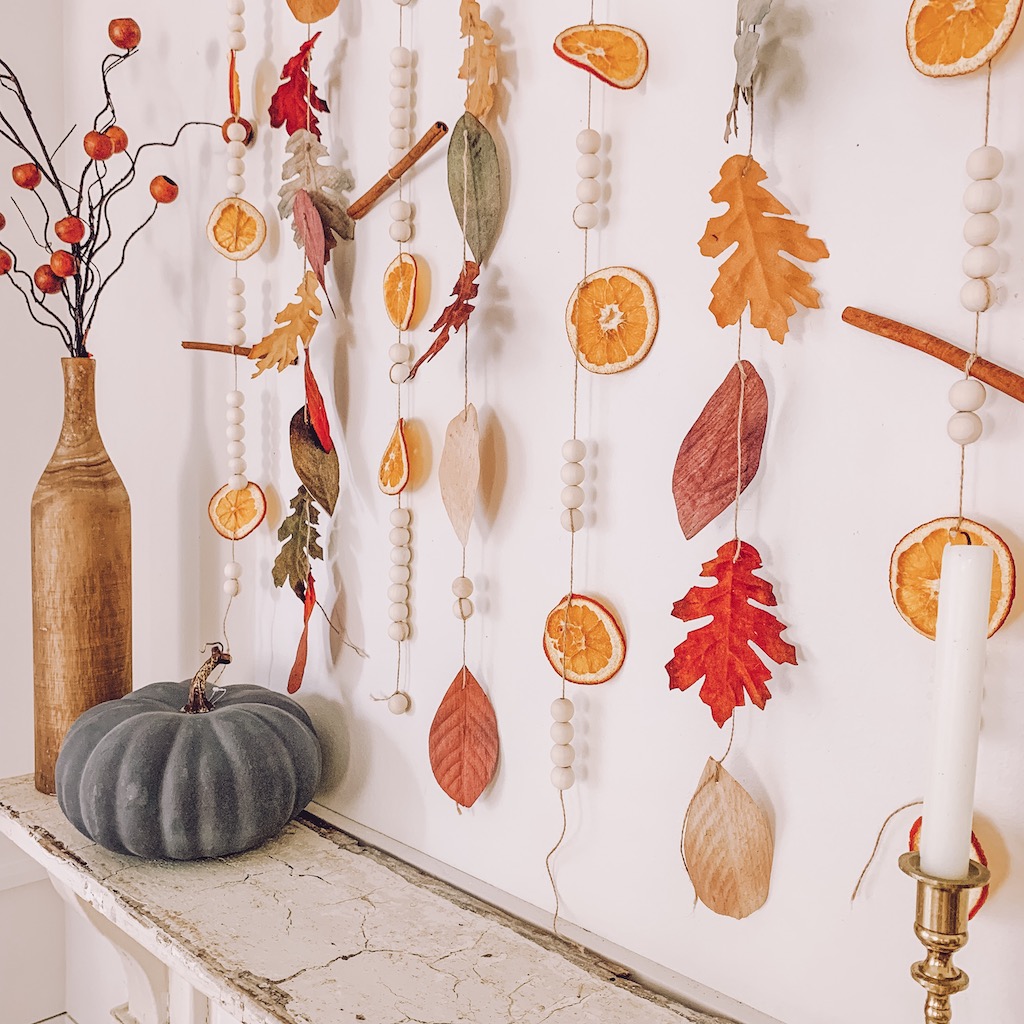
Multiple short garland segments can be grouped on a wall to form a larger abstract shape without requiring one continuous strand. Overlap the ends slightly and secure with small picture hooks. The clustered arrangement works especially well above a console table or in a narrow hallway.
Vary the lengths of each segment by two to three inches so the overall shape feels organic rather than rigid. This technique also lets you reuse leftover slices from longer projects without waste.
Quick Comparison of Attachment Methods

| Method | Best Surface | Visibility | Reusability |
|---|---|---|---|
| Jute twine | Wood, brick | Low | High |
| Clear fishing line | Metal, glass | None | High |
| Command hooks | Painted drywall | Medium | Medium |
| Upholstery pins | Fabric headboards | Low | High |
Clear fishing line holds up better than thread when supporting more than eight slices in a single strand.
Material Options for Longer Wear
• Select slices dried to uniform thickness so they hang evenly without twisting.
• Combine with preserved greenery rather than fresh stems to reduce mold risk near the citrus.
• Store finished garlands flat in a breathable cotton bag between seasons.
FAQ
How do I keep dried orange slices from turning brown on the garland?
Store slices in a dark, dry container immediately after drying and string them only after they reach a consistent amber color. Exposure to bright sunlight or kitchen steam speeds browning, so rotate the garland every week to expose both sides. Adding a light coat of clear acrylic spray before hanging also slows oxidation without changing the appearance.
What length of string works best for most rooms?
Measure the intended surface first and add twelve inches for tying or hooking at each end. Shorter rooms benefit from eight-foot strands while larger spaces can handle twelve-foot lengths without looking sparse. Test the drape on the floor before final installation to confirm the curve matches the space.
Can I mix dried oranges with other fruits on the same strand?
Yes, but pair them with slices of similar weight such as dried apples or pears so the string remains balanced. Lighter items like bay leaves should be placed between heavier slices rather than at the ends. This distribution prevents the garland from sagging unevenly over time.
The finished garland becomes a reliable seasonal accent once the slices are properly dried and secured with the right attachments for each location.
Leave a Reply