

Natural wreaths built from foraged and garden materials bring texture, scent, and seasonal color to doors, walls, and mantels without relying on plastic forms or synthetic fillers. Each option below uses readily available branches, pods, leaves, and stems that hold shape once dried or wired, and most require only basic tools like floral wire and pruning shears.
Grapevine Wreaths with Dried Blooms

Grapevine provides a flexible, sturdy base that twists into circles of any size and accepts additional stems without slipping. Once the vine dries it keeps its shape for years, making it the foundation for many layered designs. Adding dried blooms such as strawflower or statice introduces color that lasts through multiple seasons.
Placement on an exterior door works when the wreath hangs under an overhang to limit rain exposure. Interior versions can incorporate more delicate pods because they avoid weather altogether. Rotate the finished piece every few weeks so one side does not fade faster than the other.
Twig and Berry Wreath Arrangements

Straight twigs from dogwood or birch create a linear, rustic frame that contrasts nicely with clusters of preserved berries. The berries supply small pops of color against the neutral wood tones. Wire each cluster at several points so wind does not loosen them over time.
This style suits narrow doorways where a full round wreath would crowd the space. Smaller versions fit above kitchen cabinets or inside glass-front hutches. Check berry stems each fall and replace any that have shattered.
Dried Flower Wreaths in Neutral Tones

Neutral palettes built from dried hydrangea, bunny tail grass, and poppy pods read as sophisticated rather than crafty. The muted shades allow the wreath to blend with both modern and traditional interiors. Stems wired onto a hidden ring keep the arrangement from looking flat.
These wreaths perform well in low-light hallways where brighter colors would feel out of place. A light dusting with unscented hairspray reduces shedding when the piece is moved. Store extras in a dry box between seasons to prevent moisture damage.
Pinecone and Evergreen Wreath Bases

Whole pinecones wired in concentric rings produce weight and shadow that read as substantial even from a distance. Interspersing fresh or preserved evergreen tips adds fragrance that lingers for weeks. The combination holds up through winter because both materials tolerate cold temperatures.
Hang this style on a covered porch where snow can dust the cones without soaking them. Avoid direct sun on the evergreen tips, which brown quickly when dried out. A quick spritz of water every few days indoors revives the scent.
Eucalyptus and Lamb’s Ear Wreath Circles

Silver-toned eucalyptus pairs with fuzzy lamb’s ear leaves for a soft, monochromatic look that works year-round. Both plants dry well and retain their shape without extra support. Overlap leaves so the wreath appears full rather than sparse.
This combination tolerates humidity better than many flowers, making it suitable for bathrooms. Refresh the look each year by swapping in new stems while reusing the base ring. Trim any leaves that curl excessively after drying.
Willow Branch Wreath Weaves
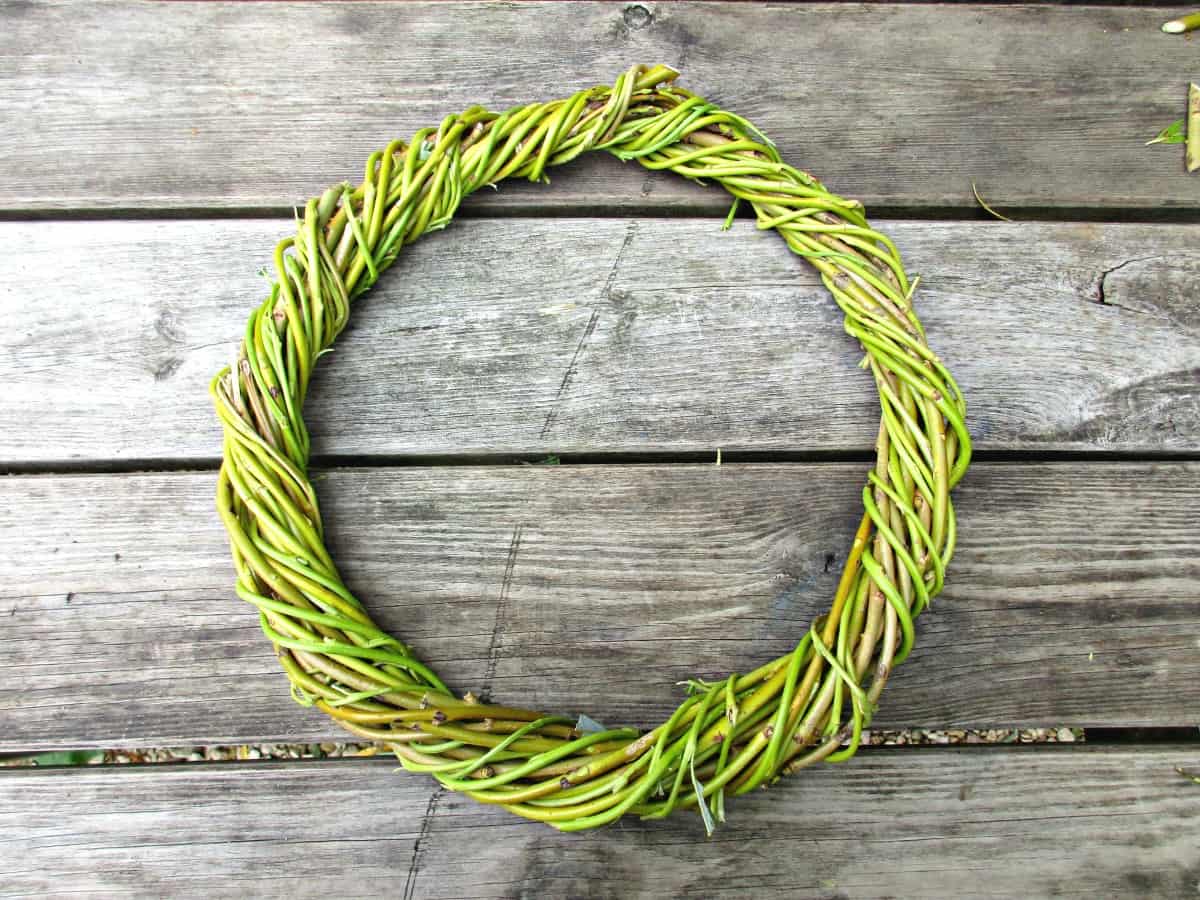
Long willow whips bend into loose, organic circles that show the natural movement of the branches. The open weave allows light to pass through, creating interesting shadows on walls. Add a few preserved leaves at the bottom for a focal point without filling every gap.
These wreaths suit large walls where a solid mass would feel heavy. Because the structure is airy, they also work well as centerpieces around pillar candles. Re-soak the willow briefly before reshaping if it becomes brittle.
Moss and Fern Covered Wreath Forms

Sheet moss glued or wired over a twig ring creates a lush green surface that mimics a living wall. Small fern fronds tucked into the moss add delicate detail. The finished piece stays lightweight yet looks substantial from across a room.
Keep this wreath in shaded entries so the moss does not dry to a crisp texture. Occasional misting maintains the fresh appearance indoors. Replace any fern pieces that crumble after several months.
Seed Pod and Stem Wreath Clusters

Lotus pods, poppy heads, and dried allium stems wired in tight groups create strong visual texture. The neutral browns and grays coordinate with almost any color scheme. Group pods of different sizes to avoid a repetitive pattern.
These wreaths store easily in a flat box because they lack fragile petals. They also photograph well for seasonal mantel displays. Avoid hanging them where direct afternoon sun will bleach the pods.
Herb and Lavender Bundle Wreaths
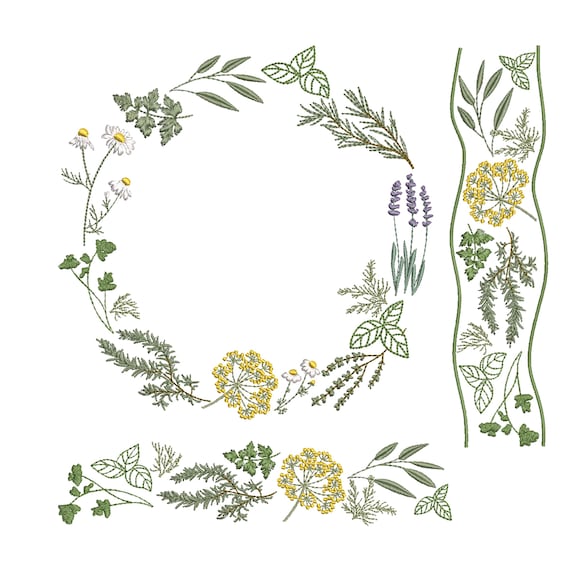
Bundles of dried lavender, rosemary, and thyme wired side by side release scent each time the door opens. The narrow bundles keep the overall wreath slim enough for tight spaces. Rotate the bundles occasionally so every stem receives equal air circulation while drying.
This style works especially well in kitchens or near dining areas. Replace herbs once the fragrance fades, usually after one season of use. Tie bundles with natural twine rather than wire for a softer finished look.
Birch Bark and Branch Wreath Layers
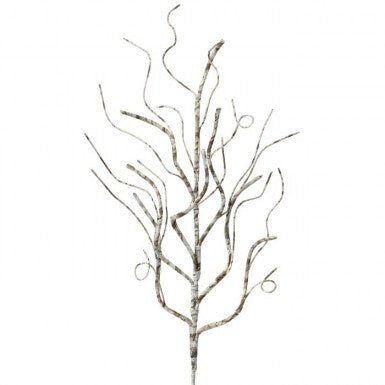
Strips of birch bark wrapped around a branch frame add pale, papery contrast against darker twigs. The bark peels naturally, so no two pieces look identical. Layer the strips loosely so edges catch light and create depth.
These wreaths complement Scandinavian or cabin-style interiors. Because birch bark is thin, the finished piece remains light enough to hang with a single hook. Seal the bark lightly with matte varnish if the wreath will hang in a humid room.
Corn Husk and Raffia Wreath Fans

Dried corn husks folded into fan shapes and wired in overlapping rows produce a warm, textured surface. Natural raffia ties add rustic detail without competing with the husks. The materials are inexpensive and widely available each fall.
This wreath style photographs beautifully against brick or stone walls. Store finished pieces flat to prevent the husks from creasing. Replace any husks that become brittle after repeated humidity changes.
Feather and Dried Grass Wreath Accents
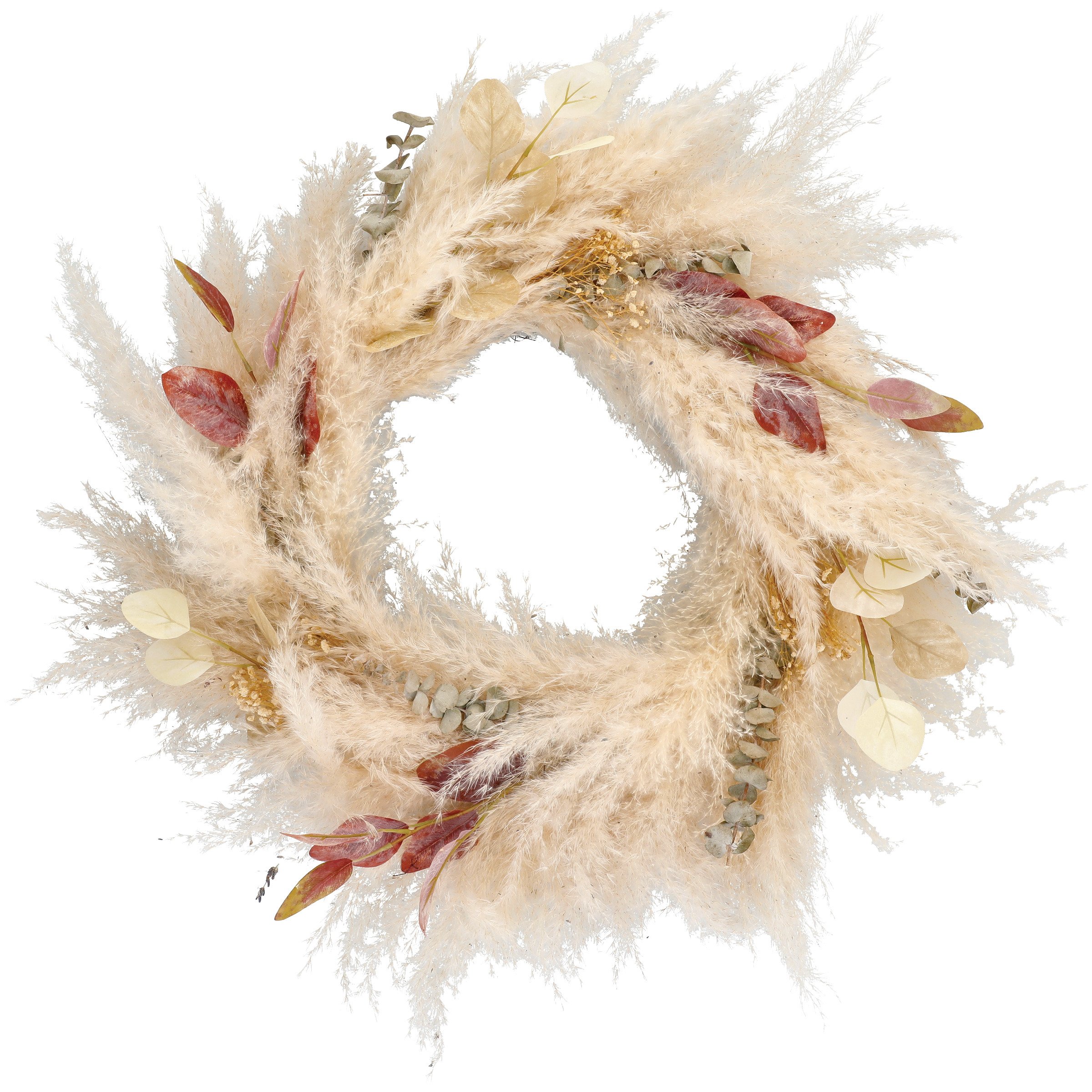
Long pheasant or turkey feathers wired among dried grasses create movement and soft edges. The combination stays lightweight yet fills a standard door wreath form. Position feathers so they point in the same direction for a polished appearance.
These wreaths suit covered porches where wind can make the feathers shift gently. Keep them out of heavy rain because feathers absorb moisture. Dust lightly with a soft brush rather than vacuuming.
Nut and Acorn Wreath Patterns
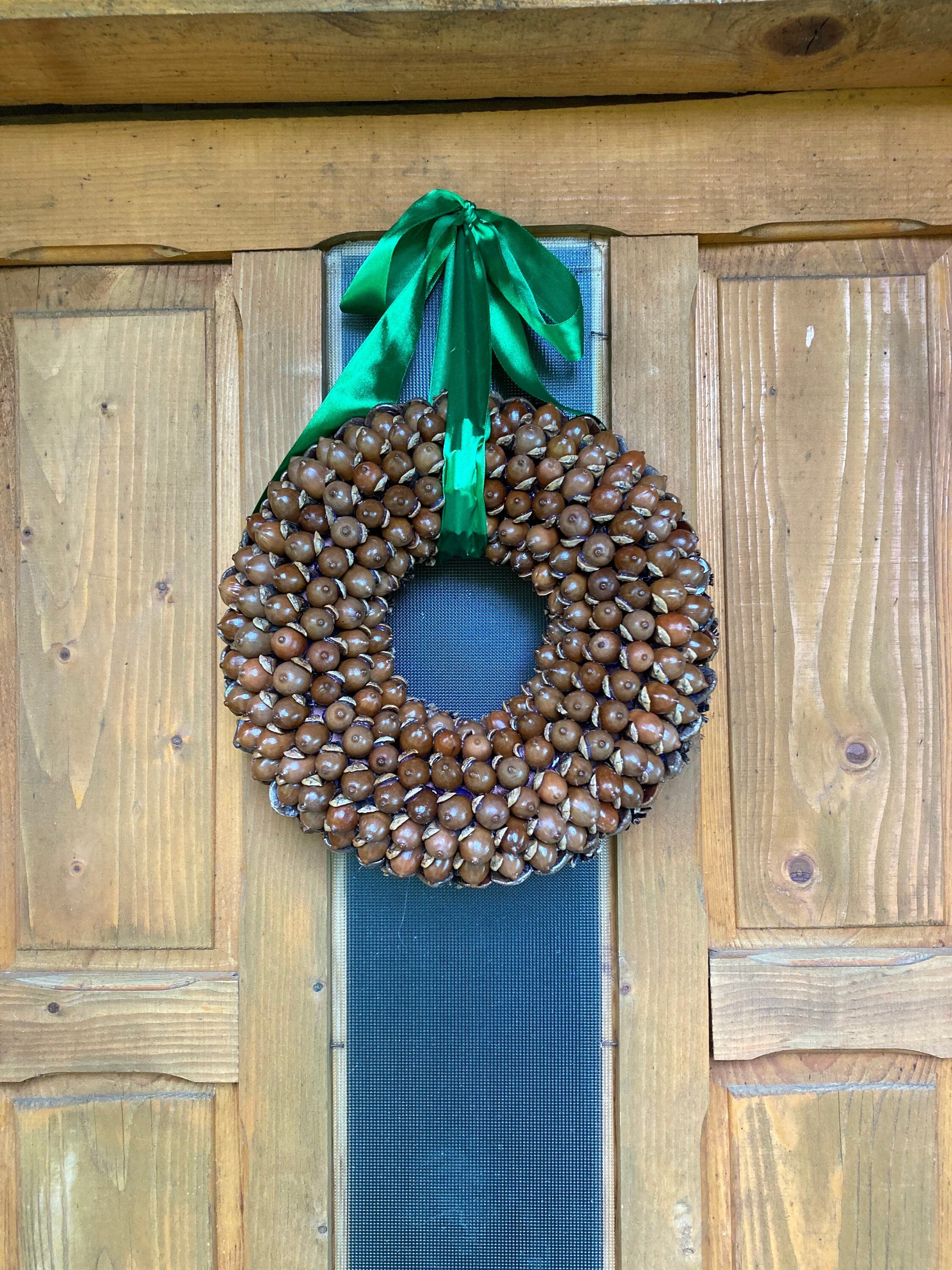
Whole acorns, hazelnuts, and beechnuts glued in geometric rows cover a twig base with rich brown texture. The nuts create a three-dimensional surface that changes appearance as light shifts. A clear matte sealer prevents the nuts from loosening over time.
This style works on interior walls where weight is not a concern. Group nuts by size before gluing so the pattern stays consistent. Replace any nuts that split after the first year.
Bamboo and Leaf Wreath Rings

Thin bamboo poles cut into short segments and wired into concentric rings produce a clean, modern silhouette. Preserved magnolia or salal leaves tucked between the rings soften the lines. The bamboo itself requires no further finishing.
These wreaths fit contemporary entryways and pair well with metal hardware. Because bamboo is rigid, the shape stays true even after storage. Wipe the poles occasionally with a dry cloth to remove dust.
Driftwood and Shell Wreath Bases
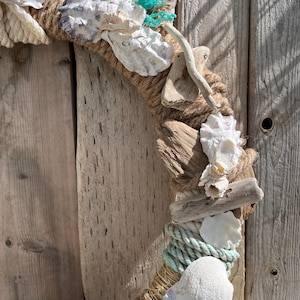
Pieces of weathered driftwood wired into an irregular circle form a coastal base that accepts small shells or sea beans. The wood already carries a silver-gray patina that needs no paint. Keep the overall shape loose so the wreath retains its found-object character.
Hang this version in a bathroom or beach house where humidity will not damage the materials. Check wire connections yearly because salt air can cause corrosion. Add new shells only when older ones begin to fade.
How long do natural wreaths last outdoors?
Natural wreaths placed outside typically remain attractive for one full season when protected from constant rain and direct sun. Grapevine and willow bases hold up longest because they resist cracking, while delicate flowers and leaves need an overhang or covered porch. Rotate the wreath every month so both sides weather evenly, and bring it inside during heavy storms to extend its life.
Which natural materials hold color best when dried?
Strawflower, statice, and globe amaranth retain their hues longest after drying because their petals are naturally stiff and low in moisture. Store finished wreaths in a dark, dry closet between seasons to prevent fading. Avoid misting colorful dried flowers, as water spots appear quickly on petals.
Can you use fresh greenery in a wreath that will last more than a few weeks?
Fresh greenery works only for short-term displays because it continues to dry and drop needles after cutting. For longer-lasting results, mix a few fresh stems with already dried materials so the wreath does not shed heavily once the fresh pieces crisp. Replace the fresh greenery every two weeks if the wreath stays indoors.
Natural Material Durability Comparison
| Material | Outdoor Lifespan | Color Retention | Weight | Best Use |
|---|---|---|---|---|
| Grapevine | 2–3 seasons | Good | Light | Year-round doors |
| Pinecones | 3+ seasons | Excellent | Medium | Winter displays |
| Dried Flowers | 1 season | Moderate | Light | Indoor walls |
| Eucalyptus | 2 seasons | Good | Light | Humid rooms |
| Birch Bark | 2 seasons | Excellent | Light | Covered porches |
Avoid hanging any natural wreath in full afternoon sun. The combination of heat and light bleaches most dried materials within weeks, even when they appear sturdy at first.
Choose a base that matches the weight of your chosen accents. Heavy nuts or large pods need a thicker grapevine or willow foundation so the finished piece does not sag on the hook.
FAQ
How do you store natural wreaths between seasons?
Wrap each wreath loosely in acid-free tissue and place it flat in a lidded box kept in a cool, dry closet. Avoid plastic bags that trap moisture and encourage mold on dried stems. Check the box once mid-season and replace any tissue that feels damp.
What tools do you need to start making natural wreaths?
A pair of sharp floral shears, 22-gauge wire on a paddle, and a simple metal ring form cover most projects. Add a hot-glue gun only when attaching heavy pods or shells that wire cannot hold securely. Keep a bucket of water nearby to rehydrate any branches that become brittle while you work.
How do you prevent shedding from dried flowers and grasses?
Give each stem a light coat of unscented hairspray after the wreath is assembled and fully dry. Work in a well-ventilated area and let the spray cure for several hours before hanging. Avoid touching the sprayed areas once they set.
Can you refresh a wreath that has lost its shape?
Soak the base briefly in cool water, then gently reshape it on a flat surface and let it air-dry completely before re-hanging. Replace any broken stems at the same time so the refreshed wreath looks intentional rather than repaired.
Natural materials collected from your own garden or nearby walks turn into wreaths that feel personal and change with the seasons, giving you new displays without purchasing finished pieces each year.
Leave a Reply