
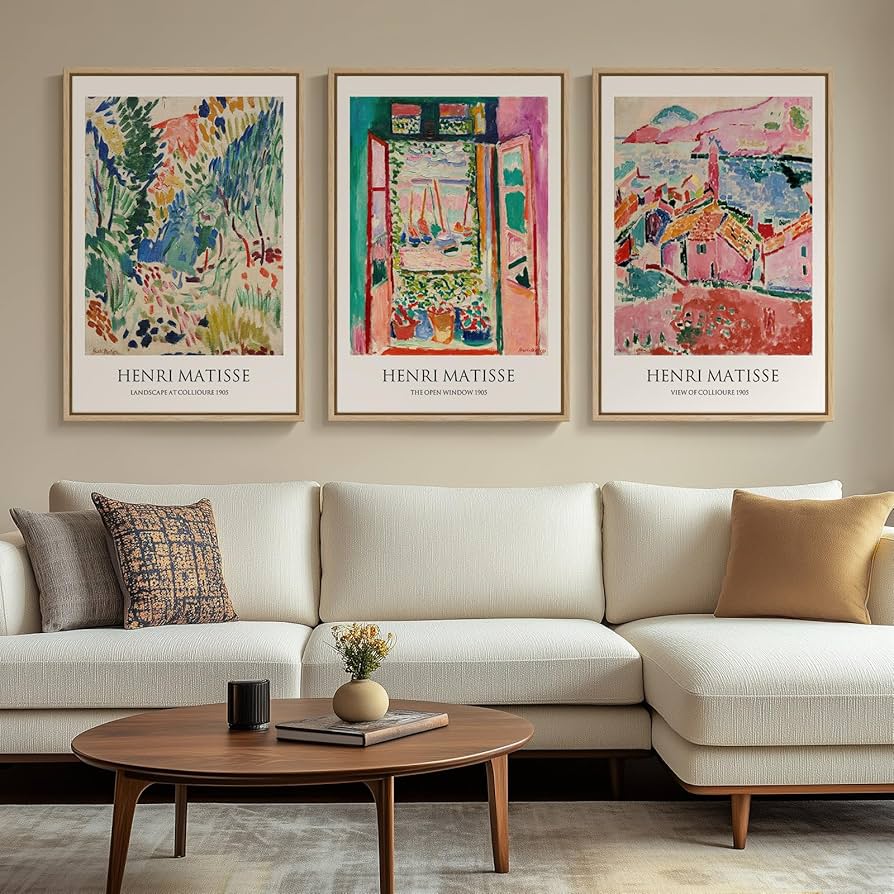
Creating your own wall art lets you shape the mood of your living room with pieces that match your style, scale, and budget. These fifteen ideas focus on approachable materials and finished looks that photograph well and hold up visually over time.
Framed Botanical Prints
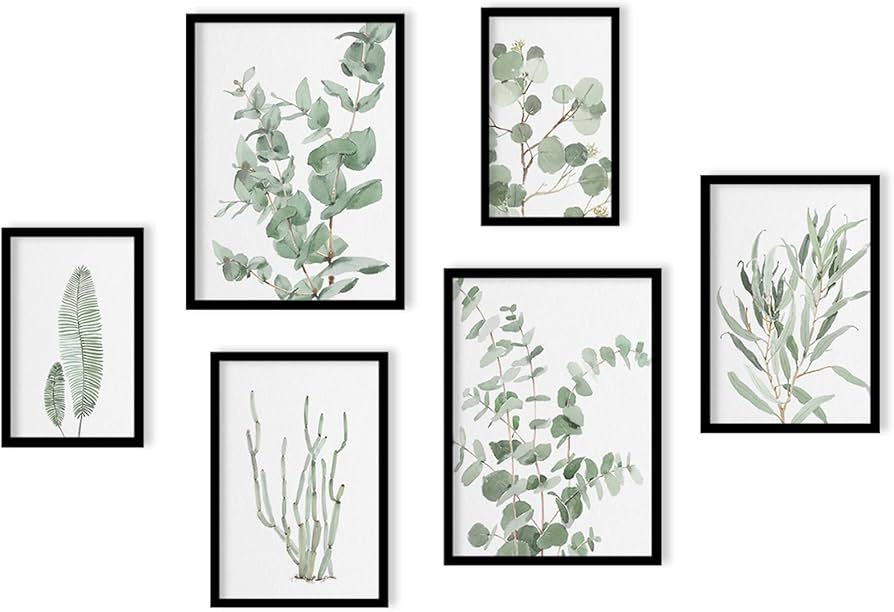
Large-scale botanical prints bring soft color and organic shapes into a room without overwhelming the furniture. Choose prints with clean white backgrounds so the greens and earth tones stand out against your wall color. Group three to five frames in varying sizes above a sofa for balance.
Macrame Wall Hangings
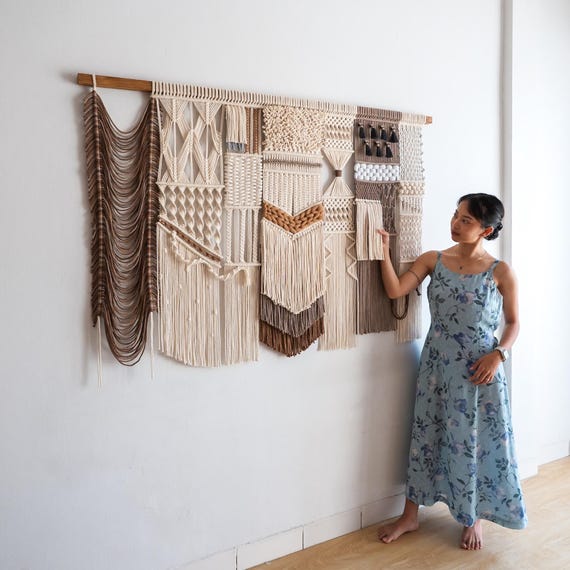
Natural-fiber macrame adds texture that catches light differently throughout the day. A single oversized piece works well centered over a seating area, while two narrower hangings can flank a doorway or window. Keep the palette neutral so the knots remain the focus.
Geometric Wood Wall Art
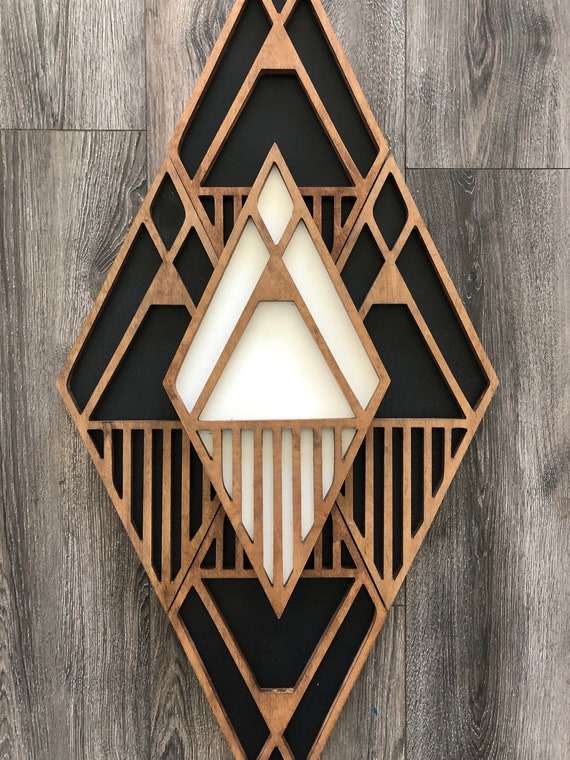
Repeating triangles or hexagons cut from thin plywood create a modern pattern that feels architectural. Stain the wood in one tone or leave it raw for contrast against painted walls. Arrange the shapes in a loose grid rather than a perfect square to keep the look relaxed.
Large Abstract Canvas Paintings
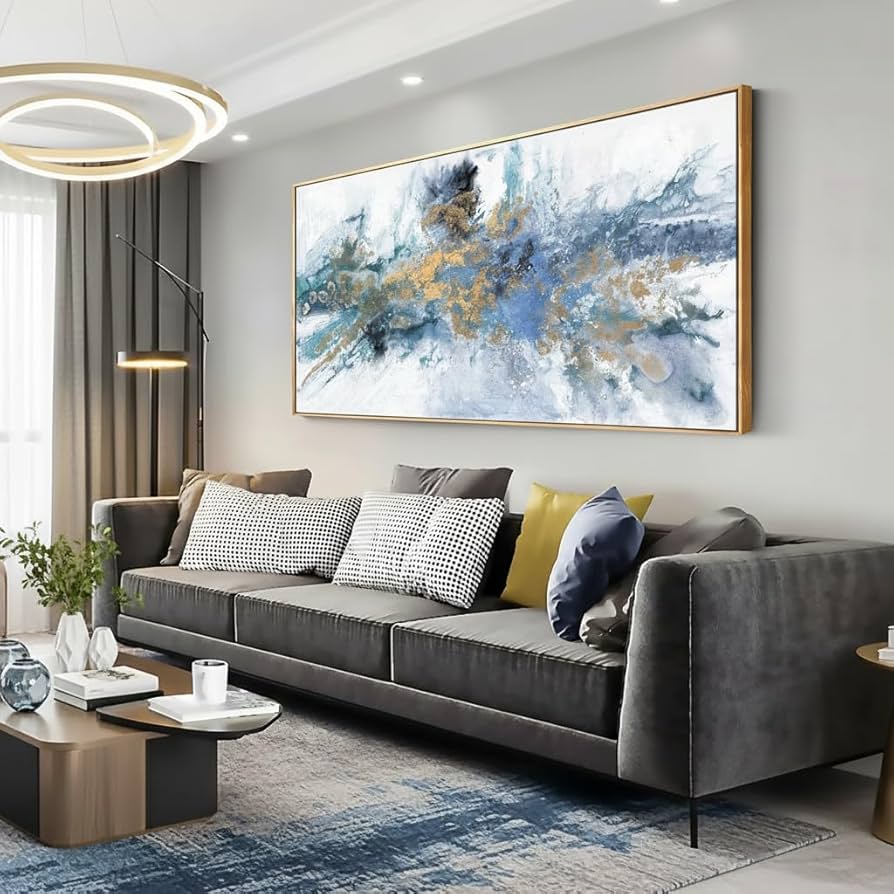
Broad brushstrokes and layered colors on an oversized canvas give the room an instant focal point. Work with two or three colors that already appear in your upholstery or pillows so the piece ties the space together. Hang it slightly off-center if the furniture layout is asymmetrical.
Vintage Plate Collections
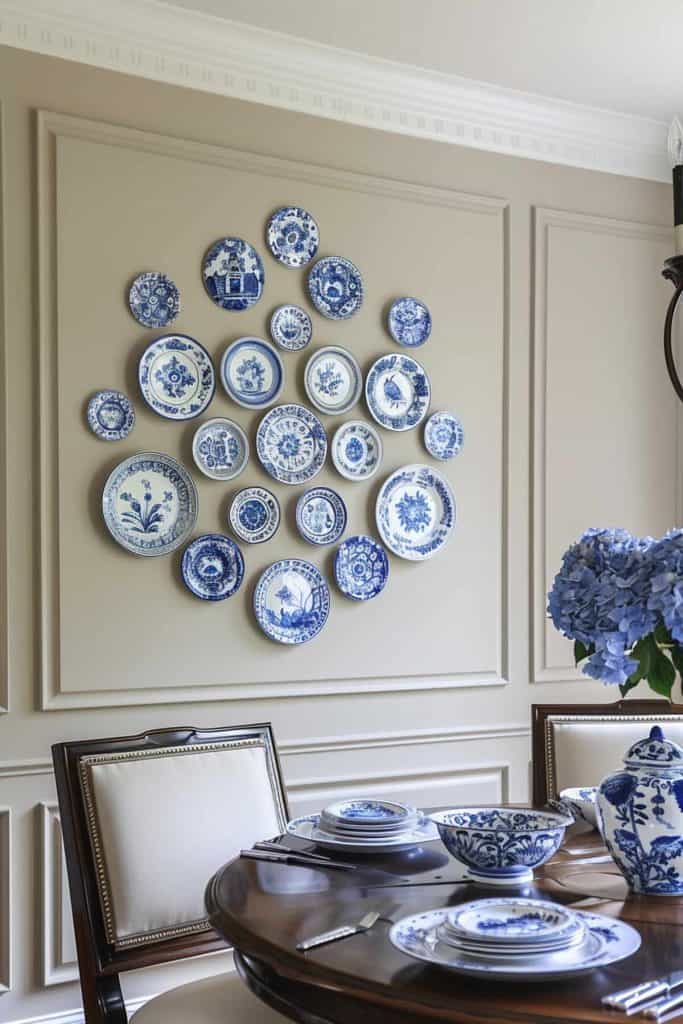
Mix sizes and patterns of thrifted plates for a collected look that feels personal. Use plate hangers that sit flush against the wall so the arrangement reads as art rather than storage. Cluster the plates in an organic shape rather than strict rows.
Woven Tapestries
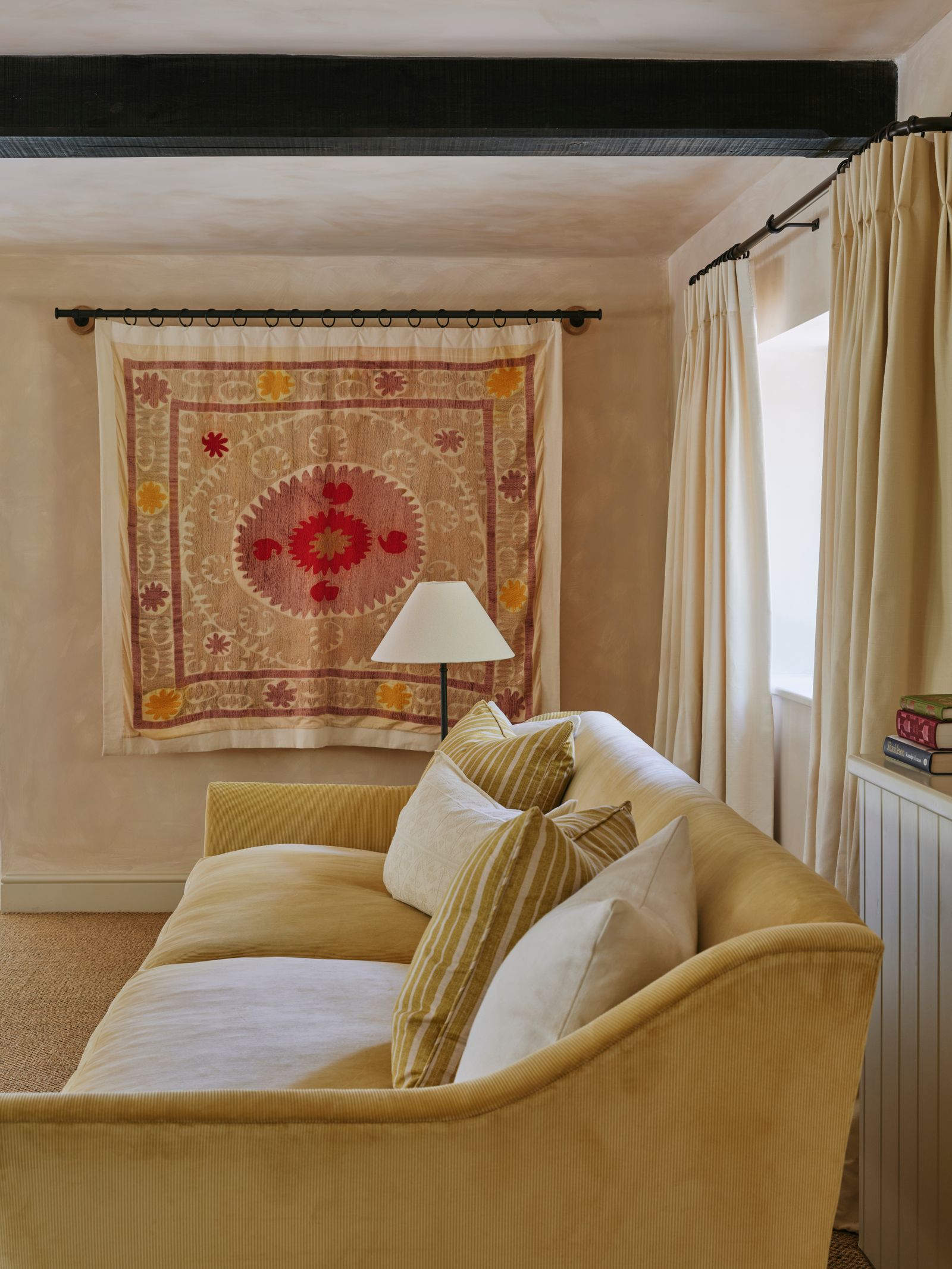
A medium-weight tapestry softens hard surfaces and absorbs sound in open living rooms. Choose one with a subtle pattern so it layers easily behind a console table or reading chair. Rods or simple clips keep the top edge straight without bulky hardware.
Mirror Gallery Walls
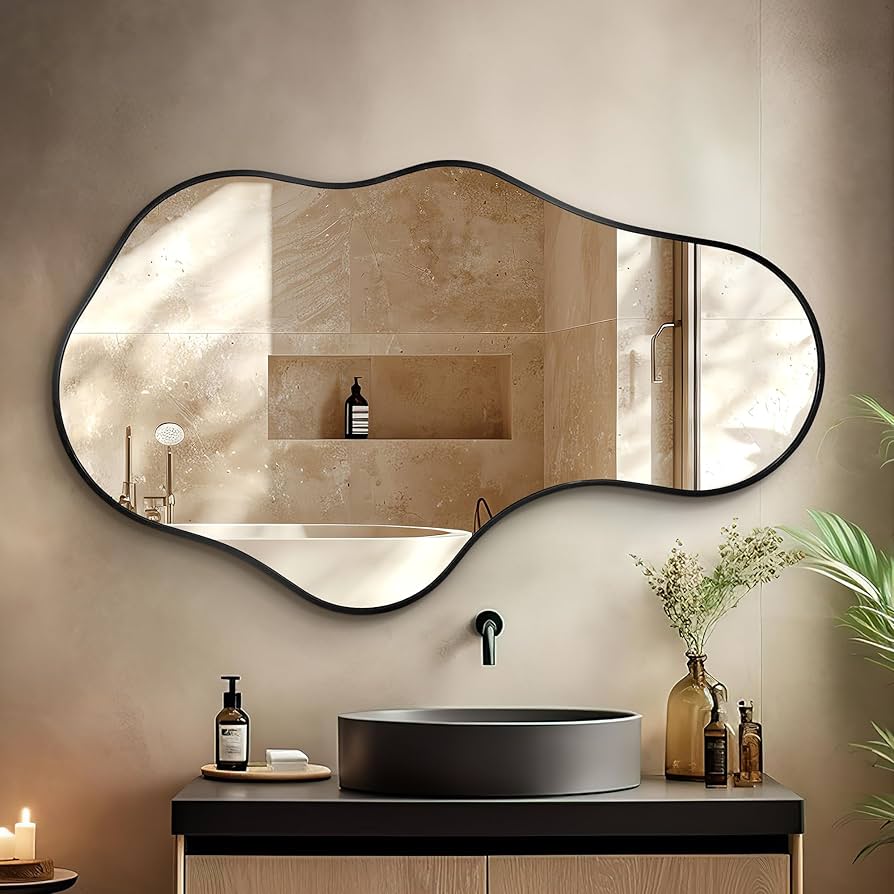
Mixing round, rectangular, and arched mirrors reflects light and makes the room feel larger. Vary the frame finishes slightly so the collection looks gathered over time rather than purchased as a set. Place the largest mirror at eye level to anchor the arrangement.
String Art Designs
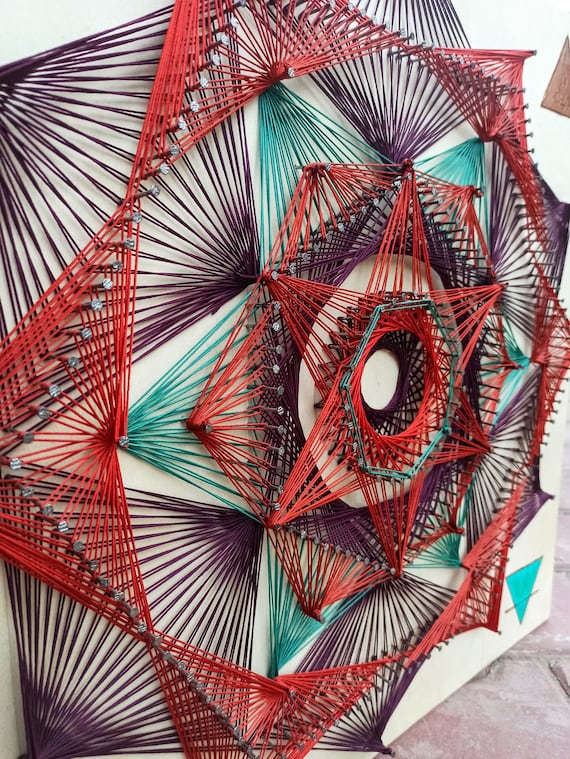
Nails and colored string on a stained wood board create crisp lines and negative space. Keep the string in one or two tones so the pattern stays legible from across the room. Position the finished board above a side table where the texture can be appreciated up close.
Pressed Flower Frames
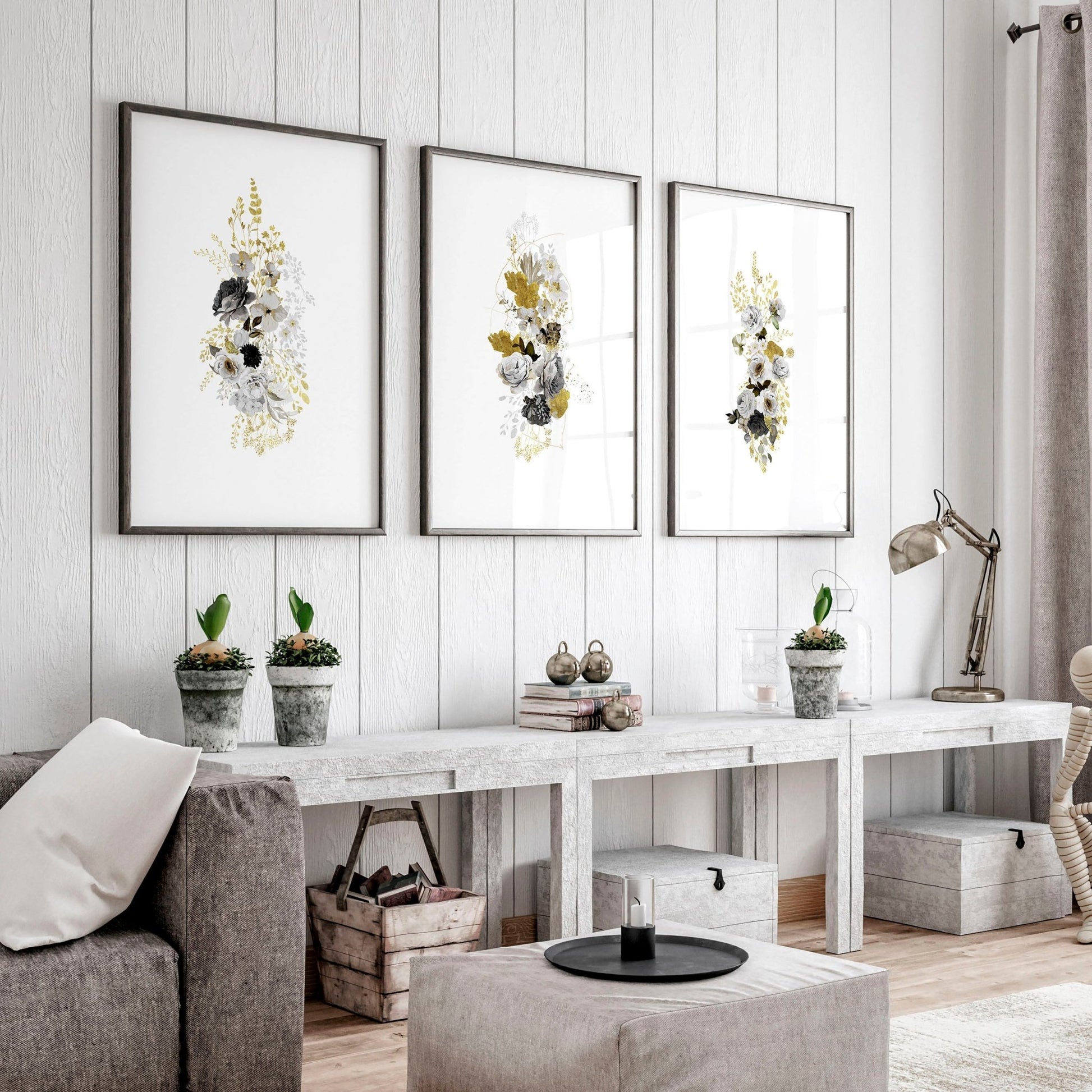
Dried flowers sandwiched between glass and a simple mat preserve delicate color without needing fresh maintenance. Use a uniform frame style and vary the flower types inside for interest. A tight grid of four or six frames reads as one larger artwork.
Wooden Quote Signs
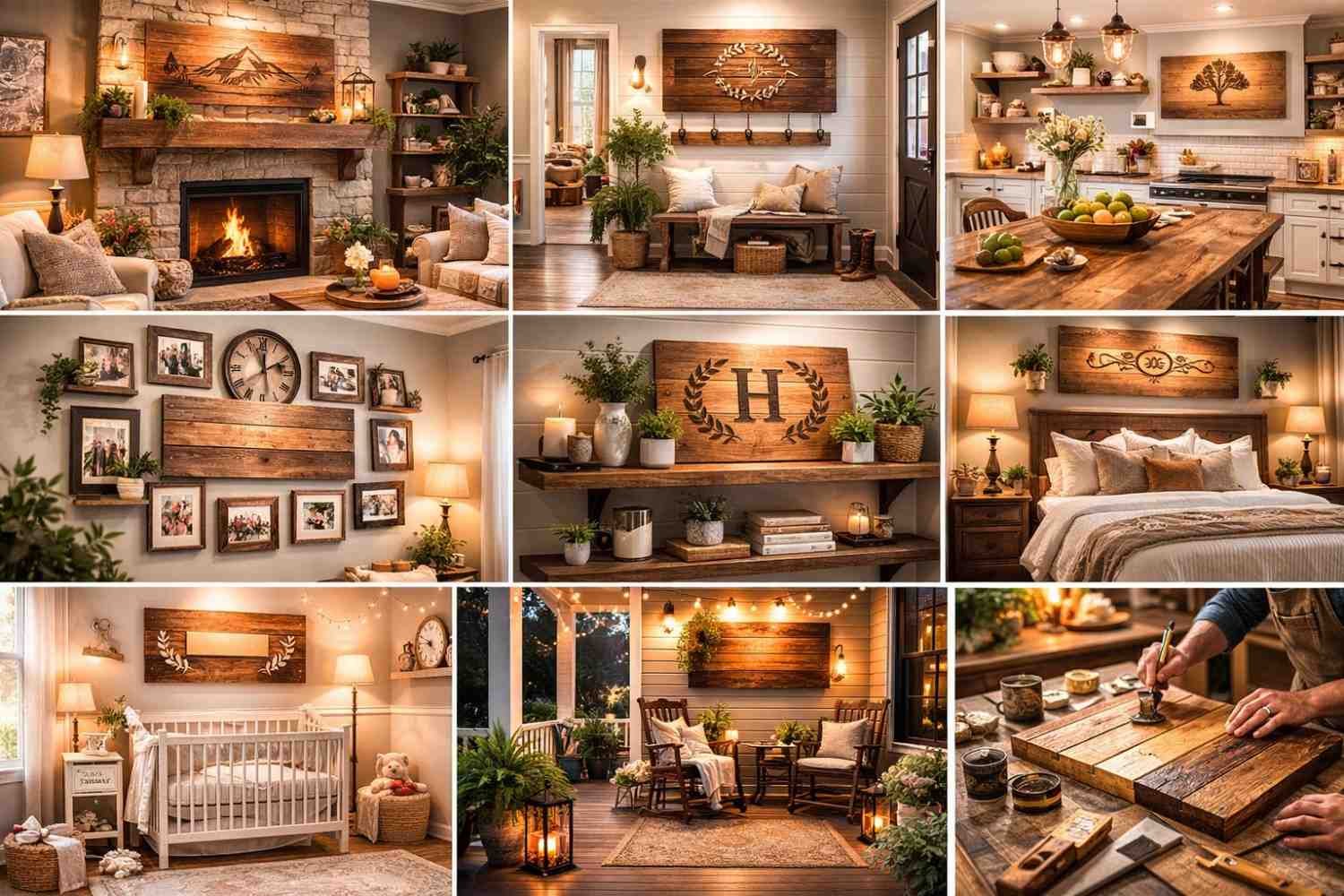
Hand-lettered or stenciled words on reclaimed wood add personality without competing with other decor. Limit the text to a short phrase so it remains readable from seating areas. Lean the sign on a mantel or hang it low so it interacts with nearby objects.
Fabric Wall Hangings
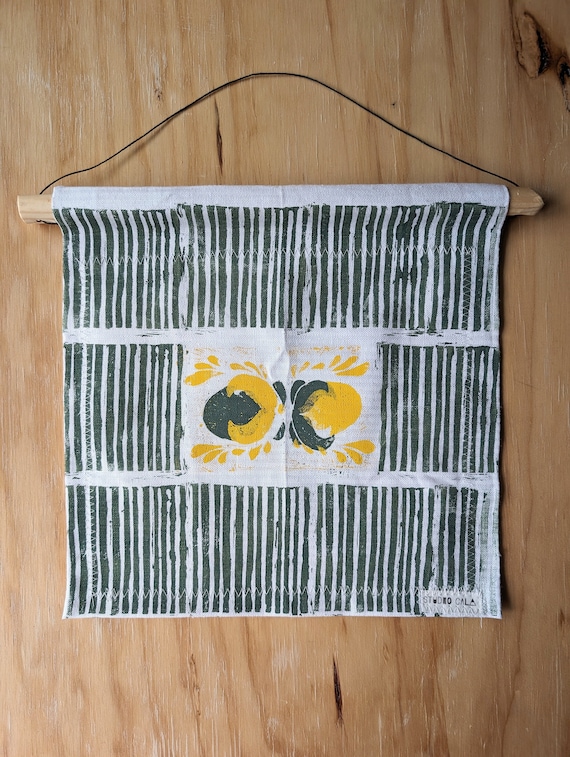
Lightweight fabric stretched over a dowel or mounted on stretcher bars introduces pattern and movement. Select a textile that complements your curtains or rugs for cohesion. The soft folds catch light and add depth to flat wall surfaces.
Upcycled Window Frame Art
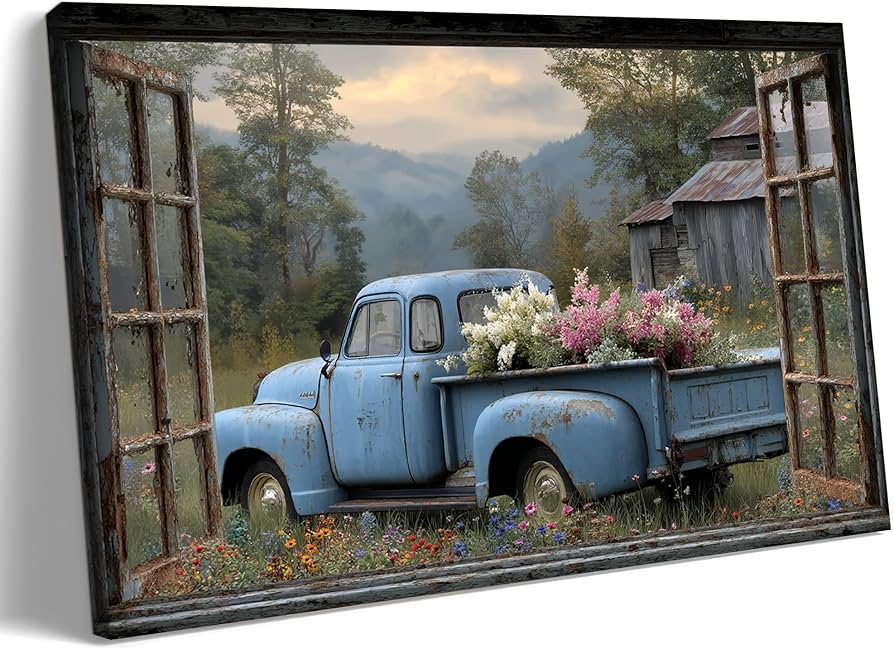
An old window sash with multiple panes creates built-in compartments for small prints or photos. Paint the frame to match your trim or leave it weathered for contrast. The divided sections naturally organize the artwork into a balanced composition.
3D Paper Sculptures
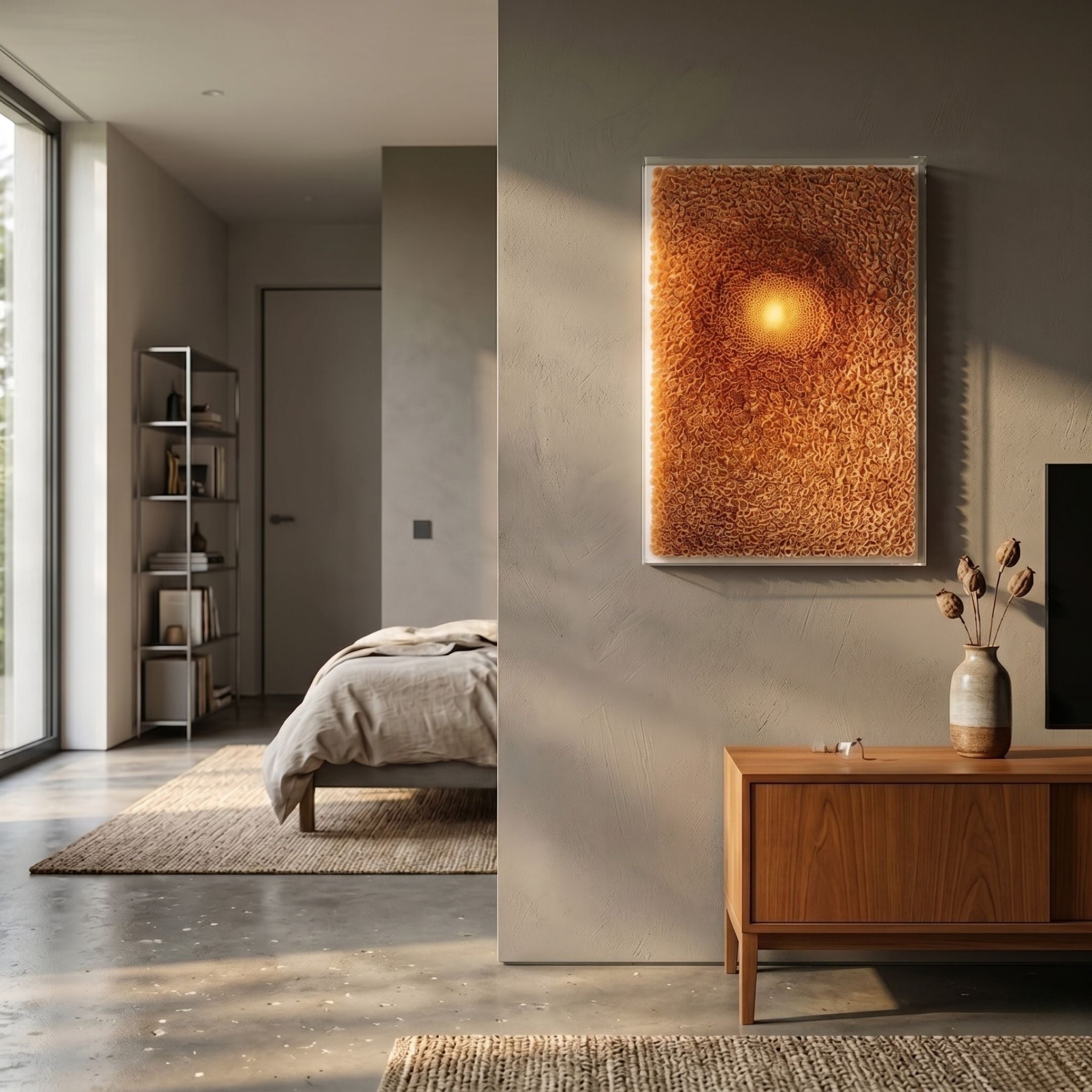
Folded or layered paper mounted on a backing board creates shadow and dimension. Keep the color palette restrained so the form itself becomes the focus. A single large sculpture or a pair of smaller ones balances a long wall above a sofa.
Metal Wire Sculptures
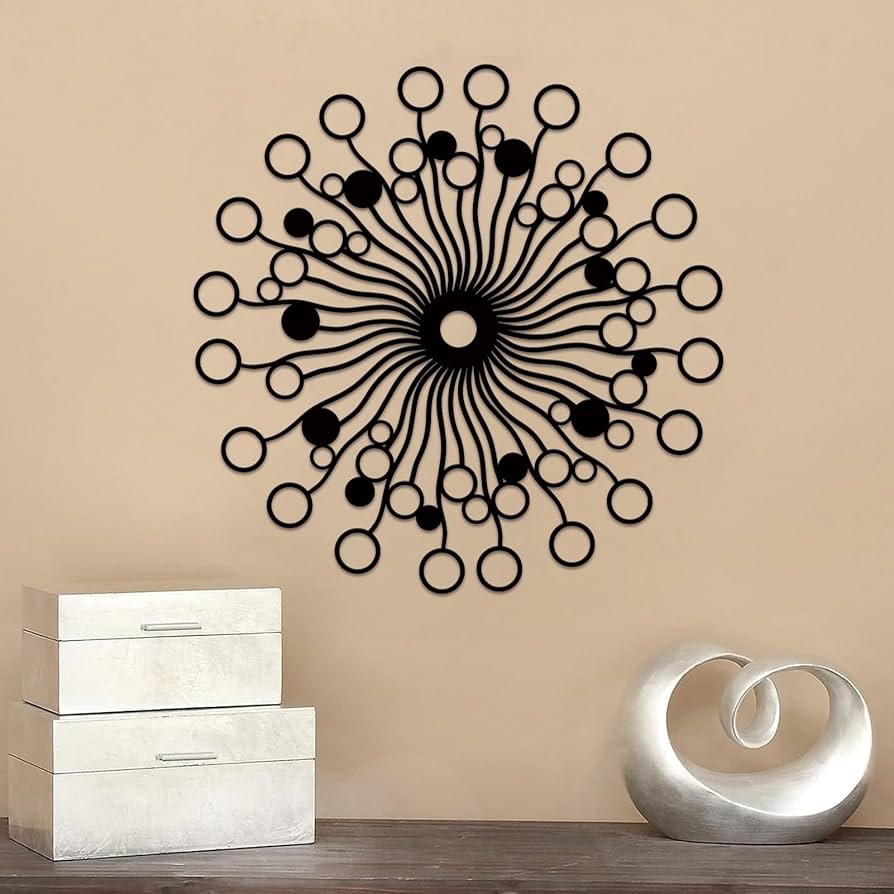
Bent wire or thin metal rods form airy outlines that feel light against the wall. Choose simple shapes that read clearly from a distance. The negative space inside the sculpture lets your wall color become part of the design.
Photo Ledge Displays
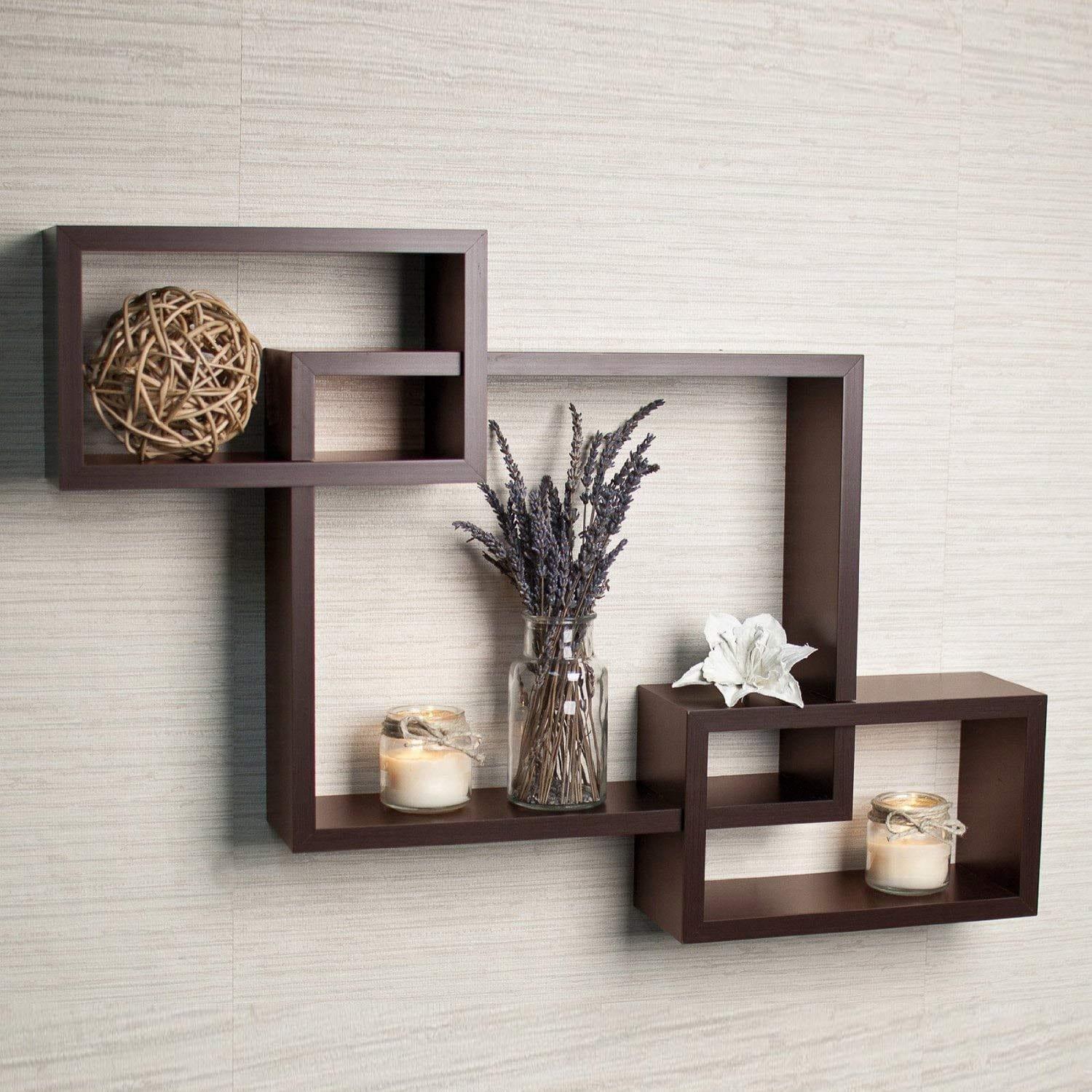
A narrow floating ledge lets you rotate photos and small artworks without new holes in the wall. Arrange frames in varying heights and orientations so the ledge feels curated rather than uniform. The ledge itself becomes a horizontal line that grounds the display.
FAQ
How do I choose the right scale for wall art above a sofa?
Measure the width of your seating and aim for art that spans roughly two-thirds of that length so the piece feels anchored rather than floating.
What if my living room has low ceilings?
Vertical pieces or narrow vertical groupings draw the eye upward and make the space feel taller without crowding the walls.
Can I mix different art styles in one room?
Yes, as long as the color palette stays consistent and the frames share at least one finish or material to create visual connection.
How do I hang art without damaging rental walls?
Use removable adhesive strips rated for the weight of each piece and test placement with painter’s tape first.
Your living room walls are ready for pieces that reflect the way you actually live in the space. Start with one idea that matches materials you already have or can source easily, then build from there.
Leave a Reply