
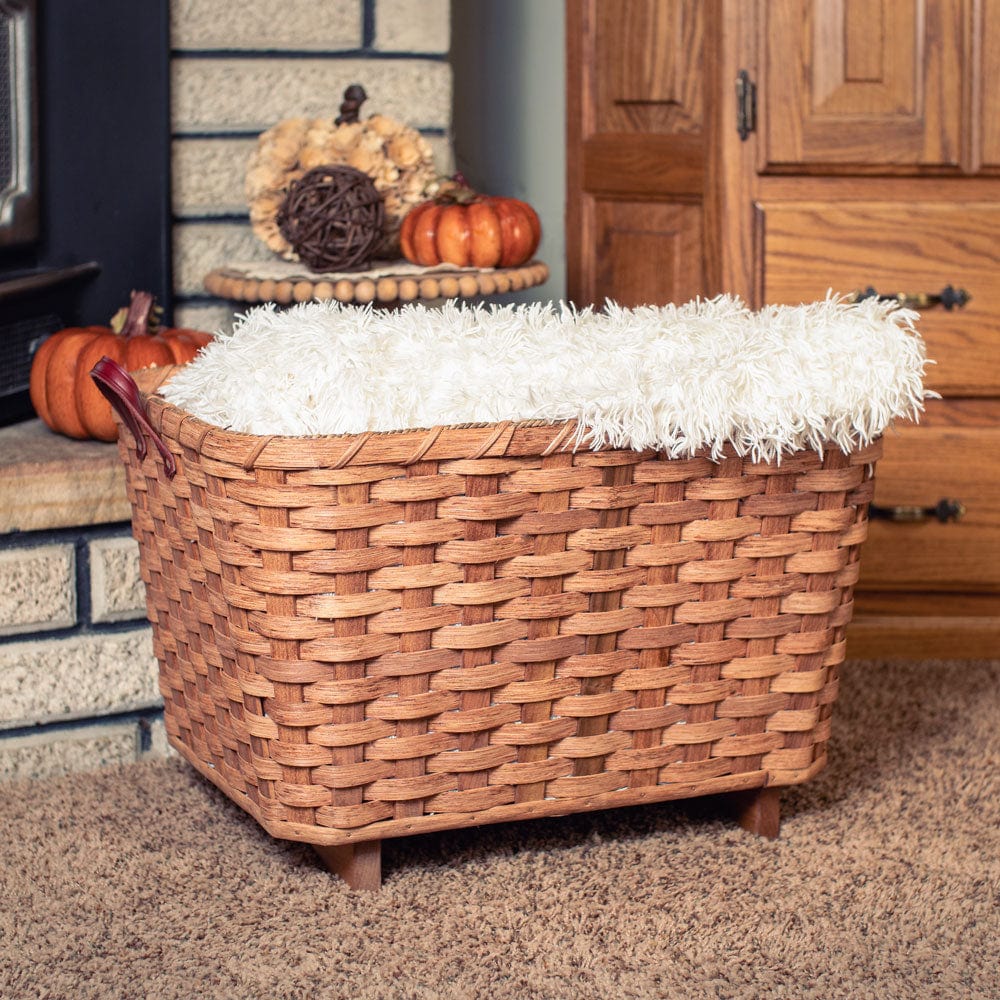
Smart storage solutions turn everyday living room items into tidy, functional pieces that reduce clutter while adding style. These 15 approaches focus on recognizable objects like benches, shelves, and boxes that blend into existing layouts without requiring major renovations.
Repurposed Crate Wall Units
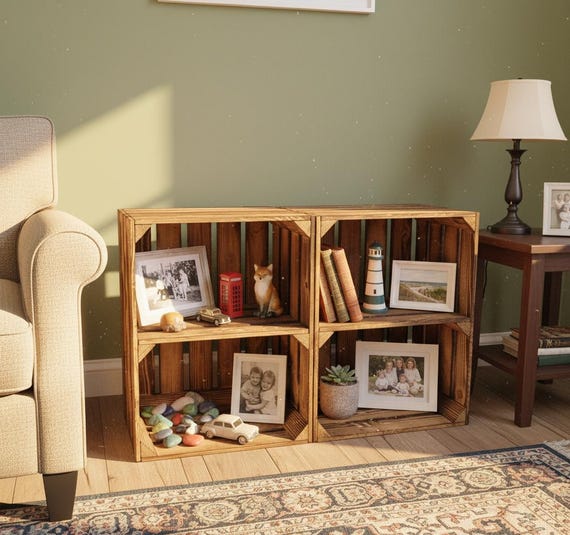
Wooden crates mounted on walls create instant vertical storage that holds books, throws, and remote controls in plain sight. Position them in staggered rows above a sofa to free floor space while keeping frequently used items within reach. The open design allows air circulation so textiles stay fresh longer than they would in closed cabinets.
Vary crate sizes to match different item categories, with larger ones at the bottom for heavier objects. Sand and stain the wood to match room tones, then add simple brackets for secure attachment to studs. This method works especially well in apartments where drilling into walls must stay minimal.
Crate units often support twice the weight of basic floating shelves when brackets hit solid framing.
Under-Couch Rolling Drawers
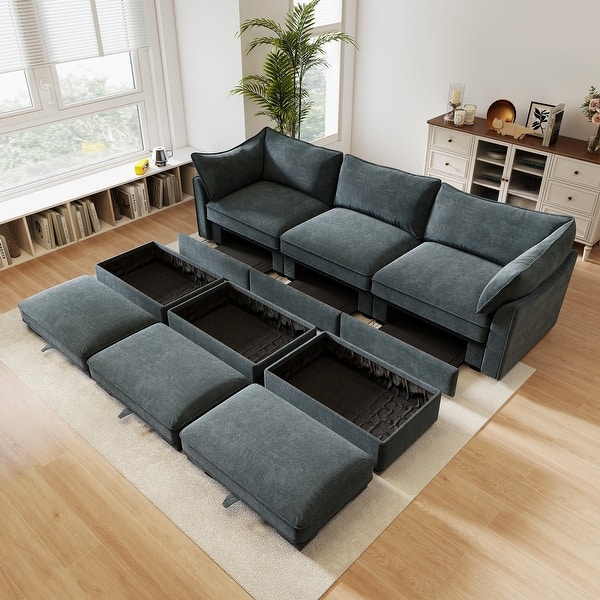
Low-profile drawers on casters slide beneath sofas to store seasonal blankets, extra pillows, and board games without altering the room footprint. Measure the clearance height first so drawers fit flush and do not interfere with skirt fabric. Choose shallow units to avoid pushing the sofa forward when opened.
Line the interiors with cedar blocks to deter moths in wool items. Pull-out tabs made from leather scraps give a finished look while making access easier during movie nights. These drawers keep the main seating area clear for guests yet hold items that would otherwise pile on side tables.
Multi-Function Storage Benches
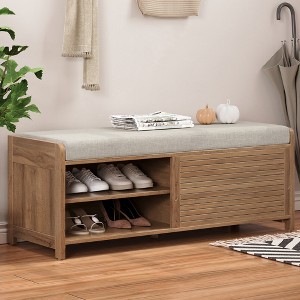
Benches placed at the foot of sofas double as seating and hidden compartments for magazines or electronics chargers. Select models with lift lids that stay open via safety hinges to prevent slamming. The flat top surface accepts trays for drinks, turning the bench into an occasional coffee table during gatherings.
Place benches near entry points to catch everyday clutter like keys and mail before it spreads across the room. Rotate cushion covers seasonally so the bench coordinates with changing throw pillows. This single piece often replaces two separate furniture items in smaller living rooms.
Wall-Mounted Magazine Pockets
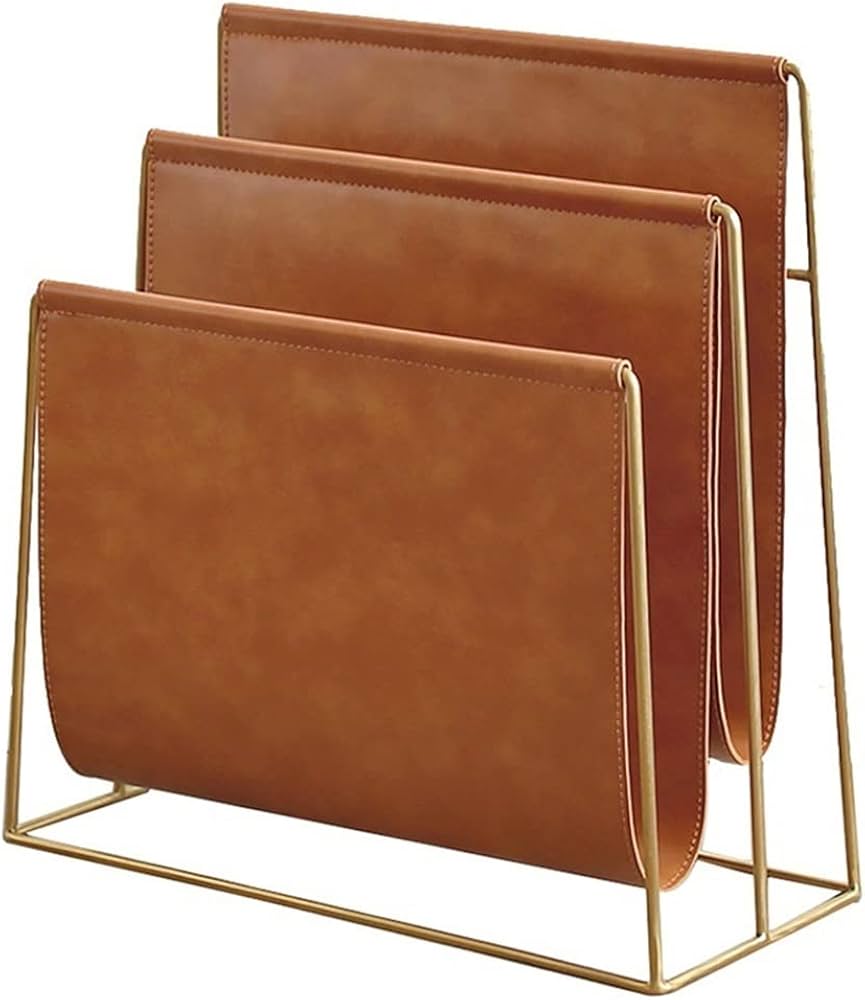
Leather or canvas pockets screwed directly into wall studs keep current reading material upright and visible. Space pockets 12 inches apart to allow easy removal without disturbing neighboring issues. The vertical orientation prevents magazines from curling at the edges over time.
Group three to five pockets in a column beside a reading chair for quick access during evening wind-down. Swap contents monthly to feature different topics and reduce visual fatigue. Pockets also hold tablets or notebooks when not in use, maintaining a clean surface on nearby tables.
Decorative Lidded Boxes
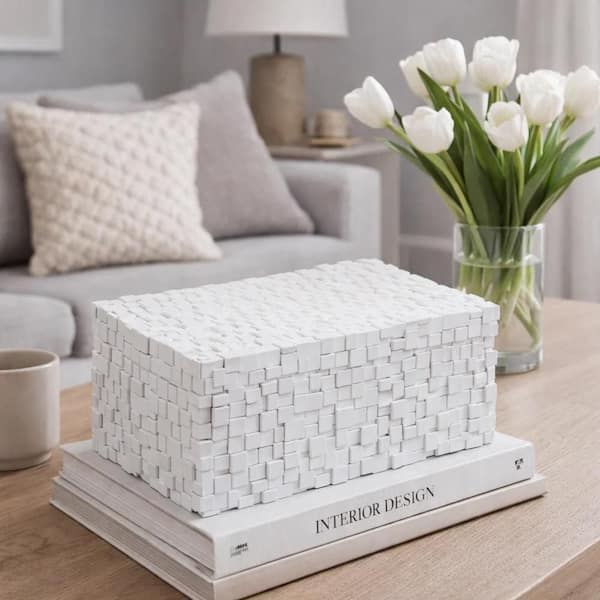
Lidded boxes stacked on open shelving units conceal small electronics, cables, and craft supplies while contributing to the room’s color story. Choose boxes in graduated sizes so they nest neatly when not needed. Label the underside of each lid with contents to avoid rummaging during busy mornings.
Rotate box placement every few months to refresh the shelf display without purchasing new items. Fabric-covered versions soften hard edges in modern rooms, while wooden ones add warmth to minimalist spaces. Keep one box empty as overflow for items that accumulate between tidy-up sessions.
Ladder-Style Bookshelves
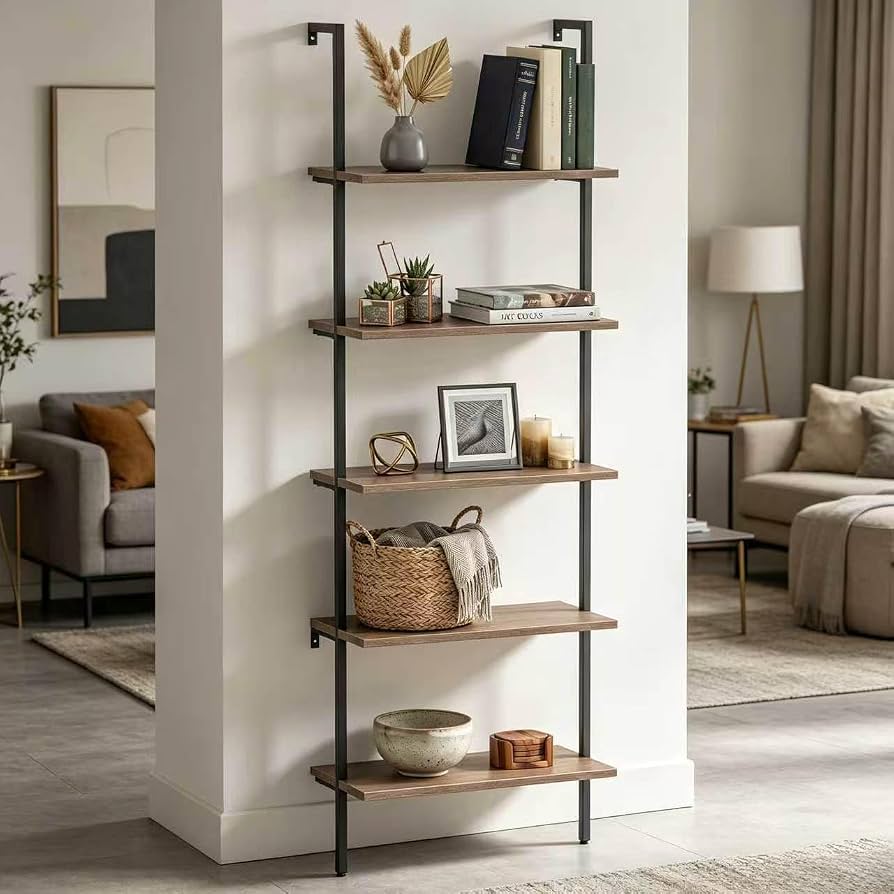
Leaning ladder units with graduated shelves hold books and plants without requiring wall mounting hardware. Angle the ladder against a corner to maximize otherwise dead space. The open rungs allow light to pass through, keeping the room feeling airy even when filled.
Anchor the top to the wall with a single safety strap for households with children or pets. Arrange heavier volumes on lower rungs to maintain stability. This format displays collections attractively while using vertical space that standard bookcases cannot reach.
TV Console with Basket Inserts
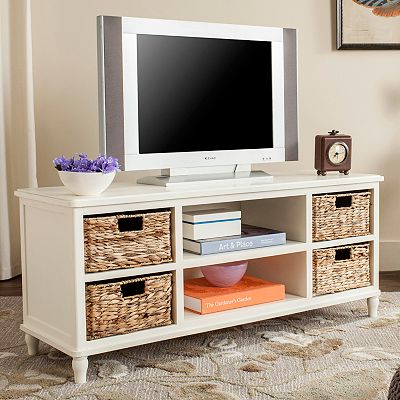
Media consoles fitted with pull-out baskets hide gaming consoles and streaming devices while allowing ventilation through open weaves. Measure component depths before selecting basket sizes to ensure doors close fully. The baskets slide forward for cable access during setup changes.
Place the console at standard viewing height so the top surface can hold framed photos without blocking the screen. Swap basket liners seasonally to match room textiles. This arrangement keeps cords contained yet reachable for occasional maintenance.
Window Seat Storage Chests
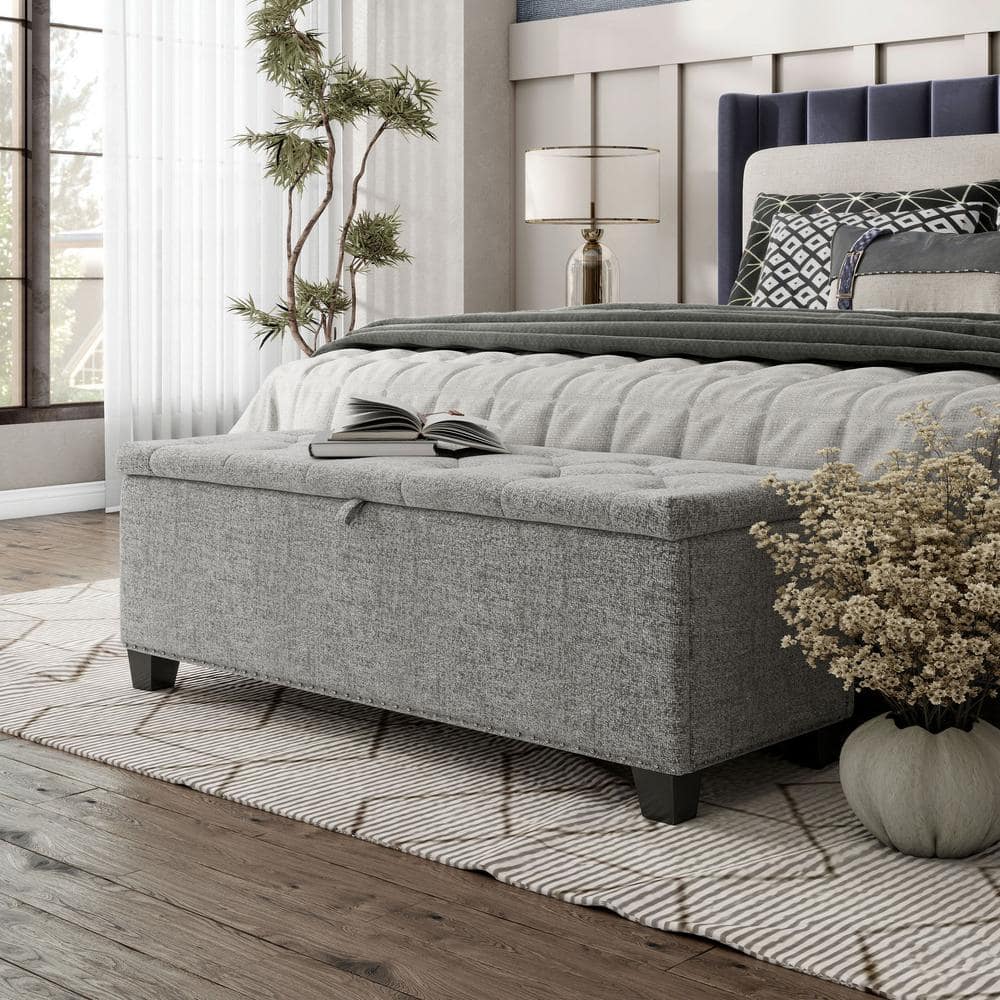
Chests built beneath windows provide seating and large-volume storage for off-season decor or extra blankets. Hinge the seat cushion so it lifts as one piece for easy access. Add cedar lining to protect fabrics from moisture near windows.
Position the chest so its depth aligns with existing window sills for a built-in appearance. Use the surface for reading nooks by adding bolsters at each end. The dual function often reduces the need for additional seating furniture in compact rooms.
Pegboard Craft Supply Walls
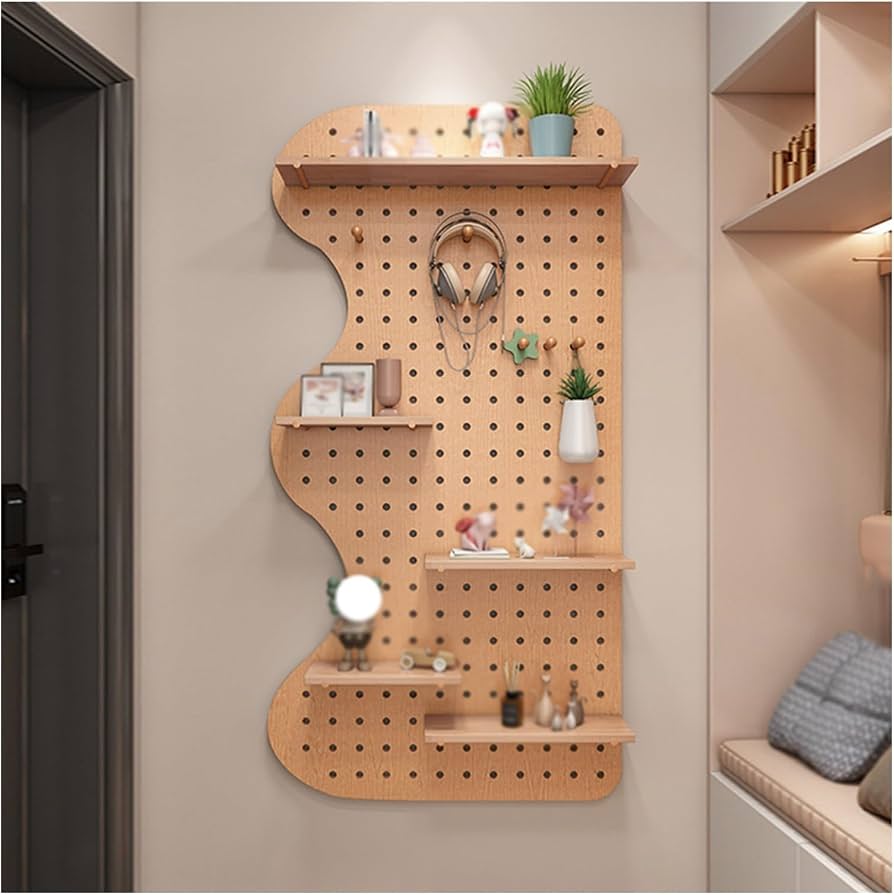
Painted pegboards mounted behind sofas organize remote controls, chargers, and hobby tools using hooks and small shelves. Choose perforated hardboard rated for at least 50 pounds per square foot. Arrange hooks in rows that match item heights to avoid visual chaos.
Install a narrow ledge along the bottom to catch items that slip off hooks. Rotate tool placement quarterly to prevent dust buildup on unused sections. The system keeps surfaces clear while making supplies visible at a glance during quick tidy sessions.
Side Table Drawer Inserts
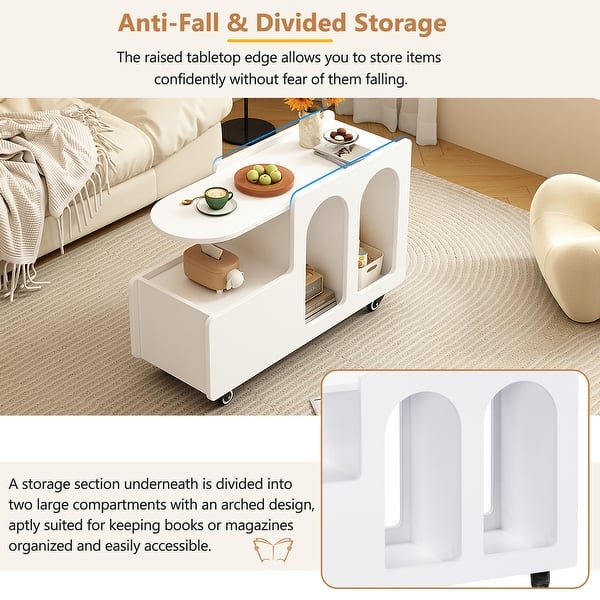
Divided inserts placed inside existing side table drawers separate remotes, coasters, and charging cables into dedicated compartments. Cut foam or cardboard to fit exact drawer dimensions for a custom look. The divisions prevent items from sliding into one pile when the drawer opens.
Choose tables with drawers deep enough for vertical tablet storage. Label each compartment lightly on the divider edge for household members unfamiliar with the system. This small addition often doubles usable drawer space without replacing furniture.
Hanging Basket Systems
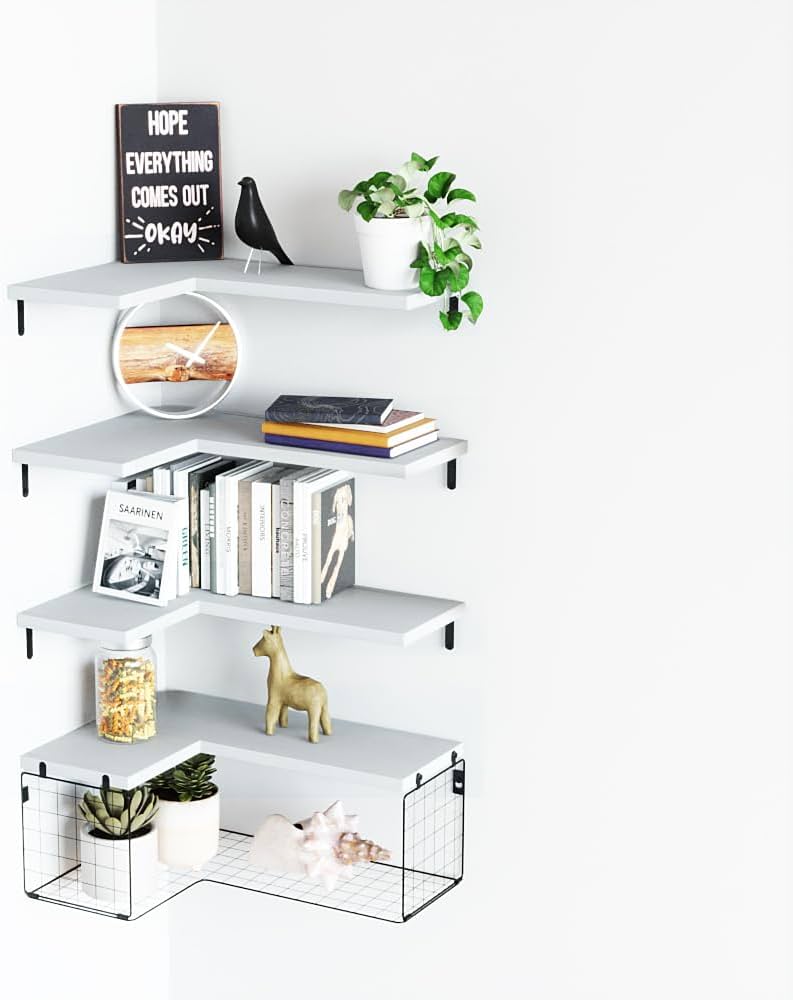
Three-tier hanging baskets suspended from ceiling hooks hold throws and magazines above floor level in tight corners. Use plant hooks rated for at least 15 pounds to support loaded baskets. Position the lowest basket at seated eye level so contents remain accessible.
Select baskets with flat bottoms to prevent round items from rolling. Rotate basket contents every season to match changing needs like extra fans in summer. The vertical stack frees corner floor space that would otherwise hold a bulky floor basket.
Built-In Nook Shelving
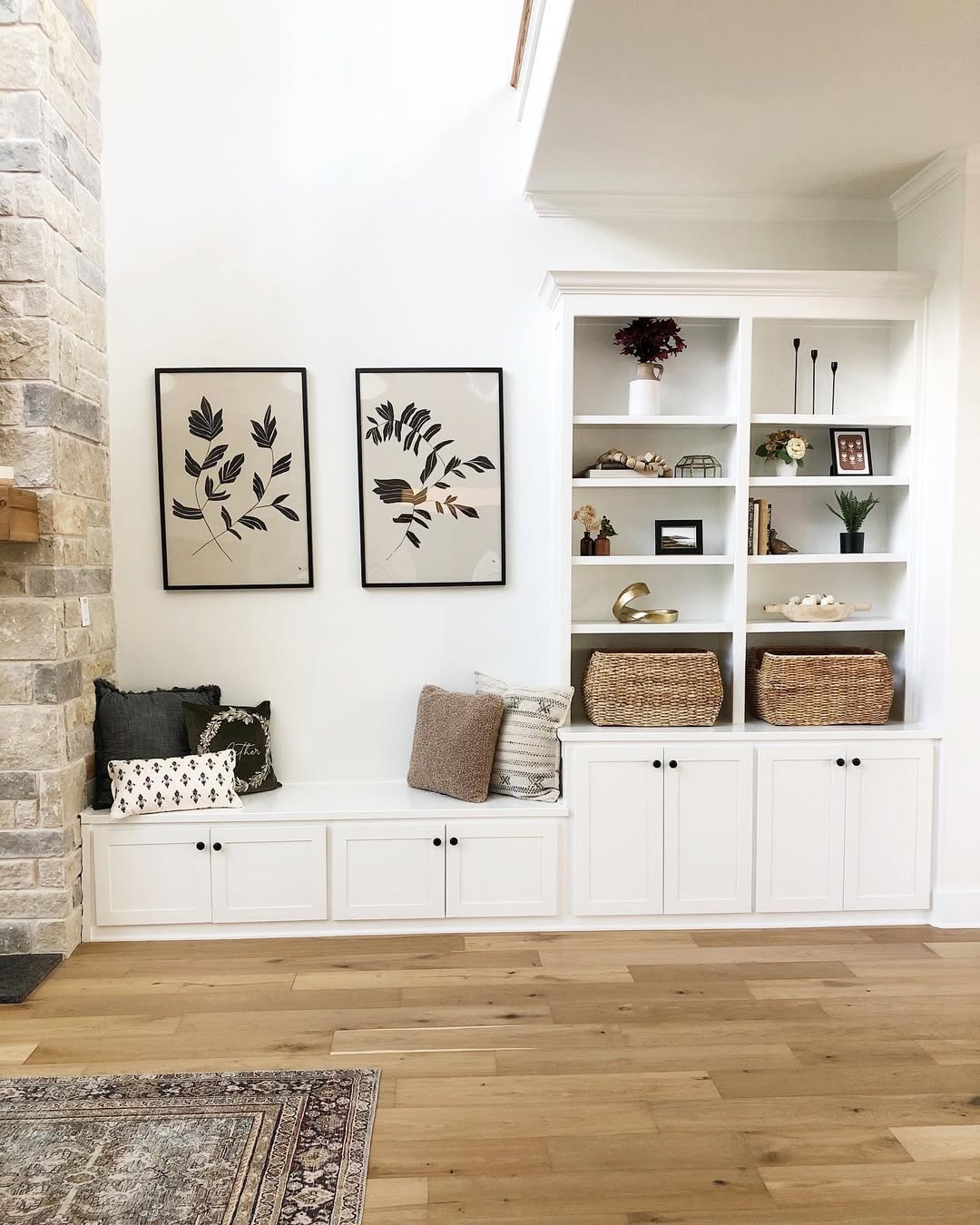
Shallow shelves fitted into wall recesses between studs create display storage for small decor without protruding into walkways. Measure recess depth before cutting lumber to ensure flush installation. Paint shelves the same color as surrounding walls to make them recede visually.
Add slim LED strips beneath each shelf to highlight displayed items during evening hours. Reserve top shelves for items used less often since they require a step stool. This approach turns awkward architectural gaps into purposeful storage zones.
Ottoman Tray Tables
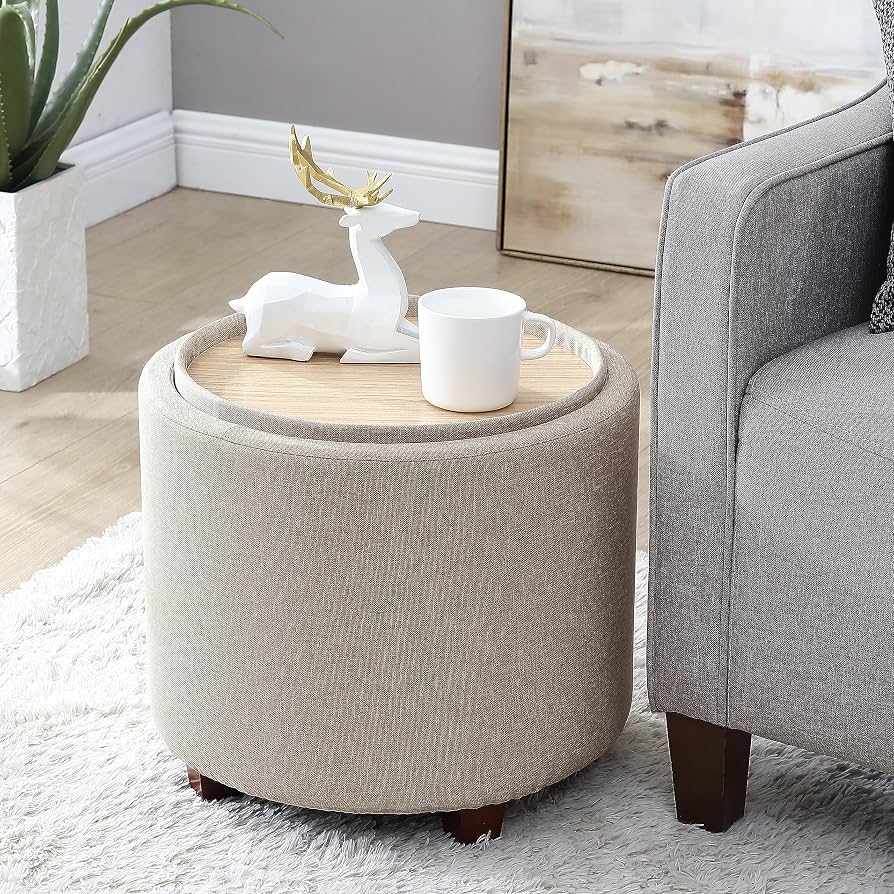
Ottomans topped with removable trays store board games beneath while providing a stable surface for snacks. Choose trays with raised edges to contain spills. The ottoman interior accommodates bulky items that would not fit in standard drawers.
Place the ottoman centrally so multiple seating areas can reach it during gatherings. Store the tray separately when full surface space is needed for projects. This hybrid piece adapts to both relaxed and formal room configurations throughout the week.
Vertical File Holders
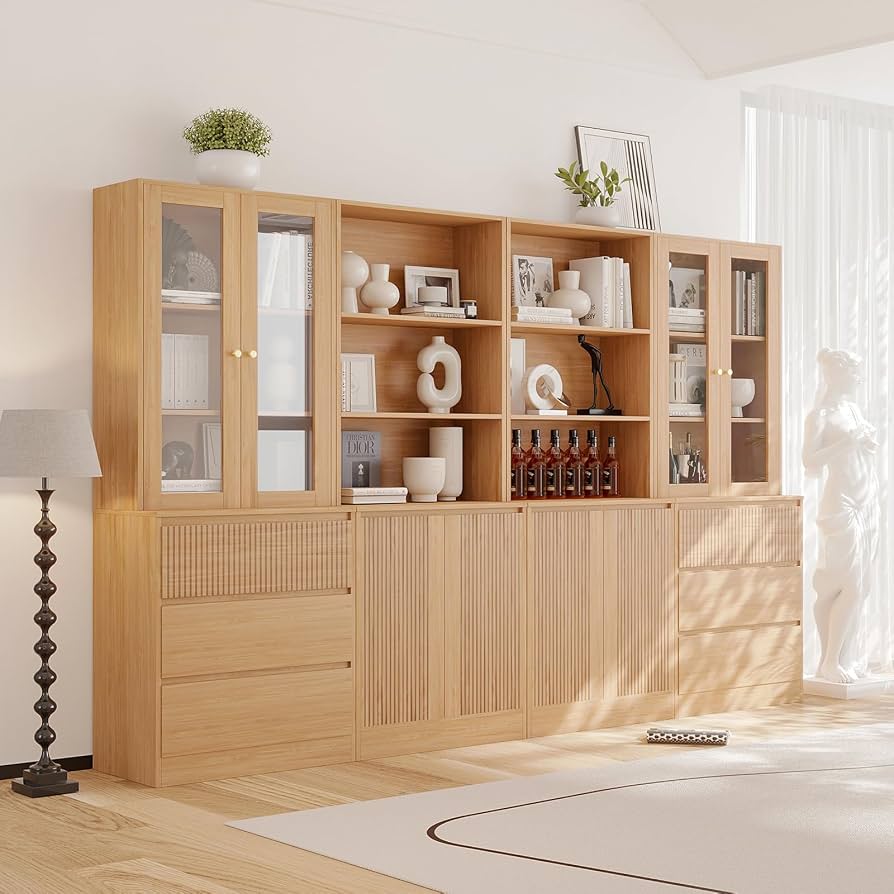
Slender file holders placed on bookshelves keep mail and paperwork upright and sorted by category. Metal versions with mesh sides allow visibility of contents without opening. Position holders at the end of a shelf row to avoid interrupting book displays.
Empty holders monthly to prevent paper buildup. Color-code file categories with washi tape on the front edges for quick identification. The narrow profile uses minimal shelf depth while preventing papers from flattening under heavier books.
Coffee Table Trunk Designs
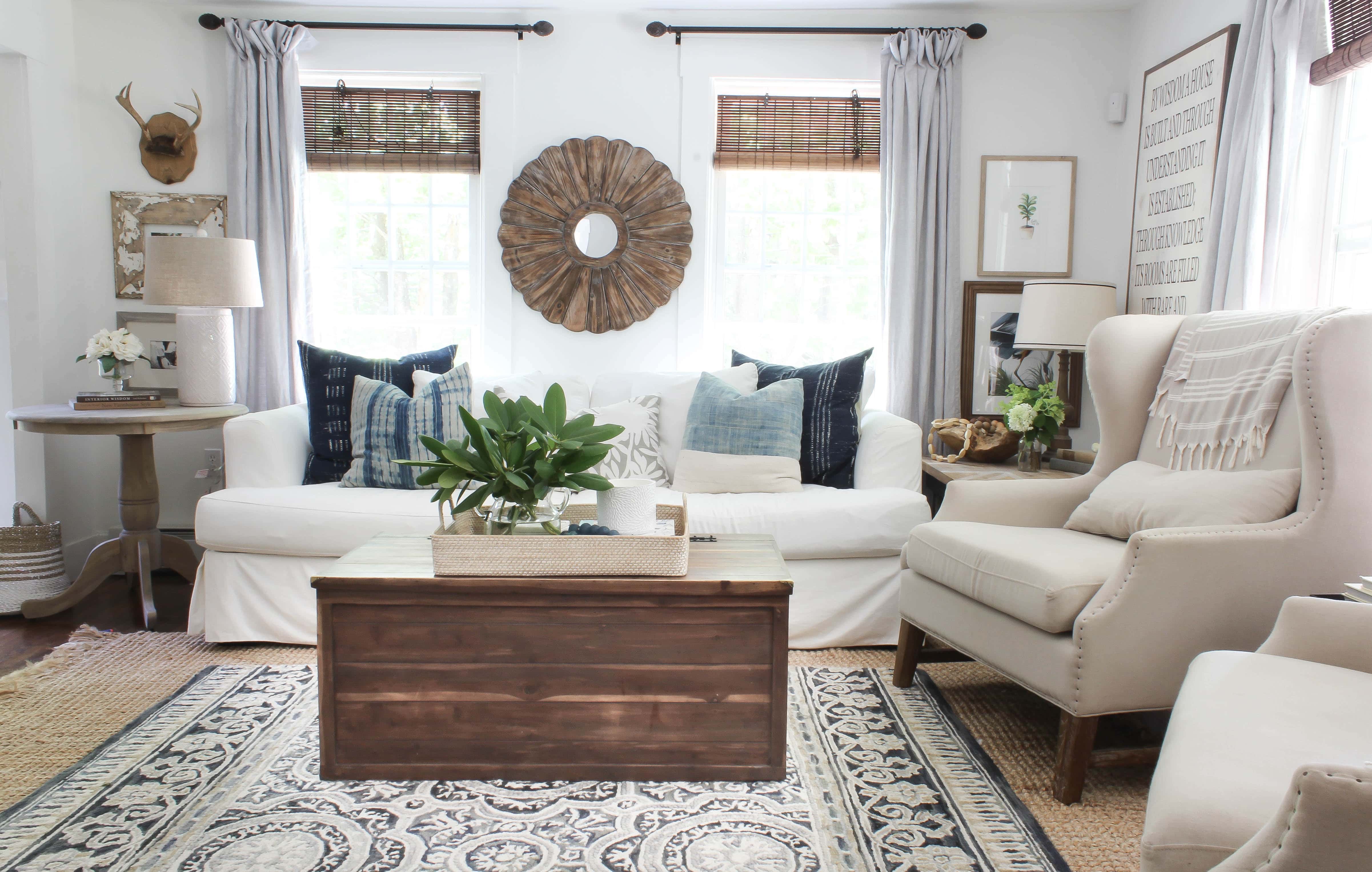
Trunk-style coffee tables with deep interiors store photo albums and spare linens beneath a lift lid. Select trunks with safety hinges and rounded corners for households with young visitors. The substantial top surface supports multiple serving trays during events.
Line the interior with acid-free tissue for textile storage. Rotate trunk contents seasonally so items stay fresh and the display on top can change. This single furniture piece often replaces both a table and a separate storage cabinet in mid-size living rooms.
How do I choose between wood and metal for ladder shelves?
Wood offers warmer tones that match most living room palettes and accepts paint easily for custom finishes. Metal provides slimmer profiles that suit modern rooms and resists warping in humid climates. Compare load ratings on manufacturer tags before purchase, since metal often supports heavier books per shelf.
Test both materials in the actual room lighting before committing. Wood may require periodic sealing while metal needs only occasional dusting. The choice ultimately depends on whether the room already leans toward natural textures or sleek surfaces.
What size storage ottoman fits best beside a standard sofa?
Measure the sofa arm height first, then select an ottoman no taller than that measurement to maintain visual balance. Depth should stay under 18 inches so legs can extend comfortably when used as a footrest. Width works best at two-thirds the sofa length for proportional pairing.
Consider traffic flow around the ottoman before finalizing dimensions. Round shapes soften rectangular sofa lines while rectangular ottomans echo sofa geometry. Test placement with painter’s tape on the floor to confirm clearance before buying.
How much weight can pegboards safely hold in a living room?
Standard pegboard holds 50 pounds per square foot when mounted to studs with proper spacers. Distribute weight evenly across multiple hooks rather than concentrating heavy items on one row. Add a second layer of board for items exceeding 10 pounds each.
Check local hardware stores for reinforced pegboard options rated higher for tool storage. Avoid placing heavy objects near the bottom edge where leverage increases pull-out risk. Regular inspection of mounting hardware prevents gradual loosening over months of use.
FAQ
How often should I rotate items in living room storage to prevent clutter buildup?
Review contents every three months and remove anything unused since the last check. This habit keeps storage functional rather than becoming a hidden junk drawer. Seasonal rotation also reveals items that belong elsewhere in the home.
What materials work best for lining storage containers to protect contents?
Acid-free tissue or cedar blocks prevent moisture damage and odors in textiles. Avoid plastic liners that trap humidity against fabrics. Test a small section first when using new lining materials.
Can storage benches replace coffee tables in small living rooms?
Benches with flat tops serve both seating and surface needs when sized appropriately. Add a tray on top to create a stable drink area. Confirm the bench height matches surrounding seating for comfortable use.
How do I secure tall ladder shelves without drilling into walls?
Use heavy-duty furniture straps attached to the top rung and anchored to a nearby stud. Place the ladder base against a corner for added stability. Check strap tension monthly as seasonal humidity changes can loosen connections.
These storage approaches keep surfaces clear while giving every item a designated spot that matches the room’s daily rhythm. Small consistent choices compound into a living room that feels open and welcoming every time you walk in.
Leave a Reply