
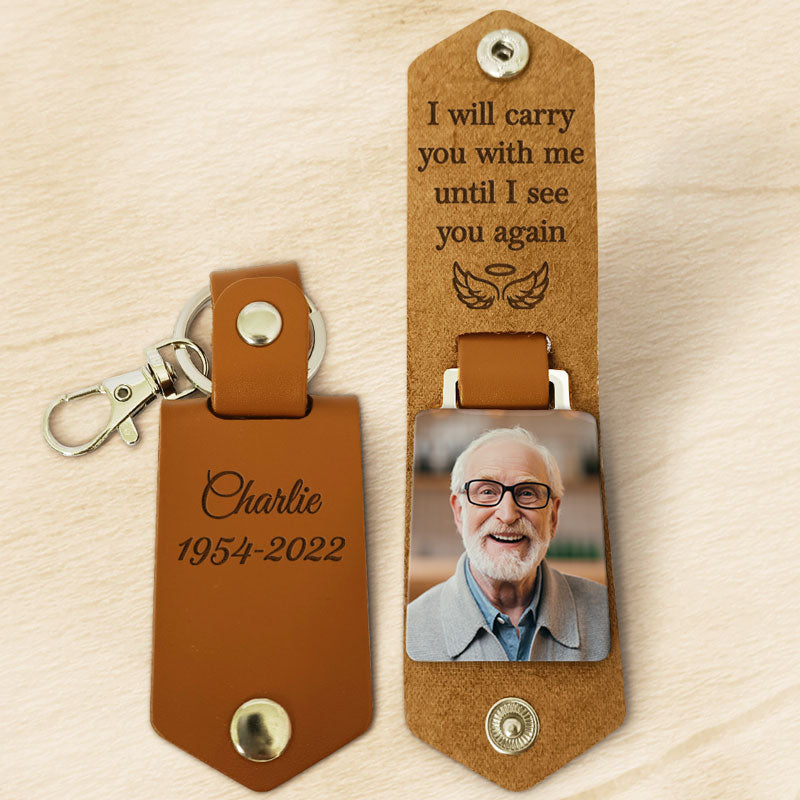
DIY keychains turn everyday items into gifts that people carry constantly. Each design lets you tailor colors, textures, and details to match the recipient without requiring advanced skills or expensive tools. The following sections break down 15 distinct approaches that work across different skill levels and material preferences.
Beaded Keychains with Colorful Patterns
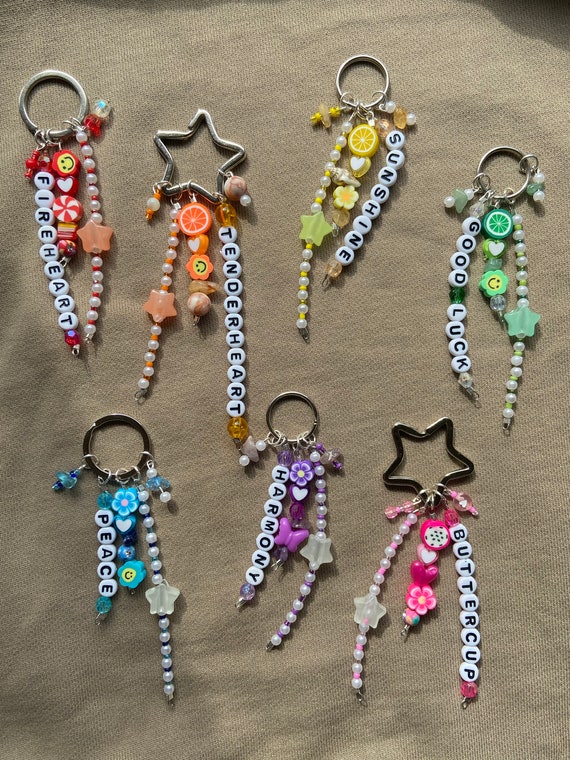
Beaded keychains let you combine glass, wood, or acrylic beads on a sturdy cord or wire base. The finished piece hangs neatly from a keyring while showing off personal color stories that reflect hobbies or favorite palettes. Many makers start with a simple strand and later add charms or tassels for extra movement.
Varying bead sizes creates visual rhythm without extra hardware. Larger focal beads sit near the ring while smaller ones fill the length, preventing the chain from looking flat. Cord strength matters here because thin thread snaps under daily pocket wear.
How durable are beaded keychains?
Beaded keychains hold up well when strung on coated wire or paracord rather than plain cotton thread. The beads themselves rarely chip unless dropped on hard surfaces repeatedly, and metal spacer beads add both strength and shine. Regular checks of the knot or crimp at the ring end catch wear before keys scatter across the floor.
Leather Stamped Keychains
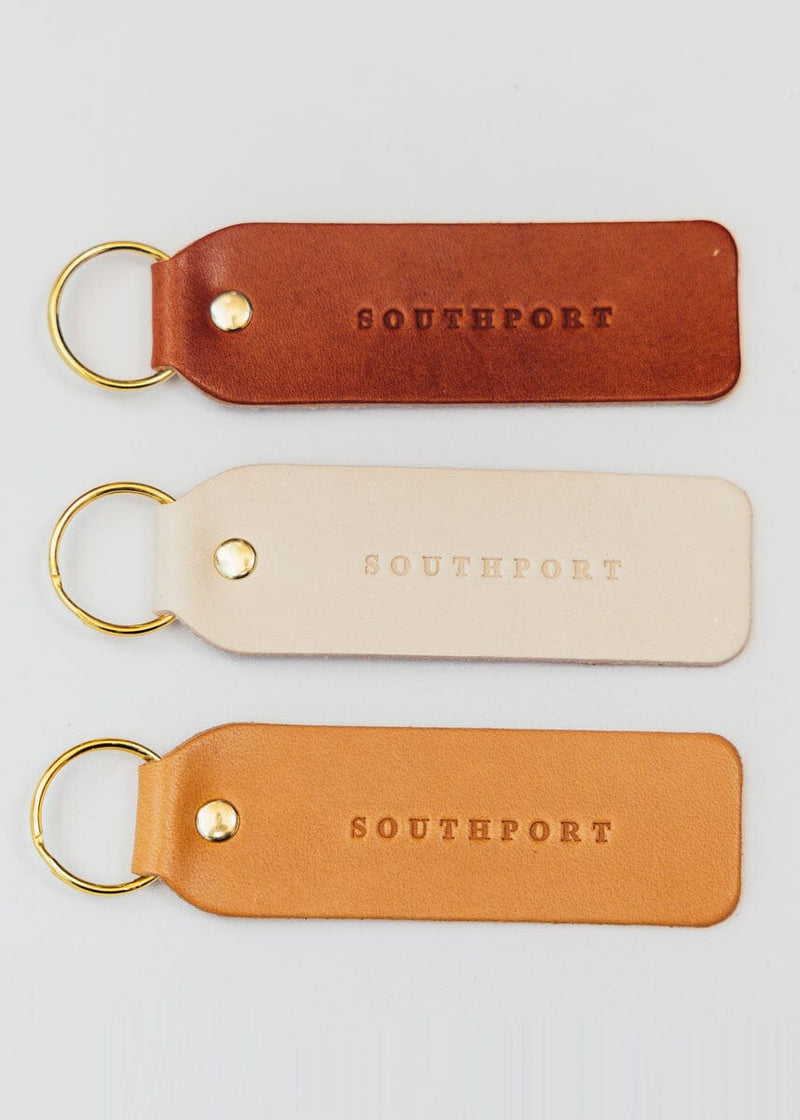
Leather keychains develop character over time as the material darkens and softens with handling. Stamping initials or simple symbols gives each piece a custom touch that feels personal yet remains practical for pockets or bags. Vegetable-tanned leather accepts stamps cleanly and ages into a warm patina.
Thickness between 2mm and 3mm balances flexibility with durability. Thinner leather curls at the edges while heavier stock feels bulky on a keyring. Edge burnishing after cutting removes roughness that otherwise catches on fabric.
Resin Encased Keychains
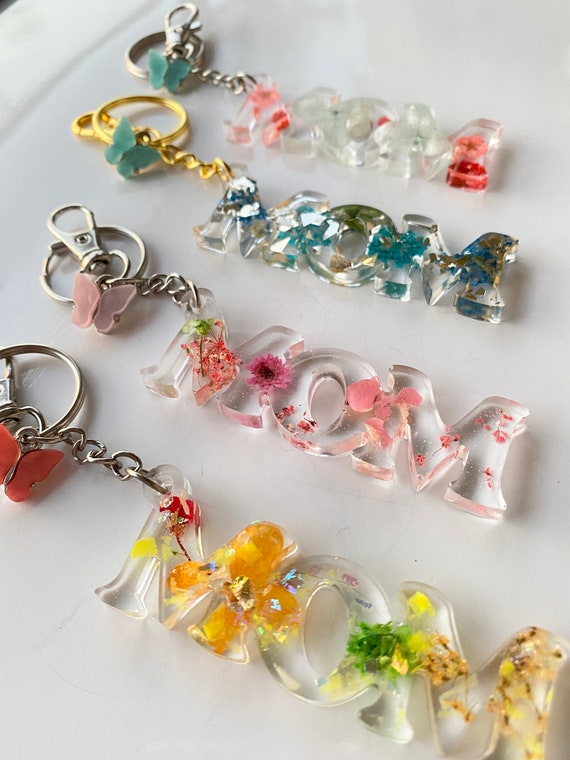
Resin keychains trap small objects like dried flowers, glitter, or tiny photos inside a clear or tinted dome. The cured surface resists scratches better than many expect and wipes clean with a damp cloth. Silicone molds produce consistent shapes that fit standard keyring hardware without extra trimming.
Resin cures differently in humidity, so plan pours on dry days or use a dehumidifier to avoid cloudy results. Working in layers prevents heavy inclusions from sinking to the bottom and ruining the intended design.
Fabric Scrap Keychains
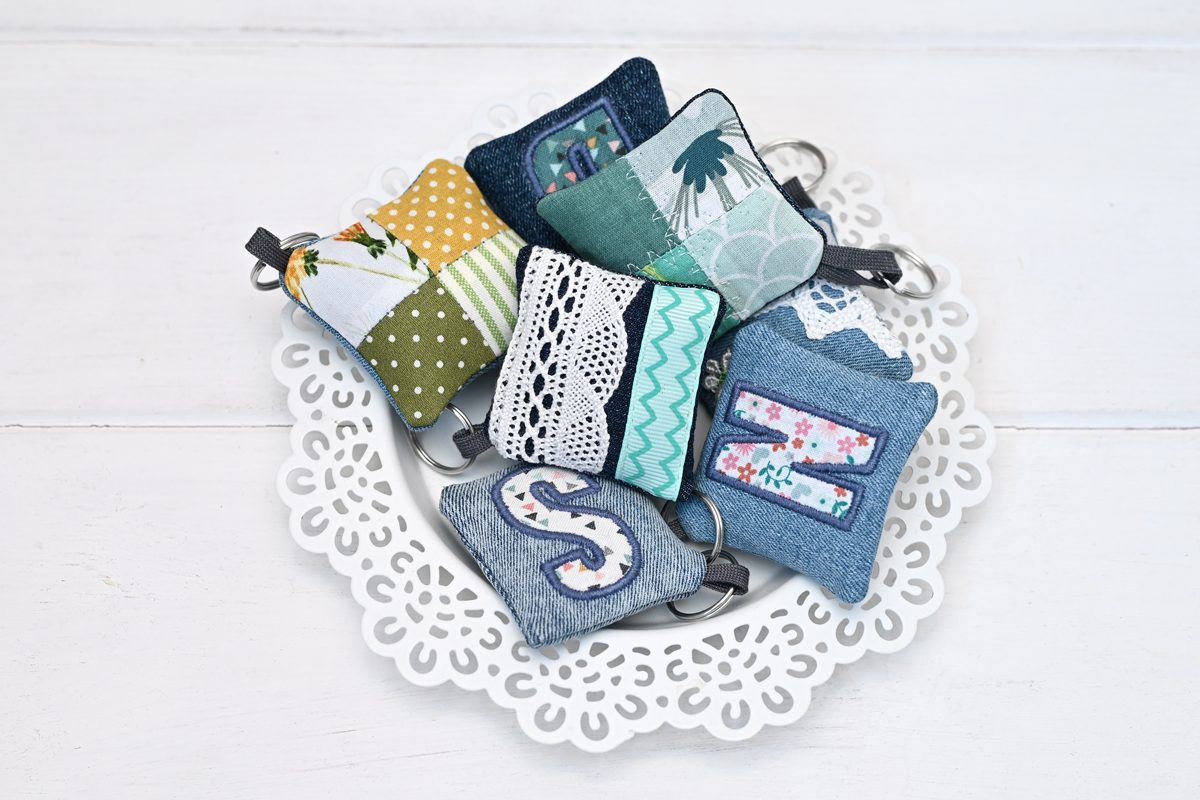
Fabric scraps from old clothing or leftover quilting projects turn into compact keychains through simple folding and stitching. The soft texture contrasts nicely with metal hardware and feels pleasant in the hand. Multiple layers fused with interfacing keep the shape stable even after repeated washing.
Printed cottons and linens show patterns clearly once assembled. Denim and canvas scraps add structure for bolder shapes like arrows or hearts. A quick zigzag stitch around the perimeter prevents fraying that would otherwise shorten the life of the piece.
Wooden Slice Keychains
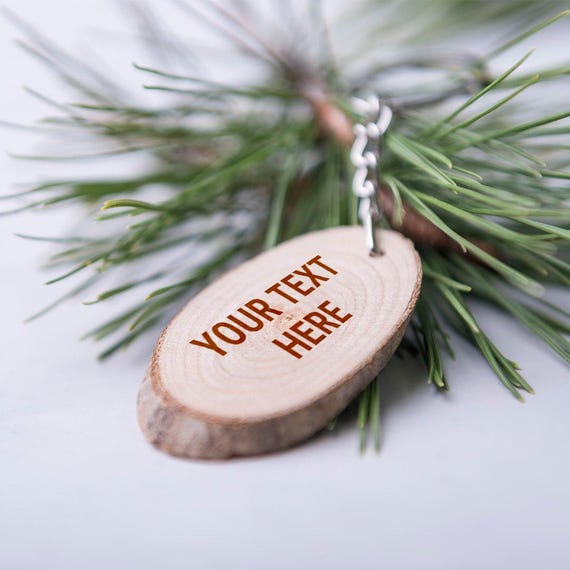
Wood slices from branches or purchased blanks carry natural grain that no paint can replicate. Laser engraving or hand-burning adds names, dates, or coordinates that mark meaningful moments. A light coat of oil protects the surface while deepening the wood tone.
Smaller slices under two inches across stay lightweight enough for everyday carry. Larger pieces work better as bag charms rather than keyrings because they add noticeable bulk. Sealing both faces and the bark edge stops moisture from causing cracks during seasonal changes.
Macrame Keychains
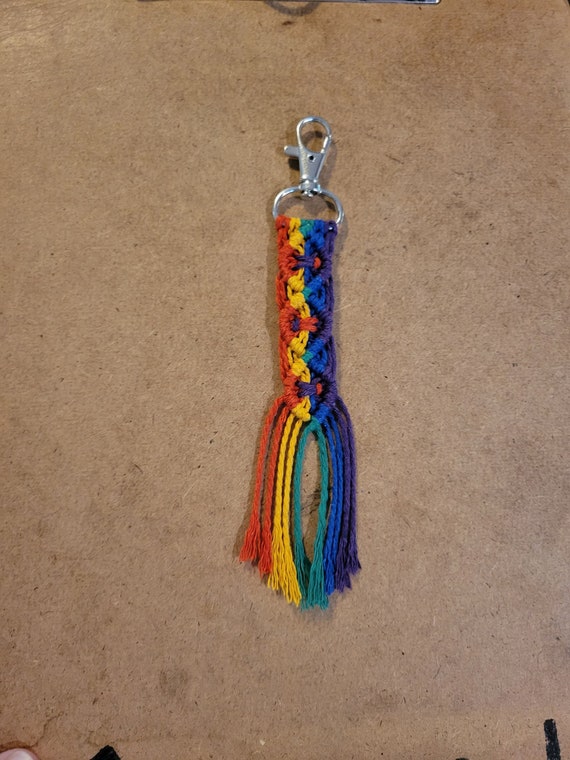
Macrame keychains use square knots and spiral patterns to build compact hangers that end in a keyring. Natural cotton cord gives a matte, textured look while waxed cord adds shine and water resistance. The repetitive knotting process suits evenings when hands need something steady to do.
Cord diameter around 2mm produces fine detail without overwhelming the small scale. Thicker cord creates chunkier results that suit larger keyrings or zipper pulls. A wooden bead slipped onto the working cords before knotting serves as both weight and decorative element.
Tassel Keychains
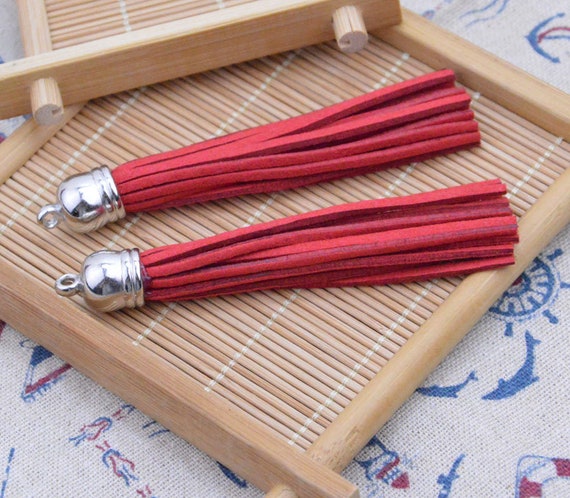
Tassel keychains gather strands of suede, embroidery floss, or yarn into a neat bundle capped by a metal finding. The movement of the strands makes them easy to spot in a bag or pocket. Color blocking within one tassel adds interest without extra pieces.
Choosing hardware that matches the weight of your design prevents the tassel from pulling keys out of alignment. Short tassels under three inches stay practical while longer ones suit decorative bags or journals more than daily key use.
Bottle Cap Keychains
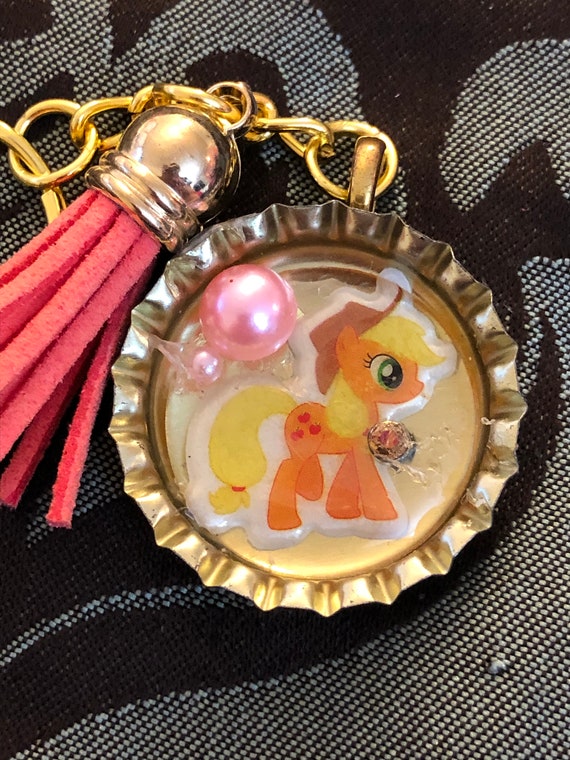
Bottle cap keychains flatten or layer caps around a central image or message. The metal rim frames whatever sits inside and reflects light in a way that draws attention. Epoxy resin poured inside the cap creates a smooth, waterproof surface over paper or fabric inserts.
Caps from craft beer or soda brands already carry interesting colors and logos. Flattening requires a hammer and block to avoid distorting the circle shape. A small jump ring through a punched hole connects the cap to the keyring without visible glue.
Clay Keychains
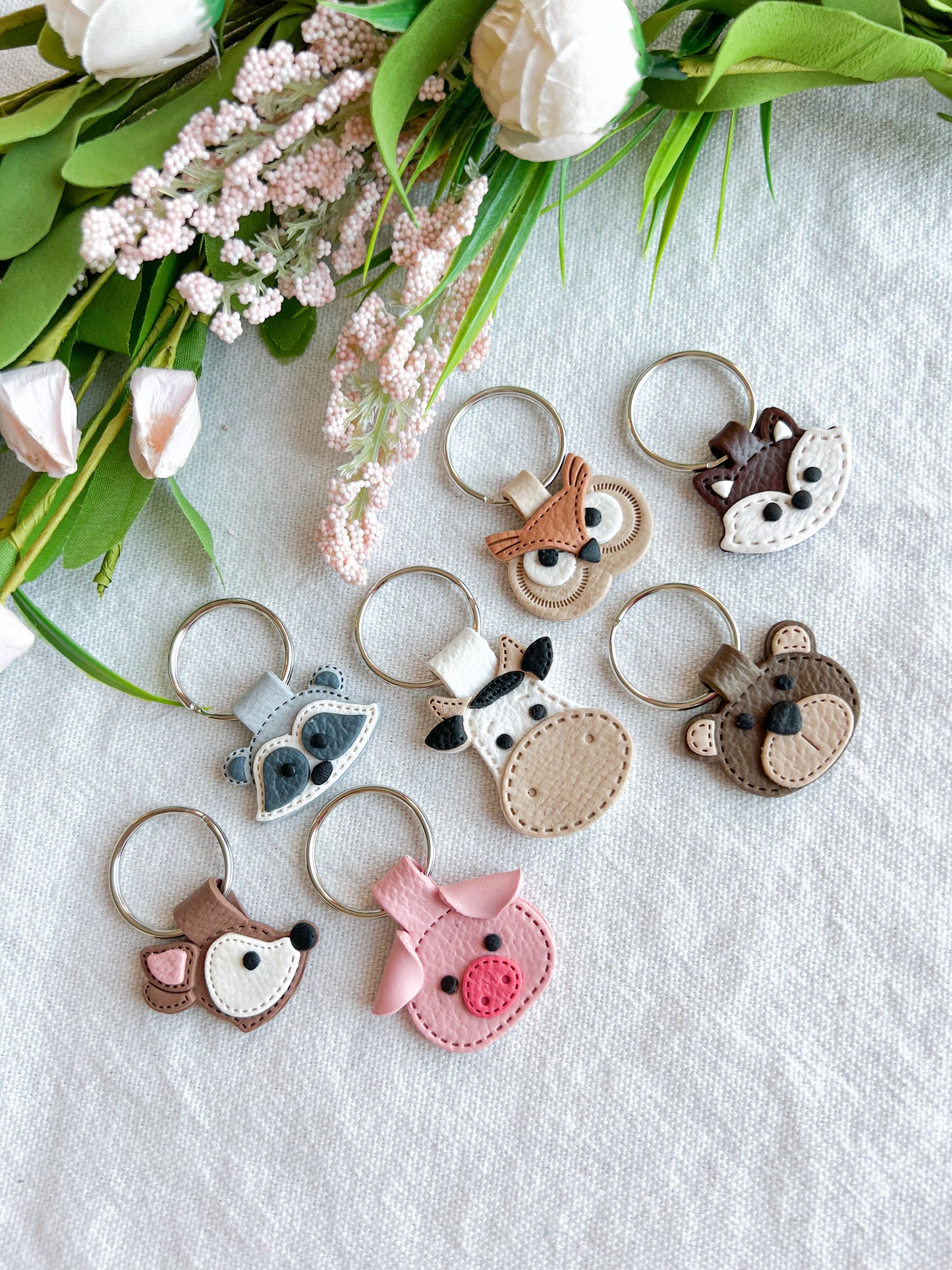
Polymer clay keychains accept impressions from stamps, lace, or household textures before baking. The material holds fine detail and cures into a lightweight yet strong pendant. Mixing colors or adding mica powders produces effects that mimic stone or metal.
Baking temperature and time must match the clay brand to prevent brittleness. Overbaking causes darkening while underbaking leaves the piece soft enough to bend. A jump ring inserted into the clay before baking creates a secure attachment point that will not pull out later.
Paracord Keychains
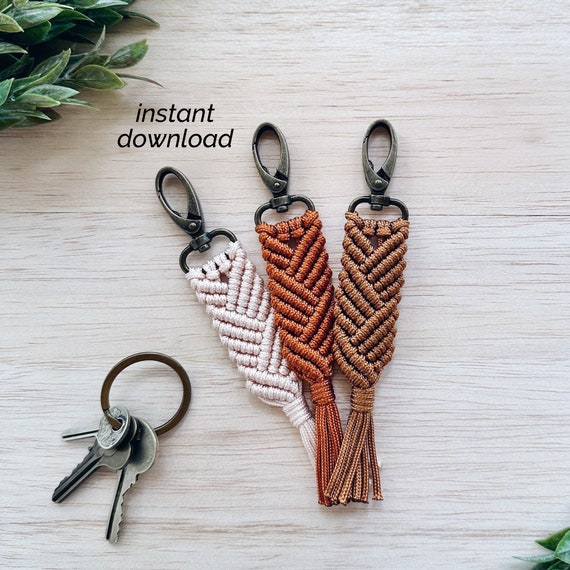
Paracord keychains weave or braid into compact survival-style fobs that can be unraveled in an emergency. The nylon material resists abrasion and comes in dozens of colors and patterns. Basic cobra or king cobra weaves produce a flat profile that slides easily into pockets.
Core strands removed from the paracord allow tighter knots and lighter weight. Leaving the inner strands in creates a thicker, more cushioned feel. Metal or plastic buckles at one end let the keychain double as a quick-release tool holder.
Button Keychains
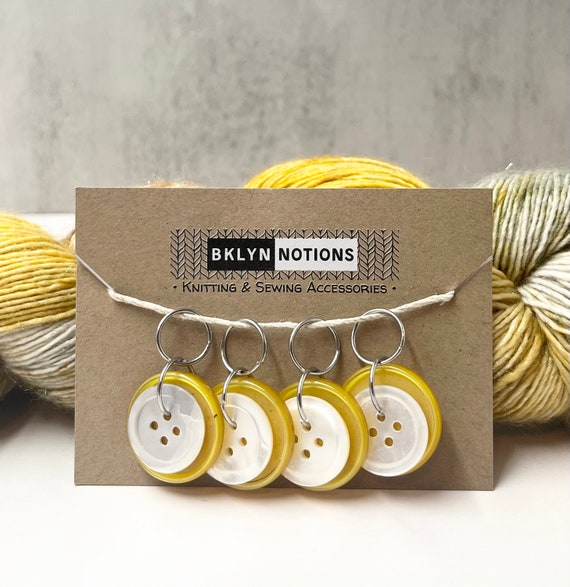
Button keychains stack or cluster vintage or new buttons on a short length of cord or chain. The varied sizes and colors create visual interest from simple, inexpensive materials. Larger shank buttons sit at the base while flatter buttons layer above for depth.
Sorting buttons by material first prevents mixing plastic with metal that might scratch. A strong jump ring through the largest button hole keeps everything aligned. Clear nail polish on thread ends stops knots from loosening over months of use.
Shell Keychains
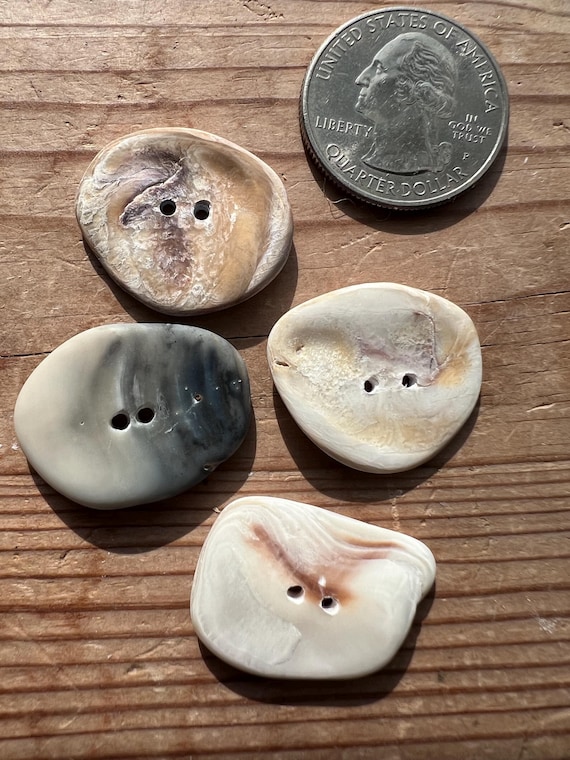
Shell keychains use drilled beach finds or purchased shells wired to a ring. The natural shapes and subtle colors suit coastal or minimalist tastes. Small shells cluster nicely while a single larger shell serves as a focal point.
Drilling requires a slow speed and water to keep the shell from cracking. A tiny bit of sandpaper smooths the hole edges before wire passes through. Avoid very thin shells that break under the weight of keys during normal handling.
Rope-Wrapped Keychains
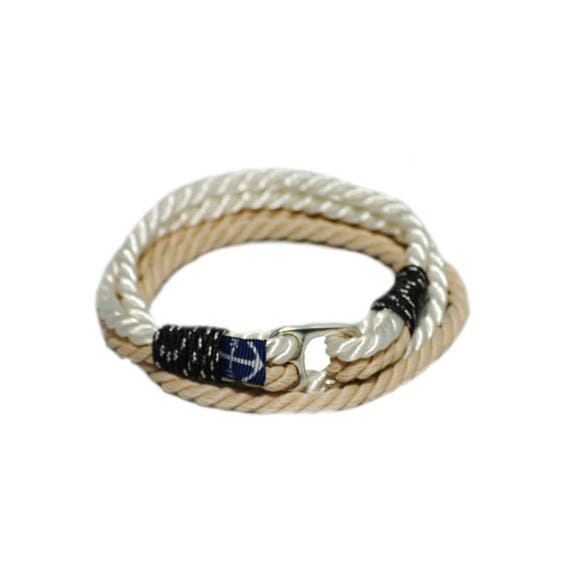
Rope-wrapped keychains cover a metal ring or wooden core with tight nautical-style wraps. The texture provides grip and the neutral tones pair with almost any key set. Waxed linen or cotton rope holds knots that stay put without glue.
Starting the wrap with a secure lark’s head knot prevents the whole piece from unraveling. Consistent tension keeps the rope even rather than bunching in spots. A dab of clear glue on the final tuck hides the end and adds security.
Photo Keychains
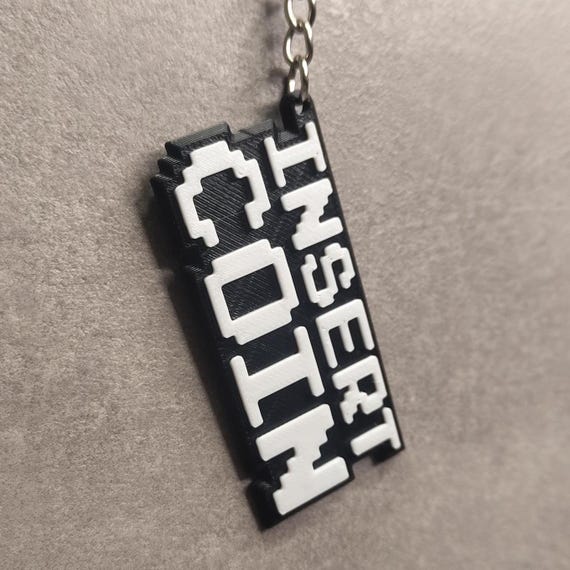
Photo keychains hold small printed images behind clear plastic or resin windows. The format works for family snapshots, pet portraits, or travel memories that fit in a pocket. Printing on photo paper and sealing with packing tape protects against moisture before assembly.
Hardware with a swivel joint lets the photo face forward regardless of how the keys hang. Square or oval shapes accommodate standard wallet-size prints with minimal cropping. Replacing the photo later requires only opening the back rather than rebuilding the entire piece.
Pom-Pom Keychains

Pom-pom keychains add soft volume through layered yarn wound around a cardboard template or pom-pom maker. The finished ball attaches to a keyring via a short cord or metal cap. Bright or neutral colors let the texture become the main feature.
Trimming the pom-pom evenly after tying prevents loose ends that catch on zippers. A smaller pom-pom paired with a larger one creates an asymmetrical look that still feels balanced. Yarn weight affects density, so sport or DK yarn produces tighter results than bulky fibers.
FAQ
What size keychain works best for everyday carry?
A finished keychain between two and four inches long keeps keys organized without adding bulk to pockets or purses. Longer pieces tend to tangle with other items while shorter ones can disappear inside bags. Testing the length with the actual keys attached reveals whether the design stays practical during daily movement.
How do I attach hardware securely to homemade keychains?
Jump rings opened with two pairs of pliers create a strong connection that will not twist open under weight. Crimping beads or knots placed directly against the ring add a second layer of security. Checking the attachment monthly catches any loosening before keys separate from the decorative element.
Which materials hold up best in humid climates?
Metal, resin, and sealed wood resist moisture better than untreated fabric or paper elements. Leather benefits from occasional conditioning to prevent drying and cracking. Avoiding porous materials or sealing them thoroughly prevents swelling and color bleeding during damp seasons.
Can keychains be washed without damaging the design?
Most fabric, cord, and beaded keychains survive gentle hand washing in cool water with mild soap. Resin and metal pieces wipe clean with a damp cloth while leather requires only conditioning rather than full submersion. Always remove any paper or photo inserts before cleaning to avoid water damage.
Creating these keychains gives you gifts that recipients reach for multiple times each day. The personal details turn ordinary objects into reminders of thought and effort.
Leave a Reply